𝗪𝗵𝗮𝘁 𝗮𝗿𝗲 𝗔𝗶𝗿 𝗣𝘂𝗿𝗶𝗳𝗶𝗲𝗿𝘀 & 𝗙𝗮𝗻𝘀?
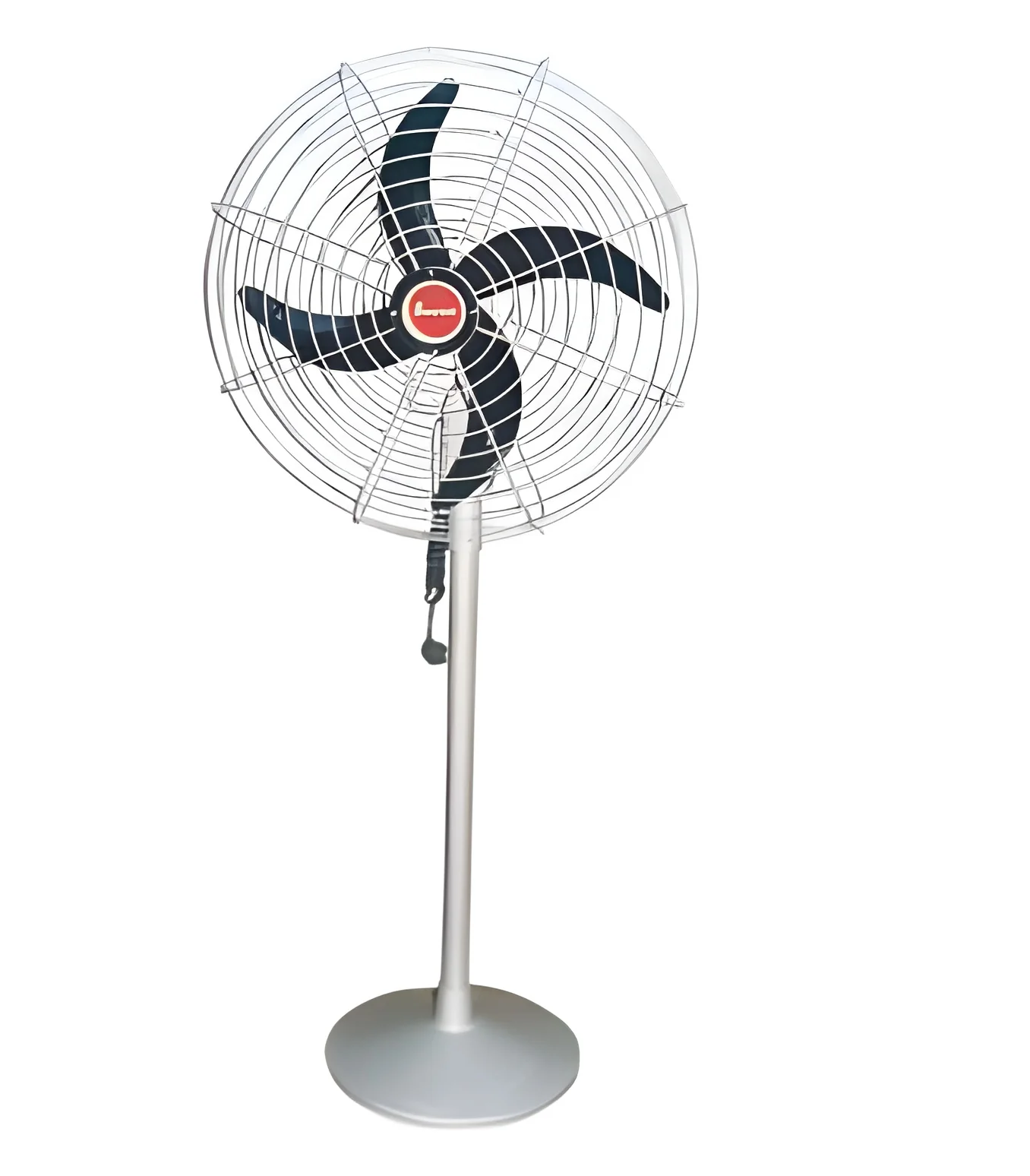
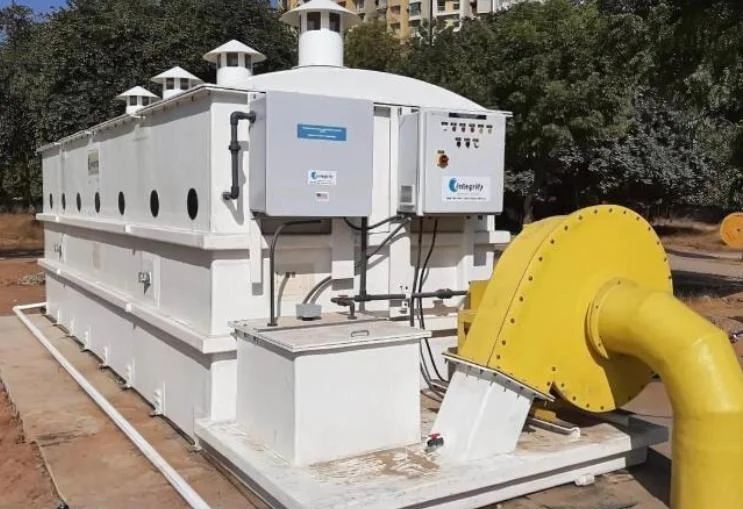
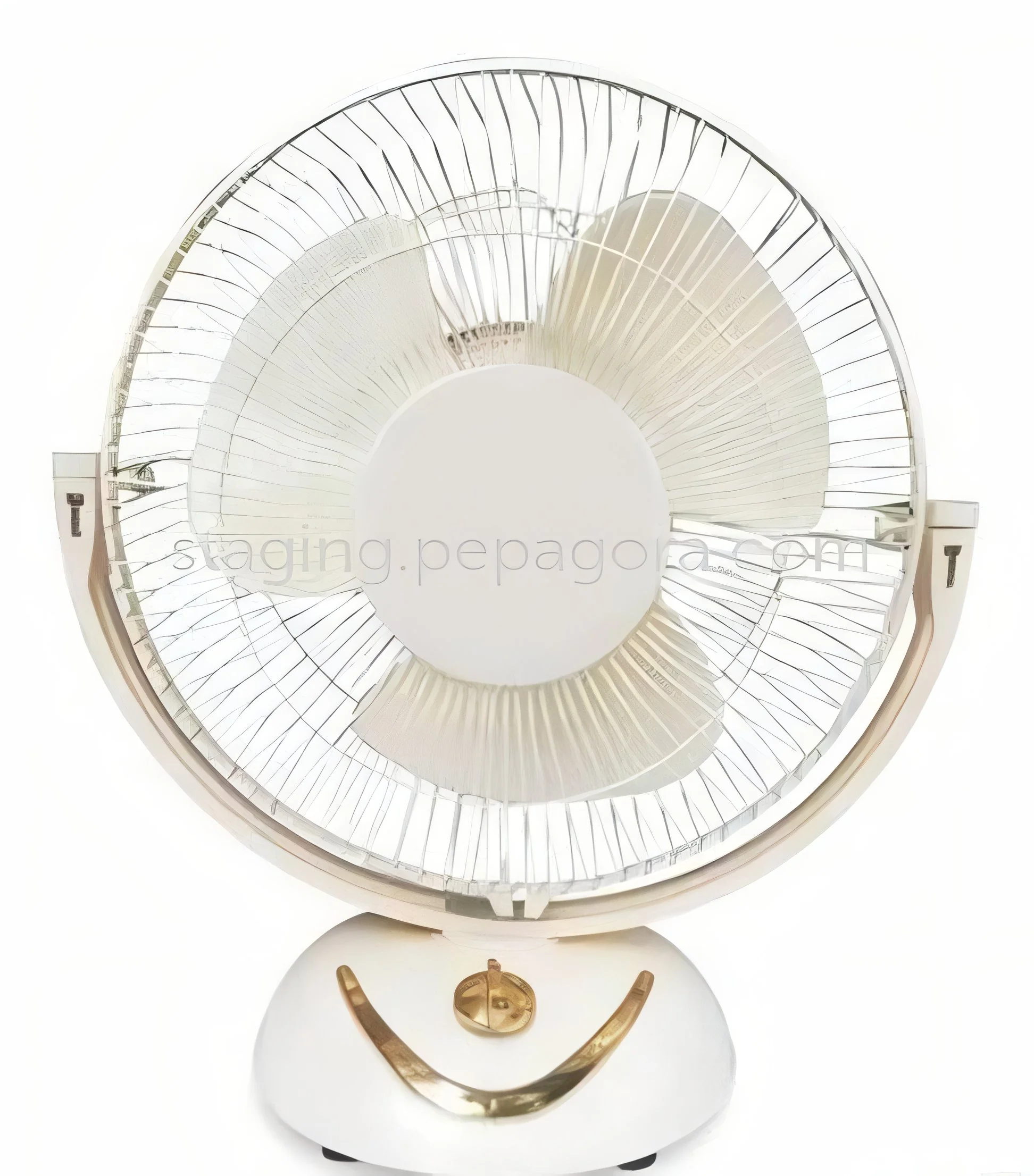
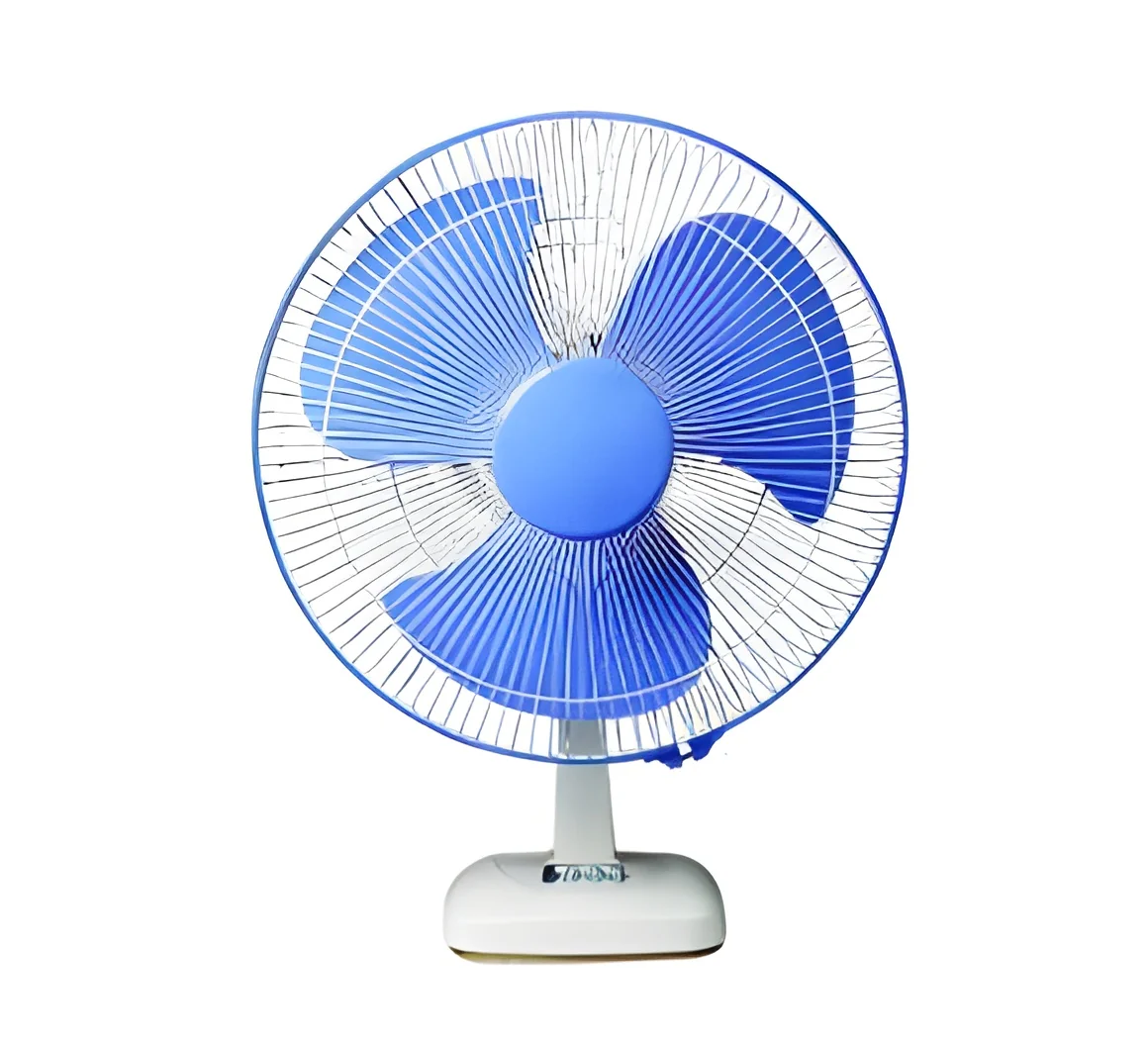
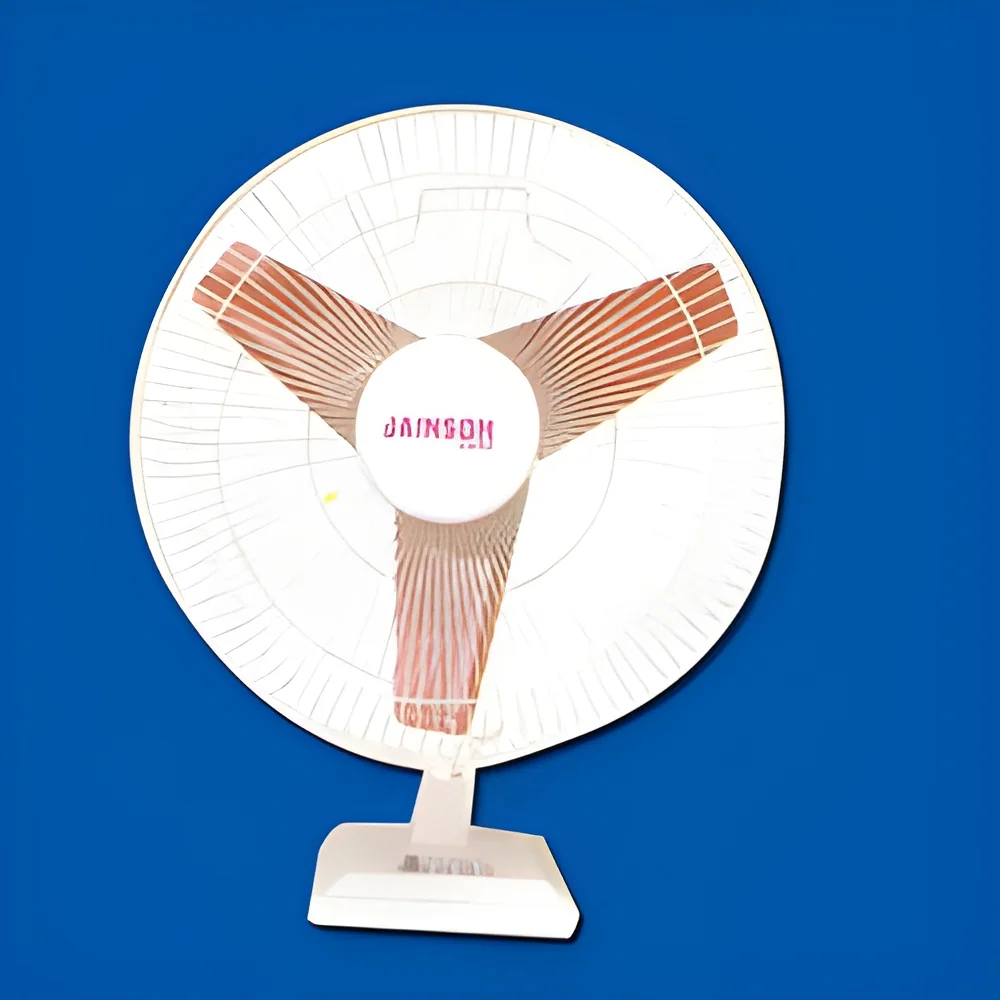
Air purifiers and fans are essential devices designed to improve indoor air quality and comfort. Air purifiers work by removing contaminants from the air, including dust, allergens, and harmful particles. They utilize various filtration technologies, such as HEPA filters, to capture and eliminate pollutants. Fans, on the other hand, circulate air to create a cooling effect and improve ventilation within a space, making it more comfortable.
These products are widely used in various business environments, including offices, manufacturing facilities, and healthcare settings. In workplaces, air purifiers help to maintain a healthy atmosphere by reducing airborne contaminants, while fans improve air circulation, contributing to employee comfort and productivity. The demand for these devices has increased as businesses recognize the importance of a clean and comfortable indoor environment.
The market for air purifiers and fans continues to grow, driven by rising awareness of air quality issues and health concerns. Industries are increasingly investing in these products to ensure compliance with health standards and to enhance employee well-being. As air quality regulations become more stringent, businesses are seeking reliable air purification and circulation solutions that meet industry standards.
𝗞𝗲𝘆 𝗙𝗲𝗮𝘁𝘂𝗿𝗲𝘀 𝗮𝗻𝗱 𝗦𝗽𝗲𝗰𝗶𝗳𝗶𝗰𝗮𝘁𝗶𝗼𝗻𝘀
Air purifiers and fans come equipped with a range of features that enhance their functionality. Understanding these specifications is crucial for making informed purchasing decisions.
Key specifications include:
1. Filtration Technology
- HEPA filters capture 99.97% of particles as small as 0.3 microns
- Activated carbon filters reduce odors and chemical vapors
2. Airflow Rate
- Measured in cubic feet per minute (CFM)
- Determines how quickly the device can circulate air in a room
3. Noise Level
- Measured in decibels (dB)
- Indicates the operational sound level, important for quiet environments
4. Power Consumption
- Measured in watts (W)
- Important for evaluating energy efficiency and operational costs
5. Coverage Area
- Specified in square feet (sq ft)
- Indicates the maximum area the device can effectively purify or ventilate
6. Speed Settings
- Multiple fan speed options for customized airflow
- Allows users to adjust settings based on preferences and needs
7. Filter Replacement Indicator
- Alerts users when filters need to be replaced
- Ensures optimal performance and air quality
8. Smart Features
- Wi-Fi connectivity for remote control and monitoring
- Integration with home automation systems for enhanced convenience
In summary, selecting the right air purifier or fan involves understanding these key features and specifications to ensure optimal performance and suitability for your specific needs.
𝗖𝗼𝗺𝗺𝗼𝗻 𝗔𝗽𝗽𝗹𝗶𝗰𝗮𝘁𝗶𝗼𝗻𝘀 𝗮𝗻𝗱 𝗨𝘀𝗲 𝗖𝗮𝘀𝗲𝘀
Air purifiers and fans find applications across various industries, catering to diverse needs.
1. Healthcare: Air purifiers are crucial in hospitals and clinics to reduce airborne pathogens and allergens, creating a safer environment for patients and staff.
2. Education: Schools and universities utilize air purifiers to enhance air quality in classrooms, promoting better concentration and reducing absenteeism due to allergies.
3. Hospitality: Hotels and restaurants employ air purifiers and fans to ensure guest comfort and maintain a pleasant atmosphere, especially in crowded spaces.
4. Manufacturing: Factories use air purifiers to mitigate dust and chemical fumes, protecting workers' health and ensuring compliance with safety regulations.
5. Offices: Businesses incorporate these devices to improve air quality and ventilation, contributing to employee productivity and comfort.
6. Retail: Shops and malls use air purifiers to create a pleasant shopping environment, enhancing customer experience and satisfaction.
7. Residential: Homeowners invest in air purifiers and fans for improved indoor air quality, especially in urban areas with high pollution levels.
𝗣𝗿𝗼𝗱𝘂𝗰𝘁 𝗩𝗮𝗿𝗶𝗮𝗻𝘁𝘀 𝗮𝗻𝗱 𝗦𝘂𝗯𝗰𝗮𝘁𝗲𝗴𝗼𝗿𝗶𝗲𝘀
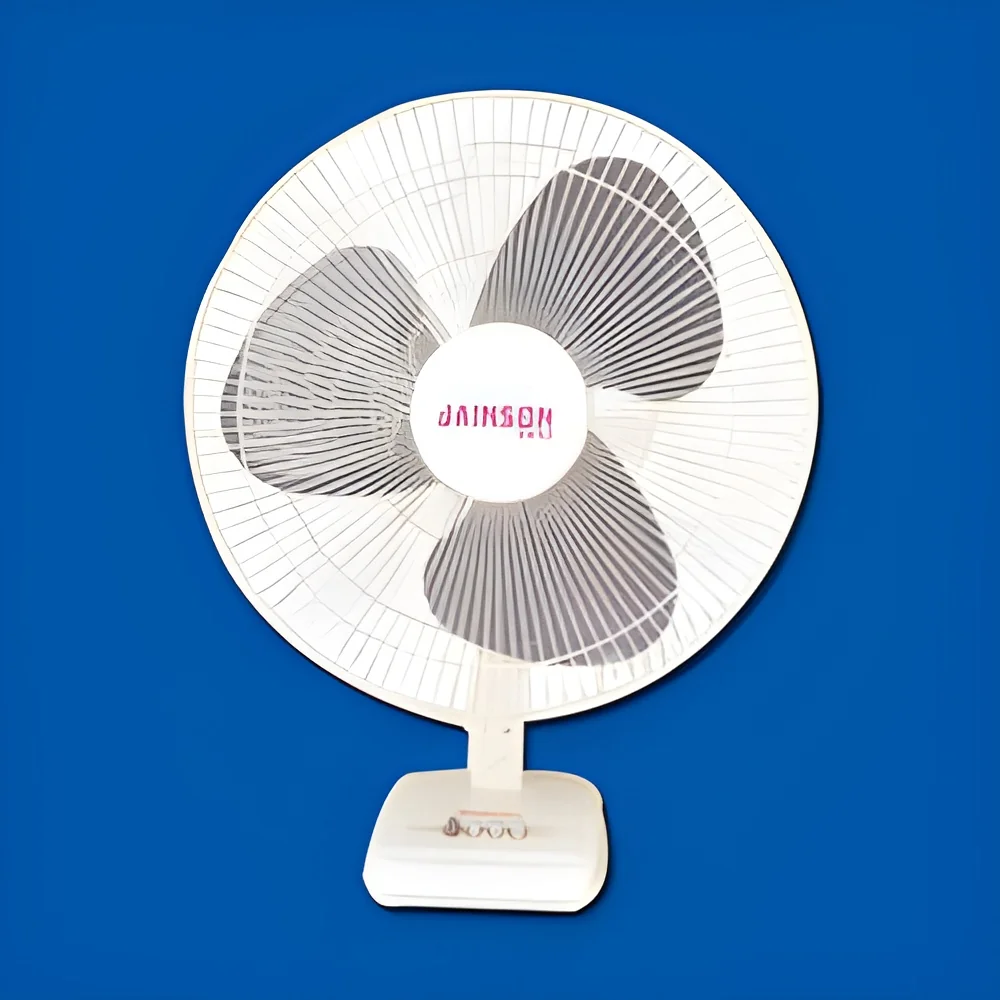
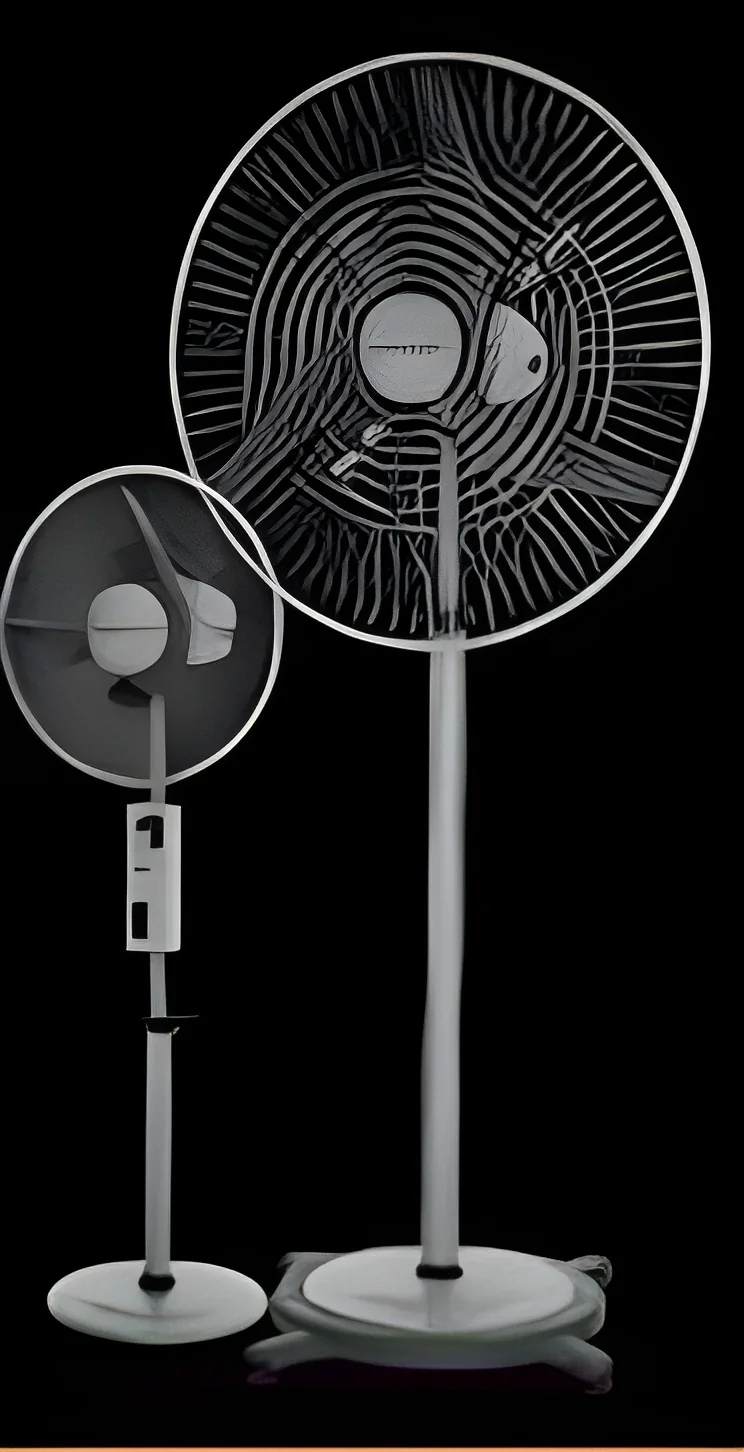
Air purifiers and fans come in various types to cater to different requirements and preferences.
Portable Air Purifiers: These compact units are designed for individual rooms or small spaces. They are easy to move and ideal for those needing localized air purification.
Tower Fans: These fans provide a sleek design and efficient airflow, making them suitable for both residential and commercial settings. They often come with multiple speed settings and oscillation features.
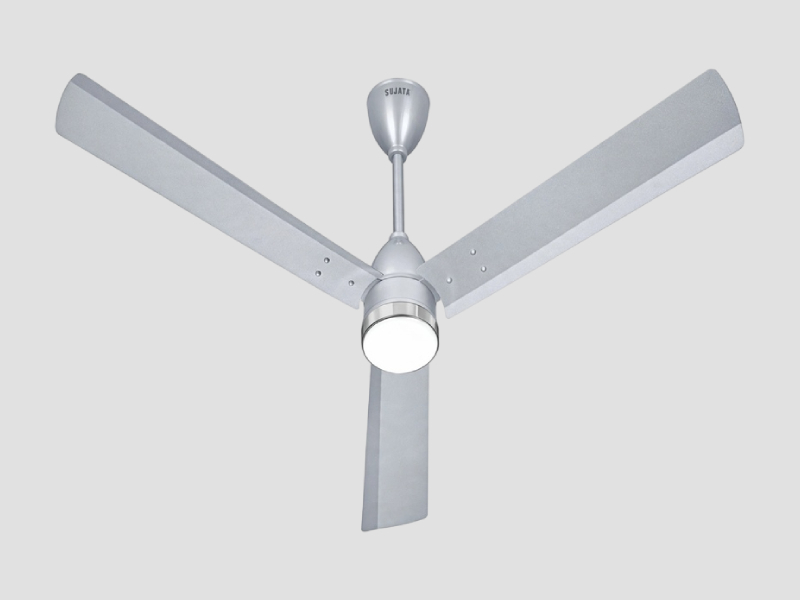
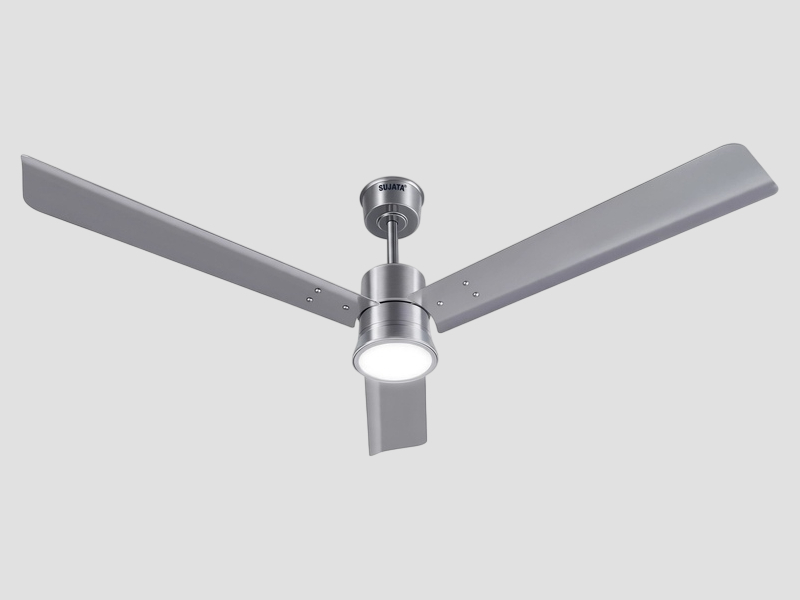
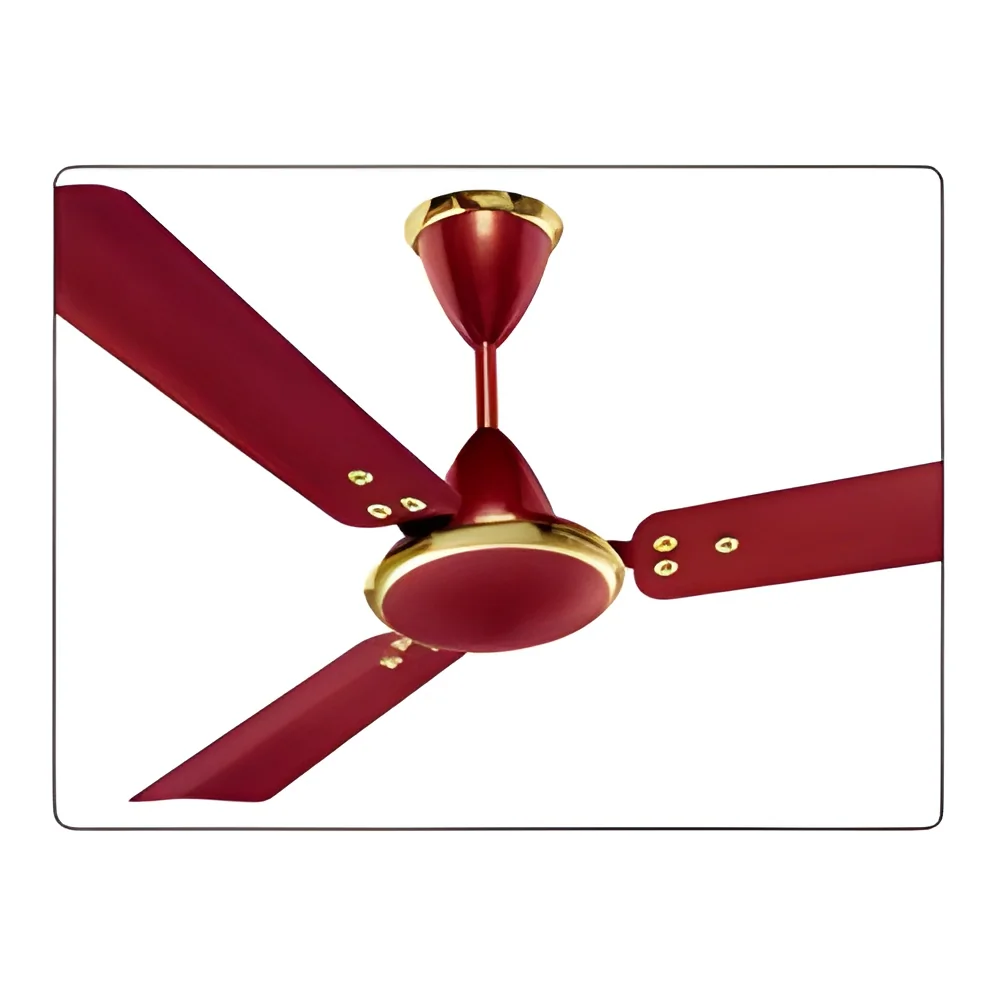
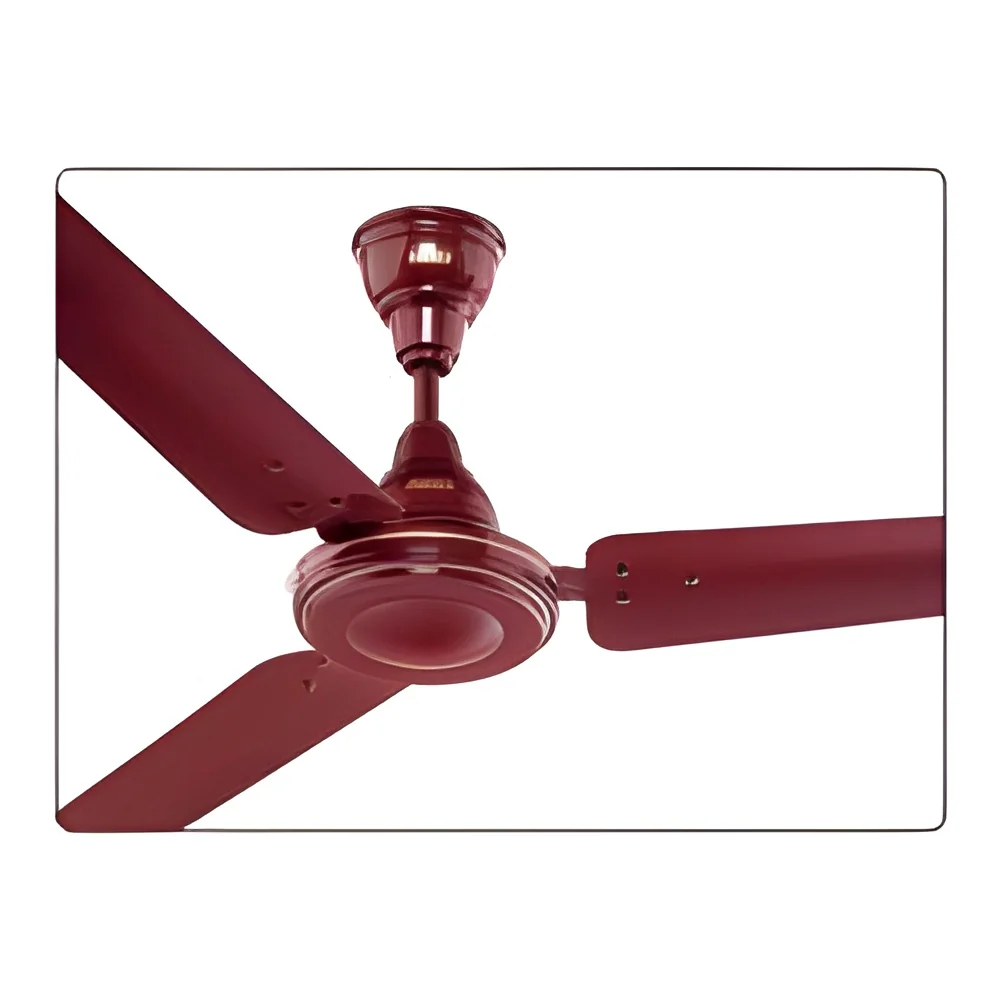
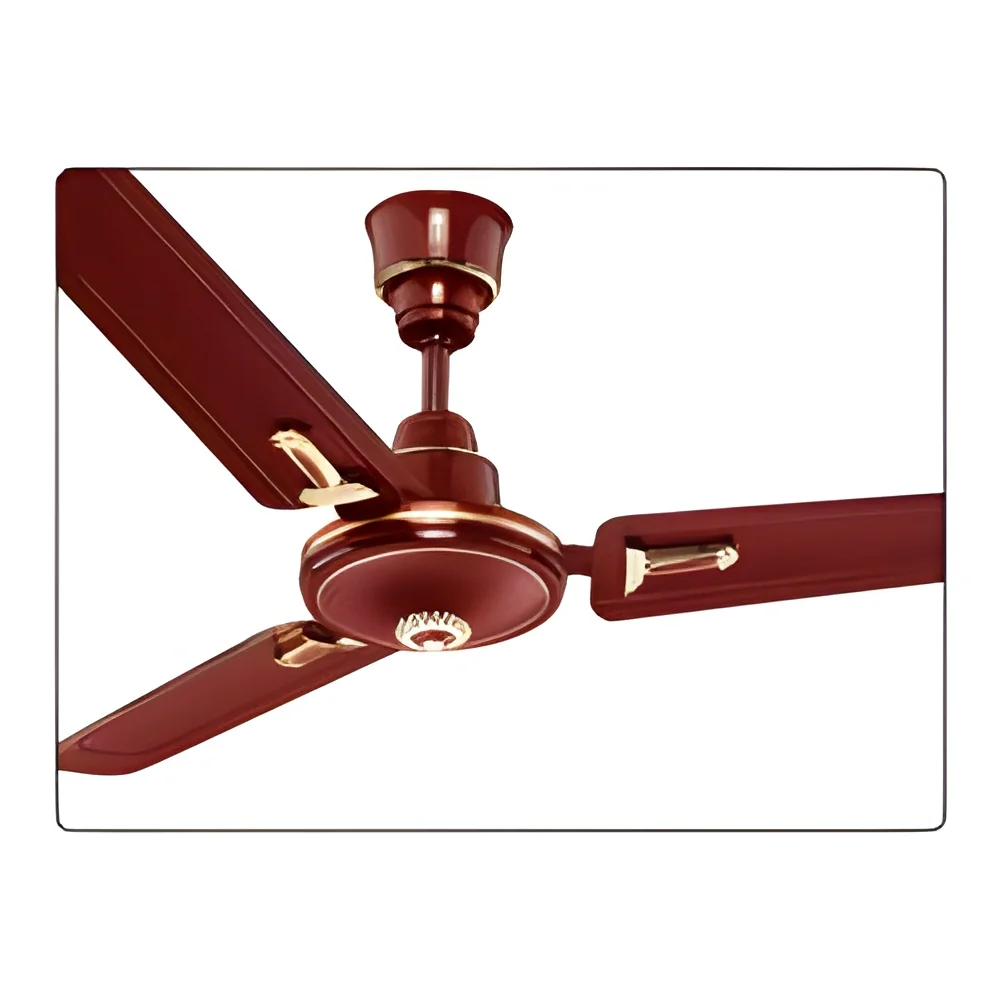
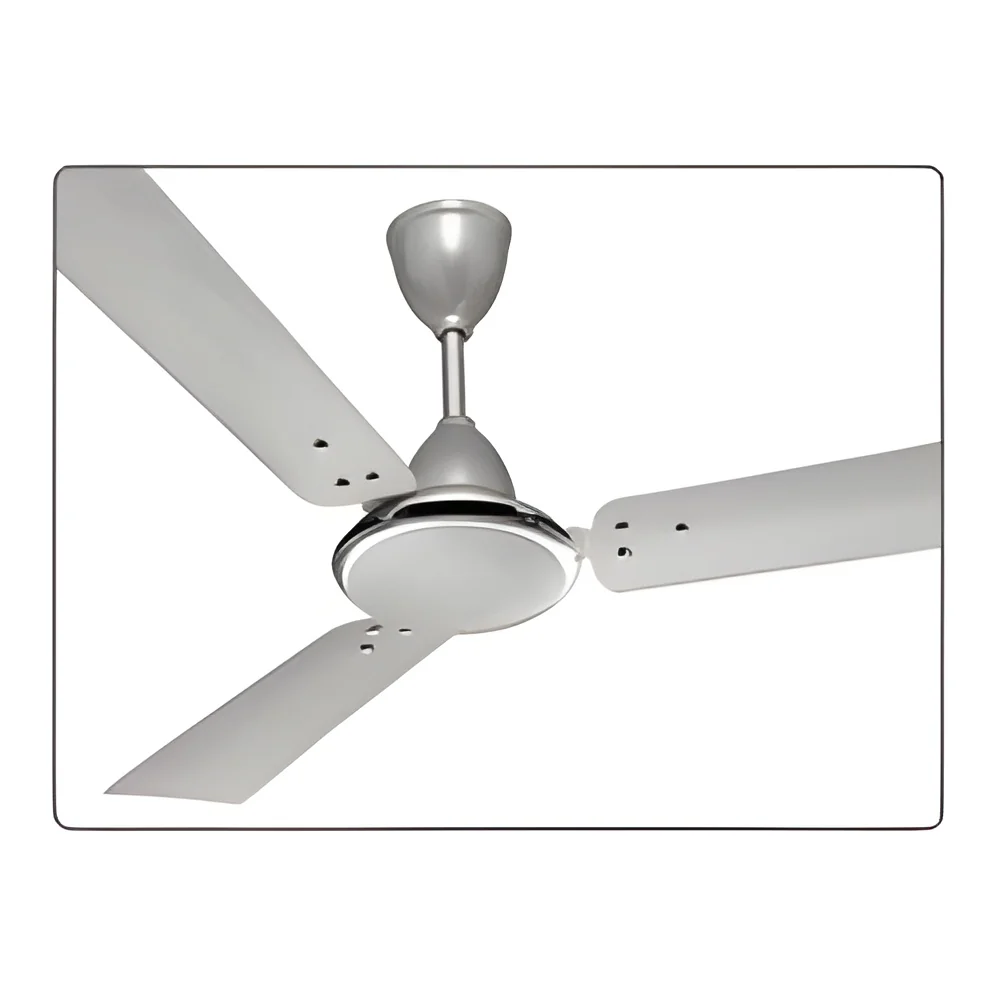
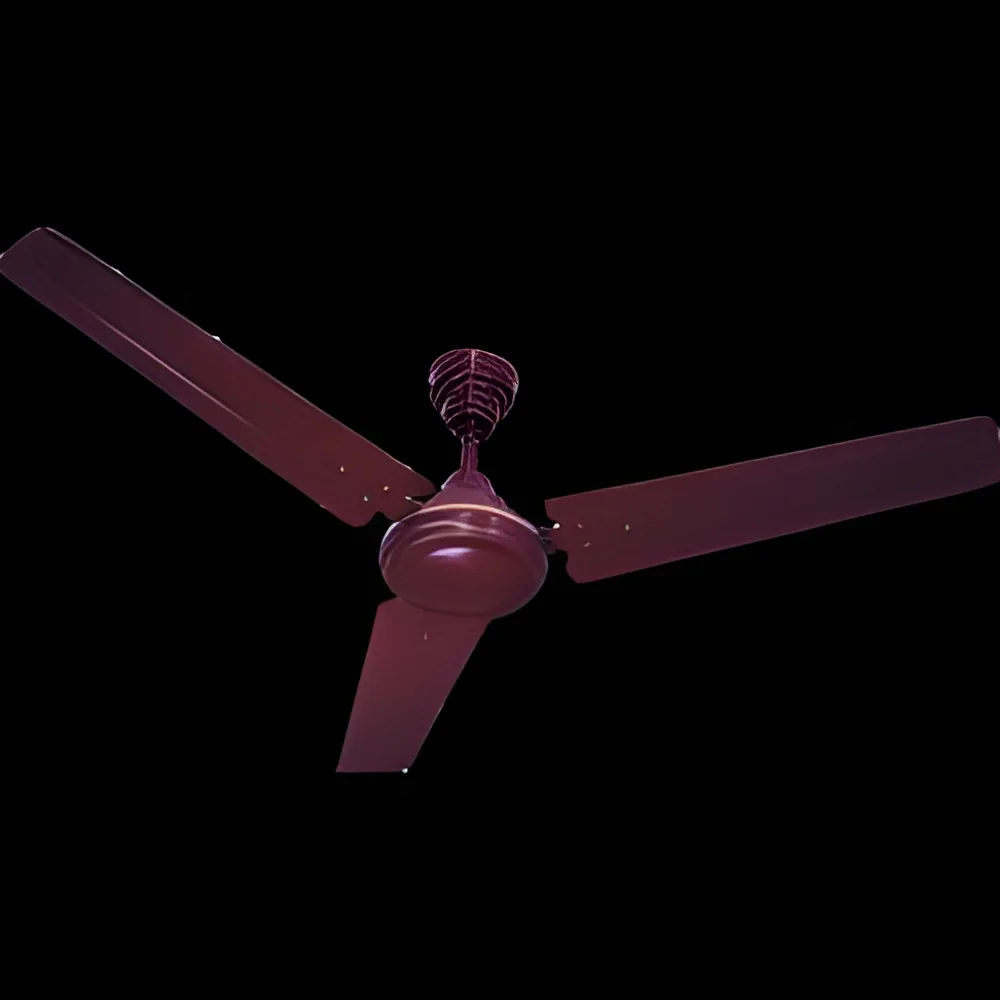
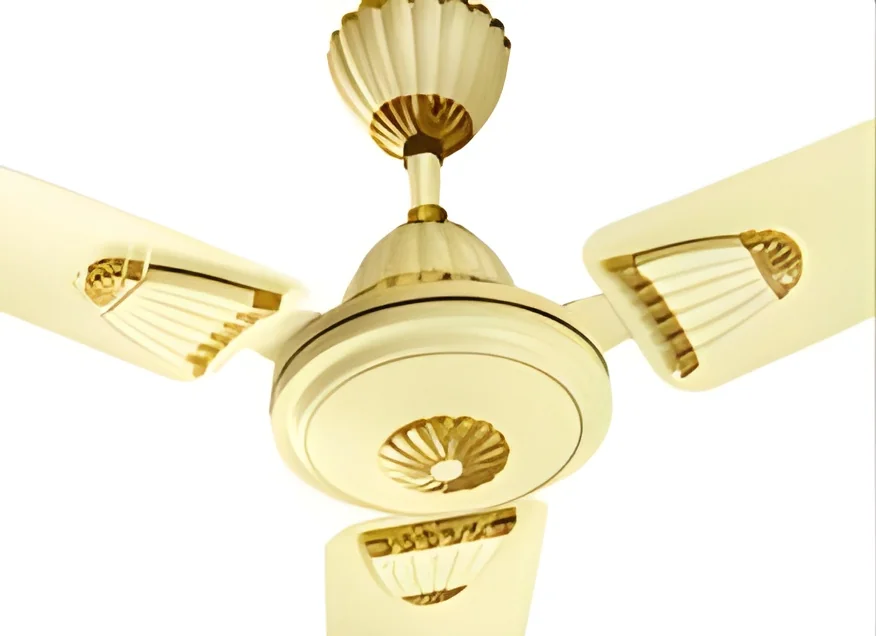
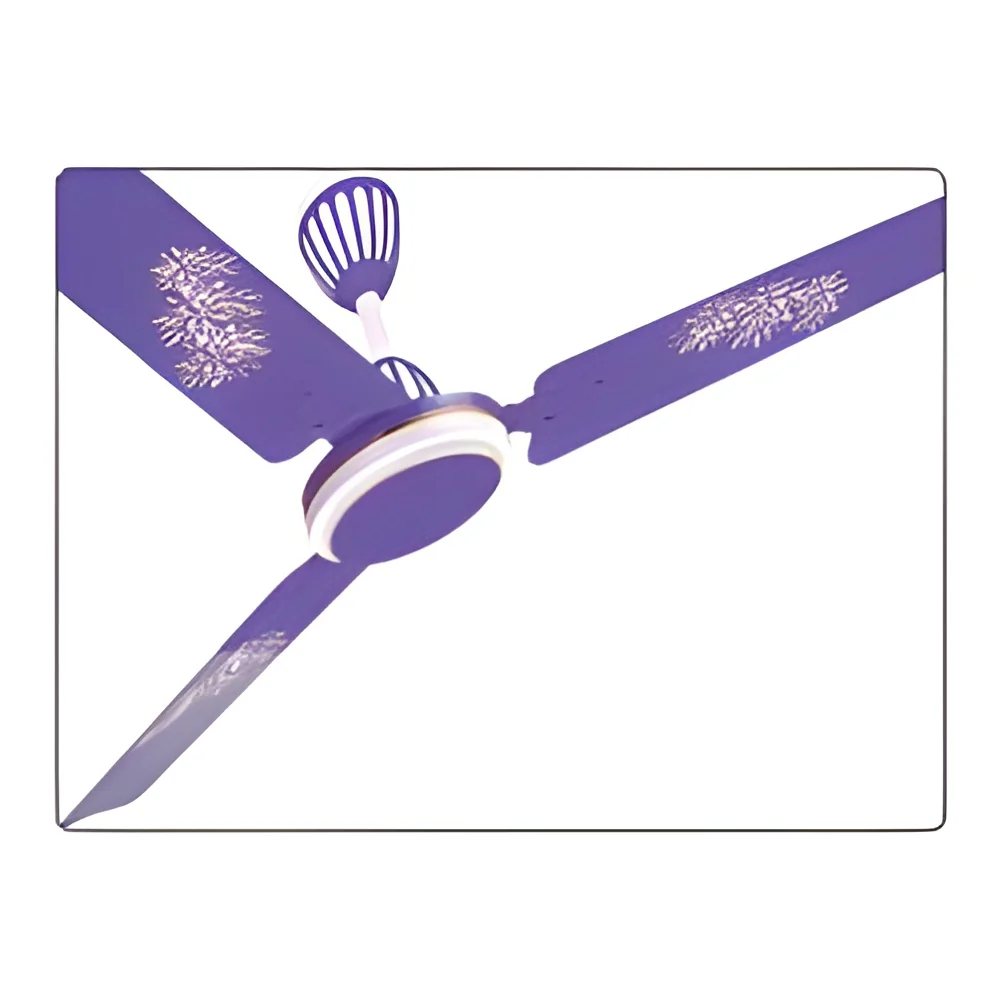
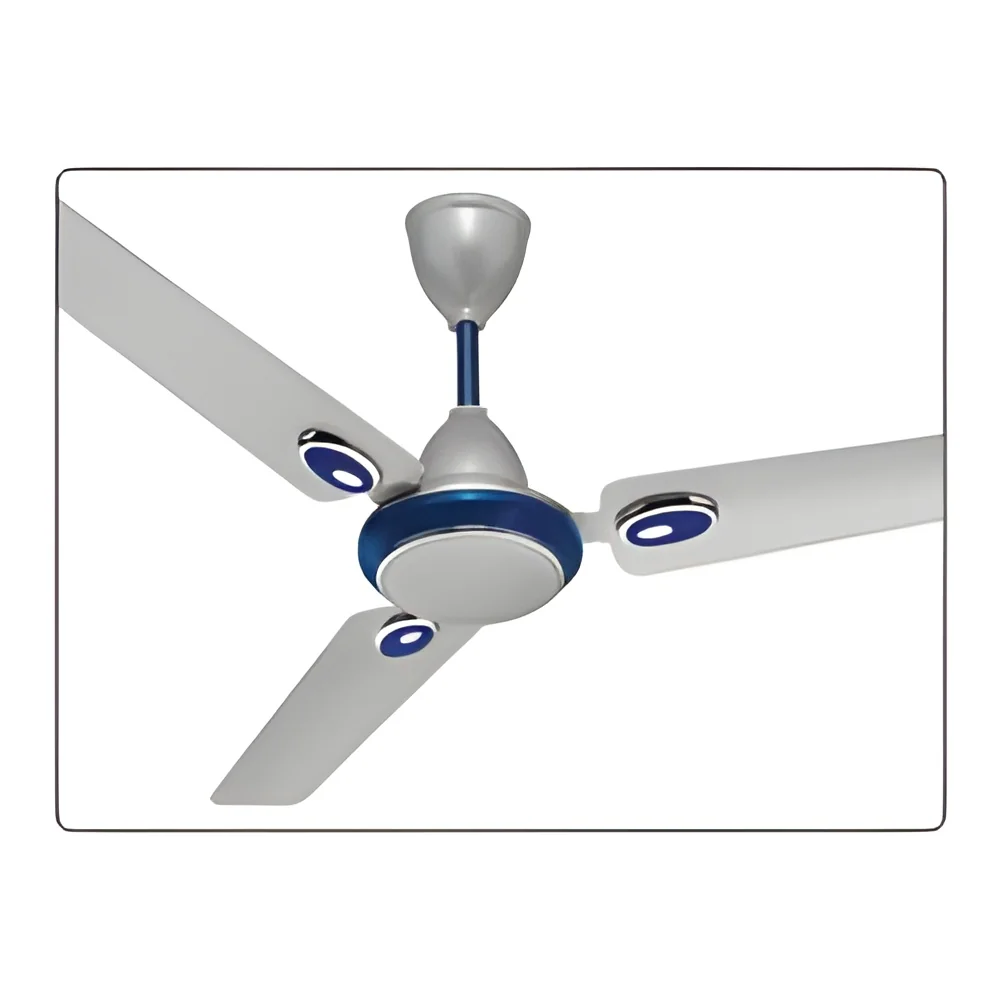
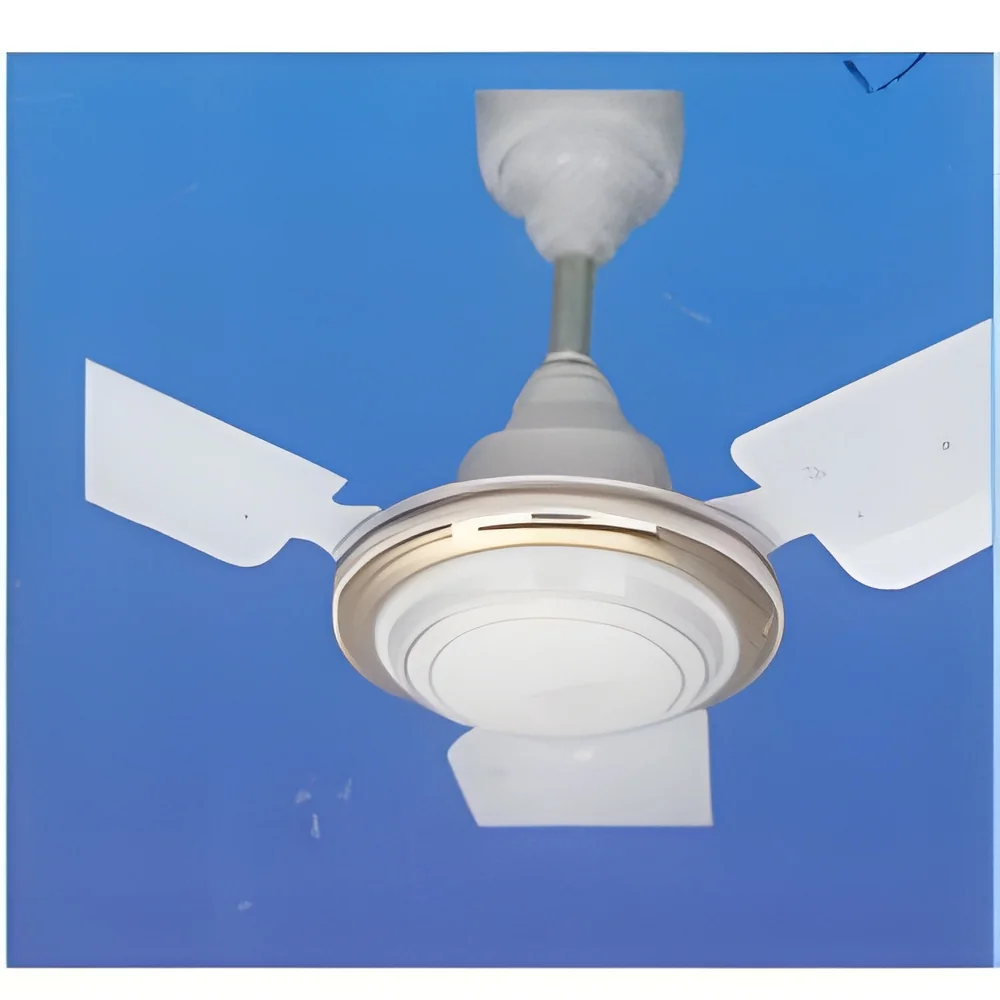
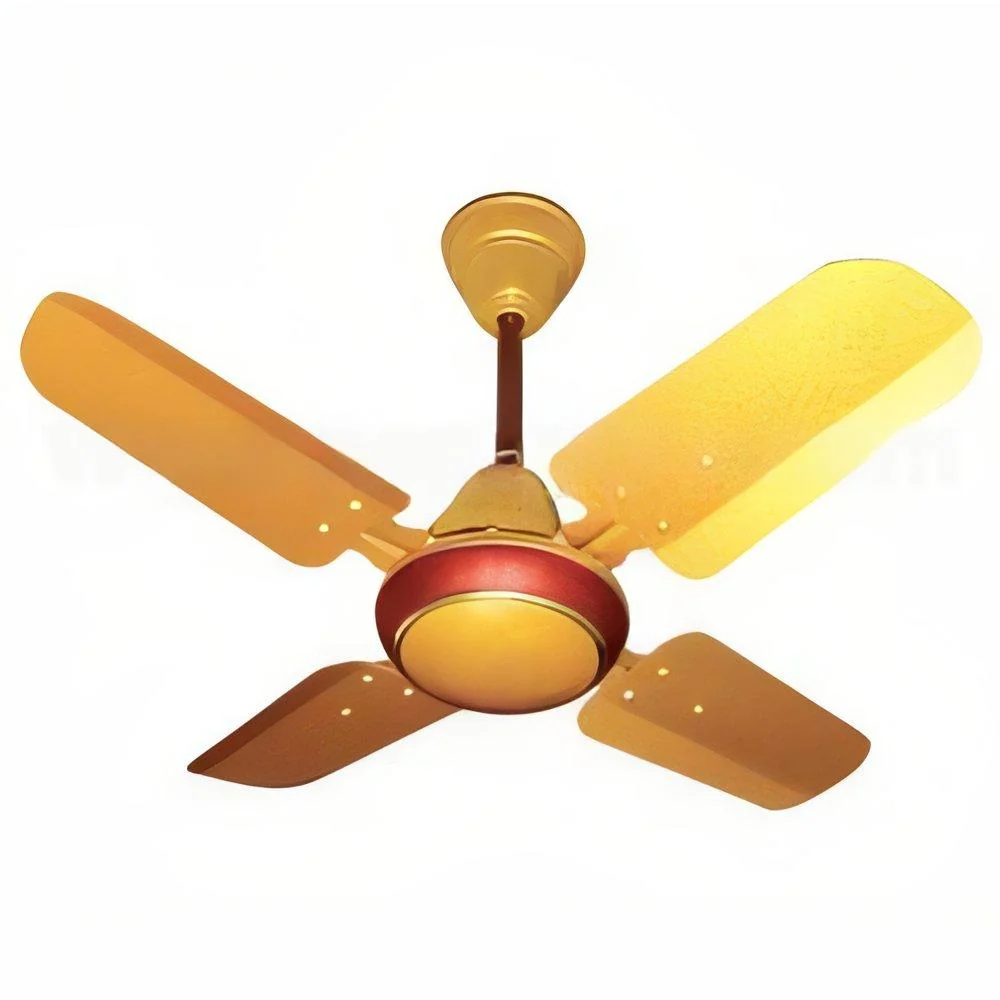
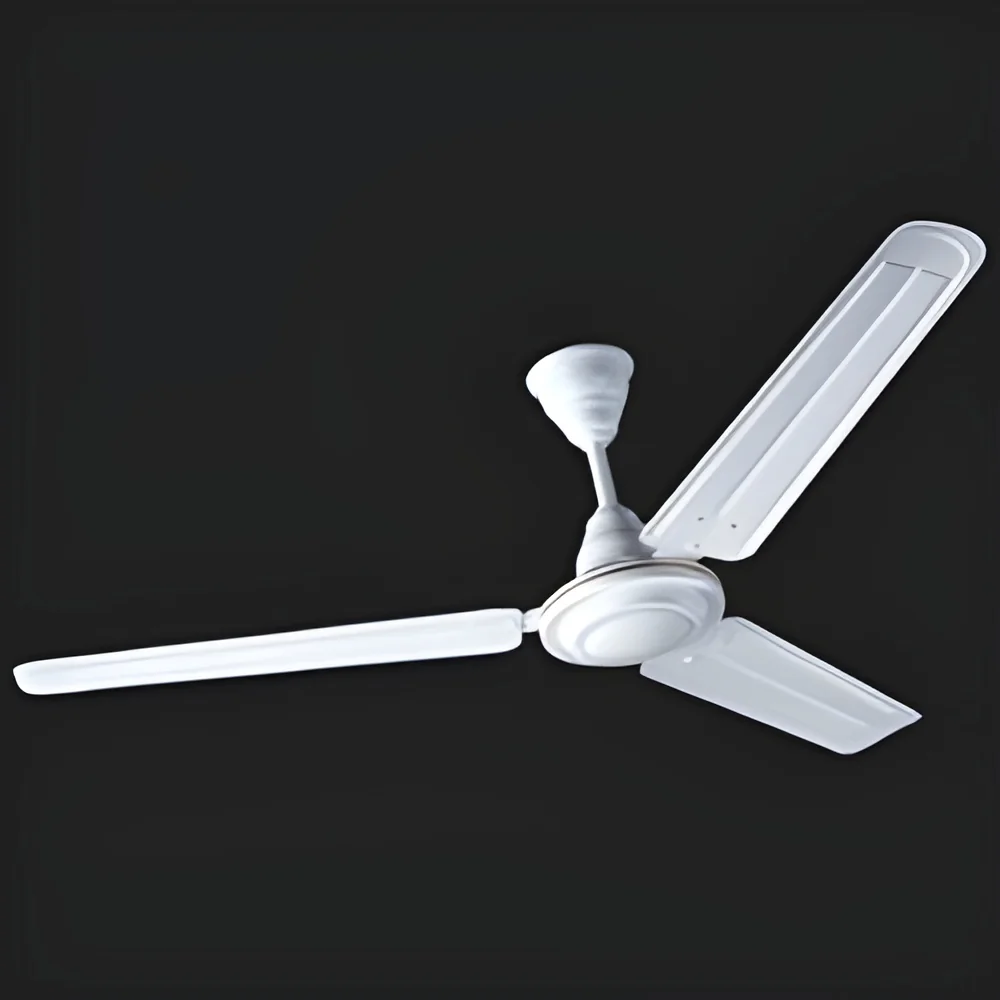
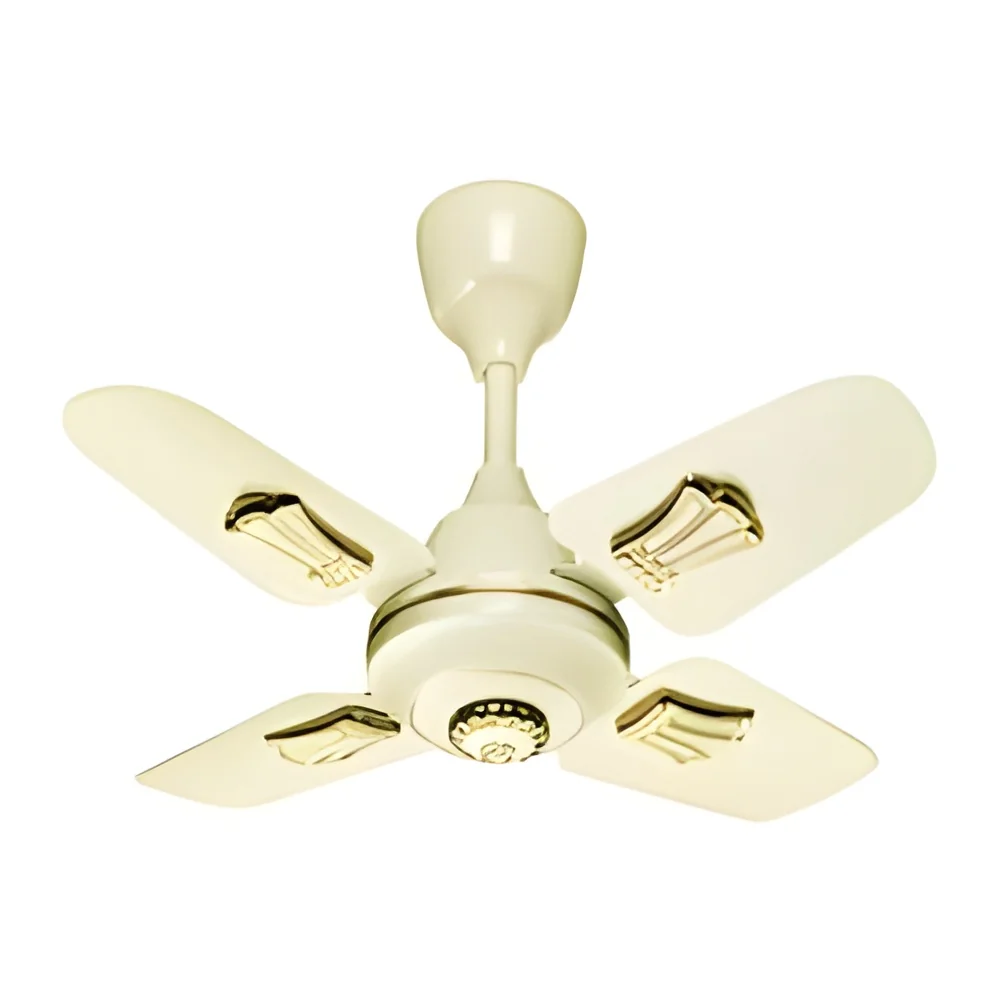
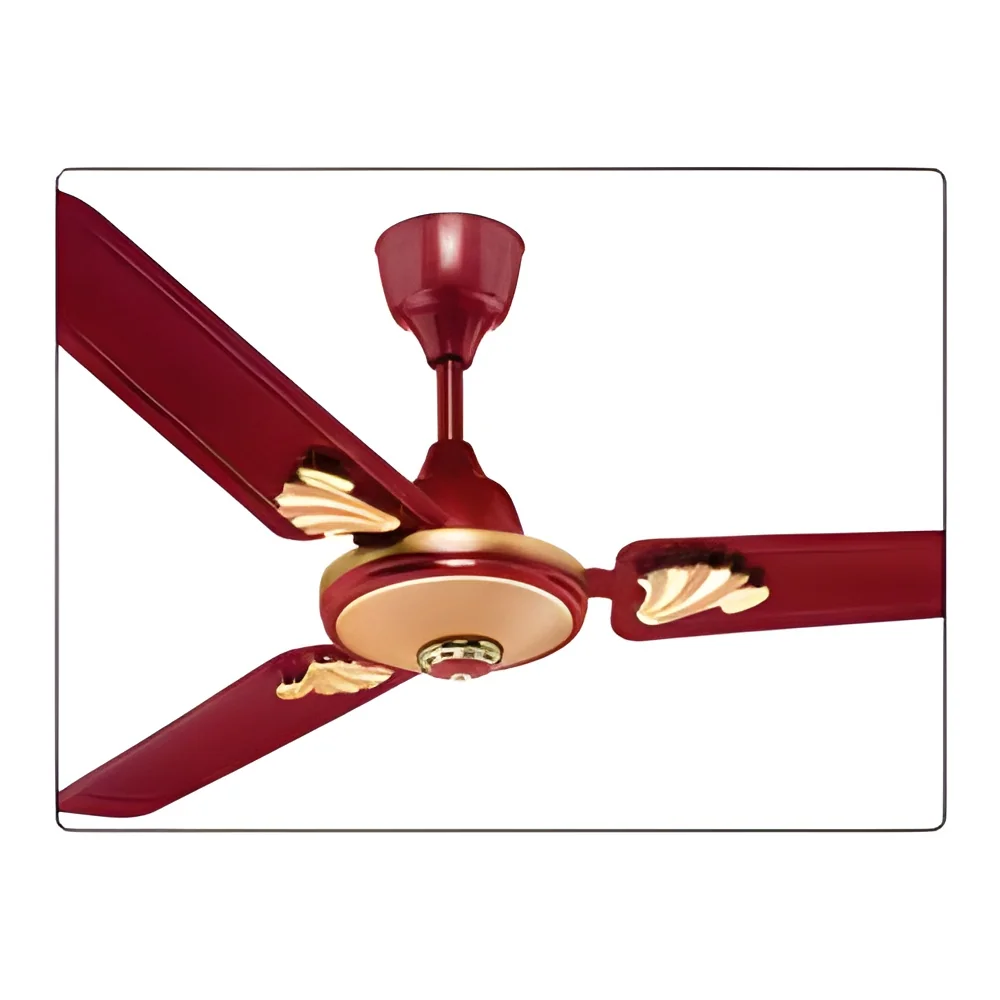
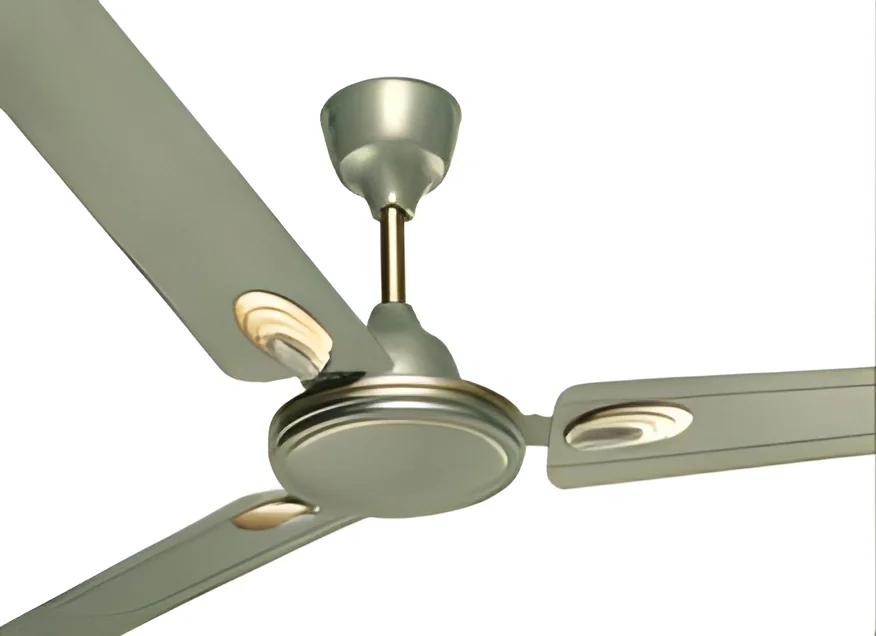
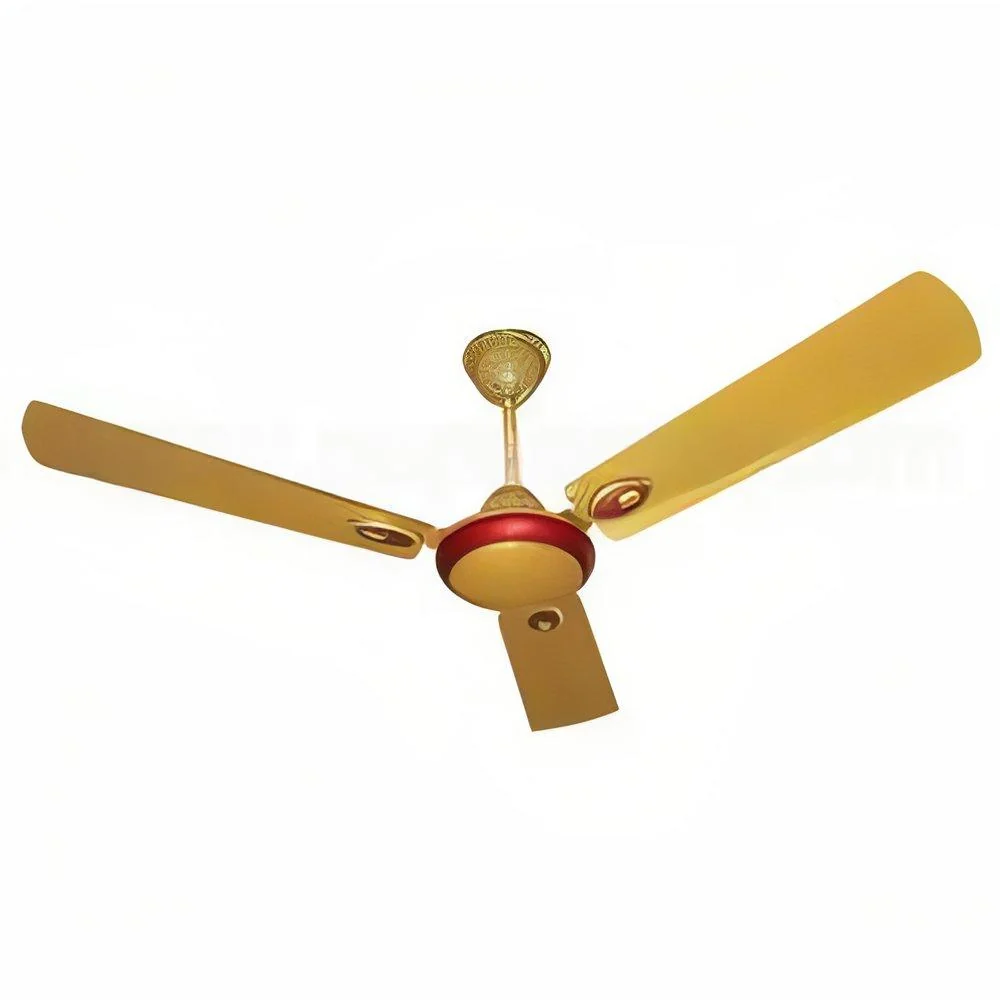
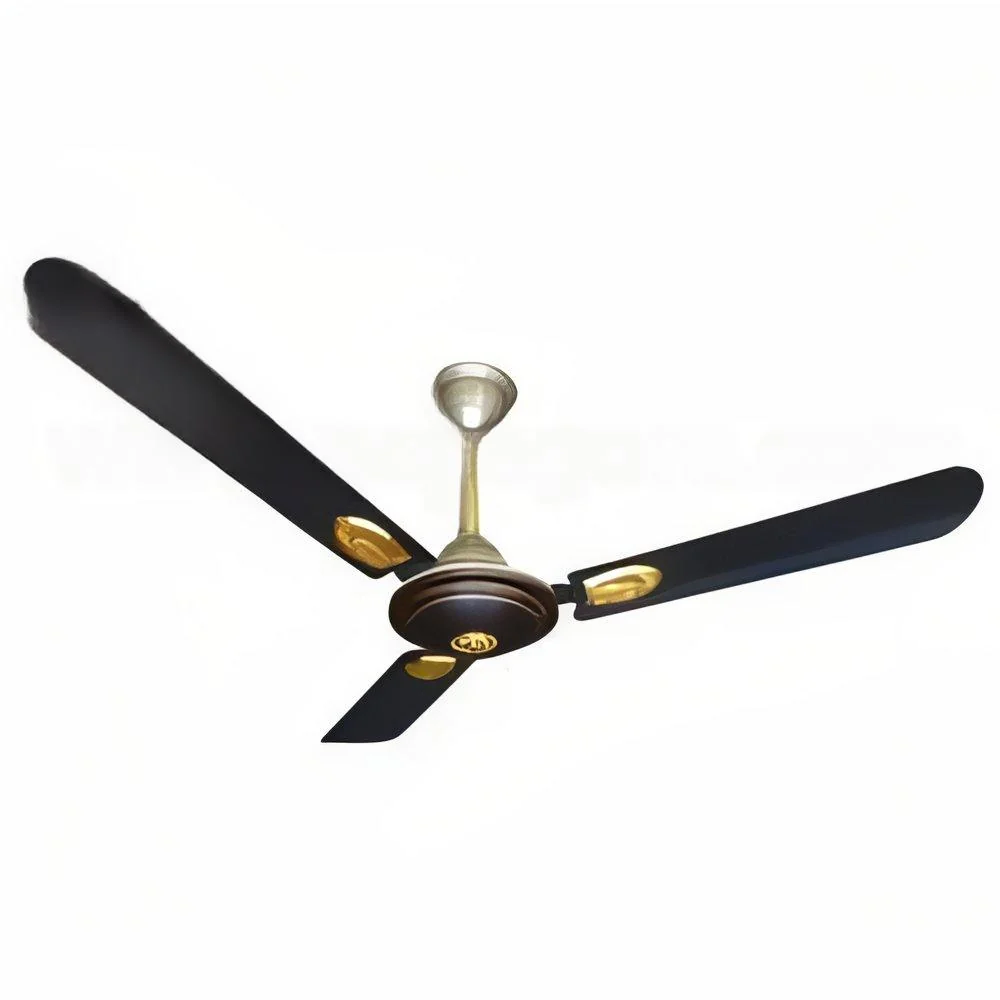
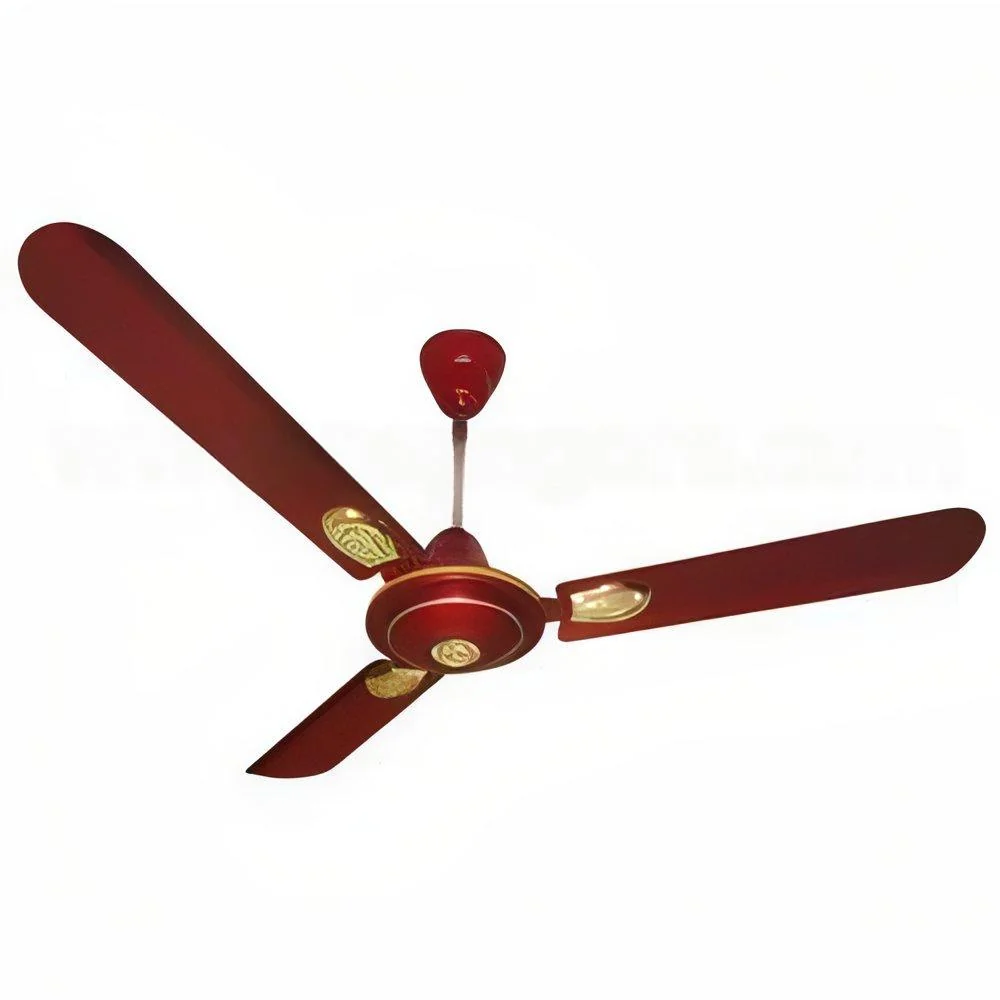
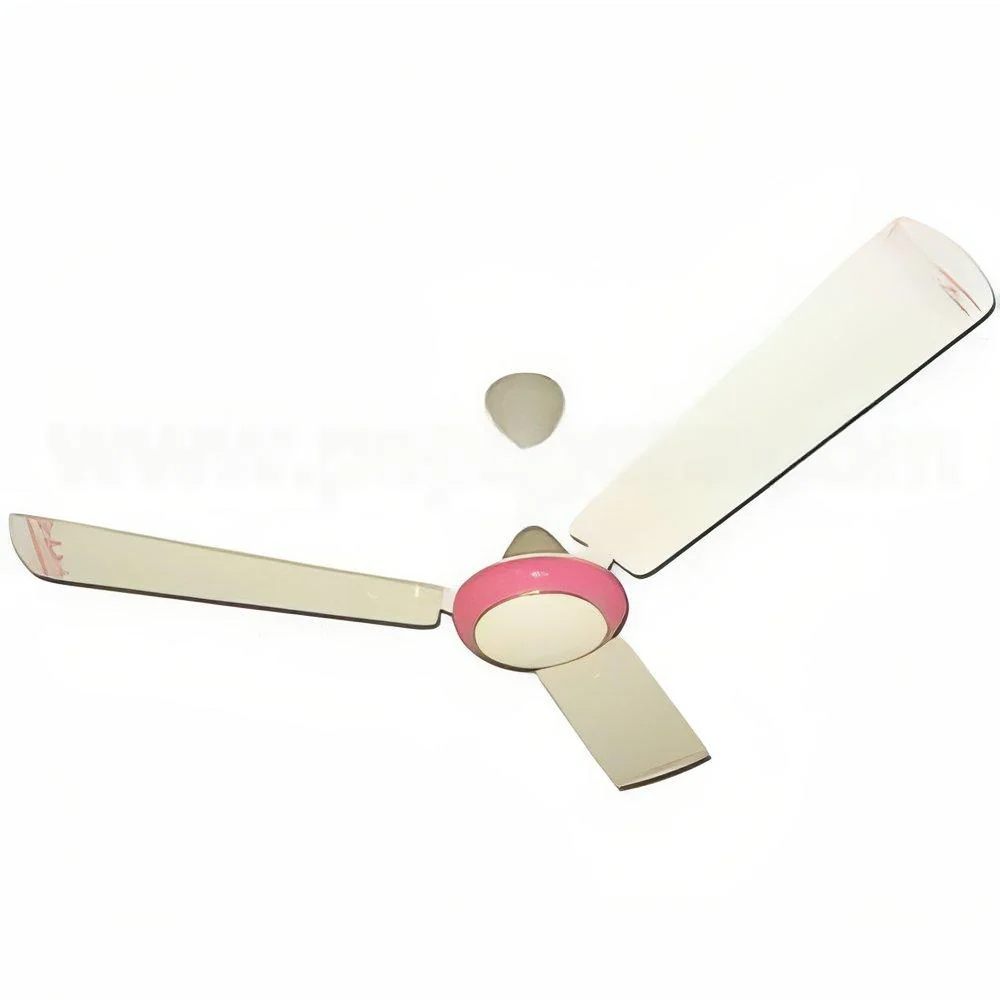
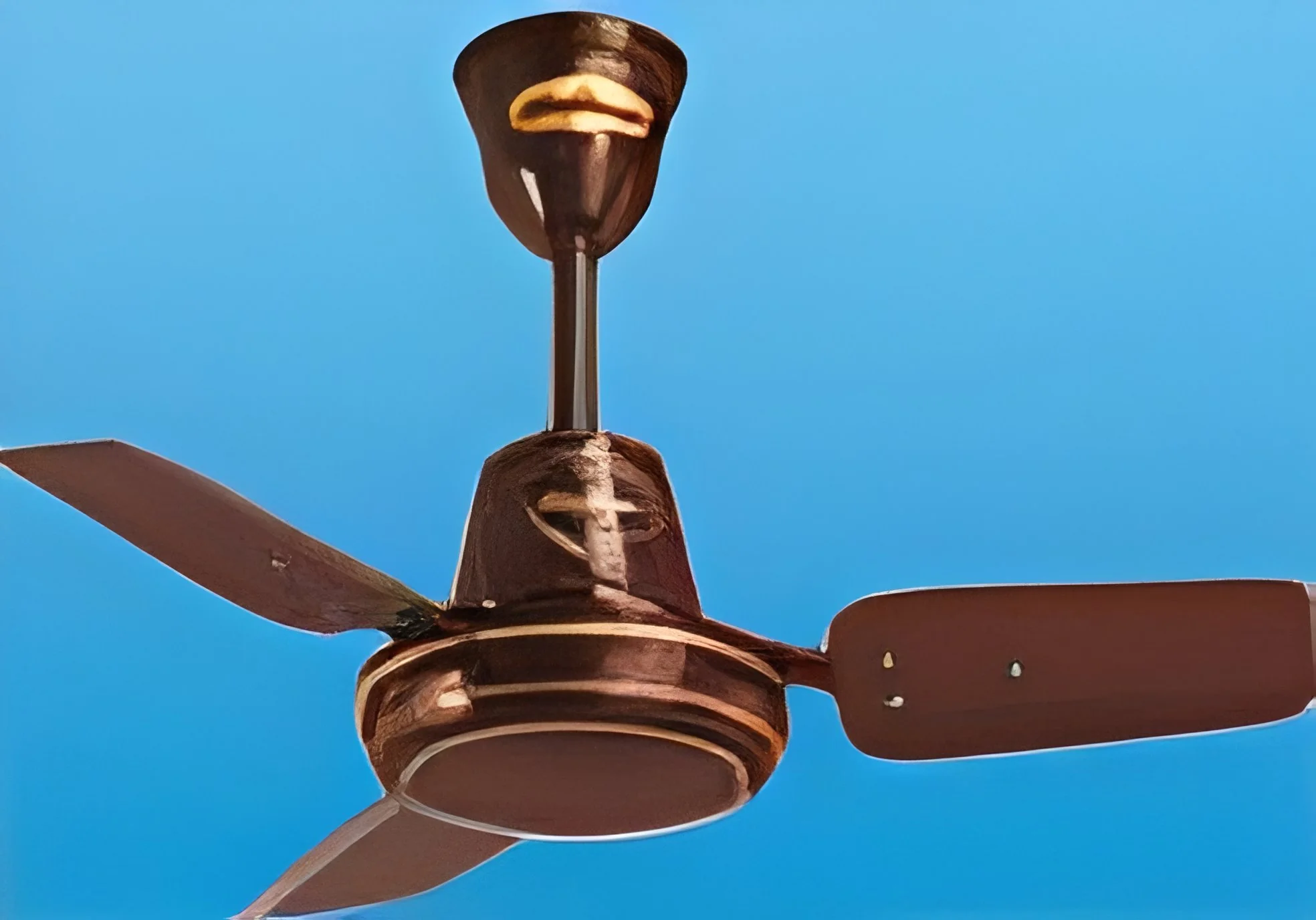
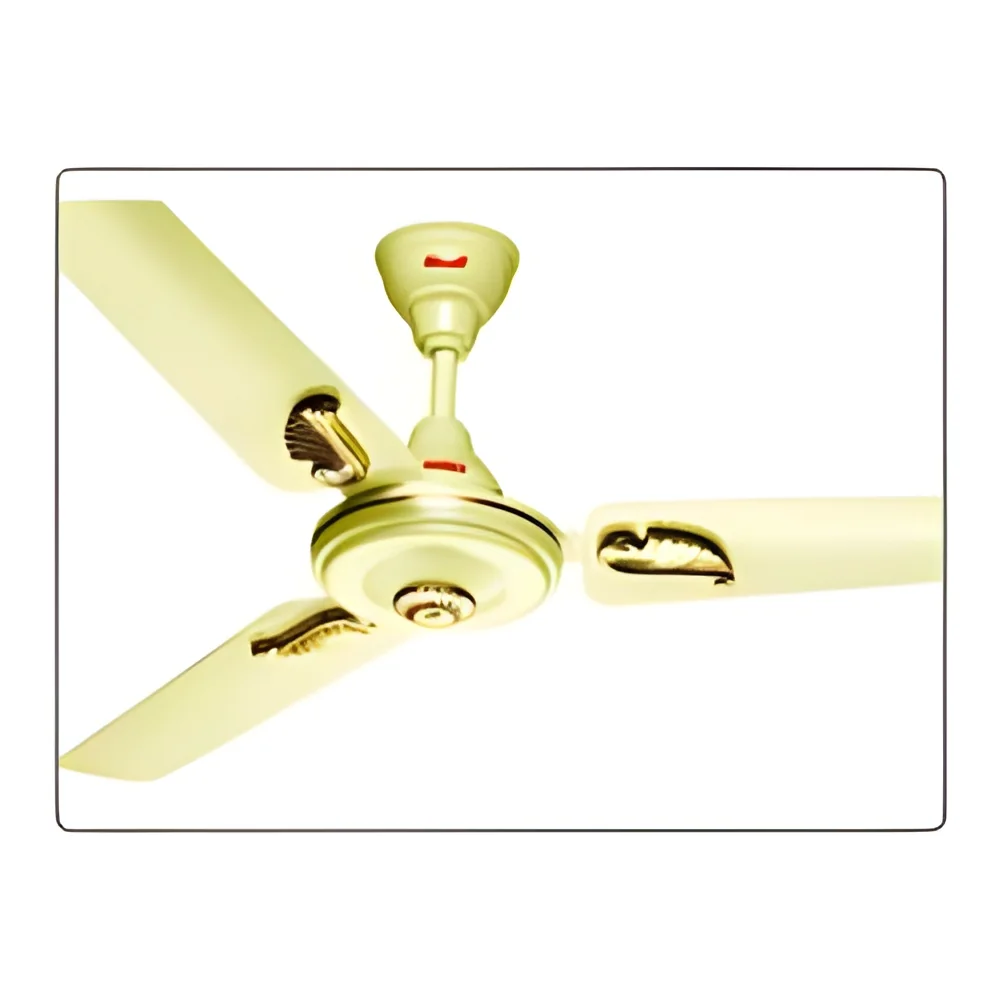
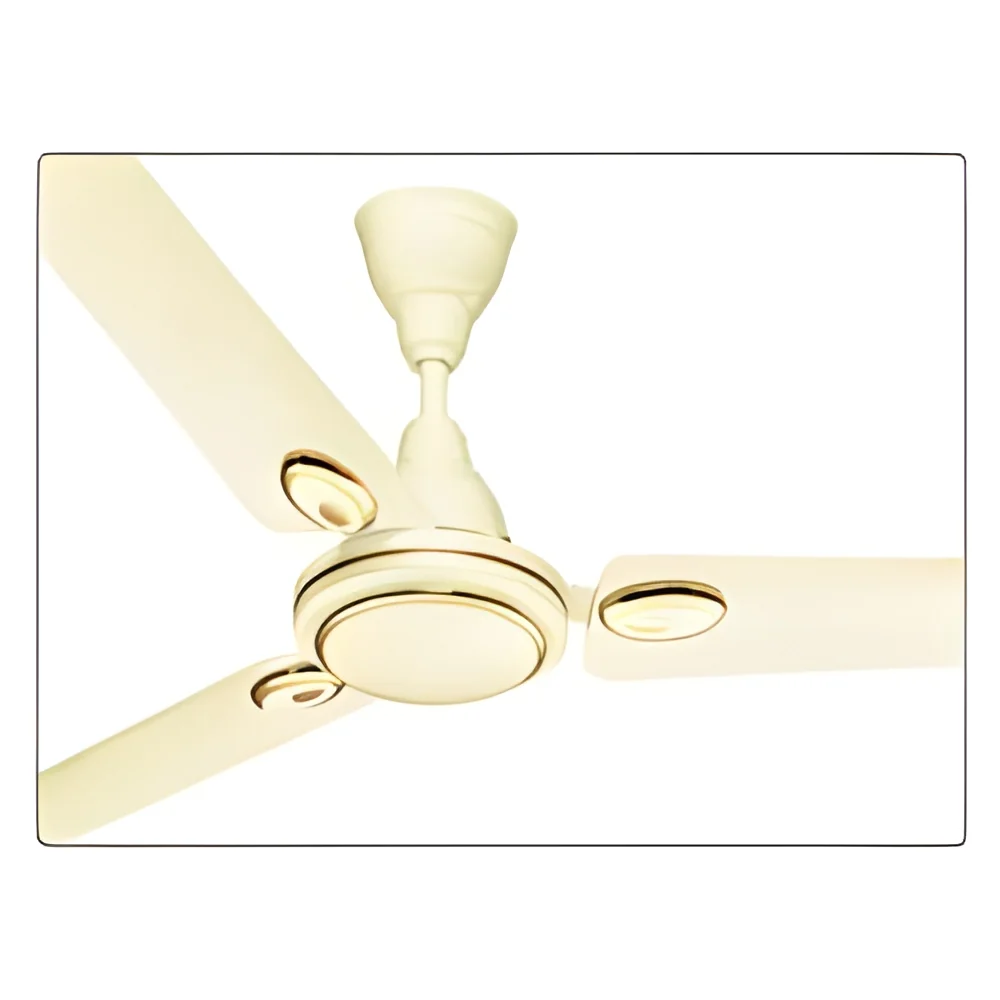
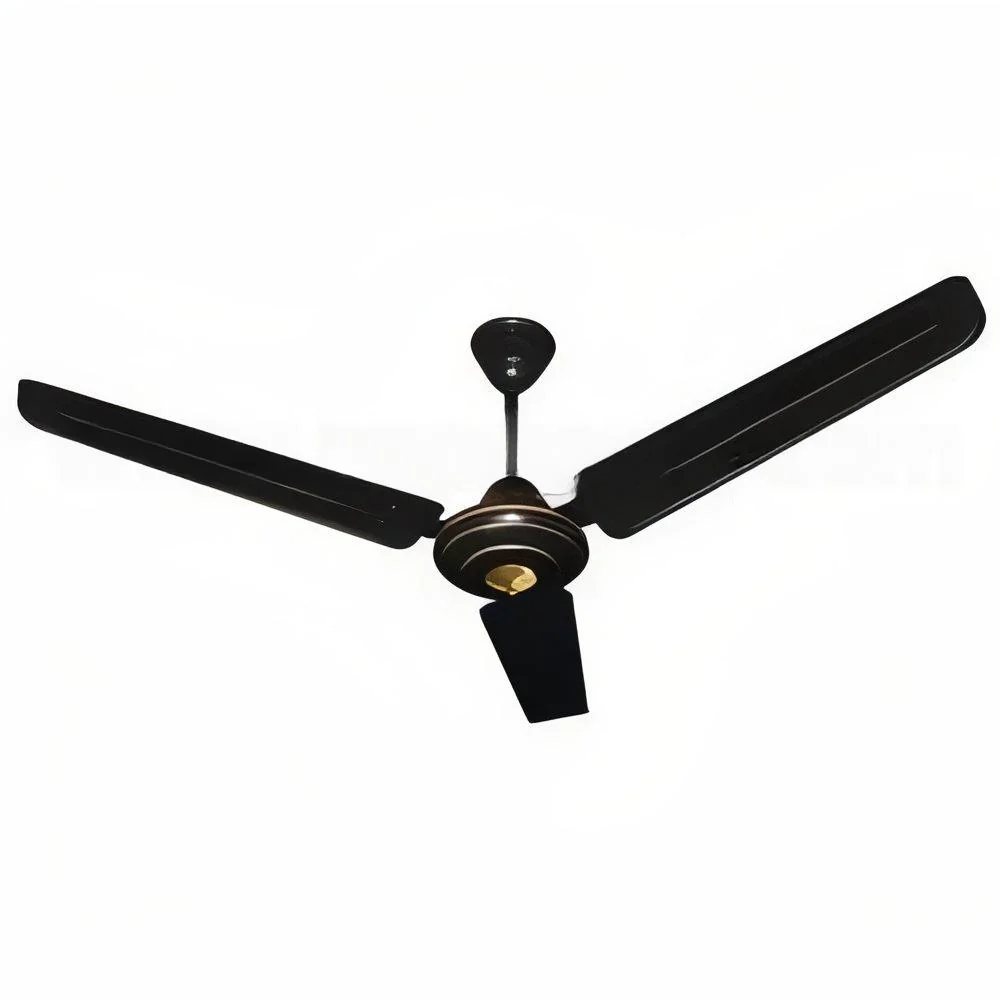
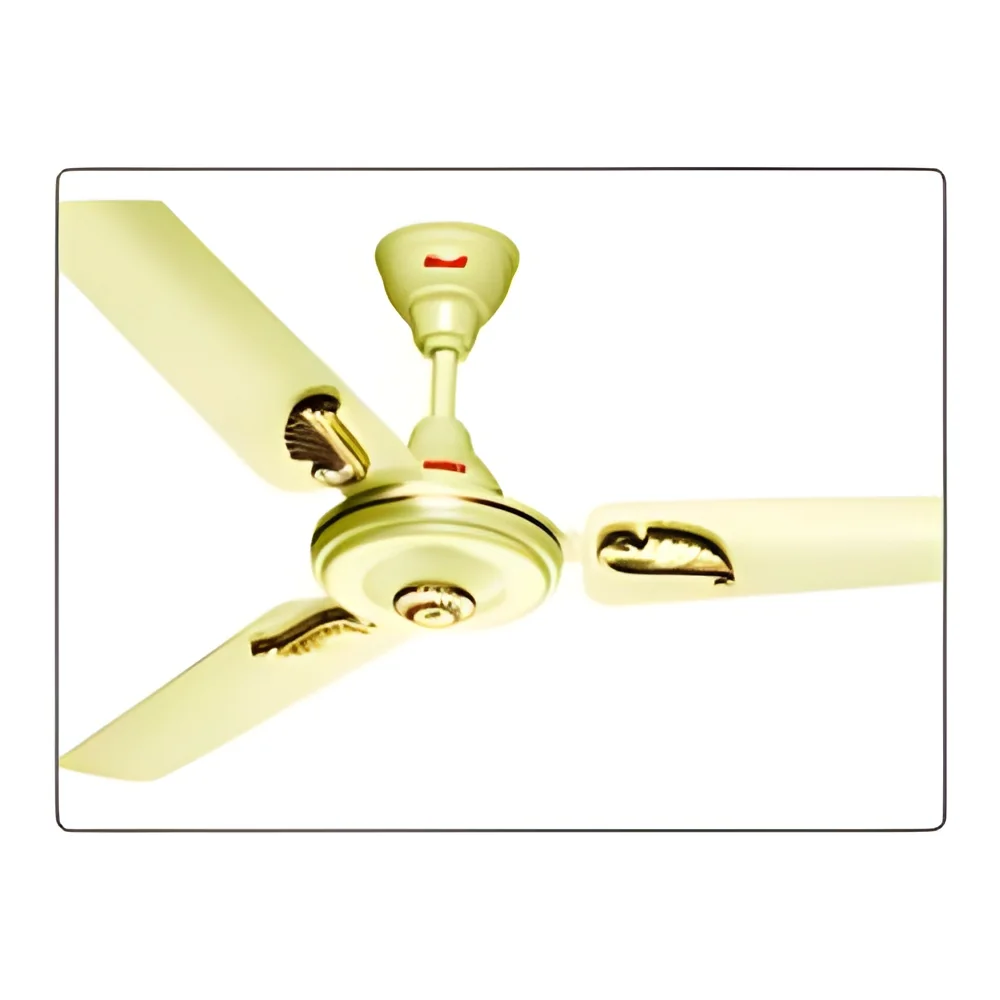
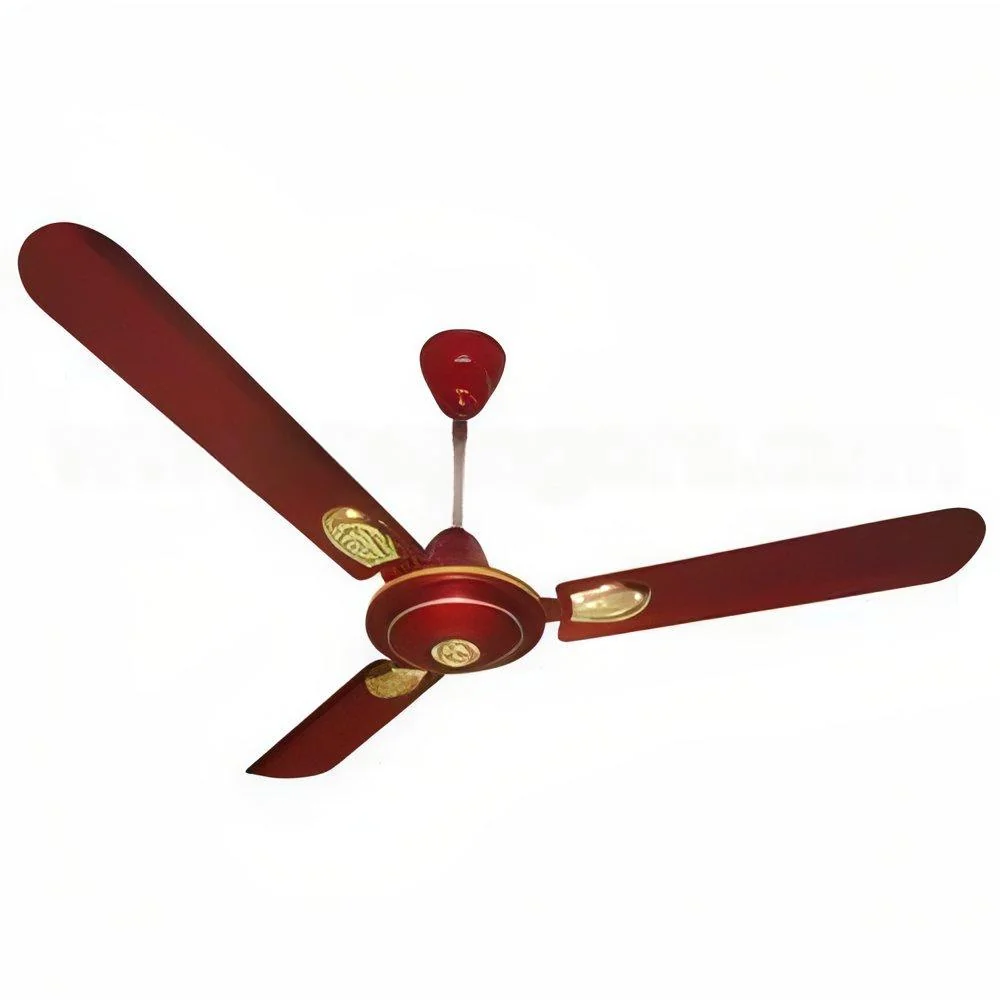
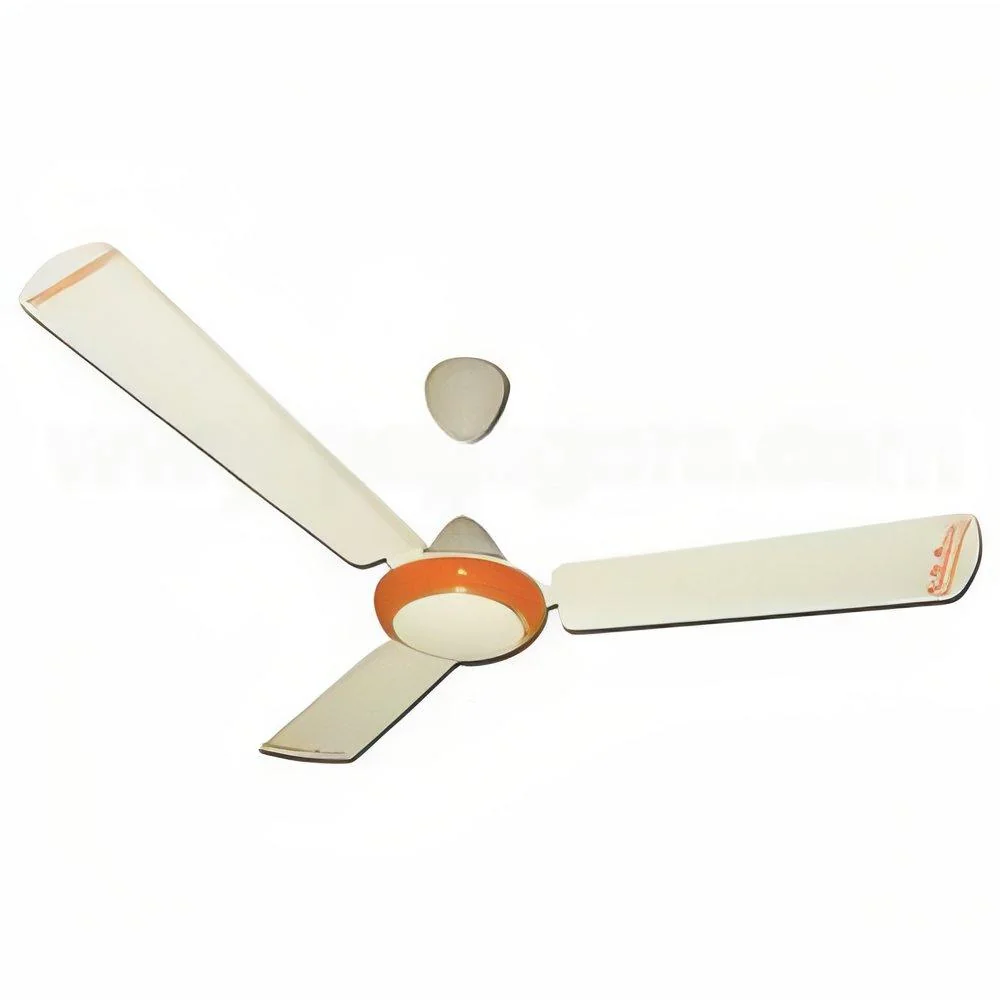
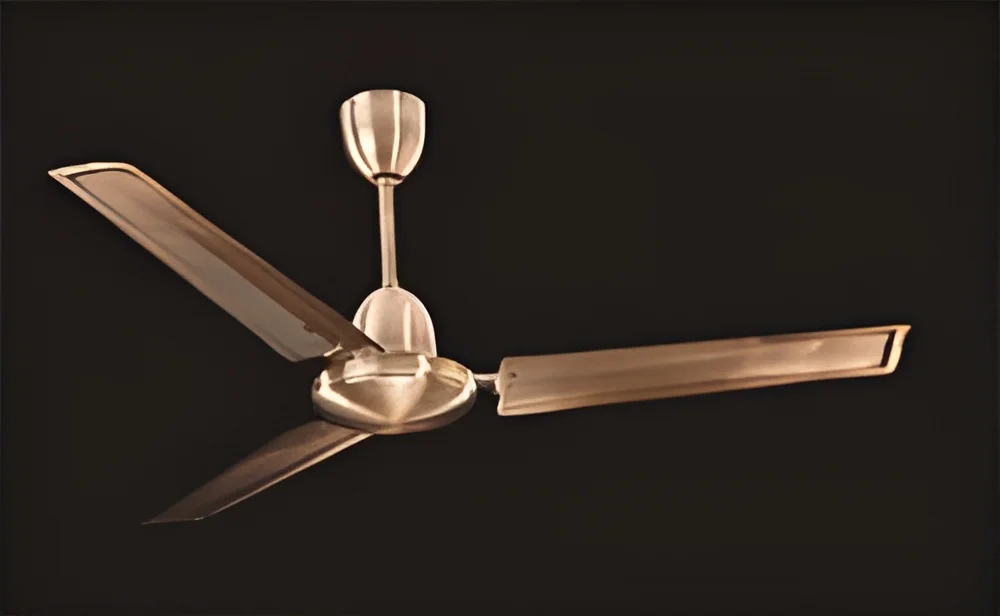
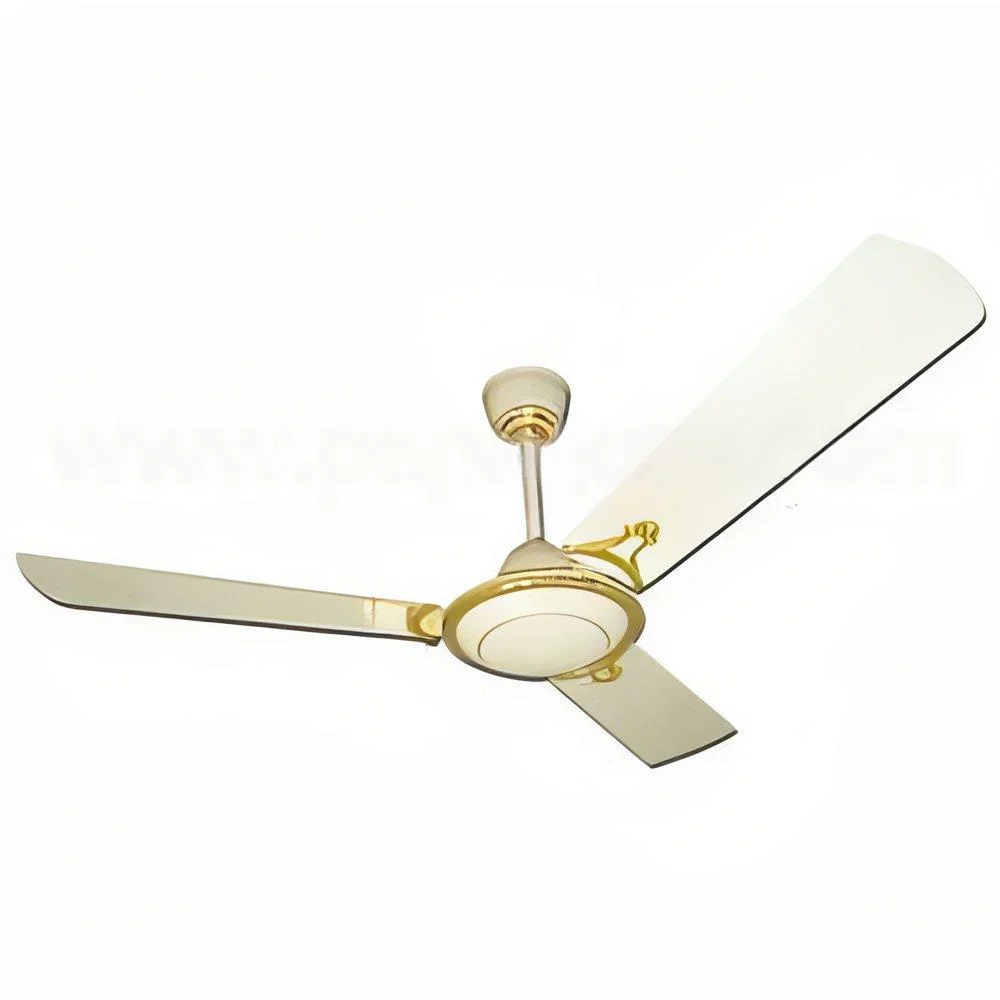
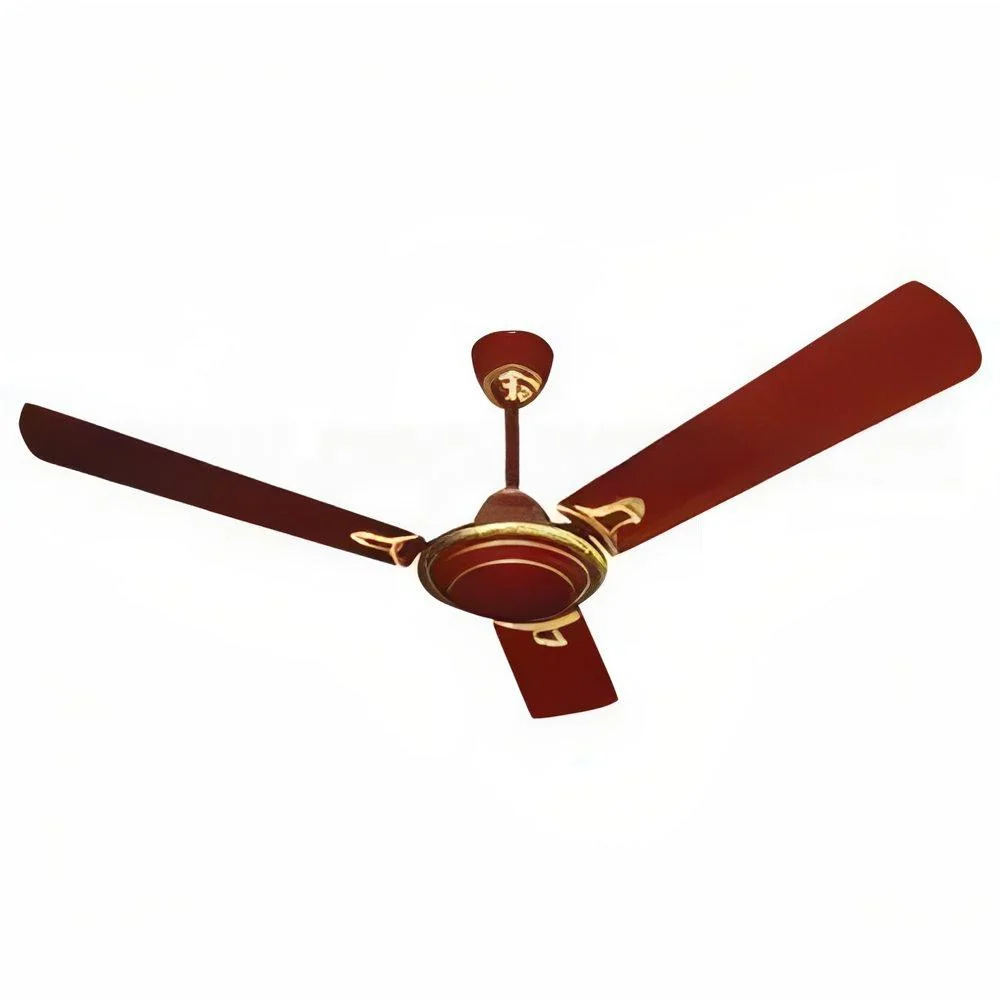
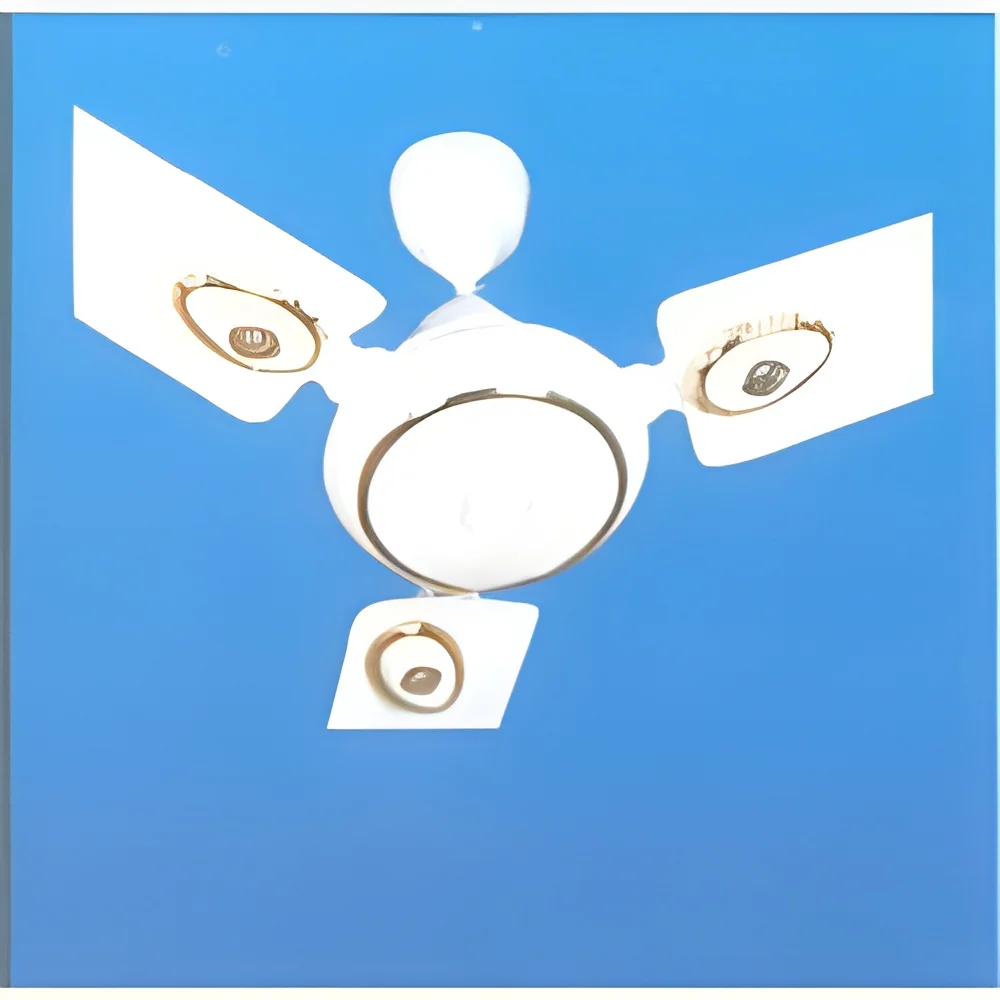
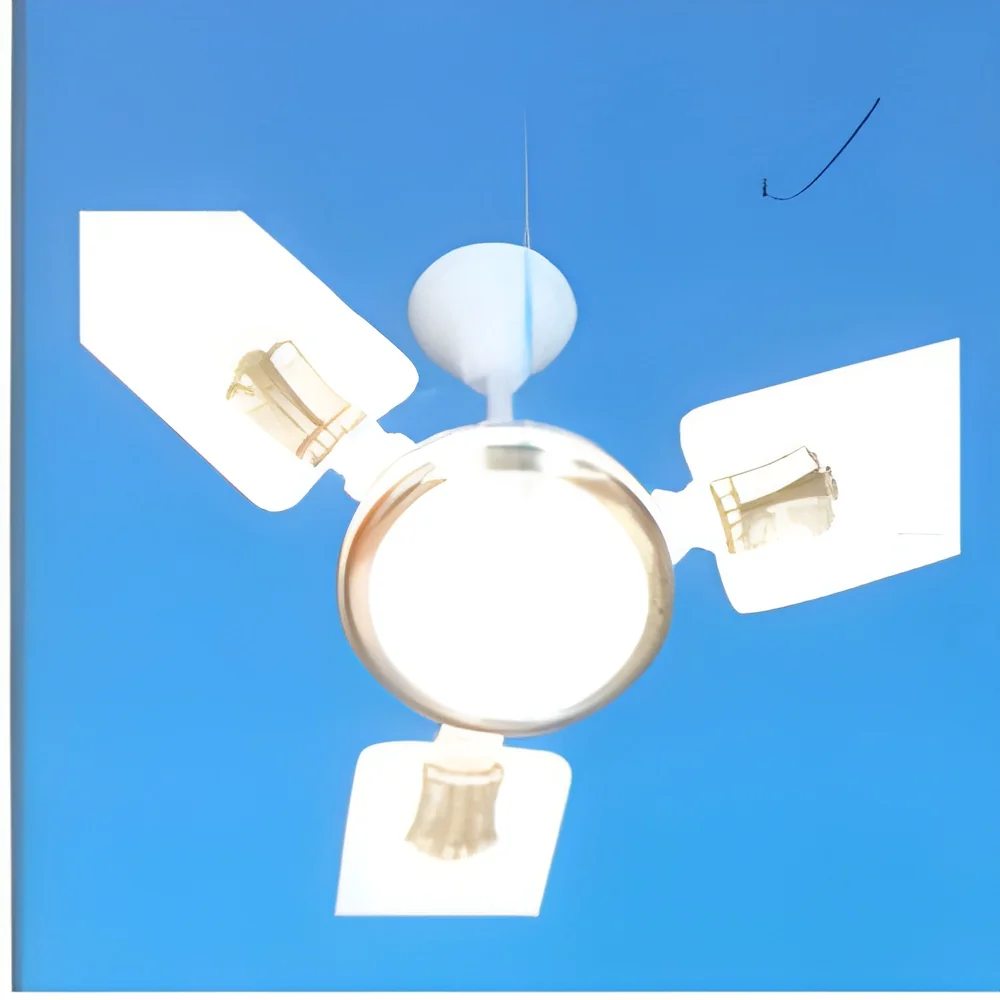
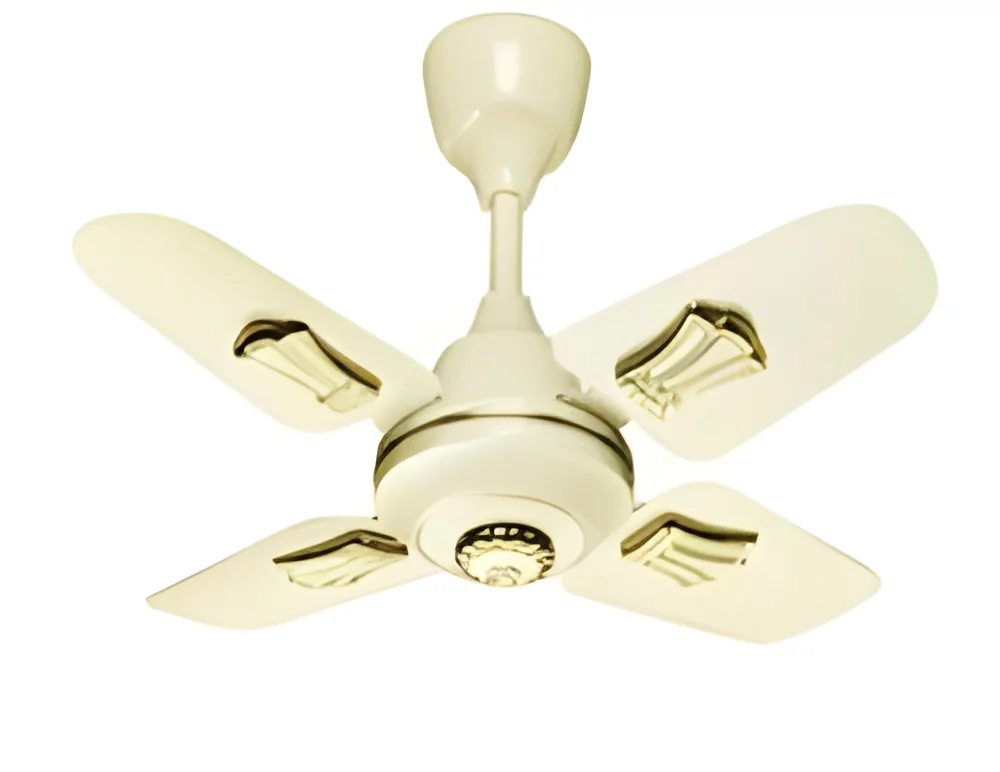
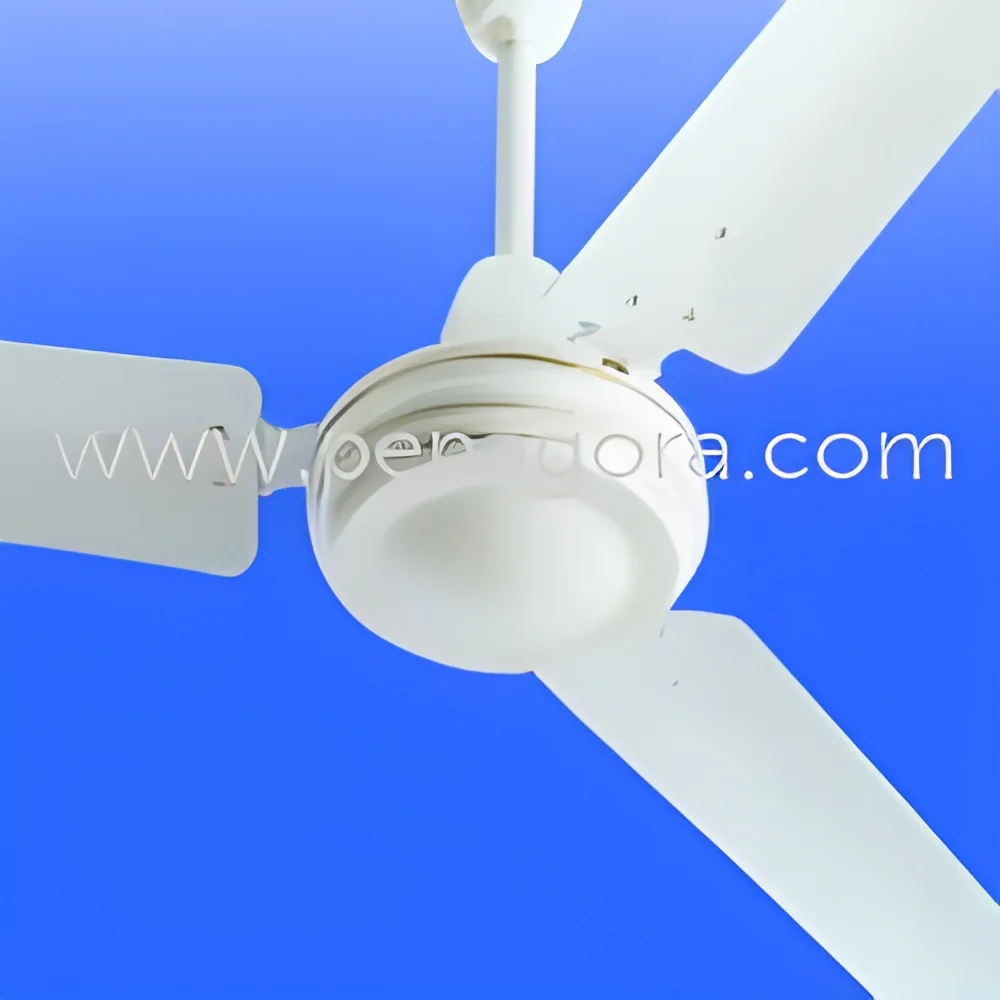
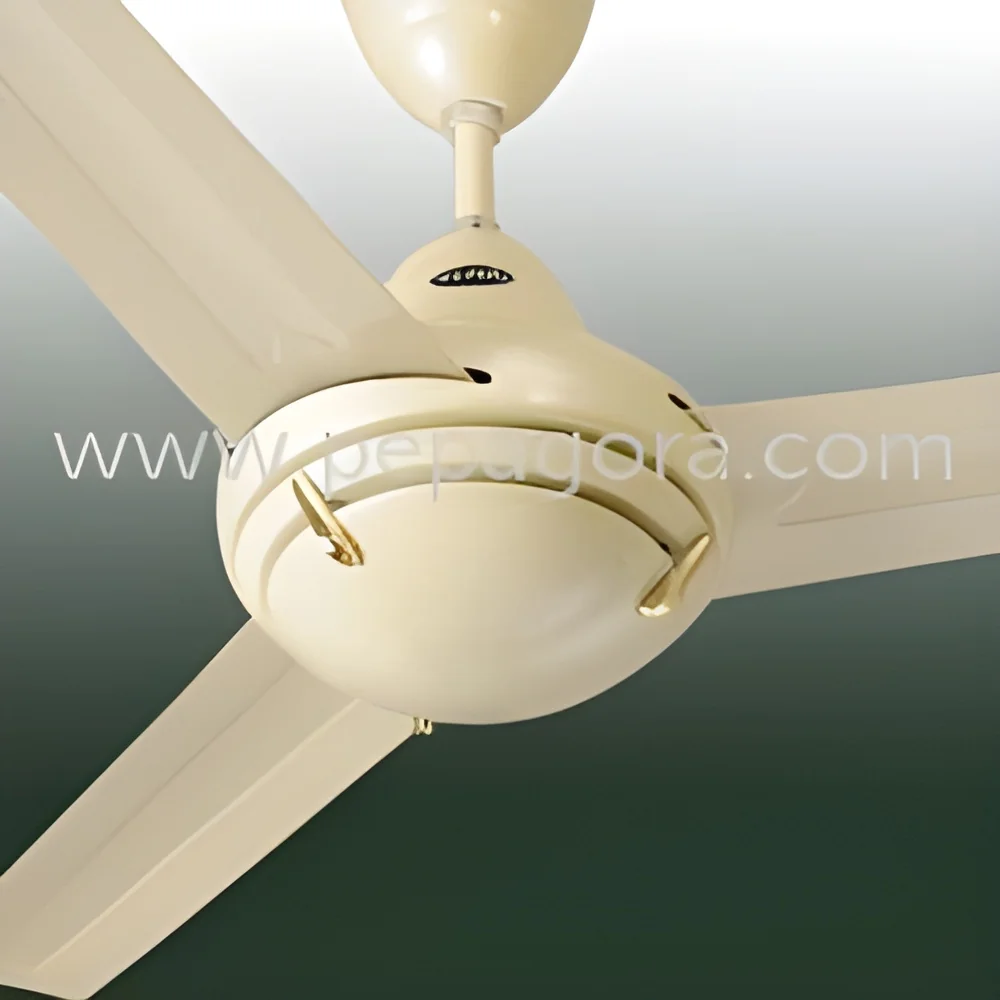
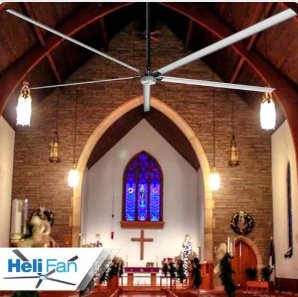
Ceiling Fans: A classic solution for air circulation, ceiling fans are installed in various environments, from homes to offices. They can complement air purifiers by enhancing overall airflow.
𝗕𝗲𝗻𝗲𝗳𝗶𝘁𝘀 𝗮𝗻𝗱 𝗔𝗱𝘃𝗮𝗻𝘁𝗮𝗴𝗲𝘀
Investing in air purifiers and fans offers numerous benefits for businesses.
1. Improved Air Quality: Air purifiers effectively remove contaminants, enhancing the overall air quality and creating a healthier environment for employees and customers.
2. Increased Comfort: Fans provide effective air circulation, helping to regulate temperature and improve comfort levels in various settings.
3. Enhanced Productivity: A clean and comfortable environment leads to improved concentration and productivity among employees, positively impacting overall business performance.
4. Compliance with Standards: Utilizing air purifiers can help businesses meet health regulations and standards, reducing the risk of penalties and ensuring a safe workspace.
5. Cost Efficiency: Many modern air purifiers and fans are energy-efficient, helping businesses save on energy costs while maintaining optimal performance.
6. Versatility: These devices can be used in multiple environments, making them a flexible solution for various industries, from healthcare to hospitality.
𝗕𝘂𝘆𝗶𝗻𝗴 𝗚𝘂𝗶𝗱𝗲 𝗳𝗼𝗿 𝗕𝟮𝗕 𝗕𝘂𝘆𝗲𝗿𝘀
When sourcing air purifiers and fans, it is important to consider several key factors to ensure a successful purchase.
1. Quality Assessment: Evaluate the quality of the devices through reviews, certifications, and testing data. Look for established brands with a reputation for reliability.
2. Supplier Verification: Vet potential suppliers by checking their credentials, customer feedback, and experience in the industry. A verified supplier can assure you of product quality and service.
3. Pricing and MOQ: Understand the pricing structure and minimum order quantities (MOQ) set by suppliers. This helps in budget planning and ensures you can meet your business needs without overcommitting.
4. Delivery and Lead Times: Inquire about delivery schedules and lead times to ensure that products arrive when needed. Timely delivery is crucial for maintaining operations.
5. Compliance Requirements: Familiarize yourself with regional regulations and compliance standards related to air quality. Ensure that the products meet necessary certifications, such as CE certification.
𝗖𝗼𝗺𝗽𝗹𝗶𝗮𝗻𝗰𝗲 𝗮𝗻𝗱 𝗖𝗲𝗿𝘁𝗶𝗳𝗶𝗰𝗮𝘁𝗶𝗼𝗻𝘀
Air purifiers and fans need to meet various compliance and certification standards to ensure safety and quality. Relevant quality standards include ISO 9001, which emphasizes quality management systems, ensuring that products meet customer and regulatory requirements.
Additionally, industry certifications such as CE mark indicate compliance with European health, safety, and environmental protection standards. This certification is essential for products sold in the European market.
Safety and testing requirements are also crucial, as they ensure that the devices operate efficiently without posing risks to users. Regular safety assessments help maintain compliance with industry standards.
Regionally, different markets may have specific compliance considerations. Understanding these requirements is vital for businesses looking to source products that meet local regulations.
𝗪𝗵𝘆 𝗦𝗼𝘂𝗿𝗰𝗲 𝗔𝗶𝗿 𝗣𝘂𝗿𝗶𝗳𝗶𝗲𝗿𝘀 & 𝗙𝗮𝗻𝘀 𝗳𝗿𝗼𝗺 𝗣𝗲𝗽𝗮𝗴𝗼𝗿𝗮?
Pepagora provides a trusted platform for sourcing air purifiers and fans, offering several key advantages to B2B buyers.
Verified Supplier Network: Pepagora has established a network of verified suppliers, ensuring that buyers can connect with reliable manufacturers and distributors. This network enhances trust and reduces the risk of sourcing issues.
Streamlined RFQ Process: The Request for Quotation (RFQ) process on Pepagora simplifies the purchasing procedure. Buyers can easily submit their requirements and receive competitive quotes from multiple suppliers, saving time and effort.
Trade Assurance and Support: Pepagora offers trade assurance, which protects buyers from potential issues related to product quality and delivery. This buyer protection builds confidence in the sourcing process.
Regional Coverage: With a strong presence in regions like India, GCC, and Southeast Asia, Pepagora connects buyers with local suppliers, facilitating easier logistics and communication. This regional focus enhances accessibility to quality air purifiers and fans.

 IN
IN