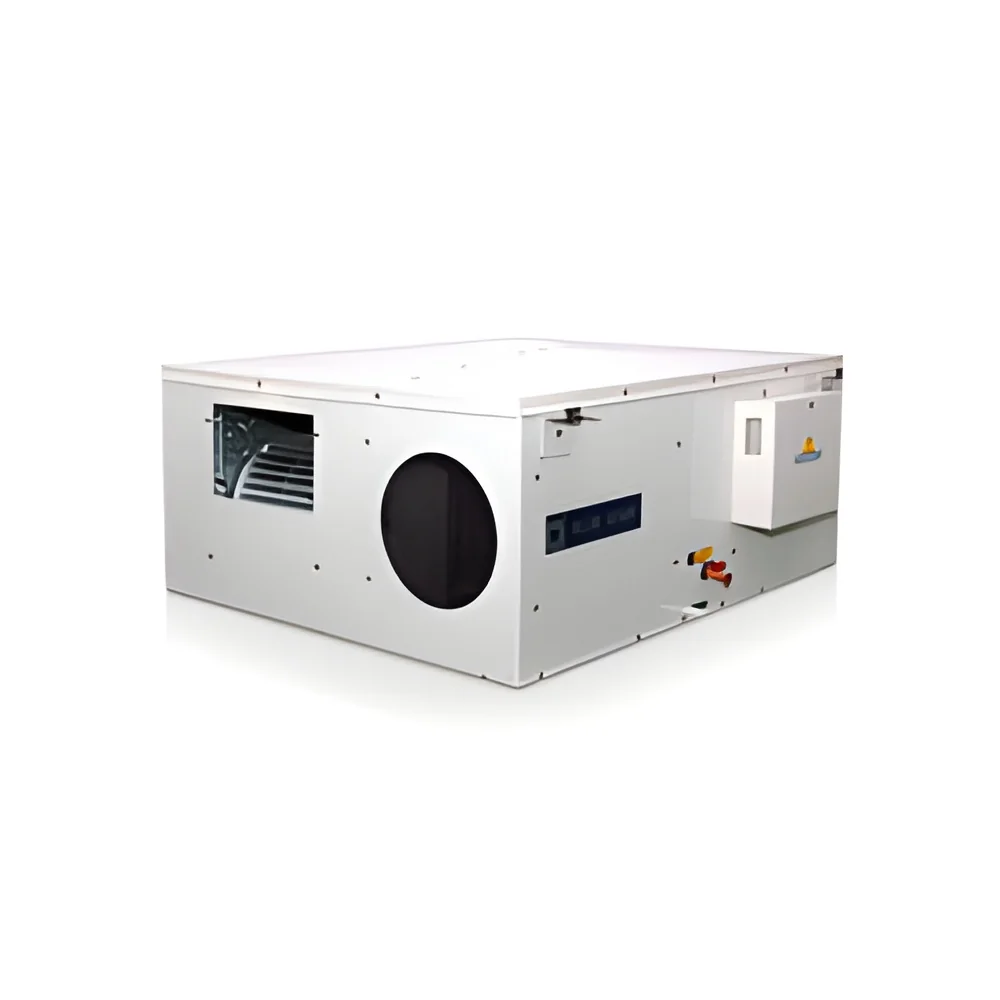
What are HEPA Air Purifiers?
HEPA air purifiers are advanced filtration devices designed to remove airborne particles from indoor environments. HEPA stands for High-Efficiency Particulate Air, and these purifiers are capable of trapping 99.97% of particles that are 0.3 microns in size. This includes dust, pollen, pet dander, mold spores, and even some bacteria and viruses. By employing a series of filters, including a pre-filter and a HEPA filter, these devices ensure cleaner and healthier air.
In business applications, HEPA air purifiers are essential for environments that require stringent air quality standards. They are frequently used in hospitals, laboratories, manufacturing facilities, and commercial spaces where air purity is critical. The use of HEPA air purifiers not only helps in compliance with health regulations but also enhances the overall well-being of employees and customers. As air quality becomes a growing concern globally, the demand for HEPA air purifiers in various industries continues to rise, making them an important aspect of modern business operations.
Key Features and Specifications
HEPA air purifiers come equipped with various features and specifications that enhance their effectiveness. These specifications help businesses select the right units based on their specific needs and environments.
Key specifications include:
1. Filtration Efficiency
- HEPA filters must capture at least 99.97% of particles down to 0.3 microns.
- This efficiency ensures high air quality in various settings.
2. Airflow Rate
- Measured in cubic feet per minute (CFM), this indicates how much air the purifier can clean in a given time.
- Higher airflow rates are suitable for larger spaces.
3. Noise Level
- Generally measured in decibels (dB), this indicates the operational sound level.
- Low noise levels are preferred in office and residential settings.
4. Filter Replacement Indicator
- Alerts users when it's time to replace the filters for optimal performance.
- Ensures that the air purifier continues to function efficiently.
5. Energy Consumption
- Typically rated in watts, this shows how much energy the unit uses.
- Energy-efficient models can reduce operational costs.
6. Coverage Area
- Specifies the square footage that a unit can effectively clean.
- Important for selecting units suitable for specific room sizes.
7. Design and Portability
- Some models are designed for easy mobility with wheels or handles.
- Aesthetic designs can complement office or home decor.
8. Additional Features
- Some units may include features like air quality sensors or smart technology for remote monitoring.
- Enhanced usability and convenience for users.
In summary, understanding these specifications is crucial for businesses seeking the right HEPA air purifier to meet their air quality needs effectively.
Common Applications and Use Cases
HEPA air purifiers serve a variety of industries by ensuring clean air in different environments.
1. Healthcare: In hospitals and clinics, HEPA air purifiers are used to maintain sterile air conditions, crucial for patient safety during surgeries and treatments.
2. Laboratories: Research facilities depend on HEPA air purifiers to protect sensitive experiments from contamination by airborne particles.
3. Manufacturing: Factories utilize these purifiers to remove dust and debris from the air, improving product quality and worker safety.
4. Commercial Offices: HEPA air purifiers help enhance employee productivity by improving indoor air quality, which can affect overall health and wellness.
5. Hospitality: Hotels and restaurants employ these purifiers to create a comfortable atmosphere for guests, ensuring clean air in common areas.
6. Schools: Educational institutions use HEPA air purifiers to provide a healthier learning environment for students and staff, reducing the spread of allergens and illnesses.
7. Residential: Homeowners invest in HEPA air purifiers to combat indoor allergens, providing a cleaner and healthier living space for families.
Product Variants and Subcategories
HEPA air purifiers come in various designs to cater to different needs and settings.
Portable HEPA Air Purifiers: These compact units are easy to move and ideal for personal spaces or small offices. They provide effective filtration in a convenient size.
Commercial HEPA Air Purifiers: Designed for larger spaces like conference rooms or open-plan offices, these models have higher airflow rates to accommodate greater square footage.
Industrial HEPA Air Purifiers: Built to handle demanding environments, these robust units are suitable for factories and labs, ensuring compliance with stricter air quality regulations.
Wall-Mounted HEPA Air Purifiers: These units are designed to be installed on walls, saving floor space while providing effective air filtration in commercial settings.
Benefits and Advantages
Investing in HEPA air purifiers offers several significant benefits for businesses.
1. Improved Air Quality: HEPA air purifiers significantly reduce airborne pollutants, leading to cleaner air for employees and customers.
2. Health Benefits: By removing allergens and pathogens, these purifiers can reduce the risk of respiratory issues and improve overall health in the workplace.
3. Increased Productivity: Enhanced indoor air quality can lead to better concentration and fewer sick days, contributing to higher productivity levels among employees.
4. Compliance with Regulations: Using HEPA air purifiers helps businesses meet health and safety standards, particularly in industries with strict air quality requirements.
5. Cost Savings: Energy-efficient models can lower operational costs while providing effective air cleaning, making them a cost-effective solution for long-term use.
6. Versatile Applications: HEPA air purifiers can be used in a wide range of industries and environments, making them a flexible choice for various business needs.
Buying Guide for B2B Buyers
When sourcing HEPA air purifiers, businesses should consider several key factors to ensure they make an informed decision.
1. Quality Assessment: Look for products that meet or exceed HEPA filtration standards to ensure effective air purification. Verify the filtration efficiency and materials used in the construction of the units.
2. Supplier Verification: Vet suppliers to ensure they are reputable and can provide reliable products. Check for customer reviews, industry certifications, and references to gauge their credibility.
3. Pricing and MOQ: Understand the price range for different models and any minimum order quantities (MOQ) that may apply. This helps in budgeting and ensures that your purchase aligns with financial expectations.
4. Delivery and Lead Times: Consider logistical aspects such as delivery schedules and lead times. Timely delivery is essential to avoid disruptions in operations.
5. Compliance Requirements: Ensure that the products comply with local regulations and standards. This may include certifications like CE, which can impact the purchasing decision.
Compliance and Certifications
HEPA air purifiers must adhere to various compliance and certification standards to ensure product quality and safety.
Quality standards such as ISO 9001 are often relevant, focusing on effective quality management systems. These standards help assure buyers that the products meet consistent quality benchmarks.
Additionally, industry certifications such as CE indicate that the products comply with European health, safety, and environmental protection standards. This is crucial for businesses looking to operate within regulated markets.
Safety and testing requirements are also vital in the manufacturing of HEPA air purifiers. Products should undergo rigorous testing to confirm their filtration efficiency and operational safety.
Lastly, regional compliance considerations may vary. Businesses must ensure that the air purifiers adhere to local regulations, which can affect installation and usage.
Why Source HEPA Air Purifiers from Pepagora?
Pepagora provides a trusted platform for sourcing HEPA air purifiers with several key advantages that cater to B2B buyers.
Verified Supplier Network: Pepagora has a robust network of verified suppliers, ensuring that buyers can access high-quality HEPA air purifiers from reputable manufacturers. This verification process builds trust and reliability in the sourcing experience.
Streamlined RFQ Process: The platform features an efficient Request for Quotation (RFQ) system that simplifies the procurement process. Buyers can easily submit requests and receive competitive quotes, making it easier to find the best deals.
Trade Assurance and Support: Pepagora offers trade assurance, providing buyers with added protection throughout the purchasing process. This support helps mitigate risks associated with cross-border transactions.
Regional Coverage: Pepagora's extensive reach across India, the GCC, and Southeast Asia ensures that businesses can find HEPA air purifiers tailored to their specific regional needs and compliance requirements. This geographic diversity enhances the sourcing experience by connecting buyers with local suppliers.

 IN
IN