What are Air Circulators?
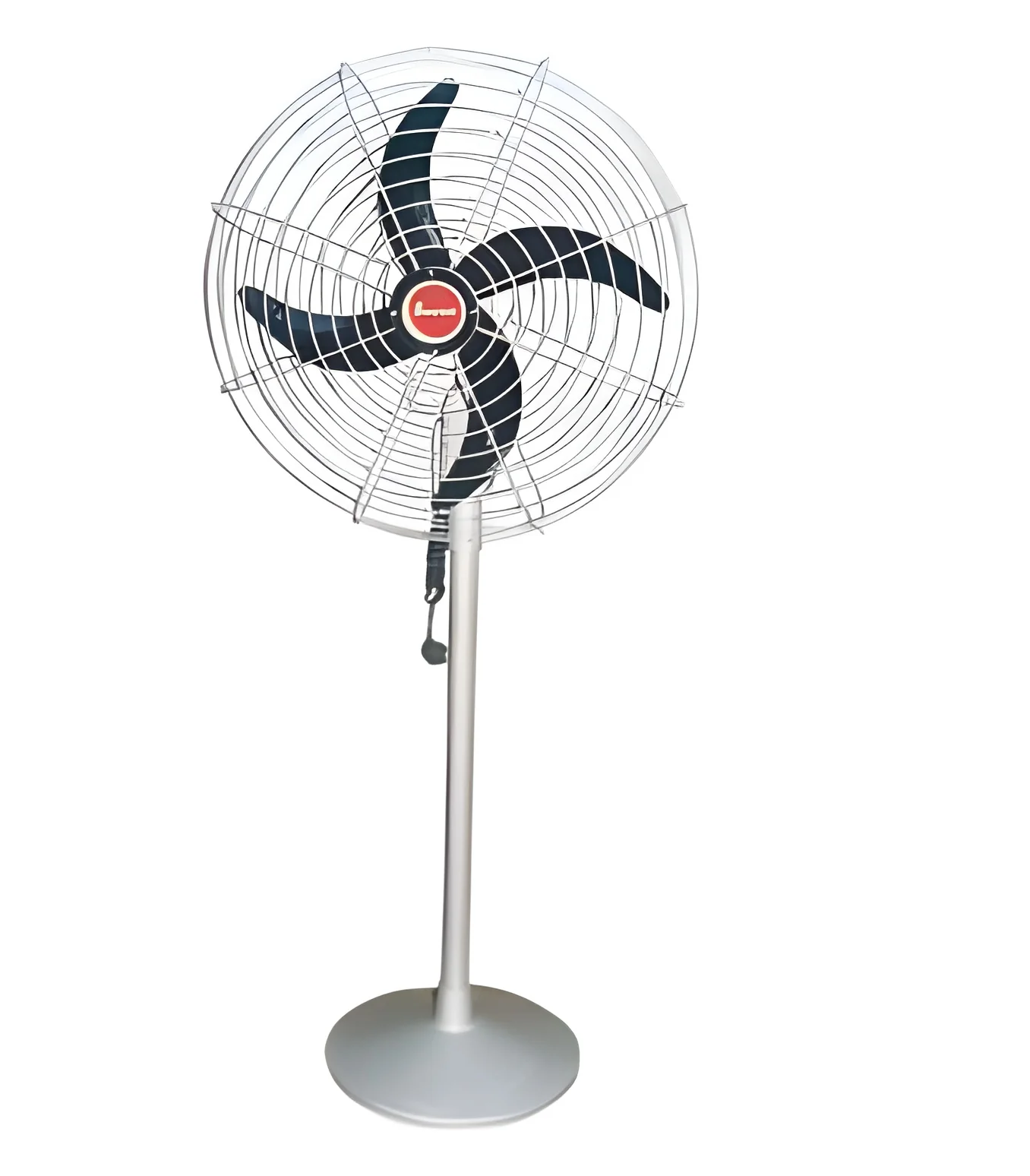
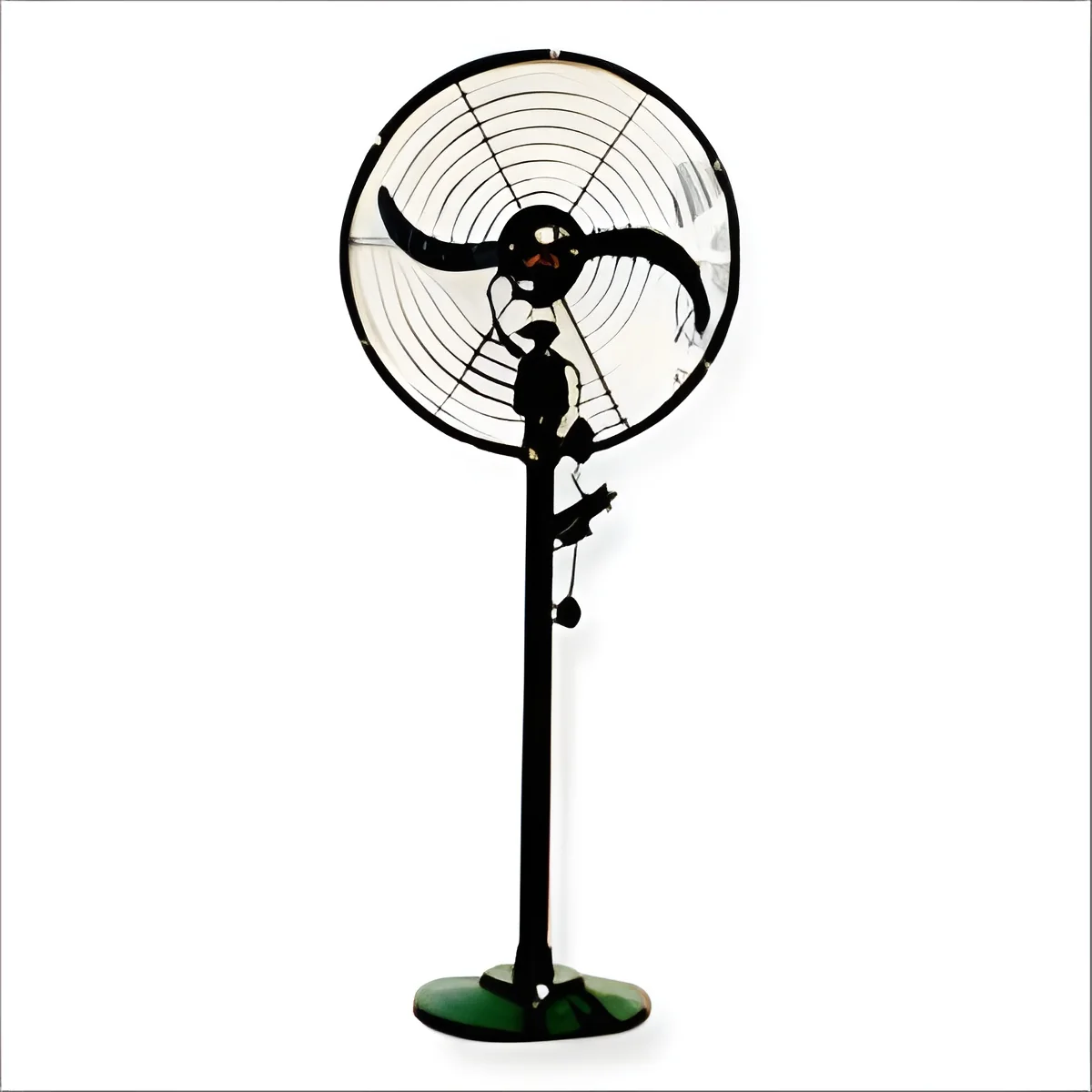
Air circulators are specialized devices designed to improve air movement within a specific environment. They work by drawing in air and redistributing it throughout the space, creating a more comfortable atmosphere. Unlike traditional fans, air circulators are engineered to move air efficiently over larger areas, making them an ideal solution for both industrial and commercial applications.
These devices find extensive use in various business settings, including warehouses, manufacturing facilities, and large retail spaces. Air circulators help maintain consistent temperatures, contribute to better air quality, and enhance comfort for employees and customers alike. As industries continue to focus on energy efficiency and workplace comfort, air circulators have become increasingly relevant in the market.
Key Features and Specifications
Air circulators come equipped with several features that enhance their performance and usability. Understanding these key specifications is crucial for making informed purchasing decisions.
Key specifications include:
1. Airflow Capacity
- Measured in cubic feet per minute (CFM)
- Varies based on size and design, typically ranging from 1,000 to 10,000 CFM
2. Power Consumption
- Measured in watts
- Generally ranges from 50 to 500 watts depending on the model
3. Noise Levels
- Measured in decibels (dB)
- Commonly between 40 dB (quiet operation) to 70 dB (for high-performance models)
4. Size and Portability
- Available in various dimensions
- Some models are designed to be portable, while others are fixed installations
5. Speed Settings
- Typically feature multiple speed settings
- Allows users to adjust airflow based on specific needs
6. Material Construction
- Often made from durable metal or high-quality plastic
- Designed for long-term use in demanding environments
7. Safety Features
- Includes overheat protection and safety grilles
- Ensures safe operation in commercial settings
8. Certifications
- Many models come with certifications such as CE and UL
- Indicates compliance with safety and quality standards
In summary, air circulators are engineered with specific features to enhance their efficiency, safety, and usability across various applications.
Common Applications and Use Cases
Air circulators serve numerous industries, each benefiting from their ability to improve air circulation and comfort.
1. Manufacturing: In manufacturing facilities, air circulators help maintain consistent temperatures, preventing overheating of equipment and ensuring a comfortable working environment for employees.
2. Warehousing: Large warehouses utilize air circulators to enhance ventilation, reduce humidity, and improve air quality, contributing to a safer and more efficient storage environment.
3. Retail: Retail spaces benefit from air circulators by improving customer comfort, helping to create a pleasant shopping experience, and maintaining optimal product conditions.
4. Agriculture: In agricultural settings, air circulators are used to regulate temperature and humidity in greenhouses, promoting healthy plant growth and reducing the risk of mold.
5. Food Processing: Food processing plants rely on air circulators to comply with hygiene regulations, ensuring proper ventilation and reducing the risk of contamination.
6. Hospitality: Hotels and restaurants use air circulators to enhance guest comfort, ensuring that common areas and dining spaces remain inviting.
7. Laboratories: In laboratory environments, air circulators help maintain consistent airflow, crucial for sensitive experiments and safety protocols.
Product Variants and Subcategories
Air circulators come in a variety of designs to cater to specific needs. This diversity allows businesses to choose models that best suit their operational requirements.
Wall-Mounted Air Circulator: These units are ideal for spaces with limited floor space. They provide efficient air circulation without occupying valuable ground area, making them perfect for warehouses and workshops.
Portable Air Circulator: Designed for mobility, these units can be easily moved from one location to another. They are ideal for temporary setups or areas that require flexible air circulation.
High-Velocity Air Circulator: These powerful units are designed to move large volumes of air quickly. They are ideal for industrial applications where rapid cooling or ventilation is necessary.
Benefits and Advantages
Investing in air circulators offers several advantages for businesses looking to improve their operational efficiency.
1. Enhanced Air Quality: Air circulators help improve indoor air quality by promoting better ventilation, reducing the buildup of stale air.
2. Energy Efficiency: Many models are designed to be energy-efficient, helping businesses reduce their energy costs while maintaining effective air circulation.
3. Improved Comfort: By maintaining consistent temperatures, air circulators contribute to a more pleasant working environment for employees and customers.
4. Versatile Applications: Air circulators can be used in a wide range of settings, making them suitable for various industries and applications.
5. Cost-Effective Solution: Compared to HVAC systems, air circulators are often more affordable to purchase and operate, providing an economical solution for air circulation needs.
6. Easy Maintenance: Most air circulators are designed for easy maintenance, allowing businesses to keep them operational without significant downtime.
Buying Guide for B2B Buyers
When sourcing air circulators, several factors should be considered to ensure you select the right model for your needs.
1. Quality Assessment: Look for units that meet industry standards in terms of durability and performance. Check for certifications that indicate compliance with safety and quality regulations.
2. Supplier Verification: It is essential to vet suppliers thoroughly. Research their reputation, customer reviews, and history in the industry to ensure reliability.
3. Pricing and MOQ: Understand the pricing structure and any minimum order quantity (MOQ) requirements. This will help you budget effectively and avoid unexpected costs.
4. Delivery and Lead Times: Inquire about delivery options and lead times. Timely delivery is crucial for maintaining operational schedules.
5. Compliance Requirements: Ensure that the air circulators meet any relevant compliance and regulatory standards specific to your industry to avoid legal issues.
Compliance and Certifications
Air circulators must adhere to relevant quality standards to ensure safety and performance.
ISO 9001: This standard outlines the criteria for a quality management system, ensuring that manufacturers maintain consistent quality in their products.
HACCP: For food-related applications, adherence to Hazard Analysis Critical Control Point (HACCP) ensures that air circulators used in food processing environments help maintain hygiene and safety.
CE and UL Certifications: Products bearing CE and UL certifications indicate compliance with European and American safety standards, respectively. These certifications ensure that the products are tested and verified for safety.
Safety and testing requirements are critical, especially in industrial and commercial environments where equipment failure can lead to serious consequences. Additionally, businesses should consider regional compliance requirements, as regulations may vary by location.
Why Source Air Circulators from Pepagora?
Pepagora provides a trusted platform for sourcing air circulators, offering several key advantages that help businesses make informed purchasing decisions.
Verified Supplier Network: Pepagora connects buyers with a network of verified suppliers. This ensures that all listed suppliers meet stringent quality and reliability standards, giving buyers peace of mind.
Streamlined RFQ Process: The Request for Quotation (RFQ) system simplifies the procurement process. Buyers can easily submit their requirements and receive competitive quotes from multiple suppliers, facilitating better pricing and service options.
Trade Assurance and Support: Pepagora offers buyer protection through trade assurance programs, ensuring that transactions are secure and that buyers receive support throughout the purchasing process.
Regional Coverage: With a strong presence in India, the GCC, and Southeast Asia, Pepagora caters to a diverse range of geographical markets. This regional coverage allows businesses to access air circulators that meet local needs and standards effectively.

 IN
IN