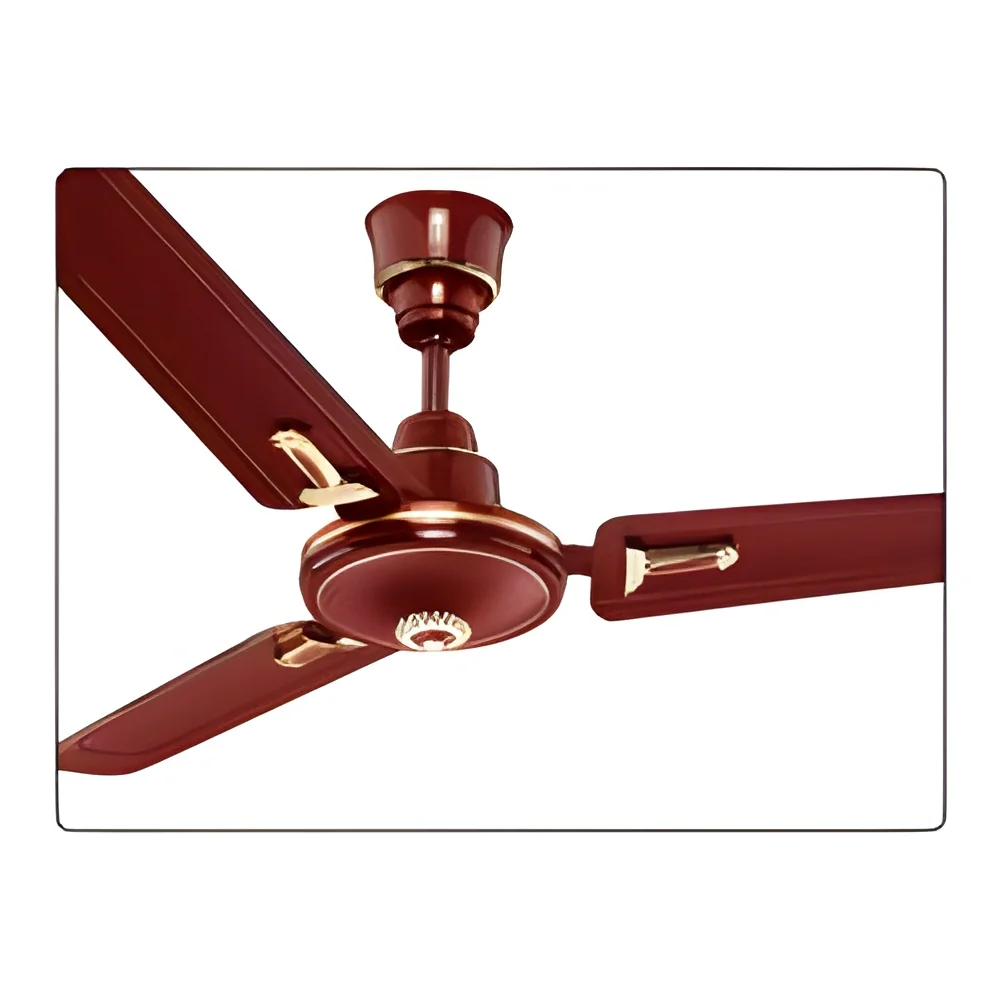
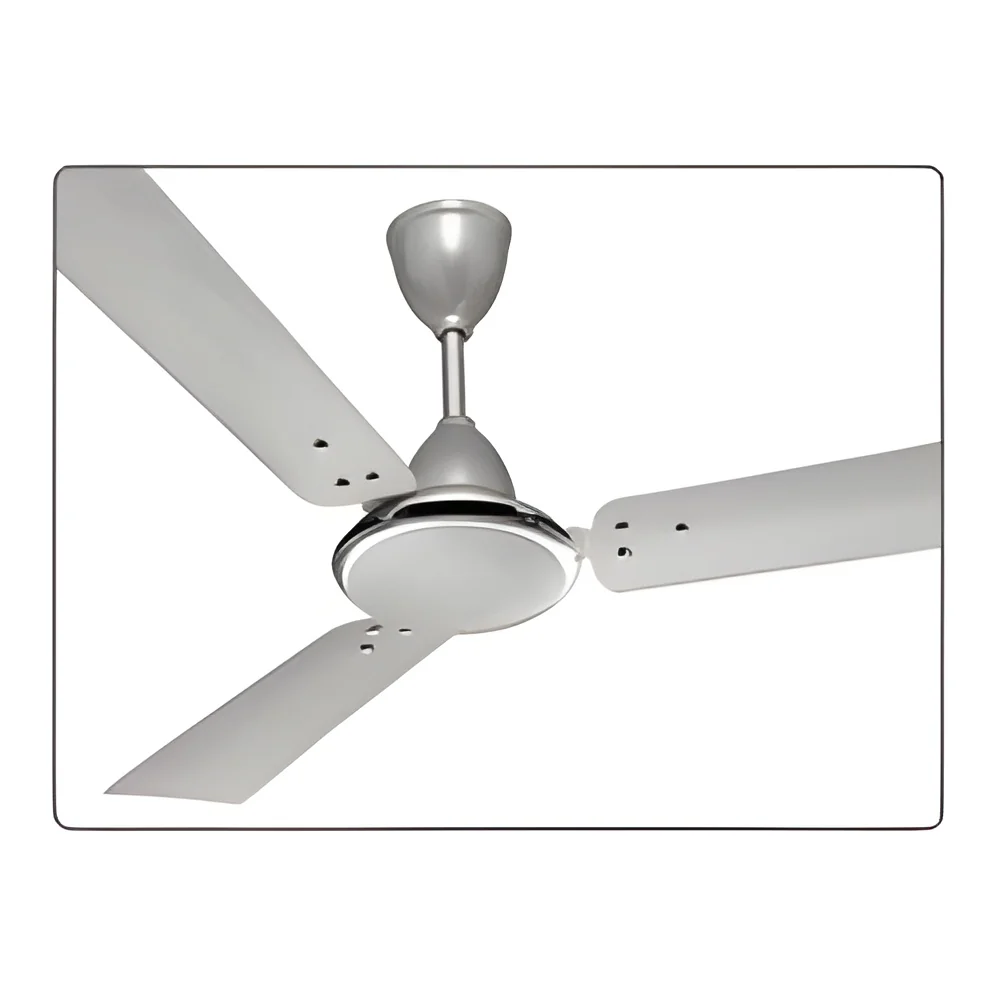
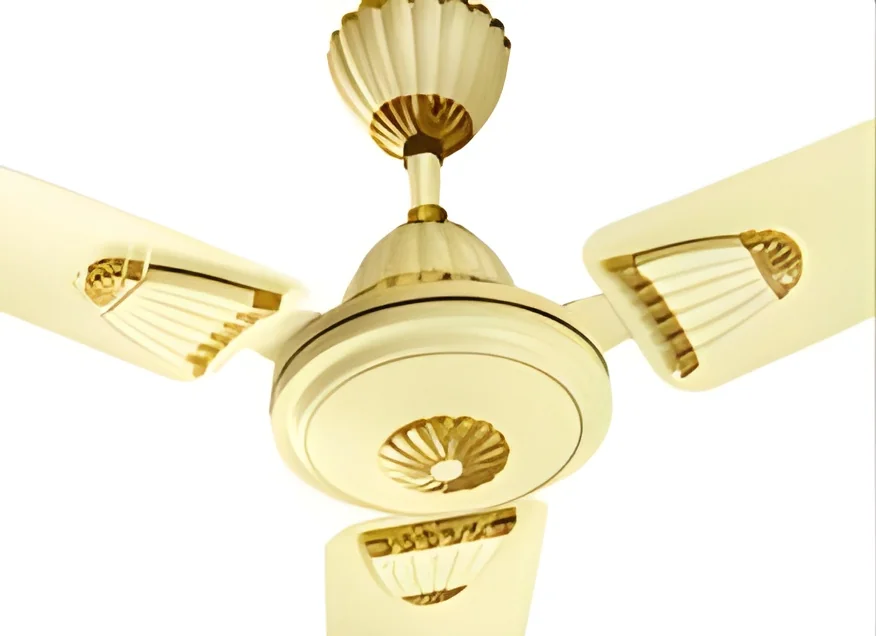
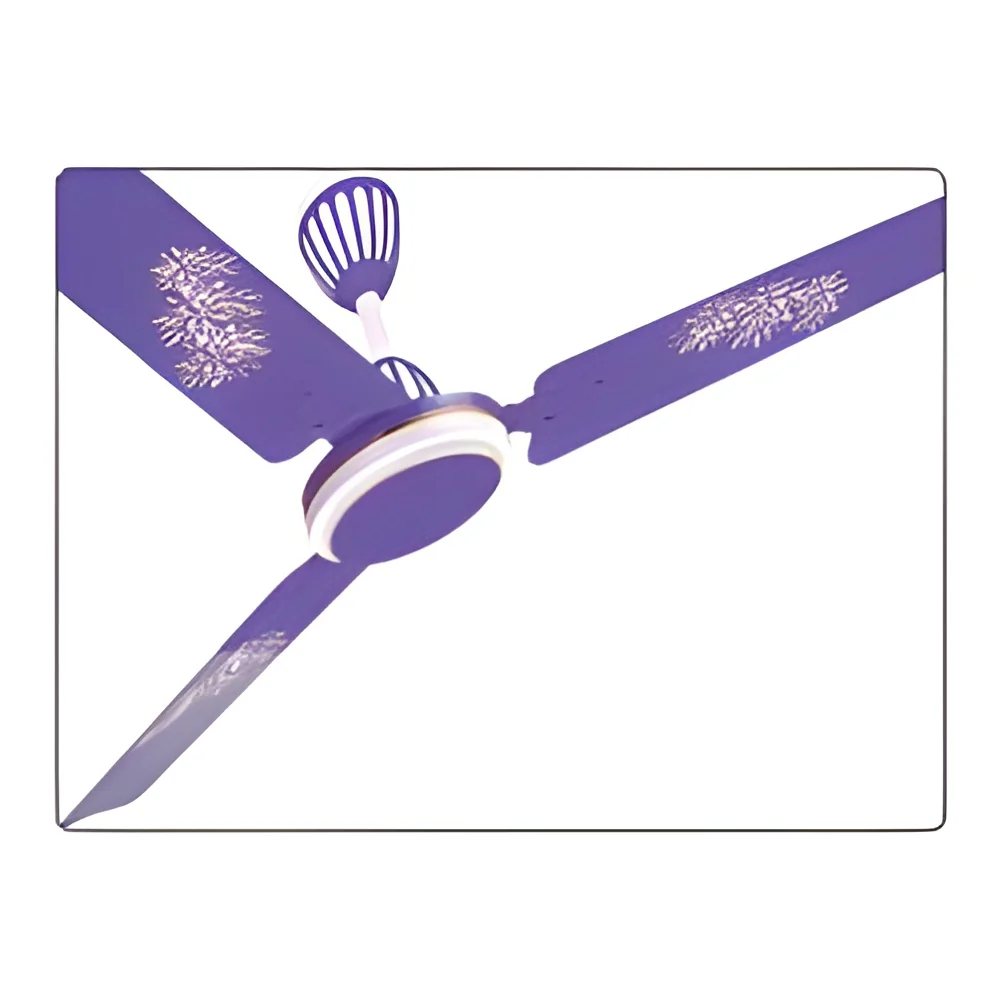
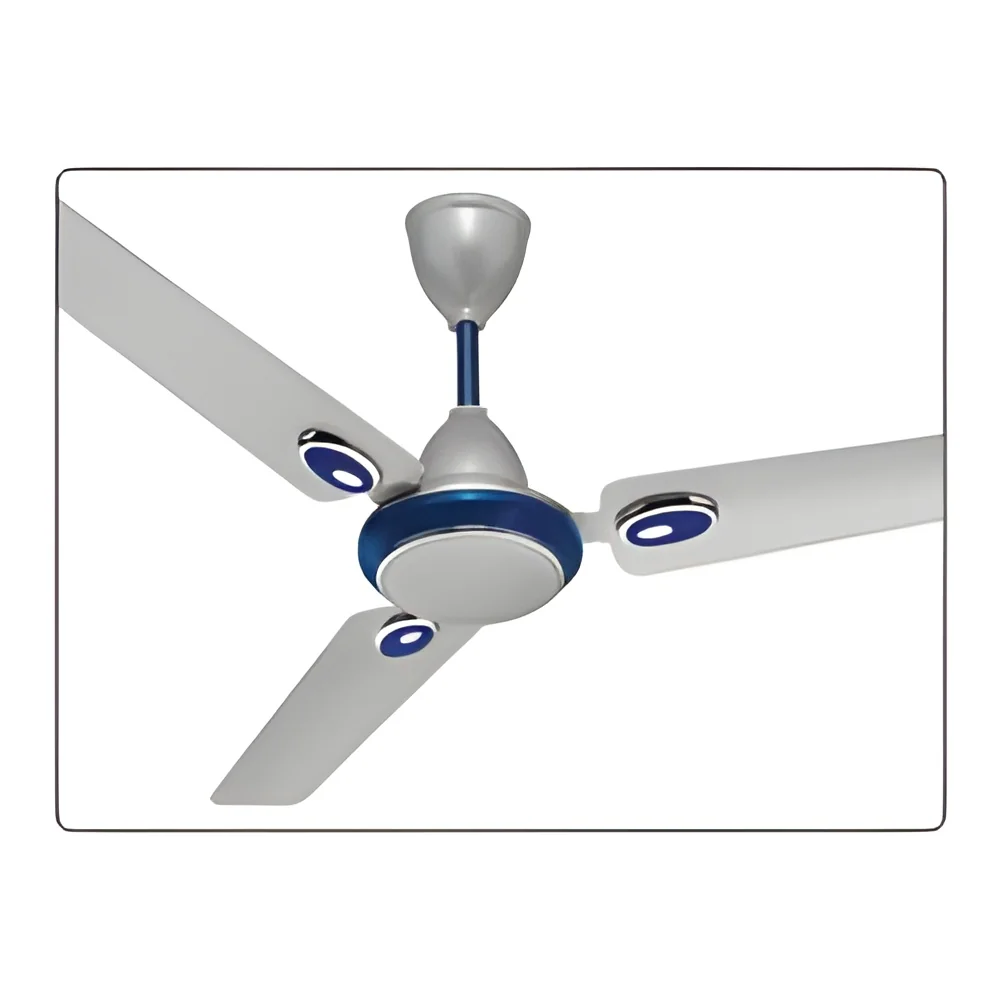
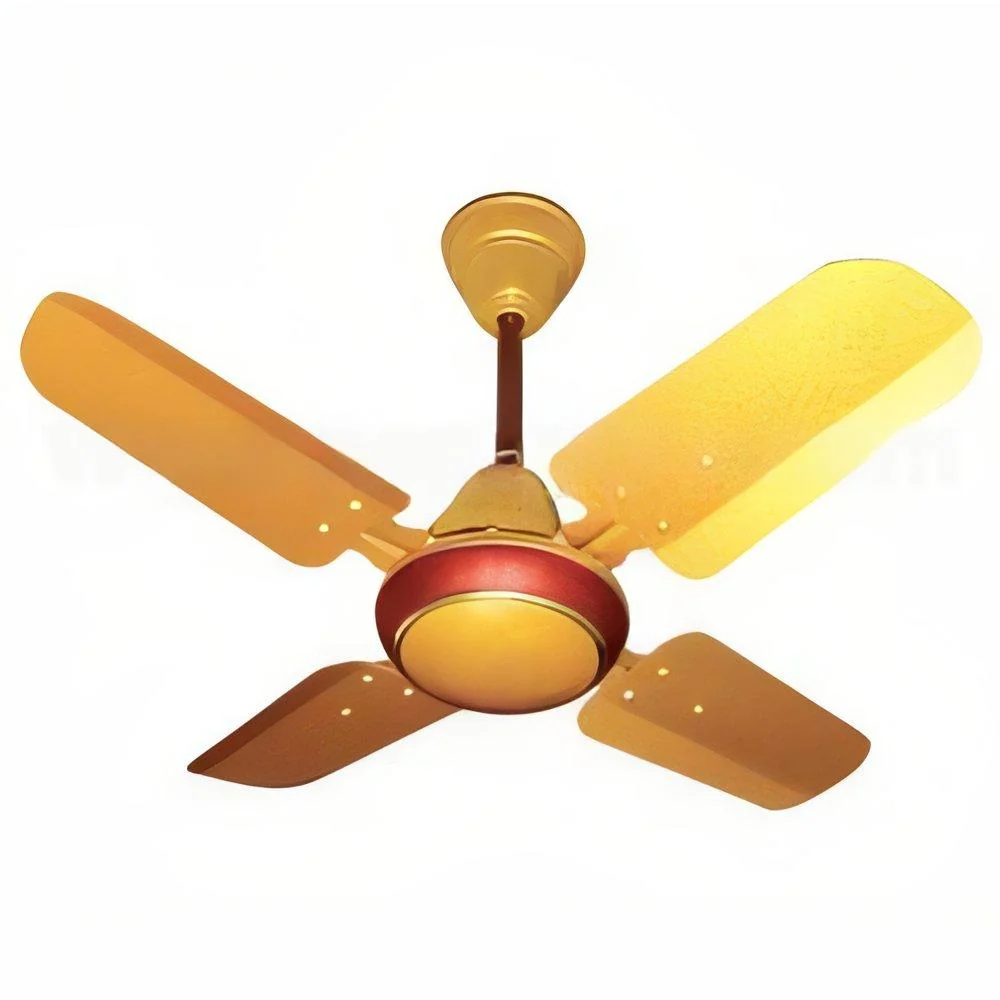
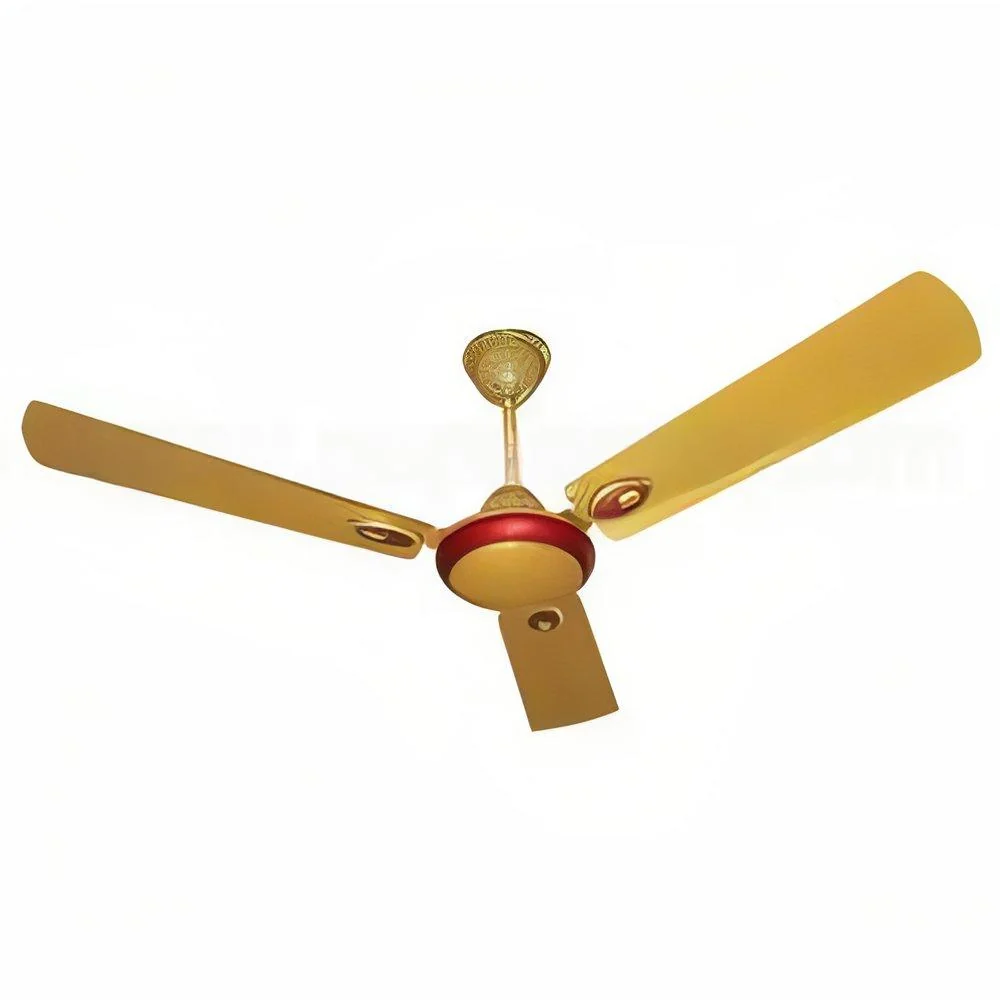
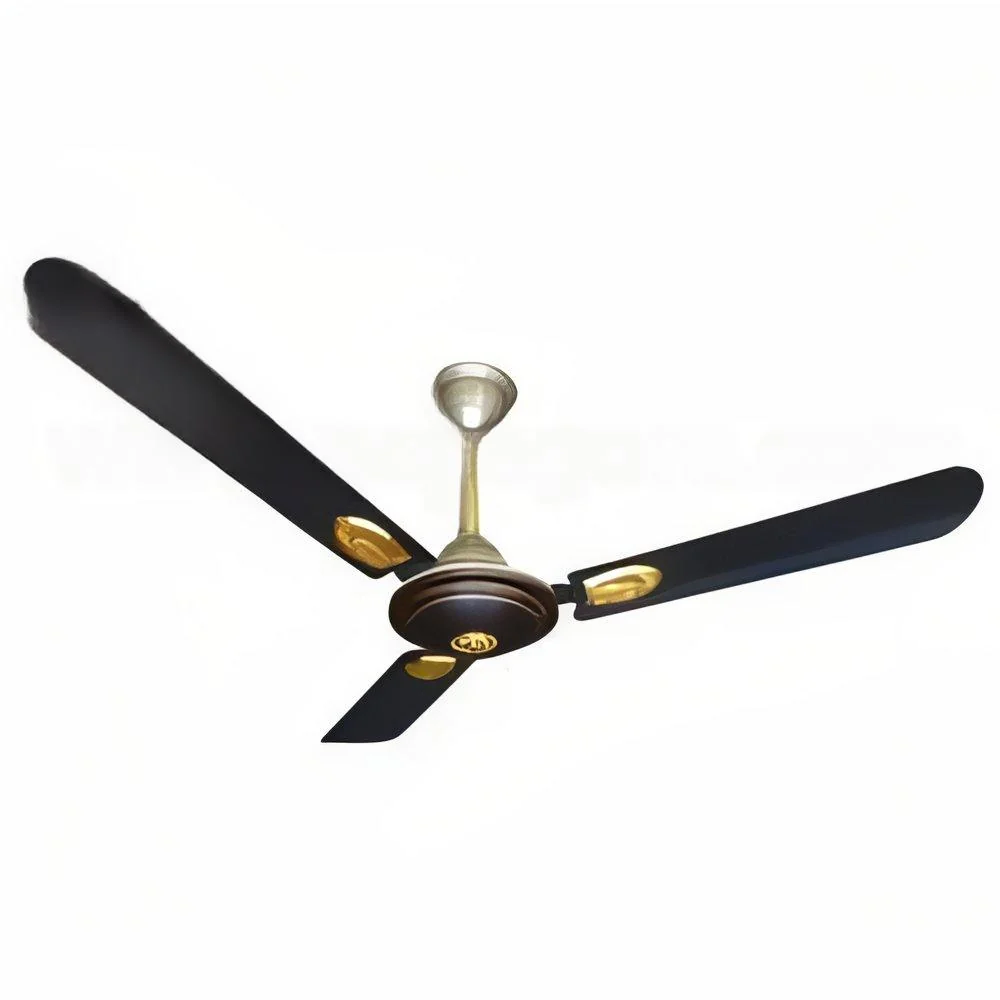
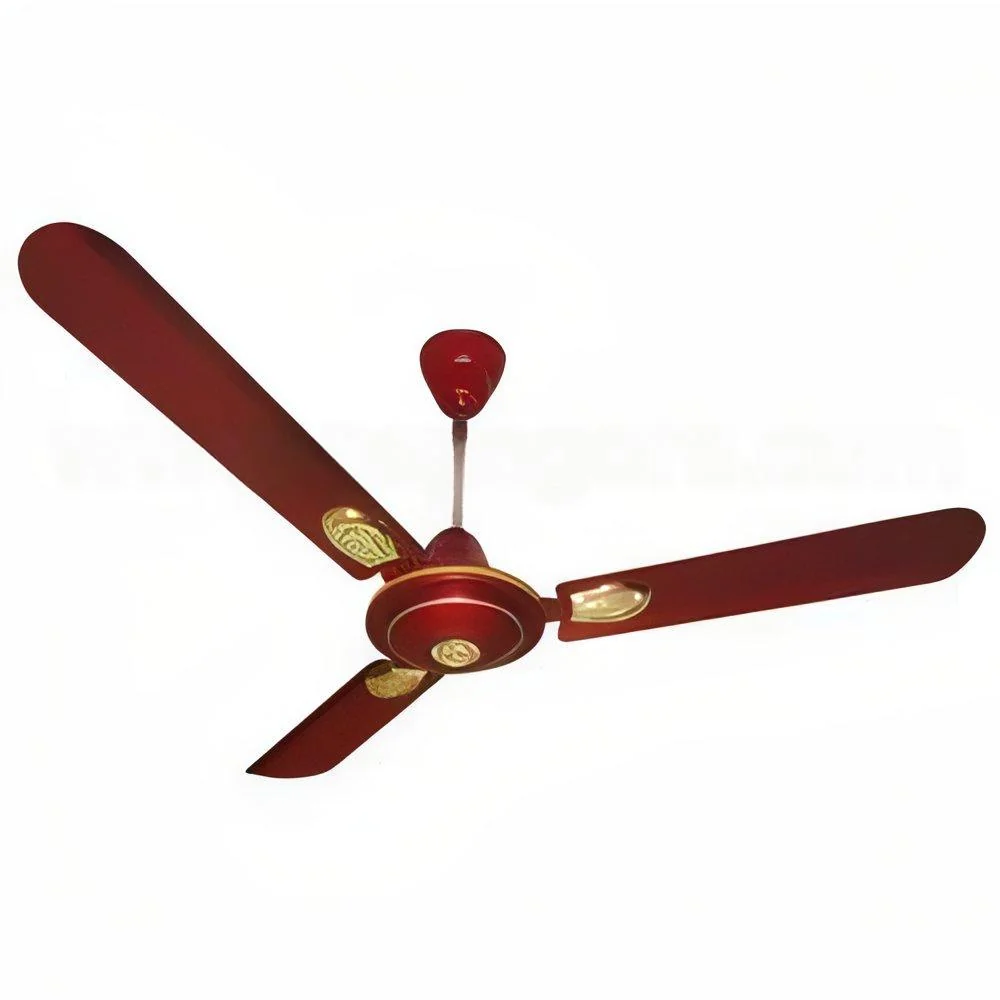
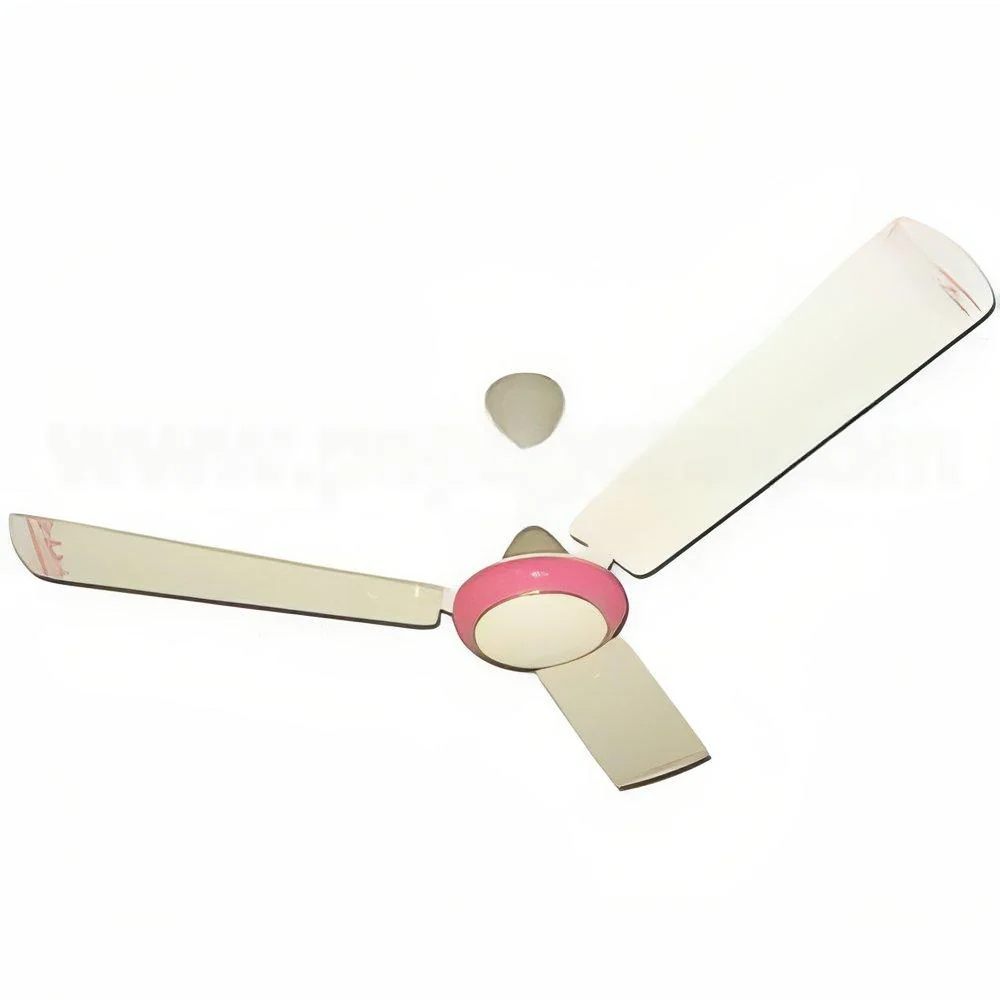
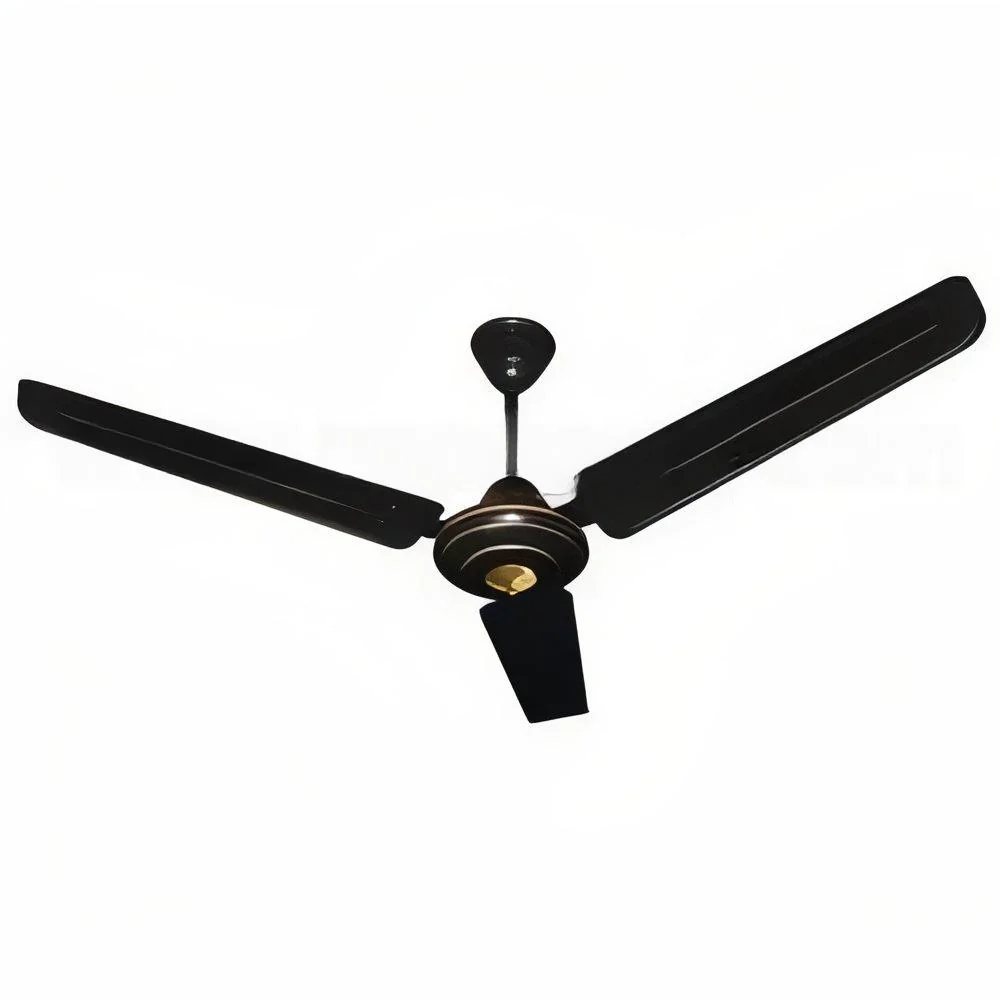
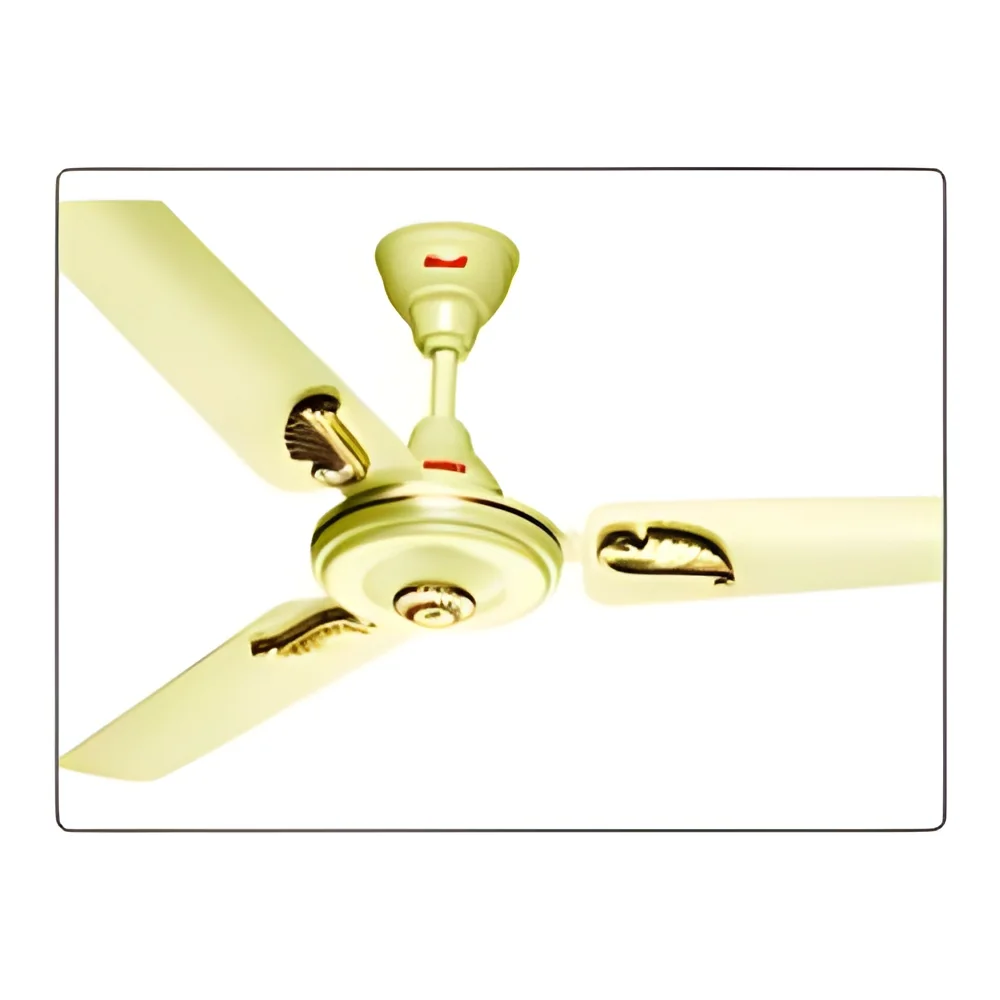
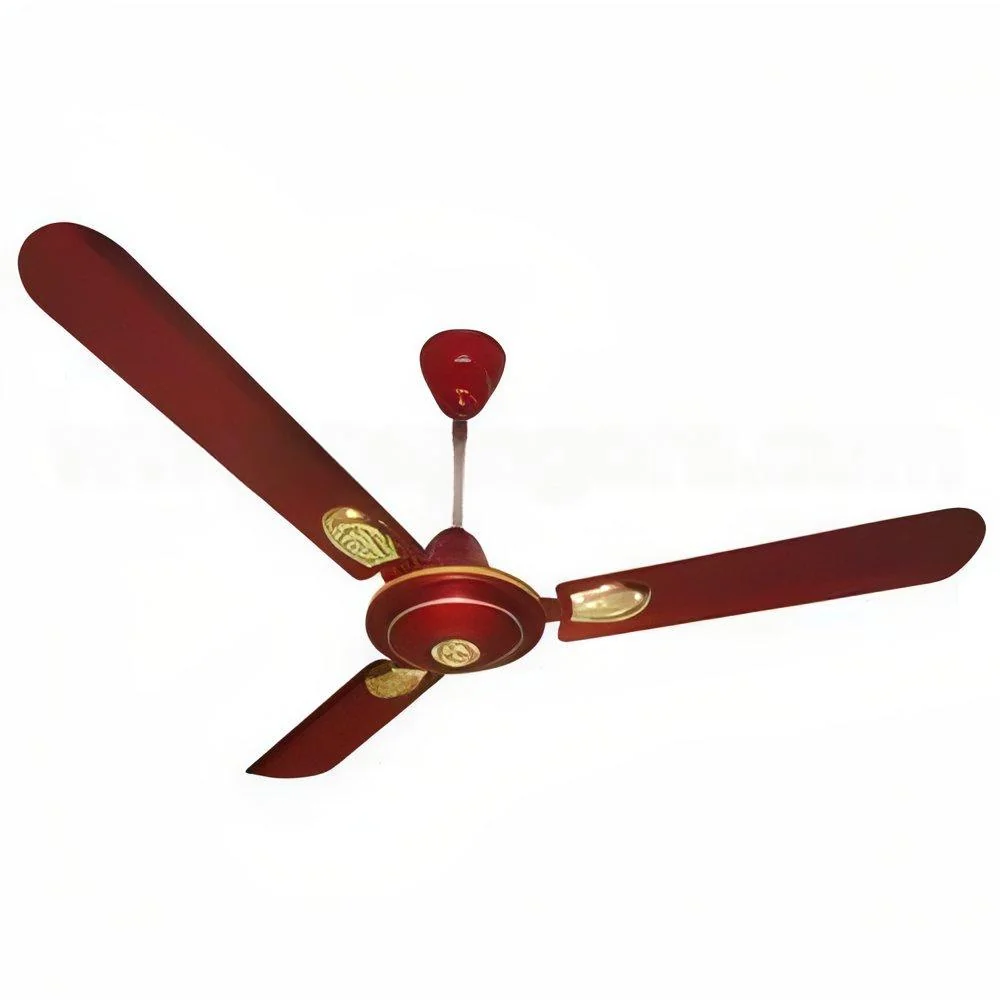
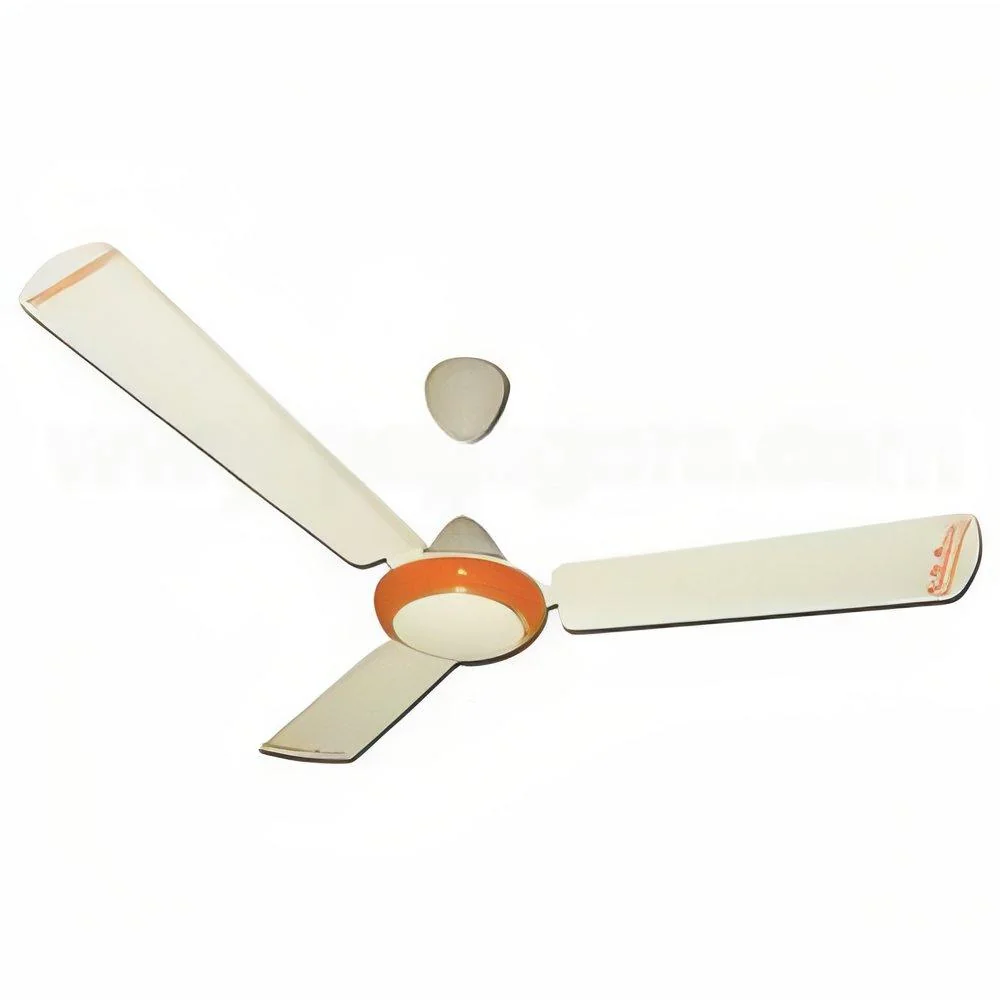
What are Ceiling Fans?
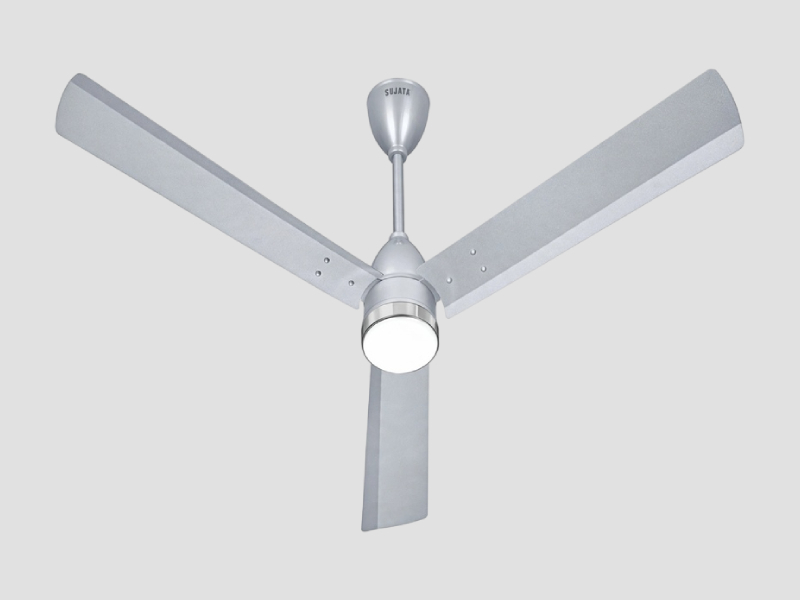
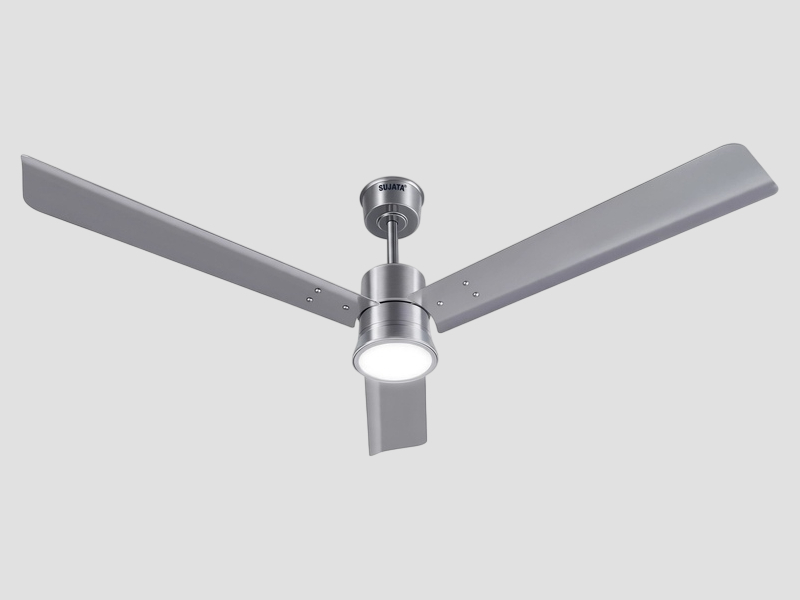
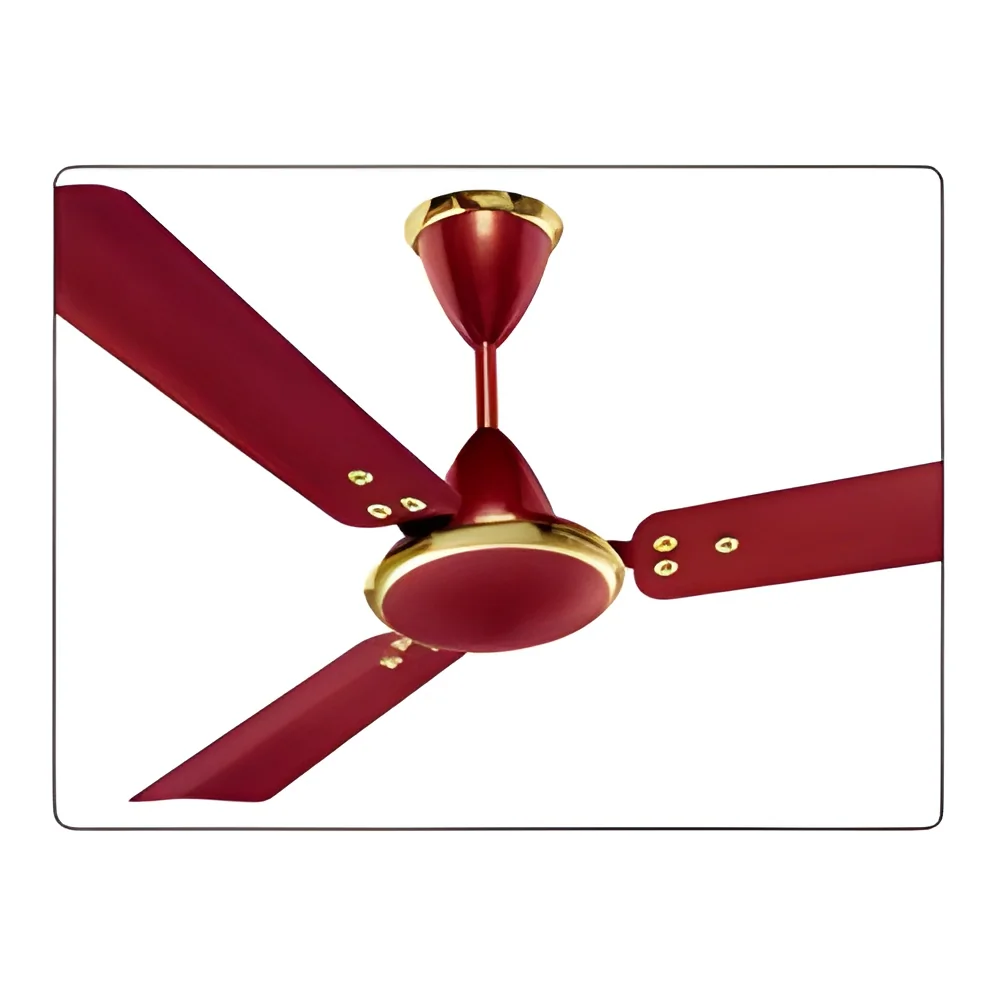
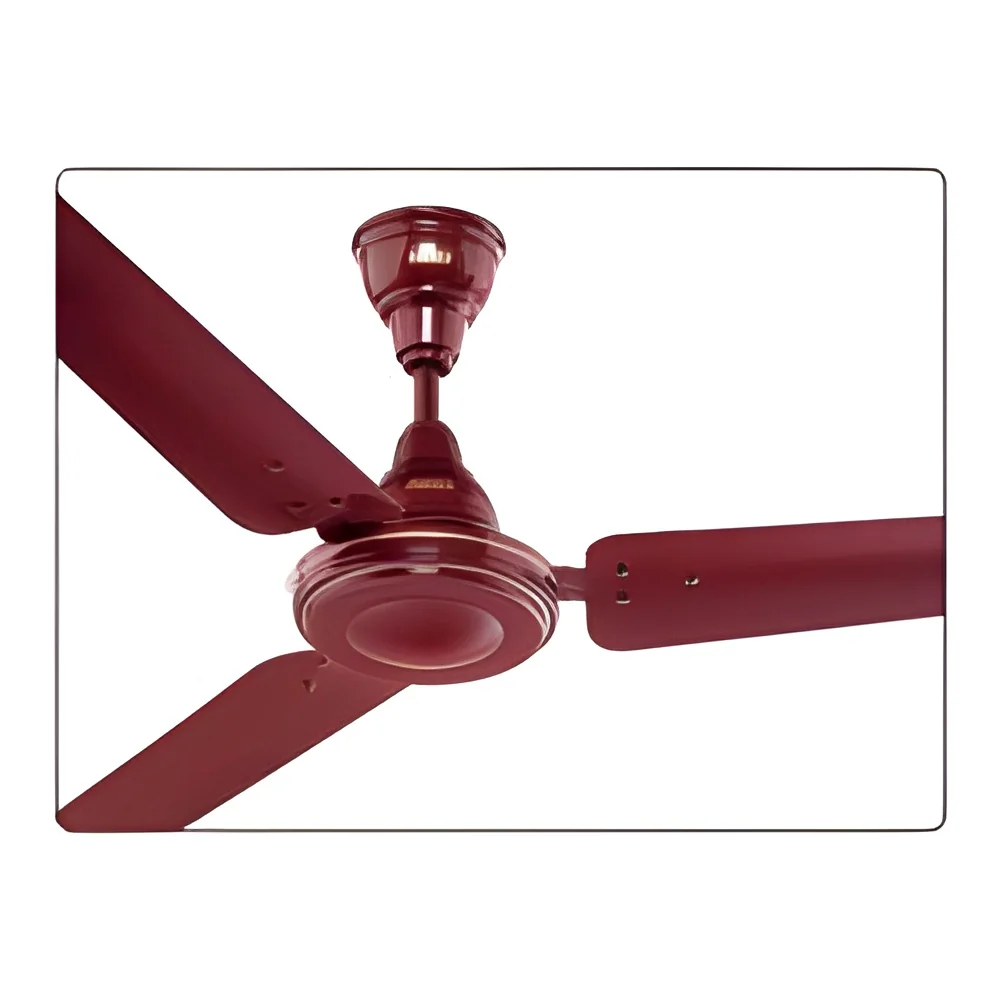
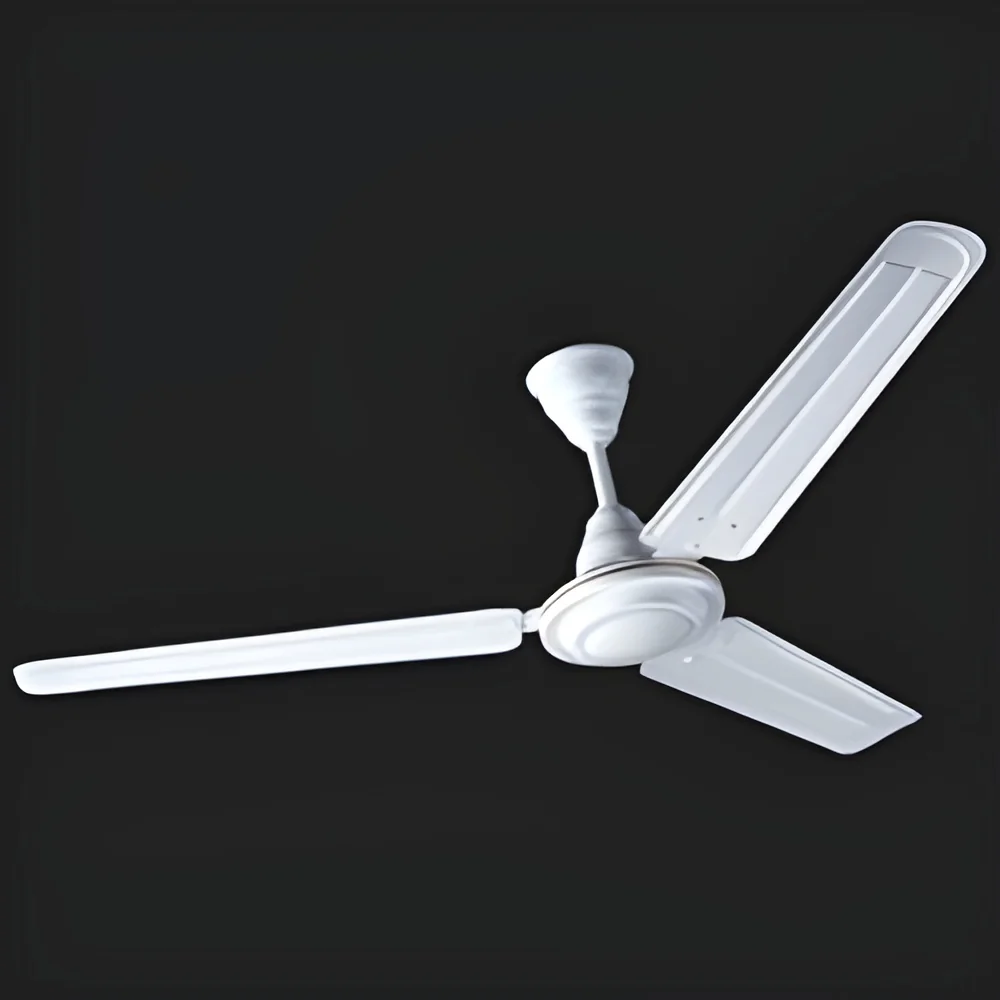
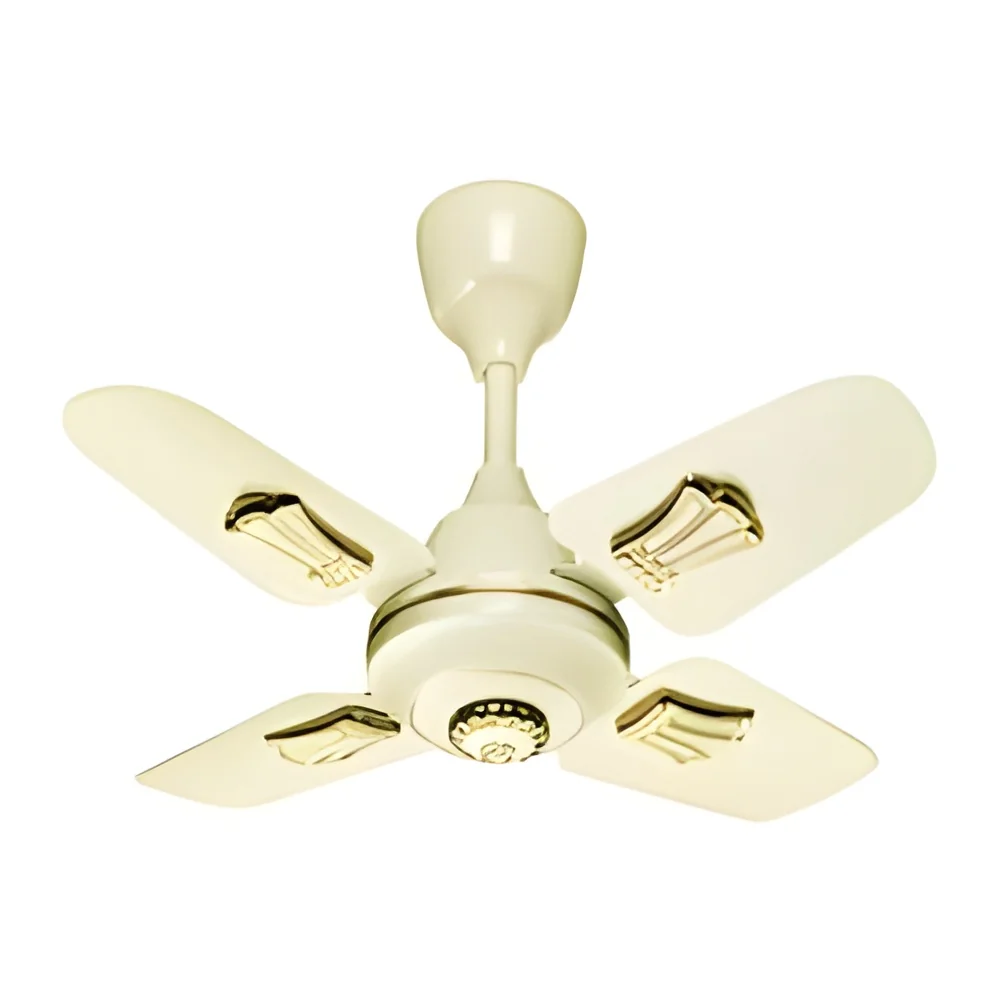
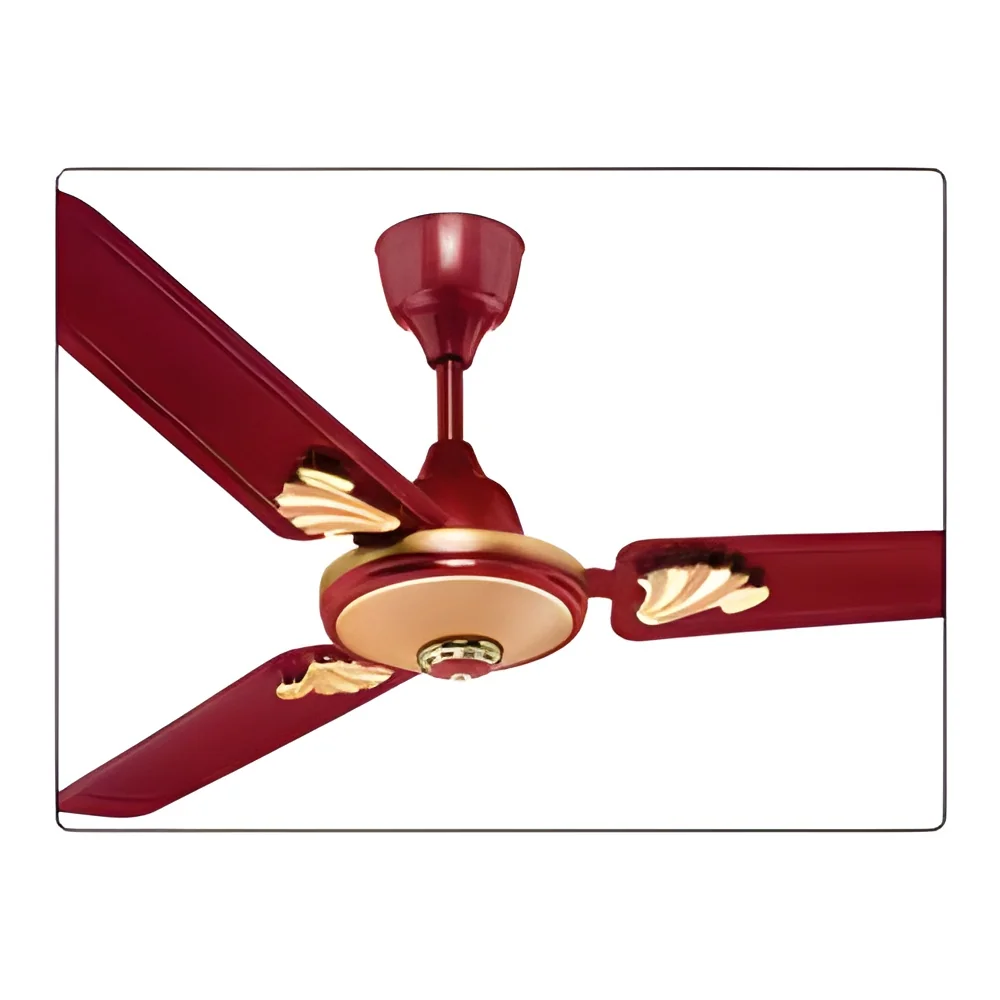
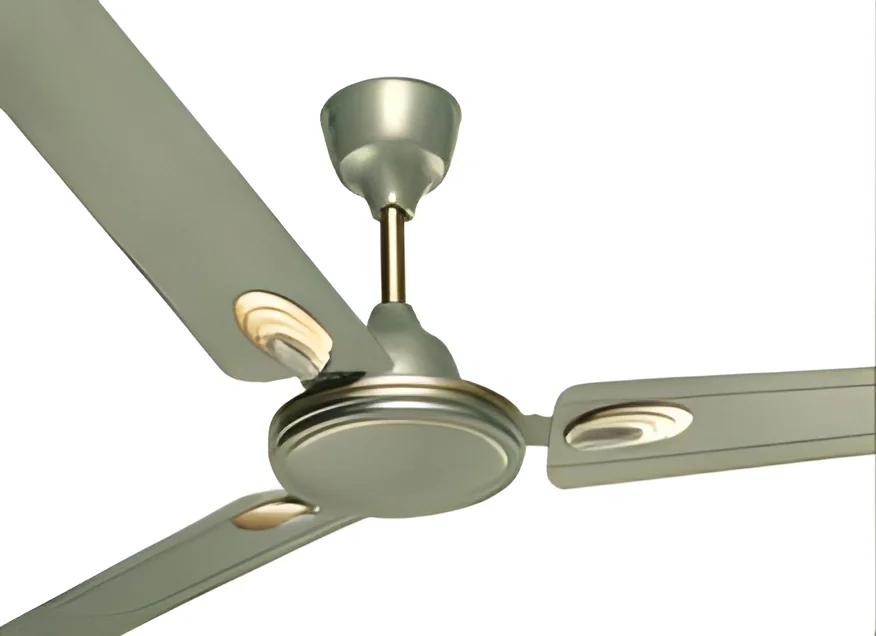
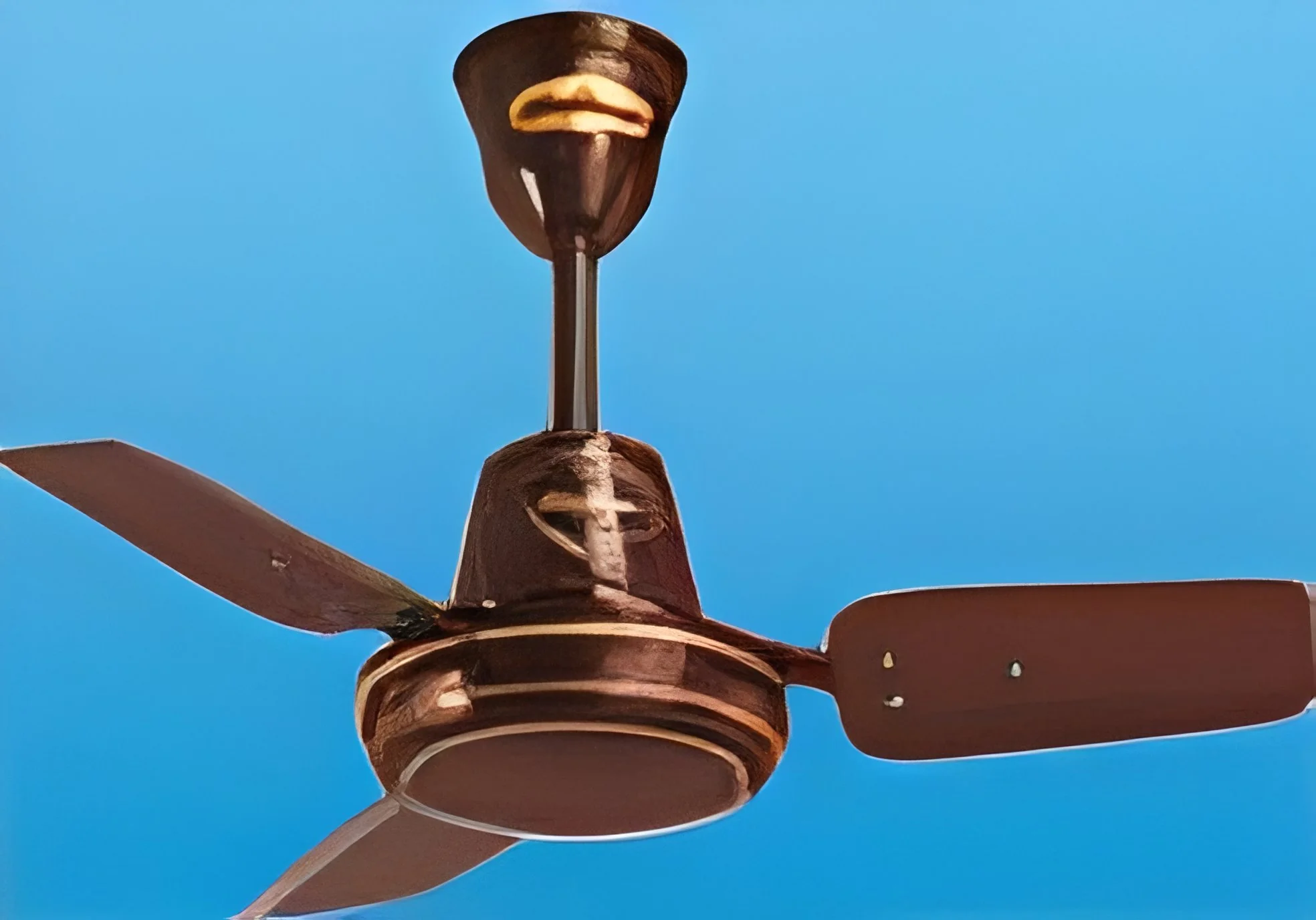
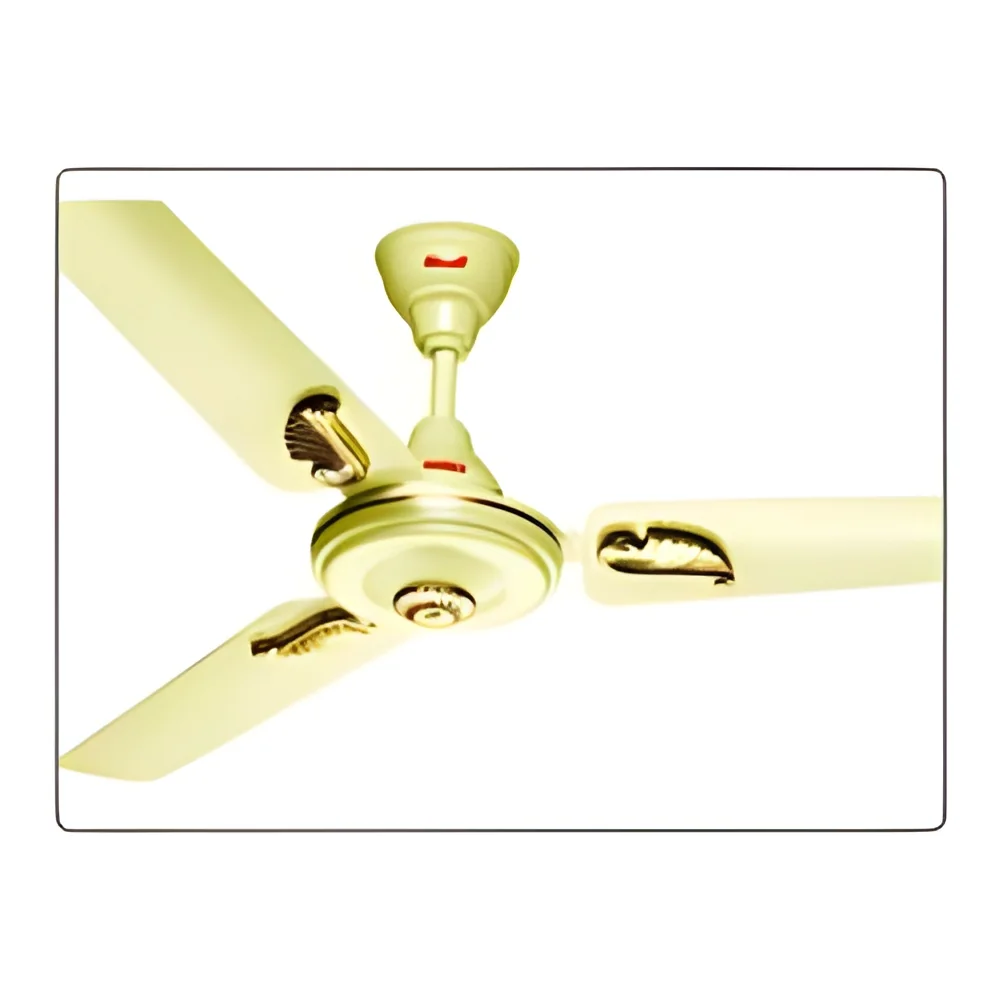
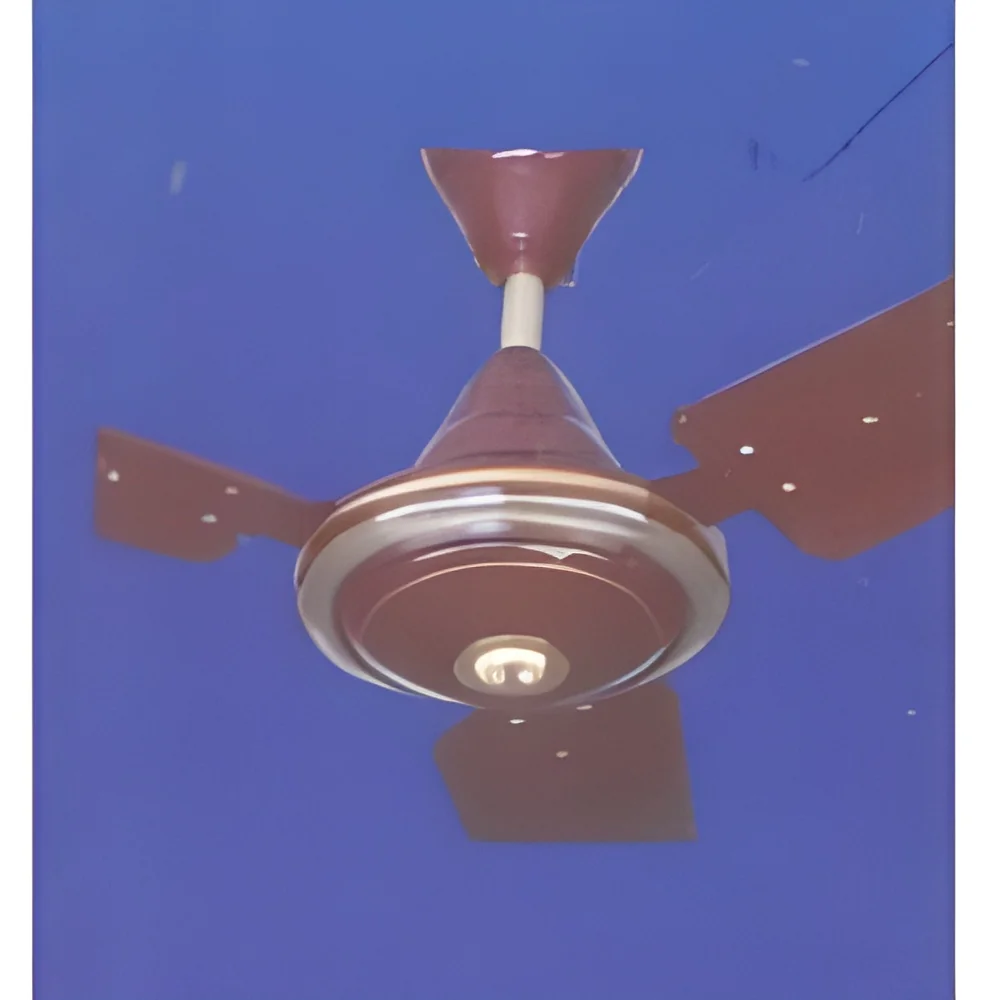
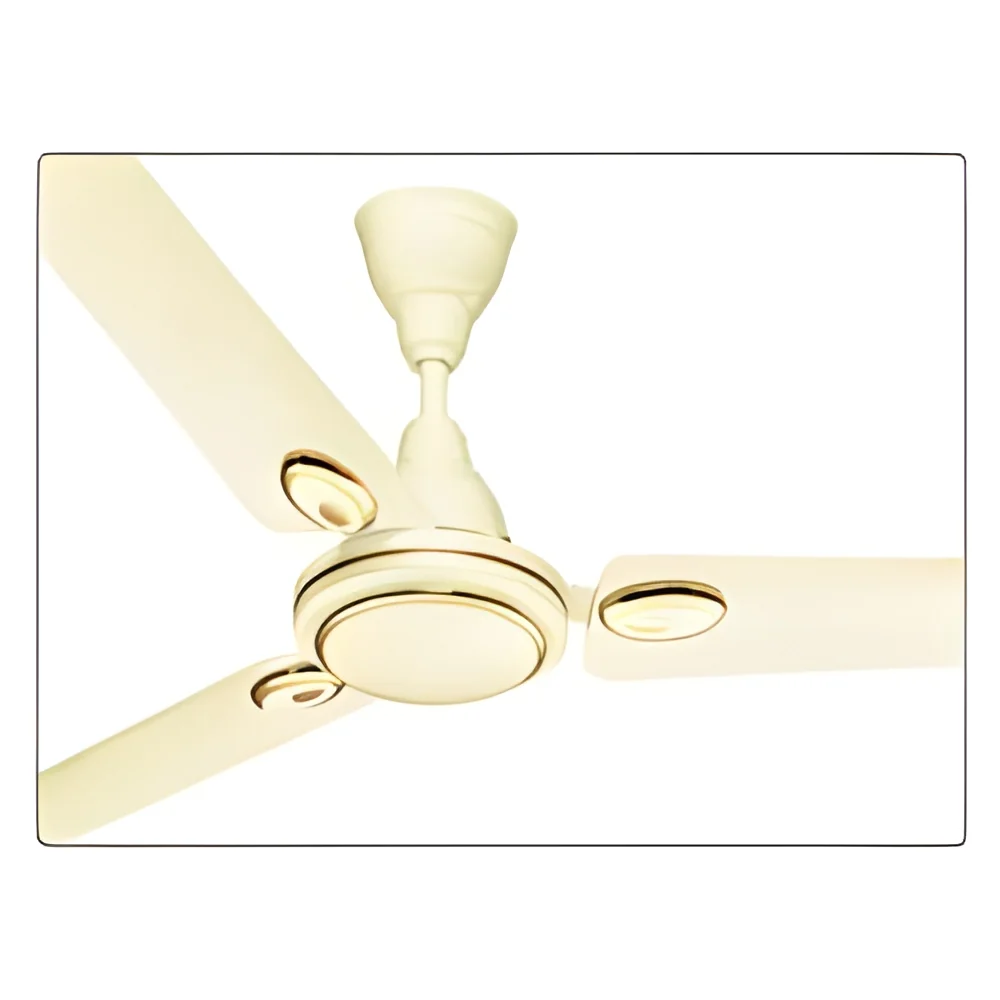
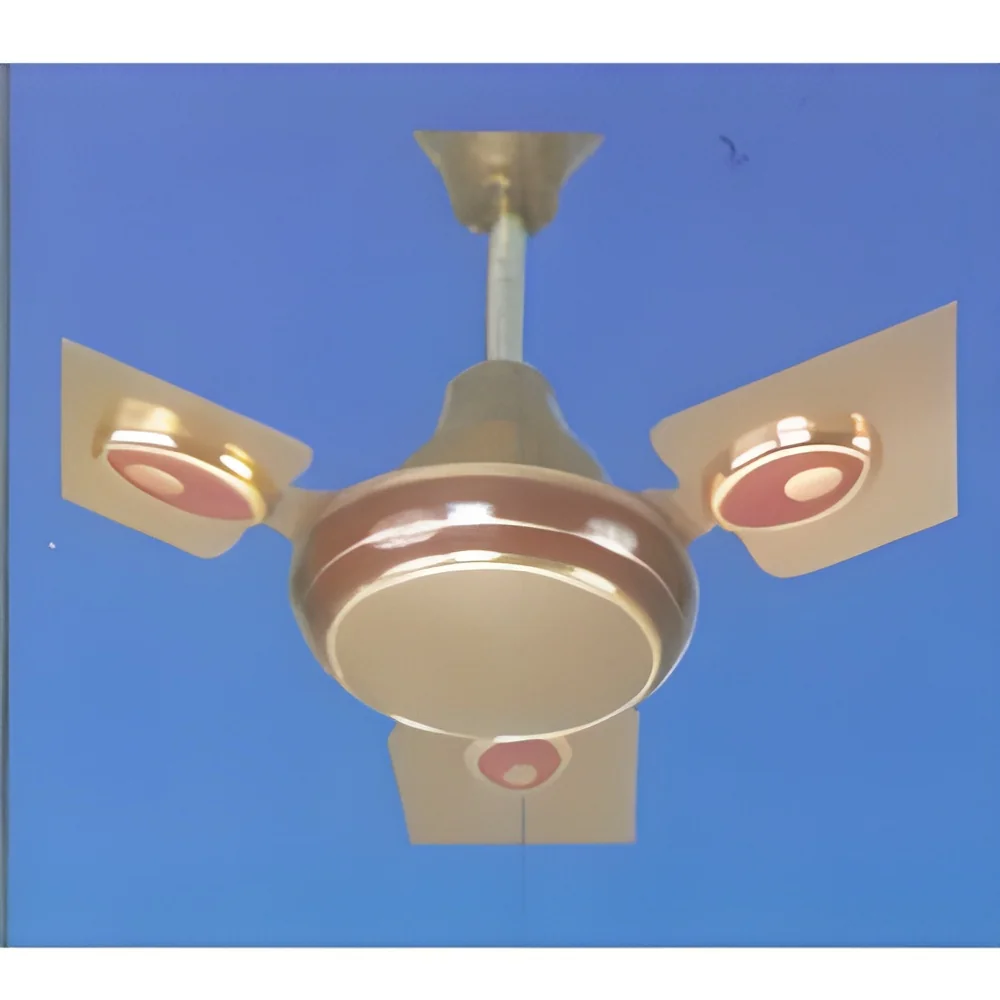
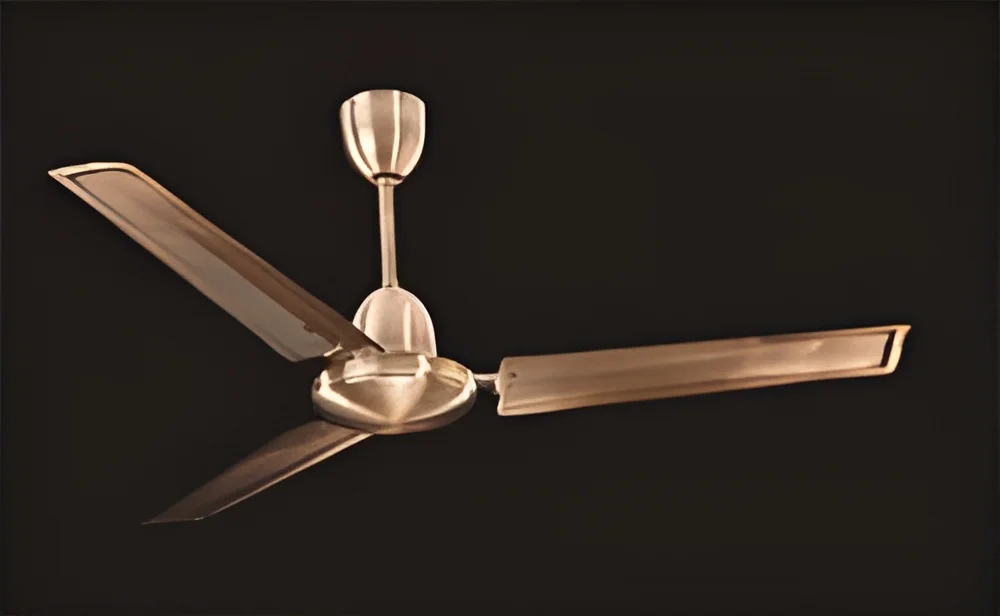
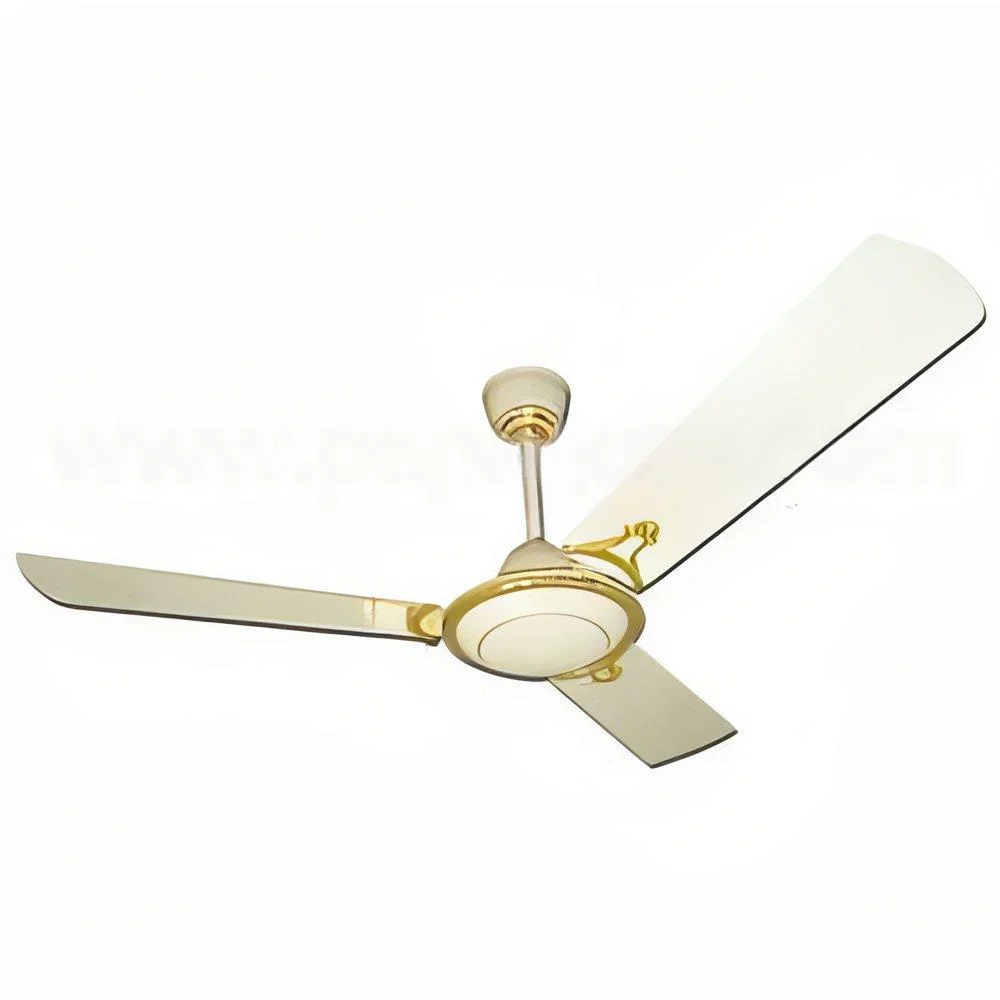
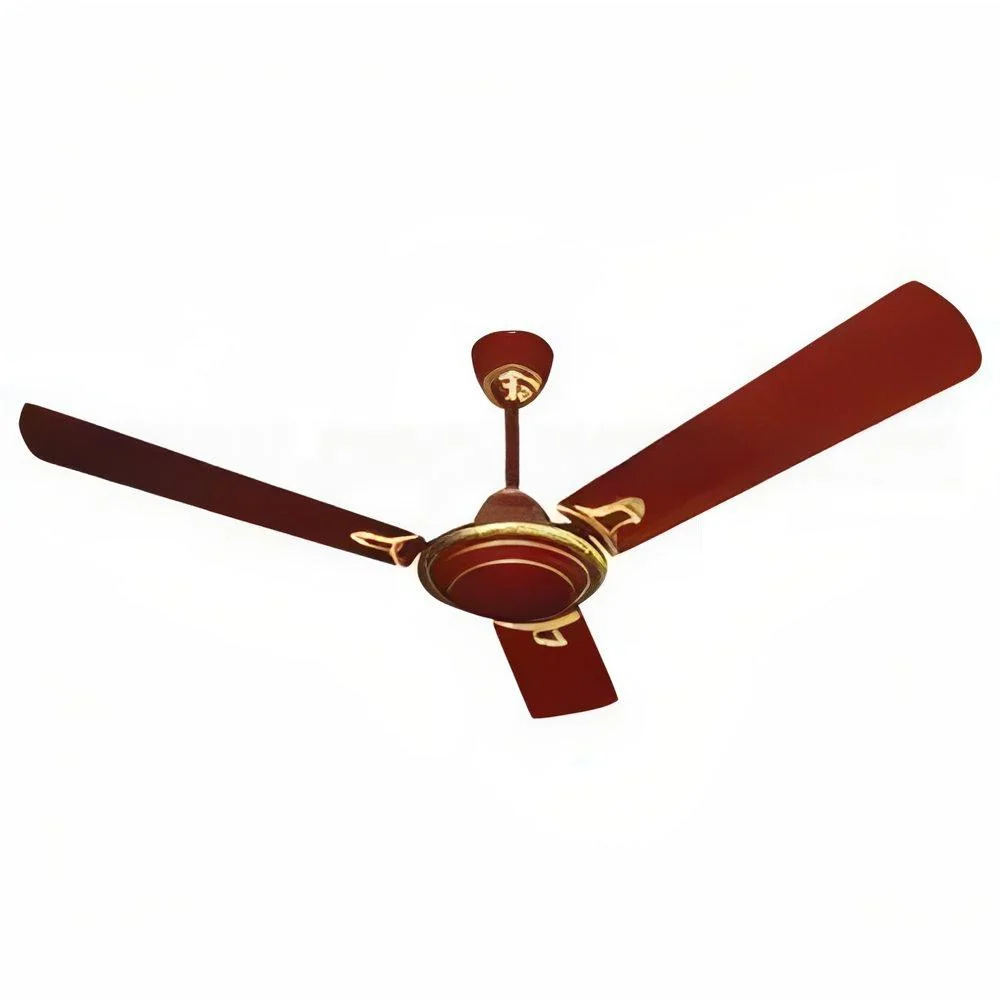
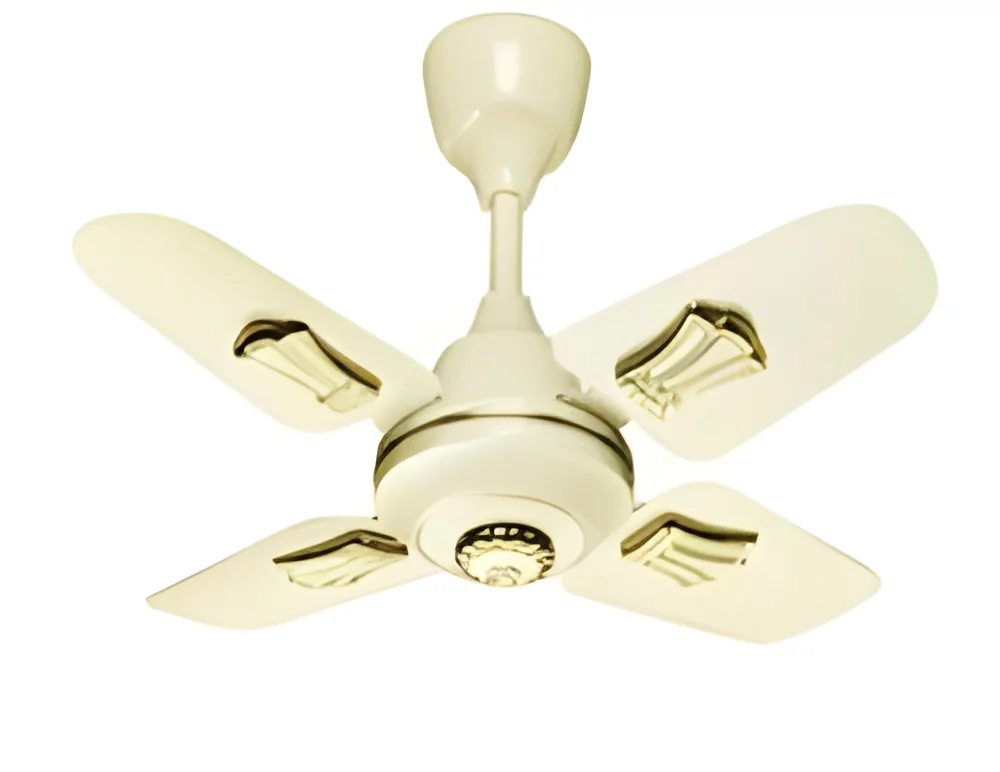
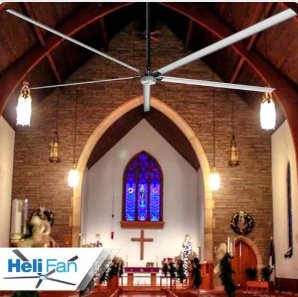
Ceiling fans are mechanical devices designed to circulate air in residential and commercial spaces. They typically consist of rotating blades mounted on a central hub, which is powered by an electric motor. Ceiling fans can provide cooling effects by creating a wind-chill factor, making them a popular choice for climate control. They are available in various sizes, styles, and functionalities to suit different environments and aesthetic preferences.
In business applications, ceiling fans are commonly used in offices, retail spaces, warehouses, and manufacturing facilities. They help maintain comfortable temperatures, enhance air circulation, and improve employee productivity. Additionally, ceiling fans can contribute to energy savings by reducing reliance on air conditioning systems. In a market context, the demand for ceiling fans has been growing, driven by renovations, new constructions, and an increasing focus on energy efficiency.
Key Features and Specifications
Ceiling fans come with a range of features and specifications tailored to meet diverse needs. Understanding these specifications is crucial for selecting the right fan for specific applications.
Key specifications include:
1. Blade Sizes
- Common blade sizes range from 36 inches to 60 inches, with larger fans suitable for larger spaces.
- Blade pitch typically varies between 12 and 15 degrees, influencing airflow efficiency.
2. Motor Types
- Ceiling fans may feature AC or DC motors, with DC motors generally being more energy-efficient.
- Motor power ratings can range from 50 watts to over 100 watts, depending on the fan size and design.
3. Speed Settings
- Most ceiling fans offer multiple speed settings, usually three or four, to adjust airflow according to user preference.
- Some models include remote control or smart technology for convenient operation.
4. Energy Efficiency Ratings
- Energy Star-rated models ensure lower energy consumption while maintaining performance.
- Efficiency is often measured in cubic feet per minute (CFM) per watt.
5. Noise Levels
- Ceiling fans are designed for quiet operation, with noise levels measured in decibels (dB).
- High-quality models typically operate below 50 dB.
6. Materials and Finishes
- Fans are constructed from various materials, including wood, metal, and plastic, affecting durability and aesthetics.
- Finishes can include brushed nickel, oil-rubbed bronze, and white, catering to different design preferences.
7. Installation Types
- Ceiling fans can be flush-mounted, standard-mounted or downrod-mounted, depending on ceiling height and space considerations.
- Each installation type impacts the fan's performance and appearance.
8. Additional Features
- Some ceiling fans come equipped with integrated lighting, remote controls, and reversible motors for year-round use.
- Features like humidity control and monitoring are not specified.
In summary, understanding ceiling fan specifications helps buyers select the best option for their specific requirements.
Common Applications and Use Cases
Ceiling fans are versatile and serve multiple industries effectively.
1. Commercial Offices: In office environments, ceiling fans help regulate temperatures, improve air circulation, and enhance employee comfort, leading to increased productivity.
2. Retail Spaces: Retail establishments use ceiling fans to create a pleasant shopping atmosphere. They help maintain comfortable temperatures, especially in larger stores.
3. Manufacturing Facilities: In industrial settings, ceiling fans assist with air circulation, helping to disperse heat and odors, thereby improving overall workplace conditions.
4. Hospitality Industry: Hotels and restaurants often install ceiling fans to provide guests with a comfortable environment while minimizing energy costs associated with air conditioning.
5. Residential Homes: Homeowners use ceiling fans as a cost-effective way to cool living spaces, making them popular in both new builds and renovations.
6. Educational Institutions: Schools and universities utilize ceiling fans to maintain comfortable learning environments, especially in regions with warm climates.
7. Warehouses: Ceiling fans are essential in large warehouses to ensure proper air circulation and temperature control, contributing to employee comfort and safety.
Product Variants and Subcategories
Ceiling fans come in various designs and configurations to meet different needs.
Standard Ceiling Fans: These are the most common type, featuring a simple design and available in various styles. They are suitable for everyday use in residential and commercial settings.
Energy-Efficient Ceiling Fans: Designed with advanced technology, these fans consume less energy while providing optimal airflow. They are ideal for environmentally conscious businesses looking to reduce energy costs.
Smart Ceiling Fans: Equipped with smart technology, these fans can be controlled remotely through smartphone apps or voice commands. They offer convenience and additional features like scheduling and energy monitoring.
Outdoor Ceiling Fans: Specifically designed for outdoor spaces, these fans are constructed to withstand weather conditions. They enhance comfort in patios, porches, and outdoor dining areas.
Benefits and Advantages
Ceiling fans offer numerous advantages to both consumers and businesses.
1. Energy Efficiency: Ceiling fans can significantly reduce energy consumption, as they allow users to raise thermostat settings by several degrees without sacrificing comfort.
2. Cost Savings: By improving air circulation and reducing reliance on air conditioning, ceiling fans can lower energy bills.
3. Year-Round Use: Many ceiling fans come with reversible motors, allowing them to provide warm air circulation in winter and cool air in summer.
4. Improved Air Quality: Ceiling fans help circulate air, reducing humidity and preventing stagnant air, which can lead to mold and allergens.
5. Aesthetic Appeal: With various designs and finishes, ceiling fans can enhance the interior decor of any space, adding style as well as functionality.
6. Easy Installation and Maintenance: Most ceiling fans can be installed quickly and require minimal maintenance, making them a practical choice for various settings.
Buying Guide for B2B Buyers
When sourcing ceiling fans, several factors should be considered to ensure the best purchase decision.
1. Quality Assessment: Evaluate the quality of materials and construction. Look for reputable brands that meet industry standards for durability and performance.
2. Supplier Verification: It is essential to vet suppliers for reliability and reputation. Check for customer reviews and industry certifications to ensure a trustworthy partnership.
3. Pricing and MOQ: Understand the pricing structure and minimum order quantities (MOQ) offered by suppliers. Negotiate to find the best value without compromising on quality.
4. Delivery and Lead Times: Inquire about logistics and lead times for delivery. Timely delivery is crucial for maintaining project timelines and ensuring customer satisfaction.
5. Compliance Requirements: Be aware of any regulatory requirements that ceiling fans must meet in your region. Ensure that the products are compliant with safety and quality standards.
Compliance and Certifications
Ceiling fans must adhere to specific quality standards and certifications to ensure safety and efficiency. Relevant standards include ISO 9001, which focuses on quality management systems, and CE certification, indicating compliance with European safety and health requirements.
Safety and testing requirements are essential to guarantee that ceiling fans perform reliably under normal operating conditions. This includes rigorous testing for electrical safety, performance, and durability.
Regional compliance considerations may vary, requiring manufacturers to meet local regulations governing electrical appliances. Companies must stay informed about these requirements to ensure their products are suitable for their markets.
Why Source Ceiling Fans from Pepagora?
Pepagora offers a trusted platform for sourcing ceiling fans, providing numerous advantages to B2B buyers.
Verified Supplier Network: Pepagora connects buyers with a network of verified suppliers, ensuring that businesses can source high-quality ceiling fans from reputable manufacturers. This network enhances confidence in product quality and supplier reliability.
Streamlined RFQ Process: The request for quotation (RFQ) process on Pepagora simplifies the procurement experience. Buyers can easily submit their requirements and receive competitive quotes from multiple suppliers, facilitating informed decision-making.
Trade Assurance and Support: Pepagora provides trade assurance that protects buyers throughout the purchasing process. This support helps mitigate risks associated with sourcing, ensuring that buyers receive what they ordered.
Regional Coverage: With a strong presence in regions such as India, the GCC, and Southeast Asia, Pepagora enables businesses to access a wide range of ceiling fans suited for diverse applications. This geographic reach allows buyers to meet their specific needs efficiently.

 IN
IN