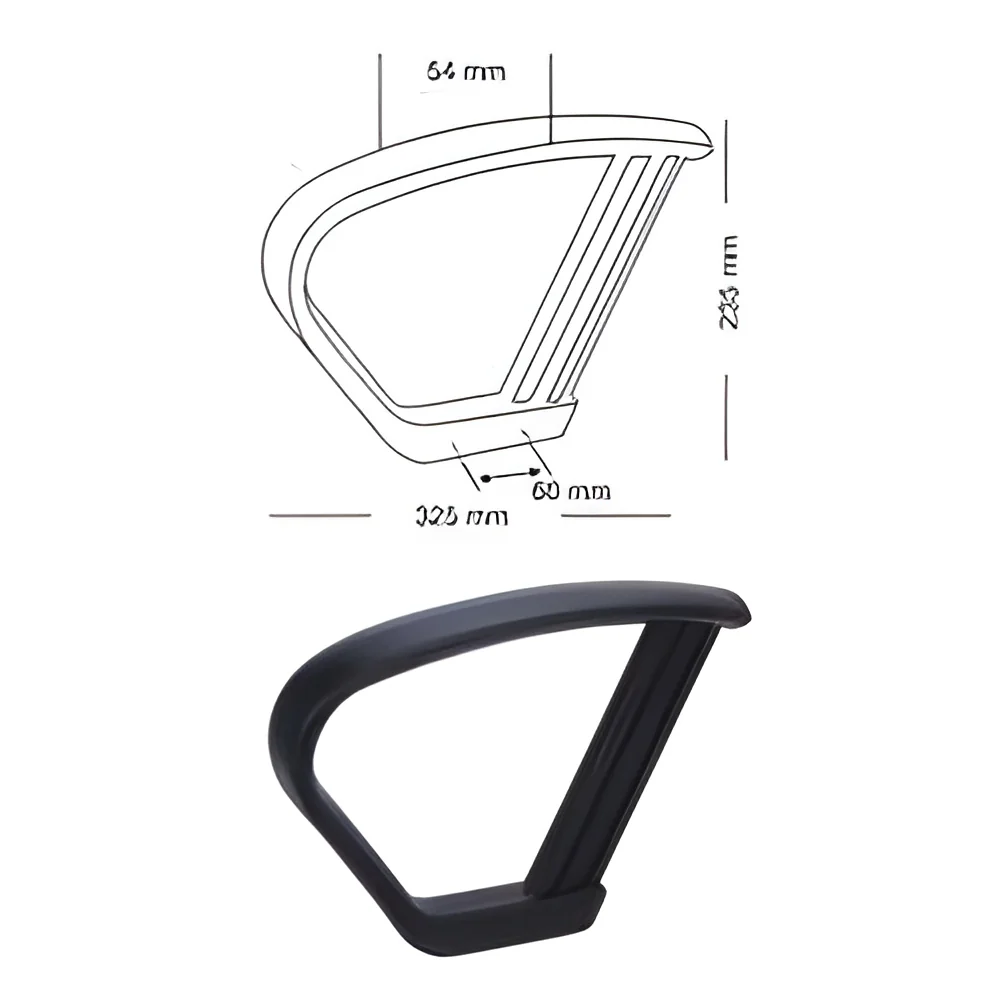
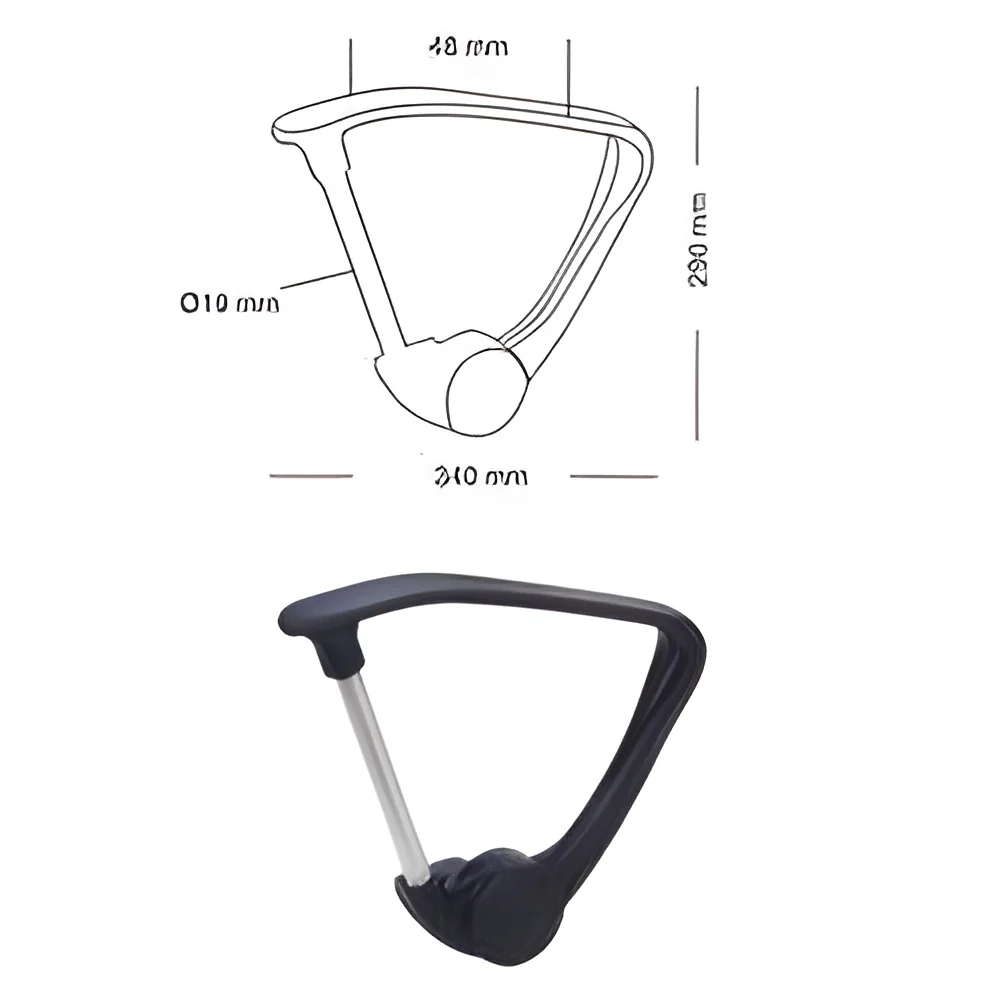
𝗪𝗵𝗮𝘁 𝗮𝗿𝗲 𝗪𝗿𝗶𝘀𝘁 𝗦𝘂𝗽𝗽𝗼𝗿𝘁𝘀 & 𝗔𝗿𝗺𝗿𝗲𝘀𝘁𝘀?
Wrist supports and armrests are specialized devices designed to provide support, stability, and comfort to the wrist and arm. These products aim to reduce strain and prevent injury, particularly for individuals engaged in repetitive tasks or who may suffer from existing conditions like carpal tunnel syndrome. By promoting proper alignment and reducing excessive movement, they are crucial for maintaining overall arm health.
In various business sectors, wrist supports and armrests are employed extensively. They are particularly common in industries such as manufacturing, healthcare, and office environments where prolonged computer use occurs. Their primary function is to enhance productivity and reduce discomfort, which is vital in maintaining employee well-being and efficiency. As workplaces evolve, the demand for ergonomic solutions like these continues to grow, driving innovation and improvements in design and functionality.
The market for wrist supports and armrests is expanding, fueled by an increasing awareness of workplace ergonomics. This trend is especially relevant as more companies recognize the importance of employee health and safety. With options that cater to different needs and preferences, these products are becoming a standard inclusion in many workplace safety programs.
𝗞𝗲𝘆 𝗙𝗲𝗮𝘁𝘂𝗿𝗲𝘀 𝗮𝗻𝗱 𝗦𝗽𝗲𝗰𝗶𝗳𝗶𝗰𝗮𝘁𝗶𝗼𝗻𝘀
Wrist supports and armrests come with a variety of features that enhance their usability and effectiveness. Understanding these specifications can help buyers make informed decisions.
Key specifications include:
1. Material Composition
- Commonly made from breathable fabrics, neoprene, or other flexible materials
- Ensures comfort while providing adequate support
2. Size Variability
- Available in various sizes to accommodate different wrist and arm measurements
- Ensures a proper fit for maximum effectiveness
3. Adjustability
- Many models feature adjustable straps or components
- Provides customizable support levels based on user preference
4. Ergonomic Design
- Specifically designed to promote natural arm and wrist alignment
- Reduces strain during prolonged use
5. Weight Capacity
- Some models can support specific weight limits depending on their intended use
- Important for ensuring safety and functionality
6. Ease of Cleaning
- Many wrist supports and armrests are designed to be machine washable or easy to wipe down
- Promotes hygiene in workplace environments
7. Compliance with Industry Standards
- Products may adhere to various quality and safety standards, including CE certification
- Important for ensuring reliability and safety in use
8. Color Options
- Available in multiple colors to suit aesthetic preferences
- Allows for personalization and brand alignment
In summary, these key features and specifications help buyers select the appropriate wrist supports and armrests that align with their specific needs and industry requirements.
𝗖𝗼𝗺𝗺𝗼𝗻 𝗔𝗽𝗽𝗹𝗶𝗰𝗮𝘁𝗶𝗼𝗻𝘀 𝗮𝗻𝗱 𝗨𝘀𝗲 𝗖𝗮𝘀𝗲𝘀
Wrist supports and armrests serve multiple industries by providing ergonomic solutions and promoting health and safety.
1. Manufacturing: In manufacturing settings, workers often perform repetitive tasks that can lead to wrist strain. Wrist supports help prevent injuries and maintain productivity.
2. Healthcare: Healthcare professionals frequently use these supports to minimize discomfort during long shifts. They provide essential support while allowing for mobility.
3. Office Environments: With the rise of remote work, many office employees are experiencing discomfort from prolonged computer use. Armrests help maintain proper posture and reduce strain.
4. Gaming: Gamers often spend extended periods using controllers or keyboards. Wrist supports can enhance comfort and reduce fatigue during long gaming sessions.
5. Construction: In construction, workers benefit from wrist supports that minimize the risk of injury while performing manual tasks. This improves overall safety on site.
6. Sports: Athletes, especially those in racquet sports, utilize wrist supports to prevent injuries and enhance performance during competitions.
7. Rehabilitation: Individuals recovering from wrist injuries often use supports as part of their rehabilitation process to regain strength and mobility safely.
𝗣𝗿𝗼𝗱𝘂𝗰𝘁 𝗩𝗮𝗿𝗶𝗮𝗻𝘁𝘀 𝗮𝗻𝗱 𝗦𝘂𝗯𝗰𝗮𝘁𝗲𝗴𝗼𝗿𝗶𝗲𝘀
Wrist supports and armrests come in various forms to meet diverse user needs. This ensures that customers can find the right solution for their specific applications.
Wrist Braces
These are designed to immobilize the wrist and provide maximum support. They are commonly used in rehabilitation scenarios or for individuals suffering from chronic wrist pain.
Adjustable Armrests
These allow users to customize the height and angle for optimal comfort. They are often used in office chairs to promote better posture and reduce strain during long hours of sitting.
Gel-Filled Supports
Gel-filled wrist supports offer enhanced cushioning and comfort, making them ideal for prolonged use in any setting. They conform to the user’s wrist shape, providing targeted support.
Compression Sleeves
These sleeves provide light support and compression, often used in sports or active environments. They enhance blood circulation while allowing for freedom of movement.
𝗕𝗲𝗻𝗲𝗳𝗶𝘁𝘀 𝗮𝗻𝗱 𝗔𝗱𝘃𝗮𝗻𝘁𝗮𝗴𝗲𝘀
Wrist supports and armrests provide numerous benefits that positively impact user experience and workplace safety.
1. Injury Prevention: These products help reduce the risk of repetitive strain injuries, promoting long-term health for users.
2. Enhanced Comfort: They offer significant comfort during prolonged use, which can improve overall productivity and focus.
3. Improved Posture: Wrist supports and armrests encourage correct alignment, reducing the likelihood of posture-related issues.
4. Versatility: Suitable for various industries and applications, these products can cater to a wide range of user needs.
5. Cost-Effective Solution: Investing in ergonomic supports can lead to reduced healthcare costs and lower absenteeism due to work-related injuries.
6. Easy Maintenance: Many wrist supports and armrests are designed for easy cleaning, ensuring they remain hygienic and in good condition over time.
𝗕𝘂𝘆𝗶𝗻𝗴 𝗚𝘂𝗶𝗱𝗲 𝗳𝗼𝗿 𝗕𝟮𝗕 𝗕𝘂𝘆𝗲𝗿𝘀
When sourcing wrist supports and armrests, B2B buyers should consider several essential factors to ensure they select the right products.
1. Quality Assessment: Evaluate the materials and construction of the supports to ensure they meet durability and comfort standards. Look for products that have passed relevant testing.
2. Supplier Verification: It is crucial to vet suppliers for reliability and reputation. Check references and reviews to ensure they provide quality products consistently.
3. Pricing and MOQ: Understand the pricing structures and minimum order quantities (MOQ) from suppliers. This helps in budgeting and ensures you can meet your operational needs.
4. Delivery and Lead Times: Consider the logistics involved in sourcing these products. Ensure suppliers can meet your required delivery schedules to avoid operational disruptions.
5. Compliance Requirements: Verify that the products meet any necessary regulatory standards and certifications, such as CE marking, to ensure safety and compliance in your industry.
𝗖𝗼𝗺𝗽𝗹𝗶𝗮𝗻𝗰𝗲 𝗮𝗻𝗱 𝗖𝗲𝗿𝘁𝗶𝗳𝗶𝗰𝗮𝘁𝗶𝗼𝗻𝘀
Compliance and certifications play a vital role in ensuring that wrist supports and armrests meet industry standards for quality and safety.
Products often adhere to relevant quality standards such as ISO 9001, which ensures effective quality management systems are in place. This certification demonstrates that the manufacturer consistently delivers quality products that meet customer and regulatory requirements.
Additionally, many wrist supports and armrests come with CE certification, indicating they comply with EU safety, health, and environmental protection standards. This certification is essential for gaining market access in European countries.
Safety and testing requirements are critical as well. Manufacturers must conduct rigorous testing to ensure their products can withstand typical usage scenarios without compromising safety.
Regional compliance considerations should also be taken into account. Different regions may have specific regulations regarding medical devices and ergonomic supports, making it essential for manufacturers to stay informed and compliant.
𝗪𝗵𝘆 𝗦𝗼𝘂𝗿𝗰𝗲 𝗪𝗿𝗶𝘀𝘁 𝗦𝘂𝗽𝗽𝗼𝗿𝘁𝘀 & 𝗔𝗿𝗺𝗿𝗲𝘀𝘁𝘀 𝗳𝗿𝗼𝗺 𝗣𝗲𝗽𝗮𝗴𝗼𝗿𝗮?
Pepagora offers a reliable platform for sourcing wrist supports and armrests, providing several key advantages for buyers.
The verified supplier network ensures that buyers have access to reputable manufacturers who meet quality and compliance standards. This reduces the risk associated with sourcing and increases confidence in product quality.
The streamlined Request for Quotation (RFQ) process simplifies the procurement experience. Buyers can easily submit their requirements and receive competitive quotes from multiple suppliers, facilitating informed decision-making.
Trade assurance and support are critical features of the Pepagora platform. Buyers are protected throughout the transaction, ensuring that their investments are secure and that they receive the products as promised.
Finally, Pepagora offers regional coverage that spans India, the GCC, and Southeast Asia. This geographic reach allows buyers to connect with suppliers that can meet their specific logistical needs, ensuring efficient and timely deliveries.

 IN
IN