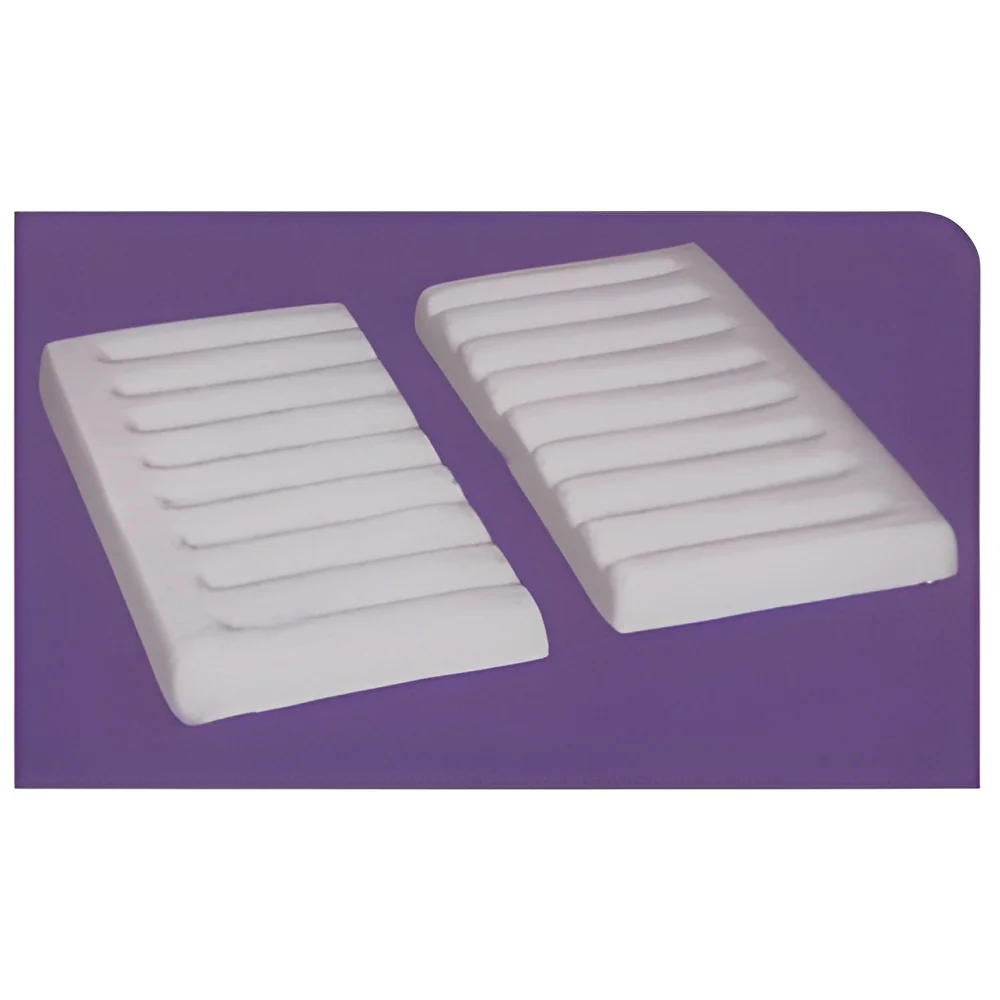
𝗪𝗵𝗮𝘁 𝗮𝗿𝗲 𝗘𝗿𝗴𝗼𝗻𝗼𝗺𝗶𝗰 𝗙𝗼𝗼𝘁𝗿𝗲𝘀𝘁𝘀?
Ergonomic footrests are specialized products designed to promote better posture and comfort for individuals who spend extended periods seated at desks or workstations. These footrests provide a supportive surface for users to rest their feet while seated, helping to alleviate strain on the back, legs, and feet. By allowing for adjustable height and angle, ergonomic footrests can accommodate a variety of body types and preferences, making them a versatile addition to any office environment.
The primary uses of ergonomic footrests include improving circulation, reducing fatigue, and enhancing overall comfort for employees. Businesses often integrate these products into their workspace solutions to foster a healthier working environment. In addition to promoting employee wellness, the use of ergonomic footrests can lead to increased productivity and job satisfaction, making them an essential consideration for companies aiming to maintain a competitive edge.
In an industry increasingly focused on employee health and ergonomics, the relevance of ergonomic footrests continues to grow. As more organizations recognize the impact of workplace design on employee well-being, the market for ergonomic products is expanding. Companies across various sectors are investing in ergonomic solutions to enhance their work environments, reflecting a broader trend towards health-conscious office design.
𝗞𝗲𝘆 𝗙𝗲𝗮𝘁𝘂𝗿𝗲𝘀 𝗮𝗻𝗱 𝗦𝗽𝗲𝗰𝗶𝗳𝗶𝗰𝗮𝘁𝗶𝗼𝗻𝘀
Ergonomic footrests come equipped with several features that enhance their usability and effectiveness in promoting comfort. When selecting a footrest, it is essential to understand its specifications to ensure it meets the needs of users.
Key specifications include:
1. Adjustable Height
- Allows users to customize the footrest to their preferred height.
- Typically ranges from 3 to 6 inches.
2. Non-slip Surface
- Provides a secure footing to prevent slipping.
- Made from durable materials that are easy to clean.
3. Angle Adjustment
- Enables users to tilt the footrest for optimal comfort.
- Adjustable angles often range from 0 to 30 degrees.
4. Weight Capacity
- Indicates the maximum weight the footrest can support.
- Common weight limits vary from 150 to 300 pounds.
5. Material Composition
- Usually constructed from plastic, wood, or metal.
- Should offer durability and support for long-term use.
6. Compact Design
- Space-efficient to fit under desks without taking up excessive room.
- Dimensions typically range from 15 to 20 inches in width.
7. Portability
- Lightweight design allows for easy relocation.
- Ideal for use in multiple settings or for employees who travel.
8. Warranty
- Reflects the manufacturer's confidence in product quality.
- Common warranties range from one to five years.
In summary, understanding these features and specifications helps businesses make informed decisions when selecting ergonomic footrests that align with their workplace ergonomics goals.
𝗖𝗼𝗺𝗺𝗼𝗻 𝗔𝗽𝗽𝗹𝗶𝗰𝗮𝘁𝗶𝗼𝗻𝘀 𝗮𝗻𝗱 𝗨𝘀𝗲 𝗖𝗮𝘀𝗲𝘀
Ergonomic footrests are utilized across various industries to enhance comfort and productivity for employees.
1. Office Environments: Employees at desks benefit from footrests that promote better posture and reduce fatigue during long work hours.
2. Call Centers: Agents using footrests can improve circulation and comfort, enhancing their ability to manage calls effectively.
3. Educational Institutions: Footrests can be employed in classrooms to support students' posture, contributing to a better learning environment.
4. Manufacturing: Workers stationed at assembly lines can use footrests to alleviate strain during repetitive tasks.
5. Healthcare Facilities: Medical staff can utilize footrests to maintain comfort during long shifts, promoting their well-being.
6. Remote Work: Home office setups benefit from ergonomic footrests, encouraging a healthier work-from-home experience.
7. Retail: Employees standing for long periods on sales floors can use footrests during breaks to improve comfort.
𝗣𝗿𝗼𝗱𝘂𝗰𝘁 𝗩𝗮𝗿𝗶𝗮𝗻𝘁𝘀 𝗮𝗻𝗱 𝗦𝘂𝗯𝗰𝗮𝘁𝗲𝗴𝗼𝗿𝗶𝗲𝘀
Ergonomic footrests come in various designs to cater to different preferences and requirements.
Adjustable Footrests: These variants allow users to modify height and angle, ensuring personalized comfort. They are ideal for office workers who spend long hours seated.
Rocking Footrests: Designed to promote movement, these footrests allow users to shift their feet back and forth. They help improve circulation and reduce stiffness.
Massaging Footrests: Equipped with built-in massaging features, these footrests provide relief and comfort during extended sitting periods. They are perfect for individuals seeking added relaxation at their desk.
Compact Footrests: These smaller designs are ideal for limited spaces, offering portability and ease of use in various environments. They suit remote workers who need flexible solutions.
𝗕𝗲𝗻𝗲𝗳𝗶𝘁𝘀 𝗮𝗻𝗱 𝗔𝗱𝘃𝗮𝗻𝘁𝗮𝗴𝗲𝘀
Incorporating ergonomic footrests into the workplace offers numerous benefits that can positively impact employee health and productivity.
1. Improved Posture: Footrests support the feet and legs, promoting better alignment and reducing strain on the spine.
2. Enhanced Comfort: With adjustable features, footrests allow users to customize their seating experience, leading to increased comfort over time.
3. Reduced Fatigue: By providing support for the feet, ergonomic footrests help alleviate fatigue during long hours of sitting, keeping employees energized.
4. Increased Productivity: Comfortable employees are more focused and engaged, leading to improved work performance and efficiency.
5. Better Circulation: Footrests encourage movement and positioning that promote blood flow, reducing the risk of circulatory issues.
6. Healthier Work Environment: Investing in ergonomic solutions demonstrates a commitment to employee well-being, fostering a positive workplace culture.
𝗕𝘂𝘆𝗶𝗻𝗴 𝗚𝘂𝗶𝗱𝗲 𝗳𝗼𝗿 𝗕𝟮𝗕 𝗕𝘂𝘆𝗲𝗿𝘀
When sourcing ergonomic footrests, businesses should consider several important factors to ensure they select the best products for their needs.
1. Quality Assessment: Evaluate the materials and construction of the footrests. Look for durable options that can withstand regular use without wear and tear.
2. Supplier Verification: Research suppliers thoroughly to ensure they have a good reputation and can provide reliable products. Check for customer reviews and industry certifications.
3. Pricing and MOQ: Compare pricing from different suppliers and be aware of minimum order quantities. Finding a balance between cost and quality is essential for bulk purchases.
4. Delivery and Lead Times: Discuss logistics with suppliers to understand delivery timelines. Ensure that lead times align with your business needs to avoid stock shortages.
5. Compliance Requirements: Familiarize yourself with any regulatory standards applicable to ergonomic products in your region. Ensure that the footrests comply with relevant health and safety guidelines.
𝗖𝗼𝗺𝗽𝗹𝗶𝗮𝗻𝗰𝗲 𝗮𝗻𝗱 𝗖𝗲𝗿𝘁𝗶𝗳𝗶𝗰𝗮𝘁𝗶𝗼𝗻𝘀
Ergonomic footrests must meet specific compliance and certification standards to ensure quality and safety.
Relevant quality standards such as ISO 9001 help ensure that manufacturers maintain consistent quality management practices throughout their production processes. This standard is essential for ensuring that ergonomic footrests meet customer expectations and regulatory requirements.
Industry certifications, like CE marking, indicate that products comply with European health, safety, and environmental protection standards. This certification is crucial for businesses importing or distributing ergonomic footrests in Europe.
Safety and testing requirements are vital for ergonomic footrests to ensure they can withstand daily use without compromising user safety. Manufacturers often conduct rigorous testing to confirm that their products meet these safety benchmarks.
Regionally, compliance considerations may vary depending on local regulations. Businesses should remain informed about any specific laws or requirements affecting the sale and use of ergonomic footrests in their respective markets.
𝗪𝗵𝘆 𝗦𝗼𝘂𝗿𝗰𝗲 𝗘𝗿𝗴𝗼𝗻𝗼𝗺𝗶𝗰 𝗙𝗼𝗼𝘁𝗿𝗲𝘀𝘁𝘀 𝗳𝗿𝗼𝗺 𝗣𝗲𝗽𝗮𝗴𝗼𝗿𝗮?
Pepagora provides a trusted platform for sourcing ergonomic footrests, offering several key advantages that benefit B2B buyers.
Verified Supplier Network: Pepagora connects buyers with a network of verified suppliers, ensuring that all products meet high-quality standards. This verification process helps businesses find reliable partners for their ergonomic needs.
Streamlined RFQ Process: The Request for Quotation (RFQ) system at Pepagora simplifies the procurement process. It allows buyers to easily compare prices and specifications from multiple suppliers, ensuring they make well-informed decisions.
Trade Assurance and Support: Pepagora offers trade assurance to protect buyers throughout the purchasing process. Their support team assists in addressing any concerns, ensuring a smooth experience from order placement to delivery.
Regional Coverage: With a presence in India, the GCC region, and Southeast Asia, Pepagora provides extensive geographic reach. This allows businesses in these areas to access a wide range of ergonomic footrests and related products, enhancing their workplace ergonomics.

 IN
IN