What are Workbench Lighting?
Workbench lighting refers to specialized lighting solutions designed to illuminate workspaces, particularly in industrial and commercial settings. These lighting systems enhance visibility, ensuring that tasks can be performed safely and efficiently. They are specifically engineered to provide bright, consistent light that minimizes shadows and glare, which is crucial for detailed work that requires precision.
The primary uses of workbench lighting include various applications in workshops, laboratories, assembly lines, and manufacturing environments. They are essential for tasks such as assembly, inspection, and repair, where accurate visual assessment is required. Workbench lights are increasingly recognized for their role in improving productivity and safety, making them a staple in many businesses.
In terms of market context, the demand for workbench lighting is growing in sectors such as manufacturing, automotive, electronics, and healthcare. As industries continue to focus on enhancing operational efficiency, the importance of proper workspace illumination cannot be overstated. This has led to innovations in lighting technology, contributing to the development of energy-efficient and versatile lighting solutions.
Key Features and Specifications
Workbench lighting comes equipped with various features that enhance their functionality and adaptability to different work environments. These specifications ensure that businesses can find solutions tailored to their specific needs.
Key specifications include:
1. Light Output
- Measured in lumens to indicate brightness levels.
- Typically ranges from 1,500 to 5,000 lumens, depending on the model.
2. Color Temperature
- Provides the warmth or coolness of light, measured in Kelvin (K).
- Common options include 4000K for neutral white and 5000K for daylight.
3. Energy Efficiency
- Many workbench lights utilize LED technology for lower energy consumption.
- Energy ratings may vary, but many fixtures offer over 80% efficiency.
4. Mounting Options
- Available in various mounting styles including surface-mounted, pendant, and adjustable arm designs.
- Flexibility in installation helps adapt to different workspace layouts.
5. Durability and Materials
- Constructed from robust materials to withstand industrial conditions.
- Often rated for resistance to dust and moisture.
6. Dimming Capability
- Some models offer adjustable brightness settings for varying tasks.
- Allows for customization based on individual preferences and needs.
7. Compliance with Standards
- Many products comply with industry standards for safety and performance.
- Certification such as CE indicates adherence to European safety regulations.
8. Warranty and Support
- Typically comes with a manufacturer’s warranty ensuring quality assurance.
- Support options are available for installation and maintenance guidance.
In summary, workbench lighting is characterized by its high brightness, energy efficiency, and versatility in mounting and use. Understanding these specifications helps businesses select the right lighting solutions for their operational needs.
Common Applications and Use Cases
Workbench lighting serves various industries, enabling better visibility and safety in work environments.
1. Manufacturing: In this sector, workbench lighting is crucial for assembly lines where precision is key. Proper illumination helps workers avoid errors and enhances quality control processes.
2. Automotive: Mechanics and technicians rely on bright, focused lighting to perform repairs and maintenance. Workbench lights help illuminate intricate parts and ensure thorough inspections.
3. Electronics: In electronics manufacturing and repair, workbench lighting aids in soldering and component placement. Clear visibility minimizes the risk of mistakes in delicate tasks.
4. Laboratories: Scientists and researchers benefit from specialized lighting that minimizes shadows, allowing for detailed examinations and experiments. This is essential for accurate results.
5. Crafts and Hobby Workshops: Artisans and hobbyists utilize workbench lighting for woodworking, crafting, and other detailed work. Good lighting enhances creativity and precision.
6. Medical Facilities: In clinics and hospitals, workbench lighting is employed in labs and examination rooms. It aids in procedures requiring high levels of detail and accuracy.
7. Packaging: In packaging and quality assurance environments, workbench lighting ensures that products are correctly labeled and packaged, reducing errors.
Product Variants and Subcategories
Workbench lighting comes in diverse variants to cater to specific needs and applications.
LED Workbench Lights: These lights are energy-efficient and have a long lifespan. They emit bright, clear light, making them ideal for prolonged use in industrial settings.
Fluorescent Workbench Lights: A traditional option, fluorescent lights provide ample brightness for large workspaces. They are typically cost-effective and widely used in various industries.
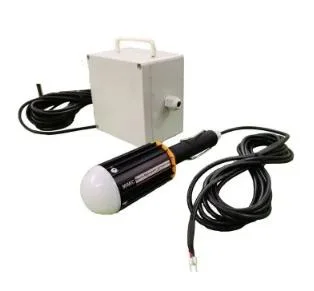
Portable Workbench Lights: Designed for flexibility, portable workbench lights can be easily moved and positioned as needed. They are ideal for temporary setups or mobile workstations.
Task Lighting: This variant focuses on providing concentrated light on specific areas. It is often adjustable, allowing users to direct light where it is most needed.
Benefits and Advantages
Workbench lighting offers numerous benefits that enhance workplace efficiency and safety.
1. Improved Visibility: Proper lighting reduces shadows and enhances clarity, enabling workers to perform tasks with greater accuracy.
2. Increased Productivity: Adequate lighting minimizes eye strain and fatigue, allowing employees to work effectively for longer periods.
3. Enhanced Safety: Well-lit workspaces reduce the risk of accidents and injuries, promoting a safer working environment.
4. Energy Efficiency: Modern workbench lighting solutions, especially LED options, consume less energy, leading to lower operational costs.
5. Versatile Installation: With various mounting options available, businesses can customize lighting setups to fit different workspaces and requirements.
6. Long Lifespan: Many workbench lights are designed for durability and longevity, reducing the need for frequent replacements.
Buying Guide for B2B Buyers
When sourcing workbench lighting, businesses should consider several key factors to ensure they make informed purchasing decisions.
1. Quality Assessment: Evaluate the materials and construction of the lights to ensure they meet durability standards. Look for products with positive reviews and performance ratings.
2. Supplier Verification: Vet potential suppliers by checking their certifications, customer testimonials, and track record in the industry. A reliable supplier should provide consistent quality and support.
3. Pricing and MOQ: Understand the cost structure and minimum order quantities to align with budget constraints. Compare prices across different suppliers to find the best value.
4. Delivery and Lead Times: Confirm logistics and shipping options. Timely delivery is essential to meet project deadlines and maintain operational continuity.
5. Compliance Requirements: Ensure that the selected workbench lighting complies with relevant safety and quality standards, such as CE certification, to avoid any regulatory issues.
Compliance and Certifications
Compliance and certifications are critical aspects of workbench lighting that ensure safety and quality standards are met. Relevant quality standards include ISO 9001, which focuses on quality management systems, and HACCP, which is vital in food-related industries. These standards help guarantee that the products are manufactured under strict quality controls.
Industry certifications such as CE indicate that the lighting meets European safety and environmental protection requirements. Compliance with these certifications is essential for market acceptance and consumer trust.
Additionally, safety testing requirements are vital for ensuring that workbench lighting operates safely under various conditions. Businesses should also consider regional compliance, as different countries may have specific regulations that must be adhered to.
Why Source Workbench Lighting from Pepagora?
Pepagora provides a trusted platform for sourcing workbench lighting, offering several key advantages to B2B buyers.
Verified Supplier Network: Pepagora offers access to a network of vetted suppliers who meet stringent quality and reliability standards. This ensures that buyers can source products with confidence.
Streamlined RFQ Process: The platform simplifies the request for quotation process, enabling buyers to quickly compare prices and specifications from multiple suppliers. This saves time and facilitates better decision-making.
Trade Assurance and Support: Pepagora prioritizes buyer protection through trade assurance measures. This includes support for dispute resolution and quality assurance, ensuring a smooth purchasing experience.
Regional Coverage: With a strong presence in markets such as India, the GCC, and Southeast Asia, Pepagora connects buyers with local suppliers, enhancing logistics and reducing lead times. This regional focus ensures that businesses can find the right lighting solutions tailored to their specific market needs.

 IN
IN
 India
India