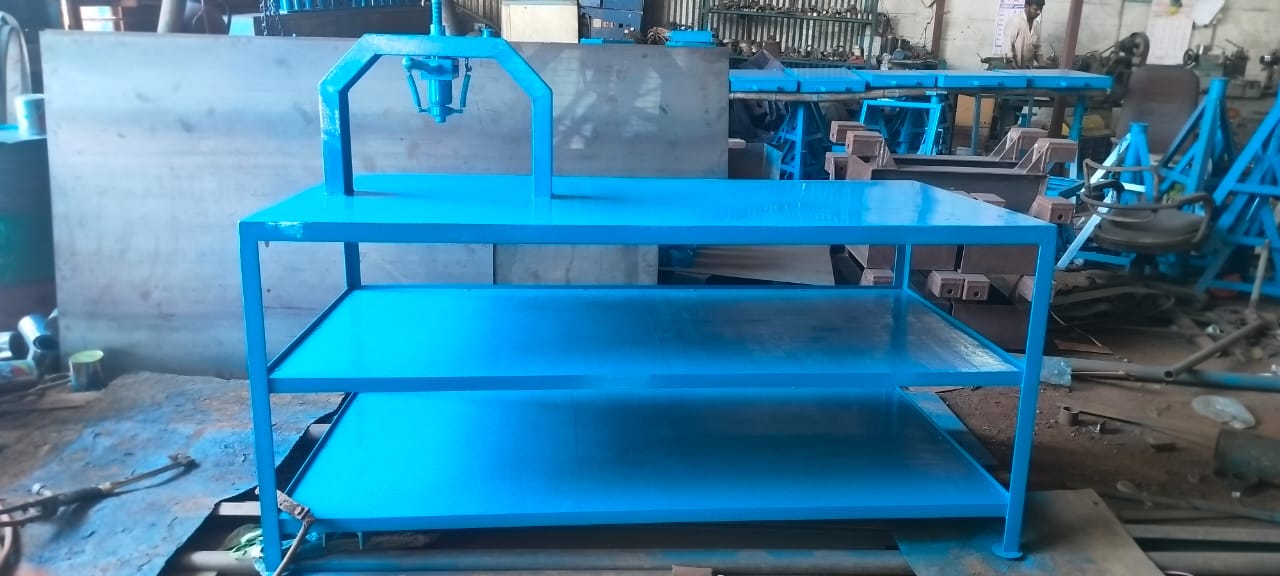
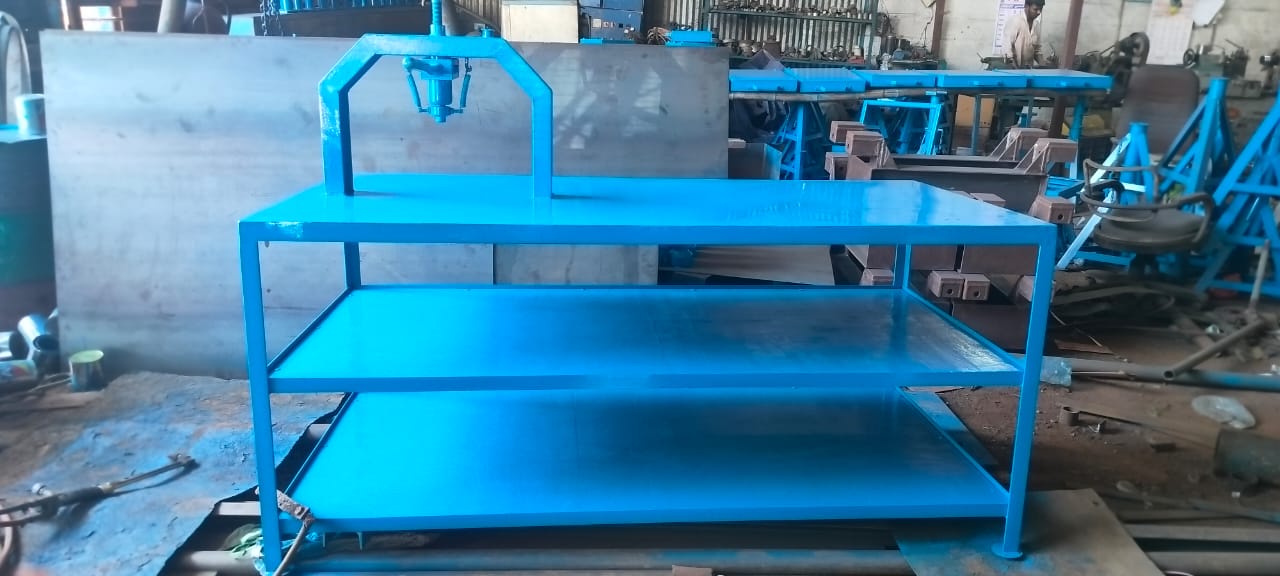
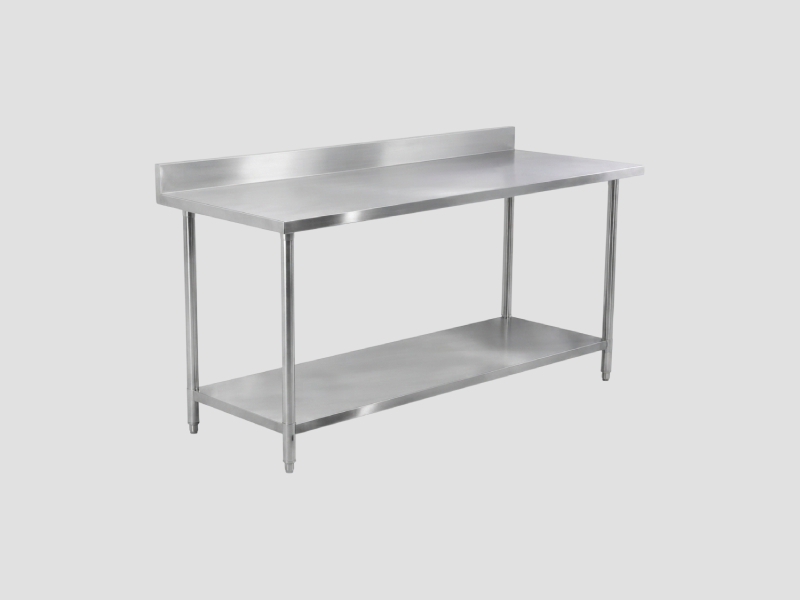
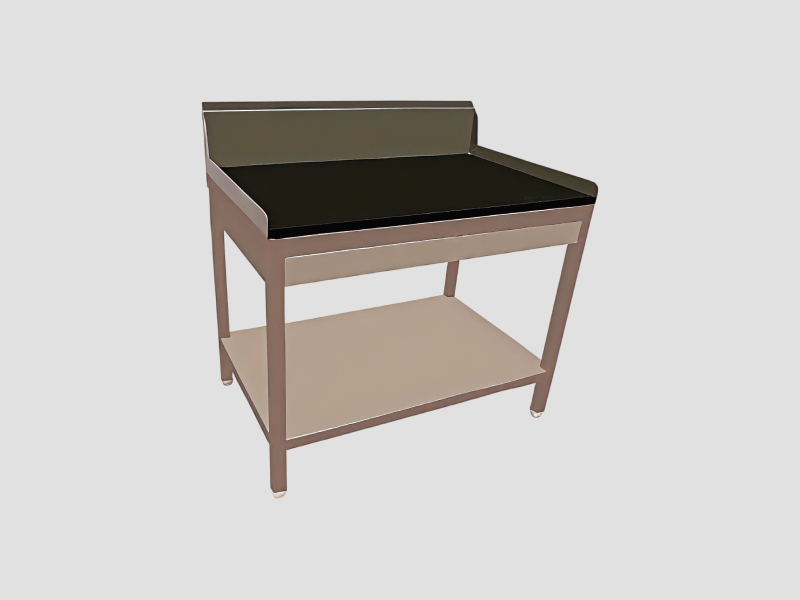
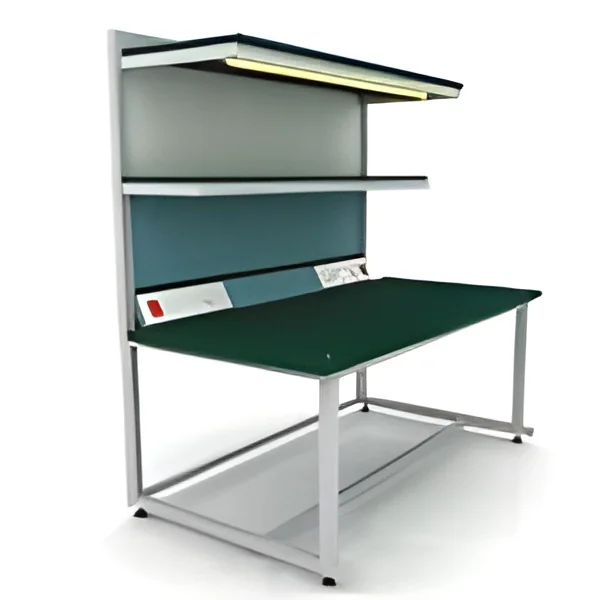
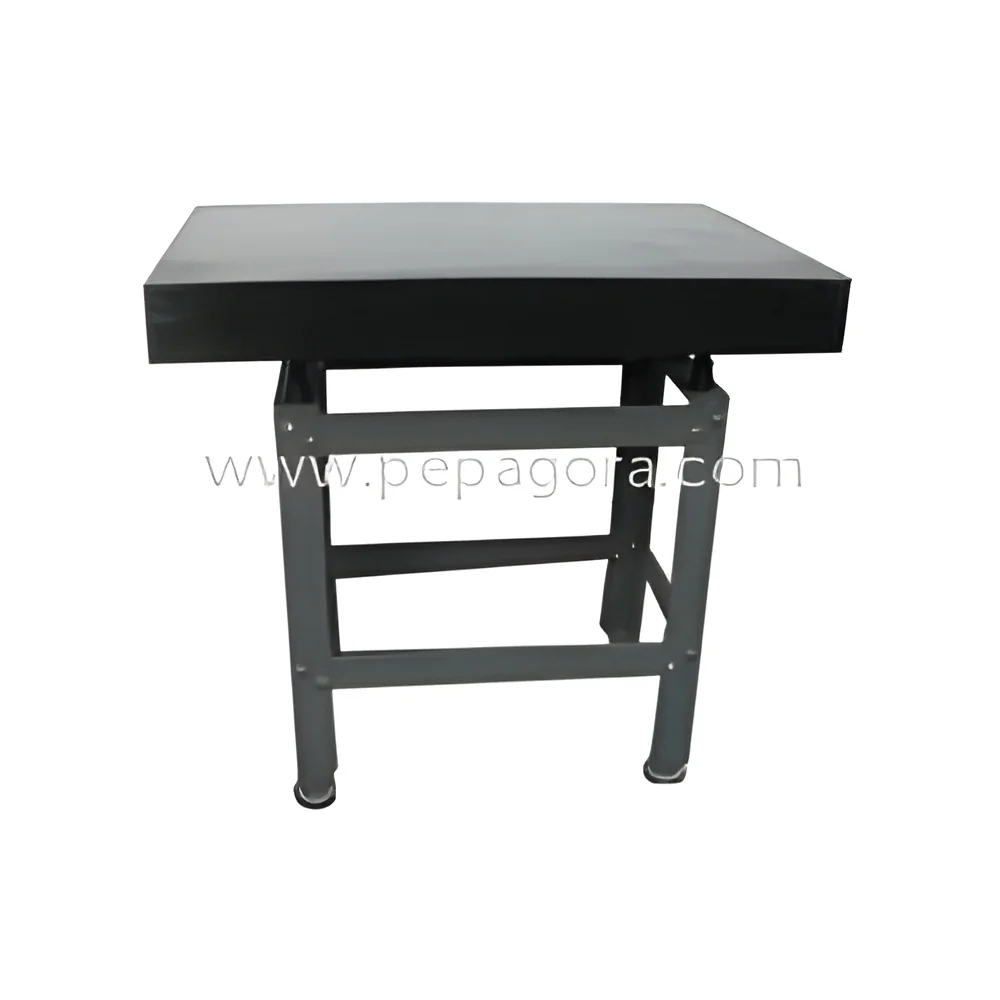
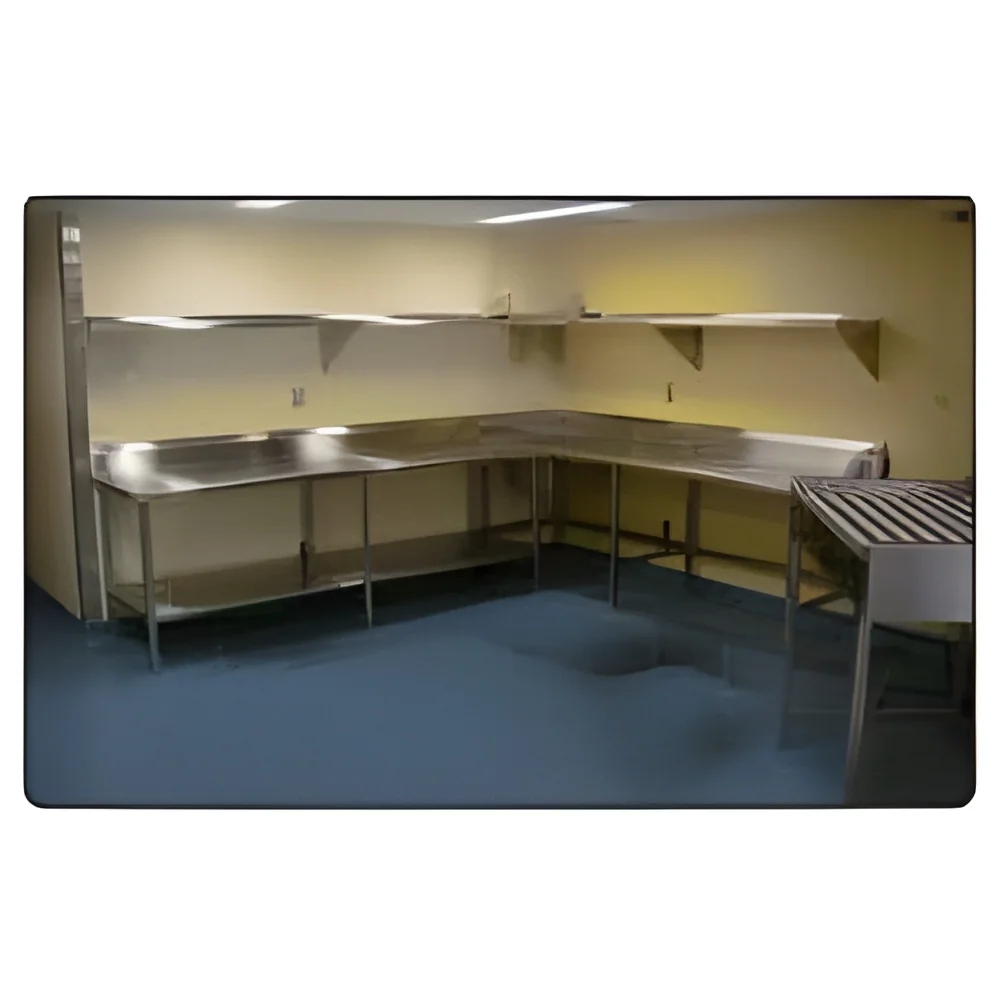
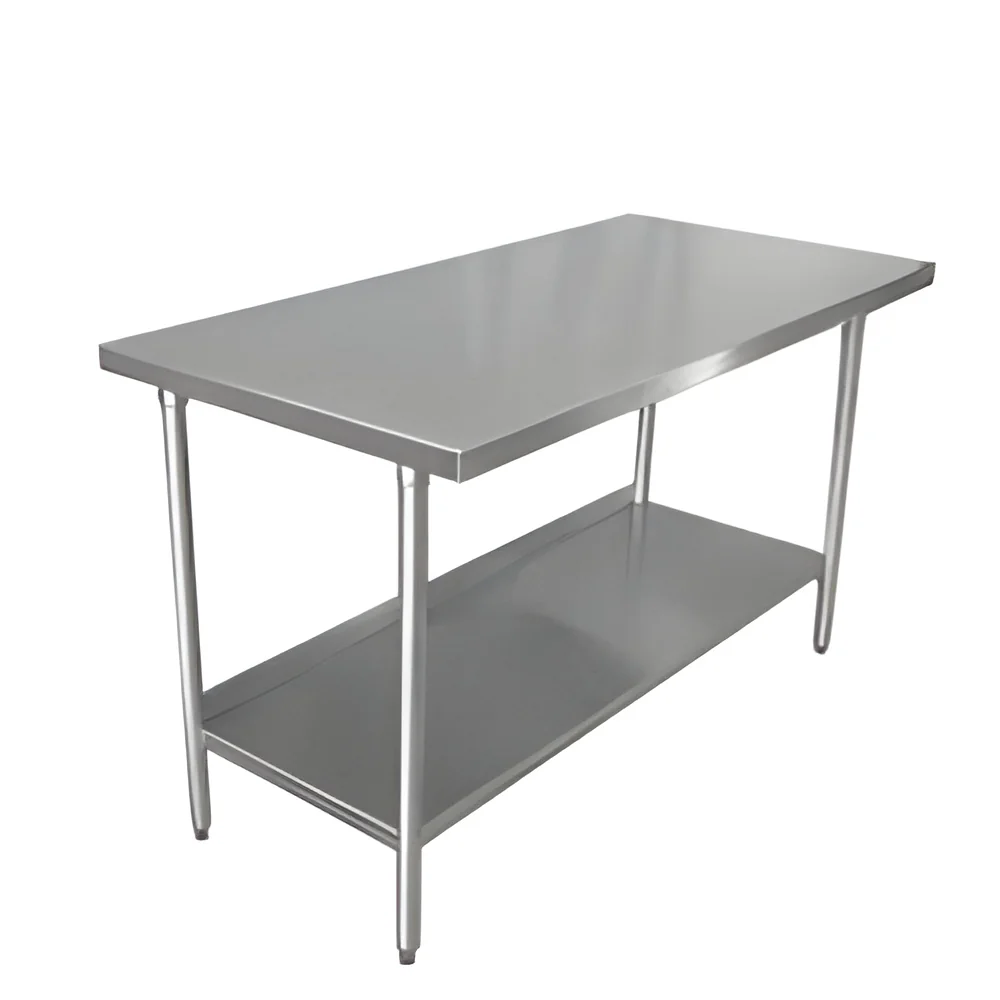
What are Industrial Work Tables?
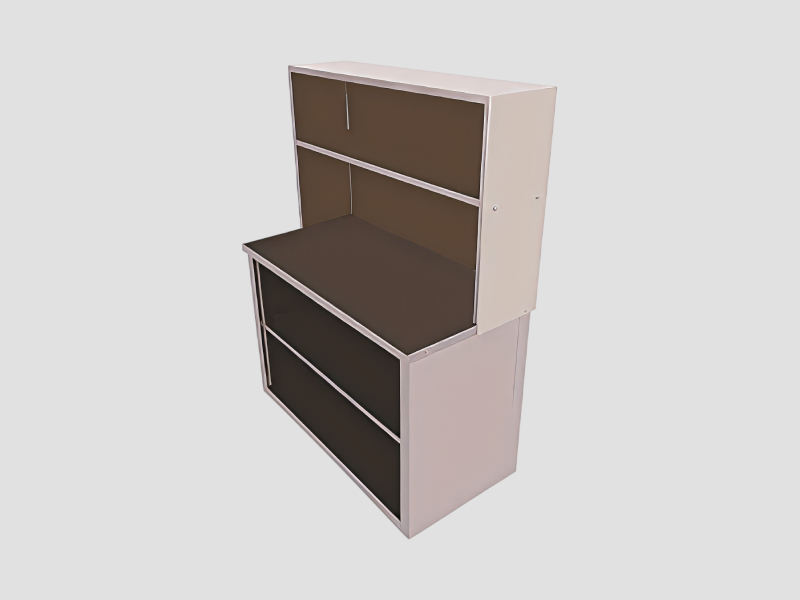
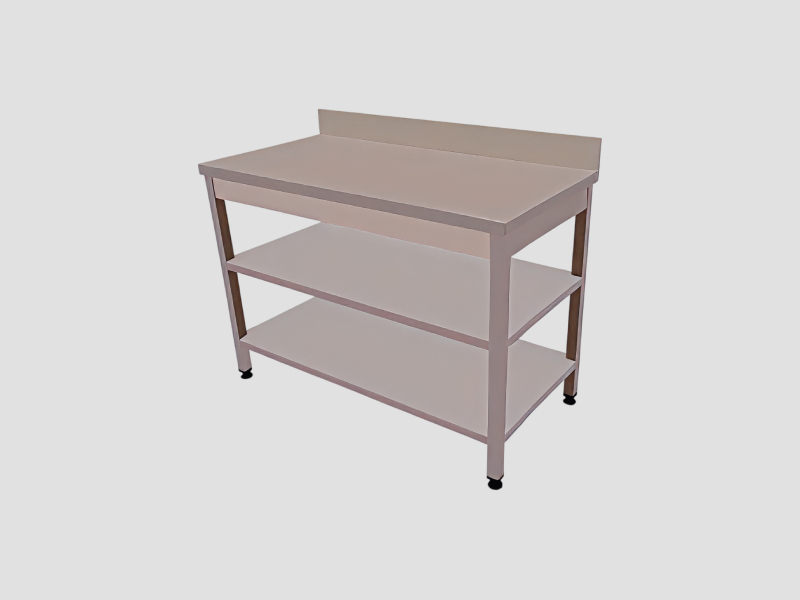
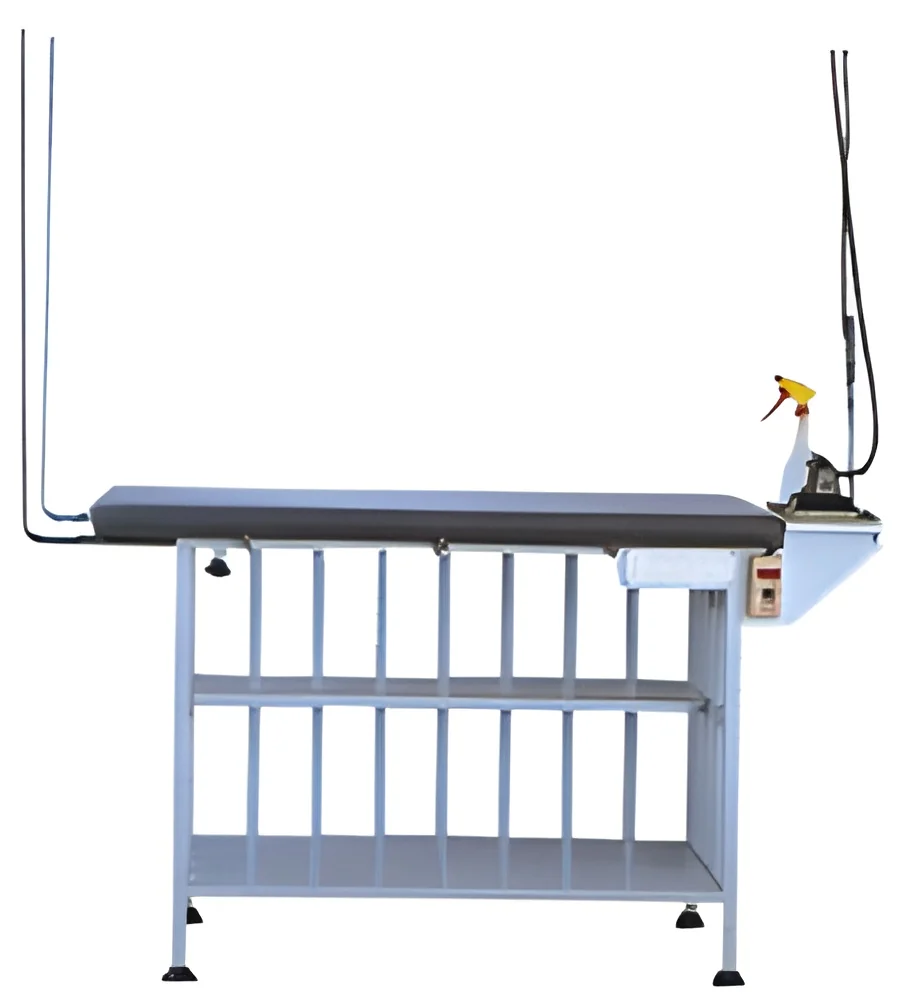
Industrial work tables are sturdy, functional surfaces designed to support a variety of tasks in industrial settings. They are constructed to withstand heavy loads and are typically made from durable materials such as steel or high-density plastic. These tables are essential for providing a reliable workstation for assembly, fabrication, inspection, and other manufacturing processes.
The primary uses of industrial work tables include supporting machinery, tools, and equipment while also serving as a workspace for manual labor. Businesses in manufacturing, warehousing, laboratories, and repair shops utilize these tables to enhance productivity and streamline operations. By providing a dedicated area for tasks, industrial work tables contribute to improved organization and efficiency in the workplace.
In the current market context, industrial work tables are increasingly recognized for their role in optimizing workflow and enhancing safety in various industries. As manufacturing processes continue to evolve, the demand for versatile and robust work tables has grown, leading to diverse product offerings that cater to specific industry requirements.
Key Features and Specifications
Industrial work tables come with a range of features that make them suitable for different applications. They are designed to be versatile, accommodating various tasks across multiple industries. Key specifications include:
1. Load Capacity
- Industrial work tables are designed to support heavy weights, with load capacities typically ranging from 1,000 to 5,000 pounds depending on the model.
2. Material Construction
- Common materials include stainless steel, powder-coated steel, and high-density polyethylene. Each material offers different benefits in terms of durability, resistance to corrosion, and ease of cleaning.
3. Surface Dimensions
- Surface sizes can vary widely, with dimensions often ranging from 24 inches by 48 inches to 72 inches by 120 inches to suit different workspace requirements.
4. Adjustable Height
- Many models feature adjustable height options to accommodate various user preferences and tasks, enhancing ergonomics in the workplace.
5. Mobility Options
- Some industrial work tables come equipped with wheels or casters for easy mobility, allowing for flexible workspace arrangements.
6. Accessories
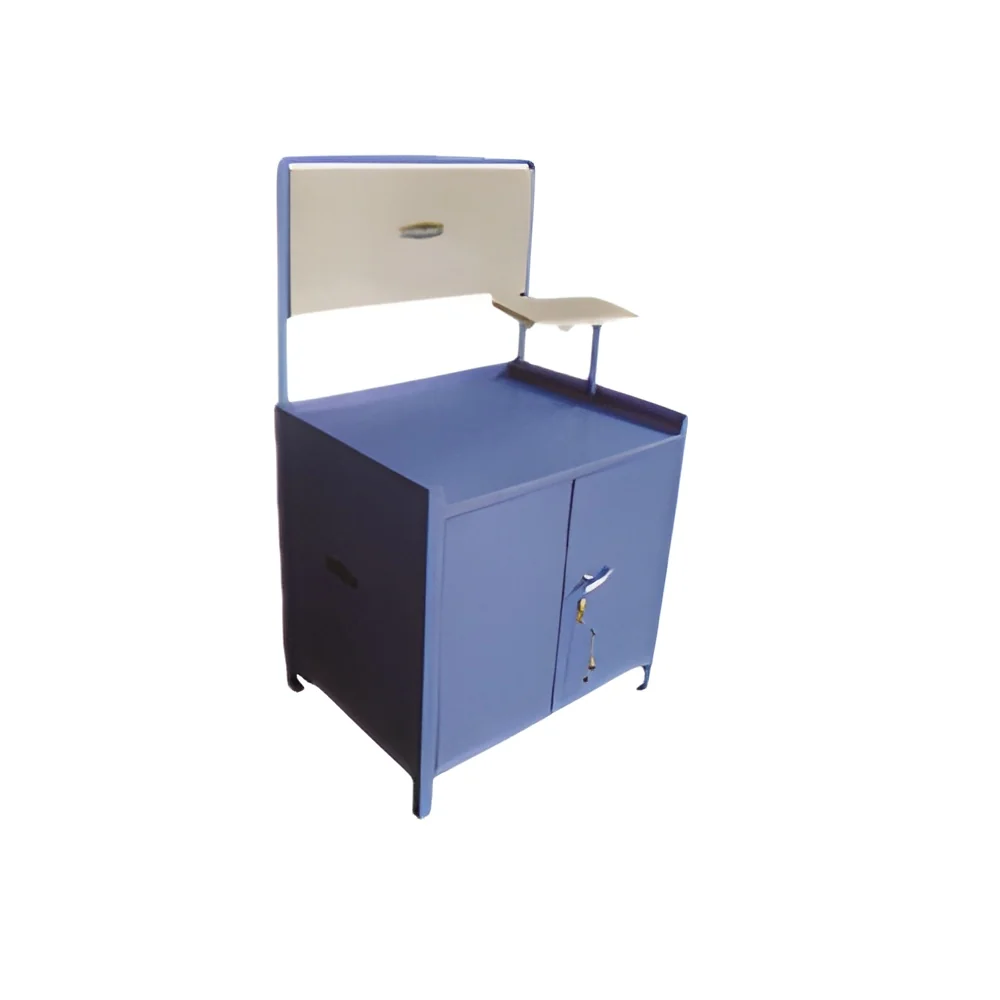
- Work tables can be customized with various accessories, such as tool holders, shelving, and power outlets, to further enhance their functionality.
7. Safety Features
- Some tables include rounded edges and non-slip surfaces to minimize accidents and enhance user safety.
8. Finish Options
- Industrial work tables are available in different finish options, including powder-coated and stainless steel finishes, which can impact durability and aesthetics.
In summary, industrial work tables are designed with a variety of features that cater to the specific needs of different industries, making them a vital component in enhancing productivity and safety.
Common Applications and Use Cases
Industrial work tables find application across numerous sectors, providing solutions tailored to specific operational needs.
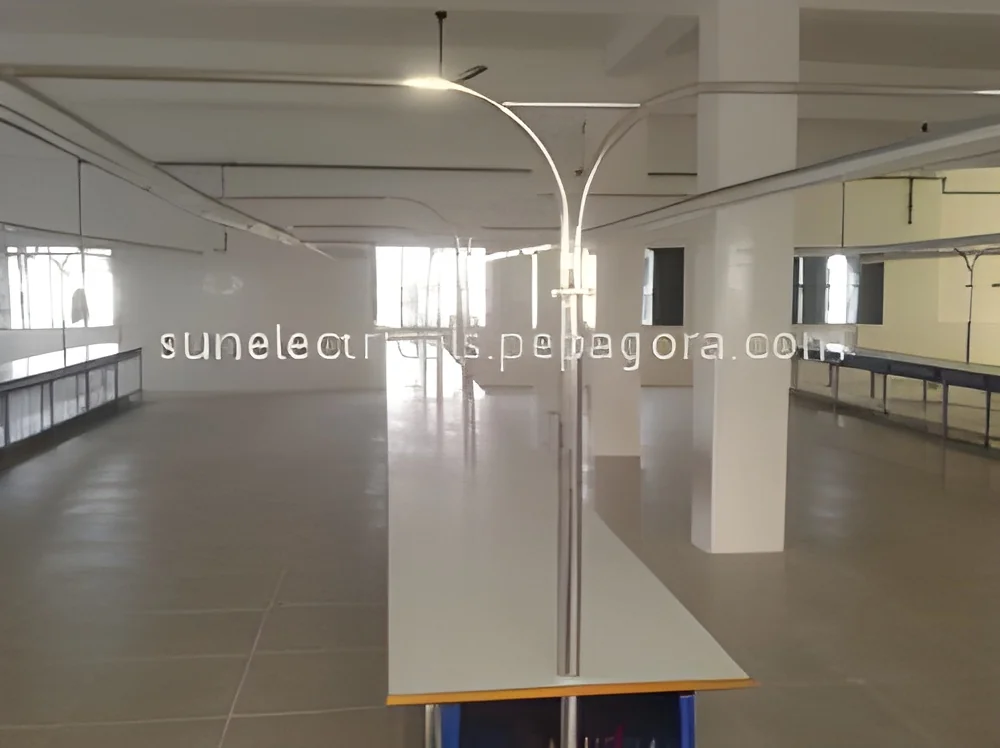
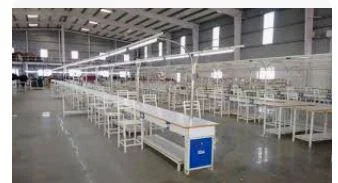
1. Manufacturing: In manufacturing environments, these tables are used for assembly lines, helping workers efficiently organize parts and tools while assembling products.
2. Warehousing: In warehouses, work tables are utilized for packing, sorting, and preparing goods for shipping, optimizing workflow and space utilization.
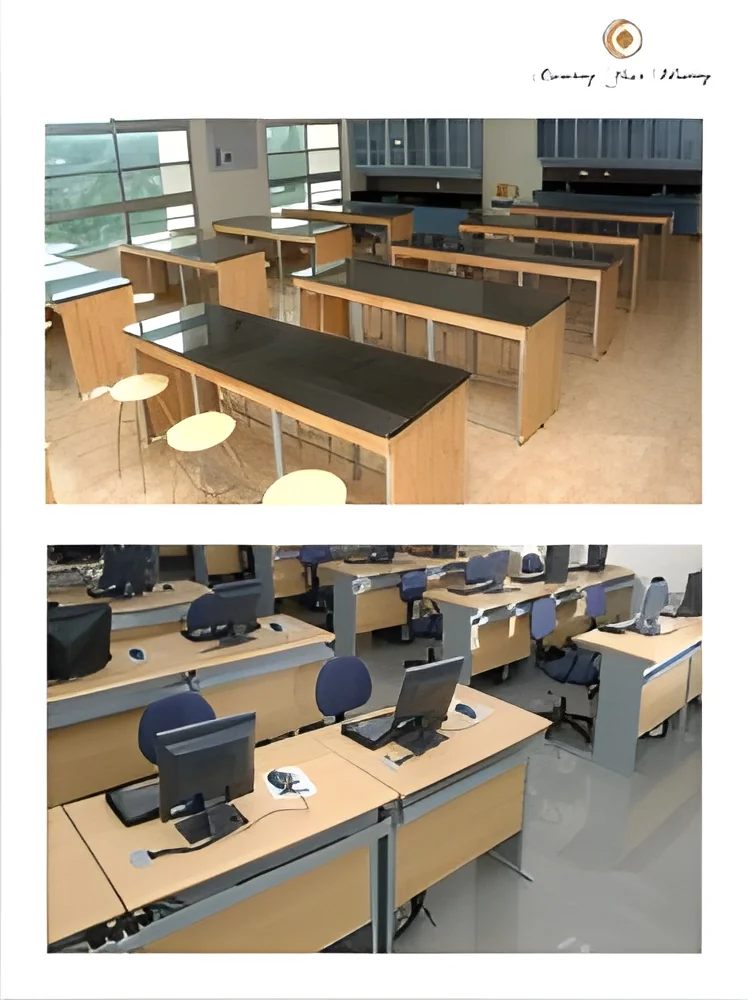
3. Laboratories: In laboratories, industrial work tables provide stable surfaces for experiments and research, accommodating specialized equipment and tools.
4. Automotive: In automotive repair shops, these tables serve as convenient workstations for mechanics, offering a solid surface for repairs and maintenance tasks.
5. Electronics: In electronics manufacturing, work tables are used for assembly and testing of components, often equipped with ESD (electrostatic discharge) surfaces.
6. Food Processing: In food processing facilities, stainless steel work tables are essential for food preparation and handling, complying with hygiene standards.
7. Retail: In retail environments, industrial work tables are used for inventory management and merchandise display, enhancing organization and efficiency.
Product Variants and Subcategories
Industrial work tables come in various designs and configurations to suit different operational needs.
Heavy-Duty Work Tables
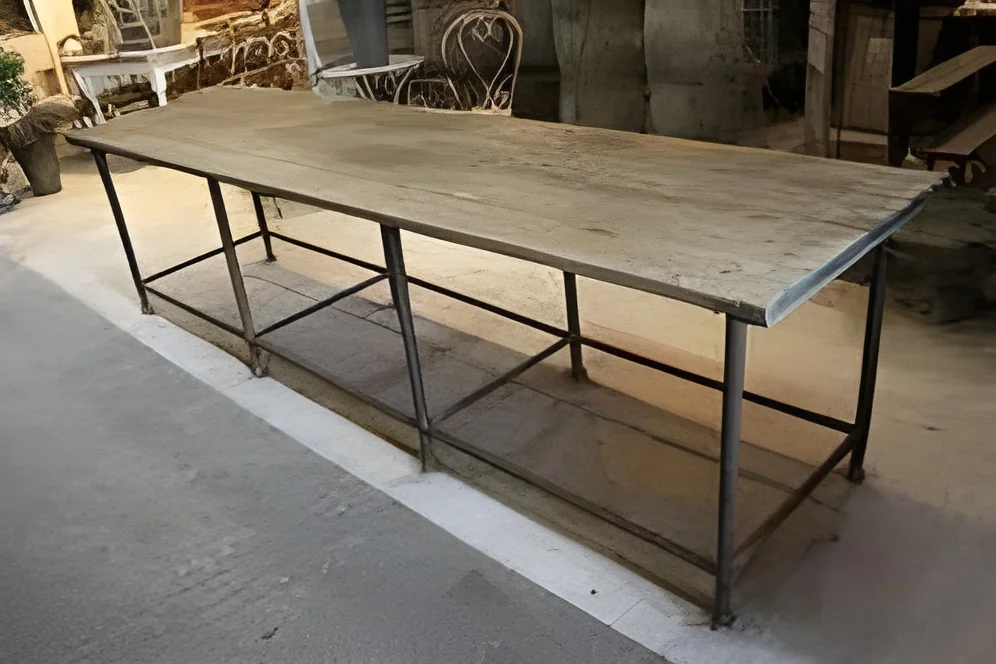
These tables are built to support substantial weight and are ideal for high-demand environments like manufacturing and assembly lines. They often feature reinforced frames and heavy-duty surfaces.
Mobile Work Tables
Mobile work tables are designed with wheels for easy transport, making them suitable for dynamic work environments. They allow flexibility in workspace setup and can be moved as needed for different tasks.
Ergonomic Work Tables
These tables prioritize user comfort, often featuring adjustable heights and designs that reduce strain during prolonged use. They are particularly beneficial in settings where employees spend extended hours at the workstation.
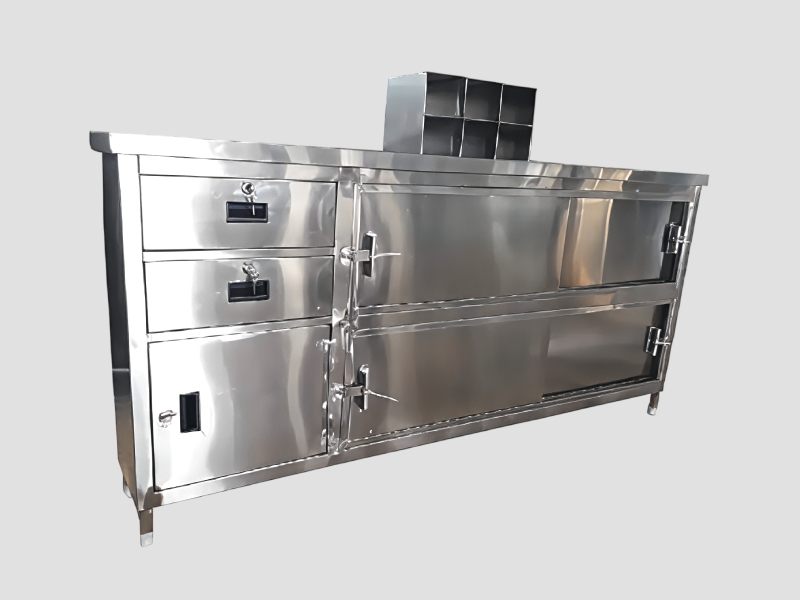
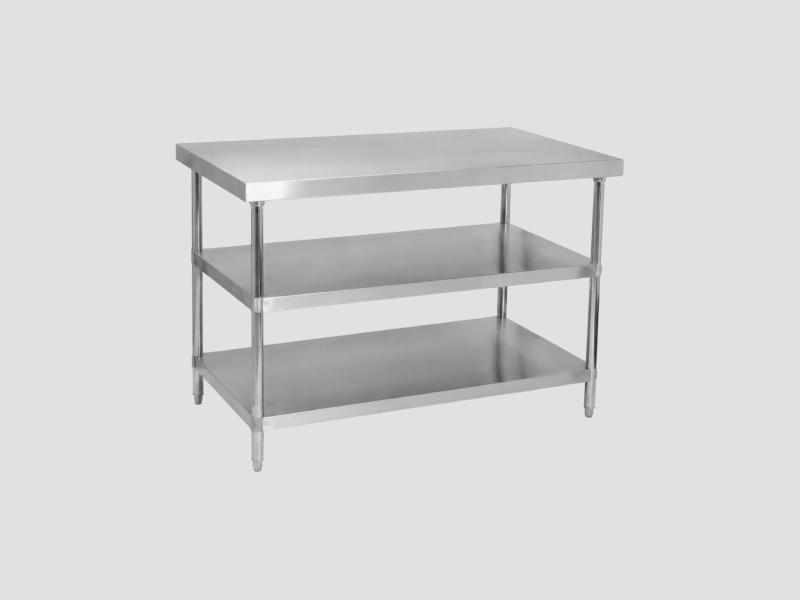
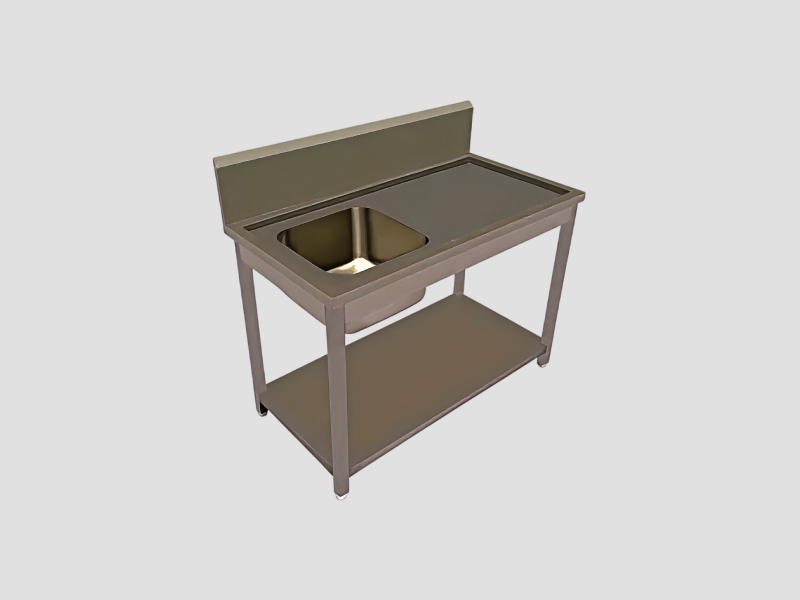
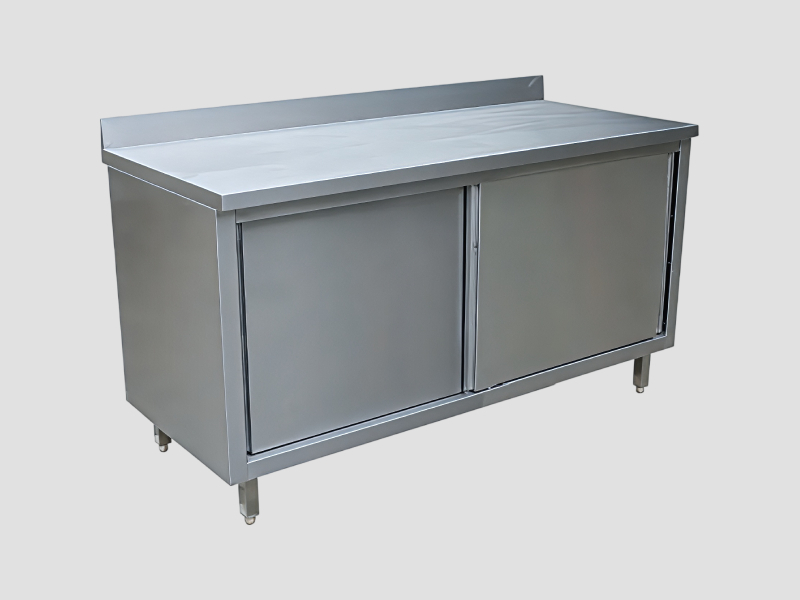
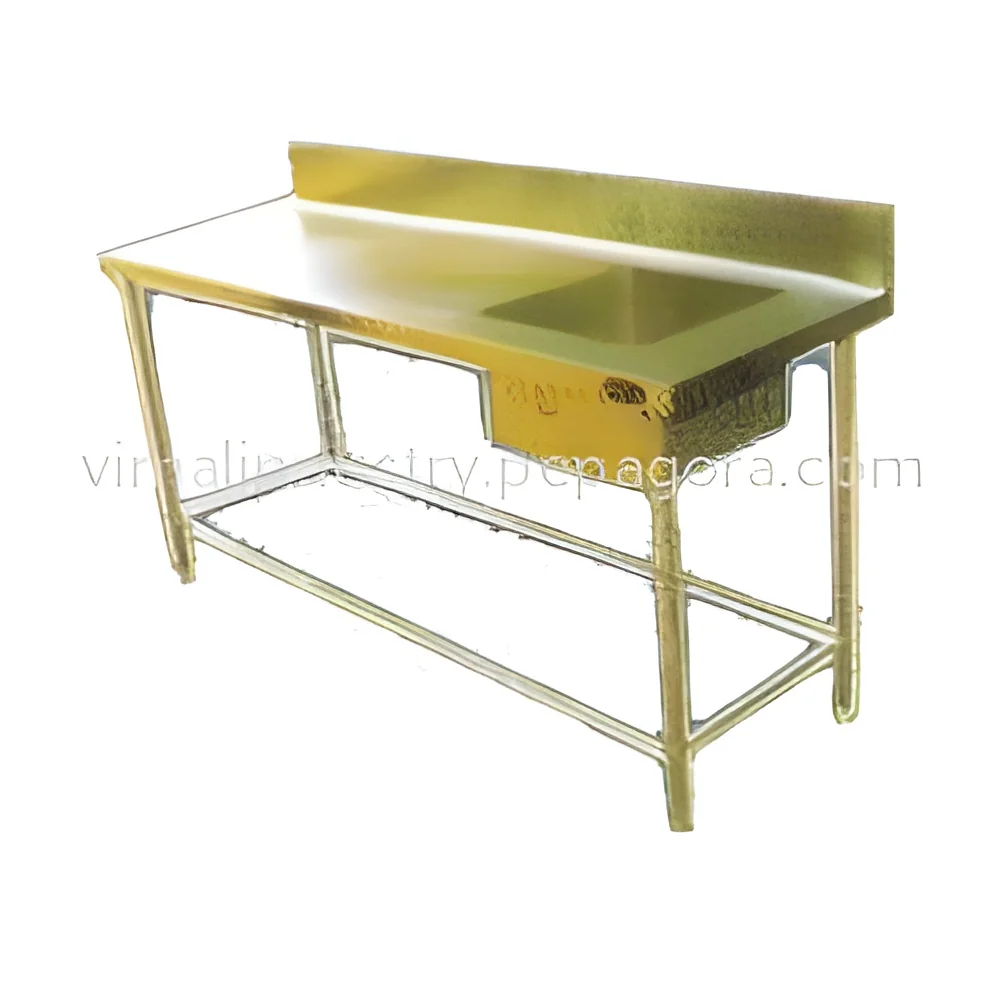
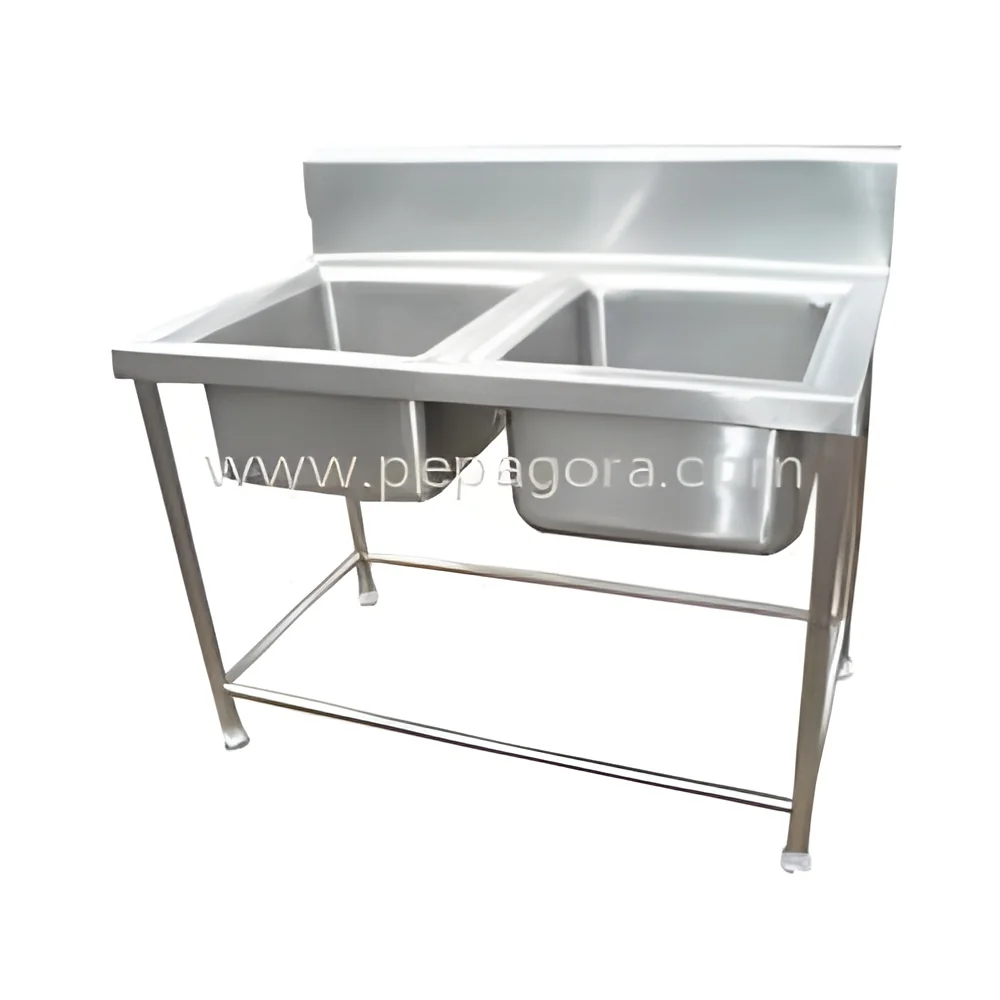
Stainless Steel Work Tables
These tables are designed for environments requiring high hygiene standards, such as food processing and medical facilities. Their corrosion-resistant surfaces make them easy to clean and maintain.
Benefits and Advantages
Choosing industrial work tables offers several key benefits that enhance operational efficiency.
1. Durability: Industrial work tables are constructed from robust materials, ensuring they withstand heavy use and last for years, reducing the need for frequent replacements.
2. Customization: Many work tables can be tailored to meet specific needs, including size, material, and accessories, allowing businesses to optimize their workspace.
3. Enhanced Workflow: A dedicated work surface streamlines tasks, helping employees stay organized and focused, ultimately boosting productivity.
4. Safety: Industrial work tables often include safety features, reducing the risk of accidents and injuries in the workplace.
5. Ergonomics: Adjustable height options promote better posture and comfort for users, leading to increased job satisfaction and reduced fatigue.
6. Versatility: These tables can be used in a range of applications across various industries, making them a flexible solution for many operational needs.
Buying Guide for B2B Buyers
When sourcing industrial work tables, it is essential to consider several factors to ensure you make an informed decision.
1. Quality Assessment: Evaluate the quality of materials and construction. Look for tables that meet industry standards and offer warranties to ensure durability.
2. Supplier Verification: Vet potential suppliers by checking their reputation, customer reviews, and industry certifications. A reliable supplier can provide valuable support and service.
3. Pricing and MOQ: Understand the price range and minimum order quantities for the tables. Compare quotes from different suppliers to find the best value for your needs.
4. Delivery and Lead Times: Discuss delivery options and lead times with suppliers to ensure you can meet your operational timelines without delays.
5. Compliance Requirements: Verify that the work tables meet any relevant compliance and regulatory standards required in your industry, such as safety certifications.
Compliance and Certifications
Compliance with industry standards and certifications is crucial when selecting industrial work tables. Many manufacturers adhere to quality standards such as ISO 9001, which focuses on maintaining effective quality management systems. This standard ensures that products consistently meet customer and regulatory requirements.
Additionally, certification marks like CE indicate that the product complies with European health, safety, and environmental protection standards. This can be particularly important for businesses operating in regulated industries, where adherence to safety and quality benchmarks is critical.
Safety and testing requirements should also be considered. Industrial work tables may need to pass rigorous testing to ensure they can handle specified loads and operate safely in various environments. Furthermore, regional compliance considerations can vary, so it's important to ensure that products meet the specific regulations of the area in which they will be used.
Why Source Industrial Work Tables from Pepagora?
Pepagora offers a trusted platform for sourcing industrial work tables, providing several key advantages that benefit B2B buyers.
Verified Supplier Network: Pepagora connects buyers with a network of verified suppliers who meet stringent quality and reliability standards. This ensures that you receive high-quality products from reputable manufacturers.
Streamlined RFQ Process: The request for quotation (RFQ) process on Pepagora is designed to be user-friendly, allowing buyers to easily compare options and receive competitive pricing from multiple suppliers.
Trade Assurance and Support: Pepagora provides trade assurance that protects your purchase and offers support throughout the sourcing process. This gives buyers peace of mind knowing that their transactions are safeguarded.
Regional Coverage: With a strong presence in India, the GCC, and Southeast Asia, Pepagora facilitates sourcing across diverse markets. This regional coverage ensures that buyers can find suitable industrial work tables tailored to their specific needs and local regulations.

 IN
IN