
 IN
Electrical Assembly Workstations
10 products available
What are Electrical Assembly Workstations?
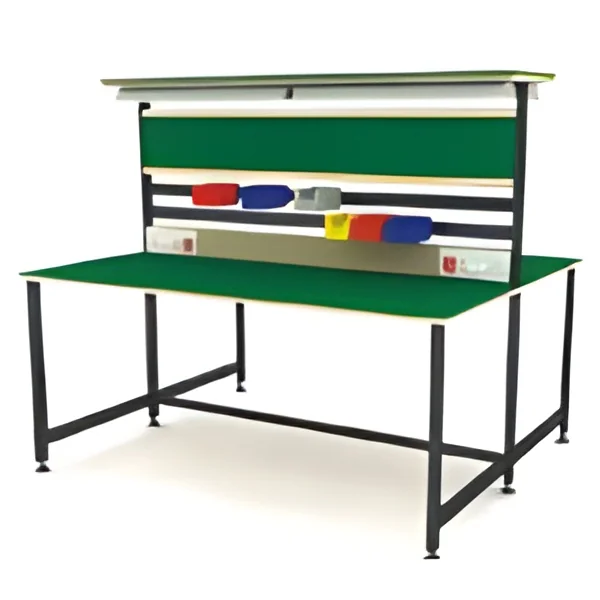
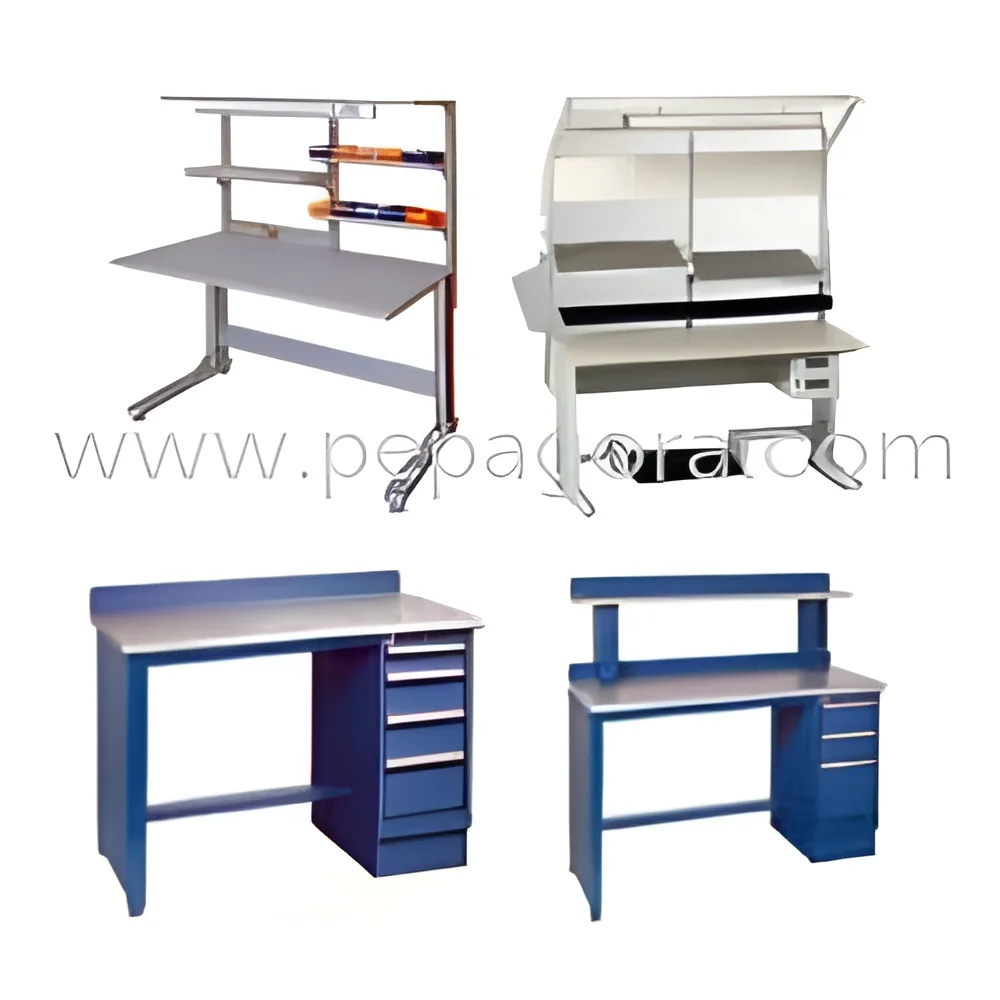
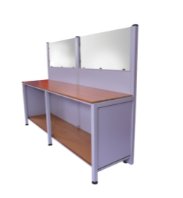
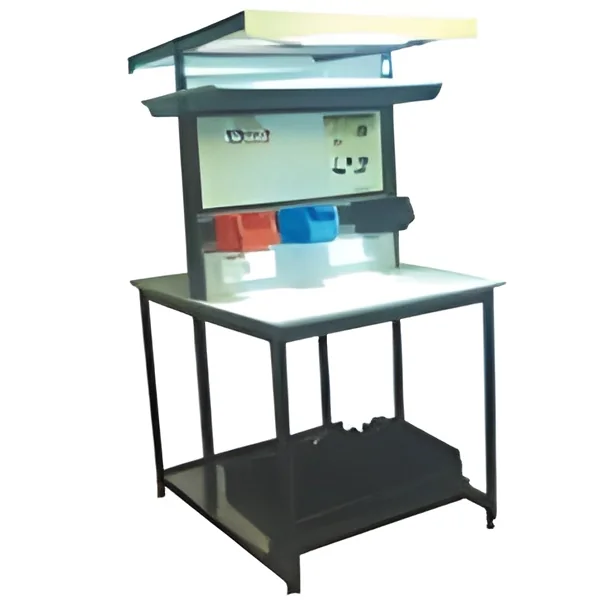
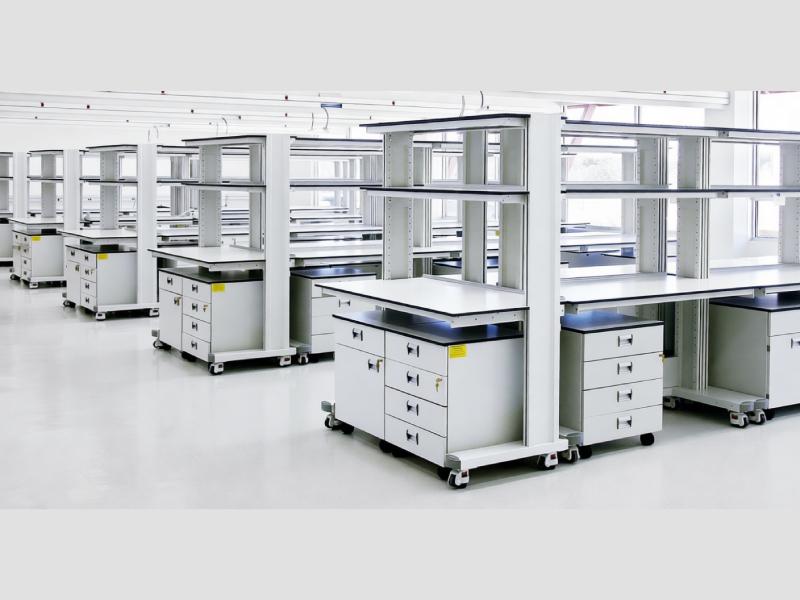
Electrical assembly workstations are specialized setups designed to facilitate the assembly and testing of electrical components and systems. These workstations provide a structured environment equipped with tools and resources that enable technicians to work efficiently and safely. They typically include features such as adjustable work surfaces, storage for tools and components, and integrated electrical supplies to power the devices being assembled.
These workstations are primarily used in industries such as electronics manufacturing, automotive, aerospace, and telecommunications. They support various tasks, including soldering, wiring, and assembling circuit boards. By offering a designated area for assembly work, businesses can improve workflow, reduce errors, and enhance productivity. Considering the growing demand for electronic devices and complex systems, electrical assembly workstations play a crucial role in meeting production needs across multiple sectors.
In an increasingly competitive market, the relevance of electrical assembly workstations cannot be overstated. They are essential for companies aiming to maintain high standards in product quality and efficiency. As technology advances, the design and features of these workstations continue to evolve, ensuring they meet the changing requirements of industrial applications.
Key Features and Specifications
Electrical assembly workstations come with a variety of features that enhance functionality and efficiency. These workstations are designed with user needs in mind, incorporating elements that facilitate a productive working environment.
Key specifications include:
1. Adjustable Work Surface
- Allows for ergonomic positioning to reduce strain.
- Typically ranges in height from 28 to 36 inches.
2. Integrated Power Supply
- Provides convenient access to electrical outlets.
- Often includes surge protection features.
3. Storage Solutions
- Includes drawers and shelving for tools and parts.
- Designed to maximize organization and minimize clutter.
4. Lighting
- Equipped with task lighting to enhance visibility.
- LED options are common for energy efficiency.
5. ESD Protection
- Features materials that prevent electrostatic discharge.
- Essential for sensitive electronic components.
6. Modular Design
- Allows for customization and scalability based on needs.
- Can be reconfigured to accommodate different tasks.
7. Safety Features
- Includes fire-resistant materials and safety barriers.
- Designed to comply with industry safety standards.
8. Mobility Options
- Some units come with locking wheels for easy relocation.
- Facilitates flexibility in workspace arrangement.
In summary, these features combine to create a versatile and efficient workspace that can adapt to various assembly tasks and industry requirements.
Common Applications and Use Cases
Electrical assembly workstations are utilized in various industries, each with unique applications.
1. Electronics Manufacturing: These workstations are fundamental in assembling circuit boards, incorporating components, and performing quality checks.
2. Automotive Industry: They are used for wiring harness assembly and the installation of electronic modules in vehicles.
3. Aerospace: Workstations support the assembly of avionics systems and maintenance checks for aircraft electronics.
4. Telecommunications: They facilitate the assembly of communication devices and equipment, ensuring high reliability and performance.
5. Medical Devices: Workstations are crucial for assembling sensitive medical electronics, adhering to strict regulatory standards.
6. Consumer Electronics: They are used in the production of devices like smartphones and tablets, where precision is key.
7. Industrial Equipment: These workstations assist in the assembly of control panels and automation systems, enhancing operational efficiency.
Product Variants and Subcategories
Electrical assembly workstations are diverse, catering to specific industry needs and preferences.
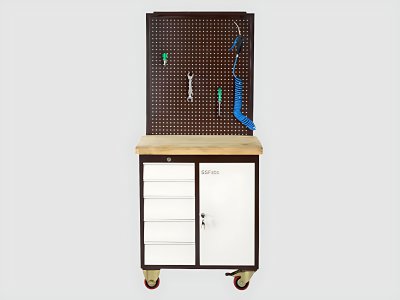
Heavy-Duty Workstation
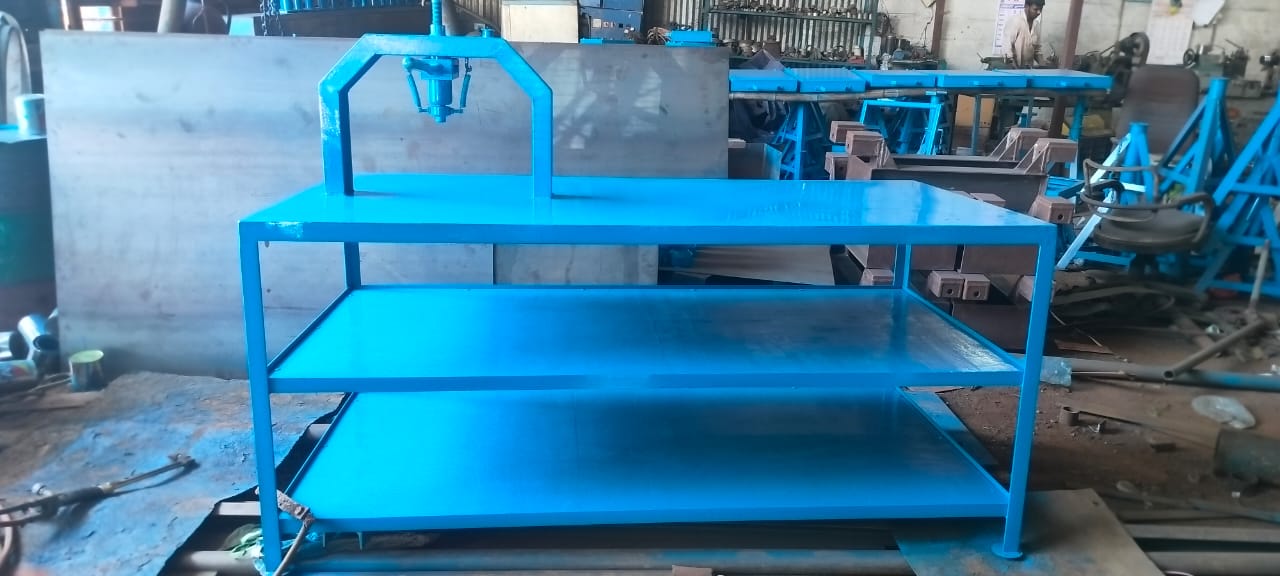
This variant is designed for high-volume production environments. It features reinforced surfaces and robust storage solutions, making it ideal for heavy components.
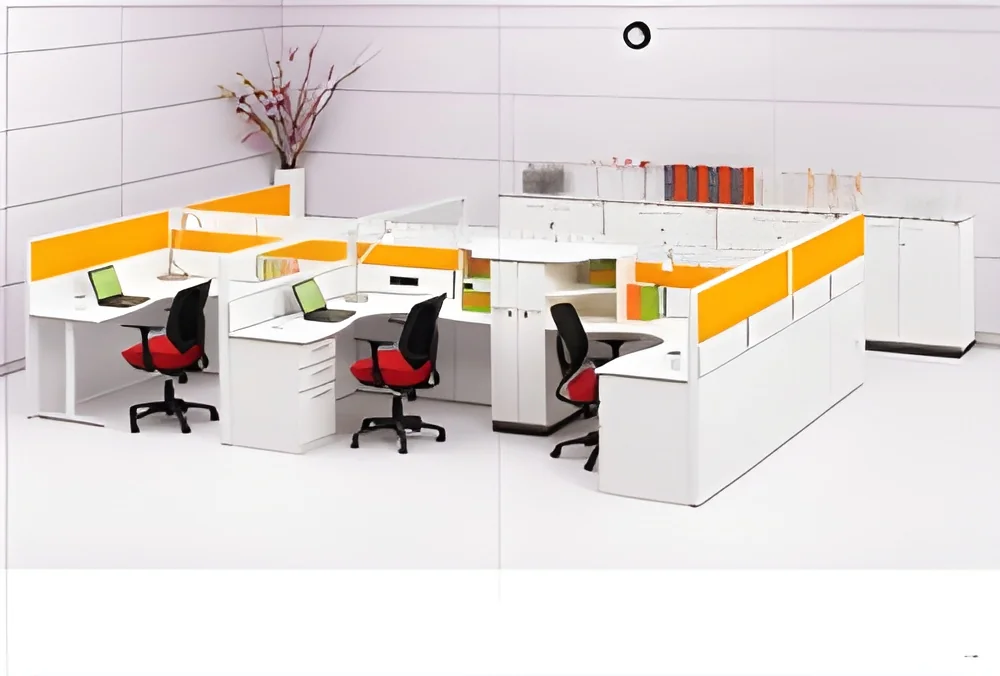
Modular Workstation
This version offers customizable configurations, allowing businesses to adapt the layout as needed. It supports a range of tasks while ensuring efficient use of space.
Compact Workstation
Perfect for smaller facilities, this variant maximizes functionality in limited space. It provides essential features without compromising on quality or usability.
Flexible Workstation
Designed for versatility, this workstation can be easily adjusted for different tasks and user requirements. It is suitable for environments where task variability is common.
Benefits and Advantages
Investing in electrical assembly workstations delivers numerous benefits for businesses.
1. Enhanced Productivity: Streamlined workflows and organized spaces reduce time spent searching for tools and components.
2. Improved Quality Control: Workstations designed for specific tasks help minimize errors, ensuring higher quality output.
3. Ergonomic Design: Adjustable features promote comfort and reduce the risk of strain-related injuries among workers.
4. Customization Options: Businesses can adapt workstations to fit specific needs, providing flexibility in operations.
5. Increased Safety: Built-in safety features help protect workers and comply with industry regulations.
6. Efficient Space Utilization: Modular designs allow for optimal use of available space, especially in smaller facilities.
Buying Guide for B2B Buyers
When sourcing electrical assembly workstations, it is essential to consider several key factors to ensure a successful purchase.
1. Quality Assessment: Evaluate the materials and construction of the workstation. Look for durable components that can withstand daily use and meet industry standards.
2. Supplier Verification: Research potential suppliers to confirm their reputation and reliability. Check for customer reviews and industry certifications.
3. Pricing and MOQ: Understand the price range for different workstations and inquire about minimum order quantities to align with your budget and needs.
4. Delivery and Lead Times: Discuss logistics with suppliers to ensure timely delivery. Factor in lead times when planning your production schedules.
5. Compliance Requirements: Ensure that the workstations meet relevant regulatory standards and certifications, such as CE marking, to avoid compliance issues.
Compliance and Certifications
Electrical assembly workstations are subject to various quality standards and certifications to ensure safety and performance. Key standards include ISO 9001, which focuses on quality management systems, and HACCP, which pertains to food safety management in relevant industries.
Industry certifications like CE indicate compliance with European health and safety regulations, essential for products sold in those markets. Additionally, workstations must meet specific safety and testing requirements to protect users and ensure reliable operation.
Regional compliance considerations may vary, so it is important to be aware of local regulations that impact workstation design and usage. This ensures that businesses remain compliant while operating within their specific markets.
Why Source Electrical Assembly Workstations from Pepagora?
Pepagora offers a trusted platform for sourcing electrical assembly workstations, featuring several key advantages.
Verified Supplier Network: Pepagora connects buyers with a network of verified suppliers, ensuring that each partner meets high-quality standards and reliability.
Streamlined RFQ Process: The request for quotation system simplifies the procurement process, allowing buyers to receive competitive pricing and tailored solutions quickly.
Trade Assurance and Support: Buyers benefit from trade assurance policies that protect their purchases, providing peace of mind during transactions.
Regional Coverage: With a strong presence in regions such as India, the GCC, and Southeast Asia, Pepagora facilitates access to quality workstations across various markets, ensuring that buyers find the right solutions for their specific needs.



Frequently Asked Questions
What are Electrical Assembly Workstations?
Electrical Assembly Workstations are specialized work areas designed for the assembly of electrical components and products. These workstations are equipped with tools, equipment, and organizational features that enhance efficiency and safety during the assembly process.
What are the different types of Electrical Assembly Workstations?
There are several types of Electrical Assembly Workstations, including manual workstations, automated assembly lines, and modular workstations. Each type is tailored to specific assembly needs and can vary in complexity and functionality.
How do I choose the right Electrical Assembly Workstations?
When selecting an Electrical Assembly Workstation, consider factors such as the type of assembly tasks, space availability, and ergonomic design. Additionally, assess the required tools and equipment to ensure compatibility with your production processes.
What are the standard specifications for Electrical Assembly Workstations?
Standard specifications for Electrical Assembly Workstations typically include dimensions, load capacity, and electrical requirements. Workstations may also feature adjustable height, integrated lighting, and storage solutions to meet diverse operational needs.
What is the price range for Electrical Assembly Workstations?
The price range for Electrical Assembly Workstations can vary significantly based on specifications, features, and manufacturers. Generally, prices can start from a few thousand rupees for basic models and can go up to several lakhs for advanced, customized solutions.
What quality standards apply to Electrical Assembly Workstations?
Electrical Assembly Workstations must comply with various quality standards, including ISO certifications and safety regulations. These standards ensure that the workstations meet performance, safety, and durability requirements for industrial use.
Where can I find Electrical Assembly Workstations suppliers in India?
You can find Electrical Assembly Workstations suppliers in India through online B2B marketplaces like Pepagora.com, trade shows, industrial directories, and local manufacturers. These platforms often provide detailed listings and contact information for suppliers.
Can Electrical Assembly Workstations be customized?
Yes, Electrical Assembly Workstations can often be customized to meet specific operational needs. Customization options may include size adjustments, additional features, and integration with existing manufacturing systems.
What is the typical minimum order quantity for Electrical Assembly Workstations?
The typical minimum order quantity (MOQ) for Electrical Assembly Workstations varies by supplier and product type. Generally, MOQs can range from a single unit for custom orders to larger quantities for bulk purchases.
What is the typical lead time for Electrical Assembly Workstations?
The typical lead time for Electrical Assembly Workstations can vary based on the complexity of the order and the supplier's production capacity. Standard lead times usually range from a few weeks to several months, especially for customized workstations.
Why Businesses Trust Pepagora
Thousands of companies trust Pepagora to source smarter and sell faster
Expand Your Sales Globally

Source Smarter,Grow Faster
