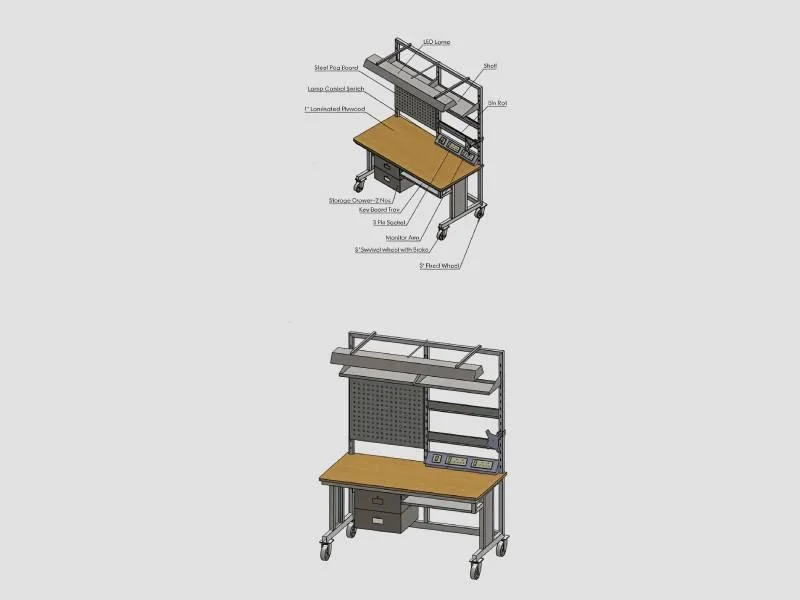
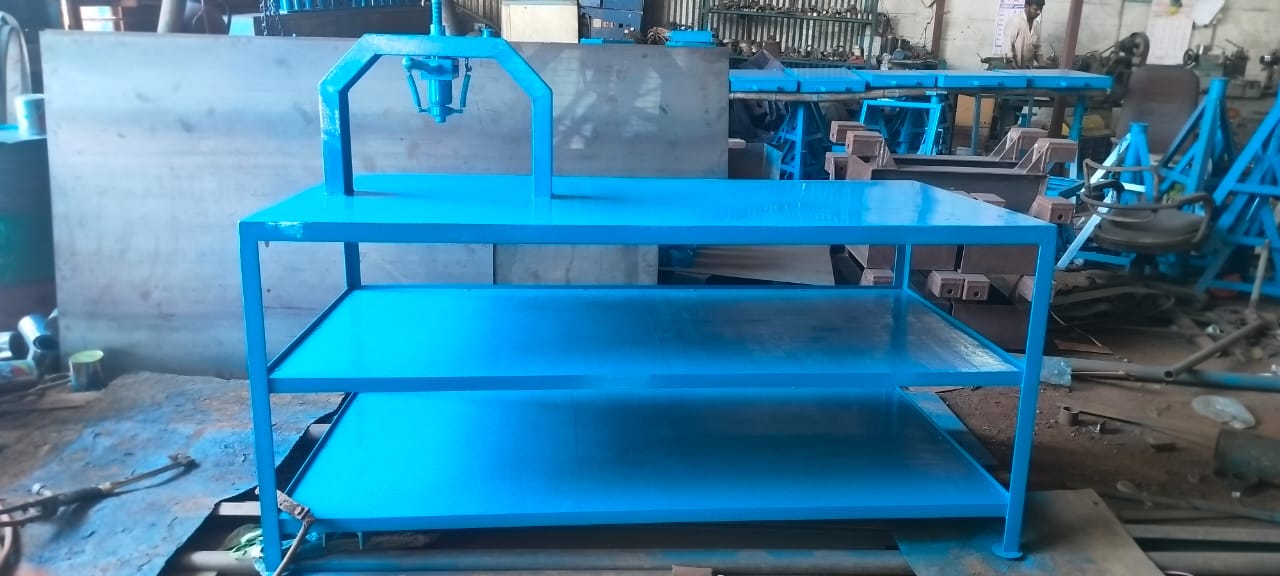
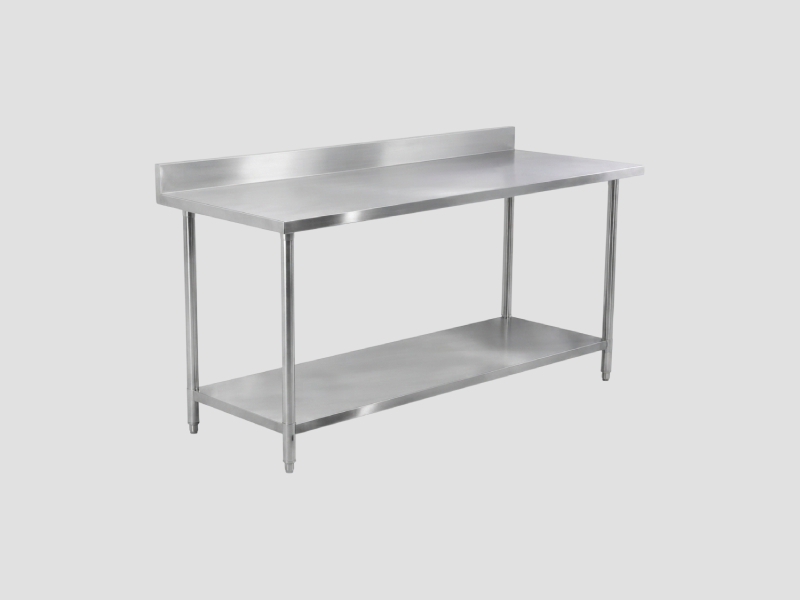
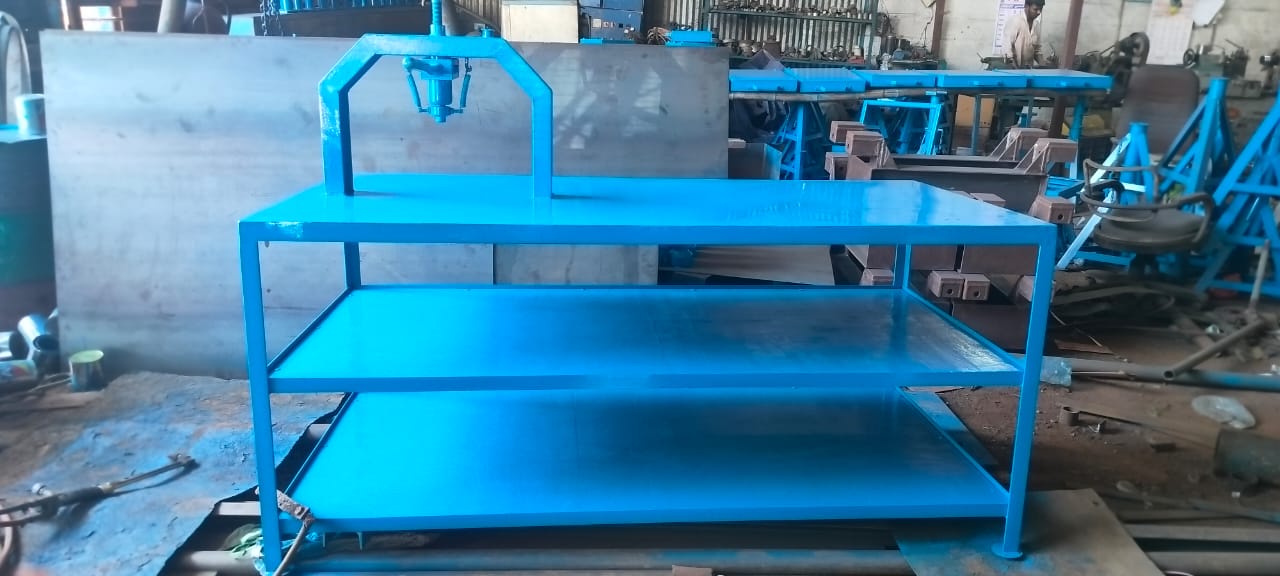
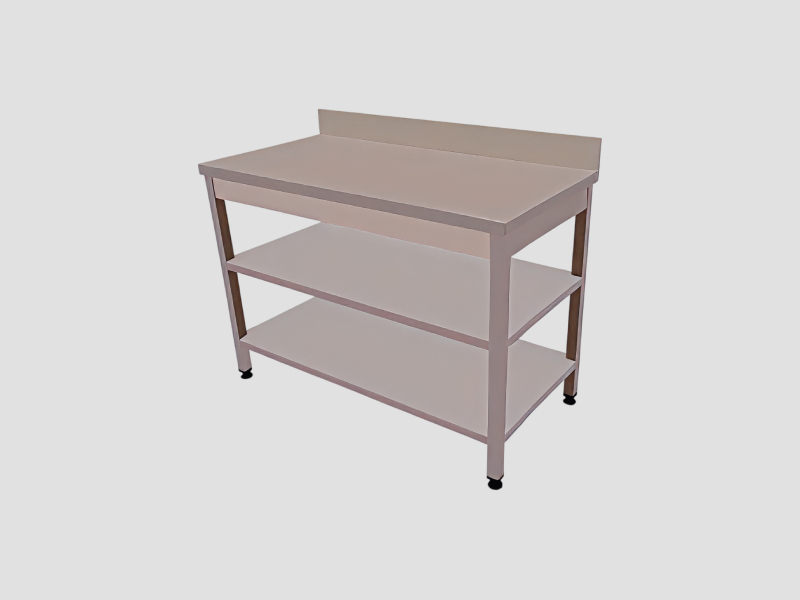
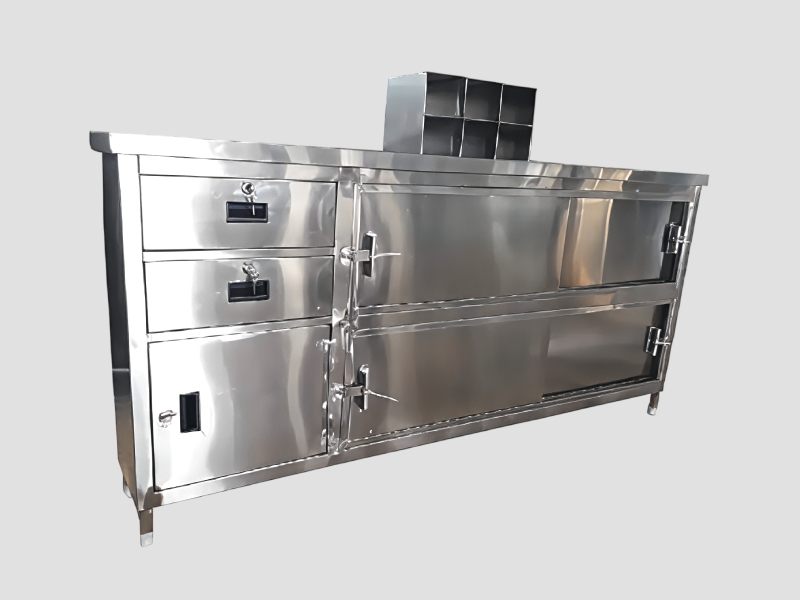
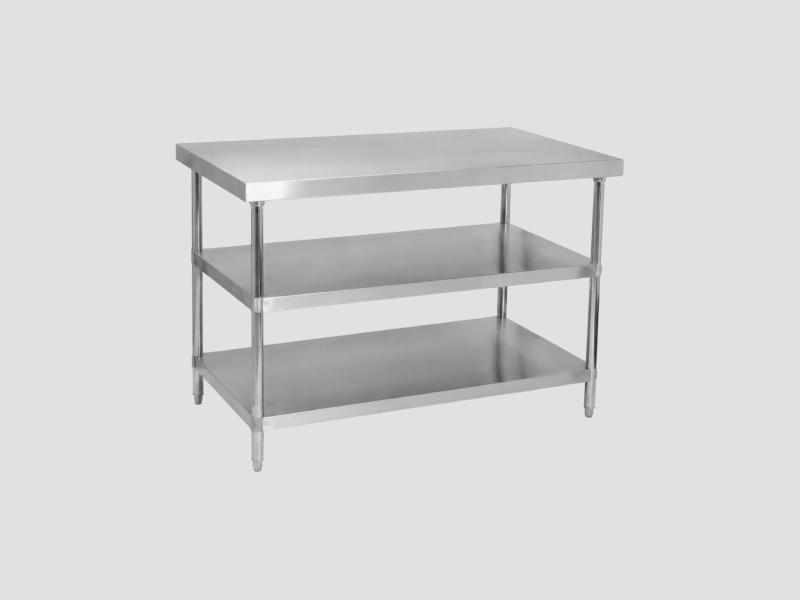
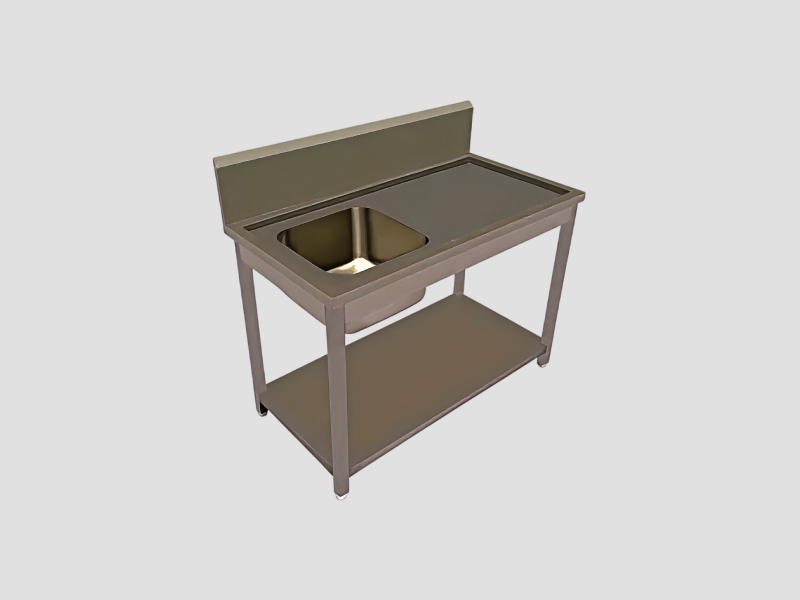
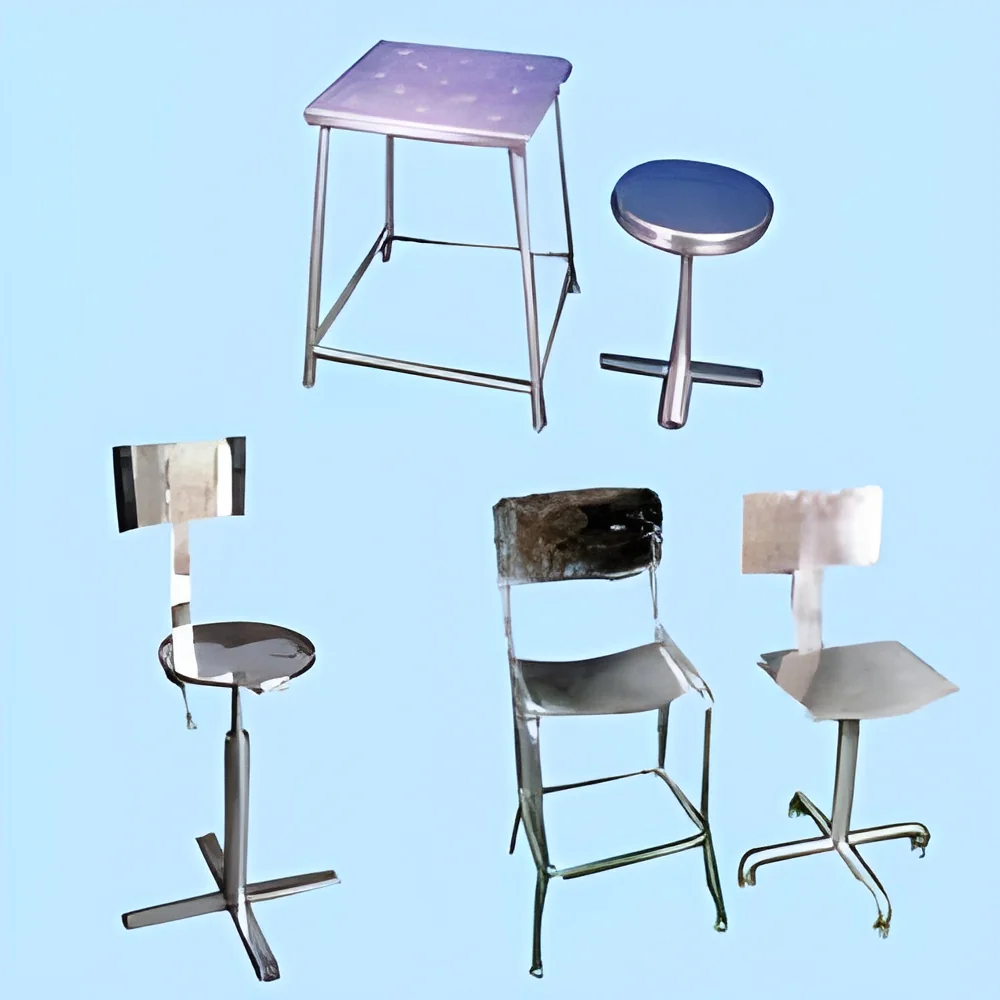
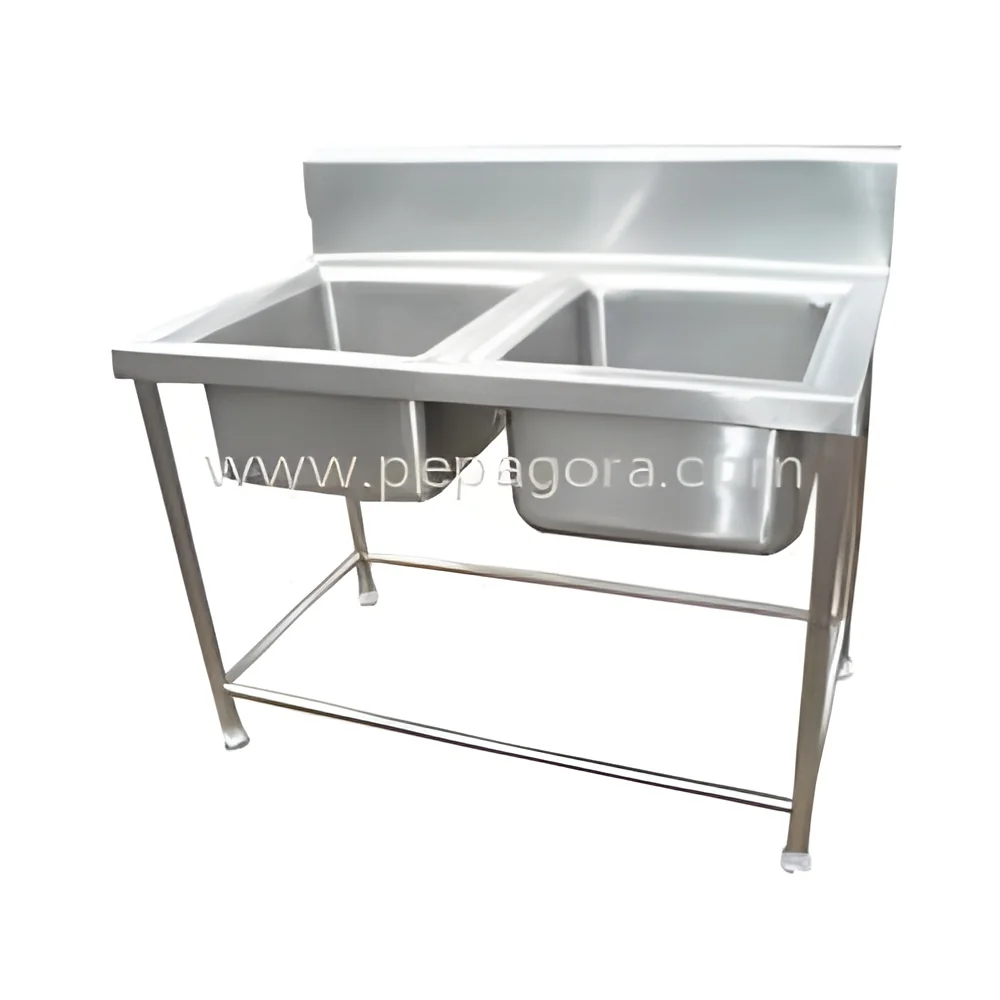
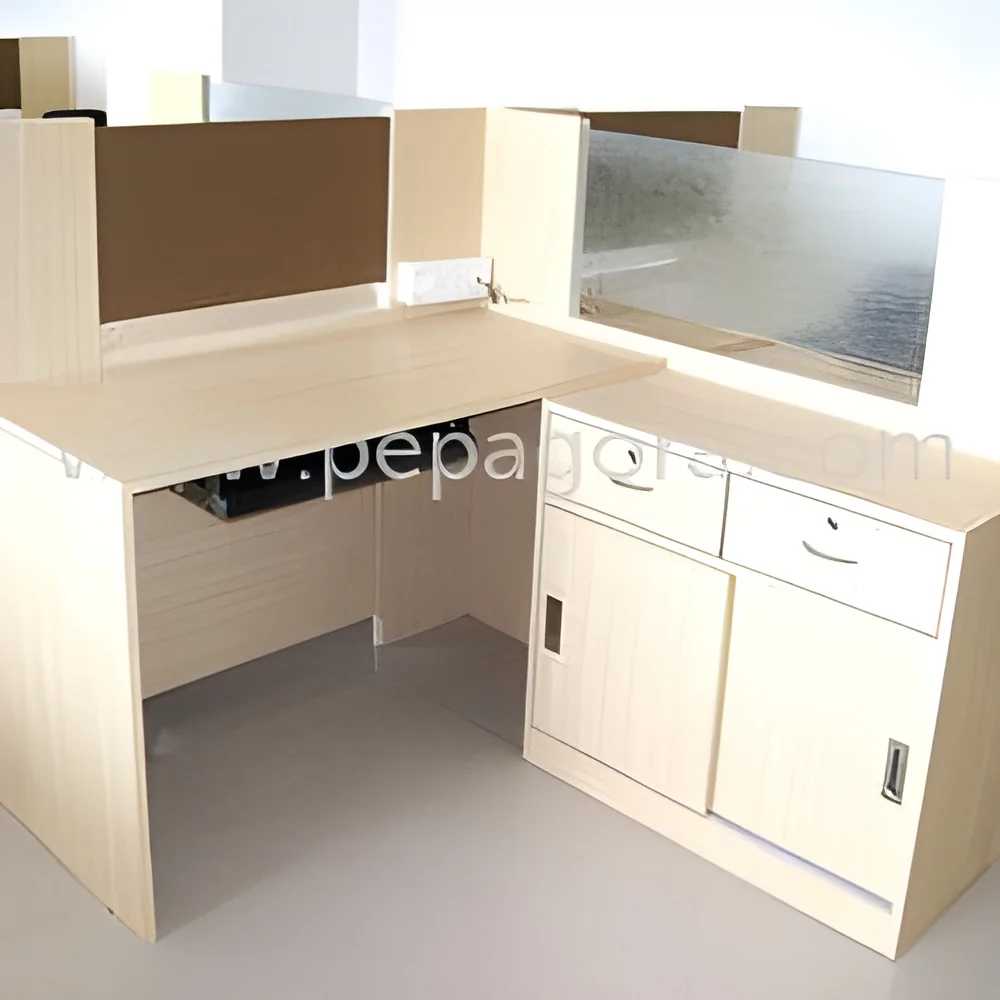
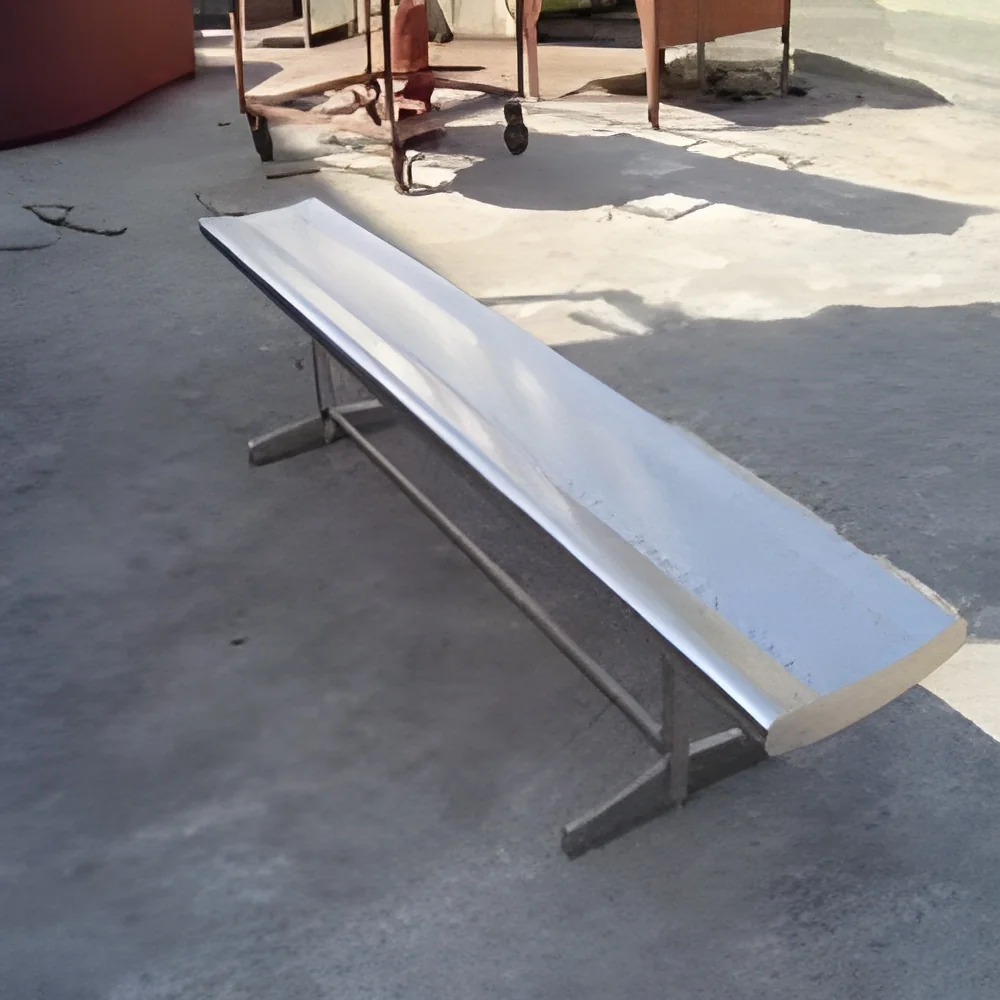
𝗪𝗵𝗮𝘁 𝗮𝗿𝗲 𝗪𝗼𝗿𝗸𝗯𝗲𝗻𝗰𝗵𝗲𝘀 & 𝗪𝗼𝗿𝗸𝘀𝗵𝗼𝗽 𝗧𝗼𝗼𝗹𝘀?
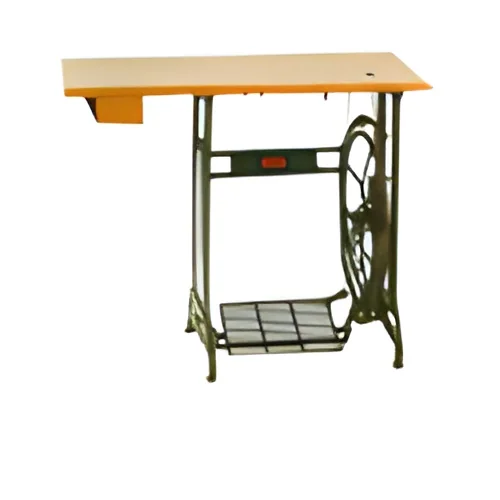
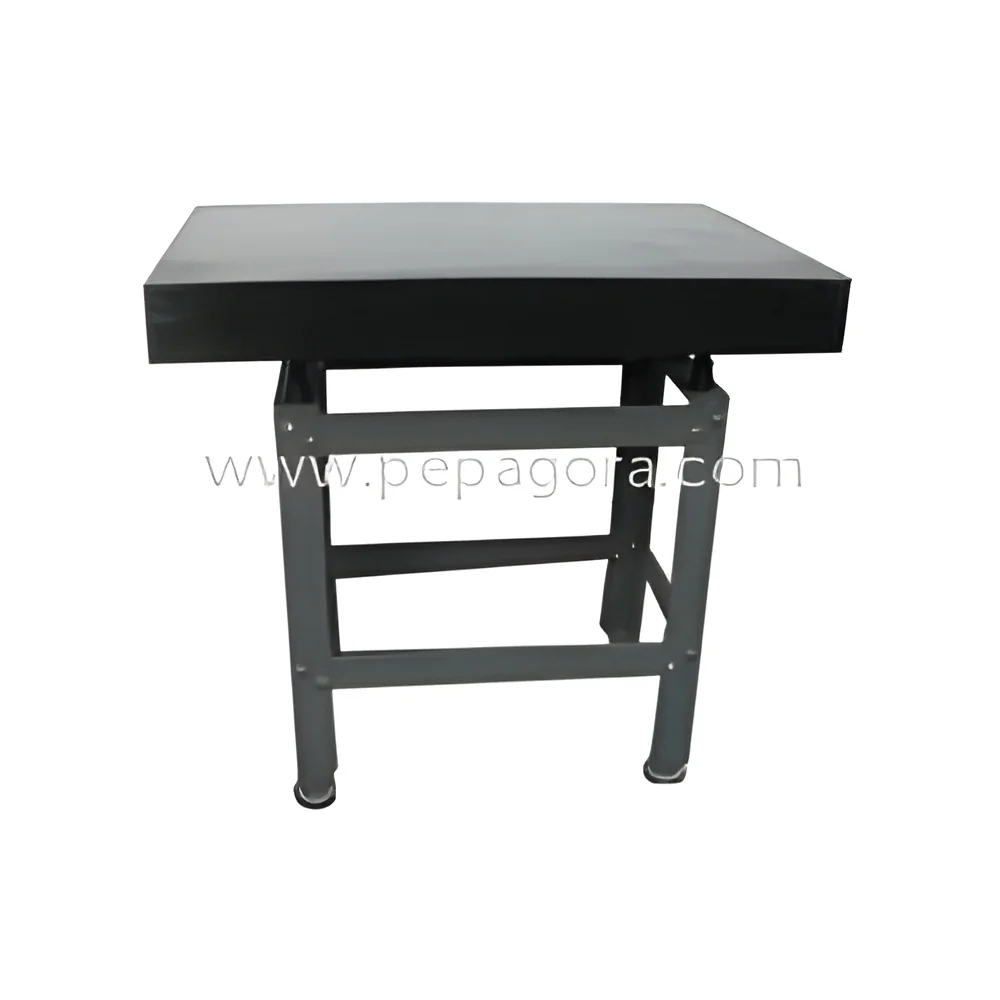
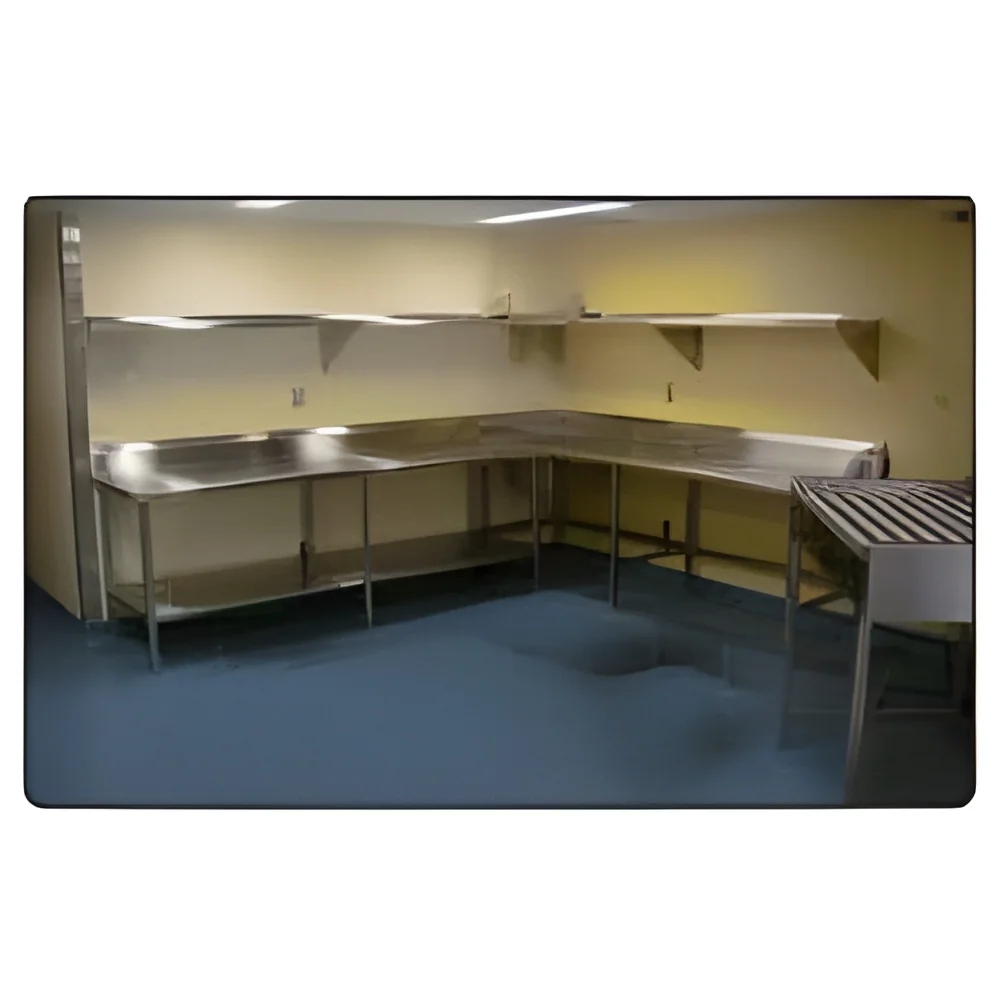
Workbenches and workshop tools are essential components of any industrial workspace. A workbench serves as a sturdy surface for tasks such as assembly, repair, and fabrication. These benches are designed to withstand heavy loads and provide a stable area for various operations. Workshop tools complement the workbench by offering the necessary equipment for a wide range of tasks, from cutting and drilling to measuring and assembling.
These products are utilized in many business applications, including manufacturing, automotive, woodworking, and electronics. They facilitate efficient workflows, enhance productivity, and ensure safety in the workplace. In industries where precision and durability are paramount, workbenches and tools play a critical role in operational success. The market for these products continues to grow due to increasing demand for efficient workspaces and the need for robust tools in various sectors.
𝗞𝗲𝘆 𝗙𝗲𝗮𝘁𝘂𝗿𝗲𝘀 𝗮𝗻𝗱 𝗦𝗽𝗲𝗰𝗶𝗳𝗶𝗰𝗮𝘁𝗶𝗼𝗻𝘀
Workbenches and workshop tools come equipped with numerous features tailored to meet the specific needs of industrial environments. Understanding these specifications can help businesses make informed purchasing decisions.
Key specifications include:
1. Load Capacity
- The maximum weight the workbench can support.
- Typically ranges from 500 to 2000 pounds.
2. Surface Material
- The type of material used for the work surface, such as wood, metal, or laminate.
- Durability and resistance to wear vary by material choice.
3. Dimensions
- Standard sizes for workbenches are available, but customization is often possible.
- Common depths are 24 to 36 inches and lengths range from 48 to 96 inches.
4. Height Adjustability
- Features that allow users to adjust the height of the workbench.
- Manual and electric options are available.
5. Tool Storage
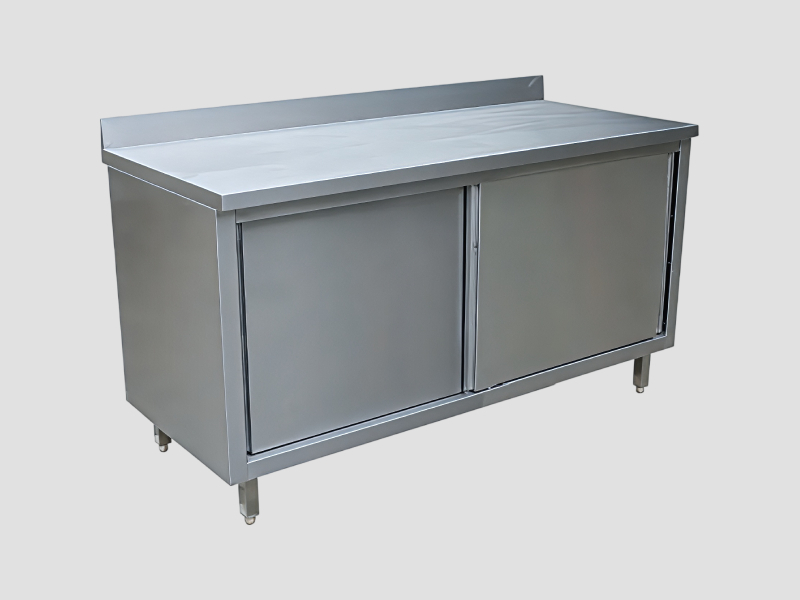
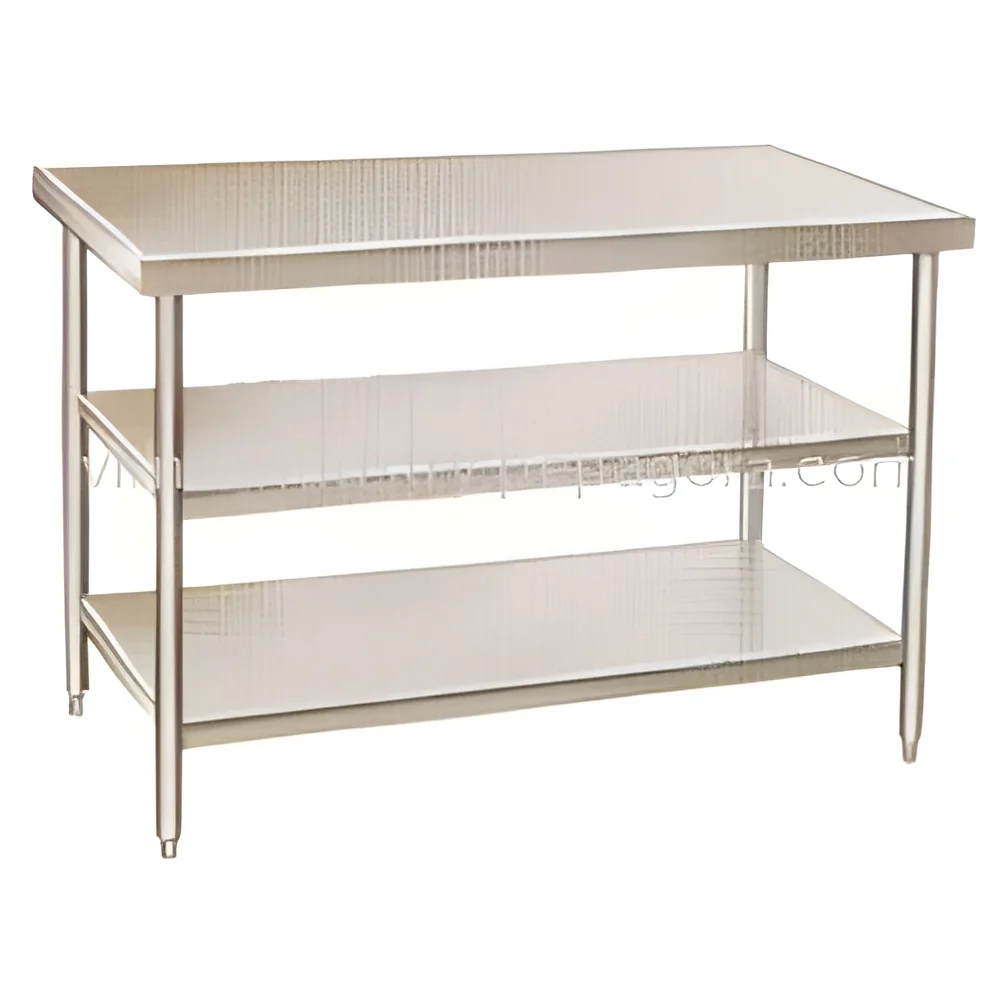
- Integrated storage solutions such as drawers and cabinets.
- Helps keep tools organized and within reach.
6. Safety Features
- Includes non-slip surfaces, rounded edges, and stabilizing legs.
- Designed to ensure user safety during operation.
7. Portability
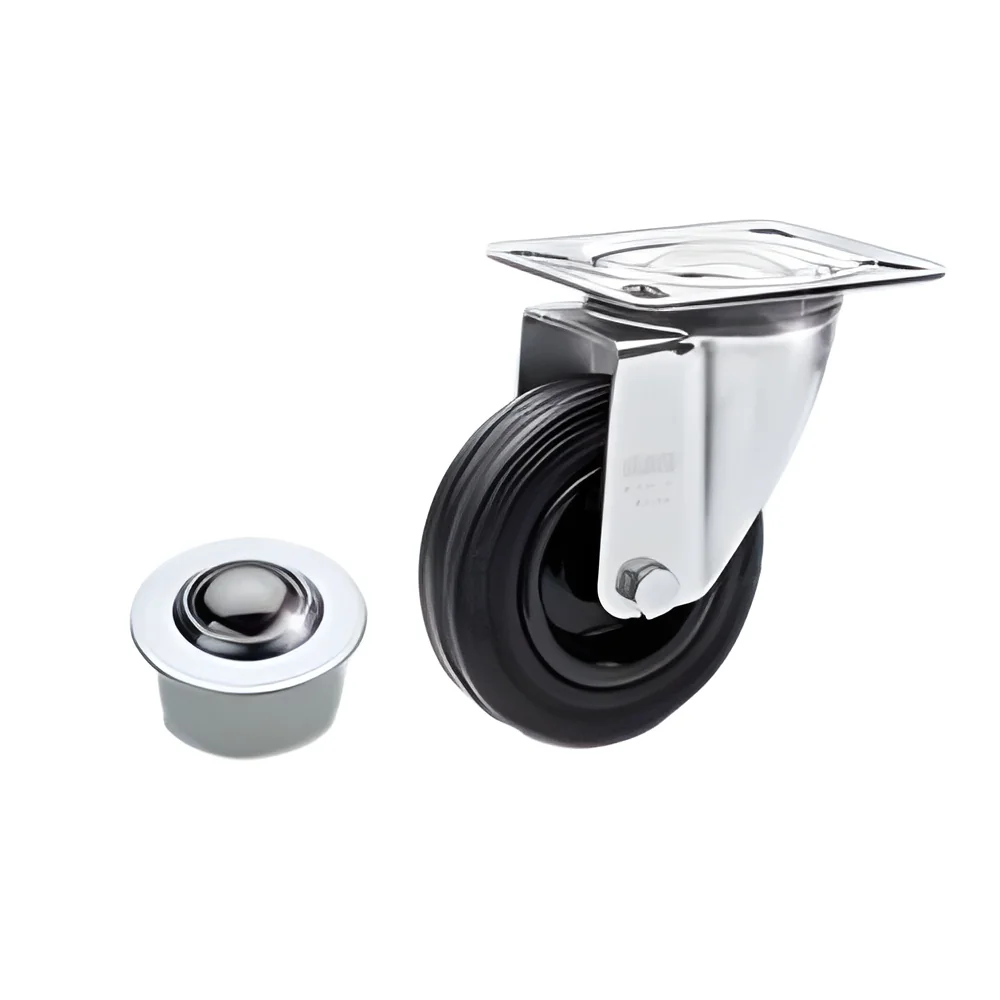
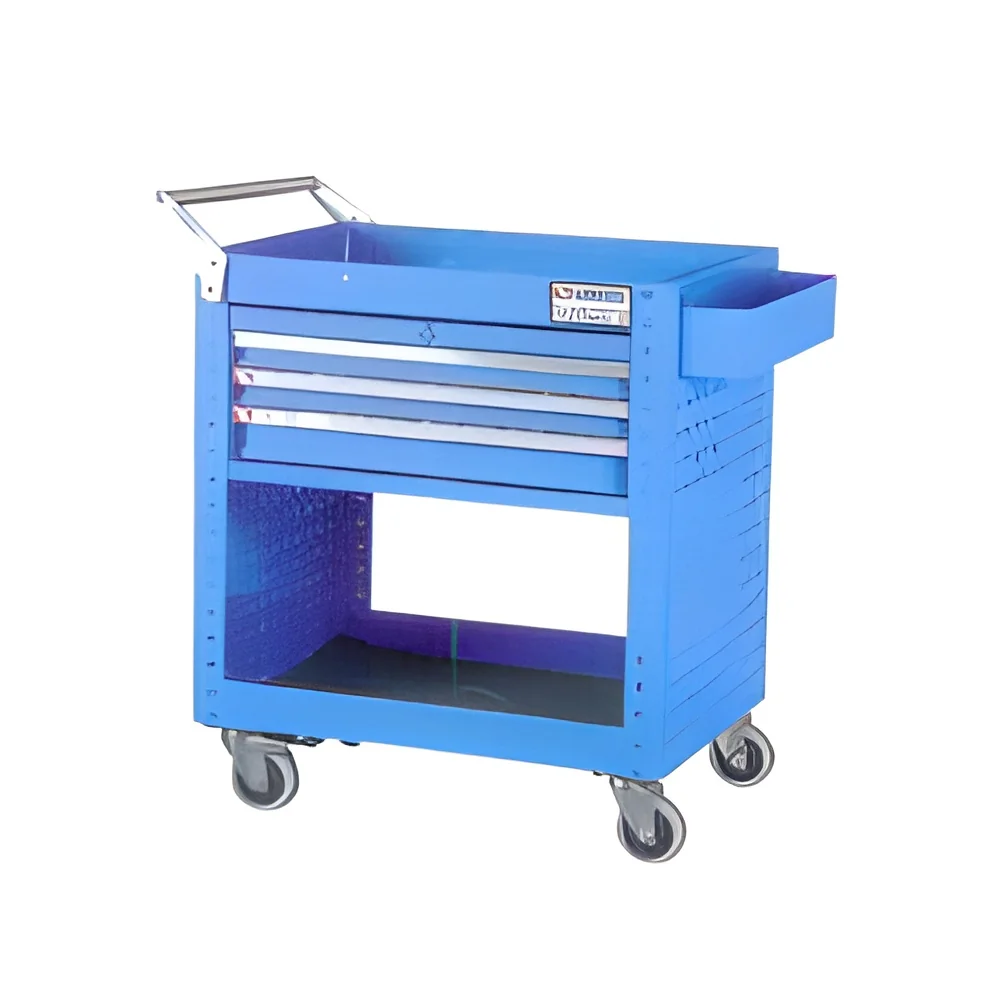
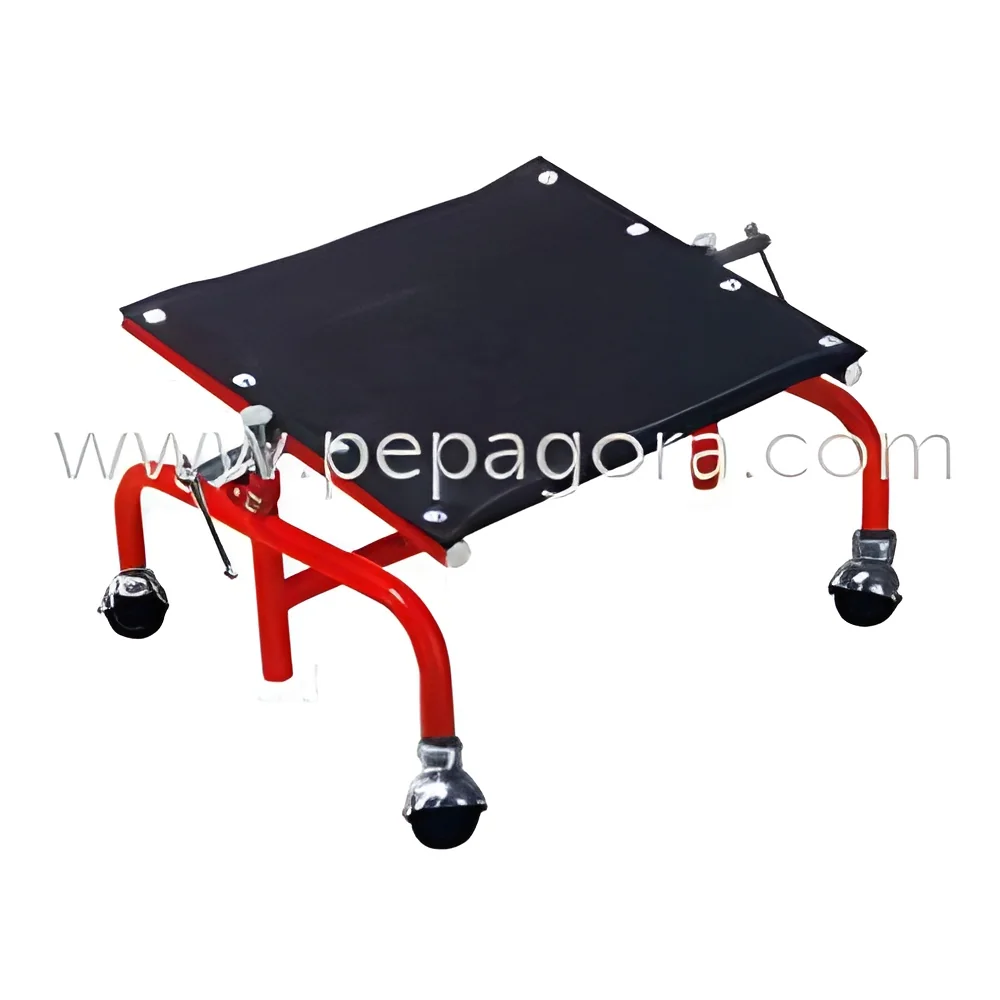
- Some workbenches are designed to be mobile, featuring wheels for easy transport.
- Ideal for flexible work environments.
8. Certification
- Compliance with industry standards, such as CE marking for safety assurance.
These features highlight the versatility and functionality of workbenches and workshop tools, making them indispensable in industrial settings.
𝗖𝗼𝗺𝗺𝗼𝗻 𝗔𝗽𝗽𝗹𝗶𝗰𝗮𝘁𝗶𝗼𝗻𝘀 𝗮𝗻𝗱 𝗨𝘀𝗲 𝗖𝗮𝘀𝗲𝘀
Workbenches and workshop tools serve a wide array of industries, enhancing productivity and efficiency across various applications.
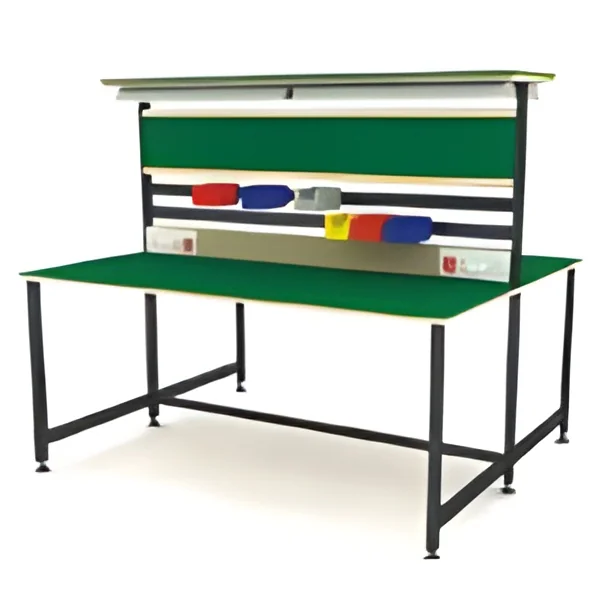
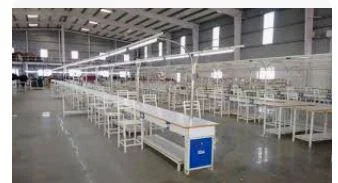
1. Manufacturing: In manufacturing settings, workbenches are used for assembly lines, where workers can efficiently assemble components and products.
2. Automotive: Mechanics utilize specialized workbenches equipped with tools for repairs and diagnostics, ensuring precision and safety.
3. Woodworking: Carpenters rely on sturdy workbenches for cutting, sanding, and finishing wood products, providing a stable surface for intricate tasks.
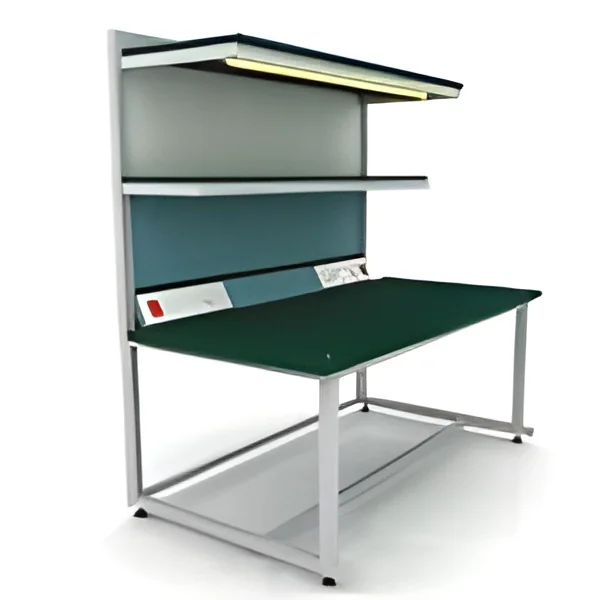
4. Electronics: Technicians use workbenches with integrated power sources for soldering and assembling electronic components, ensuring accuracy and organization.
5. Construction: On construction sites, portable workbenches assist in making quick repairs and modifications, contributing to project efficiency.
6. Laboratories: In labs, specialized benches are used for experiments that require a stable and controlled environment, often equipped with safety features.
7. Retail: Workbenches in retail settings serve as assembly points for displays and merchandise, enhancing the shopping experience.
𝗣𝗿𝗼𝗱𝘂𝗰𝘁 𝗩𝗮𝗿𝗶𝗮𝗻𝘁𝘀 𝗮𝗻𝗱 𝗦𝘂𝗯𝗰𝗮𝘁𝗲𝗴𝗼𝗿𝗶𝗲𝘀
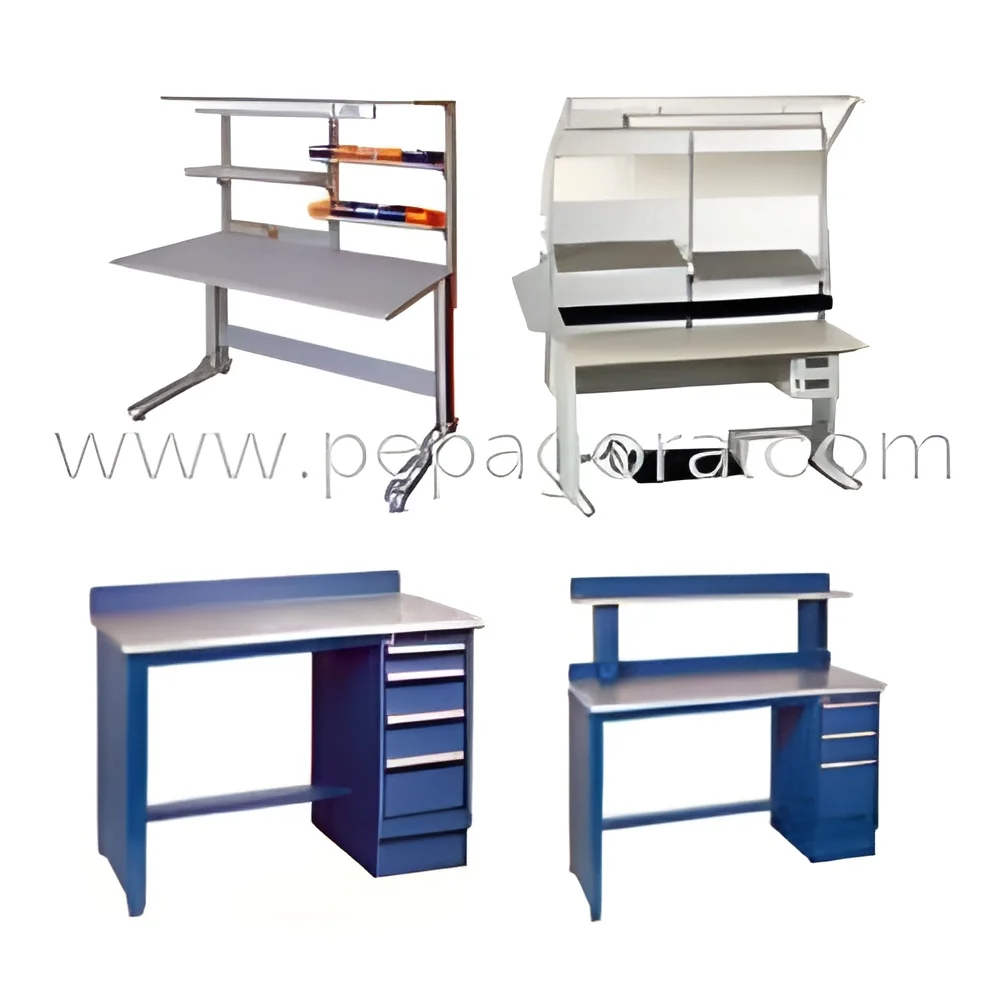
Workbenches and workshop tools come in various forms to cater to different industry needs. This diversity ensures that businesses can find the right fit for their specific applications.
Heavy-Duty Workbench
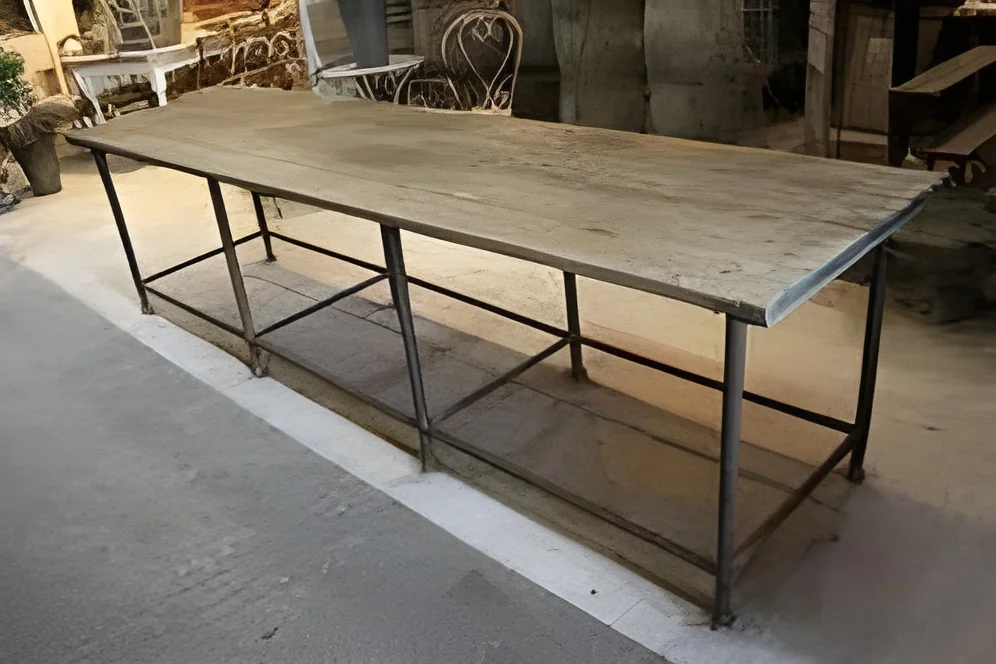
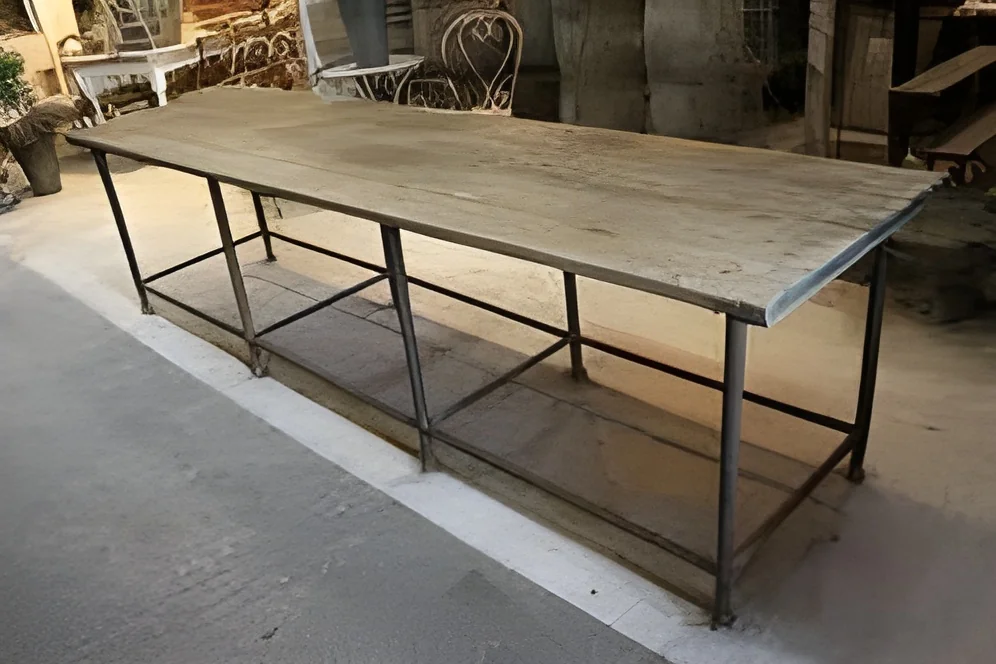
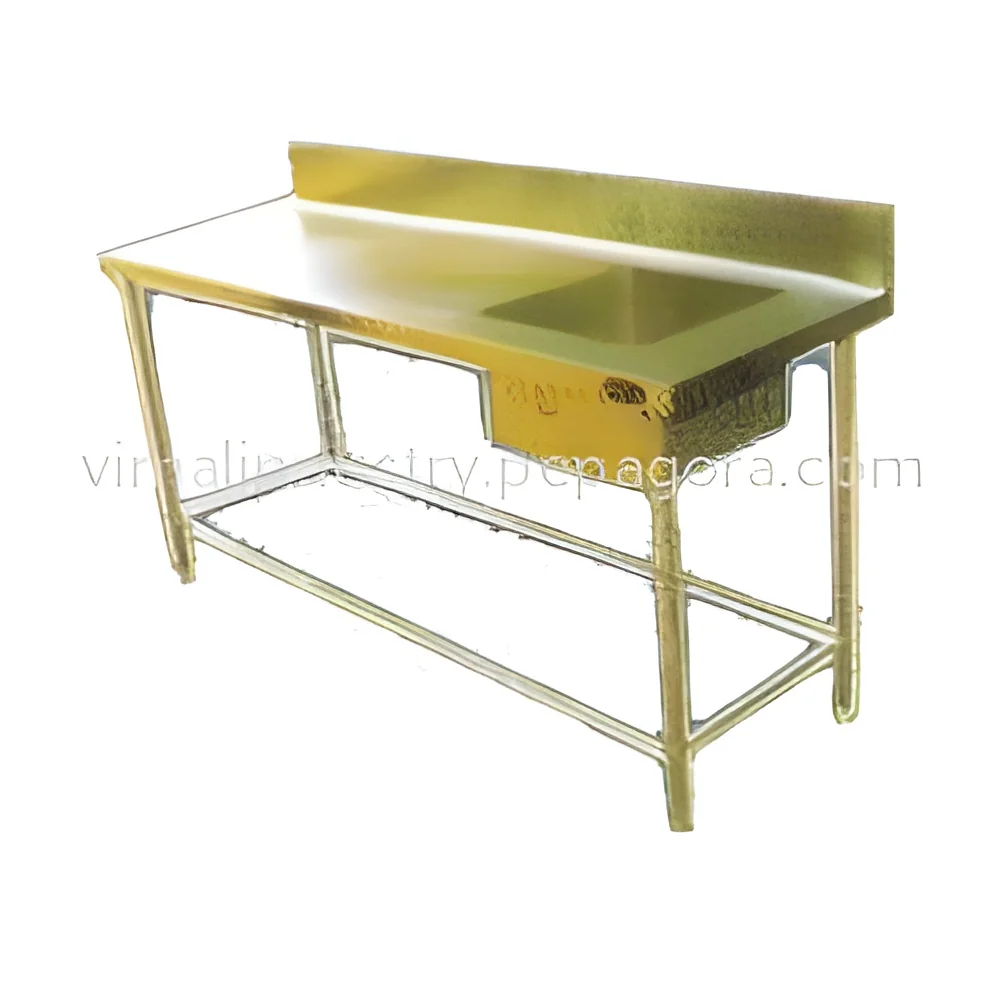
These workbenches are constructed from robust materials, capable of supporting substantial weight. They are ideal for heavy manufacturing and automotive applications, providing a reliable surface for demanding tasks.
Portable Workbench
Designed for mobility, portable workbenches are lightweight and easy to transport. They are perfect for job sites and home projects, allowing users to work wherever needed without sacrificing stability.
Adjustable Height Workbench
This variant allows users to change the height of the work surface, accommodating different tasks and user preferences. Ideal for environments where multiple operators may use the same bench.
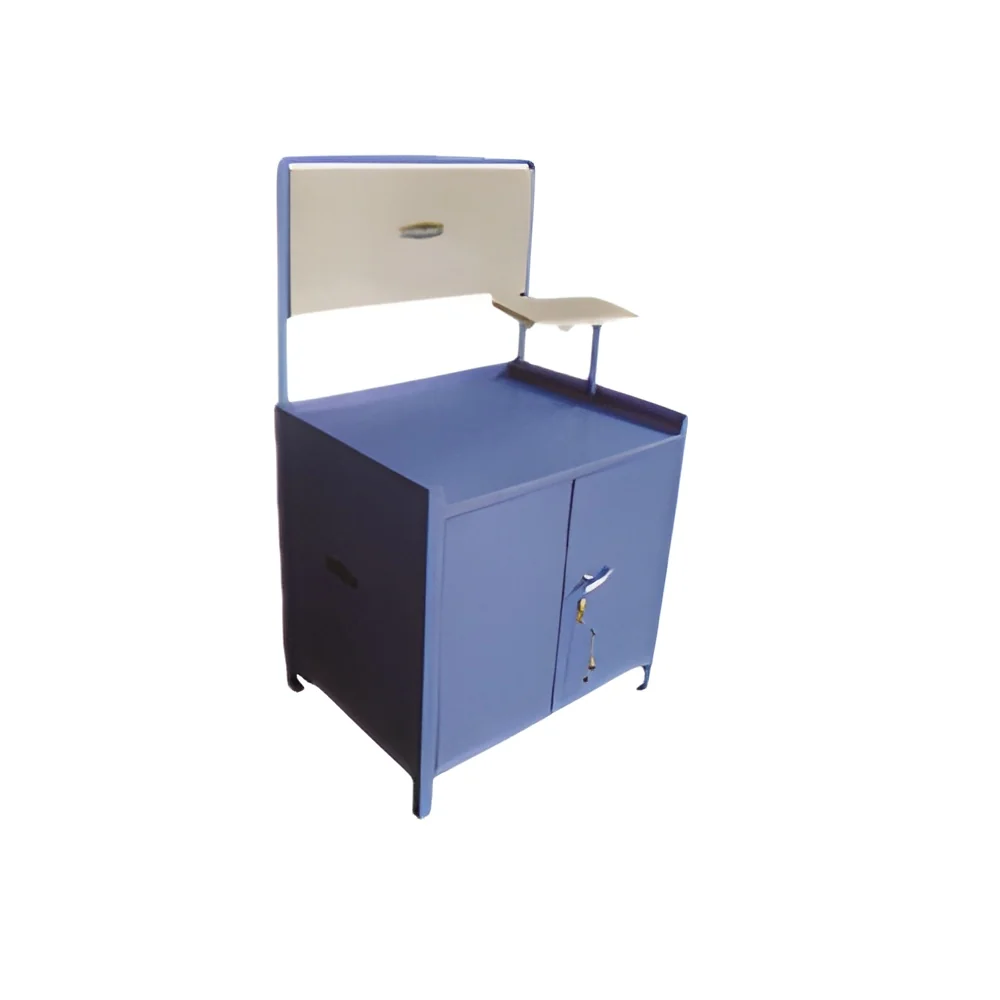
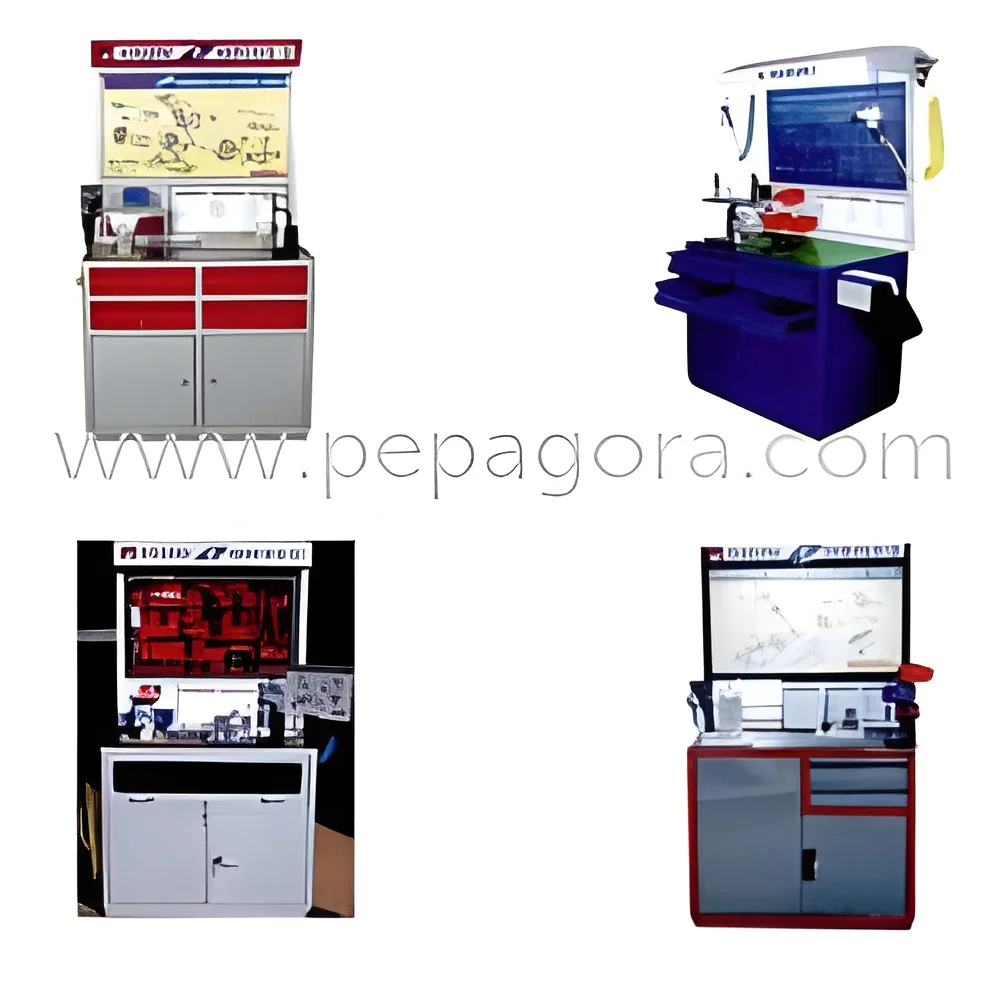
Workbench with Tool Storage
Featuring built-in storage solutions, these workbenches keep tools organized and easily accessible. They are particularly useful in workshops where space is limited.
𝗕𝗲𝗻𝗲𝗳𝗶𝘁𝘀 𝗮𝗻𝗱 𝗔𝗱𝘃𝗮𝗻𝘁𝗮𝗴𝗲𝘀
Investing in high-quality workbenches and workshop tools offers numerous benefits to businesses.
1. Enhanced Productivity: A well-designed workbench increases efficiency, allowing workers to complete tasks faster and with greater accuracy.
2. Improved Organization: Integrated storage options help maintain a tidy workspace, reducing the time spent searching for tools and materials.
3. Customization Options: Many workbenches can be tailored to specific needs, ensuring they meet the unique requirements of various applications.
4. Increased Durability: Quality construction materials extend the life of workbenches and tools, resulting in cost savings over time.
5. Safety Assurance: Features such as non-slip surfaces and rounded edges minimize the risk of accidents, promoting a safer work environment.
6. Versatility: Workbenches can be used across multiple industries, making them a valuable investment for businesses with diverse operations.
𝗕𝘂𝘆𝗶𝗻𝗴 𝗚𝘂𝗶𝗱𝗲 𝗳𝗼𝗿 𝗕𝟮𝗕 𝗕𝘂𝘆𝗲𝗿𝘀
When sourcing workbenches and workshop tools, B2B buyers should consider several key factors to ensure they make the right purchase.
1. Quality Assessment: Focus on the materials and construction methods used in the workbench and tools. High-quality products may have certifications indicating adherence to industry standards.
2. Supplier Verification: It is crucial to vet potential suppliers to ensure they are reputable and can deliver quality products consistently. Check reviews, references, and certifications.
3. Pricing and MOQ: Understand the pricing structure and minimum order quantities required by suppliers. This ensures that the purchase aligns with budgetary constraints and operational needs.
4. Delivery and Lead Times: Inquire about logistics and expected delivery times. Timely delivery is essential for maintaining workflow and productivity.
5. Compliance Requirements: Ensure that the products meet any relevant regulatory and safety standards in your region. This may include certifications such as CE marking.
𝗖𝗼𝗺𝗽𝗹𝗶𝗮𝗻𝗰𝗲 𝗮𝗻𝗱 𝗖𝗲𝗿𝘁𝗶𝗳𝗶𝗰𝗮𝘁𝗶𝗼𝗻𝘀
Compliance with quality standards and certifications is critical for workbenches and workshop tools. Adhering to standards such as ISO 9001 ensures that products meet international quality management criteria. This certification is widely recognized and demonstrates a commitment to quality.
Additionally, the CE marking indicates that the products conform to European safety, health, and environmental protection standards. This is particularly relevant for businesses operating within or exporting to the European market.
Safety and testing requirements should not be overlooked. Products need to undergo rigorous testing to ensure they can withstand the stresses of industrial use. Regional compliance considerations must also be addressed, as different areas may have specific regulations governing the use and sale of industrial equipment.
𝗪𝗵𝘆 𝗦𝗼𝘂𝗿𝗰𝗲 𝗪𝗼𝗿𝗸𝗯𝗲𝗻𝗰𝗵𝗲𝘀 & 𝗪𝗼𝗿𝗸𝘀𝗵𝗼𝗽 𝗧𝗼𝗼𝗹𝘀 𝗳𝗿𝗼𝗺 𝗣𝗲𝗽𝗮𝗴𝗼𝗿𝗮?
Pepagora provides a trusted platform for sourcing workbenches and workshop tools, offering several key advantages that cater to B2B buyers.
Verified Supplier Network: Pepagora connects buyers with a vetted network of suppliers. This ensures that businesses can find reliable partners who provide high-quality products.
Streamlined RFQ Process: The platform features an efficient request-for-quotation (RFQ) system, simplifying the procurement process. Buyers can quickly receive competitive quotes from multiple suppliers, saving time and effort.
Trade Assurance and Support: Pepagora prioritizes buyer protection through trade assurance measures. This provides an added layer of security, giving businesses confidence in their purchases.
Regional Coverage: With a focus on regions like India, the GCC, and Southeast Asia, Pepagora offers extensive geographic reach. This allows businesses to access a diverse range of suppliers and products tailored to their specific market needs.

 IN
IN