
 IN
Wire Tracers & Fault Locators
5 products available
What are Wire Tracers & Fault Locators?
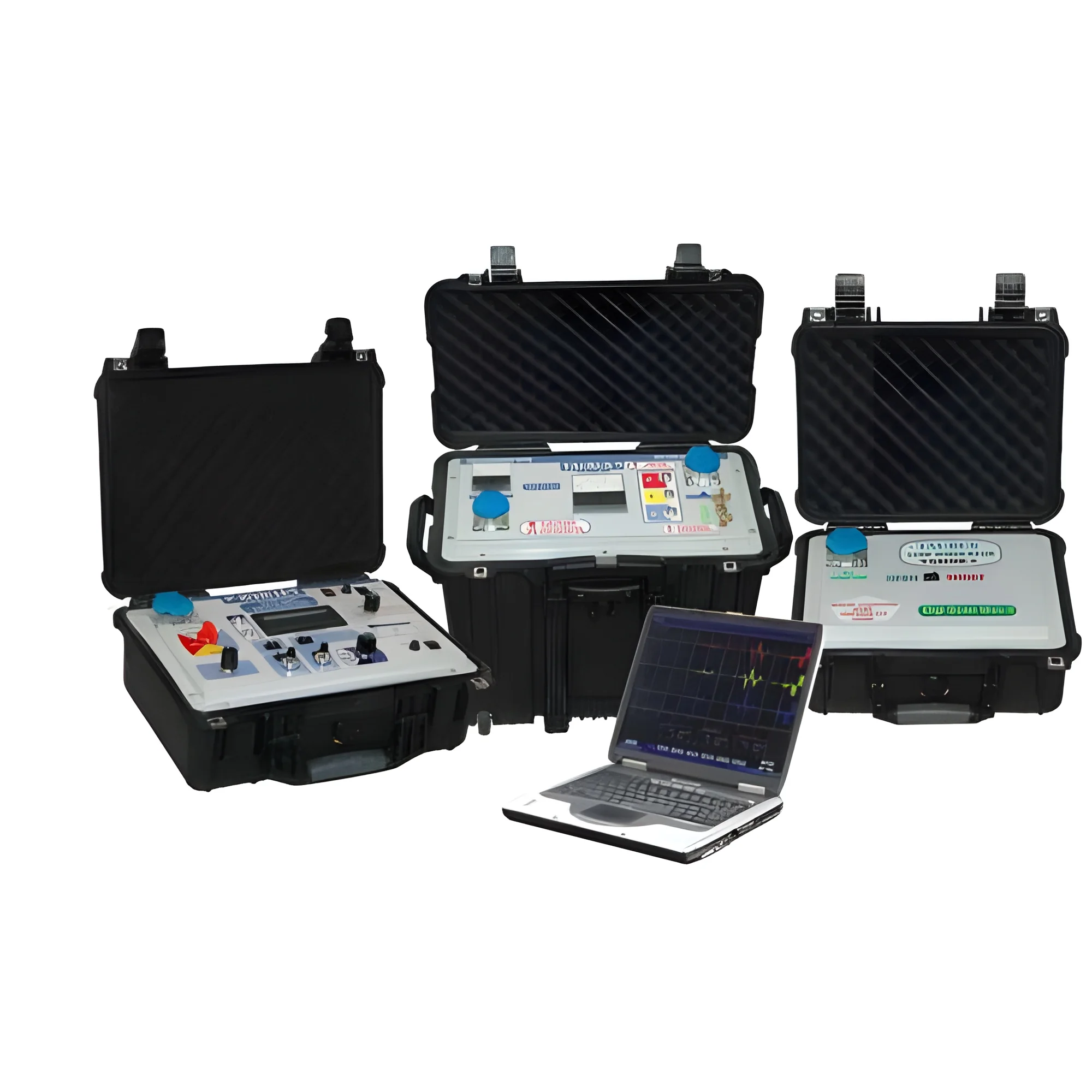
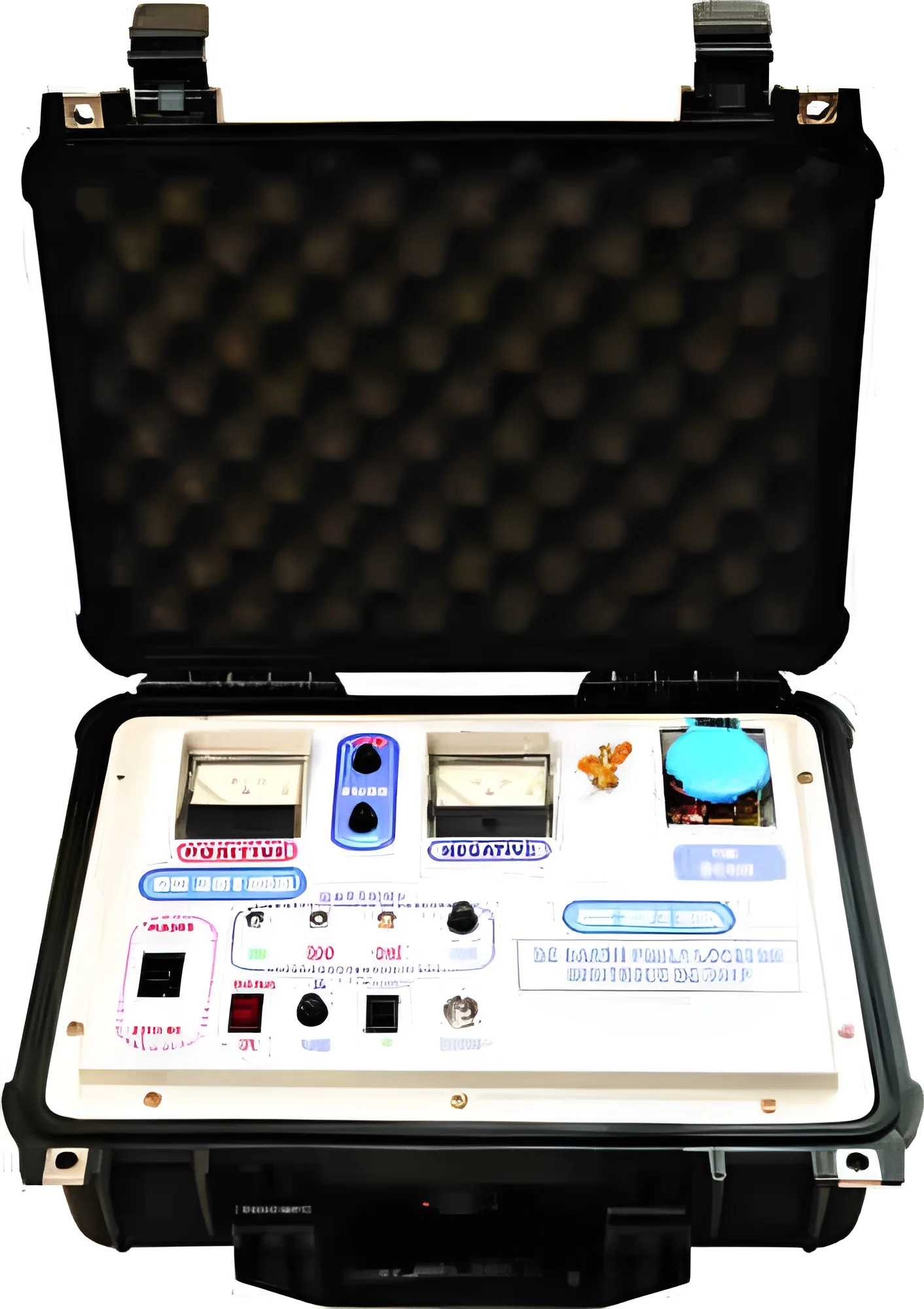
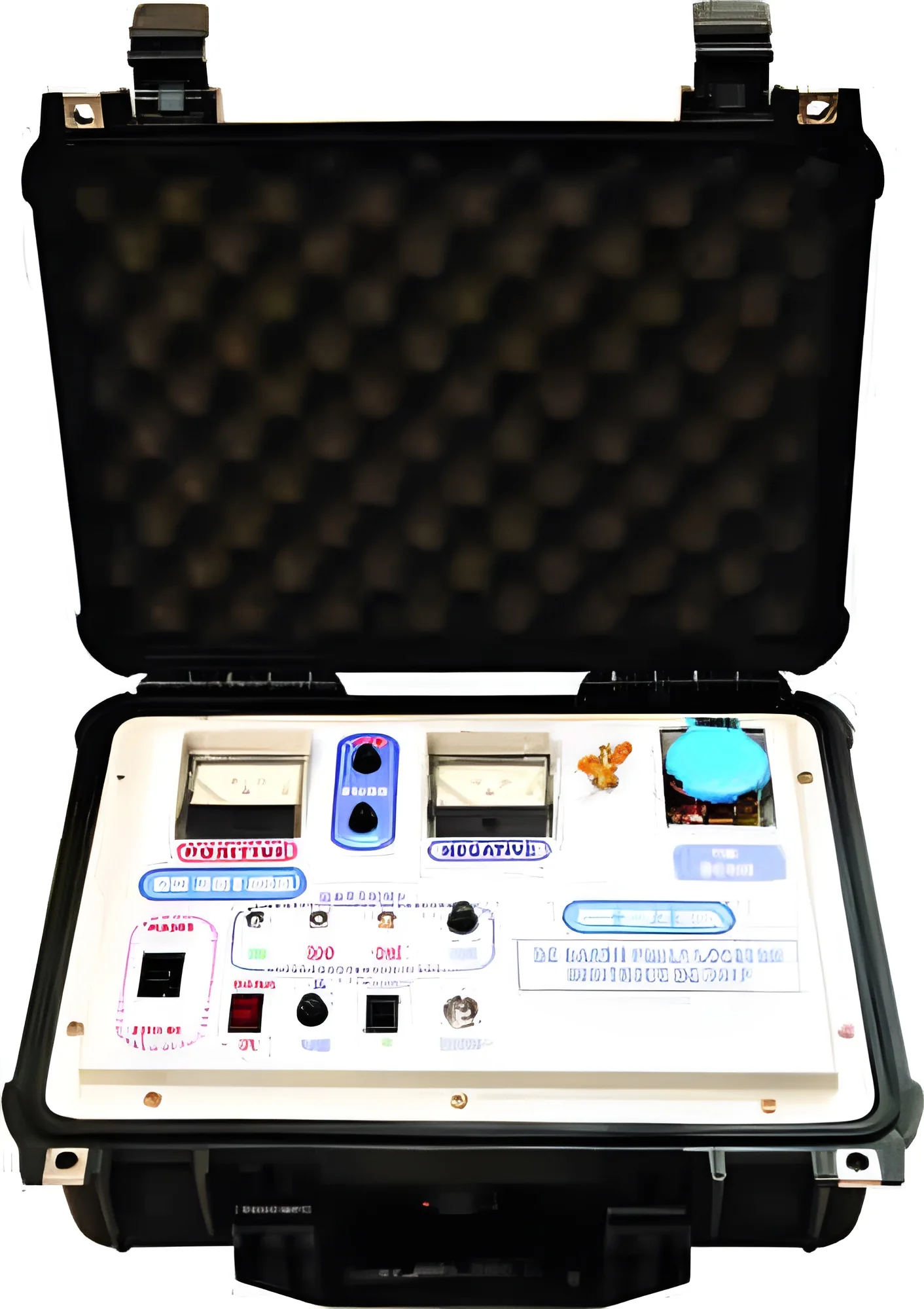
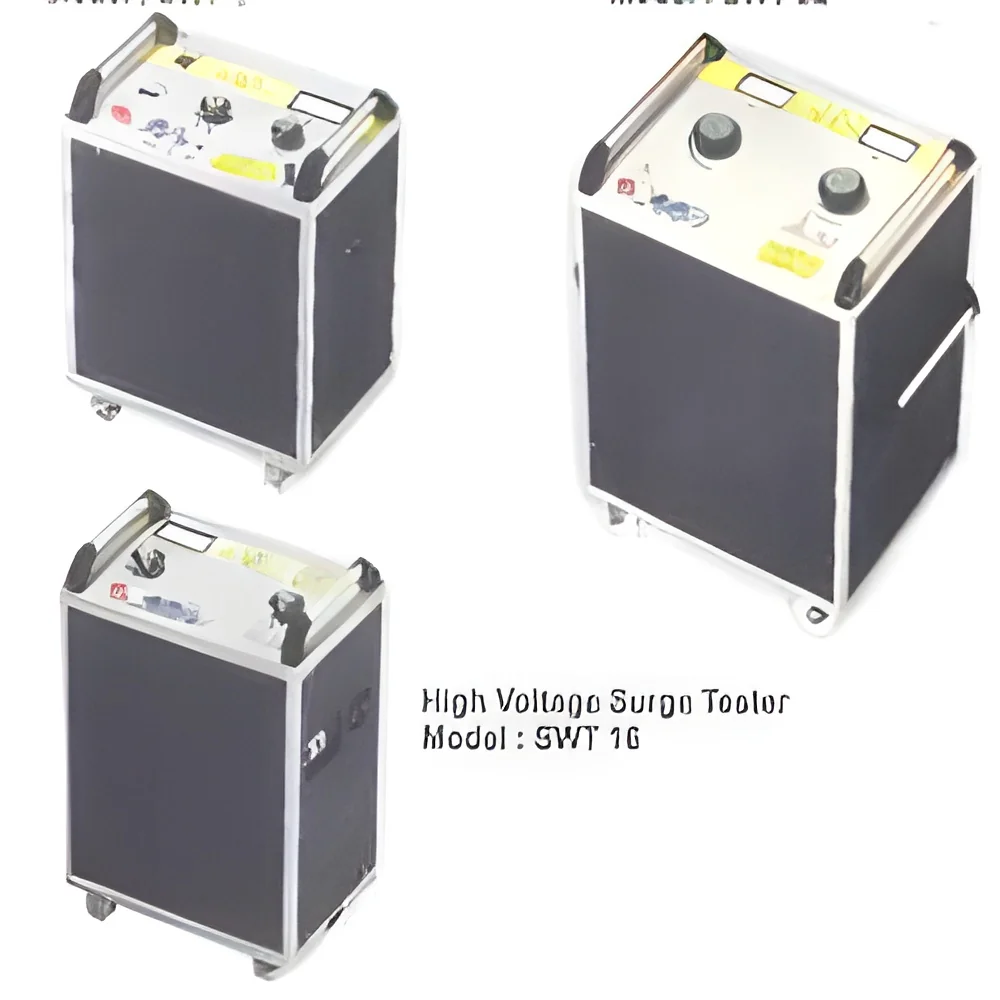
Wire tracers and fault locators are specialized tools designed to identify and troubleshoot issues in electrical wiring systems. These devices facilitate the detection of wire paths, locate faults in electrical circuits, and enable technicians to efficiently resolve electrical problems. By utilizing advanced technology, wire tracers and fault locators can pinpoint issues without the need for invasive methods, saving time and minimizing disruption.
These tools are primarily used in a variety of business applications, including electrical installation, maintenance, and repair within commercial and industrial environments. For example, electricians rely on wire tracers for locating hidden wires behind walls or underground, ensuring that installations are safe and code-compliant. Fault locators are essential for diagnosing problems in electrical systems, such as short circuits or open circuits, thereby enhancing operational efficiency.
The relevance of wire tracers and fault locators spans multiple industries, including construction, telecommunications, and manufacturing. As technology evolves, the demand for efficient and effective electrical troubleshooting tools has increased. This market context highlights the need for reliable equipment that can adapt to various challenges faced by electrical professionals in their respective fields.
Key Features and Specifications
Wire tracers and fault locators are equipped with several key features that enhance their functionality and usability. These features are designed to provide accurate results and improve the overall experience for users.
Key specifications include:
1. Detection Range
- The detection range refers to the maximum distance at which the device can accurately locate wires or faults.
- Typical ranges can vary from a few feet to over 1000 feet, depending on the model.
2. Signal Type
- Many devices use different signal types, such as tone or digital signals, to trace wires.
- The type of signal can affect the clarity of detection and the ability to differentiate between wires.
3. Power Source
- Most wire tracers and fault locators operate on rechargeable batteries or standard power sources.
- Battery life can vary, impacting operational efficiency in the field.
4. Display Features
- The display may include digital readouts, LED indicators, or graphical interfaces.
- Clear displays enhance user experience by providing easy-to-read information.
5. Sensitivity Settings
- Adjustable sensitivity settings allow users to customize the device for various environments.
- This feature helps in reducing false positives and improving accuracy.
6. Size and Weight
- Compact and lightweight designs enhance portability and ease of use in tight spaces.
- This factor is crucial for professionals who need to carry equipment over long distances.
7. Durability
- Many models are designed to withstand harsh conditions, including dust, moisture, and impacts.
- Durability is essential for maintaining performance in industrial settings.
8. Warranty and Support
- A robust warranty and support service can provide peace of mind for buyers.
- This aspect is important for long-term investments in equipment.
In summary, understanding the key features and specifications of wire tracers and fault locators is essential for selecting the right tool for specific applications. Businesses should consider these factors to ensure they choose equipment that meets their operational needs.
Common Applications and Use Cases
Wire tracers and fault locators serve various industries that rely on electrical systems and infrastructure maintenance.
1. Electrical Contracting: Electricians use these tools to locate wires and diagnose faults in residential and commercial buildings, ensuring safe installations and repairs.
2. Telecommunications: Technicians employ wire tracers to manage cable networks, identify service disruptions, and maintain system integrity in telecommunication facilities.
3. Manufacturing: In manufacturing plants, these devices help in maintaining machinery and equipment by quickly locating electrical faults that could lead to production downtime.
4. Utilities: Utility companies utilize fault locators for efficient troubleshooting of electrical grids, minimizing outage duration and enhancing service reliability.
5. Automotive: Technicians in the automotive industry use wire tracers to diagnose electrical issues in vehicles, ensuring timely repairs and safety measures.
6. HVAC Systems: HVAC professionals rely on these tools to trace wires and ensure that electrical components are functioning correctly, contributing to efficient climate control.
7. Data Centers: Operators in data centers use wire tracers to manage complex wiring setups, ensuring minimal downtime during maintenance and upgrades.
Product Variants and Subcategories
Wire tracers and fault locators are available in a variety of models designed to meet specific user needs.
Professional Wire Tracer
This variant is designed for heavy-duty applications and features advanced detection capabilities. It is ideal for professional electricians who require precision and reliability in challenging environments.
Digital Fault Locator
The digital fault locator provides real-time data and visual feedback to users. Its advanced technology makes it suitable for diagnosing complex electrical issues quickly and effectively.
Economy Wire Tracer
This more affordable option is perfect for small businesses or DIY enthusiasts. It offers basic features that are easy to use, making it a practical choice for non-professional applications.
Compact Wire Locator
Designed for portability, this variant is lightweight and easy to carry, making it suitable for technicians who need a reliable tool for fieldwork.
Benefits and Advantages
Wire tracers and fault locators offer significant advantages for businesses that rely on electrical systems.
1. Enhanced Efficiency: These tools streamline the troubleshooting process, allowing technicians to quickly identify problems and reduce downtime.
2. Cost Savings: By accurately locating faults, businesses can avoid unnecessary repairs and minimize operational disruptions, leading to cost savings.
3. Improved Safety: Wire tracers help prevent accidental damage to wiring during maintenance, enhancing safety for technicians and reducing risks of electrical hazards.
4. Versatility: These devices can be used across various industries, making them a valuable addition to any maintenance toolkit.
5. User-Friendly Design: Many models feature intuitive interfaces, making them accessible for technicians of all skill levels.
6. Long-Term Reliability: Quality wire tracers and fault locators are built to last, providing dependable performance over time.
Buying Guide for B2B Buyers
When sourcing wire tracers and fault locators, B2B buyers should consider several important factors.
1. Quality Assessment: It's essential to evaluate the quality of the devices by checking for durability, user reviews, and brand reputation. High-quality products typically offer better performance and longevity.
2. Supplier Verification: Buyers should vet suppliers to ensure they have a reliable track record and adhere to industry standards. This can be done through background checks and reviewing certifications.
3. Pricing and MOQ: Understanding the pricing structure and minimum order quantities can aid in budgeting and planning for procurement. Compare quotes from multiple suppliers to find the best value.
4. Delivery and Lead Times: Consider logistics and delivery times when placing an order, as delays can impact operations. Ensure the supplier can meet your delivery expectations.
5. Compliance Requirements: Be aware of any regulatory requirements relevant to wire tracers and fault locators. Compliance with safety standards ensures that the equipment is safe and effective for use.
Compliance and Certifications
Wire tracers and fault locators must meet various quality standards and regulations to ensure they are safe and effective for use in different industries. Relevant quality standards such as ISO 9001 demonstrate a commitment to quality management systems and effective product delivery.
Additionally, many wire tracers and fault locators carry industry certifications like UL and CE. These certifications indicate that the products meet specific safety and performance criteria established by regulatory bodies. Compliance with these standards is crucial for businesses that prioritize safety and reliability in their operations.
Moreover, manufacturers must adhere to safety and testing requirements to ensure that their devices function correctly under specified conditions. Regional compliance considerations may also come into play, as different areas may have unique regulations regarding electrical equipment. Ensuring compliance with these standards helps build trust with customers and enhances the credibility of the product.
Why Source Wire Tracers & Fault Locators from Pepagora?
Pepagora offers a trusted platform for sourcing wire tracers and fault locators with several key advantages.
Verified Supplier Network: Pepagora connects buyers with a network of verified suppliers, ensuring that they receive high-quality products from reputable manufacturers. This verification process helps mitigate risks associated with procurement.
Streamlined RFQ Process: The platform features an efficient request for quotation (RFQ) process, allowing buyers to easily compare offers from multiple suppliers. This transparency facilitates informed decision-making and enhances competitiveness.
Trade Assurance and Support: Pepagora provides trade assurance and support services, protecting buyers throughout the purchasing process. This support includes assistance with logistics and dispute resolution, promoting a smooth transaction experience.
Regional Coverage: With a focus on markets in India, the GCC, and Southeast Asia, Pepagora offers extensive regional coverage. This geographic reach ensures that businesses have access to a diverse range of products and suppliers tailored to their specific needs.


 India

Frequently Asked Questions
What are Wire Tracers & Fault Locators?
Wire Tracers & Fault Locators are specialized tools used to identify and trace electrical wires and cables, as well as locate faults or breaks in the wiring. They are essential for electricians and technicians to ensure safe and efficient repairs or installations in various electrical systems.
What are the different types of Wire Tracers & Fault Locators?
There are several types of Wire Tracers & Fault Locators, including analog and digital models. Some devices are designed for specific applications, such as non-contact tracing, while others can detect both live and non-live wires, providing versatility for different electrical tasks.
How do I choose the right Wire Tracers & Fault Locators?
When selecting Wire Tracers & Fault Locators, consider factors such as the type of electrical system you are working with, the range and accuracy of the device, and additional features like signal strength indicators. It is also important to assess the manufacturer's reputation and customer reviews to ensure reliability.
What are the standard specifications for Wire Tracers & Fault Locators?
Standard specifications for Wire Tracers & Fault Locators typically include operating voltage range, frequency range, and sensitivity levels. Other important specifications may involve display type, battery life, and the distance over which a wire can be traced effectively.
What is the price range for Wire Tracers & Fault Locators?
The price range for Wire Tracers & Fault Locators can vary significantly based on features and specifications. Generally, basic models start at around INR 2,000, while advanced devices with specialized functions can cost upwards of INR 20,000.
What quality standards apply to Wire Tracers & Fault Locators?
Wire Tracers & Fault Locators must comply with various quality standards and certifications, such as ISO and CE certifications, which ensure that they meet safety and performance requirements. Additionally, manufacturers often adhere to industry-specific standards to ensure reliability and accuracy.
Where can I find Wire Tracers & Fault Locators suppliers in India?
You can find Wire Tracers & Fault Locators suppliers in India through various channels, including online B2B marketplaces, trade shows, and industry directories. Websites like Pepagora.com offer a platform to connect with reputable suppliers and manufacturers across the country.
Can Wire Tracers & Fault Locators be customized?
Yes, many manufacturers offer customization options for Wire Tracers & Fault Locators based on specific user requirements. Customization may include features such as additional connectivity options, branding, or tailored packaging for bulk orders.
What is the typical minimum order quantity for Wire Tracers & Fault Locators?
The typical minimum order quantity (MOQ) for Wire Tracers & Fault Locators varies by supplier and product type. Generally, MOQs can range from 5 to 50 units, depending on the manufacturer’s policies and the specific model requested.
What is the typical lead time for Wire Tracers & Fault Locators?
The typical lead time for Wire Tracers & Fault Locators can vary based on factors such as the supplier's inventory and customization requests. Generally, lead times can range from 1 to 4 weeks for standard orders, while customized orders may take longer.
Why Businesses Trust Pepagora
Thousands of companies trust Pepagora to source smarter and sell faster
Expand Your Sales Globally

Source Smarter,Grow Faster
