What are Phase Testers?
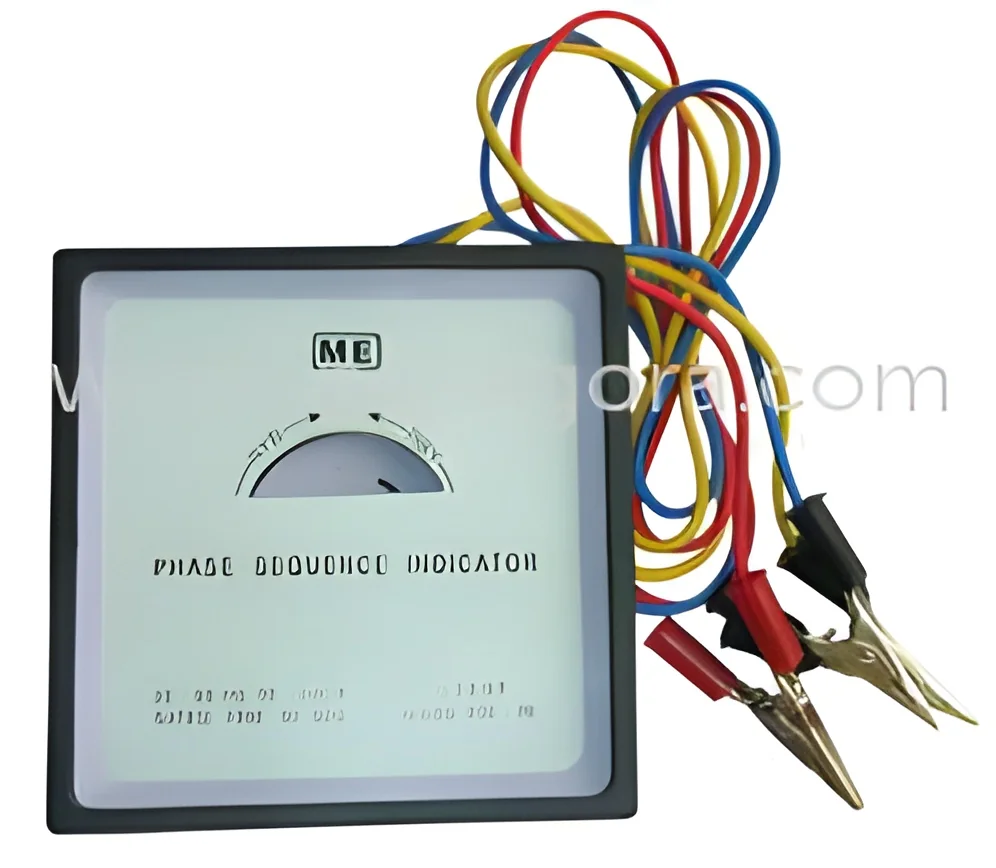
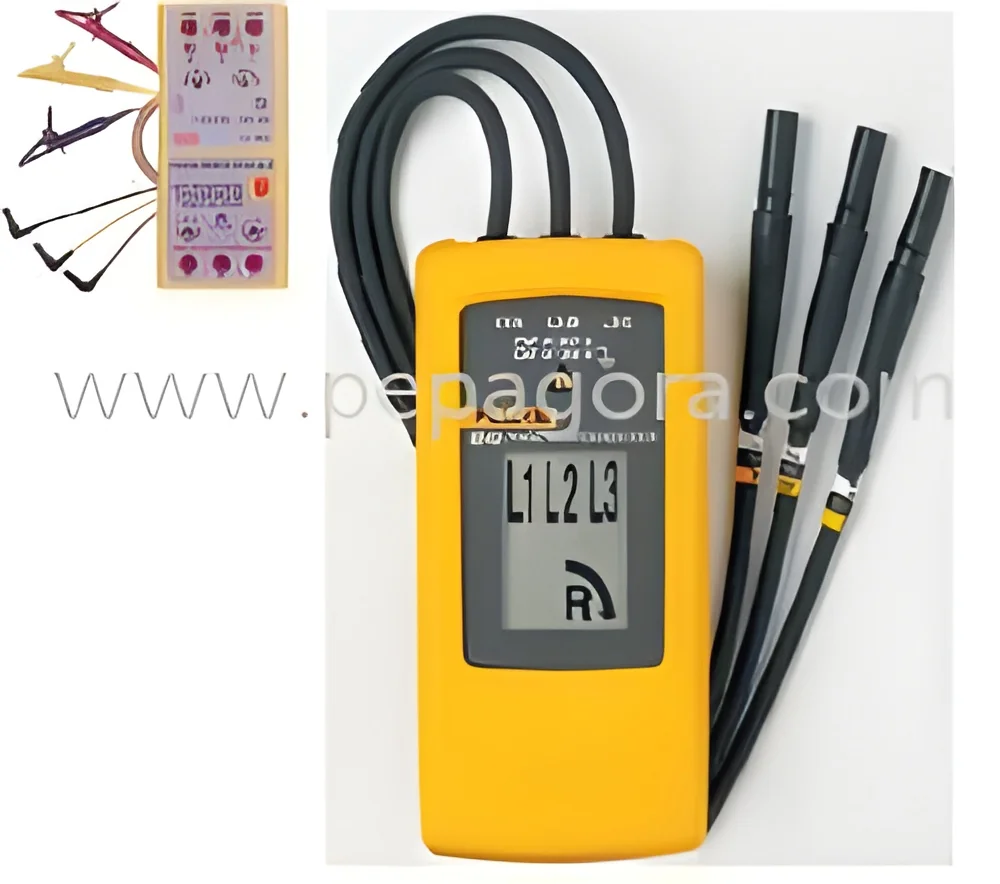
Phase testers are specialized electrical devices used to determine the phase rotation of three-phase electrical systems. These testers help identify the correct phase sequence, which is critical for the proper operation of three-phase motors and other equipment. By providing a clear indication of phase relationships, these devices ensure that systems operate efficiently and safely.
The primary uses of phase testers include verifying phase rotation in motors, transformers, and other three-phase equipment. They are commonly employed in maintenance and troubleshooting tasks by electricians and technicians in various industrial settings. By ensuring that equipment is connected properly, phase testers help prevent damage to machinery and enhance operational efficiency.
In the current market, phase testers are highly relevant due to the increasing reliance on three-phase power systems across industries. With the growing complexity of electrical systems, the demand for accurate testing and troubleshooting tools continues to rise. This trend positions phase testers as essential tools for electrical contractors, maintenance professionals, and industrial operators.
Key Features and Specifications
Phase testers come equipped with a variety of features that enhance their functionality and reliability. Understanding these specifications helps users select the right tool for their needs.
Key specifications include:
1. Phase Sequence Detection
- This specification allows the tester to identify whether the phase sequence is correct or incorrect.
- Typical parameters include a color-coded display for easy interpretation.
2. Voltage Range
- Phase testers can operate within specific voltage ranges to ensure compatibility with different systems.
- Common ranges include 100V to 600V.
3. Display Type
- Many phase testers feature digital displays for precise readings, while others may have analog displays.
- Digital displays often provide additional information, such as phase angle.
4. Compact Design
- The ergonomic and lightweight design allows for easy handling and portability.
- Many models can fit comfortably in tool belts or cases.
5. Durability
- Phase testers are often built with sturdy materials to withstand harsh working environments.
- Some models may be rated for water and dust resistance.
6. Safety Features
- Many devices come with built-in safety features, such as overload protection and insulated probes.
- This ensures user safety during operation.
7. Battery Life
- Extended battery life allows for prolonged usage without frequent recharging.
- Some models may offer rechargeable battery options.
8. Compliance with Standards
- These tools often meet industry standards for safety and performance.
- Compliance with certifications such as CE is common.
In summary, phase testers are equipped with a range of features that enhance their usability in various industrial applications. Proper understanding of these specifications aids in selecting the most suitable device for specific tasks.
Common Applications and Use Cases
Phase testers are utilized across multiple industries, showcasing their versatility and importance in electrical maintenance.
1. Manufacturing: In manufacturing plants, phase testers are essential for ensuring the correct phase sequence in motors that drive production equipment. This helps prevent operational issues and equipment damage.
2. Construction: Electricians on construction sites use phase testers to verify phase rotation before connecting new electrical installations. This prevents costly mistakes during the setup of power distribution systems.
3. Utilities: In utility companies, phase testers are crucial for troubleshooting and maintaining three-phase power lines. Their accurate detection capabilities ensure reliable service delivery.
4. HVAC: In heating, ventilation, and air conditioning systems, phase testers are used to check the phase sequence of motors in large HVAC units. This ensures efficient operation and longevity of the equipment.
5. Marine: In marine applications, phase testers help maintain electrical systems on ships. Proper phase rotation is vital for the operation of onboard machinery and safety systems.
6. Automotive: In automotive manufacturing, phase testers are employed to ensure the correct phase sequence of motors in assembly lines. This is vital for maintaining production efficiency.
7. Renewable Energy: In solar and wind energy systems, phase testers are used to verify the phase sequence of inverters. This ensures optimal performance and safety of renewable energy installations.
Product Variants and Subcategories
Phase testers come in various types, each designed for specific applications and user needs. Their diversity allows for tailored solutions across different sectors.
Basic Phase Tester
This variant is designed for straightforward phase sequence detection and is ideal for general electrical applications. It is lightweight and easy to use, making it suitable for both professionals and DIY enthusiasts.
Advanced Phase Tester
The advanced model offers additional features such as digital displays and enhanced accuracy. It is used in complex industrial settings where precision is critical.
Non-Contact Phase Tester
This variant allows users to detect phase presence without direct contact. It is useful for troubleshooting live circuits safely, making it a preferred choice for electricians.
Portable Phase Tester
This model is compact and battery-operated, making it ideal for fieldwork. Its portability allows technicians to perform tests on-site without needing extensive equipment.
Benefits and Advantages
Phase testers provide numerous benefits that enhance operational reliability and safety in electrical systems.
1. Increased Safety: By verifying phase rotation before equipment connection, phase testers help prevent accidents and equipment damage, ensuring a safer working environment.
2. Improved Efficiency: Correct phase sequencing enhances the performance of motors and other equipment, leading to increased operational efficiency and reduced downtime.
3. Cost Savings: By preventing equipment failure and minimizing troubleshooting time, phase testers contribute to significant cost savings in maintenance and repair.
4. User-Friendly Design: Many phase testers are designed with intuitive interfaces, making them easy to use even for those with limited experience in electrical testing.
5. Versatile Applications: The ability to use phase testers across various industries makes them a valuable tool for multiple applications, from manufacturing to renewable energy.
6. Enhanced Troubleshooting: Phase testers enable quick identification of issues in electrical systems, allowing for timely intervention and maintenance.
Buying Guide for B2B Buyers
When sourcing phase testers, several key factors should be considered to ensure the right choice for your business needs.
1. Quality Assessment: Look for phase testers that meet industry standards and have certifications like CE. Assess the materials used in construction to ensure durability and reliability.
2. Supplier Verification: Vet suppliers thoroughly to ensure they are reputable and provide high-quality products. Check reviews, certifications, and their history in the industry.
3. Pricing and MOQ: Understand the pricing structure and minimum order quantities. Evaluate whether bulk purchasing options are available for cost savings.
4. Delivery and Lead Times: Consider logistics and delivery times to ensure that the phase testers can be acquired when needed. Discuss lead times with suppliers to avoid project delays.
5. Compliance Requirements: Ensure the products meet all necessary compliance and safety regulations in your region. This is crucial for legal and operational reasons.
Compliance and Certifications
Phase testers must adhere to several quality standards and industry certifications to ensure safety and reliability. Compliance with ISO 9001 standards signifies that the product meets international quality management criteria, ensuring consistent quality and performance.
Additionally, many phase testers are certified with CE marking, indicating that they conform to European health, safety, and environmental protection standards. This certification is crucial for products sold in European markets and reinforces their reliability.
Safety and testing requirements are also vital in the production of phase testers. Manufacturers should follow stringent safety protocols during design and testing to prevent hazards associated with electrical devices.
Finally, regional compliance considerations must be addressed. Different regions may have specific regulations regarding electrical testing equipment, and it is essential that phase testers meet these local requirements to ensure safe operation.
Why Source Phase Testers from Pepagora?
Pepagora offers a trusted platform for sourcing phase testers with several key advantages that benefit B2B buyers.
Verified Supplier Network: Pepagora maintains a network of verified suppliers, ensuring that buyers have access to high-quality phase testers from reputable manufacturers. This verification process builds confidence in product quality.
Streamlined RFQ Process: The request for quotation (RFQ) process on Pepagora is designed to be user-friendly, allowing buyers to easily compare multiple offers from suppliers. This simplifies the sourcing decision and enables efficient procurement.
Trade Assurance and Support: Pepagora provides trade assurance, offering protection for buyers against potential risks. Additionally, their customer support team is available to assist with inquiries and resolve issues, ensuring a smooth purchasing experience.
Regional Coverage: With a strong presence in India, the GCC, and Southeast Asia, Pepagora ensures that buyers can source phase testers locally and efficiently. This regional coverage enhances accessibility and convenience for diverse businesses.

 IN
IN