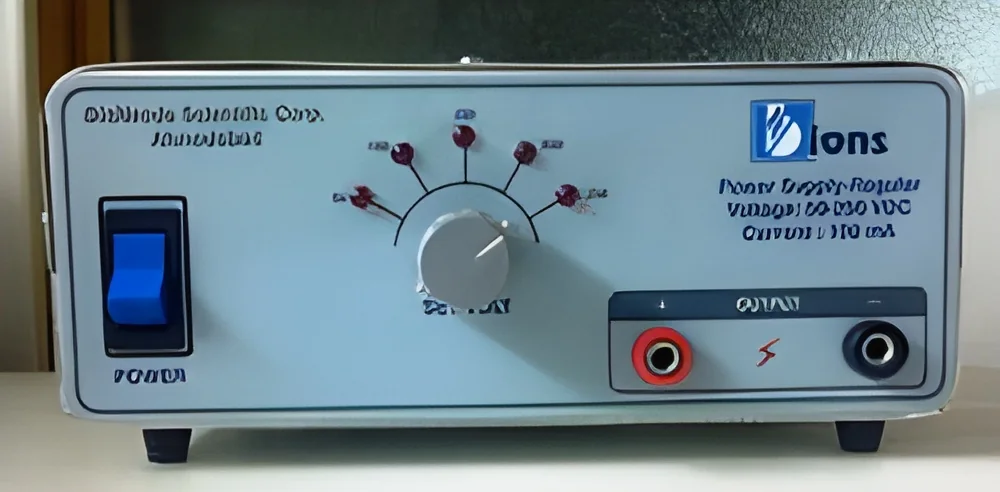
What are Voltage Detectors?
Voltage detectors are essential tools used to identify the presence of voltage in electrical circuits and equipment. These devices can detect different voltage levels and help ensure the safety of personnel working with or near electrical systems. By indicating whether a circuit is live or not, voltage detectors play a crucial role in electrical maintenance and safety protocols.
The primary uses of voltage detectors include maintenance checks, installation of electrical systems, and troubleshooting electrical issues. Businesses in sectors such as construction, manufacturing, and energy rely on these devices to prevent electrical accidents and ensure compliance with safety regulations. As industries increasingly prioritize safety and efficiency, the demand for reliable voltage detectors continues to grow, making them a vital component in modern electrical applications.
In the current market context, voltage detectors are becoming more sophisticated, with advancements in technology leading to enhanced features such as digital displays, multiple voltage range detection, and compact designs. This evolution reflects the industry's ongoing commitment to improving safety and operational efficiency.
Key Features and Specifications
Voltage detectors come equipped with various features and specifications that make them suitable for different applications. Understanding these features is crucial when selecting the right detector for your needs.
Key specifications include:
1. Voltage Range
- Voltage detectors typically cover a wide range of voltages, often from low voltage (up to 600V) to high voltage (above 1000V).
- Some models may offer selectable voltage ranges for versatility.
2. Sensitivity Level
- Detectors may have varying sensitivity levels that determine the minimum voltage they can detect.
- High sensitivity models can detect lower voltages, enhancing safety in diverse environments.
3. Display Type
- Many voltage detectors feature digital or analog displays to indicate voltage presence.
- A clear display is essential for quick readings in various lighting conditions.
4. Safety Rating
- Most voltage detectors are designed with safety ratings to comply with industry standards.
- Ratings may include categories for insulation and impact resistance.
5. Battery Life
- Battery-operated models should have extended battery life to ensure reliability during use.
- Some detectors offer low battery indicators to prevent unexpected failures.
6. Weight and Portability
- Lightweight designs enhance portability, making it easier for technicians to carry them on job sites.
- Compact designs are also beneficial for storage and transportation.
7. Compliance Certifications
- Many voltage detectors are certified to meet specific safety standards, such as CE certification.
- Compliance with regional regulations is crucial for market acceptance.
In summary, selecting a voltage detector with the right combination of features and specifications is essential for maximizing safety and operational efficiency in various applications.
Common Applications and Use Cases
Voltage detectors find applications across several industries, making them versatile tools for professionals.
1. Electrical Maintenance: Technicians use voltage detectors during routine checks to ensure electrical systems are safe to work on, preventing accidental electrocutions.
2. Construction: In construction sites, voltage detectors are critical for ensuring the safety of workers when installing or repairing electrical systems.
3. Manufacturing: These devices help monitor machinery that operates on electrical power, ensuring that systems remain within safe voltage levels to prevent equipment failure.
4. Energy Sector: Voltage detectors are vital in power generation and distribution, ensuring that electrical lines are safe for maintenance and preventing outages.
5. Telecommunications: In telecom installations, voltage detectors help technicians identify live circuits to avoid service interruptions during maintenance.
6. HVAC Systems: HVAC technicians use voltage detectors to ensure safe operation and maintenance of heating and cooling systems that rely on electrical power.
7. Automotive: In automotive repair, voltage detectors assist mechanics in diagnosing electrical issues in vehicles, ensuring safe troubleshooting procedures.
Product Variants and Subcategories
Voltage detectors come in various designs to accommodate different needs and preferences in the industrial sector.
Non-Contact Voltage Detectors
These detectors allow users to detect voltage without direct contact with the electrical source. They are especially useful for quickly identifying live wires and can enhance safety by minimizing the risk of electrical shock.
Pen-Style Voltage Detectors
Compact and easy to use, pen-style voltage detectors are ideal for quick checks in tight spaces. They are commonly used by electricians and maintenance professionals for their convenience and portability.
Digital Voltage Detectors
Featuring advanced technology, digital voltage detectors provide precise readings and may include additional features such as data logging and connectivity options. These devices are suitable for applications requiring detailed analysis and reporting.
Benefits and Advantages
The use of voltage detectors offers several benefits that enhance safety and efficiency in electrical work.
1. Safety Assurance: Voltage detectors help prevent electrical accidents by ensuring circuits are de-energized before maintenance work begins.
2. Compliance with Regulations: By using voltage detectors, businesses can meet safety regulations and standards, reducing liability and enhancing workplace safety.
3. Increased Efficiency: Quick voltage detection allows technicians to work more efficiently, minimizing downtime and improving productivity in electrical maintenance and installation.
4. Versatility: Voltage detectors are useful across various applications and industries, making them a valuable investment for professionals.
5. Cost-Effective: Investing in reliable voltage detectors can save companies money by preventing accidents and reducing equipment damage.
6. User-Friendly: Many voltage detectors are designed for ease of use, allowing even less experienced personnel to operate them safely and effectively.
Buying Guide for B2B Buyers
When sourcing voltage detectors, it is essential for B2B buyers to consider several critical factors to ensure they select the right product for their needs.
1. Quality Assessment: Look for voltage detectors from reputable manufacturers with a history of quality. Check for product reviews and performance ratings to ensure reliability.
2. Supplier Verification: Vet suppliers to ensure they have the necessary certifications and a proven track record in delivering quality products. This includes checking references and past client feedback.
3. Pricing and MOQ: Consider the pricing structure and minimum order quantities. Ensure that the costs align with your budget while also evaluating the long-term value of the product.
4. Delivery and Lead Times: Assess the supplier’s ability to deliver products within your required timeframe. Understanding lead times is crucial for planning and project management.
5. Compliance Requirements: Verify that the voltage detectors meet industry-specific compliance standards. This includes checking for necessary certifications and adherence to local regulations.
Compliance and Certifications
Voltage detectors must adhere to various compliance and certification standards to ensure their safety and reliability. One of the key quality management standards is ISO 9001, which ensures that manufacturers follow established procedures for maintaining product quality.
In addition, industry certifications such as CE certification indicate that voltage detectors meet European safety and performance standards. Compliance with these standards is essential for gaining market acceptance and ensuring customer trust.
Safety and testing requirements vary by region, and manufacturers must conduct thorough testing to ensure their products can withstand the conditions they will encounter in the field. Regional compliance considerations may include local electrical safety standards, which can differ significantly from one area to another.
Why Source Voltage Detectors from Pepagora?
Pepagora offers a trusted platform for sourcing voltage detectors, providing several key advantages for B2B buyers.
Verified Supplier Network: Pepagora connects buyers with a network of verified suppliers, ensuring that all listed products meet high-quality standards. This verification process adds a layer of security for businesses looking to source reliable equipment.
Streamlined RFQ Process: The request for quotation (RFQ) process on Pepagora is designed to be straightforward and efficient. Buyers can easily compare offers from different suppliers, helping them make informed decisions quickly.
Trade Assurance and Support: Pepagora provides trade assurance, protecting buyers from potential issues during transactions. The platform also offers support to help resolve any concerns that may arise during the sourcing process.
Regional Coverage: With a strong presence in markets such as India, the GCC, and Southeast Asia, Pepagora ensures that buyers can access a wide range of voltage detectors tailored to their regional needs. This geographic reach supports diverse business operations across different industries.

 IN
IN