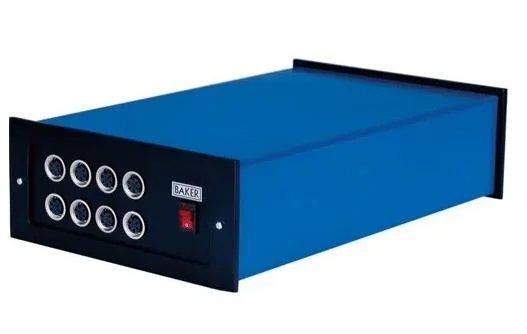
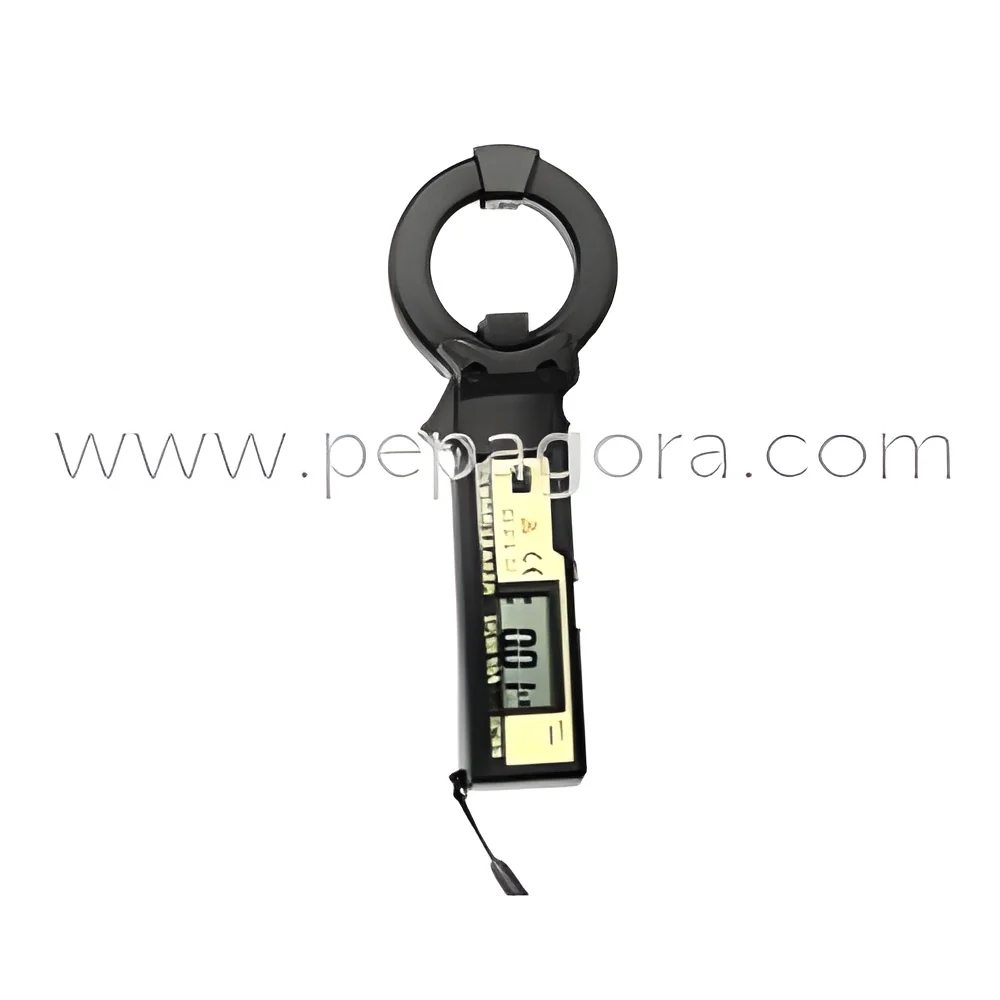
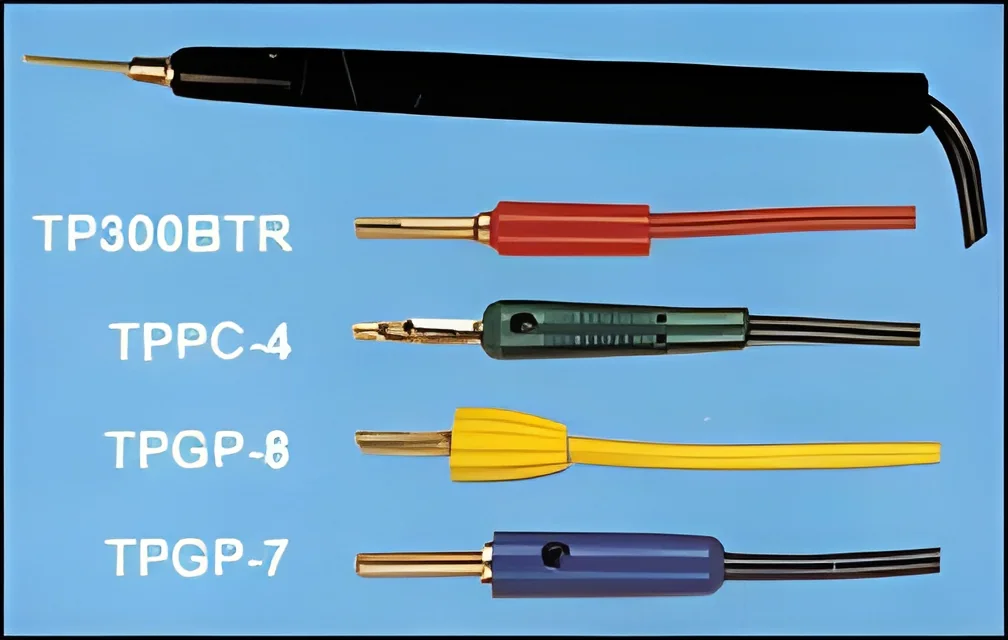
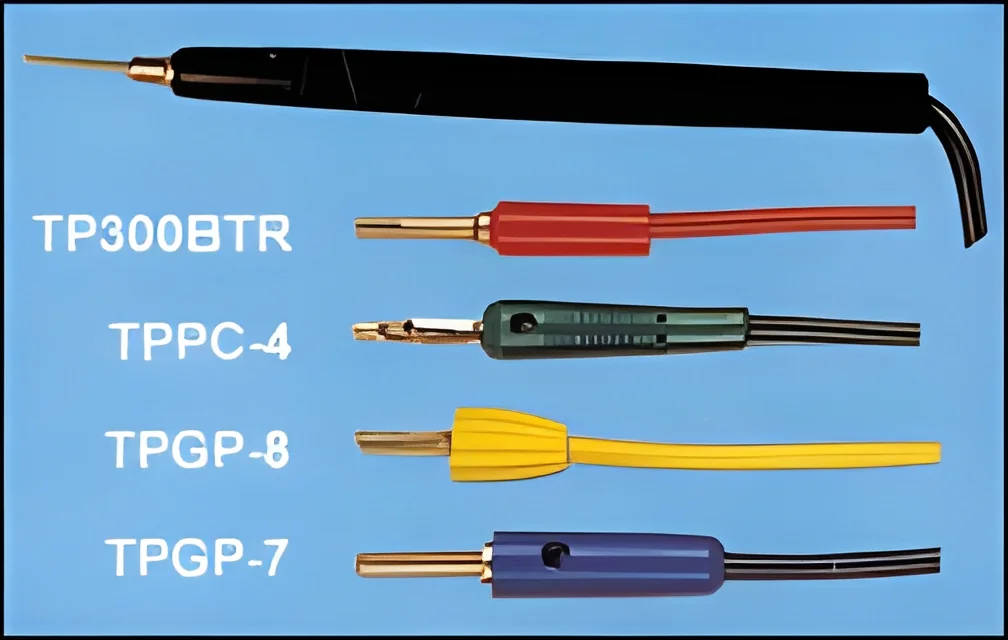
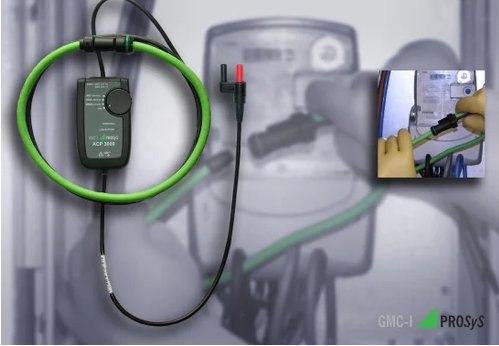
What are Electrical Measurement Probes?
Electrical measurement probes are specialized devices designed to interface with electrical systems for the purpose of measuring voltage, current, resistance, and other electrical parameters. These probes play a critical role in ensuring the accuracy and reliability of electrical measurements in various industrial applications. They can be used in both laboratory settings and field environments, making them versatile tools for engineers and technicians.
The primary uses of electrical measurement probes include testing and troubleshooting electrical circuits, monitoring system performance, and conducting research and development activities. In business applications, they are essential for maintaining equipment, improving product quality, and ensuring compliance with safety standards. Industries such as manufacturing, telecommunications, and energy rely heavily on these tools to maintain operational efficiency and prevent costly downtime.
As industries increasingly adopt automation and smart technologies, the relevance of electrical measurement probes continues to grow. The market for these tools is expanding, driven by innovations in measurement technology and the need for precise data in decision-making processes. Companies that invest in high-quality probes gain a competitive edge by improving their operational capabilities and ensuring compliance with industry regulations.
Key Features and Specifications
Electrical measurement probes come with a variety of features tailored to meet the needs of different applications. When evaluating these probes, it is important to consider their specifications for optimal performance.
Key specifications include:
1. Measurement Range
- Determines the range of voltage, current, or resistance that can be accurately measured.
- Typically expressed in volts (V), amperes (A), or ohms (Ω).
2. Accuracy
- Indicates how close the measured value is to the true value.
- Usually expressed as a percentage of the reading plus a number of least significant digits.
3. Bandwidth
- Refers to the frequency range over which the probe can accurately measure signals.
- Measured in hertz (Hz) and important for applications involving high-speed signals.
4. Input Impedance
- The resistance that the probe presents to the circuit being measured.
- High input impedance is crucial to minimize the effect on the circuit.
5. Temperature Coefficient
- Describes how the measurement accuracy is affected by temperature changes.
- Critical for applications in varying thermal environments.
6. Cable Length
- Length of the probe's lead wires, which can affect accessibility and ease of use.
- Typically ranges from a few centimeters to several meters.
7. Connector Type
- The type of connector used to interface the probe with measurement devices.
- Common types include BNC, banana plugs, and clip leads.
8. Safety Ratings
- Ensures the probe meets specific electrical safety standards.
- Important for preventing electrical hazards during use.
These specifications are vital to ensure that the probes meet the specific needs of users in various industries. By choosing the right specifications, businesses can enhance their measurement accuracy and reliability.
Common Applications and Use Cases
Electrical measurement probes have diverse applications across multiple industries, making them indispensable tools for professionals.
1. Manufacturing: Probes are used to test electrical components during production, ensuring quality and compliance with specifications.
2. Telecommunications: They facilitate the testing of communication lines and devices, helping maintain signal integrity and performance.
3. Energy: Probes are critical for measuring electrical parameters in power generation and distribution systems, ensuring operational efficiency.
4. Automotive: In the automotive industry, probes help diagnose electrical issues in vehicles, enhancing maintenance and repair processes.
5. Research and Development: Probes are used in laboratories for experimental setups, allowing for precise measurements in the development of new technologies.
6. Aerospace: They play a crucial role in testing and validating electrical systems in aircraft, ensuring safety and reliability.
7. Medical Devices: Probes are essential for measuring electrical signals in medical equipment, contributing to patient care and diagnostics.
Product Variants and Subcategories
Electrical measurement probes come in various forms to accommodate different measurement needs and environments.
General-Purpose Probes
These probes are designed for a wide range of applications, making them suitable for general testing and troubleshooting. They typically offer a balanced combination of accuracy, range, and durability.
High-Precision Probes
These are specialized probes that provide superior accuracy and resolution for critical applications where precise measurements are essential. They are often used in research laboratories and high-tech manufacturing facilities.
Differential Probes
These probes are designed to measure the voltage difference between two points. They are particularly useful in applications involving high common-mode voltages, ensuring accurate readings without interference.
Active Probes
Active probes contain internal electronics to amplify the signals being measured. They are ideal for high-frequency applications and are commonly used in oscilloscopes and high-speed digital testing.
Benefits and Advantages
Electrical measurement probes offer several advantages that make them essential tools for businesses.
1. Enhanced Accuracy: Probes provide precise measurements, reducing errors and improving the quality of data.
2. Versatility: They can be used in a variety of applications across different industries, making them valuable tools for diverse tasks.
3. Improved Safety: High-quality probes are designed to meet safety standards, minimizing the risk of electrical hazards during use.
4. Cost Efficiency: By enabling accurate testing and diagnostics, probes help prevent costly equipment failures and downtime.
5. Ease of Use: Many probes are designed for user-friendly operation, allowing technicians to quickly perform measurements without extensive training.
6. Support for Innovation: Probes facilitate research and development efforts by providing accurate data that drives technological advancements.
Buying Guide for B2B Buyers
When sourcing electrical measurement probes, it is essential for B2B buyers to consider several key factors to ensure they make informed decisions.
1. Quality Assessment: Buyers should evaluate the quality of the probes based on specifications, user reviews, and manufacturer reputation. High-quality probes lead to more reliable measurements.
2. Supplier Verification: It is crucial to vet suppliers for their credibility and track record. This includes checking certifications, customer feedback, and delivery history to ensure reliable partnerships.
3. Pricing and MOQ: Understanding the pricing structure and minimum order quantities is important for budget management. Buyers should compare prices from multiple suppliers to find the best value without compromising quality.
4. Delivery and Lead Times: Timely delivery is essential for maintaining project schedules. Buyers should inquire about lead times and shipping options to ensure that they receive their probes when needed.
5. Compliance Requirements: Buyers must consider any regulatory and compliance needs specific to their industry. Ensuring that probes meet these standards is critical for operational integrity and safety.
Compliance and Certifications
Electrical measurement probes must adhere to various quality standards and certifications to ensure safety and reliability in their applications. Common quality standards include ISO 9001, which focuses on quality management systems, and CE certification, indicating that the product complies with European safety regulations.
Safety testing is a crucial aspect of compliance, as it ensures that probes can be used safely in various environments. This includes electrical safety testing to prevent hazards during operation. Additionally, regional compliance considerations may vary, so it is important for companies to understand the specific requirements of the markets they operate in.
Manufacturers that prioritize compliance and certifications not only enhance their product quality but also build trust with their customers. Buyers should always verify the certifications of the probes they intend to purchase to ensure they meet industry standards.
Why Source Electrical Measurement Probes from Pepagora?
Pepagora provides a trusted platform for sourcing electrical measurement probes with several key advantages. The verified supplier network ensures that buyers have access to reputable manufacturers who adhere to high-quality standards. Each supplier undergoes a thorough vetting process, providing confidence in their reliability.
The streamlined RFQ process makes it easy for buyers to request quotes from multiple suppliers, facilitating competitive pricing and better decision-making. This efficiency saves time and resources, allowing businesses to focus on their core operations.
Additionally, Pepagora offers trade assurance and support, protecting buyers through secure transactions and dispute resolution services. This buyer protection fosters trust and encourages businesses to engage confidently with suppliers.
Lastly, Pepagora's regional coverage spans India, the GCC, and Southeast Asia, allowing businesses to connect with suppliers across diverse markets. This geographic reach enhances sourcing flexibility and provides access to a wider range of products and suppliers.

 IN
IN