What are Vitamin C, D, E, B-Complex Supplements?
Vitamin C, D, E, and B-Complex supplements are essential nutrients that play significant roles in maintaining overall health and well-being. These supplements are formulated to provide the vitamins that support various physiological functions, including immune response, energy production, and skin health. Each vitamin has unique properties that contribute to different bodily processes, making them vital for various demographics and industries.
These supplements are commonly used in multiple business applications, including dietary supplements, functional foods, and cosmetic products. Industries such as healthcare, nutrition, and beauty frequently rely on these vitamins to enhance their product offerings. The growing awareness of health and wellness trends among consumers has led to an increased demand for quality vitamin supplements. Businesses are seeking reliable sources to meet this demand, highlighting the relevance of these products in the market.
As the global market for dietary supplements continues to expand, vitamin C, D, E, and B-Complex supplements remain crucial for both manufacturers and consumers. The demand for high-quality, effective nutritional products has motivated companies to develop innovative formulations that cater to specific health needs. This underscores the importance of having a well-established supply chain and trusted suppliers for these essential nutrients.
Key Features and Specifications
Vitamin C, D, E, and B-Complex supplements come with various features and specifications that cater to different needs and applications. When considering these supplements, it is essential to understand the key specifications that define their quality and effectiveness.
Key specifications include:
1. Vitamin Content
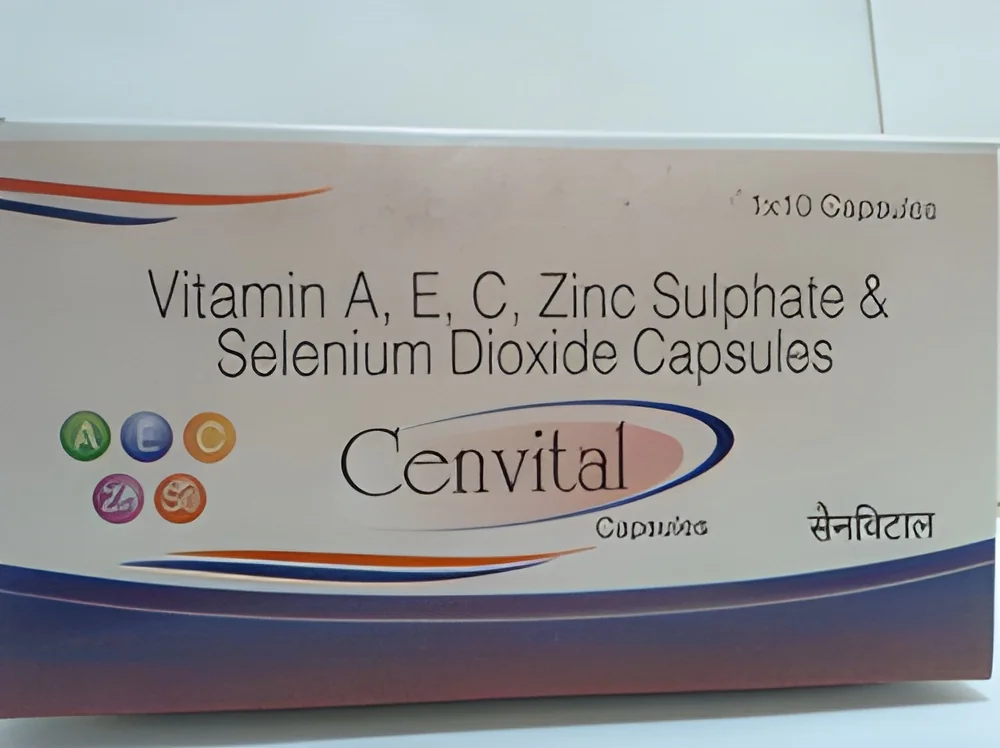
- Each supplement typically contains a specific dosage of vitamins, such as Vitamin C (ascorbic acid), Vitamin D (cholecalciferol), Vitamin E (tocopherol), and B-Complex vitamins (B1, B2, B3, B5, B6, B7, B9, B12).
- Dosages range according to recommended daily values or specific formulations.
2. Formulation Type
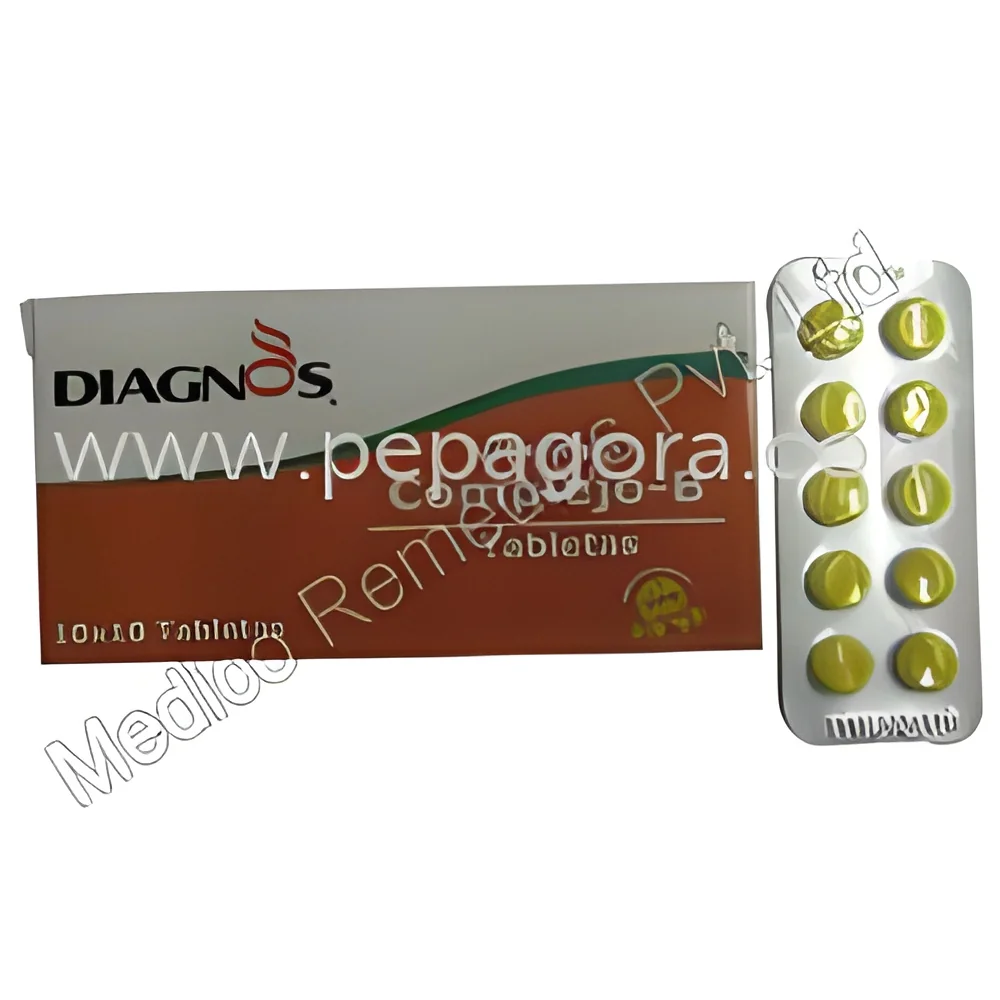
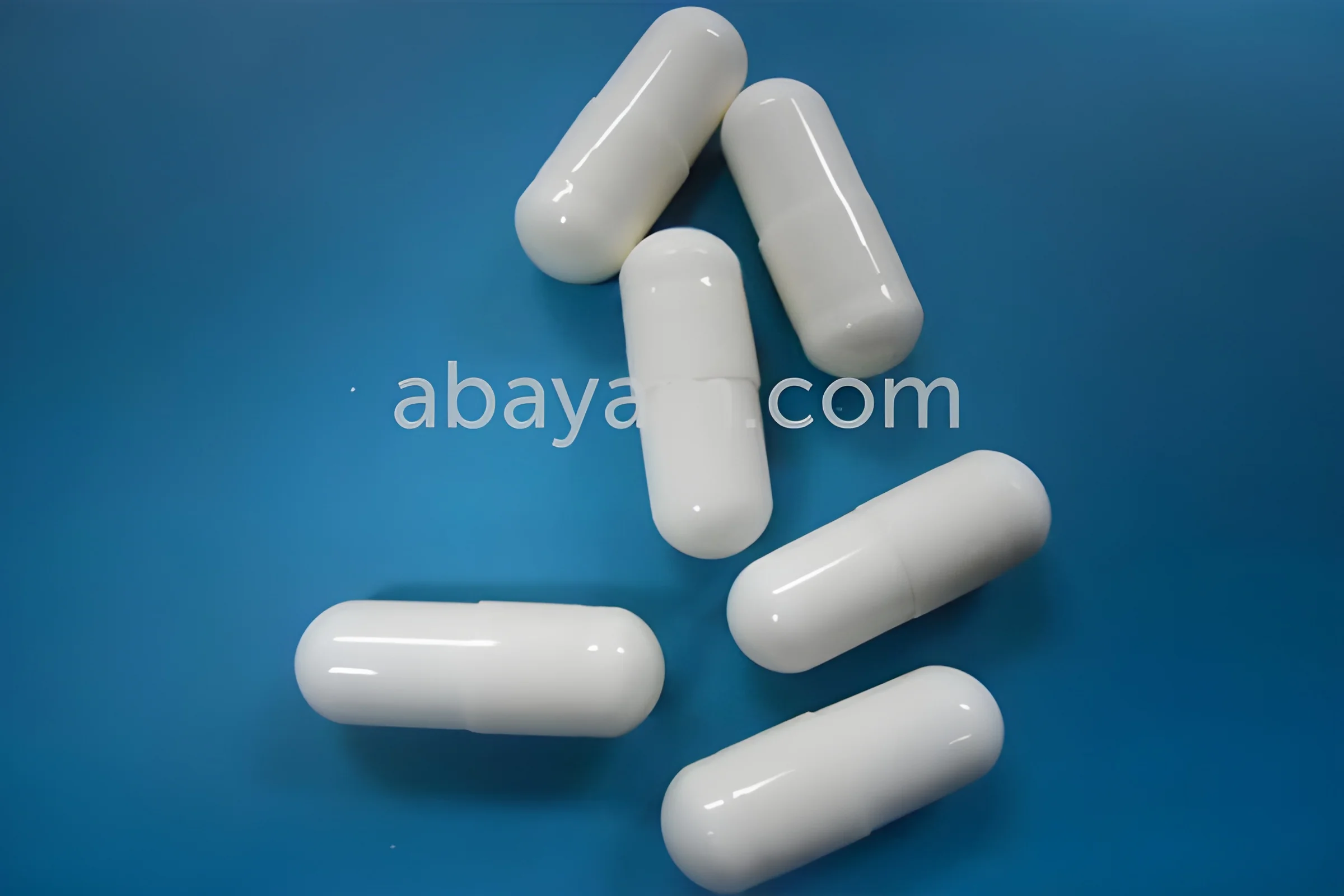
- Supplements may come in various forms, including tablets, capsules, powders, and liquids.
- Each form has unique absorption rates and ease of use considerations.
3. Source of Ingredients
- Ingredients can be derived from synthetic or natural sources, impacting their bioavailability and consumer preference.
- Natural sourcing is often preferred for organic product lines.
4. Additives and Preservatives
- Some formulations may include additional ingredients, such as fillers, binders, or preservatives.
- Clean label products typically minimize these additives.
5. Shelf Life
- Most vitamin supplements have a shelf life ranging from 12 to 24 months.
- Proper storage conditions are essential to maintain potency.
6. Certification
- Many manufacturers seek certifications, such as CE, to ensure product safety and quality.
- Compliance with industry standards is crucial for market acceptance.
7. Packaging
- Packaging options can vary, impacting product integrity and consumer convenience.
- Child-resistant packaging is often required for certain formulations.
In summary, understanding the key features and specifications of these vitamin supplements is essential for businesses looking to source effective and compliant products for their customers.
Common Applications and Use Cases
Vitamin C, D, E, and B-Complex supplements are utilized across various industries due to their essential health benefits. Each industry has specific applications that leverage the advantages of these vitamins.
1. Healthcare: Supplements are widely used in healthcare settings to support immune health, especially during cold and flu seasons. They are often recommended for patients recovering from illness.
2. Nutrition: In the nutrition sector, these vitamins are incorporated into meal replacement shakes and functional foods to enhance their nutritional profile and promote overall health.
3. Cosmetics: The beauty industry uses Vitamin C and E in skincare products due to their antioxidant properties, promoting healthy skin and reducing signs of aging.
4. Fitness: Fitness-focused brands add B-Complex vitamins to energy supplements to enhance energy production and recovery.
5. Elder Care: Supplements are often marketed to senior populations to support bone health (Vitamin D) and cognitive function (B-Complex).
6. Dietary Supplements: Many businesses produce standalone vitamin supplements for consumers seeking to fill specific nutritional gaps in their diets.
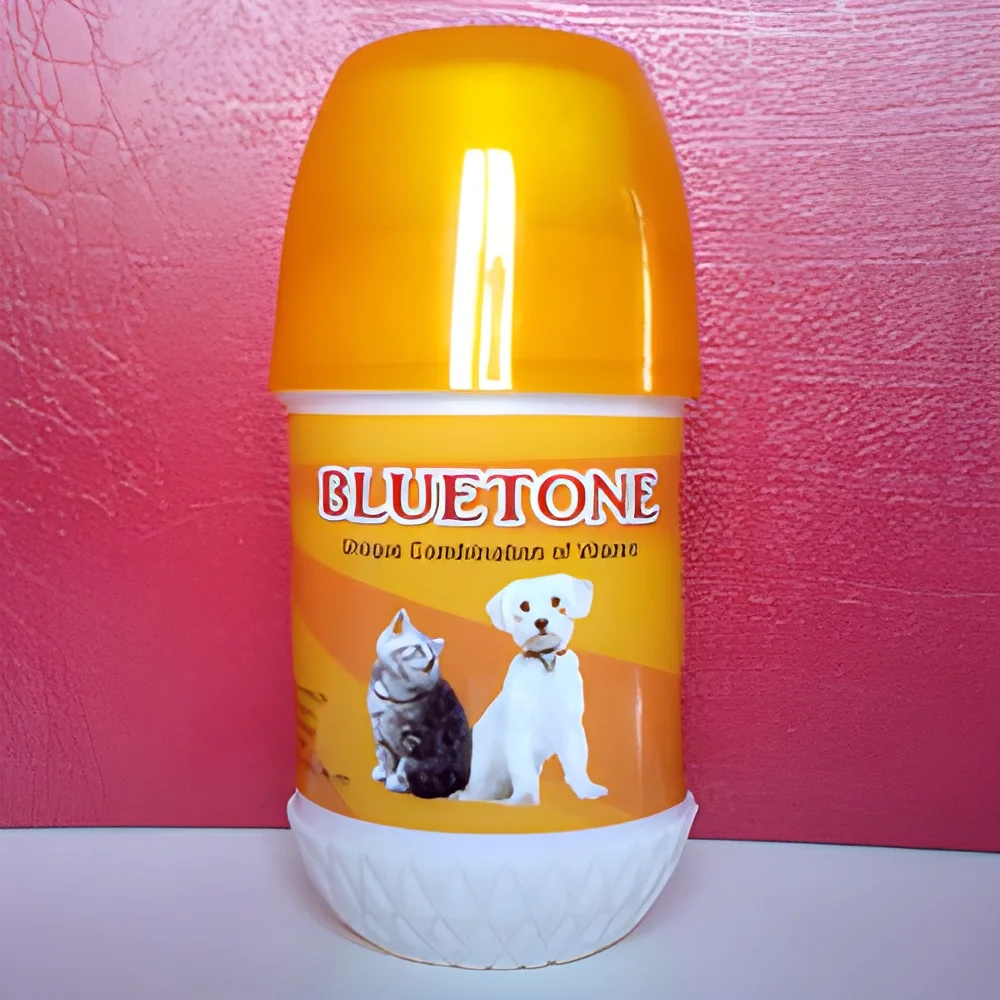
7. Veterinary Products: Some veterinary supplements for pets include these vitamins to support overall health and wellness.
Product Variants and Subcategories
Vitamin C, D, E, and B-Complex supplements come in various formulations to meet diverse consumer needs. The diversity in product variants allows businesses to cater to specific health requirements.
Vitamin C Tablets
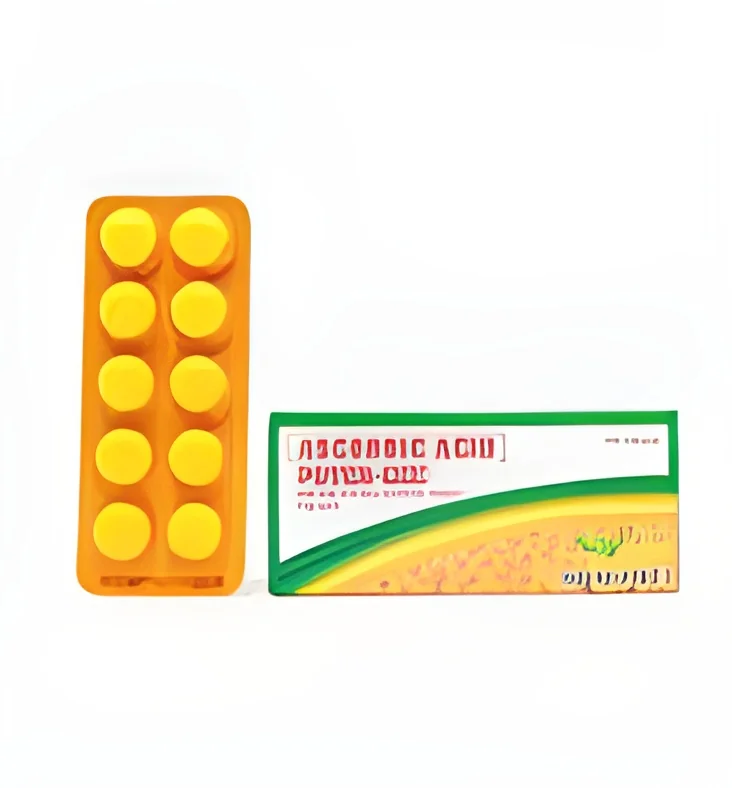
These are commonly used for immune support. They offer a concentrated dose of Vitamin C in a convenient form, making them ideal for daily supplementation.
Vitamin D3 Softgels
This variant provides a highly bioavailable form of Vitamin D, essential for bone health. Softgels are easy to swallow and effective for enhancing vitamin D levels.
Vitamin E Oil
Vitamin E in oil form is often used in skincare products for its moisturizing and antioxidant properties. It can also be taken as a dietary supplement.
B-Complex Liquid
This variant offers a fast-acting solution for those who prefer liquid supplements. It provides a blend of B vitamins that support energy metabolism and overall health.
Benefits and Advantages
Vitamin C, D, E, and B-Complex supplements offer numerous benefits that enhance health and wellness. Understanding these advantages is crucial for businesses looking to promote these products.
Key benefits include:
1. Immune Support: Vitamin C is well-known for boosting the immune system, helping the body fight infections more effectively.
2. Bone Health: Vitamin D plays a critical role in calcium absorption, essential for maintaining strong bones and preventing osteoporosis.
3. Antioxidant Protection: Vitamins C and E act as powerful antioxidants, protecting cells from oxidative stress and damage.
4. Energy Production: B-Complex vitamins are vital for converting food into energy, making them essential for active lifestyles.
5. Skin Health: Vitamin E and C are popular in skincare for their ability to promote healthy skin and reduce signs of aging.
6. Neuroprotection: Certain B vitamins are linked to cognitive health, supporting brain function and reducing the risk of memory-related issues.
Buying Guide for B2B Buyers
When sourcing Vitamin C, D, E, and B-Complex supplements, B2B buyers should consider several critical factors to ensure they obtain high-quality products.
1. Quality Assessment: Evaluate the purity and potency of the supplements. Look for third-party testing and certifications to confirm quality.
2. Supplier Verification: Vet suppliers for reliability and compliance with industry standards. Investigate their manufacturing practices and customer reviews.
3. Pricing and MOQ: Understand the pricing structure, including discounts for bulk orders. Minimum order quantities (MOQ) should align with your business needs.
4. Delivery and Lead Times: Assess suppliers' logistics capabilities to ensure timely delivery. Consider their inventory management practices and shipping options.
5. Compliance Requirements: Ensure that the products meet local and international regulatory standards. This includes labeling, health claims, and safety requirements.
Compliance and Certifications
Compliance with industry standards is vital for the credibility and safety of Vitamin C, D, E, and B-Complex supplements. Relevant quality standards such as ISO 9001 and HACCP ensure that products are manufactured under strict quality controls. These certifications demonstrate a commitment to maintaining high production standards.
Additionally, the CE mark indicates that the supplements comply with European safety and health regulations. This certification is essential for companies wishing to market their products in Europe or other regions recognizing CE standards.
Safety and testing requirements are critical in ensuring that the supplements are free from contaminants and meet potency claims. Regular testing for heavy metals, microbial contamination, and accurate labeling helps maintain consumer trust.
Regional compliance considerations are also essential. Different countries may have unique regulations regarding dietary supplements, necessitating careful attention to local laws and guidelines to ensure market access.
Why Source Vitamin C, D, E, B-Complex Supplements from Pepagora?
Pepagora provides a trusted platform for sourcing Vitamin C, D, E, and B-Complex supplements. The platform offers several key advantages that benefit B2B buyers.
Verified Supplier Network: Pepagora has established a network of verified suppliers, ensuring that buyers can access high-quality products from trusted sources. This network reduces the risk of sourcing from unreliable vendors.
Streamlined RFQ Process: The platform features a user-friendly Request for Quotation (RFQ) system, allowing buyers to obtain competitive quotes efficiently. This process simplifies procurement and helps businesses make informed purchasing decisions.
Trade Assurance and Support: Pepagora offers trade assurance, providing buyers with protection throughout the sourcing process. This support includes assistance with disputes and ensuring timely delivery.
Regional Coverage: With a wide geographic reach, Pepagora connects buyers with suppliers in India, the GCC, and Southeast Asia. This regional presence enables businesses to tap into diverse markets and expand their product offerings effectively.

 IN
IN