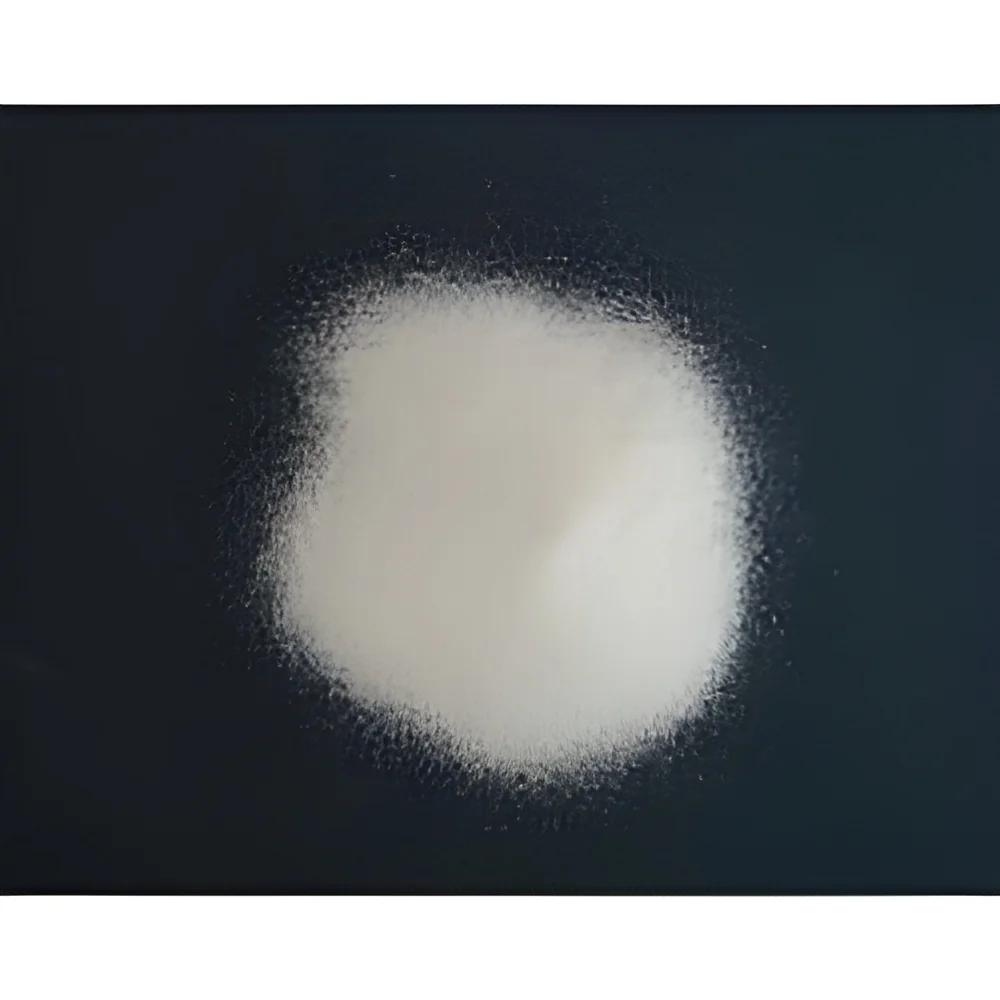
Key Features and Specifications
Mineral supplements are characterized by specific features and specifications that define their quality and effectiveness. When choosing these products, it is essential to consider their formulation, dosage, and purity levels.
Key specifications include:
1. Composition
- The percentage of active minerals present in the supplement.
- Typically ranges from 10% to 100% depending on the product type.
2. Bioavailability
- The degree to which minerals can be absorbed and utilized by the body.
- Varies based on the form of the mineral (e.g., chelated, inorganic).
3. Dosage Forms
- Available in various forms such as tablets, capsules, powders, and liquids.
- Each form offers different convenience and absorption rates.
4. Purity Levels
- The absence of contaminants and heavy metals.
- Must meet specified safety standards for consumer safety.
5. Shelf Life
- The duration the product remains effective and safe for consumption.
- Generally ranges from 1 to 3 years.
6. Storage Conditions
- Requirements for optimal storage, including temperature and humidity control.
- Varies by formulation and packaging.
7. Packaging
- The type of packaging used for protection and preservation.
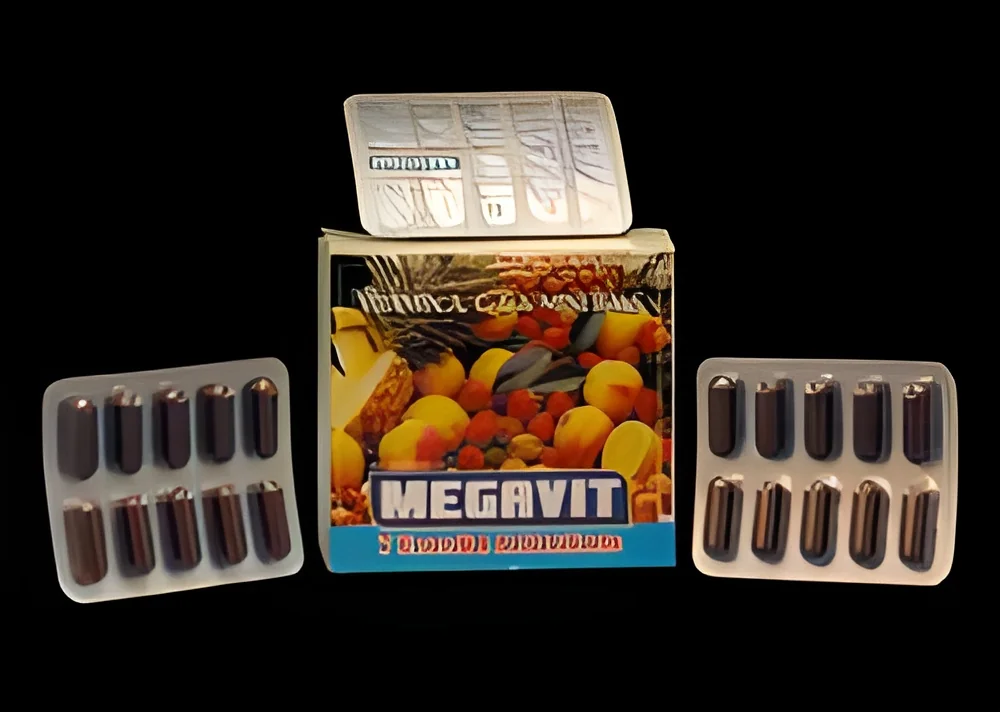
- Common options include blister packs, bottles, and sachets.
8. Certification
- Compliance with industry standards and regulations.
- Products may carry certifications such as CE.
These specifications ensure that businesses can select high-quality mineral supplements that meet their needs.
Common Applications and Use Cases
Mineral supplements find application across a wide range of industries, supporting health and wellness initiatives.
1. Healthcare: Hospitals and clinics use mineral supplements for patients with deficiencies or specific health conditions. They are often part of treatment protocols.
2. Pharmaceuticals: Manufacturers incorporate these supplements into over-the-counter medications and prescription drugs to enhance health benefits.
3. Food Industry: Food producers fortify products with minerals to improve nutritional profiles, catering to health-conscious consumers.
4. Nutraceuticals: Companies develop dietary supplements aimed at promoting health and preventing diseases, often tailored to specific demographics.
5. Sports Nutrition: Athletes utilize mineral supplements to support performance and recovery, addressing potential deficiencies caused by intense physical activity.
6. Veterinary Applications: Animal health products include mineral supplements to ensure the well-being and growth of livestock and pets.
7. Functional Foods: Manufacturers create products that contain added minerals, promoting health benefits and attracting consumers looking for functional nutrition.
Product Variants and Subcategories
Mineral supplements come in various forms and formulations, catering to specific health needs and preferences.
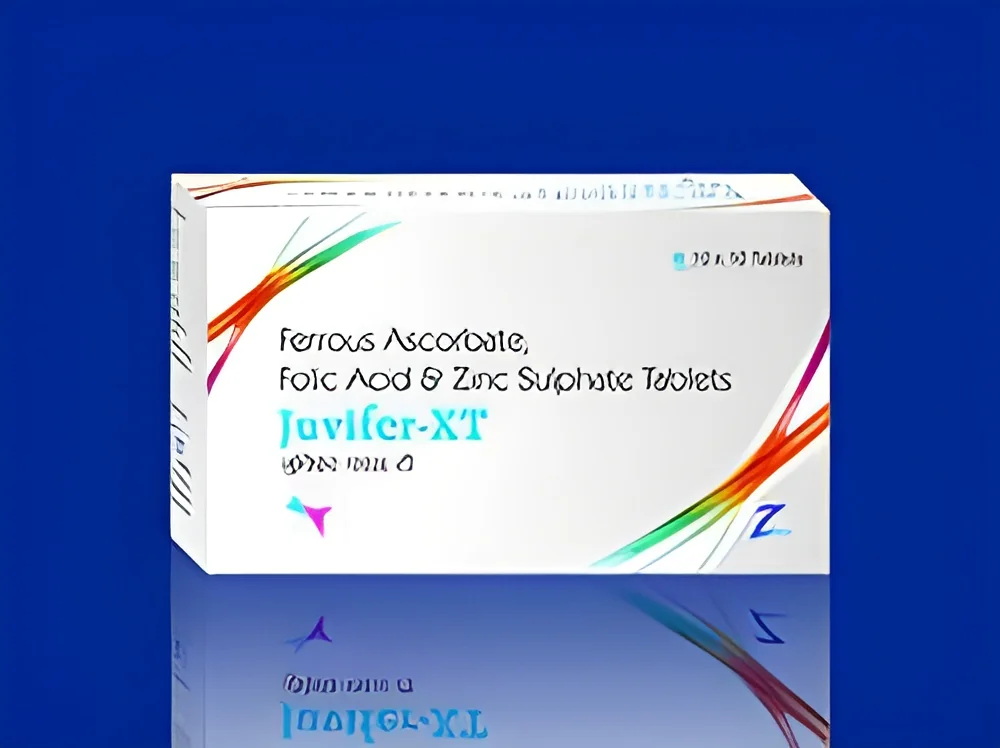
Iron Supplements
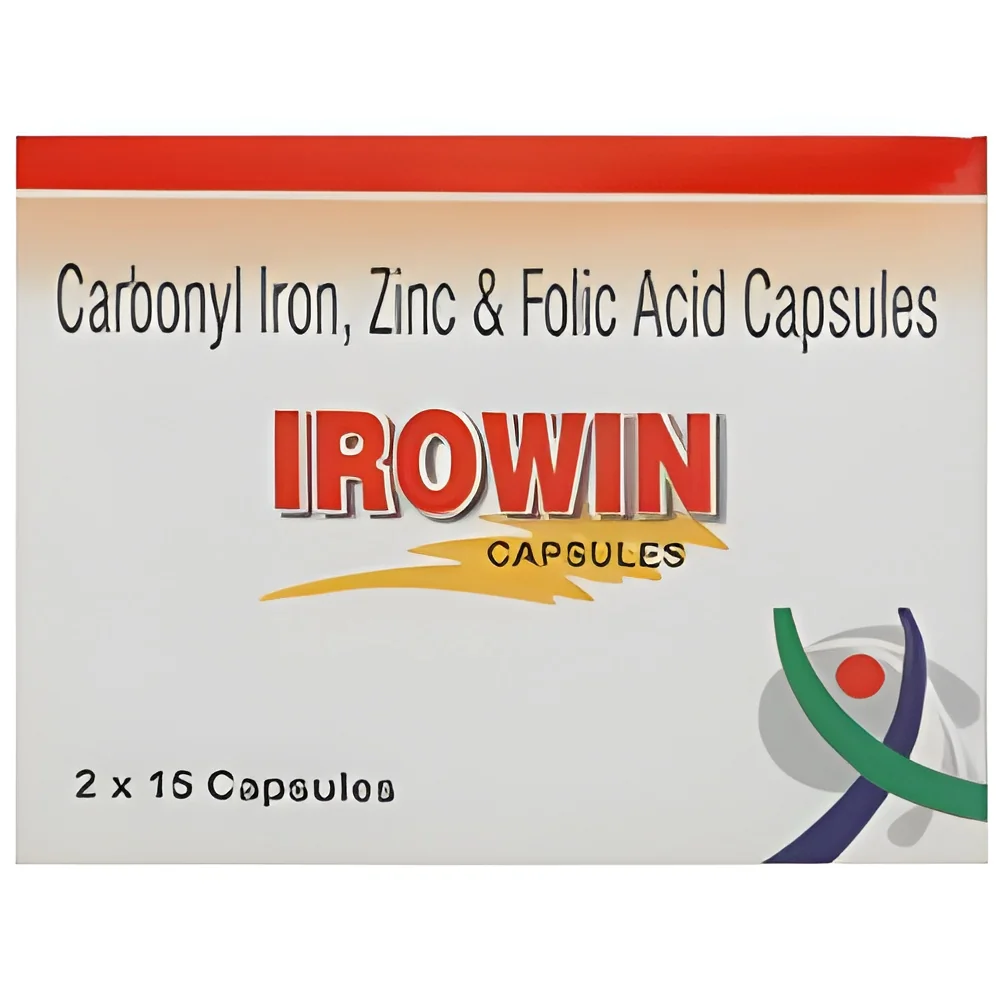
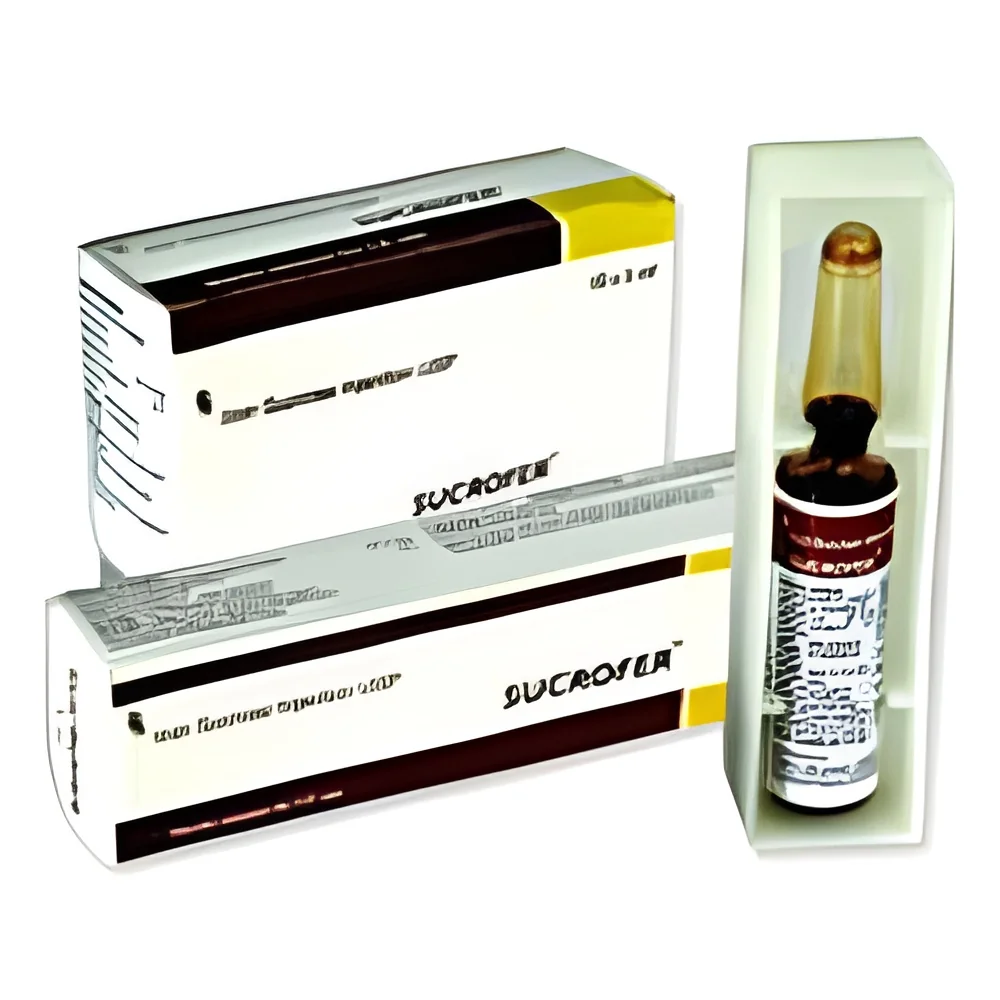
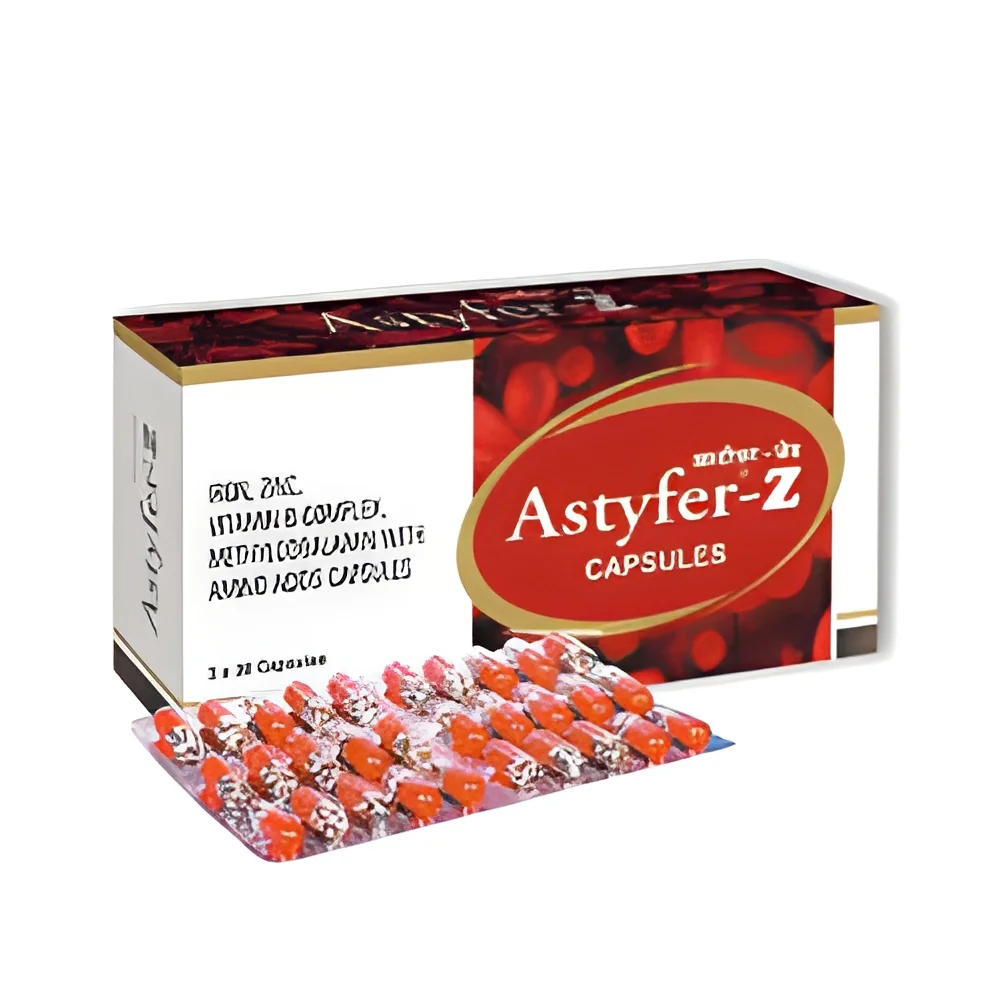
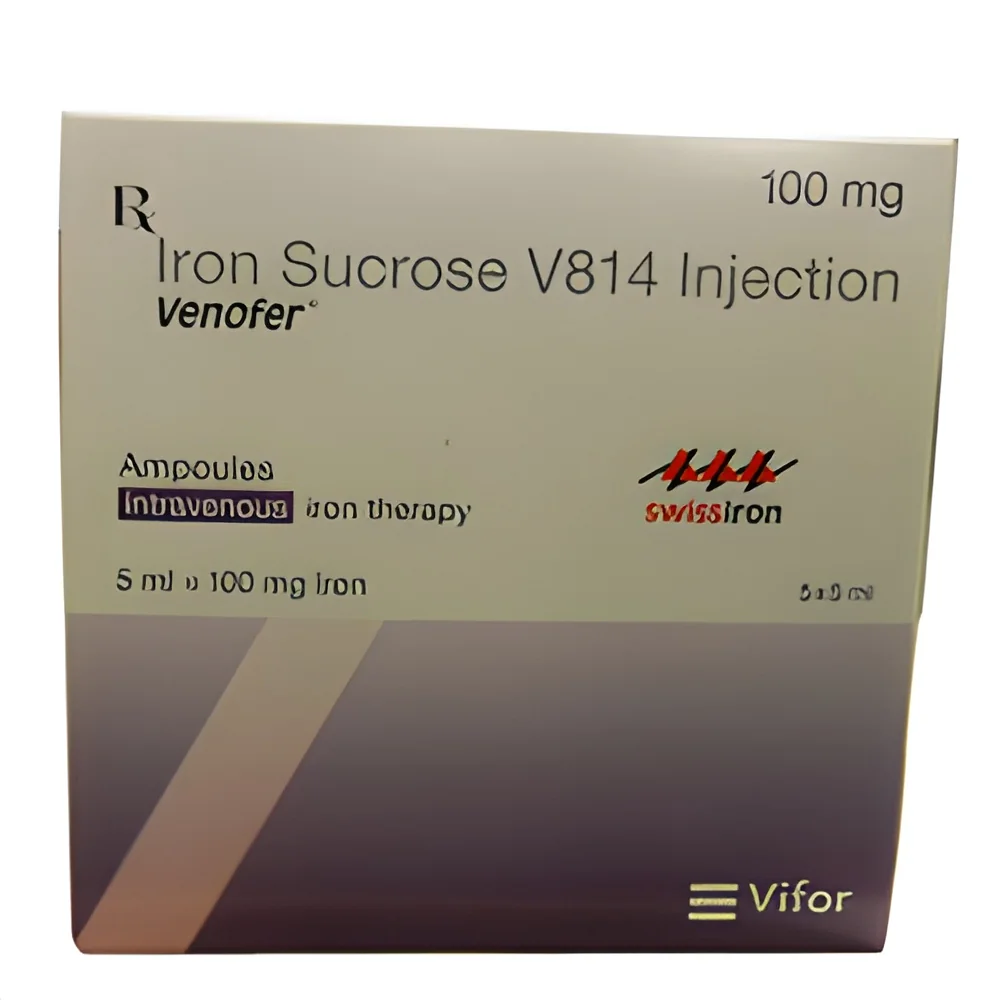
These are designed to combat iron deficiency and support blood health. They are often available in ferrous and ferric forms, with varying dosages for different age groups.
Zinc Supplements
Zinc supplements help boost the immune system and support skin health. They come in formulations that enhance absorption and minimize gastrointestinal side effects.
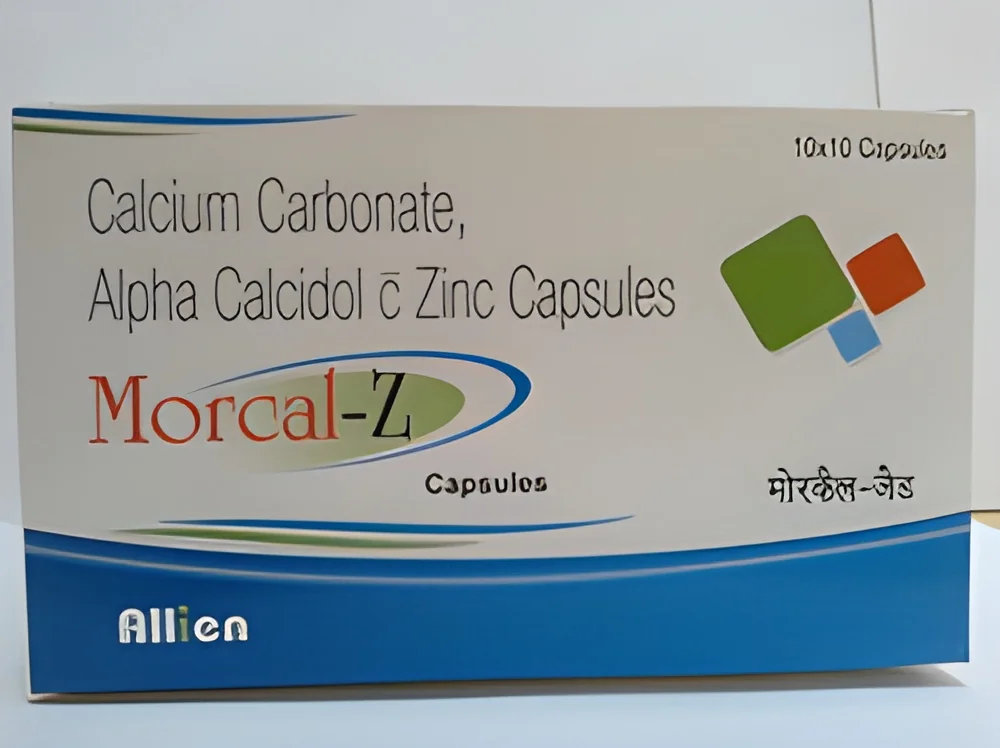
Calcium Supplements
These are crucial for bone health and are available in multiple forms, including calcium carbonate and calcium citrate. They are often combined with vitamin D to enhance absorption.
Magnesium Supplements
Magnesium supplements support muscle and nerve function. They are available in various forms, including magnesium oxide and magnesium citrate, with different bioavailability levels.
Benefits and Advantages
Mineral supplements offer several advantages that make them valuable for both consumers and businesses.
1. Enhanced Nutritional Intake: They provide essential minerals that may be lacking in diets, supporting overall health.
2. Improved Health Outcomes: Regular supplementation can lead to better health outcomes, particularly for at-risk populations.
3. Convenience: Mineral supplements offer an easy way to meet dietary requirements without significant changes to food intake.
4. Customization: Businesses can tailor supplements to meet specific health needs or consumer preferences, enhancing marketability.
5. Quality Assurance: High-quality supplements comply with safety and efficacy standards, ensuring consumer trust.
6. Competitive Edge: Companies that offer mineral supplements can differentiate themselves in the market, appealing to health-conscious consumers.
Buying Guide for B2B Buyers
When sourcing mineral supplements, companies should consider critical factors to ensure they choose the right products.
1. Quality Assessment: Evaluate the quality of the supplements based on formulation, purity, and bioavailability. Look for third-party testing results to verify claims.
2. Supplier Verification: Vet potential suppliers to ensure they adhere to industry standards and have a track record of reliability. This includes checking certifications and customer reviews.
3. Pricing and MOQ: Understand the pricing structure and minimum order quantities. Compare costs among suppliers while considering quality and service.
4. Delivery and Lead Times: Assess logistics capabilities, including delivery schedules and lead times, to ensure timely supply of products.
5. Compliance Requirements: Be aware of regulatory needs specific to your region, including labeling, safety standards, and permissible levels of minerals in supplements.
Compliance and Certifications
Compliance with quality standards and certifications is crucial in the mineral supplement industry. Relevant standards include ISO 9001, which ensures quality management systems are in place. HACCP (Hazard Analysis Critical Control Point) is essential for food safety management, particularly in the food and nutraceutical sectors.
Industry certifications such as CE indicate compliance with European health, safety, and environmental protection standards. Additionally, products must meet safety and testing requirements to ensure they are free from contaminants and safe for consumption.
Regional compliance considerations are also important, as regulatory requirements may vary significantly across different markets. This includes understanding local laws regarding health claims, labeling, and allowable mineral content.
Why Source Mineral Supplements (Iron, Zinc, Calcium, Magnesium) from Pepagora?
Pepagora provides a trusted platform for sourcing mineral supplements, offering several key advantages to B2B buyers.
Verified Supplier Network: Pepagora has established a network of verified suppliers, ensuring that buyers can trust the quality and reliability of the products. This network is built on rigorous vetting processes that prioritize safety and efficacy.
Streamlined RFQ Process: The platform features a streamlined Request for Quotation (RFQ) system, making it easy for buyers to obtain competitive quotes from multiple suppliers. This efficiency helps businesses make informed purchasing decisions quickly.
Trade Assurance and Support: Buyers benefit from trade assurance programs that protect against risks associated with transactions. Pepagora offers support to navigate potential issues, ensuring a smooth buying experience.
Regional Coverage: With a strong presence in India, the Gulf Cooperation Council (GCC), and Southeast Asia, Pepagora provides extensive geographic reach. This allows buyers to access local suppliers while ensuring compliance with regional regulations.
By leveraging Pepagora's offerings, businesses can confidently source high-quality mineral supplements that meet their needs and enhance their product offerings.

 IN
IN