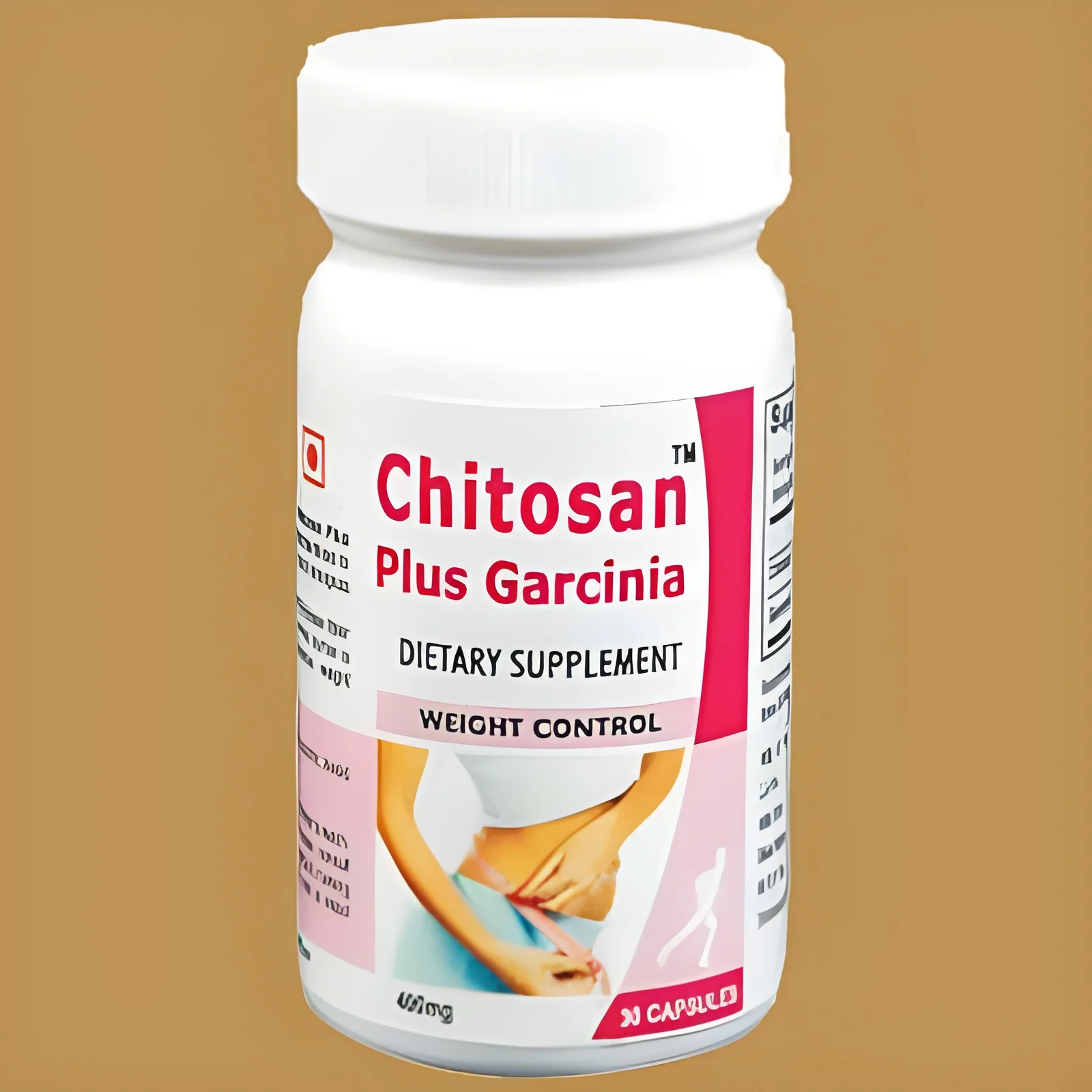
𝗪𝗵𝗮𝘁 𝗮𝗿𝗲 𝗔𝗽𝗽𝗲𝘁𝗶𝘁𝗲 𝗦𝘂𝗽𝗽𝗿𝗲𝘀𝘀𝗮𝗻𝘁𝘀?
Appetite suppressants are dietary substances designed to reduce hunger and curb food intake. These products work by influencing the brain's hunger signals or altering gut hormones that regulate appetite. They can be derived from natural ingredients or synthesized in laboratories, making them versatile options for various consumers seeking weight management solutions. The primary goal of appetite suppressants is to help individuals control their eating habits, leading to weight loss or maintenance.
In a B2B context, appetite suppressants are primarily used in the health and wellness industry, particularly by weight loss programs, dietary supplement manufacturers, and food product developers. These products can be integrated into meal replacement shakes, nutritional bars, or standalone supplements. With the rising obesity rates globally, the demand for appetite suppressants continues to grow, prompting manufacturers to innovate and expand their product lines to cater to diverse consumer needs.
The relevance of appetite suppressants in the market is significant. As health consciousness rises among consumers, businesses are increasingly focused on developing effective weight management solutions. This trend has prompted research and development efforts to create safe and effective appetite suppressants that meet regulatory standards and consumer expectations.
𝗞𝗲𝘆 𝗙𝗲𝗮𝘁𝘂𝗿𝗲𝘀 𝗮𝗻𝗱 𝗦𝗽𝗲𝗰𝗶𝗳𝗶𝗰𝗮𝘁𝗶𝗼𝗻𝘀
Appetite suppressants come with a variety of features and specifications that cater to different markets and consumer needs. Understanding these specifications is essential for businesses looking to integrate these products into their offerings.
Key specifications include:
1. Ingredient Composition
- Formulated with natural or synthetic ingredients
- Specific ratios of active compounds for effectiveness
2. Dosage Forms
- Available in capsules, tablets, powders, or liquid forms
- Ease of consumption and dosage flexibility
3. Efficacy Testing
- Backed by clinical trials or scientific studies
- Evidence supporting appetite suppression claims
4. Shelf Life
- Stability of the product over time
- Recommended storage conditions to maintain efficacy
5. Safety Profile
- Comprehensive safety assessments conducted
- Adverse effects and contraindications clearly documented
6. Nutritional Information
- Caloric content and macronutrient breakdown
- Additional vitamins or minerals included for enhanced benefits
7. Regulatory Compliance
- Adherence to local and international regulations
- Certification for quality standards such as CE
8. Packaging Options
- Variety of packaging sizes available
- Eco-friendly packaging options for sustainability
In summary, understanding the key features and specifications of appetite suppressants is crucial for businesses. This knowledge enables informed sourcing decisions and ensures alignment with market needs.
𝗖𝗼𝗺𝗺𝗼𝗻 𝗔𝗽𝗽𝗹𝗶𝗰𝗮𝘁𝗶𝗼𝗻𝘀 𝗮𝗻𝗱 𝗨𝘀𝗲 𝗖𝗮𝘀𝗲𝘀
Appetite suppressants serve a range of industries and applications, catering to diverse consumer bases.
1. Weight Loss Programs: Used in structured weight loss plans to help participants manage their caloric intake effectively.
2. Nutritional Supplements: Incorporated into dietary supplements aimed at promoting weight management and overall health.
3. Food and Beverage Industry: Used in meal replacement shakes and bars to enhance satiety and provide a balanced nutritional profile.
4. Pharmaceutical Industry: Developed as prescription medications for obesity management under medical supervision.
5. Fitness and Wellness Centers: Utilized in programs designed to support members in achieving their fitness goals.
6. Health Food Retailers: Offered as part of a broader range of health products for consumers seeking effective weight loss solutions.
7. Online Health Platforms: Sold through e-commerce sites targeting health-conscious consumers looking for convenient solutions.
𝗣𝗿𝗼𝗱𝘂𝗰𝘁 𝗩𝗮𝗿𝗶𝗮𝗻𝘁𝘀 𝗮𝗻𝗱 𝗦𝘂𝗯𝗰𝗮𝘁𝗲𝗴𝗼𝗿𝗶𝗲𝘀
Appetite suppressants come in various formulations to meet different consumer preferences and needs.
Herbal Appetite Suppressants
These variants include natural ingredients like green tea extract and garcinia cambogia. They are popular among consumers seeking plant-based options and are often marketed as holistic solutions for weight management.
Prescription Appetite Suppressants
These products are clinically tested and prescribed by healthcare professionals. They are formulated for individuals with significant weight concerns and often feature stronger active ingredients.
Over-the-Counter Supplements
Widely available to consumers without a prescription, these supplements often combine multiple appetite-suppressing ingredients for enhanced effectiveness. They cater to those looking for convenient and accessible weight management solutions.
𝗕𝗲𝗻𝗲𝗳𝗶𝘁𝘀 𝗮𝗻𝗱 𝗔𝗱𝘃𝗮𝗻𝘁𝗮𝗴𝗲𝘀
Appetite suppressants offer several advantages that make them attractive for both consumers and businesses.
1. Weight Management: Helps users maintain or achieve their desired weight by reducing overall caloric intake.
2. Enhanced Satiety: Promotes a feeling of fullness, reducing the urge to snack between meals.
3. Improved Focus: By managing hunger, users can better concentrate on tasks without food distractions.
4. Customizable Options: Various formulations available to cater to different dietary preferences and restrictions.
5. Convenience: Easily integrated into daily routines, whether through supplements or food products.
6. Support for Healthy Lifestyles: Encourages balanced eating habits and complements physical activity for overall health improvement.
𝗕𝘂𝘆𝗶𝗻𝗴 𝗚𝘂𝗶𝗱𝗲 𝗳𝗼𝗿 𝗕𝟮𝗕 𝗕𝘂𝘆𝗲𝗿𝘀
When sourcing appetite suppressants, B2B buyers should consider several critical factors to ensure they select the right products.
1. Quality Assessment: Evaluate the ingredient quality and sourcing practices. Look for third-party testing and certifications that verify safety and efficacy.
2. Supplier Verification: Vet potential suppliers for credibility. Examine their reputation, experience, and history in the industry to ensure reliability.
3. Pricing and MOQ: Understand pricing structures and minimum order quantities. Compare costs across suppliers while considering the quality offered.
4. Delivery and Lead Times: Assess logistics capabilities and estimated lead times. Ensure the supplier can meet your demand on schedule.
5. Compliance Requirements: Confirm that products meet regulatory standards and certifications relevant to your market, such as CE and local health regulations.
𝗖𝗼𝗺𝗽𝗹𝗶𝗮𝗻𝗰𝗲 𝗮𝗻𝗱 𝗖𝗲𝗿𝘁𝗶𝗳𝗶𝗰𝗮𝘁𝗶𝗼𝗻𝘀
Appetite suppressants are subject to various compliance and certification standards to ensure safety and efficacy in the marketplace.
Relevant quality standards include ISO 9001, which focuses on quality management systems, ensuring that manufacturers consistently meet customer and regulatory requirements. Additionally, HACCP (Hazard Analysis and Critical Control Points) plays a crucial role in food safety, identifying potential hazards and implementing measures to mitigate risks during production.
Industry certifications such as CE indicate that the products meet European health, safety, and environmental protection standards. This certification is vital for products marketed in European markets, assuring consumers of their quality.
Safety and testing requirements are essential to building trust in appetite suppressants. Rigorous testing protocols must be followed to assess the safety and effectiveness of the ingredients used. Furthermore, regional compliance considerations are crucial, as different markets may have specific regulations governing the sale and marketing of dietary supplements.
𝗪𝗵𝘆 𝗦𝗼𝘂𝗿𝗰𝗲 𝗔𝗽𝗽𝗲𝘁𝗶𝘁𝗲 𝗦𝘂𝗽𝗽𝗿𝗲𝘀𝘀𝗮𝗻𝘁𝘀 𝗳𝗿𝗼𝗺 𝗣𝗲𝗽𝗮𝗴𝗼𝗿𝗮?
Pepagora provides a trusted platform for sourcing appetite suppressants, offering several key advantages to B2B buyers.
Verified Supplier Network: Pepagora partners with a network of verified suppliers, ensuring that buyers can source high-quality products from reputable manufacturers. This network reduces the risk of partnering with untrustworthy suppliers.
Streamlined RFQ Process: The Request for Quotation (RFQ) process is designed to be user-friendly, allowing buyers to quickly obtain quotes from multiple suppliers. This streamlined approach saves time and facilitates better pricing comparisons.
Trade Assurance and Support: Pepagora offers trade assurance, providing buyers with protection against potential risks associated with transactions. Dedicated support is also available to assist buyers throughout the sourcing process.
Regional Coverage: With a strong presence in India, the GCC, and Southeast Asia, Pepagora is well-positioned to serve diverse markets. This regional coverage allows businesses to tap into local suppliers while benefiting from global sourcing capabilities.

 IN
IN