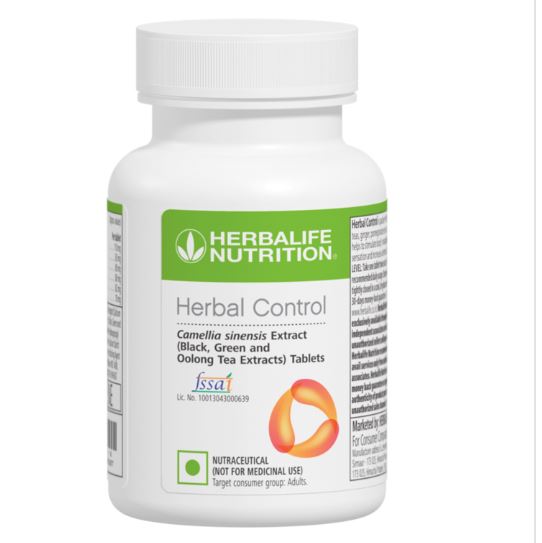
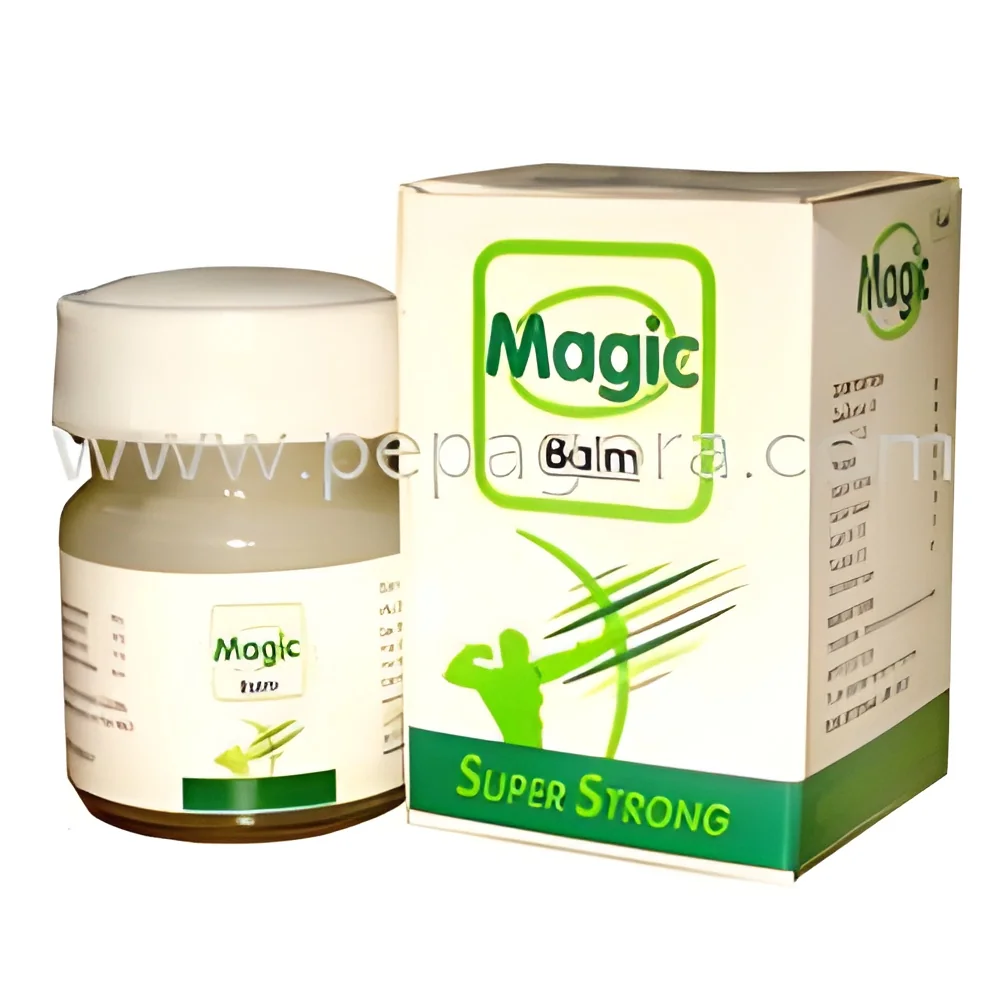
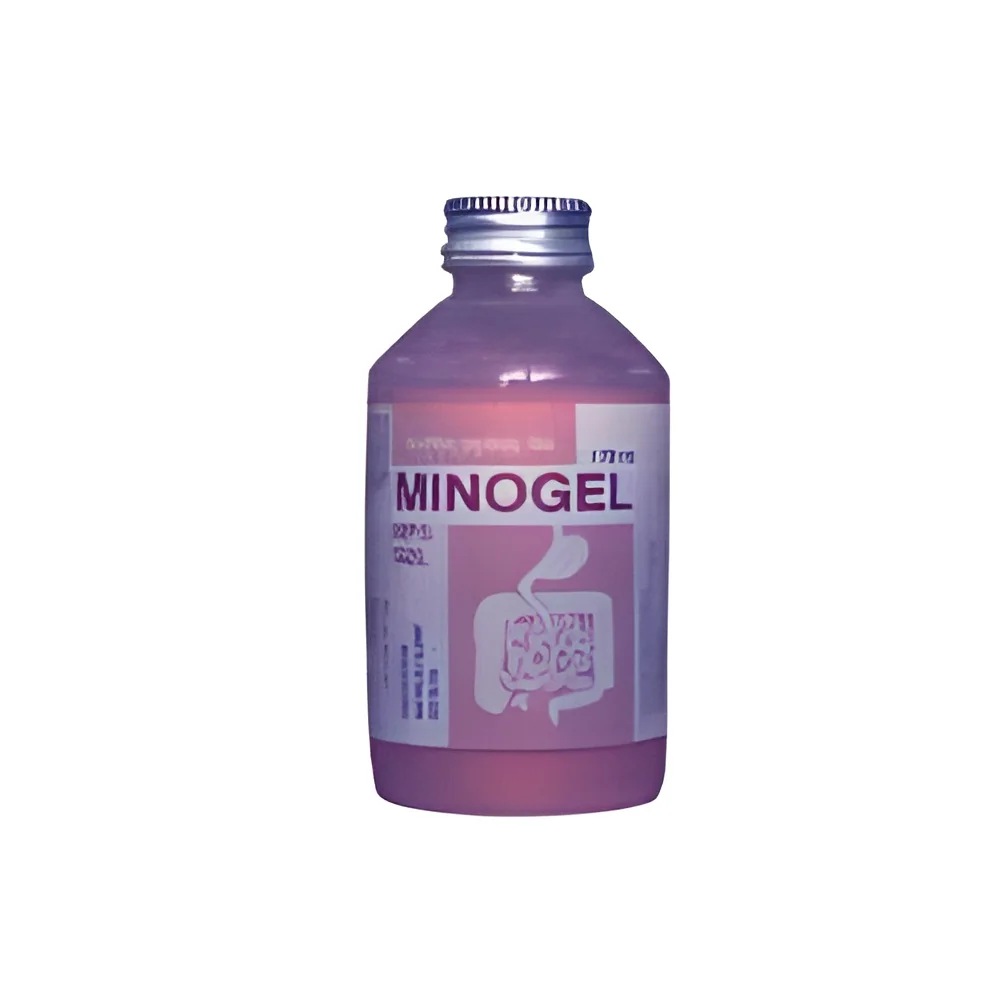
𝗪𝗵𝗮𝘁 𝗮𝗿𝗲 𝗛𝗲𝗮𝗹𝘁𝗵 𝗦𝘂𝗽𝗽𝗹𝗲𝗺𝗲𝗻𝘁𝘀 & 𝗩𝗶𝘁𝗮𝗺𝗶𝗻𝘀?
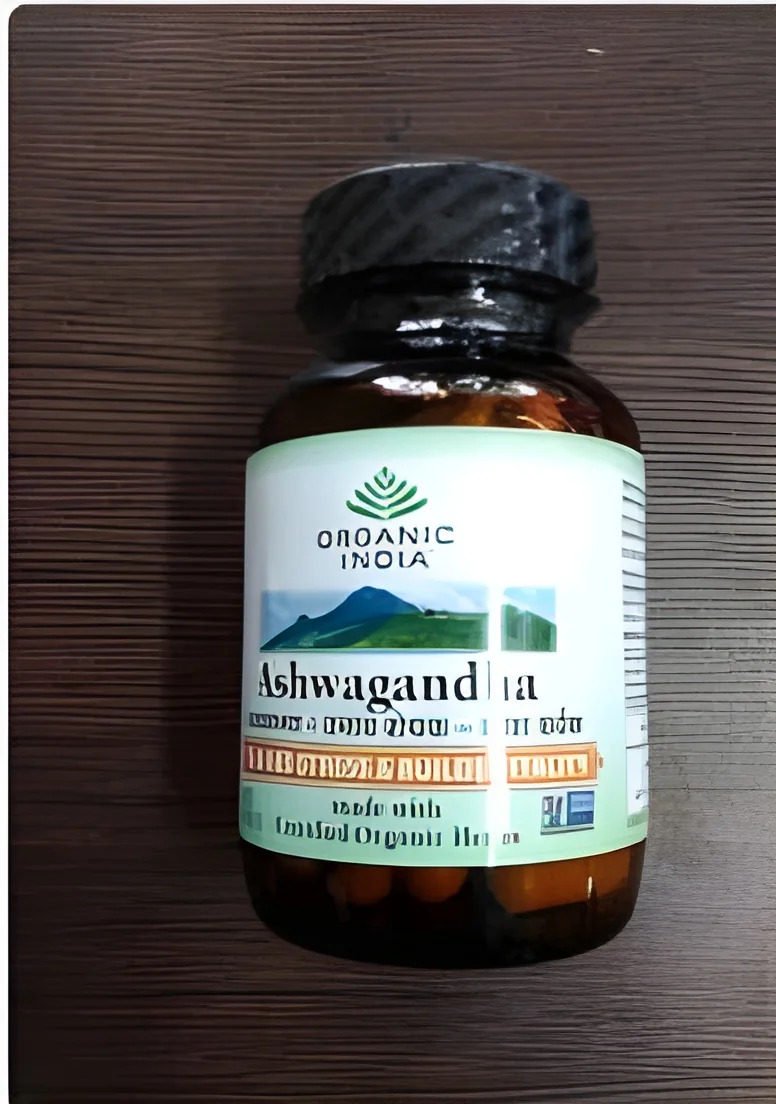
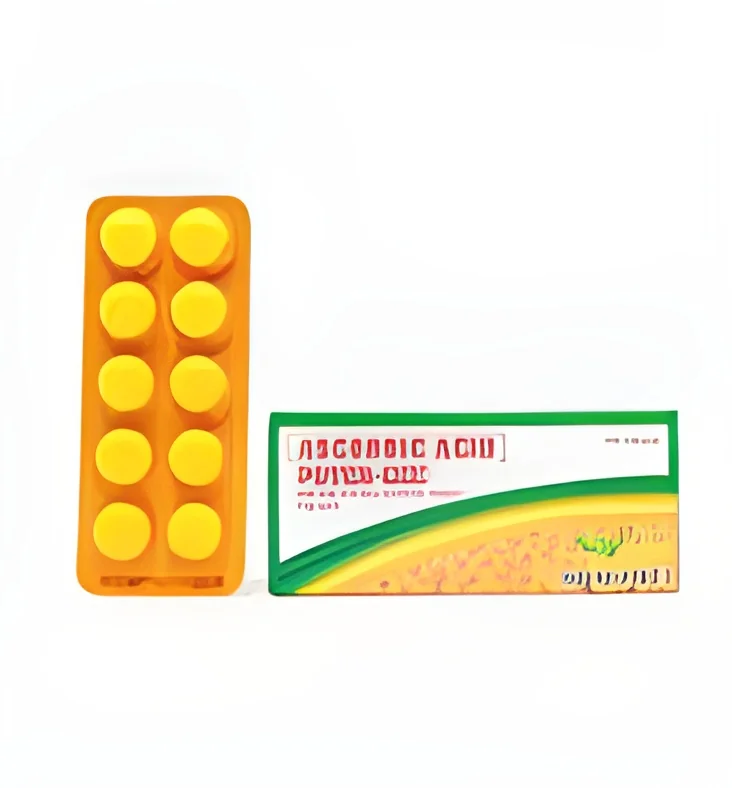
Health supplements and vitamins are products designed to enhance health and well-being. They can include a wide range of items, such as minerals, herbs, amino acids, and other dietary components. These products are typically available in various forms, including tablets, capsules, powders, and liquids. The primary function of health supplements is to provide nutrients that may be lacking in a person's diet, aiding in overall health and wellness.
In the B2B context, health supplements and vitamins find applications in multiple sectors, including healthcare, wellness, and nutrition. Businesses often utilize these products to support their employees' health, enhance productivity, and meet regulatory requirements for workplace wellness. Health supplements are also increasingly integrated into product offerings by retailers, fitness centers, and health practitioners, reflecting a growing market trend towards preventive healthcare and natural health solutions.
The health supplements and vitamins industry is a dynamic sector, projected to continue its growth due to rising consumer awareness about preventive health measures. The increasing demand for natural and organic products, coupled with an aging population, creates a favorable market environment. Businesses involved in this sector must stay attuned to regulatory changes and consumer trends to remain competitive.
𝗞𝗲𝘆 𝗙𝗲𝗮𝘁𝘂𝗿𝗲𝘀 𝗮𝗻𝗱 𝗦𝗽𝗲𝗰𝗶𝗳𝗶𝗰𝗮𝘁𝗶𝗼𝗻𝘀
Health supplements and vitamins come with a variety of features and specifications that are important for businesses to consider. These specifications ensure that products meet quality standards and consumer expectations.
Key specifications include:
1. Ingredient Composition
- The specific vitamins, minerals, and other active ingredients included.
- Must meet established dietary guidelines.
2. Dosage Form
- Available in forms such as capsules, tablets, powders, and liquids.
- Each form can have different absorption rates and usage instructions.
3. Shelf Life
- Indicates the duration the product remains effective and safe to consume.
- Typically ranges from 1 to 3 years based on formulation.
4. Packaging Type
- Packaging can vary from bulk containers to individual sachets.
- Important for maintaining product integrity and convenience.
5. Nutritional Claims
- Claims made on labels, such as "supports immune health" or "boosts energy."
- Must comply with local regulations regarding labeling.
6. Allergen Information
- Clear labeling of potential allergens present in the formulation.
- Crucial for consumer safety and compliance.
7. Third-party Testing
- Indicates whether the product has been tested for quality and efficacy.
- Often preferred by businesses seeking high-quality assurance.
8. Regulatory Compliance
- Must adhere to local health regulations and standards.
- Compliance with certifications such as CE is essential.
Understanding these specifications helps businesses make informed purchasing decisions.
𝗖𝗼𝗺𝗺𝗼𝗻 𝗔𝗽𝗽𝗹𝗶𝗰𝗮𝘁𝗶𝗼𝗻𝘀 𝗮𝗻𝗱 𝗨𝘀𝗲 𝗖𝗮𝘀𝗲𝘀
Health supplements and vitamins serve various industries, each with unique applications.
1. Healthcare: Hospitals and clinics use health supplements to support patient recovery and overall health. They may recommend specific vitamins to enhance treatment outcomes.
2. Fitness: Gyms and fitness centers offer supplements to help clients achieve their health goals, such as muscle gain or weight loss. Nutritional support is a vital component of fitness programs.
3. Retail: Health food stores and online retailers stock a wide variety of supplements. They cater to health-conscious consumers looking for preventive health solutions.
4. Food and Beverage: Manufacturers incorporate vitamins and minerals into food products. Fortified foods help provide essential nutrients to consumers.
5. Sports: Professional athletes and teams use supplements to enhance performance and recovery. Custom formulations tailored to specific sports are common.
6. Elder Care: Senior living facilities often provide supplements to residents to address age-related health issues. This ensures that nutritional needs are met as individuals age.
7. Nutritionists: Registered dietitians and nutritionists recommend supplements to clients based on individual dietary assessments. This personalized approach aids in managing health conditions.
𝗣𝗿𝗼𝗱𝘂𝗰𝘁 𝗩𝗮𝗿𝗶𝗮𝗻𝘁𝘀 𝗮𝗻𝗱 𝗦𝘂𝗯𝗰𝗮𝘁𝗲𝗴𝗼𝗿𝗶𝗲𝘀
Health supplements and vitamins exhibit a diverse range of products tailored to various needs.
Multivitamins: These are comprehensive formulations that provide a balanced mix of essential vitamins and minerals. They are popular for general health support and convenience.
Probiotics: These supplements contain live microorganisms that promote gut health. They are commonly used to support digestive health and boost immunity.
Omega-3 Fatty Acids: Derived from fish oil or algae, these supplements are beneficial for heart health and cognitive function. They are often recommended for overall wellness.
Herbal Supplements: These include natural plant-derived products that support various health functions. Common examples are echinacea for immune support and ginseng for energy.
Protein Powders: These are popular among fitness enthusiasts for muscle recovery and growth. They come in various forms, including whey, casein, and plant-based proteins.
𝗕𝗲𝗻𝗲𝗳𝗶𝘁𝘀 𝗮𝗻𝗱 𝗔𝗱𝘃𝗮𝗻𝘁𝗮𝗴𝗲𝘀
Health supplements and vitamins offer several key advantages to consumers and businesses alike.
1. Improved Nutritional Intake: Supplements help fill gaps in dietary nutrition, ensuring individuals receive essential vitamins and minerals.
2. Enhanced Health Outcomes: Regular use of health supplements can lead to better overall health, supporting immune function, energy levels, and mental clarity.
3. Convenience: Supplements provide a quick and easy way to consume necessary nutrients, especially for those with busy lifestyles or specific dietary restrictions.
4. Support for Specific Health Needs: Tailored formulations can address unique health concerns, such as joint health, heart health, or stress management.
5. Preventive Health: Regular supplementation can contribute to long-term health benefits, reducing the risk of chronic diseases.
6. Customization: Businesses can offer personalized supplement solutions based on consumer needs, enhancing customer satisfaction and loyalty.
𝗕𝘂𝘆𝗶𝗻𝗴 𝗚𝘂𝗶𝗱𝗲 𝗳𝗼𝗿 𝗕𝟮𝗕 𝗕𝘂𝘆𝗲𝗿𝘀
When sourcing health supplements and vitamins, businesses should consider several critical factors to ensure quality and compliance.
1. Quality Assessment: Evaluate products based on ingredient sourcing, manufacturing processes, and third-party testing. Look for certifications that demonstrate quality assurance.
2. Supplier Verification: Conduct thorough background checks on suppliers to ensure they have a reliable track record and adhere to industry standards.
3. Pricing and MOQ: Understand the pricing structure and minimum order quantities (MOQ) associated with products. This helps in budgeting and inventory management.
4. Delivery and Lead Times: Confirm logistics and delivery timelines to ensure timely availability of products. Consider the supplier's ability to meet your schedule.
5. Compliance Requirements: Ensure the products meet local and international regulations. This includes labeling, safety testing, and adherence to health standards.
𝗖𝗼𝗺𝗽𝗹𝗶𝗮𝗻𝗰𝗲 𝗮𝗻𝗱 𝗖𝗲𝗿𝘁𝗶𝗳𝗶𝗰𝗮𝘁𝗶𝗼𝗻𝘀
Compliance with industry standards and certifications is crucial for health supplements and vitamins. Key quality standards include ISO 9001, which ensures consistent quality management systems in manufacturing processes.
HACCP (Hazard Analysis Critical Control Point) is another essential standard that addresses food safety in production. This is particularly important in preventing contamination and ensuring consumer safety.
Additionally, compliance with Good Distribution Practice (GDP) ensures that products are stored and transported under optimal conditions to maintain their efficacy.
Industry-specific certifications, such as CE marking, indicate that products meet European health, safety, and environmental protection standards. This certification is vital for businesses looking to enter European markets.
Understanding these compliance requirements helps businesses establish trust with consumers and maintain a competitive edge in the market.
𝗪𝗵𝘆 𝗦𝗼𝘂𝗿𝗰𝗲 𝗛𝗲𝗮𝗹𝘁𝗵 𝗦𝘂𝗽𝗽𝗹𝗲𝗺𝗲𝗻𝘁𝘀 & 𝗩𝗶𝘁𝗮𝗺𝗶𝗻𝘀 𝗳𝗿𝗼𝗺 𝗣𝗲𝗽𝗮𝗴𝗼𝗿𝗮?
Pepagora provides a trusted platform for sourcing health supplements and vitamins. With a focus on quality and transparency, Pepagora connects businesses with verified suppliers.
Verified Supplier Network: Pepagora has established a network of reliable suppliers who undergo rigorous vetting processes. This ensures that businesses can source products that meet their quality and regulatory needs.
Streamlined RFQ Process: The platform offers a straightforward request for quotation (RFQ) process, enabling buyers to efficiently compare offerings and receive competitive pricing from multiple suppliers.
Trade Assurance and Support: Pepagora provides trade assurance, protecting buyers from potential risks. Dedicated support teams are available to assist throughout the procurement process.
Regional Coverage: With a strong presence in India, the GCC, and Southeast Asia, Pepagora caters to a wide geographic market. This regional coverage allows businesses to access diverse product offerings and meet local consumer demands.
By choosing Pepagora, businesses can confidently navigate the health supplements and vitamins market, ensuring they make informed decisions that support their operational goals.

 IN
IN