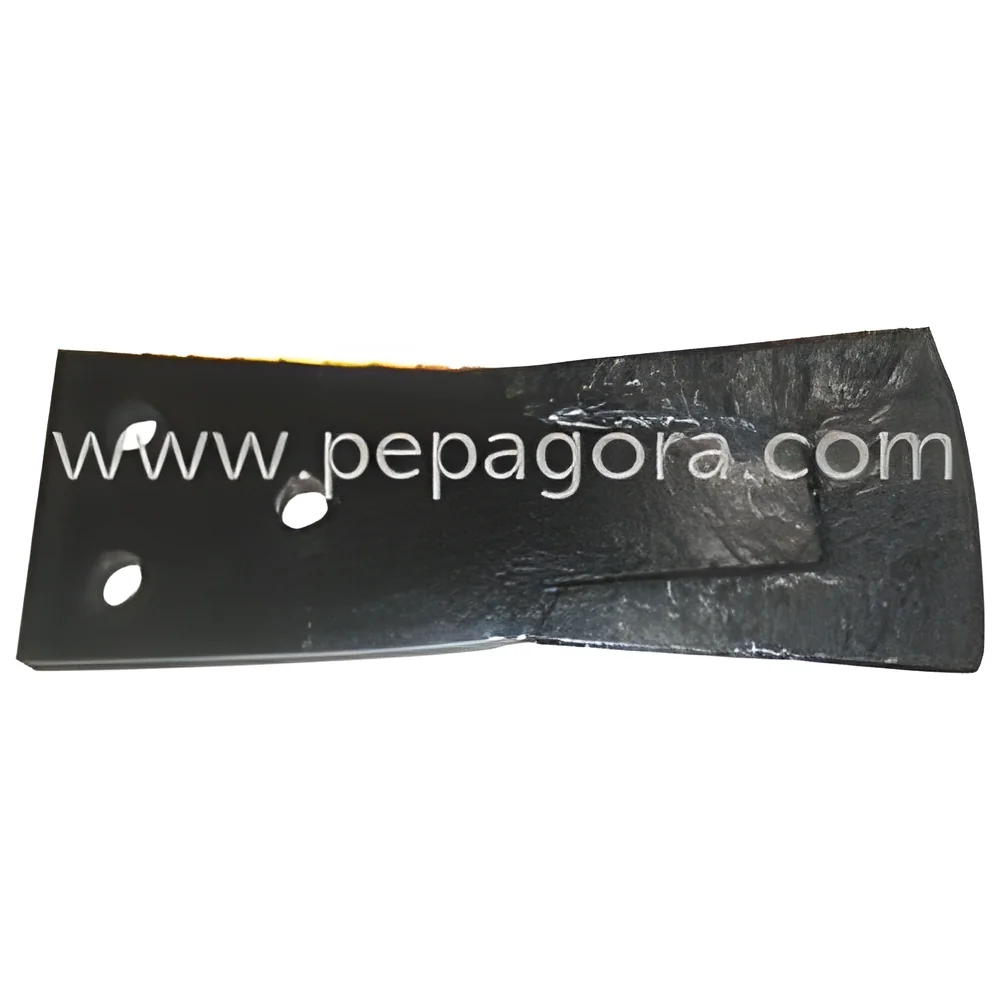
What are Utility Knives & Blades?
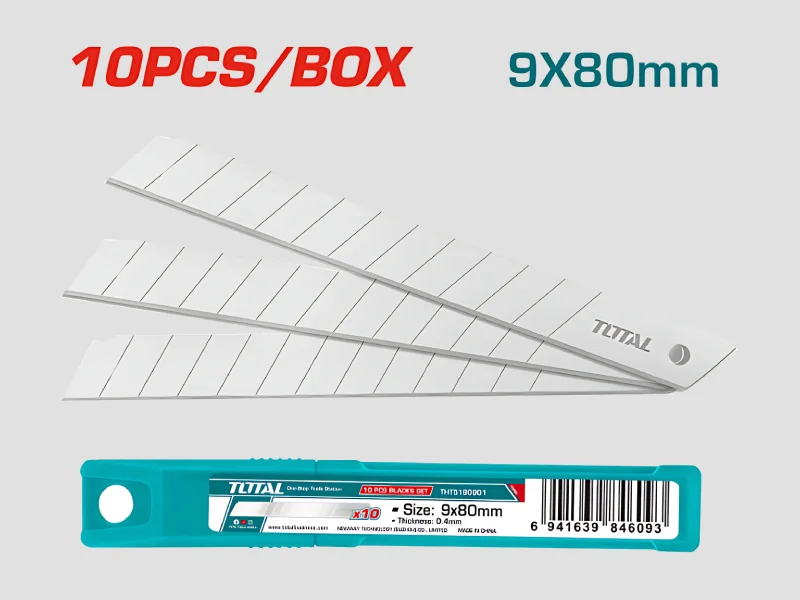
Utility knives and blades are versatile cutting tools designed for a range of applications in various industries. Typically featuring a retractable blade, utility knives are engineered for safety and ease of use, allowing for quick blade changes and adjustments. The blades themselves are often made from high-quality steel, providing durability and sharpness for extended periods. These tools are essential for tasks that require precision cutting, such as in packaging, manufacturing, and construction.
The primary uses of utility knives span multiple sectors, including retail, logistics, and maintenance. In retail environments, utility knives are commonly used for opening boxes and cutting packaging materials. In manufacturing, they help in the assembly and production processes by cutting various materials like plastics and fabrics. The construction industry relies on utility knives for tasks such as scoring drywall or cutting insulation. As a result, utility knives and blades have become fundamental tools in modern workplaces due to their practicality and effectiveness.
In the current market, utility knives and blades are widely recognized for their critical role in facilitating efficient operations across different sectors. Companies prioritize sourcing reliable and high-performing utility knives to ensure productivity and safety in their work environments. With the growing emphasis on ergonomics and user-friendly designs, the market continues to evolve, offering innovative solutions that meet the diverse needs of businesses.
Key Features and Specifications
Utility knives and blades come with several key features that enhance their functionality and usability. Understanding these specifications can help buyers choose the right tools for their specific applications.
Key specifications include:
1. Blade Material
- High-carbon steel or stainless steel options
- Ensures durability and sharpness
2. Blade Length
- Standard lengths typically range from 9 to 18 millimeters
- Suitable for various cutting tasks
3. Handle Design
- Ergonomic designs for comfortable grip
- Materials may include rubber or plastic for added safety
4. Blade Replacement Mechanism
- Quick-change systems for efficiency
- Compatibility with different blade types
5. Locking Mechanism
- Safety features to secure blade position
- Reduces risk of accidental slips or injuries
6. Weight
- Lightweight designs for portability
- Typically weigh between 100 to 300 grams
7. Blade Edge Type
- Available in straight or serrated edges
- Each type serves specific cutting needs
8. Additional Features
- Some models include retractable blades or built-in safety features
- May have magnetized tips for easy handling
In summary, utility knives and blades are designed with features that cater to the needs of various industries, ensuring both functionality and safety for users.
Common Applications and Use Cases
Utility knives and blades find applications across a wide range of industries due to their versatility and efficiency.
1. Retail: In retail settings, utility knives are essential for opening boxes, cutting packaging, and preparing products for display.
2. Logistics: Warehousing and distribution centers utilize utility knives for unpacking shipments, cutting strapping, and managing inventory.
3. Manufacturing: In manufacturing, utility knives are employed for cutting materials like cardboard, plastics, and textiles in production lines.
4. Construction: Construction workers rely on utility knives for tasks such as scoring drywall, trimming insulation, and cutting through various materials.
5. Agriculture: Farmers and agricultural workers often use utility knives for tasks like harvesting and packaging produce.
6. Arts and Crafts: Hobbyists and crafters utilize utility knives for detailed cutting and crafting projects, making them popular in creative industries.
7. Maintenance: Facilities maintenance teams use utility knives for various tasks, including removing old materials, cutting wires, and general repairs.
Product Variants and Subcategories
Utility knives and blades come in various designs to meet different user needs and preferences.
Retractable Utility Knives: These knives feature blades that can be extended or retracted for safety and convenience. They are popular in environments where cutting tasks may vary frequently.
Fixed-Blade Utility Knives: This variant has a blade that remains fixed in position, providing stability and control for precision cutting. Ideal for heavy-duty tasks, these knives are often used in industrial settings.
Multi-Functional Utility Knives: Some utility knives come equipped with additional tools, such as screwdrivers or bottle openers. These are favored by users who require multiple functions in a single tool.
Safety Utility Knives: Designed with enhanced safety features, these knives often include auto-retracting blades and protective guards. They are ideal for environments where safety is a primary concern.
Heavy-Duty Utility Knives: Built for rigorous use, heavy-duty models feature robust construction and thicker blades, suitable for cutting dense materials.
Benefits and Advantages
Utility knives and blades offer numerous benefits that enhance their value in various applications.
1. Versatility: These tools can handle a wide range of cutting tasks, making them suitable for multiple industries.
2. Safety: Many models come with safety features, such as retractable blades and locking mechanisms, reducing the risk of accidents.
3. Cost-Effectiveness: Utility knives are often affordable and provide long-lasting performance, resulting in lower overall operational costs.
4. Ease of Use: Designed for user-friendliness, utility knives allow for quick blade changes and comfortable handling.
5. Portability: Their lightweight design makes them easy to carry, allowing users to have them on hand whenever needed.
6. Ergonomic Designs: Many utility knives prioritize comfort, reducing hand fatigue during extended use.
Buying Guide for B2B Buyers
When sourcing utility knives and blades, it is essential for B2B buyers to consider several factors to ensure they make informed decisions.
1. Quality Assessment: Evaluate the materials and construction quality of the knives and blades. Look for options that provide durability and sharpness to minimize replacement frequency.
2. Supplier Verification: Vet suppliers to ensure they have a reliable track record. Check for customer reviews, certifications, and their ability to meet industry standards.
3. Pricing and MOQ: Understand the price ranges for different models and determine minimum order quantities (MOQ) that fit your purchasing needs.
4. Delivery and Lead Times: Consider logistics and supply chain factors. Ensure that suppliers can meet your required delivery schedules and lead times.
5. Compliance Requirements: Confirm that the products meet relevant safety and industry standards. This may include certifications such as CE or other regional compliance needs.
Compliance and Certifications
Utility knives and blades must adhere to specific quality standards and certifications to ensure safety and reliability. ISO 9001 is a widely recognized standard that sets criteria for quality management systems, ensuring that manufacturers consistently meet customer and regulatory requirements.
Additionally, compliance with HACCP standards is crucial for industries where food safety is a concern. This ensures that the tools used do not pose contamination risks during food preparation.
Certifications like CE indicate that the products meet European health, safety, and environmental protection standards. It is essential for manufacturers to conduct thorough safety testing to ensure that their utility knives and blades are safe for use in various applications.
Regional compliance considerations may also apply, depending on the geographical market in which the products are sold. Buyers should verify that the products they source meet all necessary local regulations to avoid any compliance issues.
Why Source Utility Knives & Blades from Pepagora?
Pepagora provides a trusted platform for sourcing utility knives and blades, offering several key advantages for B2B buyers.
Verified Supplier Network: Pepagora ensures that all suppliers are thoroughly vetted, providing buyers with confidence in the quality and reliability of the products.
Streamlined RFQ Process: The request for quotation (RFQ) process at Pepagora is designed for efficiency, allowing buyers to receive competitive quotes quickly and easily.
Trade Assurance and Support: Buyers are protected through trade assurance policies, ensuring that their orders are fulfilled as expected and providing support for any issues that may arise.
Regional Coverage: Pepagora has a strong presence in regions including India, the GCC, and Southeast Asia, making it easier for businesses to access a wide range of utility knives and blades tailored to their specific needs.

 IN
IN