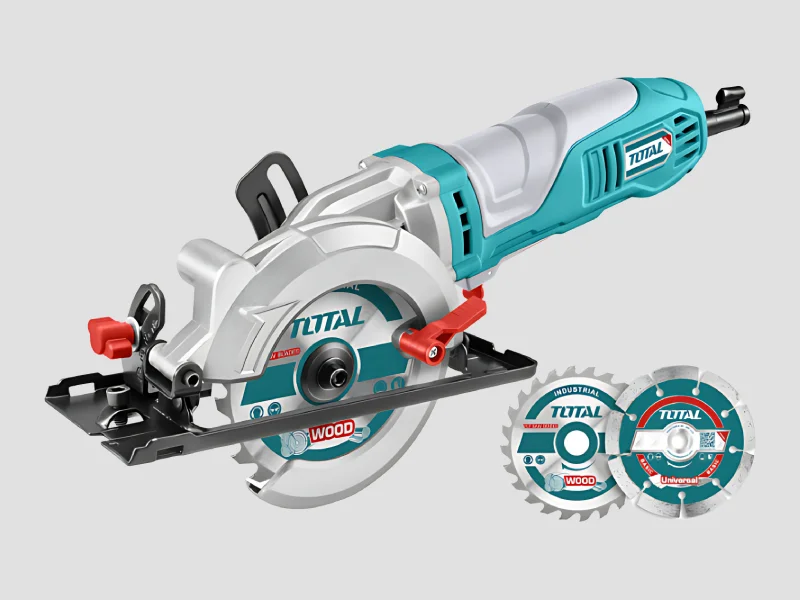
Key Features and Specifications
Electric saws come with various features that enhance their performance and usability. Understanding these specifications is crucial for making informed purchasing decisions.
Key specifications include:
1. Power Rating
- Measured in watts or amps, indicating the tool's cutting capacity.
- Common ranges vary from 400 to 1500 watts for jigsaws and 1200 to 2000 watts for circular saws.
2. Blade Type
- Different blades are available for various cutting applications, including wood, metal, and plastic.
- Blade sizes typically range from 3 to 7 inches for jigsaws and 4.5 to 10 inches for circular saws.
3. Speed Control
- Many electric saws feature variable speed settings, allowing users to adjust cutting speed based on the material.
- Speeds can range from 500 to 4000 strokes per minute for jigsaws and 2500 to 6000 revolutions per minute for circular saws.
4. Weight
- The weight of the tool affects portability and ease of handling.
- Jigsaws usually weigh between 3 to 6 pounds, while circular saws can range from 7 to 12 pounds.
5. Safety Features
- Important safety features include blade guards, electric brakes, and anti-kickback mechanisms.
- Compliance with safety standards is essential for user protection.
6. Corded vs. Cordless
- Electric saws can be corded, providing continuous power, or cordless, offering greater mobility.
- Cordless models typically run on lithium-ion batteries with varying runtimes.
7. Dust Management
- Some models include dust blowers or vacuum attachments to keep the workspace clean.
- Efficient dust management improves visibility and safety during cutting tasks.
8. Ergonomics
- User-friendly designs, including comfortable grips and balanced weight distribution, enhance usability.
- Adjustable handles and anti-vibration features contribute to user comfort.
In summary, understanding these key features and specifications will help buyers select electric saws that meet their operational needs effectively.
Common Applications and Use Cases
Electric saws are versatile tools used across various sectors, each catering to unique cutting needs.
1. Construction: Electric saws are essential in framing and roofing, enabling workers to cut wood and metal with precision.
2. Manufacturing: In manufacturing settings, jigsaws and circular saws are used for producing parts and components, ensuring accuracy in dimensions.
3. Woodworking: Hobbyists and professionals rely on electric saws for crafting furniture, cabinetry, and detailed woodwork.
4. Metalworking: Electric saws equipped with specialized blades are used for cutting metal sheets and rods, making them valuable in fabrication shops.
5. Electrical: Electricians often use circular saws to cut conduit and other electrical materials, ensuring clean and precise cuts.
6. Landscaping: In landscaping, electric saws are used for trimming and shaping materials like plywood for outdoor projects.
7. DIY Projects: Home improvement enthusiasts use electric saws for various projects, from building decks to renovating interiors.
Product Variants and Subcategories
Electric saws come in different variants, catering to specific needs and applications.
Jigsaw
A jigsaw is ideal for making intricate cuts and curves in various materials. It is lightweight and easy to maneuver, making it suitable for detailed work in woodworking and crafts.
Circular Saw
Circular saws are designed for straight cuts in thicker materials. Their powerful blades can handle wood, metal, and other materials, making them essential for construction and renovation projects.
Benefits and Advantages
Electric saws provide numerous benefits to users in various industries.
1. Precision Cutting: Electric saws offer high accuracy, enabling users to achieve clean and precise cuts, essential for professional results.
2. Increased Efficiency: These tools reduce cutting time compared to manual saws, allowing for faster project completion.
3. Versatility: With various blade options and features, electric saws can cut a wide range of materials, making them suitable for diverse applications.
4. User Safety: Advanced safety features minimize risks during operation, providing peace of mind for users.
5. Portability: Cordless electric saws enhance mobility, allowing users to work in different locations without being tethered to a power source.
6. Ease of Use: Many models are designed with user-friendly features, making them accessible for both skilled tradespeople and DIY enthusiasts.
Buying Guide for B2B Buyers
When sourcing electric saws, businesses should consider several factors to ensure they select the right products.
1. Quality Assessment: Look for tools that meet high standards of quality and performance. Verify the brand's reputation and reviews to ensure reliability.
2. Supplier Verification: Vet suppliers by checking their credentials, customer feedback, and product warranties. This ensures a trustworthy sourcing relationship.
3. Pricing and MOQ: Consider the total cost of ownership, including price per unit and minimum order quantities. Negotiate terms that align with your budget and needs.
4. Delivery and Lead Times: Understand the expected delivery times and logistics involved. Ensure suppliers can meet your project timelines.
5. Compliance Requirements: Ensure that the electric saws comply with relevant industry standards and regulations, such as safety certifications.
Compliance and Certifications
Electric saws must adhere to various quality standards and certifications to ensure safety and performance.
ISO 9001 is a significant quality management standard that applies to manufacturers, ensuring consistent production and quality control processes.
Certifications such as CE and UL verify that electric saws meet safety and performance requirements. CE marking indicates compliance with European health, safety, and environmental standards, while UL certification is recognized primarily in North America.
Safety testing requirements include ensuring that electric saws perform safely under normal operating conditions. This includes assessing electrical safety, mechanical risks, and user ergonomics.
Regional compliance considerations are vital, as different regions may have varying regulations and standards for electric tools. Understanding these requirements helps in sourcing suitable products for specific markets.
Why Source Electric Saws (Jigsaw, Circular) from Pepagora?
Pepagora offers a reliable platform for sourcing electric saws, providing several key advantages to B2B buyers.
Verified Supplier Network: Pepagora ensures that all suppliers on the platform undergo thorough verification processes. This helps buyers connect with trustworthy manufacturers and distributors, reducing risks associated with sourcing.
Streamlined RFQ Process: The request for quotation (RFQ) system simplifies the procurement process. Users can easily compare multiple offers, ensuring they receive competitive pricing and terms.
Trade Assurance and Support: Pepagora provides trade assurance, protecting buyers from potential disputes and ensuring that orders are fulfilled as agreed. This adds a layer of security to the purchasing process.
Regional Coverage: With a strong presence in India, the GCC, and Southeast Asia, Pepagora connects buyers with suppliers in diverse markets. This geographic reach allows businesses to source electric saws that suit their operational needs effectively.

 IN
IN