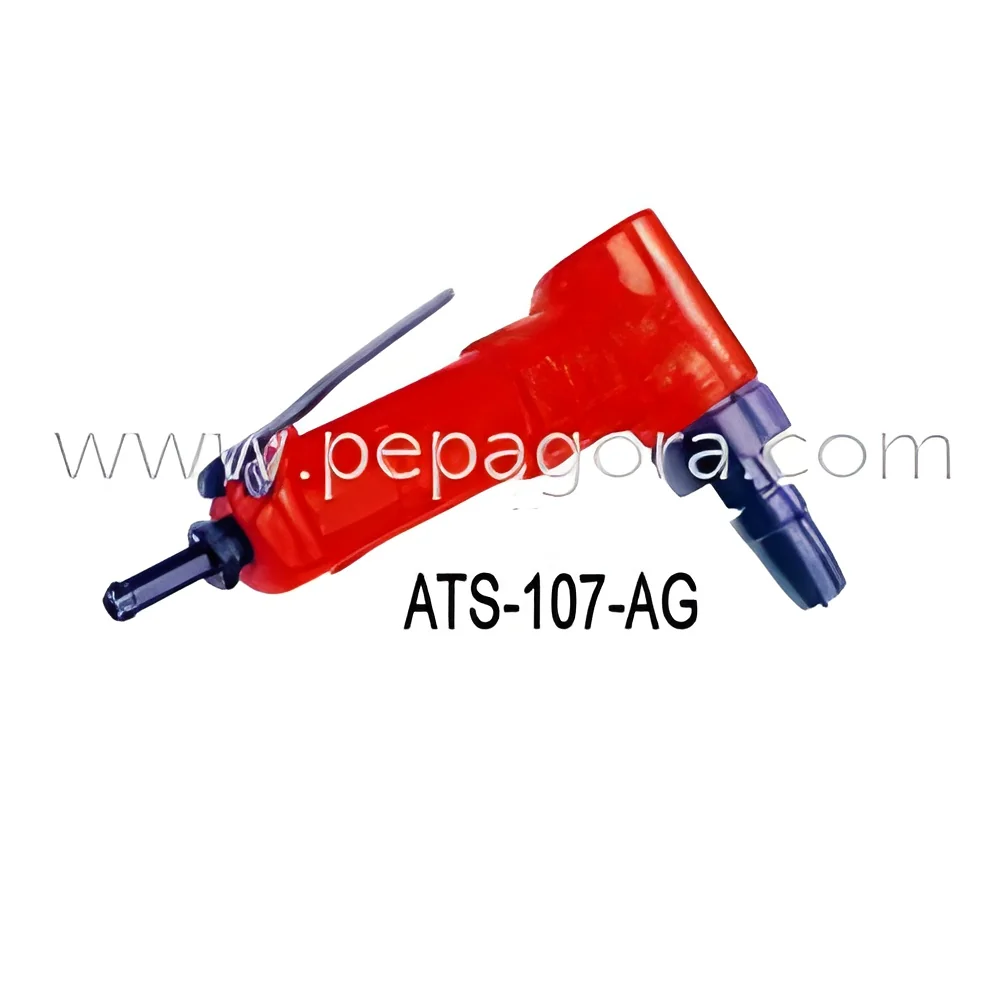
What are Angle Grinders?
Angle grinders are versatile power tools used for cutting, grinding, and polishing various materials. They operate using a rotating disc or wheel that can be changed according to the task. Angle grinders are powered either by electricity or compressed air, making them suitable for various industrial applications. Their design allows for easy handling and maneuverability, which is essential for achieving precision in work.
These tools find primary use in metal fabrication, construction, and maintenance tasks. Businesses utilize angle grinders for tasks such as cutting metal sheets, grinding welds, and polishing surfaces. Their adaptability makes them essential in workshops, factories, and construction sites. The angle grinder market continues to grow, reflecting the demand for reliable and efficient tools in the industrial sector.
Key Features and Specifications
Angle grinders come with several features designed to enhance performance and user safety. Understanding these specifications is crucial for selecting the right tool for specific applications.
Key specifications include:
1. Power Rating
- This specification indicates the motor's power, typically ranging from 500 watts to 2500 watts, which affects the tool's cutting ability.
2. Disc Size
- The diameter of the grinding or cutting disc can vary, commonly between 4.5 inches and 9 inches. The size influences the depth of the cut and the type of work that can be undertaken.
3. Speed
- The no-load speed is measured in RPM (revolutions per minute) and can range from 5000 to 12000 RPM, impacting the efficiency of operation.
4. Weight
- Angle grinders vary in weight from 2 to 5 kg, which can affect handling and prolonged use.
5. Safety Features
- Many models include features like safety guards, anti-restart functions, and vibration control for enhanced user safety.
6. Power Source
- Angle grinders can be electric, cordless, or pneumatic, offering different advantages based on the work environment.
7. Adjustable Speed Settings
- Some grinders offer variable speed settings, allowing users to match the tool's speed to the material being worked on.
8. Dust Protection
- Certain models come with dust protection systems to enhance durability and maintain performance in tough environments.
In summary, selecting an angle grinder involves understanding these specifications to ensure it meets the operational needs and safety standards required in various industries.
Common Applications and Use Cases
Angle grinders serve a wide range of industries and applications, making them indispensable tools for professionals.
1. Metal Fabrication: Angle grinders are widely used for cutting and grinding metal components during fabrication processes. They help in achieving smooth finishes and precise cuts.
2. Construction: In construction, these tools are employed for cutting tiles, concrete, and masonry. Their portability allows workers to use them on-site effectively.
3. Automotive: Mechanics utilize angle grinders for refurbishing and polishing car parts, as well as for cutting through rusted or damaged metal.
4. Electrical: Electricians may use angle grinders to cut through metal conduits and to prepare surfaces for electrical installations.
5. Shipbuilding: In shipbuilding, angle grinders are essential for metal shaping, cleaning, and finishing tasks that ensure structural integrity.
6. Plumbing: Plumbers often use angle grinders to cut pipes and fittings, making them versatile for various plumbing applications.
7. DIY Projects: Hobbyists and DIY enthusiasts use angle grinders for home improvement projects, including metalwork and woodworking.
Product Variants and Subcategories
Angle grinders come in various types and configurations to cater to different user needs.
Pneumatic Angle Grinders
These grinders are powered by compressed air, making them lightweight and ideal for continuous use in industrial applications. They are often used in environments where electric tools may pose a risk.
Cordless Angle Grinders
Battery-powered models offer the freedom of mobility without the constraints of electrical cords. They are suitable for tasks where access to power sources is limited.
Electric Angle Grinders
These are the most common type and come with varying power ratings. They are ideal for heavy-duty applications and are available in both corded and cordless versions.
Benefits and Advantages
Angle grinders offer numerous benefits that enhance their appeal for industrial and commercial use.
1. Versatility: Angle grinders can handle various tasks, including cutting, grinding, and polishing, making them a multifunctional tool in any workspace.
2. Efficiency: These tools enable faster work completion, significantly reducing labor time on projects.
3. Precision: With the right attachments, angle grinders can provide high precision in cutting and finishing.
4. Accessibility: The portability of angle grinders allows for use in tight spaces and various environments, increasing their utility.
5. Cost-Effective: Their ability to perform multiple functions reduces the need for additional tools, thereby saving costs in tool procurement.
6. Safety Features: Modern angle grinders are designed with safety in mind, incorporating features that protect the user during operation.
Buying Guide for B2B Buyers
When sourcing angle grinders, it is essential to consider specific factors to ensure the best purchase decision.
1. Quality Assessment: Evaluate the quality of the grinder by checking certifications and reviews from other users to ensure it meets industrial standards.
2. Supplier Verification: Vet suppliers by examining their reputation, customer feedback, and industry experience to ensure reliability and product authenticity.
3. Pricing and MOQ: Understand the pricing structure and minimum order quantities to align with your budget and business needs.
4. Delivery and Lead Times: Discuss logistics with suppliers to confirm delivery schedules and lead times that match your operational requirements.
5. Compliance Requirements: Ensure that the products meet any regional compliance and safety standards pertinent to your industry.
Compliance and Certifications
Angle grinders must adhere to specific quality standards and certifications to ensure safety and reliability. ISO 9001 is a common standard that signifies effective quality management systems in manufacturing processes.
Additionally, industry certifications such as CE indicate compliance with European safety, health, and environmental protection standards.
Safety and testing requirements are critical, with angle grinders being subjected to rigorous testing to ensure they operate safely under various conditions.
Regional compliance considerations may vary, so it’s important for businesses to confirm that the tools meet local regulations before procurement.
Why Source Angle Grinders from Pepagora?
Pepagora serves as a trusted platform for sourcing angle grinders, offering several key advantages for B2B buyers.
Verified Supplier Network: Pepagora connects buyers with a network of verified suppliers, ensuring quality products and reliable service. This network is essential for businesses seeking trustworthy partners in their procurement process.
Streamlined RFQ Process: The platform features a streamlined Request for Quotation (RFQ) process that simplifies the procurement of angle grinders. Buyers can easily compare quotes from multiple suppliers to make informed decisions.
Trade Assurance and Support: Pepagora provides trade assurance and dedicated support for buyers, offering protection throughout the purchasing process. This support builds buyer confidence in their transactions.
Regional Coverage: With a geographic reach that includes India, the GCC, and Southeast Asia, Pepagora facilitates access to a wide range of suppliers, ensuring that businesses can find the right angle grinders to meet their specific needs.

 IN
IN