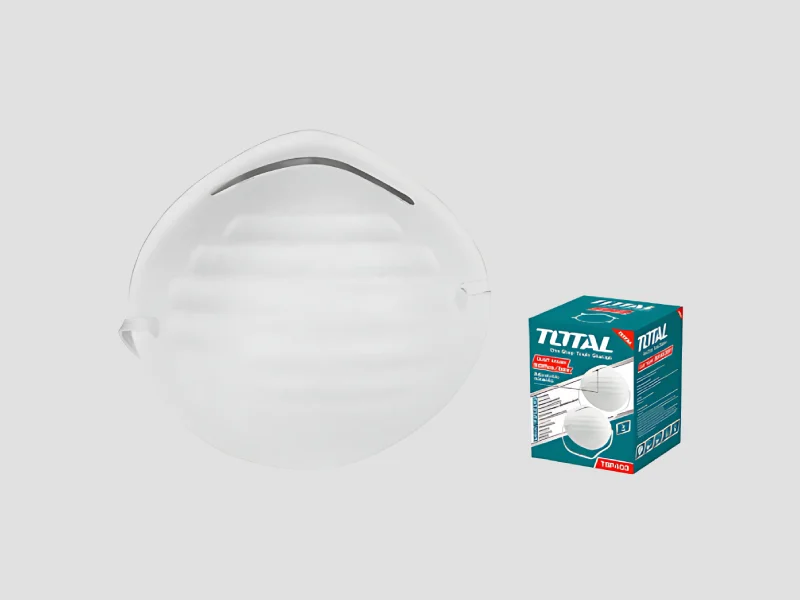
What are Dust Masks & Respirators?
Dust masks and respirators are essential protective devices designed to safeguard the respiratory system from harmful airborne particles. Dust masks typically filter out larger particles, while respirators provide a higher level of filtration, protecting against smaller and more hazardous substances. These devices are crucial in various settings where airborne contaminants are present, ensuring that workers can perform their duties safely.
Primarily, dust masks and respirators are used in industries such as construction, manufacturing, mining, and healthcare. In construction, they protect workers from dust, silica, and other irritants. In healthcare, respirators are vital for preventing the inhalation of pathogens. These devices are also increasingly relevant in response to environmental concerns, such as air pollution and allergens, prompting businesses to adopt respiratory protection measures.
The market for dust masks and respirators has grown significantly due to heightened awareness around occupational safety and health regulations. With increasing regulatory pressure and a focus on worker safety, businesses are investing in high-quality respiratory protection to comply with industry standards and to promote a safer working environment.
Key Features and Specifications
Dust masks and respirators come with various features tailored to enhance user safety and comfort. Understanding these specifications is crucial for businesses when selecting the right protective gear.
Key specifications include:
1. Filtration Efficiency
- Refers to the percentage of airborne particles that the mask can filter.
- Common ratings include N95, P100, and FFP2, indicating varying levels of protection.
2. Comfort Fit
- Features such as adjustable straps and nose clips enhance the fit and comfort for prolonged use.
- A proper fit ensures optimal sealing against contaminants.
3. Material Composition
- Masks are often made from non-woven fabric, which provides durability and breathability.
- Some may incorporate activated carbon layers for additional chemical protection.
4. Respiratory Resistance
- This measures the ease of breathing through the mask.
- Lower resistance values indicate a more comfortable experience for the user.
5. Certification Standards
- Devices must meet safety standards such as CE marking for compliance with European regulations.
- Additional certifications may include ANSI and NIOSH in the United States.
6. Disposable vs. Reusable
- Disposable masks are designed for single use, while reusable respirators can be cleaned and fitted with replaceable filters.
- Selection depends on the specific applications and cost considerations.
7. Valve Mechanism
- Some respirators feature exhalation valves to reduce heat and moisture buildup during use.
- This feature enhances comfort, especially in high-temperature environments.
8. Size Variability
- Masks are available in different sizes to accommodate varying face shapes and sizes.
- Ensuring the right size is critical for effective protection.
In summary, selecting dust masks and respirators requires a thorough understanding of their features and specifications to ensure maximum protection and comfort for users.
Common Applications and Use Cases
Dust masks and respirators are utilized across a range of industries, tailored to meet specific needs and safety requirements.
1. Construction: Dust masks are commonly used by workers to protect against silica dust, paint fumes, and other harmful particles. This is essential for ensuring a safe working environment on construction sites.
2. Manufacturing: In manufacturing settings, respirators protect workers from exposure to chemical vapors, dust, and other airborne contaminants that could pose health risks.
3. Mining: Miners rely on respirators to safeguard against dust and toxic gases in underground environments. These devices are critical for preventing respiratory illnesses.
4. Agriculture: Agricultural workers use masks to protect themselves from pesticides and other harmful chemicals, promoting a safer working environment.
5. Healthcare: In healthcare settings, respirators are vital for protecting medical staff from airborne pathogens, especially during procedures that generate aerosols.
6. Food Processing: Employees in food processing plants use respiratory protection to avoid inhaling dust from ingredients and other particulate matter.
7. Pharmaceuticals: Workers in pharmaceutical manufacturing must adhere to strict safety guidelines, using respirators to prevent inhalation of hazardous substances.
Product Variants and Subcategories
Dust masks and respirators come in various types to cater to different needs and environments. Each variant is designed with specific features to enhance protection.
Disposable Dust Masks: These are lightweight and intended for single-use applications. They offer basic protection against non-toxic dust and are ideal for short-term tasks in construction and general maintenance.
Half-Face Respirators: These provide a snug fit over the nose and mouth, often equipped with replaceable filters. They are suitable for environments with higher levels of airborne contaminants, including chemicals and vapors.
Full-Face Respirators: Covering the entire face, these respirators offer comprehensive protection against gases, vapors, and particulates. They are commonly used in hazardous material handling and industrial applications.
Powered Air-Purifying Respirators (PAPRs): These devices use a battery-powered blower to provide a continuous flow of filtered air. They are ideal for environments with a high concentration of airborne contaminants.
Reusable Respirators: Designed for extended use, these respirators can be fitted with various filters. They are cost-effective for businesses that require ongoing respiratory protection.
Benefits and Advantages
Investing in dust masks and respirators offers numerous benefits for businesses and their employees.
1. Enhanced Safety: These devices significantly reduce the risk of respiratory illnesses by filtering harmful particles and contaminants from the air.
2. Compliance with Regulations: Utilizing proper respiratory protection helps businesses adhere to occupational safety regulations, reducing the likelihood of penalties.
3. Improved Worker Productivity: With reliable protection, workers can focus on their tasks without the distraction of potential health risks, leading to higher productivity levels.
4. Cost-Effectiveness: High-quality reusable respirators can lead to long-term savings compared to disposable options, especially in environments requiring constant use.
5. Versatility: Dust masks and respirators are available in various styles and specifications, making them suitable for a wide range of industries and applications.
6. Increased Comfort: Features such as adjustable straps and lightweight materials enhance user comfort, encouraging consistent use throughout the workday.
Buying Guide for B2B Buyers
When sourcing dust masks and respirators, B2B buyers should consider several crucial factors to make informed purchasing decisions.
1. Quality Assessment: Evaluate the quality of materials and construction. Look for certifications like CE to ensure compliance with safety standards.
2. Supplier Verification: Vet potential suppliers by checking their reputation, certifications, and customer reviews to ensure reliability and product quality.
3. Pricing and MOQ: Analyze the cost per unit and minimum order quantities. Consider bulk purchasing options for cost savings.
4. Delivery and Lead Times: Factor in logistics and delivery times to ensure that products arrive when needed, minimizing disruptions in operations.
5. Compliance Requirements: Understand the regulatory requirements specific to your industry, ensuring that purchased products meet safety and health standards.
Compliance and Certifications
Dust masks and respirators must adhere to rigorous quality standards to ensure safety and effectiveness. Common standards include ISO 9001, which addresses quality management systems, and HACCP, focusing on food safety. Additionally, compliance with Good Distribution Practices (GDP) is crucial for suppliers in the healthcare and pharmaceutical industries.
Industry certifications, such as CE marking, indicate that products meet European safety regulations. This certification ensures that the masks and respirators have been tested for performance and safety. Furthermore, safety and testing requirements may vary by region, necessitating an understanding of local compliance rules to avoid potential issues.
Regional considerations are also important, as different markets may have specific regulations governing respiratory protective equipment. Manufacturers and suppliers must stay informed about these regulations to ensure that their products remain compliant across various jurisdictions.
Why Source Dust Masks & Respirators from Pepagora?
Pepagora provides an excellent platform for businesses seeking reliable dust masks and respirators, offering several key advantages.
Verified Supplier Network: Pepagora ensures that all suppliers undergo a stringent verification process. This guarantees that buyers can trust the quality and reliability of the products being offered.
Streamlined RFQ Process: The Request for Quotation (RFQ) system simplifies the procurement process. Buyers can easily compare offers from multiple suppliers, ensuring they find the best options available.
Trade Assurance and Support: Pepagora offers trade assurance to protect buyers, providing additional peace of mind when sourcing products. Dedicated support teams are available to assist with any concerns or questions.
Regional Coverage: With a strong presence in India, the GCC, and Southeast Asia, Pepagora connects buyers with suppliers across these regions, facilitating efficient sourcing of dust masks and respirators tailored to specific market needs.

 IN
IN