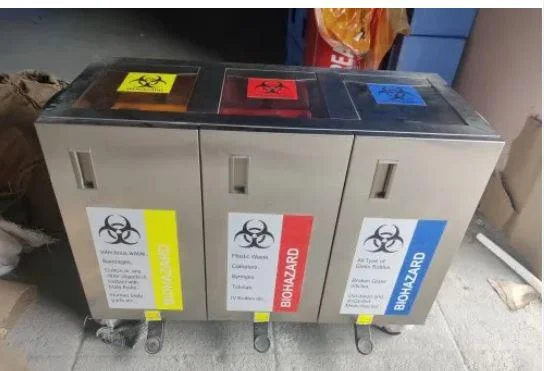
𝗪𝗵𝗮𝘁 𝗮𝗿𝗲 𝗧𝗿𝗼𝗹𝗹𝗲𝘆𝘀 𝗳𝗼𝗿 𝗕𝗶𝗼𝗺𝗲𝗱𝗶𝗰𝗮𝗹 𝗪𝗮𝘀𝘁𝗲?
Trolleys for Biomedical Waste are specialized transport solutions designed to safely and efficiently manage and dispose of hazardous medical waste. These trolleys are equipped with features that ensure the secure containment of waste materials, preventing contamination and promoting safety in healthcare environments. They are typically constructed from durable materials that can withstand the rigors of frequent use and maintain hygiene standards essential in medical settings.
The primary uses of biomedical waste trolleys include the collection, transportation, and temporary storage of various types of medical waste, such as sharps, infectious materials, and non-hazardous waste. They are widely used in hospitals, clinics, laboratories, and waste management facilities. The effectiveness of these trolleys in managing waste contributes significantly to infection control and the overall safety of healthcare operations.
In the current market context, the importance of proper biomedical waste management has gained heightened awareness due to regulatory requirements and public health initiatives. The demand for trolleys designed for this purpose is on the rise, driven by the need for safe waste disposal methods. Industries are increasingly recognizing the value of investing in high-quality trolleys to comply with health regulations and protect both healthcare workers and patients.
𝗞𝗲𝘆 𝗙𝗲𝗮𝘁𝘂𝗿𝗲𝘀 𝗮𝗻𝗱 𝗦𝗽𝗲𝗰𝗶𝗳𝗶𝗰𝗮𝘁𝗶𝗼𝗻𝘀
When evaluating trolleys for biomedical waste, it is crucial to understand their key features and specifications that enhance functionality and safety.
Key specifications include:
1. Material Composition
- Constructed from high-grade stainless steel or heavy-duty plastic
- Resistant to corrosion and easy to clean
2. Load Capacity
- Designed to carry varying weights, often ranging from 100 to 200 kg
- Ensures stability while transporting heavy waste loads
3. Wheel Configuration
- Equipped with durable swivel wheels for easy maneuverability
- Often features locking mechanisms for stability during loading and unloading
4. Size and Dimensions
- Available in multiple sizes to accommodate different waste volumes
- Customizable dimensions to fit specific operational needs
5. Safety Features
- Includes secure lids or covers to prevent spillage
- Designed with rounded edges to minimize injury risks
6. Ease of Cleaning
- Smooth surfaces that facilitate thorough cleaning and sanitization
- Non-porous materials that resist bacterial growth
7. Compatibility with Waste Segregation Systems
- Designed to work with color-coded waste disposal systems
- Enhances compliance with waste management regulations
8. Certifications
- Compliant with CE certification for safety and quality assurance
- Meets industry standards for biomedical waste handling
In summary, trolleys for biomedical waste offer a range of features designed to enhance safety, efficiency, and compliance in waste management. Understanding these specifications is essential for selecting the right trolley for your business needs.
𝗖𝗼𝗺𝗺𝗼𝗻 𝗔𝗽𝗽𝗹𝗶𝗰𝗮𝘁𝗶𝗼𝗻𝘀 𝗮𝗻𝗱 𝗨𝘀𝗲 𝗖𝗮𝘀𝗲𝘀
Trolleys for biomedical waste are essential in various industries that handle medical and hazardous materials.
1. Healthcare Facilities: Hospitals and clinics utilize these trolleys for the safe transport of sharps, infectious waste, and general medical refuse from patient care areas to disposal sites.
2. Laboratories: Research and diagnostic labs use biomedical waste trolleys to manage hazardous materials, ensuring safe handling and compliance with strict regulations.
3. Pharmaceutical Companies: These trolleys are employed for the disposal of expired medications and other waste produced during drug manufacturing processes.
4. Dental Practices: Dental clinics rely on specialized trolleys to manage sharps and other biomedical waste generated during procedures.
5. Veterinary Clinics: Veterinary practices use these trolleys to handle animal waste and other hazardous materials, maintaining hygiene and safety standards.
6. Long-Term Care Facilities: Nursing homes and assisted living facilities benefit from biomedical waste trolleys to manage waste generated by residents and medical staff.
7. Waste Management Services: Companies specializing in waste disposal utilize trolleys specifically designed for the safe transport of biomedical waste to treatment facilities.
𝗣𝗿𝗼𝗱𝘂𝗰𝘁 𝗩𝗮𝗿𝗶𝗮𝗻𝘁𝘀 𝗮𝗻𝗱 𝗦𝘂𝗯𝗰𝗮𝘁𝗲𝗴𝗼𝗿𝗶𝗲𝘀
Trolleys for biomedical waste come in various designs to meet different operational needs.
Standard Biomedical Waste Trolley: This variant features a robust design suitable for general use in hospitals and clinics. It includes multiple compartments for waste segregation, enhancing compliance with disposal regulations.
Heavy-Duty Biomedical Waste Trolley: Designed for high-volume waste transport, this trolley offers increased load capacity and durability. It is ideal for larger healthcare facilities with significant waste management needs.
Recyclable Waste Trolley: This variant is specifically designed for the collection of recyclable materials, promoting sustainability in waste management practices. It features clear labeling and compartments for easy sorting.
𝗕𝗲𝗻𝗲𝗳𝗶𝘁𝘀 𝗮𝗻𝗱 𝗔𝗱𝘃𝗮𝗻𝘁𝗮𝗴𝗲𝘀
Investing in trolleys for biomedical waste provides numerous benefits to healthcare facilities and related industries.
1. Enhanced Safety: These trolleys minimize risks associated with handling hazardous waste, protecting healthcare workers from exposure.
2. Compliance with Regulations: Utilizing compliant trolleys helps organizations adhere to local and international waste management regulations, avoiding potential penalties.
3. Improved Efficiency: Streamlined waste transport processes reduce time spent on waste management, allowing healthcare professionals to focus on patient care.
4. Customization Options: Many trolleys can be tailored to meet specific needs, providing flexibility for diverse operational environments.
5. Long-Term Cost Savings: Durable construction and efficient design lead to lower maintenance and replacement costs over time.
6. Environmental Responsibility: Proper waste segregation and disposal contribute to a facility's sustainability efforts, improving its public image.
𝗕𝘂𝘆𝗶𝗻𝗴 𝗚𝘂𝗶𝗱𝗲 𝗳𝗼𝗿 𝗕𝟮𝗕 𝗕𝘂𝘆𝗲𝗿𝘀
When sourcing trolleys for biomedical waste, businesses should consider several key factors to ensure they make informed purchasing decisions.
1. Quality Assessment: Evaluate the trolley's material, construction, and design features to ensure they meet quality standards and are suitable for the intended use.
2. Supplier Verification: Research potential suppliers to confirm their reputation and reliability. Check for customer reviews, certifications, and product guarantees.
3. Pricing and MOQ: Understand the pricing structures and minimum order quantities required by suppliers. Compare costs across different vendors to find the best value.
4. Delivery and Lead Times: Inquire about logistics, including delivery times and shipping options, to ensure timely acquisition of trolleys for operational needs.
5. Compliance Requirements: Ensure that the trolleys meet all regulatory compliance standards relevant to your industry, including safety and environmental considerations.
𝗖𝗼𝗺𝗽𝗹𝗶𝗮𝗻𝗰𝗲 𝗮𝗻𝗱 𝗖𝗲𝗿𝘁𝗶𝗳𝗶𝗰𝗮𝘁𝗶𝗼𝗻𝘀
Trolleys for biomedical waste must adhere to several relevant quality standards and certifications to ensure safety and effectiveness in waste management.
ISO 9001: This international standard outlines criteria for a quality management system, ensuring that products consistently meet customer and regulatory requirements.
HACCP: The Hazard Analysis Critical Control Point system is critical in identifying and managing food safety hazards, relevant for products used in healthcare settings.
CE Certification: Trolleys for biomedical waste should ideally have CE certification, indicating conformity with health, safety, and environmental protection standards within the European Economic Area.
Safety and testing requirements are paramount, with manufacturers often conducting rigorous testing to ensure durability and reliability. Additionally, regional compliance considerations may vary, necessitating a thorough understanding of local regulations governing biomedical waste management.
𝗪𝗵𝘆 𝗦𝗼𝘂𝗿𝗰𝗲 𝗧𝗿𝗼𝗹𝗹𝗲𝘆𝘀 𝗳𝗼𝗿 𝗕𝗶𝗼𝗺𝗲𝗱𝗶𝗰𝗮𝗹 𝗪𝗮𝘀𝘁𝗲 𝗳𝗿𝗼𝗺 𝗣𝗲𝗽𝗮𝗴𝗼𝗿𝗮?
Pepagora provides a trusted platform for sourcing trolleys for biomedical waste with several key advantages.
Verified Supplier Network: Pepagora collaborates with a network of verified suppliers, ensuring that buyers have access to high-quality products and reliable service. Each supplier is vetted for compliance with industry standards.
Streamlined RFQ Process: The platform offers a simple request for quotation (RFQ) process, allowing buyers to easily compare prices and specifications from multiple suppliers, facilitating informed decision-making.
Trade Assurance and Support: Pepagora emphasizes buyer protection through trade assurance policies, ensuring that transactions are secure and that support is available throughout the purchasing process.
Regional Coverage: The platform operates across multiple regions, including India, the Gulf Cooperation Council (GCC) countries, and Southeast Asia, providing a broad reach for buyers seeking reliable sources for biomedical waste trolleys.

 IN
IN