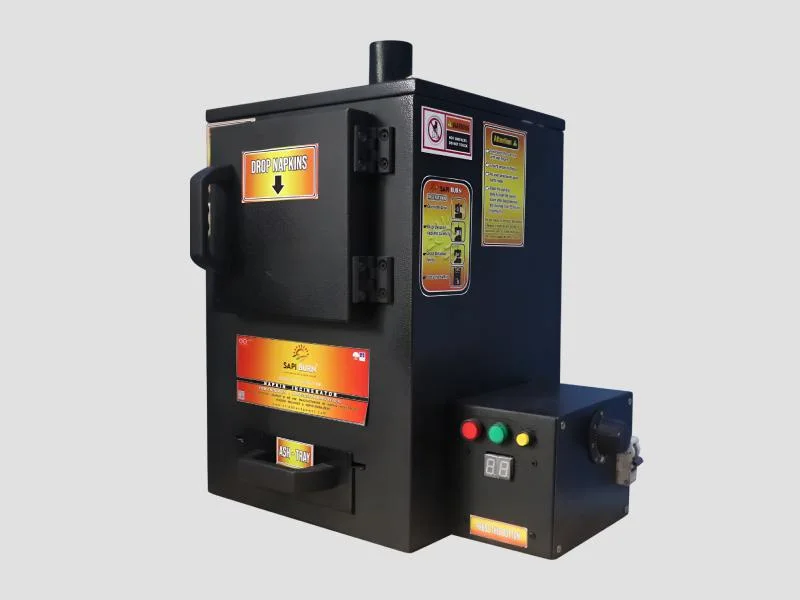
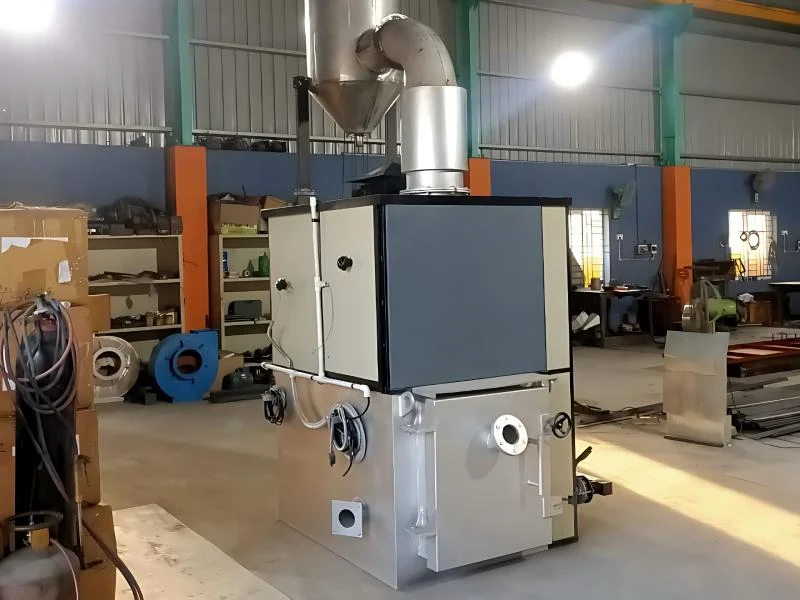
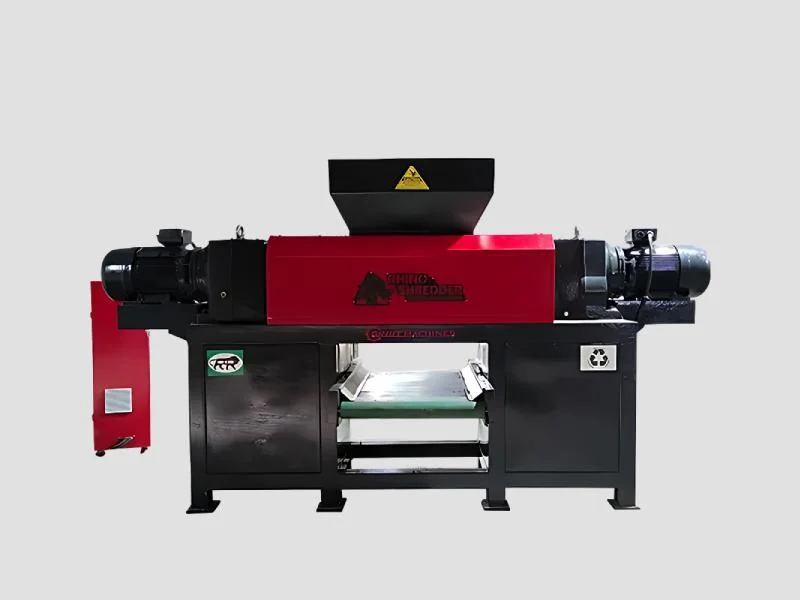
𝗪𝗵𝗮𝘁 𝗮𝗿𝗲 𝗦𝗵𝗿𝗲𝗱𝗱𝗲𝗿𝘀 𝗳𝗼𝗿 𝗕𝗶𝗼𝗺𝗲𝗱𝗶𝗰𝗮𝗹 𝗪𝗮𝘀𝘁𝗲?
Shredders for Biomedical Waste are specialized machines designed to reduce the size of medical waste materials. These machines play a crucial role in managing waste generated in healthcare settings, including hospitals, clinics, and laboratories. By shredding biomedical waste, these devices ensure safer disposal and help prevent potential hazards associated with improper waste management.
The primary applications of shredders for biomedical waste include the treatment of items such as syringes, surgical instruments, and other potentially infectious materials. They are essential for ensuring compliance with health regulations and minimizing the risk of contamination. Businesses in the healthcare sector rely on these shredders to effectively manage waste, reduce storage space, and ensure safe transportation of waste materials.
In the context of the growing global emphasis on healthcare waste management, the market for biomedical waste shredders is expanding. Regulatory bodies increasingly mandate proper waste disposal practices, and industries are investing in advanced technologies to meet these requirements. Thus, shredders for biomedical waste have become a critical component in the broader landscape of waste management solutions.
𝗞𝗲𝘆 𝗙𝗲𝗮𝘁𝘂𝗿𝗲𝘀 𝗮𝗻𝗱 𝗦𝗽𝗲𝗰𝗶𝗳𝗶𝗰𝗮𝘁𝗶𝗼𝗻𝘀
Shredders for Biomedical Waste are equipped with features that enhance their efficiency and safety. These features are designed to cater to the specific needs of medical waste disposal.
Key specifications include:
1. Shredding Capacity
- Defined by the volume of waste the shredder can process per hour.
- Typically ranges from 100 kg to 500 kg per hour.
2. Blade Type
- Utilizes heavy-duty, stainless steel blades for durability and effectiveness.
- Ensures consistent shredding performance and reduced maintenance.
3. Safety Features
- Includes emergency stop buttons and protective covers.
- Designed to prevent accidents during operation.
4. Noise Level
- Operates at reduced noise levels to ensure a quieter working environment.
- Generally ranges from 70 dB to 85 dB during operation.
5. Power Consumption
- Rated power consumption varies according to the model.
- Usually between 5 kW to 15 kW, depending on size and capacity.
6. Dimensions
- Compact designs available to fit various facility layouts.
- Footprint typically ranges from 1.5 m2 to 3 m2.
7. Control System
- Equipped with user-friendly control panels for easy operation.
- May include digital displays for monitoring shredding processes.
8. Compliance
- Meets industry safety standards and regulations for biomedical waste disposal.
- Certification by relevant authorities, such as CE.
These specifications ensure that shredders for biomedical waste efficiently manage the disposal process while maintaining safety and compliance.
𝗖𝗼𝗺𝗺𝗼𝗻 𝗔𝗽𝗽𝗹𝗶𝗰𝗮𝘁𝗶𝗼𝗻𝘀 𝗮𝗻𝗱 𝗨𝘀𝗲 𝗖𝗮𝘀𝗲𝘀
Shredders for Biomedical Waste find extensive use in various sectors.
1. Healthcare Facilities: Hospitals and clinics utilize these shredders to process surgical waste, contaminated materials, and used medical supplies, ensuring safe disposal.
2. Laboratories: Research and diagnostic labs rely on shredders to manage hazardous biological waste, minimizing risks of contamination.
3. Pharmaceuticals: Pharmaceutical companies use shredders to dispose of expired products and samples safely, adhering to regulatory requirements.
4. Veterinary Clinics: Veterinary practices use shredders for animal waste, ensuring it is handled and disposed of in compliance with health standards.
5. Waste Management Companies: These companies incorporate shredders into their operations to manage biomedical waste on behalf of healthcare providers, ensuring safe and efficient processing.
6. Educational Institutions: Medical schools and training facilities utilize shredders to dispose of waste generated during practical training sessions.
7. Emergency Services: Ambulance services and emergency responders can utilize shredders to process waste generated during medical emergencies, maintaining hygiene and safety.
𝗣𝗿𝗼𝗱𝘂𝗰𝘁 𝗩𝗮𝗿𝗶𝗮𝗻𝘁𝘀 𝗮𝗻𝗱 𝗦𝘂𝗯𝗰𝗮𝘁𝗲𝗴𝗼𝗿𝗶𝗲𝘀
Shredders for Biomedical Waste come in various types to accommodate different needs.
Mobile Shredders: These units are designed for portability, allowing for waste processing at multiple locations. They are ideal for facilities with variable waste generation.
Stationary Shredders: Fixed units that offer higher capacity and are suitable for larger healthcare facilities with significant waste output. They typically have advanced features for enhanced efficiency.
High-Temperature Shredders: Designed to handle specific types of waste requiring high-temperature processing. These models ensure complete sterilization of the material before disposal.
𝗕𝗲𝗻𝗲𝗳𝗶𝘁𝘀 𝗮𝗻𝗱 𝗔𝗱𝘃𝗮𝗻𝘁𝗮𝗴𝗲𝘀
Investing in shredders for biomedical waste provides numerous advantages to businesses.
1. Enhanced Safety: Shredders minimize the risk of injury and contamination by effectively reducing the size of hazardous waste.
2. Compliance Assurance: Using shredders helps organizations meet regulatory standards for waste disposal, reducing legal liabilities.
3. Cost-Effective: Shredding waste can lead to reduced transportation and disposal costs, as smaller waste volumes are easier to manage.
4. Environmental Responsibility: Proper shredding contributes to environmentally friendly waste management practices, reducing landfill use.
5. Improved Workflow: Shredders streamline waste handling processes, allowing staff to focus on core activities rather than waste management.
6. Reduced Storage Needs: Shredding waste reduces the volume of materials requiring storage, freeing up valuable space in healthcare facilities.
𝗕𝘂𝘆𝗶𝗻𝗴 𝗚𝘂𝗶𝗱𝗲 𝗳𝗼𝗿 𝗕𝟮𝗕 𝗕𝘂𝘆𝗲𝗿𝘀
When considering the purchase of shredders for biomedical waste, several key factors should be taken into account.
1. Quality Assessment: Evaluate the build quality and durability of the shredder. Look for products that meet industry standards and have a proven track record in performance.
2. Supplier Verification: Ensure that the suppliers have a good reputation and are known for their reliability. Checking reviews and asking for references can help in this process.
3. Pricing and MOQ: Understand the pricing structure and minimum order quantity (MOQ) for the shredders. Compare prices across different suppliers to ensure you get the best value.
4. Delivery and Lead Times: Confirm the expected delivery times and availability of the equipment. Ensure that suppliers can meet your timeline requirements.
5. Compliance Requirements: Verify that the shredders comply with local regulations and safety standards. This helps in avoiding potential legal issues in the future.
𝗖𝗼𝗺𝗽𝗹𝗶𝗮𝗻𝗰𝗲 𝗮𝗻𝗱 𝗖𝗲𝗿𝘁𝗶𝗳𝗶𝗰𝗮𝘁𝗶𝗼𝗻𝘀
Shredders for Biomedical Waste must adhere to various quality and safety standards.
ISO 9001 certification ensures that the manufacturing processes meet international quality management standards. This guarantees that products are consistently produced and controlled according to quality standards.
Certification by CE indicates compliance with European safety, health, and environmental protection standards. This is crucial for products sold in European markets.
Safety and testing requirements are essential to ensure that shredders operate safely and effectively. Regular maintenance and adherence to manufacturer guidelines are necessary for optimal performance.
Regional compliance considerations may vary based on local laws and regulations. It is important for buyers to be aware of these requirements to ensure proper operation and legal compliance.
𝗪𝗵𝘆 𝗦𝗼𝘂𝗿𝗰𝗲 𝗦𝗵𝗿𝗲𝗱𝗱𝗲𝗿𝘀 𝗳𝗼𝗿 𝗕𝗶𝗼𝗺𝗲𝗱𝗶𝗰𝗮𝗹 𝗪𝗮𝘀𝘁𝗲 𝗳𝗿𝗼𝗺 𝗣𝗲𝗽𝗮𝗴𝗼𝗿𝗮?
Pepagora offers a reliable platform for sourcing shredders for biomedical waste, providing significant advantages to business buyers.
Verified Supplier Network: Pepagora ensures that all suppliers are thoroughly vetted, providing buyers with confidence in their purchasing decisions. This reduces the risk of dealing with unreliable vendors.
Streamlined RFQ Process: The Request for Quotation process is designed to be efficient and user-friendly. Buyers can easily submit their requirements and receive competitive quotes from multiple suppliers.
Trade Assurance and Support: Pepagora provides trade assurance to protect buyers throughout the transaction process. This support includes assistance with any issues that may arise, ensuring peace of mind.
Regional Coverage: With a strong presence in India, the GCC, and Southeast Asia, Pepagora connects buyers with local suppliers, facilitating smoother transactions and support tailored to specific regional needs.
In summary, sourcing shredders for biomedical waste from Pepagora not only provides access to quality products but also ensures a supportive and secure purchasing experience.

 IN
IN