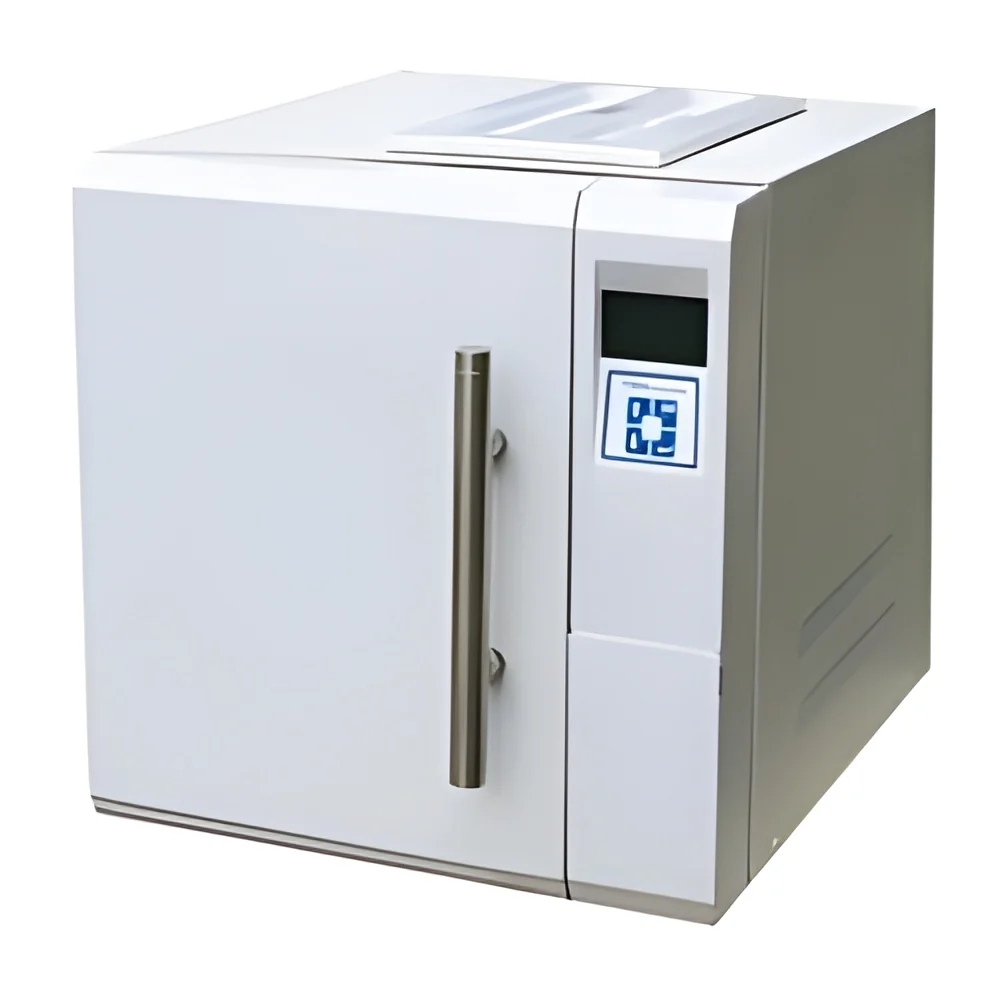
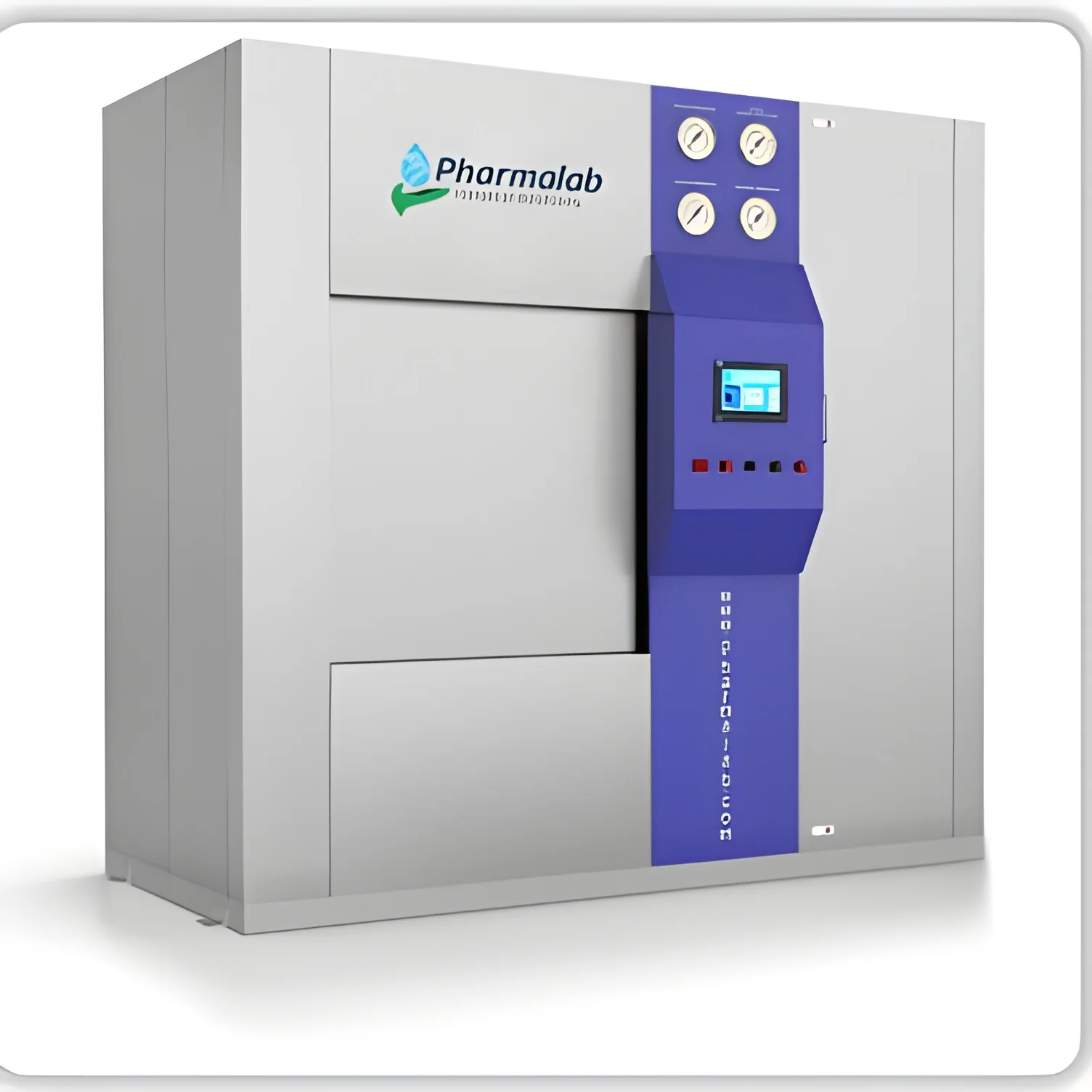
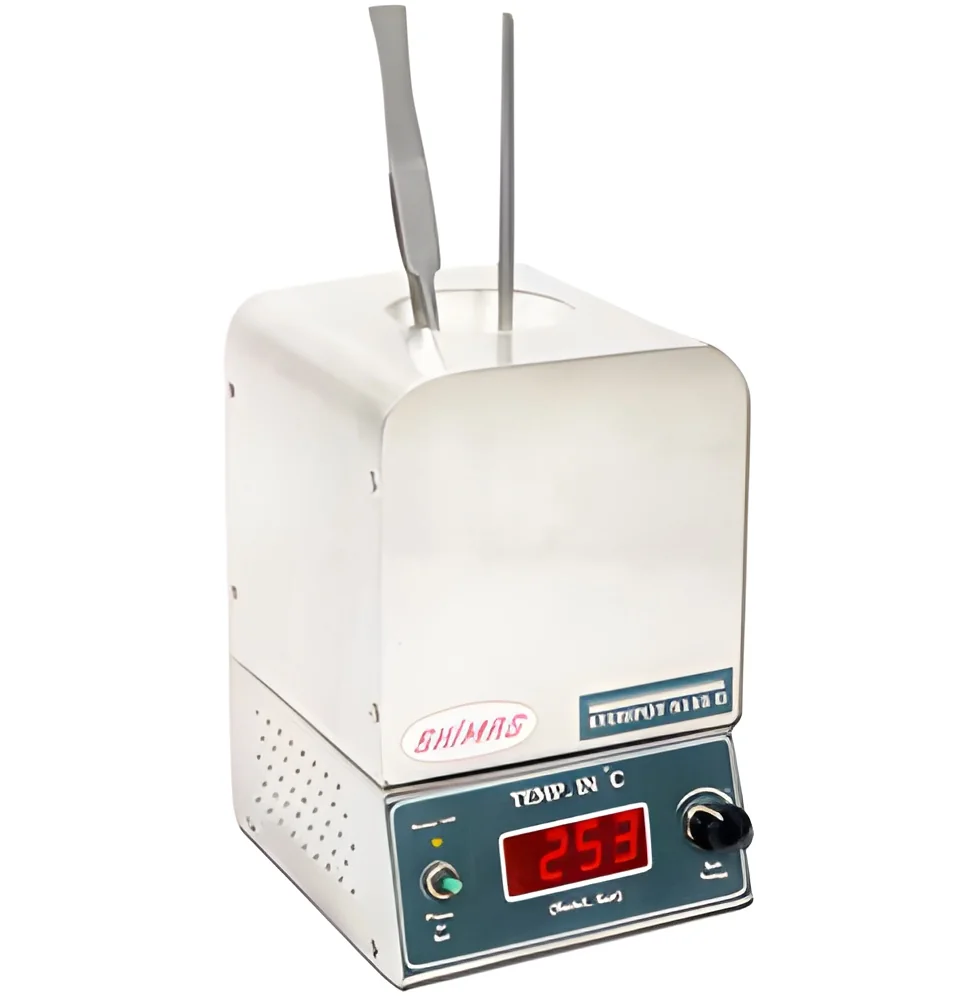
What are Autoclave Machines for Waste Sterilization?
Autoclave machines for waste sterilization are specialized equipment designed to eliminate harmful microorganisms and pathogens from various types of waste. They achieve this through a process that uses high-pressure steam and elevated temperatures, ensuring that the waste is rendered safe before disposal. This sterilization process is critical in preventing the spread of infections and maintaining hygiene, particularly in healthcare and laboratory settings.
These machines are commonly used in hospitals, laboratories, and industrial facilities that generate biohazardous waste. Their primary applications include the sterilization of surgical instruments, laboratory waste, and pharmaceutical products. As regulations around waste management become more stringent, the demand for effective sterilization solutions has increased. Autoclave machines play a vital role in ensuring compliance with health and safety standards within various industries.
The relevance of autoclave machines in today’s market cannot be overstated. With growing concerns over public health and environmental safety, the need for reliable sterilization solutions has surged. Industries are increasingly investing in advanced autoclave technology to meet regulatory requirements and enhance operational efficiency.
Key Features and Specifications
Autoclave machines for waste sterilization come equipped with several key features that enhance their functionality and efficiency. Understanding these specifications is essential for businesses looking to invest in these machines.
Key specifications include:
1. Chamber Capacity
- Determines the volume of waste that can be processed in a single cycle.
- Typically ranges from small units for laboratories to large-scale models for hospitals.
2. Temperature Control
- Ensures precise temperature settings for effective sterilization.
- Commonly operates at temperatures ranging from 121°C to 134°C.
3. Pressure Control
- Maintains the necessary pressure levels for steam penetration.
- Standard operating pressure is usually around 15-30 psi.
4. Cycle Time
- Refers to the duration it takes to complete a sterilization cycle.
- Average cycle times can vary between 30 to 60 minutes depending on the load and settings.
5. Monitoring Features
- Equipped with digital displays for real-time monitoring of temperature and pressure.
- Often includes data logging capabilities for compliance tracking.
6. Safety Features
- Includes automatic shut-off systems and pressure relief valves.
- Designed to ensure safe operation and prevent accidents.
7. Compliance Standards
- Meets various industry standards for performance and safety.
- Many models comply with CE and other relevant certifications.
8. Energy Efficiency
- Designed to minimize energy consumption while maintaining high sterilization efficacy.
- Features such as insulated chambers contribute to energy savings.
These features collectively ensure that autoclave machines operate efficiently while adhering to safety and compliance requirements.
Common Applications and Use Cases
Autoclave machines for waste sterilization serve a variety of industries, each benefiting from their advanced sterilization capabilities.
1. Healthcare: Hospitals and clinics use autoclaves to sterilize surgical instruments, ensuring they are free from pathogens before use. This process is critical in maintaining patient safety and preventing infections.
2. Laboratories: Research facilities utilize autoclaves to sterilize biological waste, including cultures and other potentially hazardous materials. This helps in complying with strict laboratory safety protocols.
3. Pharmaceuticals: Pharmaceutical companies rely on autoclave machines for sterilizing products and equipment to ensure the safety of medications and vaccines. This is essential for maintaining product integrity.
4. Veterinary Services: Veterinary clinics and animal hospitals use autoclaves to sterilize instruments and dispose of biohazardous waste safely. This protects both animal and human health.
5. Food Industry: Some food processing plants use autoclaves for sterilizing equipment and packaging materials to prevent contamination. This is crucial for food safety.
6. Research and Development: Companies involved in product development often use autoclaves to sterilize prototypes and materials that come into contact with sensitive biological materials.
7. Waste Management: Waste management facilities utilize autoclave technology to treat municipal and hazardous waste, ensuring that it is safely disposed of and does not pose environmental risks.
Product Variants and Subcategories
Autoclave machines for waste sterilization come in various configurations to meet specific industry needs. Each variant offers unique features and capabilities.
Standard Autoclave
This model is designed for general use in healthcare and laboratory settings. It features automatic controls for temperature and pressure, making it user-friendly and efficient for routine sterilization tasks.
High-Performance Autoclave
Engineered for rigorous applications, this variant offers enhanced capacity and faster cycle times. It is ideal for large hospitals and research facilities requiring high throughput.
Portable Autoclave
This compact unit is designed for field use, allowing for sterilization in remote locations. It is lightweight and easy to operate, making it suitable for mobile medical units and disaster relief efforts.
Benefits and Advantages
Investing in autoclave machines for waste sterilization offers several key benefits to businesses.
1. Enhanced Safety: Autoclaves effectively eliminate pathogens, reducing the risk of infection and contamination in various environments.
2. Compliance Assurance: Using certified autoclave machines helps businesses comply with health regulations and industry standards, minimizing legal risks.
3. Cost Efficiency: By reducing the need for outsourcing waste sterilization, organizations can lower operational costs associated with waste management.
4. Environmental Protection: Proper sterilization of waste minimizes environmental hazards, helping organizations meet sustainability goals.
5. Improved Reputation: Adopting advanced sterilization practices enhances a business's reputation for safety and responsibility, attracting more clients and partners.
6. Versatility: Autoclaves can handle a wide range of materials, making them suitable for diverse applications across multiple industries.
Buying Guide for B2B Buyers
When sourcing autoclave machines for waste sterilization, it is essential for businesses to consider several factors to make informed purchasing decisions.
1. Quality Assessment: Look for machines that meet recognized quality standards and certifications. Evaluate the materials used and the reputation of manufacturers in the industry.
2. Supplier Verification: Vet potential suppliers to ensure they have a proven track record in providing reliable autoclave equipment. Check customer reviews and case studies to gauge their performance.
3. Pricing and MOQ: Understand the cost structure and any minimum order quantities. Compare quotes from different suppliers to find the best value for your investment.
4. Delivery and Lead Times: Confirm the delivery schedules and lead times for the equipment. Ensure that the supplier can meet your project timelines.
5. Compliance Requirements: Verify that the autoclave machines comply with local and international regulations. This includes safety standards, environmental regulations, and industry-specific requirements.
Compliance and Certifications
Autoclave machines for waste sterilization must adhere to various quality standards and certifications to ensure their safety and efficacy.
ISO 9001 is a widely recognized quality management standard that ensures manufacturers maintain consistent quality in their processes. Compliance with this standard is crucial for ensuring that autoclaves are reliable and effective.
HACCP (Hazard Analysis Critical Control Point) is another important framework that outlines procedures to ensure food safety. Although primarily focused on food production, principles from HACCP can also apply to medical and laboratory settings.
Additionally, autoclave machines often hold CE certification, indicating compliance with European health, safety, and environmental protection standards. This certification assures businesses that the equipment meets rigorous testing and quality assurance requirements.
Safety and testing requirements are integral to the manufacturing process of autoclaves. Manufacturers must conduct thorough testing to validate the machines' performance under specified conditions.
Regional compliance considerations may vary, so businesses should be aware of local regulations governing waste sterilization and ensure their equipment meets these standards.
Why Source Autoclave Machines for Waste Sterilization from Pepagora?
Pepagora offers a reliable platform for sourcing autoclave machines for waste sterilization, providing several key advantages that benefit B2B buyers.
Verified Supplier Network: Pepagora has established a network of verified suppliers, ensuring that businesses can access high-quality autoclave machines from reputable manufacturers. This reduces the risk of substandard products.
Streamlined RFQ Process: The platform offers an efficient request for quotation (RFQ) process, allowing buyers to easily compare options and make informed decisions. This simplifies the procurement process and saves time.
Trade Assurance and Support: Pepagora provides trade assurance and support services, safeguarding buyers throughout the purchasing process. This includes assistance with negotiations and post-purchase support.
Regional Coverage: With a strong presence in India, the GCC, and Southeast Asia, Pepagora connects buyers with suppliers across these regions. This geographic reach ensures that businesses can find suitable autoclave machines tailored to their specific needs.

 IN
IN