𝗪𝗵𝗮𝘁 𝗮𝗿𝗲 𝗠𝗲𝗱𝗶𝗰𝗮𝗹 𝗪𝗮𝘀𝘁𝗲 𝗜𝗻𝗰𝗶𝗻𝗲𝗿𝗮𝘁𝗼𝗿𝘀?
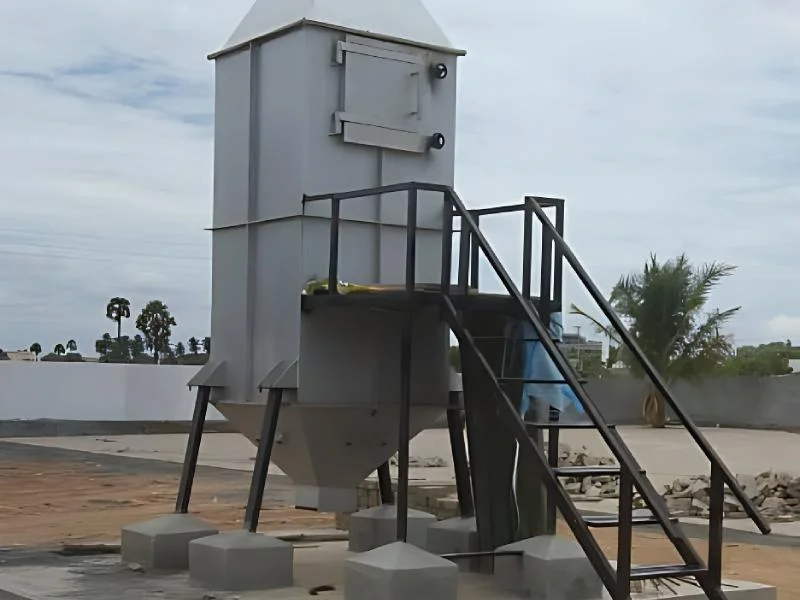
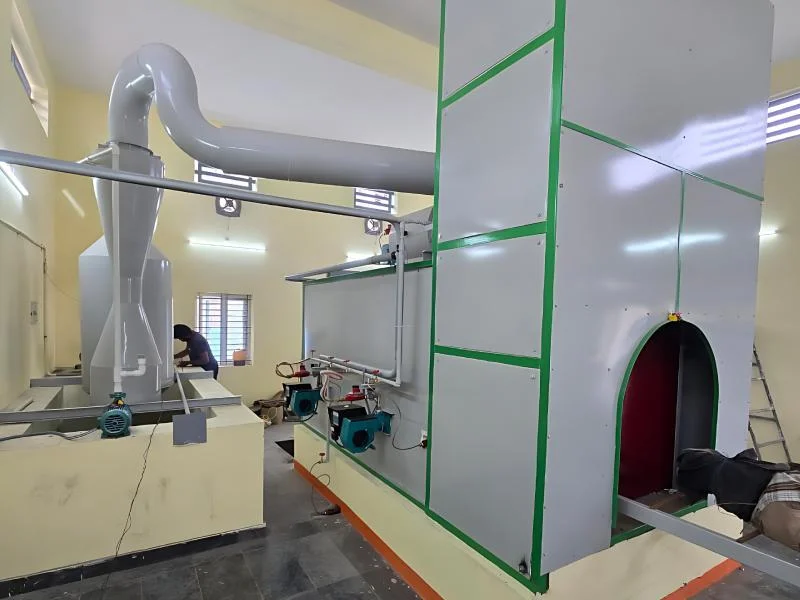
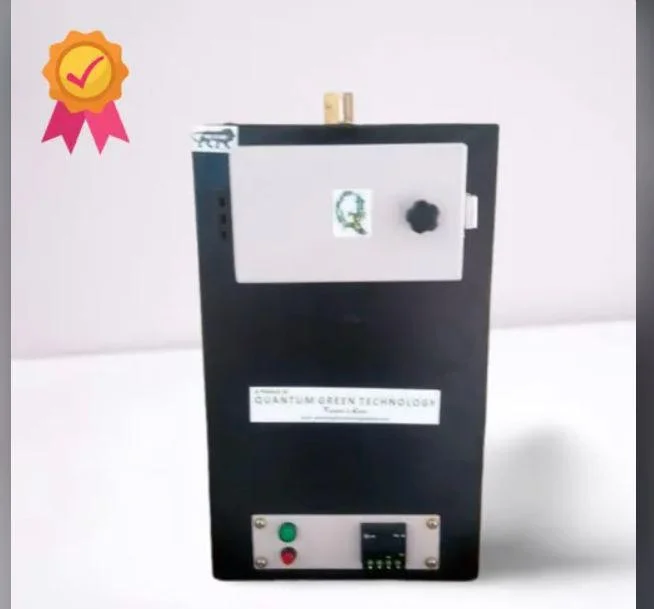
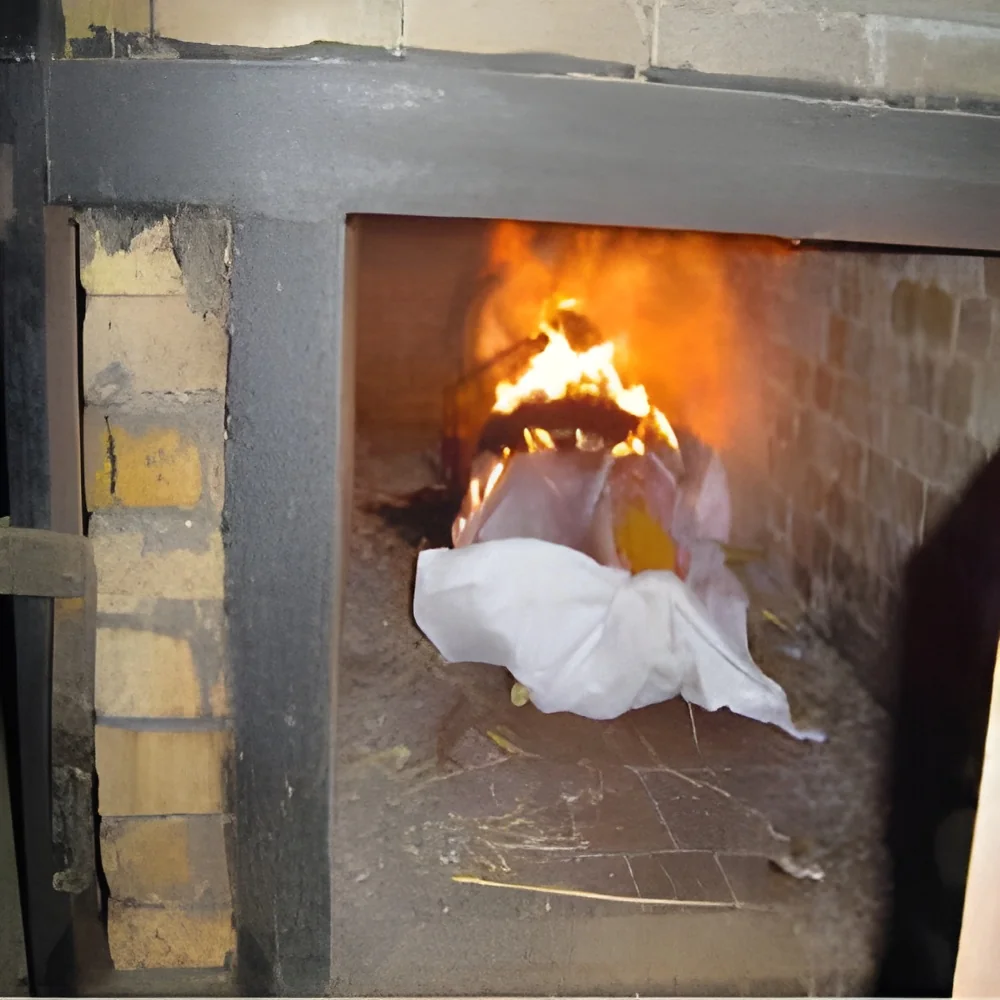
Medical waste incinerators are specialized devices designed to safely burn hazardous medical waste, reducing it to ash and gases. These incinerators operate at high temperatures to ensure complete combustion of organic materials, thereby minimizing the volume of waste. They are crucial for the safe disposal of infectious materials, sharps, and pharmaceuticals that pose a risk to public health and the environment.
The primary uses of medical waste incinerators are found in hospitals, clinics, laboratories, and research facilities. These facilities generate waste that must be handled with care to prevent contamination and spread of disease. By incinerating this waste, organizations can comply with local regulations and safeguard the health of their communities. The relevance of these incinerators in the healthcare industry cannot be overstated, as they play a vital role in managing waste safely and efficiently, especially in regions with strict environmental guidelines.
𝗞𝗲𝘆 𝗙𝗲𝗮𝘁𝘂𝗿𝗲𝘀 𝗮𝗻𝗱 𝗦𝗽𝗲𝗰𝗶𝗳𝗶𝗰𝗮𝘁𝗶𝗼𝗻𝘀
Medical waste incinerators come equipped with several features that enhance their performance and ensure compliance with safety standards. These specifications are essential for organizations looking to implement effective waste management solutions.
Key specifications include:
1. Combustion Temperature
- Typically operates at high temperatures to ensure complete destruction of waste.
- Common ranges are between 800 to 1200 degrees Celsius.
2. Capacity
- Refers to the volume of waste that can be processed at a time.
- Capacities can vary from small units handling 50 kg per hour to larger systems processing several tons.
3. Emission Control
- Systems equipped with filters and scrubbers to minimize harmful emissions.
- Compliance with local and international emission standards is crucial.
4. Control Systems
- Advanced monitoring systems for temperature, pressure, and air flow.
- Facilitate real-time tracking of combustion conditions.
5. Fuel Type
- Can operate on various fuels including diesel, natural gas, or electricity.
- Choice of fuel impacts operational costs and environmental footprint.
6. Safety Features
- Includes automatic shut-off mechanisms and alarm systems.
- Designed to prevent accidents and ensure operator safety.
7. Mobility
- Some models are portable and designed for on-site waste treatment.
- Provides flexibility for facilities with varying waste generation patterns.
8. Maintenance Requirements
- Certain designs require minimal maintenance while others may need regular servicing.
- Consideration of maintenance needs is essential for long-term operation.
In summary, the specifications of medical waste incinerators are tailored to meet the demanding needs of healthcare facilities while ensuring compliance with safety and environmental regulations.
𝗖𝗼𝗺𝗺𝗼𝗻 𝗔𝗽𝗽𝗹𝗶𝗰𝗮𝘁𝗶𝗼𝗻𝘀 𝗮𝗻𝗱 𝗨𝘀𝗲 𝗖𝗮𝘀𝗲𝘀
Medical waste incinerators serve several industries, each with unique waste management needs.
1. Hospitals: These facilities generate a wide range of medical waste, including sharps, infectious materials, and pharmaceuticals. Incinerators ensure safe disposal and compliance with health regulations.
2. Laboratories: Research and diagnostic labs produce hazardous biological waste. Incineration provides a reliable method for eliminating this waste while maintaining safety standards.
3. Dental Clinics: Dental practices generate specific waste such as extracted teeth and used materials. Incinerators help in managing these materials effectively and safely.
4. Veterinary Clinics: Similar to human healthcare, veterinary practices produce medical waste that requires careful disposal. Incinerators cater to the safe destruction of animal waste.
5. Pharmaceutical Companies: These organizations generate expired or unused medications. Incinerators facilitate the responsible disposal of pharmaceutical waste to prevent environmental contamination.
6. Long-term Care Facilities: Nursing homes and assisted living facilities produce medical waste that must be managed efficiently. Incineration provides a safe and effective solution.
7. Emergency Services: Ambulances and emergency response teams generate medical waste that needs immediate disposal. Incinerators can be deployed in mobile units for on-site waste management.
𝗣𝗿𝗼𝗱𝘂𝗰𝘁 𝗩𝗮𝗿𝗶𝗮𝗻𝘁𝘀 𝗮𝗻𝗱 𝗦𝘂𝗯𝗰𝗮𝘁𝗲𝗴𝗼𝗿𝗶𝗲𝘀
Medical waste incinerators come in various models to meet diverse operational requirements.
Standard Model
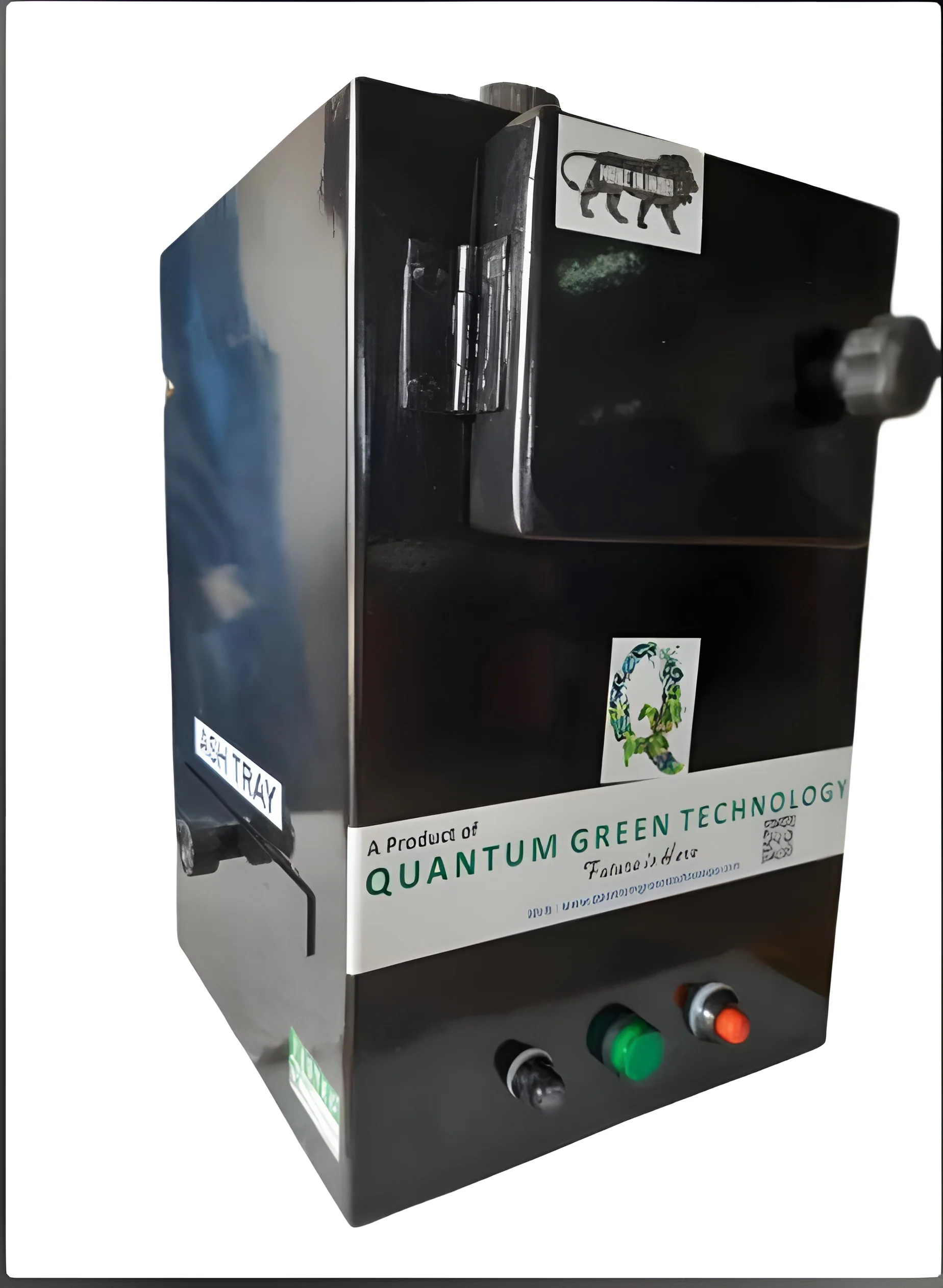
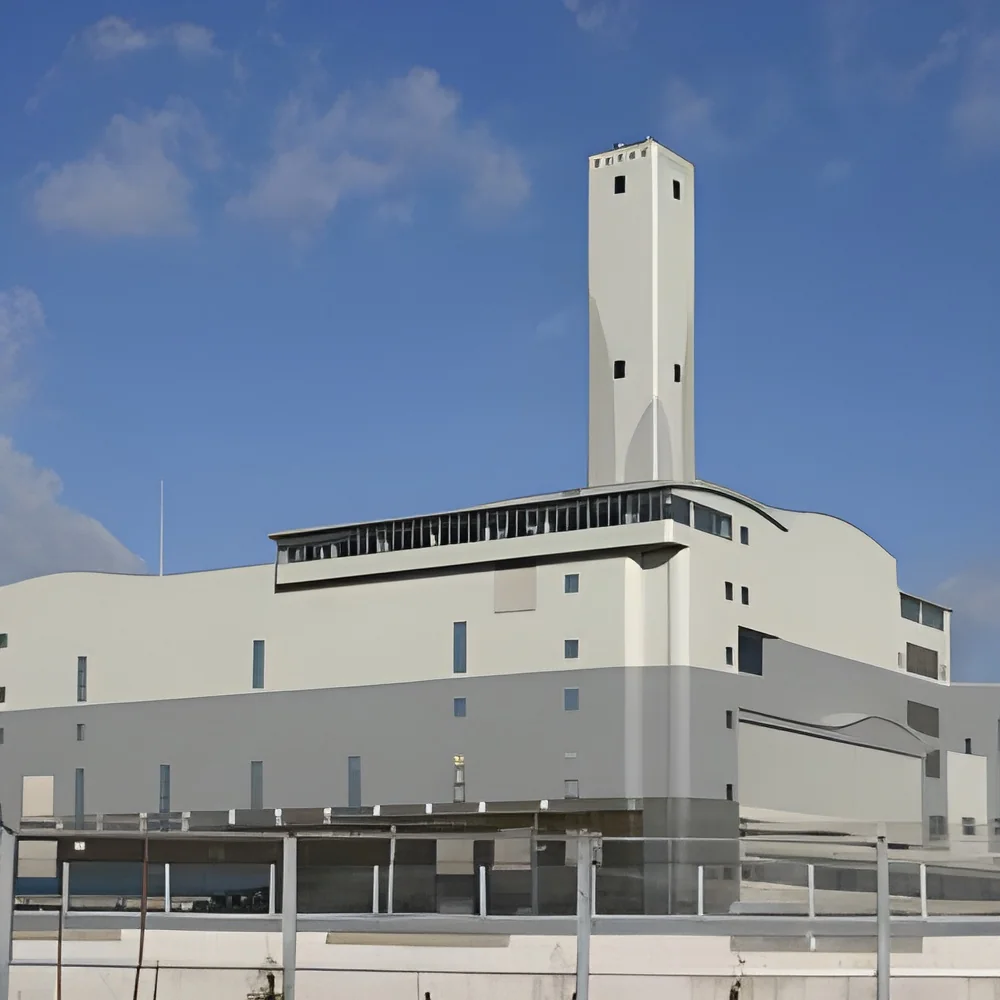
This model is designed for typical hospital use, featuring high capacity and advanced emission control systems. It is suitable for large healthcare facilities that generate significant volumes of waste.
Compact Model
Ideal for smaller clinics and labs, this variant offers a lower capacity with efficient combustion technology. It is designed for easy operation and minimal space requirements.
Mobile Incinerator
Designed for on-the-go waste management, this variant is portable and can be transported to different locations. It is particularly useful for emergency services and remote medical facilities.
High-Temperature Incinerator
This variant operates at extremely high temperatures, ensuring complete destruction of hazardous materials. It is suitable for facilities that handle particularly dangerous waste.
𝗕𝗲𝗻𝗲𝗳𝗶𝘁𝘀 𝗮𝗻𝗱 𝗔𝗱𝘃𝗮𝗻𝘁𝗮𝗴𝗲𝘀
Medical waste incinerators provide several key benefits for organizations managing hazardous waste.
1. Safety: By incinerating medical waste, facilities minimize the risk of infection and contamination, protecting both staff and the public.
2. Compliance: These incinerators help organizations meet regulatory requirements for waste disposal, avoiding potential fines and legal issues.
3. Volume Reduction: Incineration significantly reduces the volume of waste, converting it to ash and gases, which simplifies waste management strategies.
4. Environmental Protection: Properly operated incinerators minimize harmful emissions, contributing to better air quality and environmental health.
5. Cost-Effectiveness: While initial investment may be high, incineration can lead to long-term savings by reducing disposal costs and improving waste management efficiency.
6. Flexibility: Incinerators can be designed for various fuel types and capacities, allowing facilities to choose options that best fit their needs.
𝗕𝘂𝘆𝗶𝗻𝗴 𝗚𝘂𝗶𝗱𝗲 𝗳𝗼𝗿 𝗕𝟮𝗕 𝗕𝘂𝘆𝗲𝗿𝘀
When sourcing medical waste incinerators, several factors should be considered to ensure an informed purchase.
1. Quality Assessment: Look for incinerators that meet industry standards and have a proven track record of reliability and safety.
2. Supplier Verification: Vet suppliers to ensure they have experience in manufacturing and selling medical waste incinerators. Check references and customer reviews.
3. Pricing and MOQ: Understand the price range and minimum order quantities. Compare offers from different suppliers to find the best value.
4. Delivery and Lead Times: Inquire about shipping times and logistics to ensure that the incinerators can be delivered when needed.
5. Compliance Requirements: Ensure that the incinerators comply with relevant regulations and certifications in your region. This is essential for legal operation.
𝗖𝗼𝗺𝗽𝗹𝗶𝗮𝗻𝗰𝗲 𝗮𝗻𝗱 𝗖𝗲𝗿𝘁𝗶𝗳𝗶𝗰𝗮𝘁𝗶𝗼𝗻𝘀
Medical waste incinerators must adhere to various quality standards and certifications to ensure safety and compliance. Common standards include ISO 9001 for quality management systems and HACCP for hazard analysis and critical control points in food safety.
Industry certifications, such as CE marking, indicate that the equipment meets European safety and environmental standards. Ongoing safety testing is crucial to maintain operational integrity and reliability.
Additionally, regional compliance considerations may vary. Buyers should familiarize themselves with local regulations governing medical waste disposal to ensure that their equipment meets all necessary requirements.
𝗪𝗵𝘆 𝗦𝗼𝘂𝗿𝗰𝗲 𝗠𝗲𝗱𝗶𝗰𝗮𝗹 𝗪𝗮𝘀𝘁𝗲 𝗜𝗻𝗰𝗶𝗻𝗲𝗿𝗮𝘁𝗼𝗿𝘀 𝗳𝗿𝗼𝗺 𝗣𝗲𝗽𝗮𝗴𝗼𝗿𝗮?
Pepagora offers a trusted platform for sourcing medical waste incinerators, providing several key advantages to buyers.
Verified Supplier Network: Pepagora connects buyers with a network of verified suppliers, ensuring access to quality products and reputable manufacturers. This reduces the risk of subpar equipment and enhances purchasing confidence.
Streamlined RFQ Process: The platform simplifies the request for quotation process, allowing buyers to easily compare options and obtain competitive pricing from multiple suppliers. This efficiency saves time and resources.
Trade Assurance and Support: Pepagora provides buyer protection through trade assurance programs, ensuring that transactions are secure and that buyers receive what they expect. This support enhances trust in the purchasing process.
Regional Coverage: With a strong presence in regions like India, the GCC, and Southeast Asia, Pepagora facilitates access to medical waste incinerators that meet local compliance standards. This regional focus helps buyers find suitable solutions tailored to their specific needs.

 IN
IN