
 IN
Traditional & Folk Instruments
5 products available
What are Traditional & Folk Instruments?
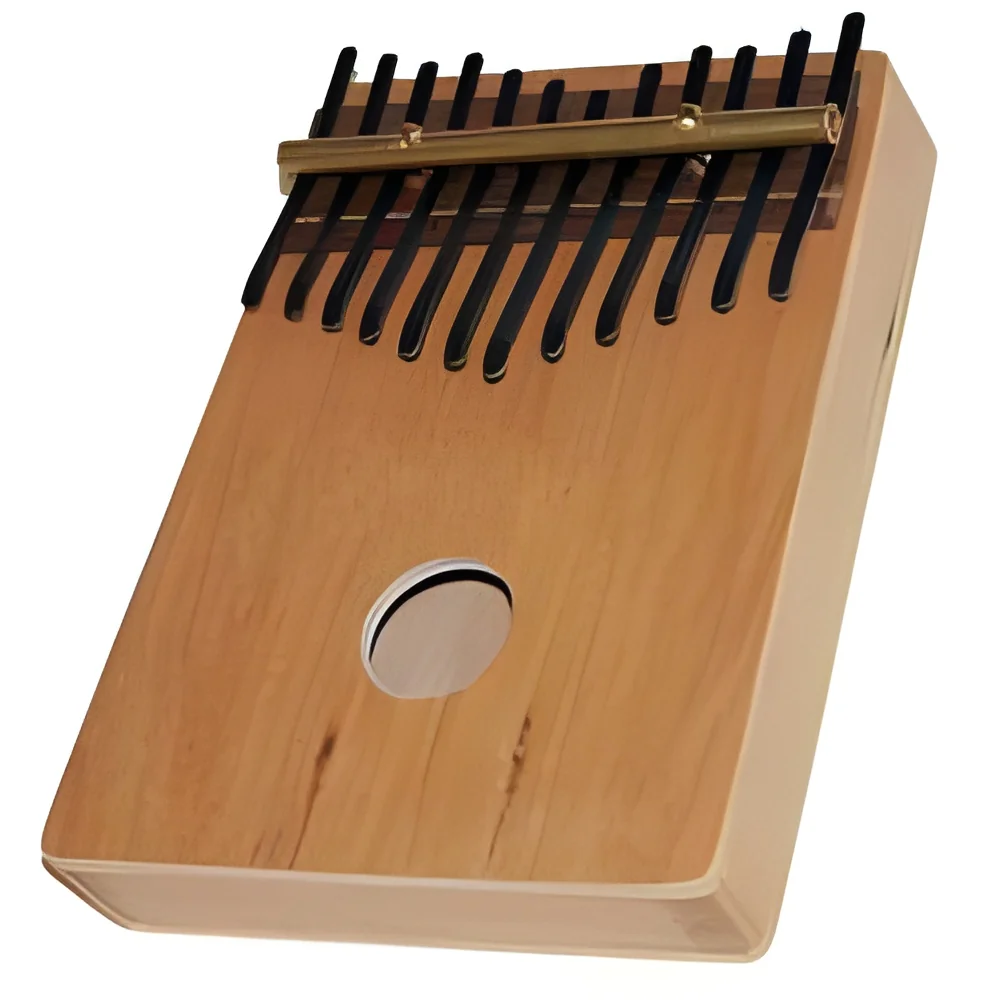
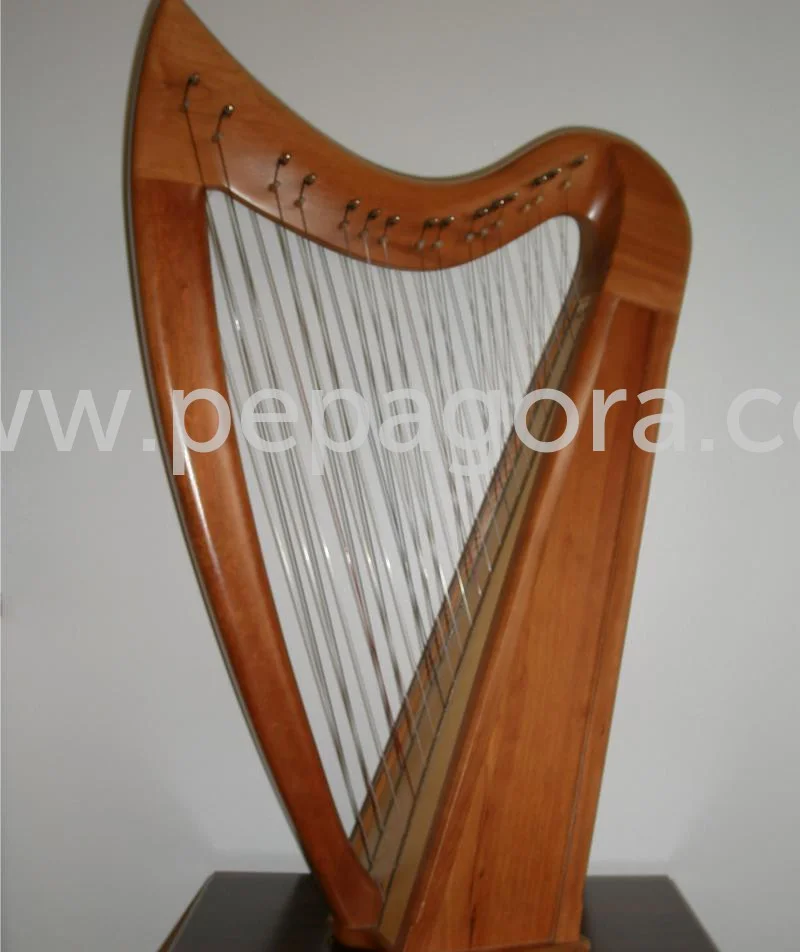
Traditional and folk instruments encompass a diverse range of musical devices that reflect the cultural heritage of various communities and regions. These instruments typically include handmade or locally produced items that have been passed down through generations. They often embody unique sounds and playing techniques that vary significantly from one culture to another. Examples include string instruments like the sitar and erhu, percussion instruments such as the djembe and tabla, and wind instruments like the didgeridoo and shakuhachi.
These instruments serve multiple purposes in business applications, ranging from musical performances and festivals to educational purposes and cultural preservation initiatives. They are commonly used in music therapy, cultural exchange programs, and artistic collaborations. The market for traditional and folk instruments is growing as global interest in diverse musical traditions increases, creating opportunities for suppliers and manufacturers to cater to a wider audience.
Key Features and Specifications
Traditional and folk instruments exhibit various features and specifications that distinguish them from modern instruments. Understanding these specifications is crucial for buyers seeking quality products.
Key specifications include:
1. Material Composition
- Instruments are often made from natural materials such as wood, metal, and animal skins.
- Different materials can influence sound quality and durability.
2. Size and Dimensions
- Each instrument comes in various sizes, affecting playability and sound projection.
- Standard dimensions may vary by instrument type and cultural origin.
3. Tuning Mechanism
- Instruments may feature fixed or adjustable tuning systems.
- Common tuning methods include frets, pegs, and slides.
4. Sound Range
- Instruments have specific tonal ranges which can vary widely.
- Understanding sound range is important for ensemble performance.
5. Craftsmanship
- Handmade instruments often display unique craftsmanship, impacting their aesthetic value.
- Attention to detail can enhance both sound quality and visual appeal.
6. Portability
- Some instruments are designed for easy transport, while others may be larger and more cumbersome.
- Portability influences usability for performers or educators.
7. Cultural Significance
- Many instruments carry historical and cultural importance.
- This significance can enhance their value in educational and performance contexts.
8. Maintenance Requirements
- Various instruments require specific care, including cleaning and humidity control.
- Proper maintenance is critical for preserving sound quality and longevity.
In summary, the features and specifications of traditional and folk instruments play a significant role in determining their quality and suitability for various applications.
Common Applications and Use Cases
Traditional and folk instruments find applications across numerous industries, reflecting their cultural and artistic significance.
1. Music Education: These instruments are commonly used in music education programs to teach students about cultural diversity and historical context in music.
2. Performance Arts: They are integral to live performances, festivals, and cultural events, enriching the audience's experience with authentic sounds.
3. Therapeutic Settings: Traditional instruments are utilized in music therapy settings to promote relaxation and emotional well-being among patients.
4. Cultural Heritage Projects: Many organizations use these instruments in projects aimed at preserving and promoting cultural heritage.
5. Film and Media: They are often featured in soundtracks and media productions to evoke specific cultural atmospheres.
6. Artisanal Crafts: Craftsmen produce traditional instruments for sale, supporting local economies and preserving artisanal skills.
7. Community Programs: Local communities use these instruments to foster unity through music-making and cultural exchange.
Product Variants and Subcategories
The diversity of traditional and folk instruments leads to various product variants, each with unique features and applications.
Sitar
The sitar is a string instrument from India, known for its distinctive sound and intricate playing technique. It is widely used in classical music and is characterized by its long neck and sympathetic strings, which enhance its resonance.
Djembe
The djembe is a hand drum from West Africa, renowned for its powerful sound and versatility across musical genres. Its goblet shape allows for varied tones and is often used in communal music-making and dance.
Didgeridoo
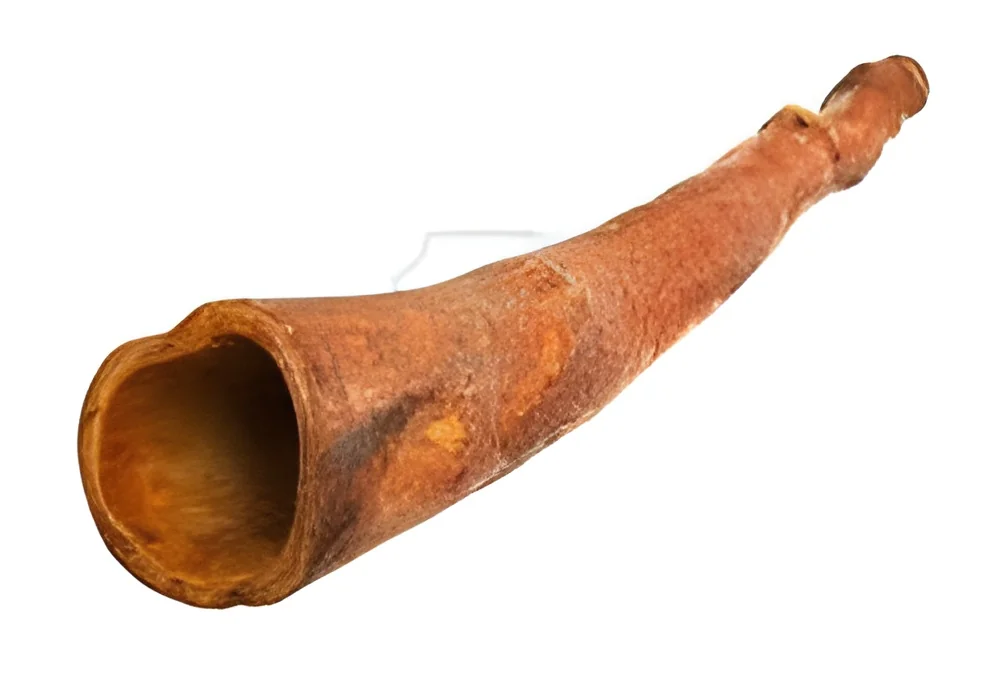
The didgeridoo is a wind instrument from Australia, traditionally made from eucalyptus wood. It produces a deep, resonant sound and is used in ceremonies and performances, representing Indigenous Australian culture.
Bamboo Flute
The bamboo flute is a simple yet expressive instrument found in many cultures. It is lightweight and portable, making it popular for outdoor performances and educational settings.
Tambourine
The tambourine is a percussion instrument found in various musical traditions. Its jingles and drumhead allow for rhythmic accompaniment in both solo and ensemble performances.
Benefits and Advantages
Sourcing traditional and folk instruments offers several benefits for businesses and organizations.
1. Cultural Enrichment: These instruments provide a deeper understanding of cultural traditions and enhance artistic expression.
2. Unique Sound Quality: Traditional instruments often produce distinctive sounds that differentiate them from modern counterparts.
3. Community Engagement: Using these instruments fosters connections within communities and promotes cultural appreciation.
4. Sustainability: Many traditional instruments are made from sustainable materials, aligning with eco-friendly practices.
5. Educational Value: They serve as valuable tools for teaching music, history, and cultural studies.
6. Market Differentiation: Offering traditional instruments can set businesses apart in competitive markets by catering to niche audiences.
Buying Guide for B2B Buyers
When sourcing traditional and folk instruments, it is essential for buyers to consider several critical factors to ensure quality and reliability.
1. Quality Assessment: Evaluate the craftsmanship, materials, and overall condition of the instruments. Look for reviews or samples to gauge sound quality.
2. Supplier Verification: Vet suppliers thoroughly by checking their reputation, production practices, and customer feedback. A reliable supplier is crucial for quality assurance.
3. Pricing and MOQ: Understand the pricing structure and minimum order quantity (MOQ) requirements. This helps in budgeting and planning for inventory.
4. Delivery and Lead Times: Inquire about delivery options and lead times to ensure timely availability, especially for events or projects.
5. Compliance Requirements: Familiarize yourself with any regulatory needs that may apply, such as safety standards or certifications specific to musical instruments.
Compliance and Certifications
Traditional and folk instruments must adhere to certain compliance and certification standards to ensure quality and safety. Relevant quality standards include ISO 9001, which focuses on maintaining effective quality management systems. These standards help ensure that manufacturers consistently produce high-quality instruments.
Additionally, industry certifications such as CE mark indicate that products meet European safety, health, and environmental protection standards. This is particularly important for instruments sold in international markets.
Safety and testing requirements involve evaluating materials for harmful substances and ensuring instruments are safe for use. It is also essential to consider regional compliance standards, as different countries may have specific regulations regarding sound levels and material safety.
Why Source Traditional & Folk Instruments from Pepagora?
Pepagora provides a trusted platform for sourcing traditional and folk instruments with several key advantages.
Verified Supplier Network: Pepagora connects buyers with a network of verified suppliers, ensuring that customers receive high-quality products. Each supplier undergoes rigorous evaluation to maintain standards.
Streamlined RFQ Process: The request for quotation (RFQ) process is straightforward, allowing buyers to receive competitive pricing and make informed purchasing decisions efficiently.
Trade Assurance and Support: Pepagora offers trade assurance, protecting buyers from potential risks during transactions. Comprehensive support ensures a smooth sourcing experience.
Regional Coverage: With a presence in India, the GCC, and Southeast Asia, Pepagora provides extensive regional coverage, catering to diverse markets and facilitating international trade.

 India
 India
Frequently Asked Questions
What are Traditional & Folk Instruments?
Traditional & Folk Instruments are musical devices that are typically associated with specific cultural or regional music. They are often handcrafted and reflect the musical heritage of a community, using local materials and techniques.
What are the different types of Traditional & Folk Instruments?
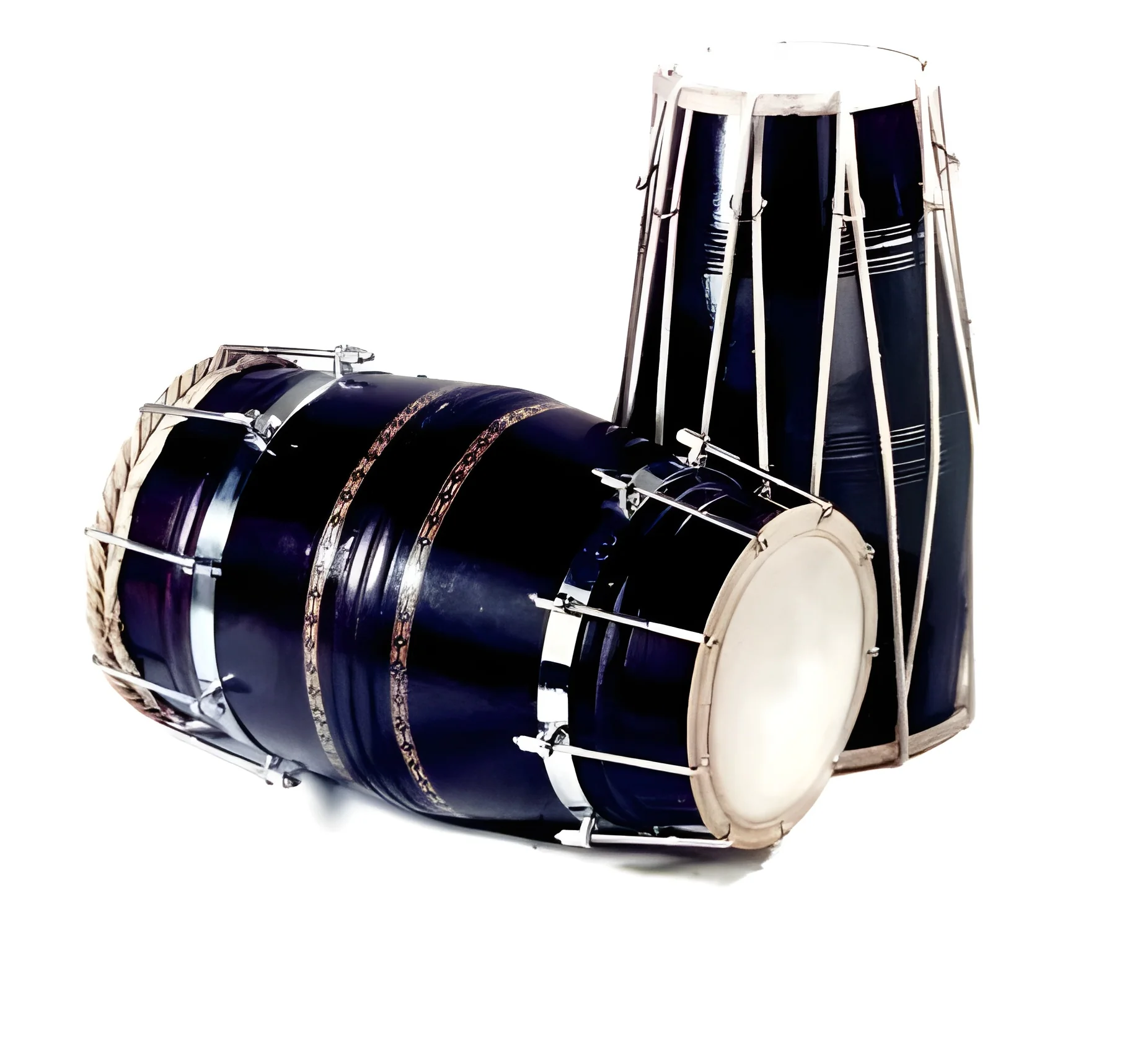
There are various types of Traditional & Folk Instruments, including string instruments like the sitar and tanpura, percussion instruments like the dhol and tabla, and wind instruments such as the flute and shehnai. Each type has its unique sound and cultural significance.
How do I choose the right Traditional & Folk Instruments?
Choosing the right Traditional & Folk Instruments involves considering the type of music you wish to play, the skill level of the musician, and the instrument's quality. It is also advisable to test the instrument in person to assess its sound and playability.
What are the standard specifications for Traditional & Folk Instruments?
Standard specifications for Traditional & Folk Instruments vary by type but generally include dimensions, materials used, and design features. For example, string instruments may specify string gauge and fret placement, while percussion instruments may detail drumhead material.
What is the price range for Traditional & Folk Instruments?
The price range for Traditional & Folk Instruments can vary widely based on the instrument type, craftsmanship, and materials used. Basic instruments may start from a few thousand rupees, while high-quality, handcrafted instruments can cost significantly more.
What quality standards apply to Traditional & Folk Instruments?
Quality standards for Traditional & Folk Instruments often include craftsmanship, material durability, and sound quality. Instruments should meet specific acoustic requirements and be constructed from materials that withstand regular use and handling.
Where can I find Traditional & Folk Instruments suppliers in India?
You can find Traditional & Folk Instruments suppliers in India through various online B2B marketplaces, local music shops, and artisan workshops. Websites like Pepagora.com offer a platform to connect with reliable manufacturers and suppliers.
Can Traditional & Folk Instruments be customized?
Yes, many manufacturers offer customization options for Traditional & Folk Instruments, allowing you to select specific materials, designs, and finishes. Customization can enhance the instrument's aesthetic appeal and suitability for individual preferences.
What is the typical minimum order quantity for Traditional & Folk Instruments?
The typical minimum order quantity (MOQ) for Traditional & Folk Instruments can vary by supplier and instrument type. Generally, MOQs may range from one instrument for custom orders to several pieces for bulk purchases.
What is the typical lead time for Traditional & Folk Instruments?
The typical lead time for Traditional & Folk Instruments depends on factors such as the type of instrument, customization, and the manufacturer's production capacity. Generally, lead times can range from a few weeks to several months.
Why Businesses Trust Pepagora
Thousands of companies trust Pepagora to source smarter and sell faster
Expand Your Sales Globally

Source Smarter,Grow Faster
