
 IN
Harmoniums & Tanpuras
1 products available
What are Harmoniums & Tanpuras?
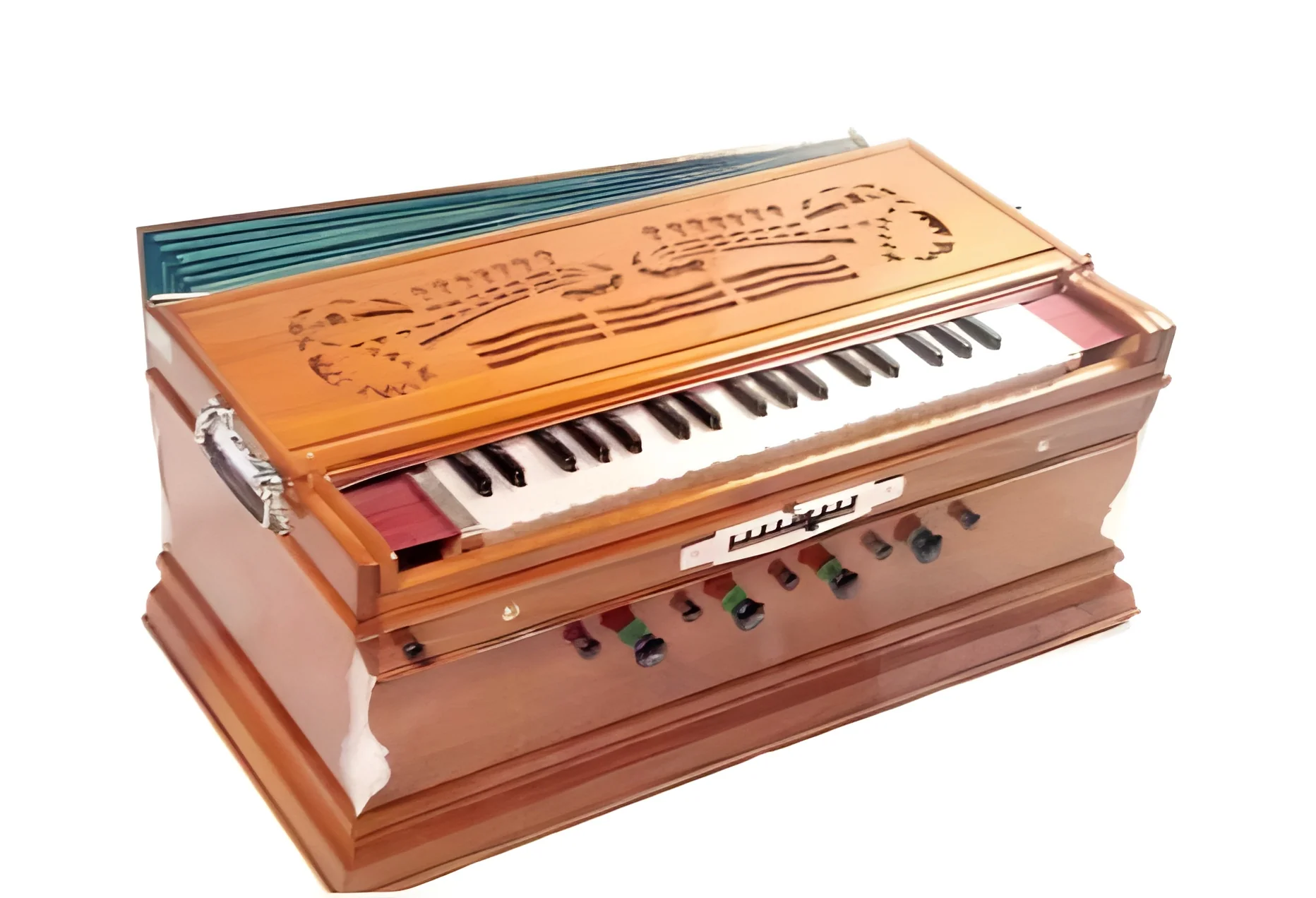
Harmoniums and Tanpuras are traditional musical instruments widely used in Indian classical music. The harmonium is a free-reed organ that produces sound by pushing air through reeds, while the Tanpura is a long-necked string instrument that provides a drone pitch. Both instruments are integral to the musical landscape in India, often accompanying vocal performances and other instruments. The harmonium is known for its ability to create rich melodies, while the Tanpura ensures a steady tonal foundation.
These instruments are primarily utilized in various musical settings, including classical concerts, devotional music, and educational contexts. They are essential tools for musicians and vocalists as they enhance performances by providing harmonic support and a consistent drone. Their significance extends beyond performance; they are also used in music education, helping students learn rhythm and melody. The market for harmoniums and Tanpuras is robust, driven by cultural traditions and the growing interest in Indian classical music globally.
Key Features and Specifications
Harmoniums and Tanpuras come with several important features that define their performance and usability. Understanding these specifications is crucial for buyers seeking quality instruments that meet their specific needs.
Key specifications include:
1. Type of Harmonium
- Available in various designs such as portable, desktop, and full-size.
- Typically features a range of two to three octaves.
2. Construction Material
- Often made from wood or high-quality plywood.
- The choice of material affects sound quality and durability.
3. Number of Reeds
- The harmonium can have multiple reeds for different pitches.
- The standard range is usually between 3 to 9 reeds.
4. Tuning Mechanism
- Features a tuning system for precise pitch adjustment.
- Some models include a built-in tuner for convenience.
5. Tanpura String Configuration
- Generally has four to five strings for optimal drone sound.
- Adjustability in string tension allows for varied tonal quality.
6. Dimensions and Weight
- Size varies based on the type; portable models are lighter.
- Full-size harmoniums typically weigh between 10 to 20 kg.
7. Finish and Aesthetics
- Available in various finishes, including polished wood and decorative designs.
- Aesthetic appeal can vary based on craftsmanship and material quality.
8. Sound Projection
- Designed for both intimate and larger settings.
- Quality instruments provide clear sound projection with rich timbres.
These features play a vital role in ensuring that musicians can perform effectively across different venues and styles.
Common Applications and Use Cases
Harmoniums and Tanpuras find applications in many industries, particularly those related to music and culture.
1. Music Education: Institutions teaching Indian classical music utilize these instruments for hands-on learning experiences.
2. Concerts and Performances: Musicians use harmoniums and Tanpuras in live performances, enhancing the auditory experience for audiences.
3. Religious Gatherings: Frequently found in temples and during spiritual events, these instruments are essential for devotional music.
4. Recording Studios: These instruments are often used in studios to capture authentic Indian music sounds in recordings.
5. Cultural Festivals: Harmoniums and Tanpuras are integral to cultural celebrations, providing musical accompaniment for traditional dances and performances.
6. Film and Media: The instruments are used in soundtracks for movies and television shows that incorporate Indian music.
7. Therapy and Wellness: Increasingly, these instruments are being used in sound therapy sessions, promoting relaxation and healing.
Product Variants and Subcategories
Harmoniums and Tanpuras come in a variety of models to cater to different preferences and needs.
Portable Harmonium: This variant is lightweight and compact, making it ideal for traveling musicians. It retains sound quality while offering ease of transport.
Professional Harmonium: Designed for serious musicians, this model features multiple reeds, advanced tuning mechanisms, and high-quality construction for superior sound.
Electric Harmonium: This modern variant incorporates electronic elements, allowing for amplification and sound modulation. It is suited for contemporary music styles.
Traditional Tanpura: The classic version of this instrument, often handcrafted, emphasizes rich tonal quality and is preferred by classical musicians.
Benefits and Advantages
Investing in harmoniums and Tanpuras offers numerous advantages for musicians and businesses alike.
1. Cultural Heritage: These instruments preserve and promote Indian musical traditions, connecting communities to their cultural roots.
2. Versatility: Harmoniums and Tanpuras can be used across various music genres, from classical to contemporary.
3. Quality Sound Production: High-quality variants provide rich tones and excellent sound projection, enhancing musical performances.
4. Portability: Many models are designed to be lightweight and easy to transport, allowing musicians to perform anywhere.
5. Educational Value: They are effective tools for teaching music, helping students understand rhythm and melody in a practical setting.
6. Customization Options: Many manufacturers offer personalized features, allowing musicians to select instruments that fit their specific needs.
Buying Guide for B2B Buyers
When sourcing harmoniums and Tanpuras, it is essential for B2B buyers to consider various factors to ensure they select the right products.
1. Quality Assessment: Evaluate the craftsmanship and materials used in the instruments. Look for instruments that have a solid build and quality sound production.
2. Supplier Verification: Confirm the reliability and reputation of suppliers. Verify certifications and seek reviews from other buyers.
3. Pricing and MOQ: Understand the pricing structure and minimum order quantities. Compare prices among different suppliers to ensure competitive rates.
4. Delivery and Lead Times: Discuss logistics and estimated delivery times to avoid delays in receiving your order.
5. Compliance Requirements: Be aware of any regional compliance needs or certifications that may be necessary for the instruments being imported or sold.
Compliance and Certifications
When dealing with harmoniums and Tanpuras, compliance with industry standards is crucial for ensuring quality and safety.
Many manufacturers adhere to quality standards such as ISO 9001, which outlines requirements for a quality management system. This certification ensures that products are consistently produced and controlled according to quality standards.
European certifications, such as CE, indicate that the products meet EU safety, health, and environmental requirements. This is particularly important for imported instruments to ensure they comply with regulations.
Safety testing is also essential, as it ensures that the instruments are free from defects and safe for use in various settings. Buyers should ask manufacturers about safety tests conducted on their products.
Additionally, regional compliance considerations may vary based on local regulations, so it is important to confirm that all necessary certifications are in place before purchasing.
Why Source Harmoniums & Tanpuras from Pepagora?
Pepagora provides a trusted platform for sourcing harmoniums and Tanpuras, offering a range of advantages to B2B buyers.
Verified Supplier Network: Pepagora ensures that all suppliers in its network are vetted for reliability and quality. This guarantees that buyers receive products from reputable manufacturers.
Streamlined RFQ Process: The platform features an efficient request for quotation system that simplifies the sourcing process. Buyers can easily compare options and receive tailored quotes from multiple suppliers.
Trade Assurance and Support: Pepagora offers trade assurance, providing buyers with protection against potential issues. This support fosters confidence in transactions and ensures buyer satisfaction.
Regional Coverage: With a strong presence in India, the GCC, and Southeast Asia, Pepagora connects buyers with suppliers across a broad geographic area. This ensures access to a diverse range of harmoniums and Tanpuras to meet various business needs.

Frequently Asked Questions
What are Harmoniums & Tanpuras?
Harmoniums and Tanpuras are traditional Indian musical instruments used primarily in classical music. The harmonium is a free-reed instrument played by using a keyboard, while the tanpura is a long-necked lute that provides a drone sound to accompany vocalists and instrumentalists.
What are the different types of Harmoniums & Tanpuras?
There are various types of harmoniums, including the pedal harmonium, which is played with foot pedals, and the table harmonium, which is portable and commonly used in homes. Tanpuras also come in different forms, such as the full-size tanpura and smaller versions like the shruti box, each serving a specific purpose in music.
How do I choose the right Harmoniums & Tanpuras?
When selecting harmoniums and tanpuras, consider factors such as sound quality, construction materials, and size. It's also essential to choose an instrument that fits your level of expertise and the type of music you intend to play.
What are the standard specifications for Harmoniums & Tanpuras?
Standard specifications for harmoniums include the number of reeds, the type of wood used, and the size of the keyboard. For tanpuras, specifications typically involve the number of strings, the material for the resonator, and the overall dimensions of the instrument.
What is the price range for Harmoniums & Tanpuras?
The price range for harmoniums and tanpuras can vary widely depending on the quality and craftsmanship. Generally, harmoniums can cost anywhere from INR 5,000 to INR 30,000, while tanpuras typically range from INR 3,000 to INR 20,000.
What quality standards apply to Harmoniums & Tanpuras?
Quality standards for harmoniums and tanpuras involve the materials used, tuning accuracy, and overall sound quality. Many manufacturers adhere to traditional crafting techniques to ensure that the instruments produce a rich and resonant sound.
Where can I find Harmoniums & Tanpuras suppliers in India?
You can find harmoniums and tanpuras suppliers in India through online marketplaces like Pepagora, music instrument stores, and specialized manufacturers. It is advisable to check reviews and ratings to ensure you are sourcing from reputable suppliers.
Can Harmoniums & Tanpuras be customized?
Yes, harmoniums and tanpuras can often be customized based on specific requirements, such as size, number of strings, and decorative elements. Many manufacturers offer customization options to cater to the preferences of musicians.
What is the typical minimum order quantity for Harmoniums & Tanpuras?
The typical minimum order quantity (MOQ) for harmoniums and tanpuras can vary by supplier, but it often ranges from 5 to 10 units. Some suppliers may have flexible MOQs, especially for custom orders.
What is the typical lead time for Harmoniums & Tanpuras?
The typical lead time for harmoniums and tanpuras can range from 2 to 6 weeks, depending on the complexity of the order and the supplier's capabilities. Custom orders may require additional time for production.
Why Businesses Trust Pepagora
Thousands of companies trust Pepagora to source smarter and sell faster
Expand Your Sales Globally

Source Smarter,Grow Faster
