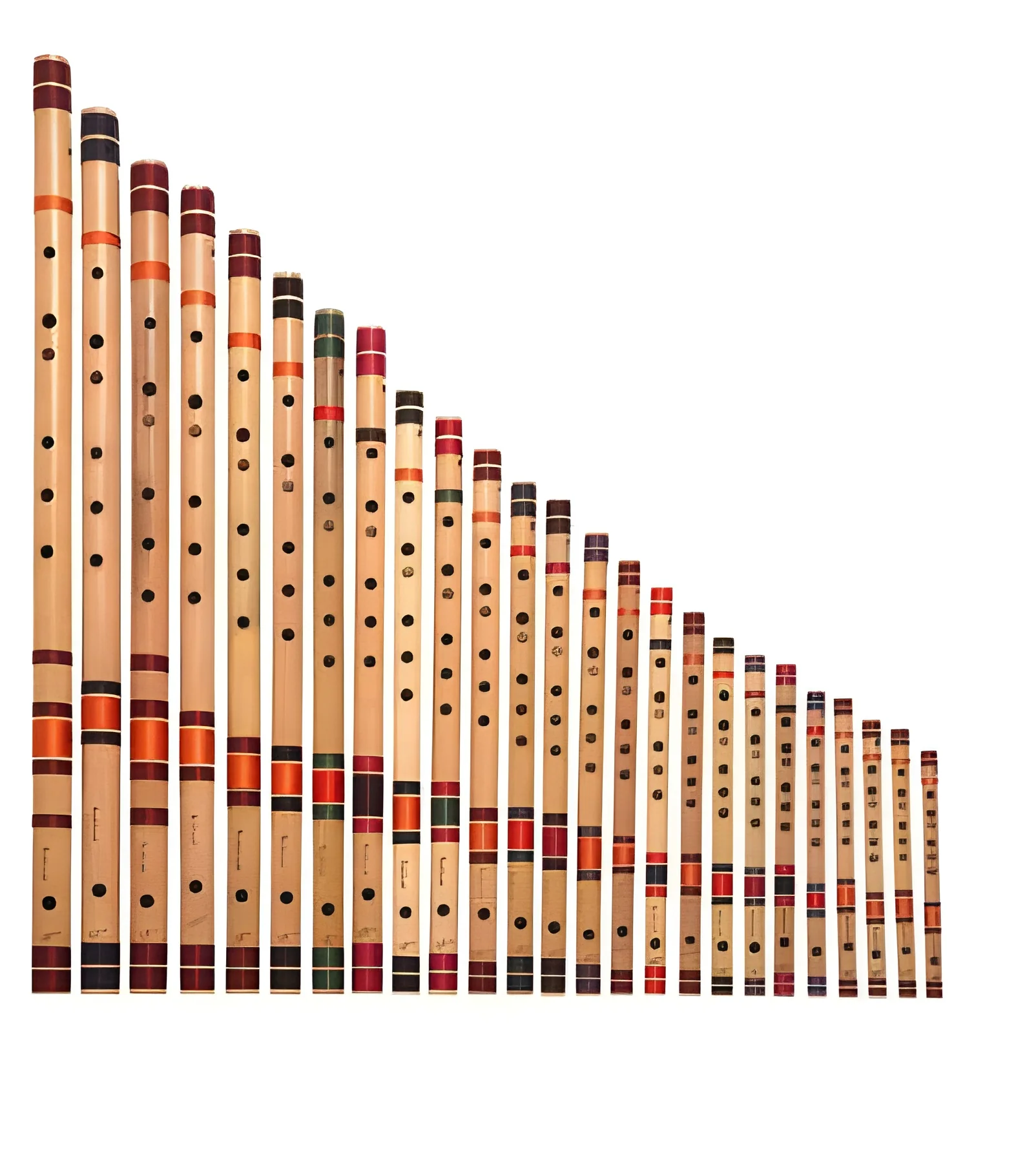
What are Wind Instruments (Flutes, Clarinets, Saxophones)?
Wind instruments, including flutes, clarinets, and saxophones, are musical devices that produce sound when air is blown into or across them. These instruments belong to the woodwind family, even though some, like the flute, are made of metal. Each instrument has a unique construction and sound production method, contributing to a diverse range of tones and styles.
In a business context, wind instruments are essential for various applications, including music education, performance in orchestras, and band settings. They are widely used in schools, music conservatories, and professional ensembles. The demand for these instruments has grown significantly, driven by the increasing popularity of music education and live performances globally.
The wind instrument market is influenced by trends in music, educational policies, and cultural events. Manufacturers and suppliers play a crucial role in providing quality instruments to meet the needs of musicians. As the industry evolves, there is an ongoing focus on innovation, quality, and customer satisfaction, ensuring a vibrant market for wind instruments.
๐๐ฒ๐ ๐๐ฒ๐ฎ๐๐๐ฟ๐ฒ๐ ๐ฎ๐ป๐ฑ ๐ฆ๐ฝ๐ฒ๐ฐ๐ถ๐ณ๐ถ๐ฐ๐ฎ๐๐ถ๐ผ๐ป๐
Wind instruments are characterized by several key features and specifications that define their performance and usability. Understanding these specifications is vital for buyers seeking to procure high-quality instruments.
Key specifications include:
1. Material Composition
- Most flutes are made from silver, gold, or nickel, while clarinets are typically crafted from grenadilla wood or plastic.
- Saxophones are usually made from brass and are often coated with lacquer or silver plating.
2. Tone Quality
- Instruments are designed to produce specific tonal qualities, affecting their suitability for various music styles.
- The timbre can vary significantly based on the instrument's construction and mouthpiece design.
3. Range
- Flutes typically have a range of three octaves, while clarinets can cover a range of over three octaves.
- Saxophones have a range of approximately two and a half octaves, depending on the type.
4. Key Mechanism
- The key mechanism influences playability and response time.
- Flutes may have open or closed-hole keys, clarinets and saxophones may feature various key configurations for easier finger placement.
5. Mouthpiece Design
- The mouthpiece affects sound production and player comfort.
- Different shapes and sizes cater to individual player preferences and playing styles.
6. Weight
- The weight of the instrument can influence playing duration and comfort.
- Lighter materials may be preferred for younger players or those requiring extended practice.
7. Finish Options
- Instruments may come in various finishes, impacting aesthetics and protection against wear.
- Common finishes include matte, polished, or plated surfaces.
In summary, buyers should consider these features carefully to ensure they choose wind instruments that meet their specific needs and standards.
๐๐ผ๐บ๐บ๐ผ๐ป ๐๐ฝ๐ฝ๐น๐ถ๐ฐ๐ฎ๐๐ถ๐ผ๐ป๐ ๐ฎ๐ป๐ฑ ๐จ๐๐ฒ ๐๐ฎ๐๐ฒ๐
Wind instruments find applications across numerous industries, highlighting their versatility and importance.
1. Education: Schools and music programs utilize flutes, clarinets, and saxophones for teaching music theory and performance skills. Students benefit from learning to play these instruments in band or orchestra settings.
2. Entertainment: Professional musicians and orchestras rely on high-quality wind instruments for live performances, studio recordings, and musical theatre. These instruments are essential for creating rich, melodic sounds in various genres.
3. Cultural Events: Wind instruments are commonly featured in cultural festivals and events, contributing to traditional music performances. They help preserve cultural heritage through music.
4. Music Therapy: Wind instruments are used in music therapy to promote emotional healing and social interaction. Their sound can provide therapeutic benefits to individuals in various settings.
5. Film and Media: Many soundtracks feature wind instruments to enhance the emotional impact of scenes. Composers use these instruments to create unique soundscapes in film, television, and video game music.
6. Military and Marching Bands: Flutes, clarinets, and saxophones play a significant role in military and marching band performances, contributing to the visual and auditory spectacle of parades and ceremonies.
๐ฃ๐ฟ๐ผ๐ฑ๐๐ฐ๐ ๐ฉ๐ฎ๐ฟ๐ถ๐ฎ๐ป๐๐ ๐ฎ๐ป๐ฑ ๐ฆ๐๐ฏ๐ฐ๐ฎ๐๐ฒ๐ด๐ผ๐ฟ๐ถ๐ฒ๐
Wind instruments encompass a variety of models and types, each tailored to specific needs and preferences.
Flute
Flutes are available in various types, including concert flutes and piccolos. Concert flutes are commonly used in orchestras and bands, while piccolos, being smaller, are ideal for higher-pitched sounds and are often used in military bands.
Clarinet
Clarinet variants include Bb, A, and bass clarinets. Bb clarinets are standard in orchestras and bands, while A clarinets are often used in classical music. Bass clarinets provide a lower range and are used in both orchestras and jazz ensembles.
Saxophone
Saxophones come in several types, including alto, tenor, and baritone. Alto saxophones are popular in jazz and marching bands, tenor saxophones are commonly used in rock, and baritone saxophones add depth to ensembles.
๐๐ฒ๐ป๐ฒ๐ณ๐ถ๐๐ ๐ฎ๐ป๐ฑ ๐๐ฑ๐๐ฎ๐ป๐๐ฎ๐ด๐ฒ๐
Wind instruments offer a range of benefits, making them valuable investments for businesses and institutions.
1. Musical Versatility: Wind instruments can play various music genres, from classical to jazz, enhancing their appeal across different audiences.
2. Skill Development: Learning to play wind instruments fosters discipline, patience, and cognitive skills, making them excellent tools for education.
3. Community Engagement: These instruments promote social interactions through group play, fostering a sense of community among musicians.
4. Performance Opportunities: Wind instruments enable players to participate in diverse performance settings, from solo acts to large ensembles.
5. Longevity: High-quality wind instruments are durable and can last for many years with proper care, offering long-term value.
6. Aesthetic Appeal: The craftsmanship and design of wind instruments can make them visually appealing, adding to their desirability for collectors and performers alike.
๐๐๐๐ถ๐ป๐ด ๐๐๐ถ๐ฑ๐ฒ ๐ณ๐ผ๐ฟ ๐๐ฎ๐ ๐๐๐๐ฒ๐ฟ๐
When sourcing wind instruments, it is essential to consider several key factors to ensure a successful procurement process.
1. Quality Assessment: Evaluate the quality of materials and craftsmanship. Look for reputable brands known for their reliability and performance in the market.
2. Supplier Verification: Vet suppliers and manufacturers to ensure they have a proven track record in delivering high-quality products. Check for reviews and references.
3. Pricing and MOQ: Understand the pricing structure and minimum order quantities (MOQ) associated with different suppliers. This will help in budgeting and inventory planning.
4. Delivery and Lead Times: Confirm the lead times for delivery to ensure that instruments arrive when needed. Consider logistics and shipping options available.
5. Compliance Requirements: Ensure that the instruments meet relevant regulatory and safety standards. Check for certifications that guarantee quality assurance.
๐๐ผ๐บ๐ฝ๐น๐ถ๐ฎ๐ป๐ฐ๐ฒ ๐ฎ๐ป๐ฑ ๐๐ฒ๐ฟ๐๐ถ๐ณ๐ถ๐ฐ๐ฎ๐๐ถ๐ผ๐ป๐
Wind instruments are subject to various quality standards and certifications that ensure their safety and performance in the market. Compliance with these standards is critical for manufacturers and distributors.
ISO 9001 is a widely recognized quality management standard that applies to manufacturing processes, ensuring consistency and quality in production.
CE certification is necessary for products sold in the European market, indicating compliance with health, safety, and environmental protection standards.
Safety and testing requirements for wind instruments include assessments for material safety, sound quality, and durability. Manufacturers must adhere to these guidelines to ensure that their products are safe for use.
Regional compliance considerations may also apply, depending on the market. Understanding local regulations is vital for suppliers operating in different geographic areas.
Why Source Wind Instruments (Flutes, Clarinets, Saxophones) from Pepagora?
Pepagora offers a reliable platform for sourcing wind instruments, providing several key advantages that benefit B2B buyers.
Verified Supplier Network: Pepagora has established a network of verified suppliers known for their quality products. This network ensures that buyers receive instruments that meet industry standards.
Streamlined RFQ Process: The request for quotation (RFQ) process on Pepagora is designed for efficiency, allowing buyers to easily compare options and make informed decisions quickly.
Trade Assurance and Support: Pepagora provides trade assurance to protect buyers, ensuring that transactions are secure. Additional support services are available to assist buyers throughout the purchasing process.
Regional Coverage: With a focus on regions including India, the GCC, and Southeast Asia, Pepagora connects buyers with suppliers across significant markets, facilitating easy access to quality wind instruments.