
 IN
INIndian Classical Instruments (Sitar, Veena, Mridangam)
11 products available
Key Features and Specifications
Common Applications and Use Cases
Product Variants and Subcategories
Benefits and Advantages
Buying Guide for B2B Buyers
Compliance and Certifications




Frequently Asked Questions
What are Indian Classical Instruments (Sitar, Veena, Mridangam)?
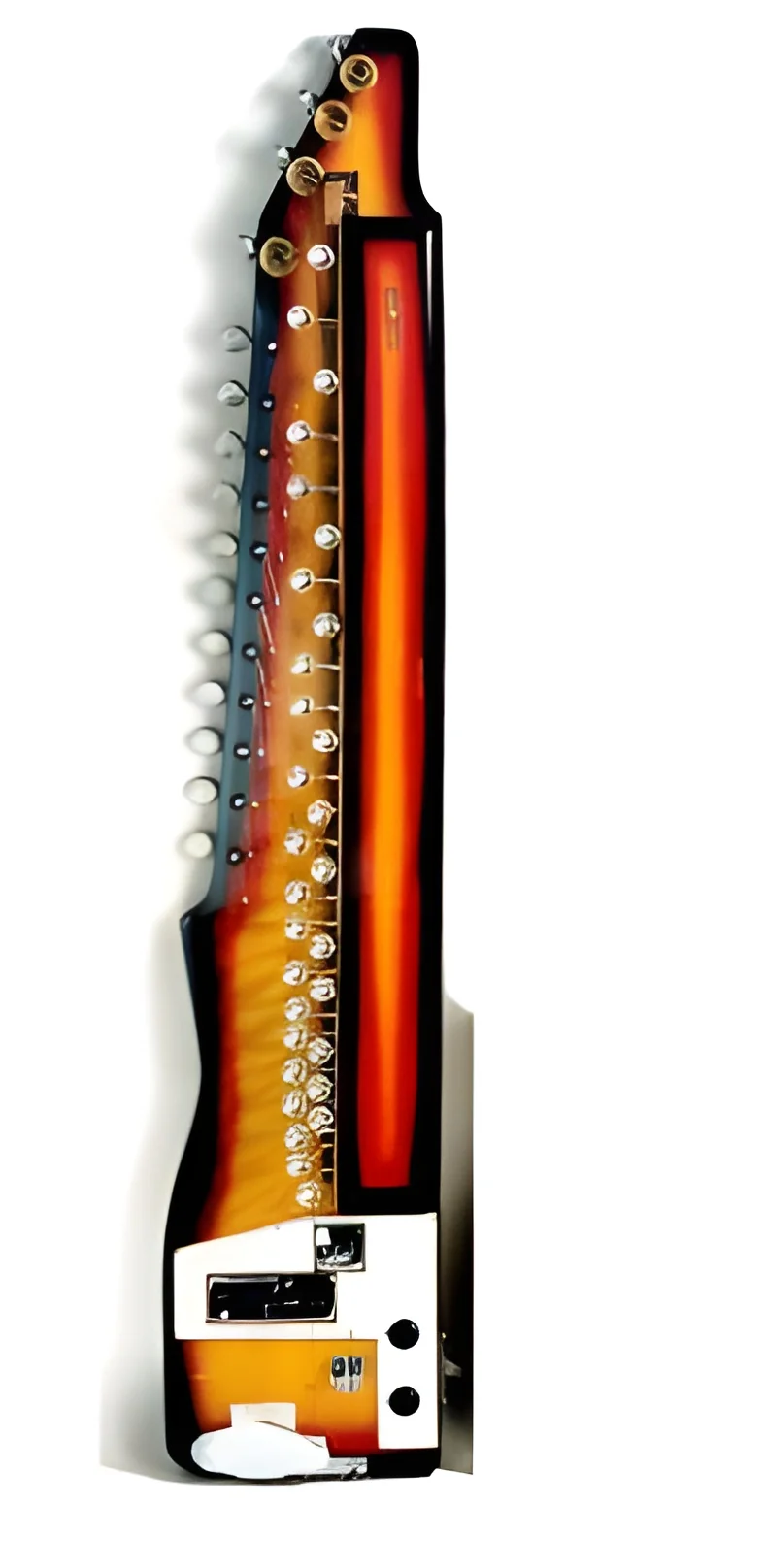
Indian Classical Instruments such as the Sitar, Veena, and Mridangam are traditional musical instruments that are integral to Indian classical music. The Sitar is a string instrument known for its rich tones and complex design, while the Veena is a plucked string instrument with a deep, resonant sound. The Mridangam is a percussion instrument that provides rhythm and is played with the hands.
What are the different types of Indian Classical Instruments (Sitar, Veena, Mridangam)?
The main types of Indian Classical Instruments in this category include the Sitar, Veena, and Mridangam. Additionally, there are various regional variations and styles of each instrument, such as the Rudra Veena and the Carnatic Sitar. These instruments are classified based on their playing technique, structure, and the type of music they are used for.
How do I choose the right Indian Classical Instruments (Sitar, Veena, Mridangam)?
Choosing the right Indian Classical Instrument depends on your musical preferences, skill level, and budget. Beginners may opt for more affordable and user-friendly options, while advanced players may seek higher-quality instruments with intricate craftsmanship. It is also advisable to consider the sound quality, material, and brand reputation when making a selection.
What are the standard specifications for Indian Classical Instruments (Sitar, Veena, Mridangam)?
Standard specifications for Indian Classical Instruments vary by type. For example, a Sitar typically has 18-21 strings and a long neck, while a Veena may have a larger body and fewer strings. The Mridangam usually measures around 11-12 inches in diameter and is made from specific types of wood for optimal sound quality.
What is the price range for Indian Classical Instruments (Sitar, Veena, Mridangam)?
The price range for Indian Classical Instruments can vary widely based on the instrument type, craftsmanship, and materials used. Generally, beginner instruments may start from around INR 5,000, while professional models can exceed INR 50,000 or more. Custom-made or high-end instruments may also command higher prices.
What quality standards apply to Indian Classical Instruments (Sitar, Veena, Mridangam)?
Quality standards for Indian Classical Instruments focus on materials, craftsmanship, and sound performance. Instruments should be made from high-quality woods, metals, and strings to ensure durability and tonal richness. Additionally, reputable manufacturers adhere to specific acoustic standards to enhance the overall playing experience.
Where can I find Indian Classical Instruments (Sitar, Veena, Mridangam) suppliers in India?
You can find Indian Classical Instruments suppliers through various channels including online B2B marketplaces, music stores, and specialized instrument retailers. Websites like Pepagora provide a comprehensive list of manufacturers and suppliers, making it easier to compare options and find the right products. Local music schools and festivals are also good sources for recommendations.
Can Indian Classical Instruments (Sitar, Veena, Mridangam) be customized?
Yes, many manufacturers offer customization options for Indian Classical Instruments to cater to individual preferences. Customizations may include alterations in size, design, and materials used. It is advisable to discuss specific requirements with suppliers to ensure the final product meets your expectations.
What is the typical minimum order quantity for Indian Classical Instruments (Sitar, Veena, Mridangam)?
The typical minimum order quantity (MOQ) for Indian Classical Instruments can vary depending on the supplier and the type of instrument. Generally, MOQs may range from one to five pieces for standard instruments, while customized orders may require larger quantities. It is best to check with individual suppliers for their specific policies.
What is the typical lead time for Indian Classical Instruments (Sitar, Veena, Mridangam)?
The typical lead time for Indian Classical Instruments varies based on factors such as the type of instrument, customization, and supplier capacity. Standard instruments may have a lead time of 2-4 weeks, while custom orders could take longer, sometimes up to 8 weeks or more. It is important to confirm delivery timelines with the supplier before placing an order.
Why Businesses Trust Pepagora
Thousands of companies trust Pepagora to source smarter and sell faster
Expand Your Sales Globally

Source Smarter,Grow Faster
