
 IN
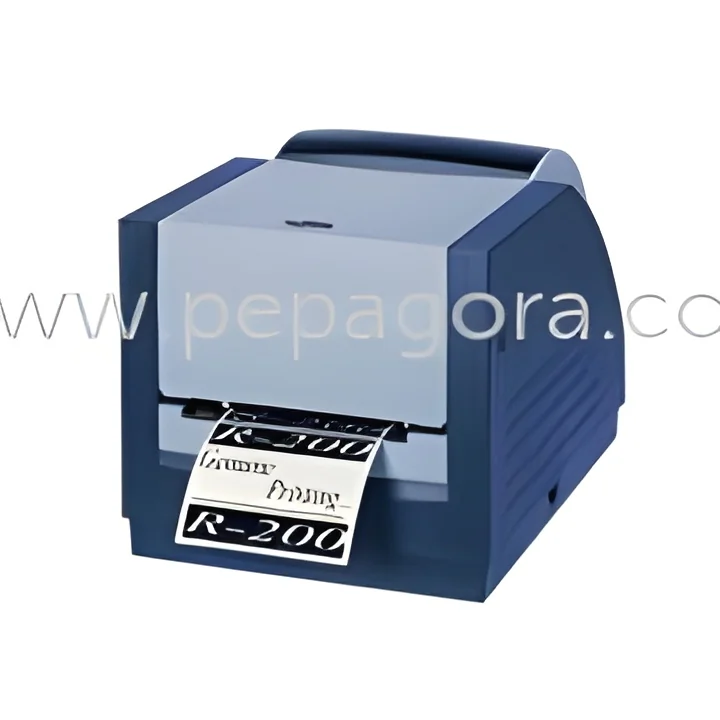
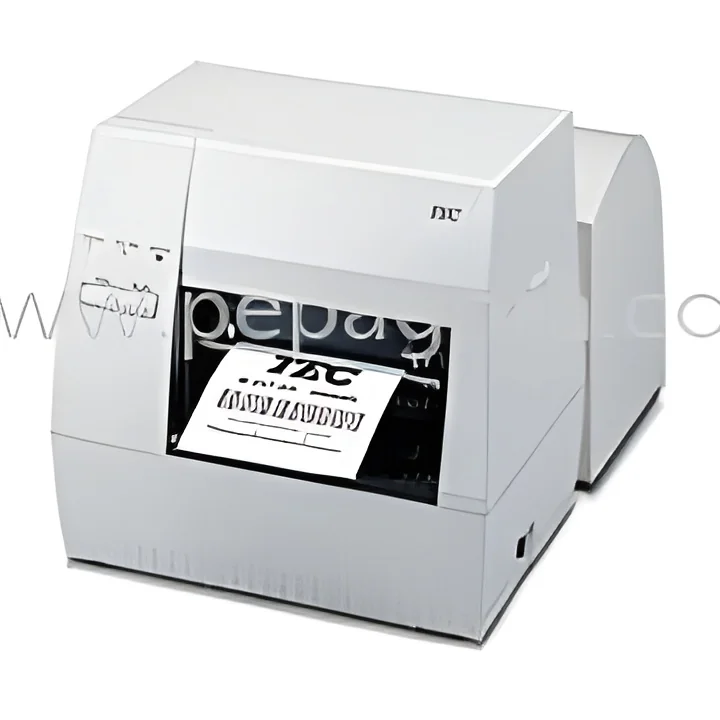
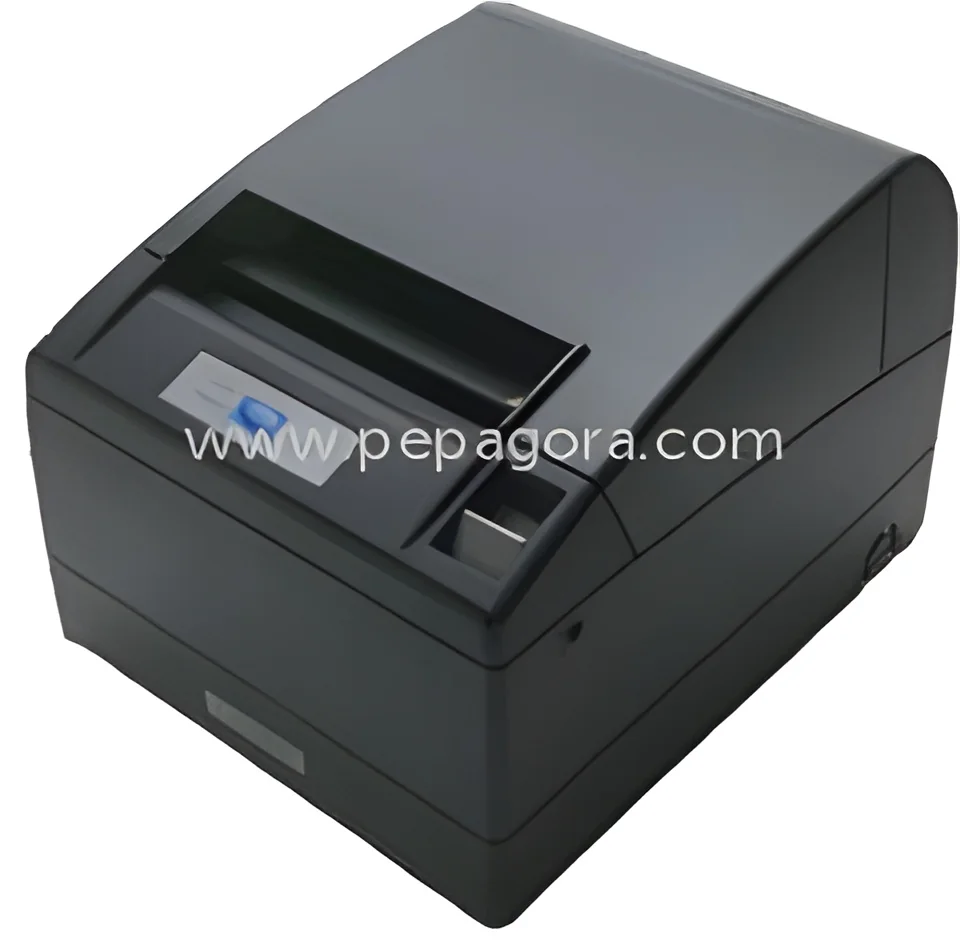
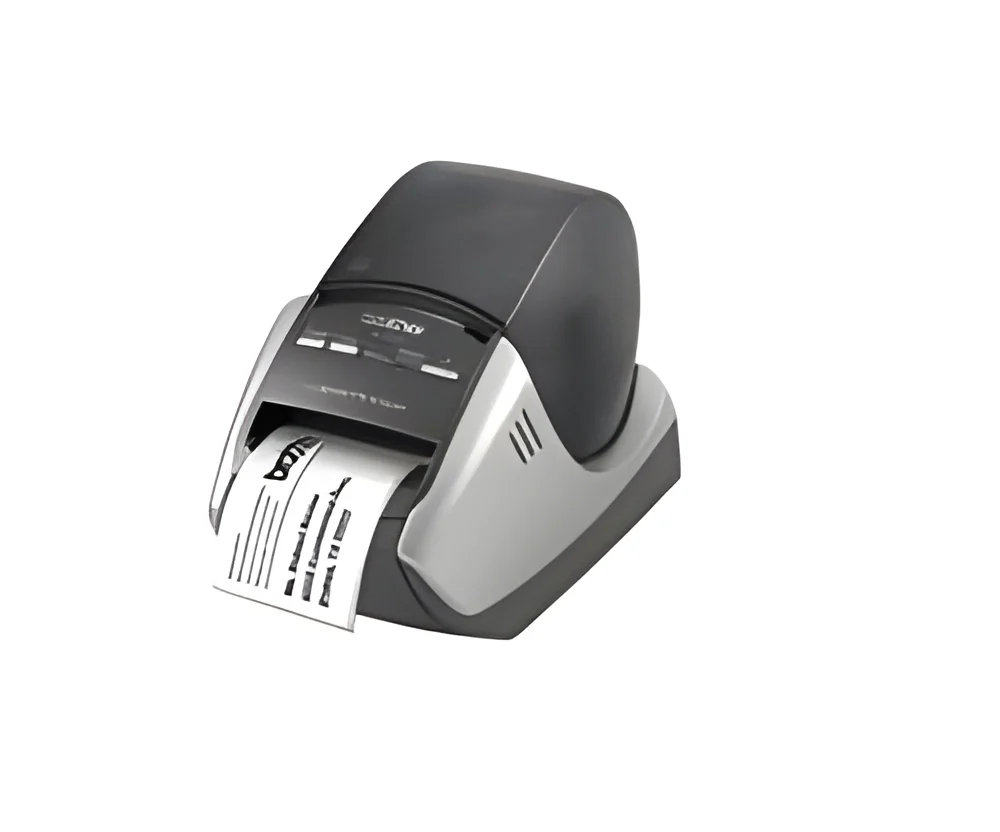
Thermal Transfer Label Printers
11 products available
What are Thermal Transfer Label Printers?
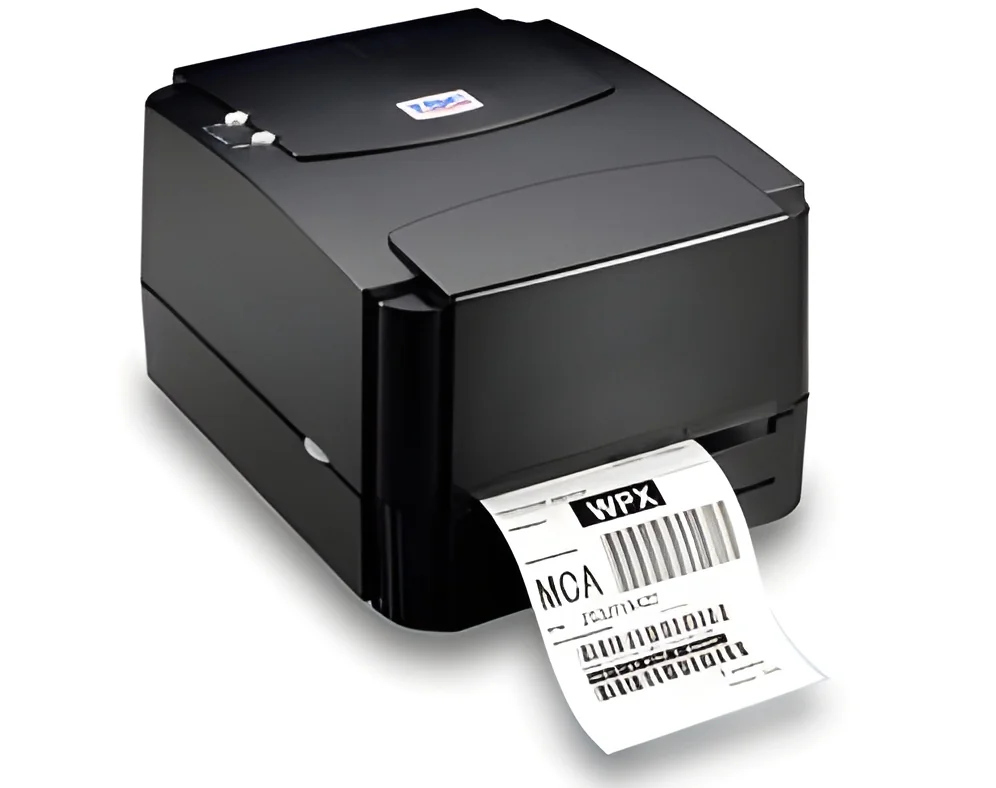
Thermal transfer label printers are specialized devices that utilize heat to transfer ink from a ribbon onto a label material. This printing method creates high-quality, durable labels that are resistant to fading, smudging, and moisture. The technology is widely favored for its ability to produce crisp, clear text and images, making it suitable for various labeling applications.
These printers are predominantly used in industries such as manufacturing, retail, logistics, and healthcare. Businesses rely on thermal transfer label printers to generate product labels, barcodes, shipping labels, and asset tags. The need for reliable and efficient labeling solutions has made these printers essential tools in the operational workflows of many organizations.
In today’s competitive market, thermal transfer label printers hold significant relevance. As companies increasingly prioritize efficiency and quality, the demand for reliable labeling solutions continues to grow. This trend is further fueled by the rise of e-commerce and global supply chains, where accurate labeling is crucial for inventory management and product tracking.
Key Features and Specifications
Thermal transfer label printers come with various features that enhance their functionality and usability. Understanding these specifications is vital for selecting the right printer for specific business needs.
Key specifications include:
1. Print Resolution
- The clarity of printed labels is measured in dots per inch (DPI).
- Common resolutions range from 203 DPI to 600 DPI.
2. Print Speed
- This indicates how quickly the printer can produce labels.
- Typical speeds vary from 2 to 12 inches per second.
3. Ribbon Width Compatibility
- This specification refers to the width of the thermal transfer ribbons that can be used.
- Ranges typically accommodate ribbons from 1 to 4 inches wide.
4. Connectivity Options
- Options may include USB, Ethernet, Wi-Fi, and Bluetooth.
- A diverse range of connectivity supports different operational setups.
5. Label Width Compatibility
- The range of label widths the printer can handle.
- Usually spans from 0.5 inches to 4 inches.
6. Durability Ratings
- Indicates the printer's ability to withstand harsh conditions.
- Some models are designed for industrial use and have higher durability ratings.
7. User Interface
- Features may include touchscreen displays and intuitive software.
- A user-friendly interface simplifies the printing process.
8. Operating System Compatibility
- Compatibility with various operating systems is crucial for integration.
- Commonly supports Windows, Mac, and Linux systems.
In summary, understanding the key features and specifications of thermal transfer label printers is essential for making an informed purchase decision. Businesses should assess their specific labeling needs to choose a printer that aligns with their operational requirements.
Common Applications and Use Cases
Thermal transfer label printers serve diverse industries with specific labeling needs.
1. Manufacturing: In manufacturing, these printers are essential for labeling products, packaging, and equipment. They ensure that products are accurately identified and tracked throughout the production process.
2. Retail: Retail businesses utilize thermal transfer label printers for price tags, product labels, and barcode printing. This enhances inventory management and improves customer service.
3. Logistics: In the logistics sector, these printers are crucial for shipping labels and tracking barcodes. They help streamline the shipping process and ensure accurate deliveries.
4. Healthcare: Thermal transfer label printers are used in healthcare for labeling medical supplies, patient identification, and specimen tracking. Clear and durable labels are vital for patient safety and compliance.
5. Food and Beverage: In the food industry, these printers are employed for labeling packaging, ingredients, and nutritional information. They help comply with regulatory labeling requirements.
6. Electronics: Electronics manufacturers use thermal transfer label printers for labeling components and packaging. High-resolution printing is necessary for detailed labels.
7. Pharmaceuticals: In the pharmaceutical industry, these printers ensure that medications are labeled correctly, including dosage instructions and warnings. This is critical for patient safety.
Product Variants and Subcategories
Thermal transfer label printers come in various variants to meet different business needs. Each variant offers unique features and applications.
Compact Thermal Transfer Printer: This variant is designed for small spaces and low-volume printing needs. It is ideal for retail environments where space is limited.
Industrial Thermal Transfer Printer: Built for heavy-duty use, this variant can handle high volumes of printing. It is suitable for manufacturing and logistics applications where durability is essential.
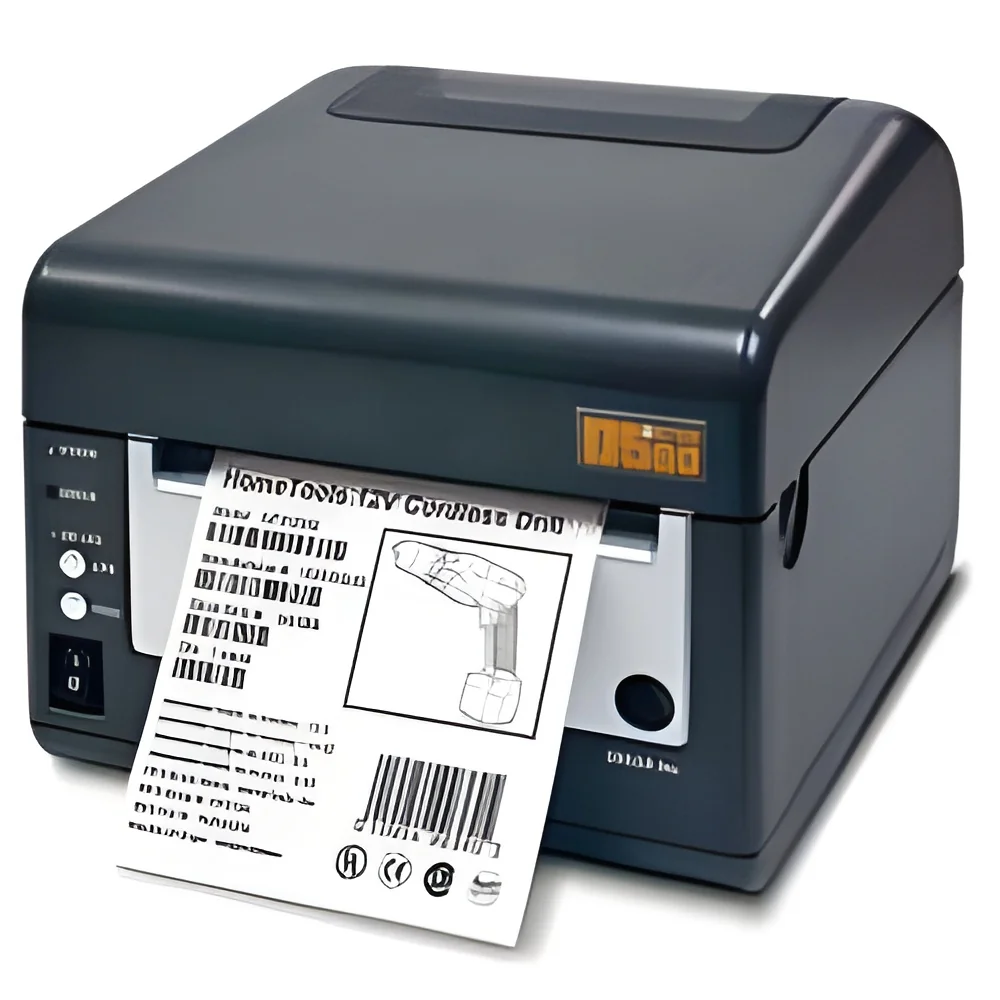
Desktop Thermal Transfer Printer: This variant is perfect for office use and low to medium-volume printing. It is user-friendly and fits well in small workspaces.
Mobile Thermal Transfer Printer: A portable option, mobile thermal transfer printers are designed for on-the-go printing. They are commonly used in field operations and retail environments.
Benefits and Advantages
Thermal transfer label printers offer several benefits that enhance operational efficiency and label quality.
1. High Print Quality: These printers produce sharp, clear labels that are vital for effective communication and branding.
2. Durability: Thermal transfer labels are resistant to moisture, fading, and abrasion, ensuring longevity in various environments.
3. Versatility: They can print on a wide range of materials, including paper, polyester, and vinyl, making them suitable for diverse applications.
4. Cost-Effectiveness: With low operational costs, thermal transfer printers provide an economical solution for businesses that require frequent labeling.
5. Ease of Use: Many models feature user-friendly interfaces and software, simplifying the printing process for staff.
6. Scalability: Businesses can easily scale their labeling operations by choosing printers that meet their growing needs.
Buying Guide for B2B Buyers
When sourcing thermal transfer label printers, several factors should be considered to ensure the best fit for business needs.
1. Quality Assessment: Evaluate the quality of print output and durability of labels. Look for printers with high DPI and strong material compatibility to meet specific labeling needs.
2. Supplier Verification: It is essential to vet suppliers for reliability and reputation. Seek suppliers with a proven track record and positive customer reviews to ensure a smooth purchasing experience.
3. Pricing and MOQ: Understand the pricing structure and minimum order quantities (MOQ) of printers. Compare prices across suppliers to find a competitive offer that aligns with your budget.
4. Delivery and Lead Times: Consider logistics and delivery times when placing orders. Ensure that the suppliers can meet your delivery requirements to avoid disruptions.
5. Compliance Requirements: Be aware of any industry-specific compliance needs, such as labeling regulations. Ensure that the printers you choose meet these standards to avoid potential issues.
Compliance and Certifications
Thermal transfer label printers must adhere to various compliance standards and certifications to ensure quality and safety in their operation.
ISO 9001 is a relevant quality standard that outlines the requirements for a quality management system. Adherence to this standard indicates that the manufacturer follows consistent quality control processes.
CE certification is also important, particularly for products sold in the European market. This certification demonstrates that the printers meet safety, health, and environmental protection standards set by the European Union.
Safety and testing requirements are crucial to ensure that the printers operate safely in various environments. Manufacturers must comply with local and international safety regulations to protect users.
Regional compliance considerations may vary based on the market. Buyers should verify that the printers meet any specific regulatory requirements in their region to ensure compliance and avoid legal issues.
Why Source Thermal Transfer Label Printers from Pepagora?
Pepagora offers a trusted platform for sourcing thermal transfer label printers, providing several key advantages.
Verified Supplier Network: Pepagora has established a network of verified suppliers who offer high-quality thermal transfer label printers. This network ensures that buyers can trust the products they are purchasing.
Streamlined RFQ Process: The platform simplifies the request for quotation (RFQ) process, allowing buyers to receive competitive quotes from multiple suppliers quickly. This efficiency saves time and helps businesses make informed decisions.
Trade Assurance and Support: Buyers benefit from trade assurance programs that protect their purchases. Pepagora provides support throughout the buying process, ensuring that any issues are addressed promptly.
Regional Coverage: With a strong presence in India, the GCC, and Southeast Asia, Pepagora caters to businesses across these regions. This geographic reach enables buyers to access local suppliers and enjoy faster delivery times.
By choosing Pepagora, businesses can confidently source thermal transfer label printers that meet their specific needs while benefiting from a reliable and efficient purchasing process.

 India
 India

 India
 India
 India
Frequently Asked Questions
What are Thermal Transfer Label Printers?
Thermal Transfer Label Printers are devices that use heat to transfer ink from a ribbon onto various label materials. This process produces high-quality, durable labels that are resistant to smudging and fading, making them suitable for various applications in industries such as manufacturing, retail, and logistics.
What are the different types of Thermal Transfer Label Printers?
The main types of Thermal Transfer Label Printers include desktop printers, industrial printers, and portable printers. Desktop printers are ideal for low to medium volume printing, while industrial printers are designed for high-volume production environments. Portable printers offer flexibility for on-the-go printing needs.
How do I choose the right Thermal Transfer Label Printers?
Choosing the right Thermal Transfer Label Printer involves assessing your specific printing needs, including volume, label size, and material compatibility. Additionally, consider features such as print speed, resolution, and connectivity options to ensure the printer meets your operational requirements.
What are the standard specifications for Thermal Transfer Label Printers?
Standard specifications for Thermal Transfer Label Printers typically include print resolution (measured in dpi), print speed (measured in inches per second), and connectivity options such as USB, Ethernet, and wireless capabilities. Additionally, compatibility with various label sizes and materials is also a key specification.
What is the price range for Thermal Transfer Label Printers?
The price range for Thermal Transfer Label Printers can vary significantly depending on the model and features. Generally, prices can start from around INR 10,000 for basic models and can exceed INR 1,00,000 for advanced industrial printers with higher capabilities.
What quality standards apply to Thermal Transfer Label Printers?
Quality standards for Thermal Transfer Label Printers often include ISO certifications and compliance with industry-specific regulations. Ensuring that printers meet such standards is crucial for producing labels that are reliable and meet the required durability for different applications.
Where can I find Thermal Transfer Label Printers suppliers in India?
You can find Thermal Transfer Label Printers suppliers in India through online B2B marketplaces like Pepagora.com, industry trade shows, and manufacturer directories. Additionally, networking with industry professionals can help identify reputable suppliers in your area.
Can Thermal Transfer Label Printers be customized?
Yes, Thermal Transfer Label Printers can often be customized to meet specific printing requirements. Customization options may include modifying print speed, resolution, and the ability to handle different label materials and sizes.
What is the typical minimum order quantity for Thermal Transfer Label Printers?
The typical minimum order quantity (MOQ) for Thermal Transfer Label Printers can vary by supplier, but it is often set at one unit for smaller manufacturers. Larger suppliers may have a higher MOQ, so it's important to check with individual suppliers for their specific requirements.
What is the typical lead time for Thermal Transfer Label Printers?
The typical lead time for Thermal Transfer Label Printers can range from a few days to several weeks, depending on the supplier and availability of the specific model. It's advisable to confirm lead times with suppliers, especially for bulk orders or customized products.
Why Businesses Trust Pepagora
Thousands of companies trust Pepagora to source smarter and sell faster
Expand Your Sales Globally

Source Smarter,Grow Faster
