
 IN
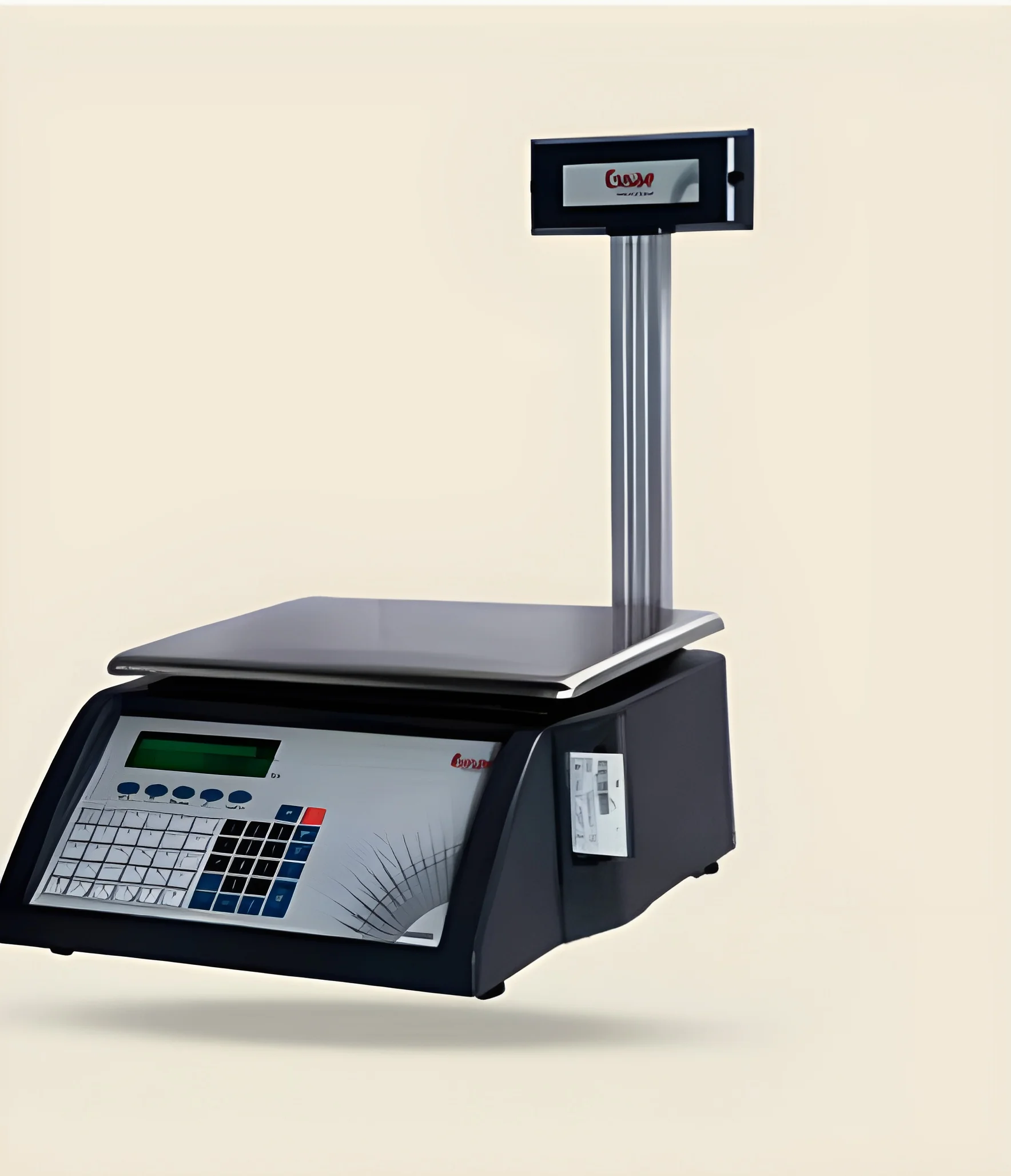
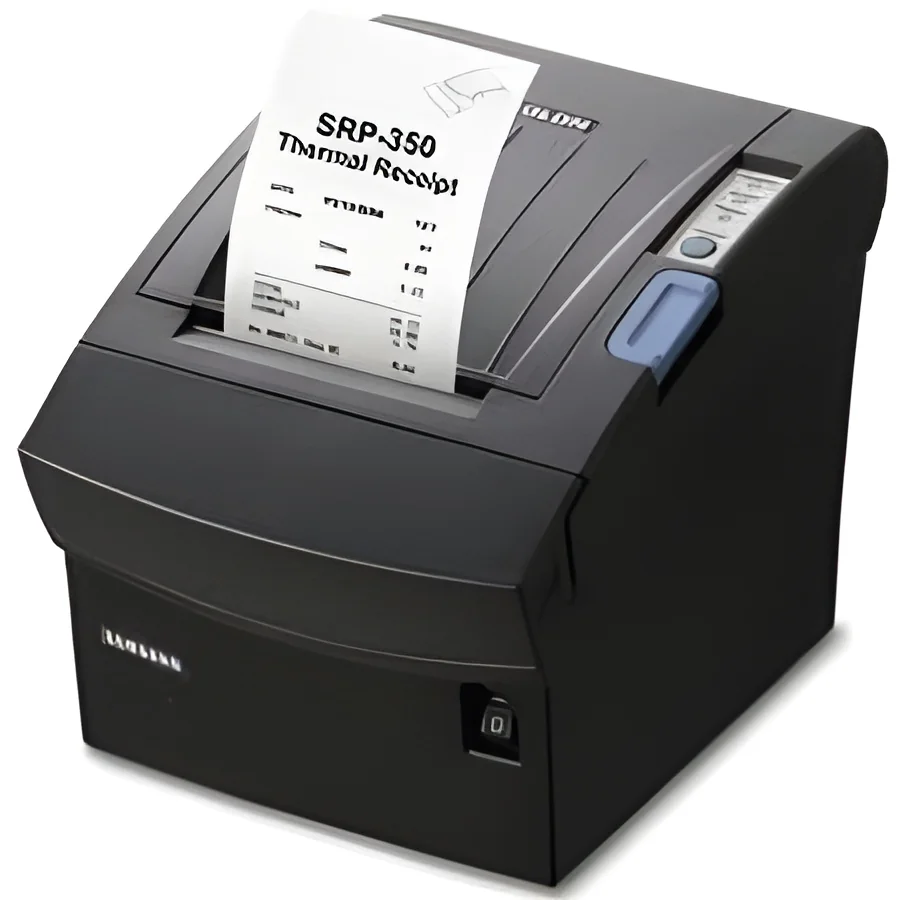
Direct Thermal Label Printers
2 products available
What are Direct Thermal Label Printers?
Direct Thermal Label Printers are devices that print on thermal paper using heat-sensitive technology. They create images by applying heat to the paper, causing the coated areas to darken and produce print. This type of printing eliminates the need for ink or toner, making it a cost-effective solution for businesses requiring high-volume label printing.
These printers are commonly used in various sectors for labeling products, shipping, and inventory management. They are ideal for applications that require quick turnaround times and durable labels, such as shipping labels, barcode labels, and product tags. Many businesses appreciate the simplicity and reliability of direct thermal printing, especially in fast-paced environments where efficiency is critical.
In the current market, direct thermal label printers have gained popularity due to their versatility and affordability. They are widely used in industries such as retail, logistics, healthcare, and manufacturing. As businesses continue to prioritize efficiency and cost-cutting measures, the demand for these printers remains strong, making them a relevant choice for modern operations.
Key Features and Specifications
Direct Thermal Label Printers come with several key features that make them suitable for various applications. Understanding these features helps buyers choose the right model for their needs.
Key specifications include:
1. Print Speed
- Typically ranges from 2 to 12 inches per second, depending on the model.
- Higher speeds are available for high-volume printing tasks.
2. Print Resolution
- Common resolutions are 203 dpi and 300 dpi.
- Higher resolutions are ideal for detailed graphics and barcodes.
3. Media Width
- Supports a media width range between 1 inch to 4 inches.
- Wider options can accommodate larger labels.
4. Connectivity Options
- Includes USB, Ethernet, and Bluetooth for flexible connectivity.
- Wireless options are available for mobile printing.
5. Operating System Compatibility
- Compatible with various operating systems, including Windows, Mac, and Linux.
- Ensures easy integration with existing systems.
6. Label Formats Supported
- Can print on various label formats, including direct thermal and die-cut labels.
- Versatile enough for different applications.
7. Easy Maintenance
- Designed for straightforward maintenance with user-friendly interfaces.
- Many models allow for quick roll changes and cleaning.
8. Compact Design
- Typically lightweight and space-saving, suitable for desktop use.
- Ideal for environments with limited space.
In summary, understanding these specifications is crucial for selecting the right direct thermal label printer that meets business needs.
Common Applications and Use Cases
Direct Thermal Label Printers are utilized in a variety of industries, each with specific applications.
1. Retail: These printers are used for printing price tags and product labels. They facilitate quick labeling at checkout counters and help manage inventory efficiently.
2. Logistics: In shipping and warehousing, direct thermal printers produce shipping labels and barcodes. They streamline package tracking and inventory management processes.
3. Healthcare: Hospitals and clinics use these printers for patient identification wristbands and medication labels. They enhance patient safety and improve operational efficiency.
4. Manufacturing: In manufacturing environments, direct thermal label printers are used to track products on assembly lines. They enable real-time tracking and quality control.
5. Food and Beverage: These printers are used to create labels for packaging and nutritional information. They ensure compliance with labeling regulations within the industry.
6. Transportation: Direct thermal printing is essential for labeling cargo and freight. It aids in logistics and ensures accurate delivery of goods.
7. Office Settings: Many offices use these printers for mailing labels and barcode labels for asset tracking. They support efficient document management and organization.
Product Variants and Subcategories
Direct Thermal Label Printers come in various models catering to different needs. Each variant offers unique features and capabilities.
Compact Desktop Printers
These printers are designed for small office environments. They offer fast printing speeds and are easy to operate, making them suitable for low to medium-volume printing.
High-Volume Industrial Printers
These printers are built for high-demand printing environments. They can handle large volumes of labels and provide robust performance for warehouse and manufacturing applications.
Mobile Printers
Mobile direct thermal printers are lightweight and portable. They are perfect for on-the-go printing needs, especially in field operations or delivery services.
Benefits and Advantages
Direct Thermal Label Printers offer numerous advantages for businesses.
1. Cost-Effective: By eliminating the need for ink or toner, these printers reduce overall printing costs.
2. High Speed: They provide fast print speeds, allowing for quick production of labels in busy environments.
3. Low Maintenance: With fewer moving parts, direct thermal printers require minimal maintenance, reducing downtime.
4. Quality Prints: They produce clear and sharp images, ensuring legibility for barcodes and text.
5. Versatile Applications: These printers can be used across various industries, making them adaptable for different labeling needs.
6. Compact Size: Their small footprint makes them suitable for any workspace, from offices to warehouses.
Buying Guide for B2B Buyers
When sourcing Direct Thermal Label Printers, several factors should be considered to ensure the right choice.
1. Quality Assessment: Evaluate the print quality and durability of the labels produced. Look for specifications that indicate high resolution and reliable performance.
2. Supplier Verification: Vet potential suppliers to ensure they offer quality products and reliable service. Check for reviews and ratings from other businesses.
3. Pricing and MOQ: Consider the pricing structure and any minimum order quantity (MOQ) requirements. Ensure that the cost aligns with your budget and expected volume.
4. Delivery and Lead Times: Discuss logistics and delivery timelines with suppliers to ensure timely receipt of products. Plan for any potential delays.
5. Compliance Requirements: Ensure the printers meet relevant compliance and regulatory requirements for your industry. This may include safety and environmental standards.
Compliance and Certifications
Direct Thermal Label Printers must adhere to various quality standards and certifications to ensure reliability and safety.
Many printers comply with ISO 9001, which focuses on quality management systems. This certification ensures that products meet customer and regulatory requirements consistently.
CE certification is also relevant, particularly in Europe. It indicates that the product meets safety, health, and environmental protection standards.
Safety and testing requirements may vary by region, so it is essential to check for compliance with local regulations. This ensures that the printers are safe for use in their intended environments.
In summary, maintaining compliance with these standards is crucial for manufacturers and suppliers to build trust with buyers and ensure product reliability.
Why Source Direct Thermal Label Printers from Pepagora?
Pepagora offers a trusted platform for sourcing Direct Thermal Label Printers with several advantages.
Verified Supplier Network: Pepagora connects buyers with verified suppliers who have been vetted for quality and reliability. This ensures that businesses can make informed purchasing decisions.
Streamlined RFQ Process: The platform facilitates a smooth request for quotation (RFQ) process, allowing buyers to receive competitive pricing from multiple suppliers efficiently.
Trade Assurance and Support: Pepagora provides trade assurance to protect buyers against potential issues. This includes support throughout the purchasing process, ensuring satisfaction.
Regional Coverage: With a presence in India, the GCC, and Southeast Asia, Pepagora offers extensive geographic reach. This allows businesses to find local suppliers and reduce shipping times and costs.
Overall, choosing Pepagora as a sourcing platform enhances the purchasing experience for Direct Thermal Label Printers, ensuring quality, efficiency, and reliability.

Frequently Asked Questions
What are Direct Thermal Label Printers?
Direct Thermal Label Printers are devices that use heat-sensitive labels to produce prints. The thermal printhead applies heat to the label, causing a chemical reaction that creates an image. These printers are commonly used for shipping labels, barcodes, and product labeling.
What are the different types of Direct Thermal Label Printers?
There are several types of Direct Thermal Label Printers, including portable, desktop, and industrial models. Portable printers are designed for mobile use, while desktop printers are suited for small to medium-volume printing. Industrial printers are built for high-volume use and are more durable.
How do I choose the right Direct Thermal Label Printers?
Choosing the right Direct Thermal Label Printer depends on factors such as printing volume, label size, and connectivity options. Consider the printer's speed, resolution, and whether it meets your specific labeling needs. Additionally, evaluate the compatibility with your existing systems.
What are the standard specifications for Direct Thermal Label Printers?
Standard specifications for Direct Thermal Label Printers include print resolution (measured in dots per inch), print speed (measured in inches per second), and media width compatibility. Most printers support a range of label sizes and have connectivity options like USB, Ethernet, or Bluetooth.
What is the price range for Direct Thermal Label Printers?
The price range for Direct Thermal Label Printers can vary significantly based on features and brand. Entry-level models may start around INR 5,000, while industrial-grade printers can cost upwards of INR 50,000 or more. It's advisable to compare features and specifications to find one that fits your budget.
What quality standards apply to Direct Thermal Label Printers?
Quality standards for Direct Thermal Label Printers typically include ISO certifications and compliance with safety regulations. Printers should also meet performance standards for durability and print quality. Always check for warranties and service support when evaluating quality.
Where can I find Direct Thermal Label Printers suppliers in India?
You can find Direct Thermal Label Printers suppliers in India through B2B marketplaces like Pepagora, trade shows, and industry directories. Online platforms allow you to compare various suppliers and manufacturers, making it easier to find reliable partners for your printing needs.
Can Direct Thermal Label Printers be customized?
Yes, Direct Thermal Label Printers can often be customized to meet specific printing requirements. Customization options may include different print resolutions, label sizes, and software compatibility. It's best to discuss your needs with the manufacturer or supplier.
What is the typical minimum order quantity for Direct Thermal Label Printers?
The typical minimum order quantity (MOQ) for Direct Thermal Label Printers can vary by supplier and model. Generally, MOQs can range from one unit for smaller suppliers to several units for larger manufacturers. Always inquire with the supplier for their specific terms.
What is the typical lead time for Direct Thermal Label Printers?
The typical lead time for Direct Thermal Label Printers depends on the supplier and the complexity of your order. Standard orders usually ship within 1 to 4 weeks, while customized orders may take longer. It's advisable to confirm lead times during the purchasing process.
Why Businesses Trust Pepagora
Thousands of companies trust Pepagora to source smarter and sell faster
Expand Your Sales Globally

Source Smarter,Grow Faster
