What are Barcode Labels & Tags?
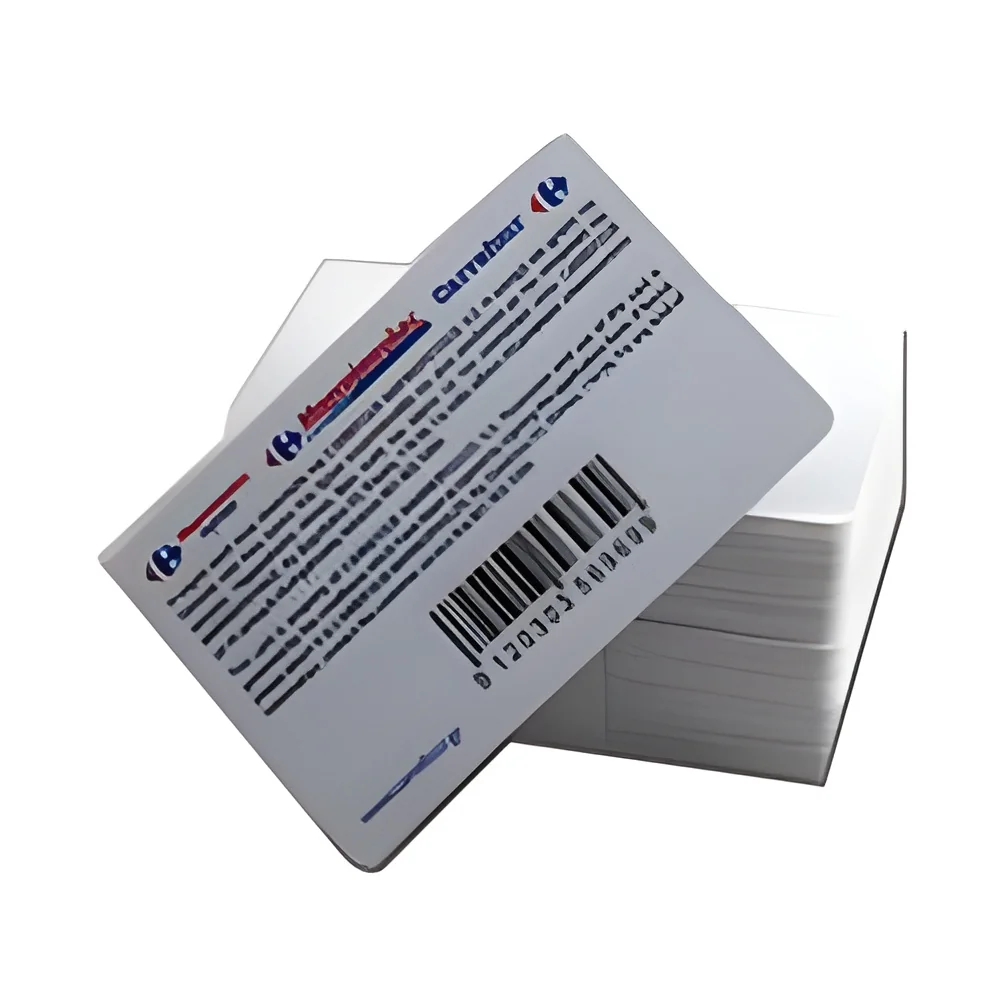
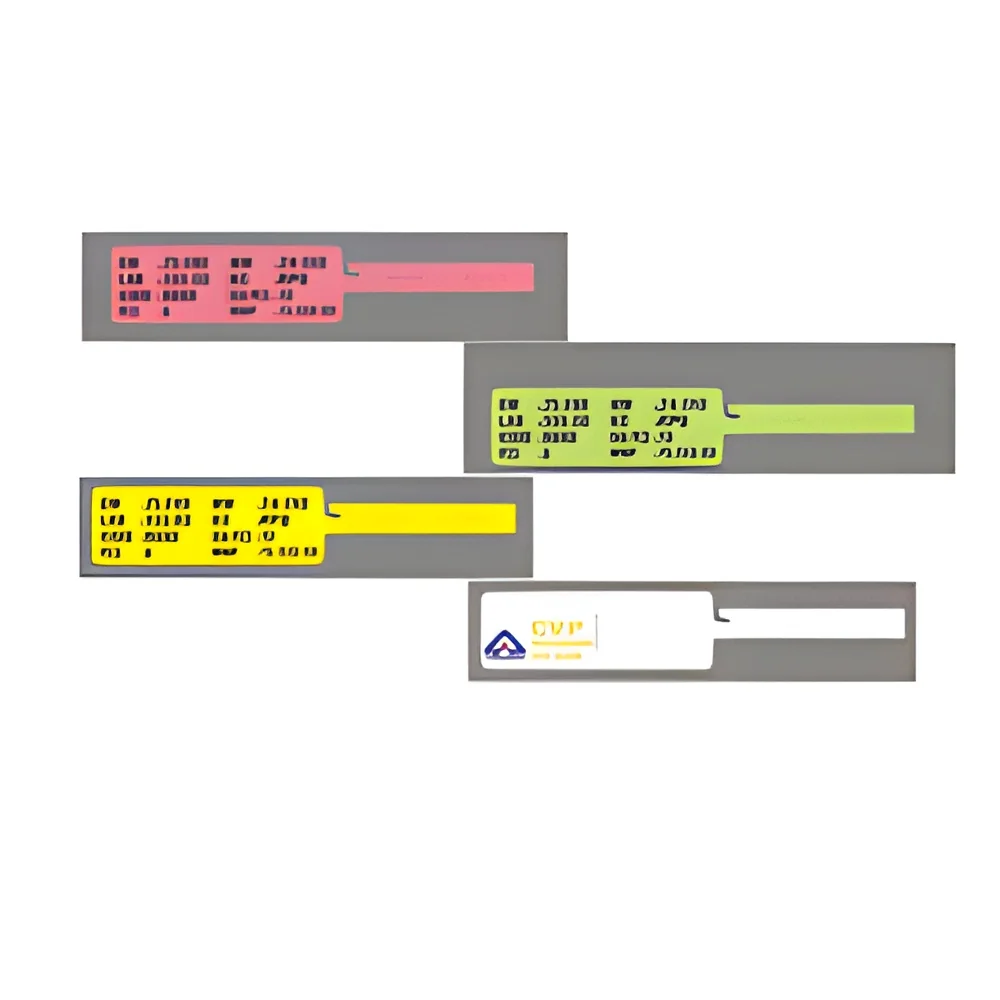
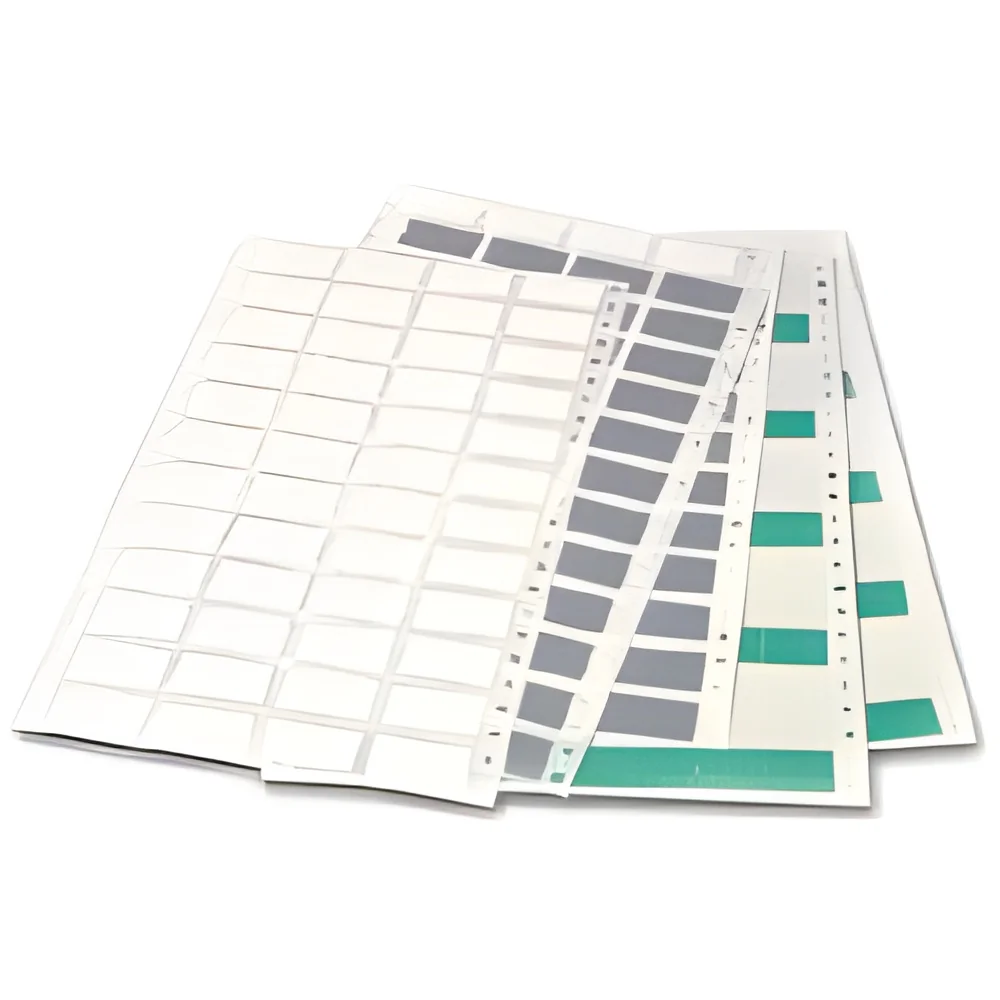
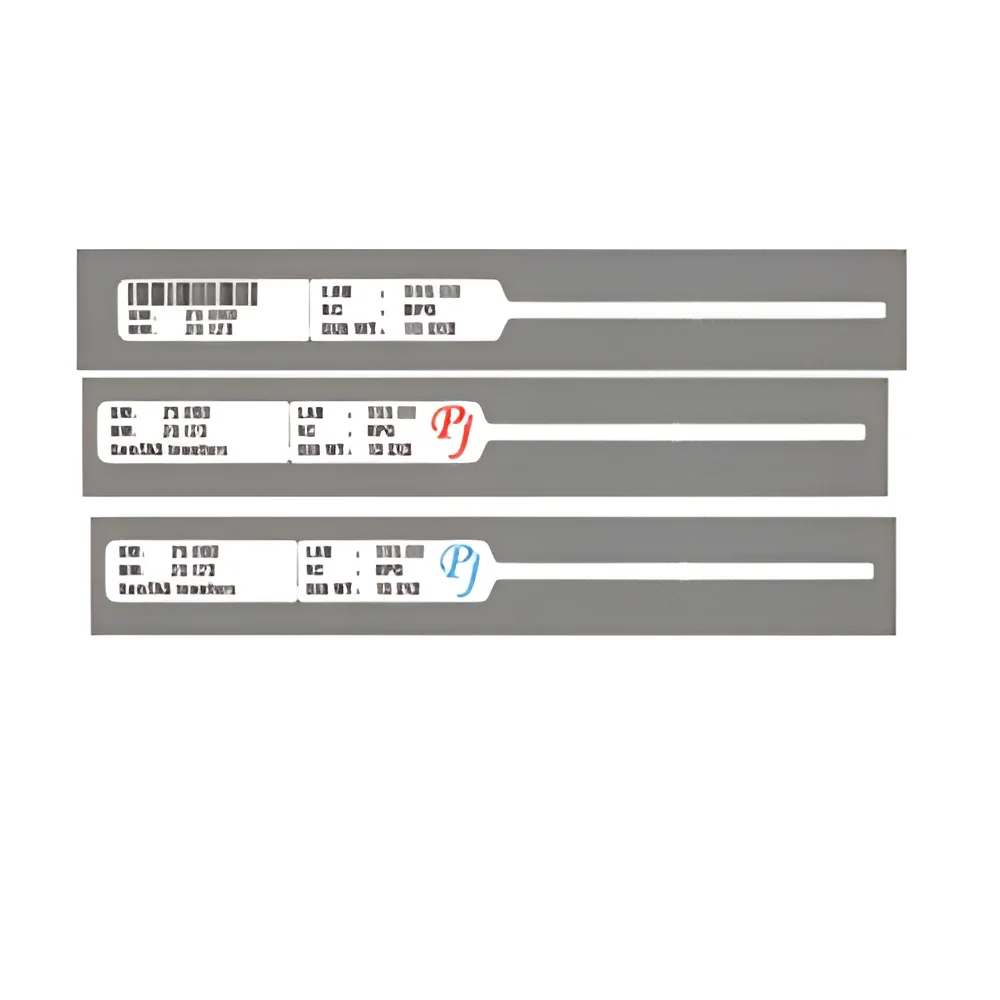
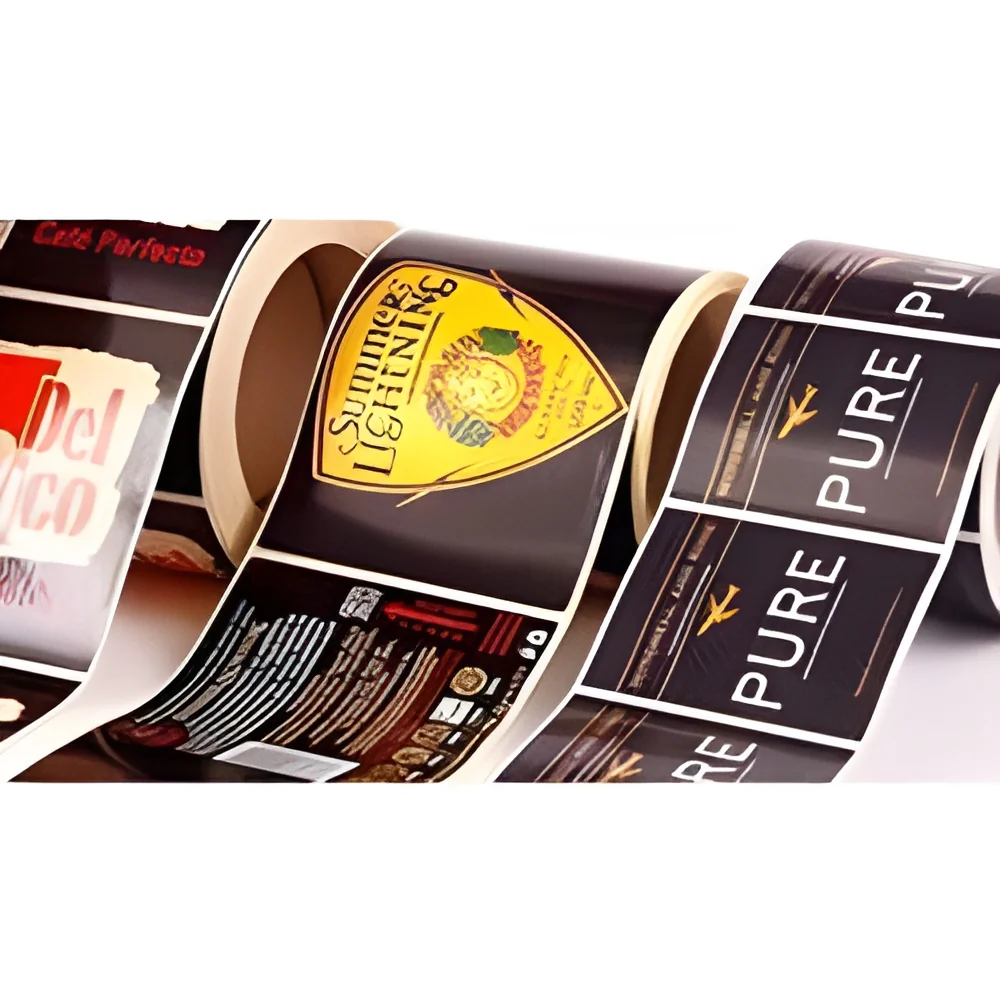
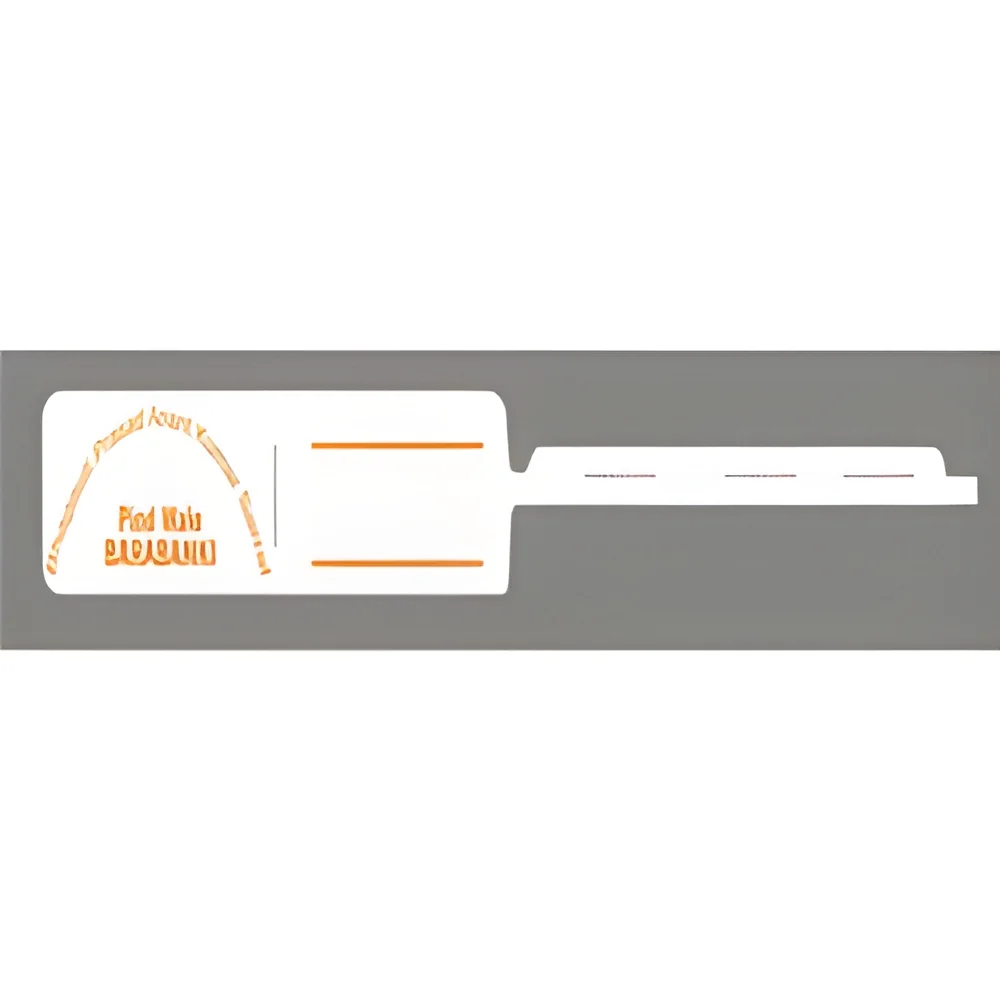
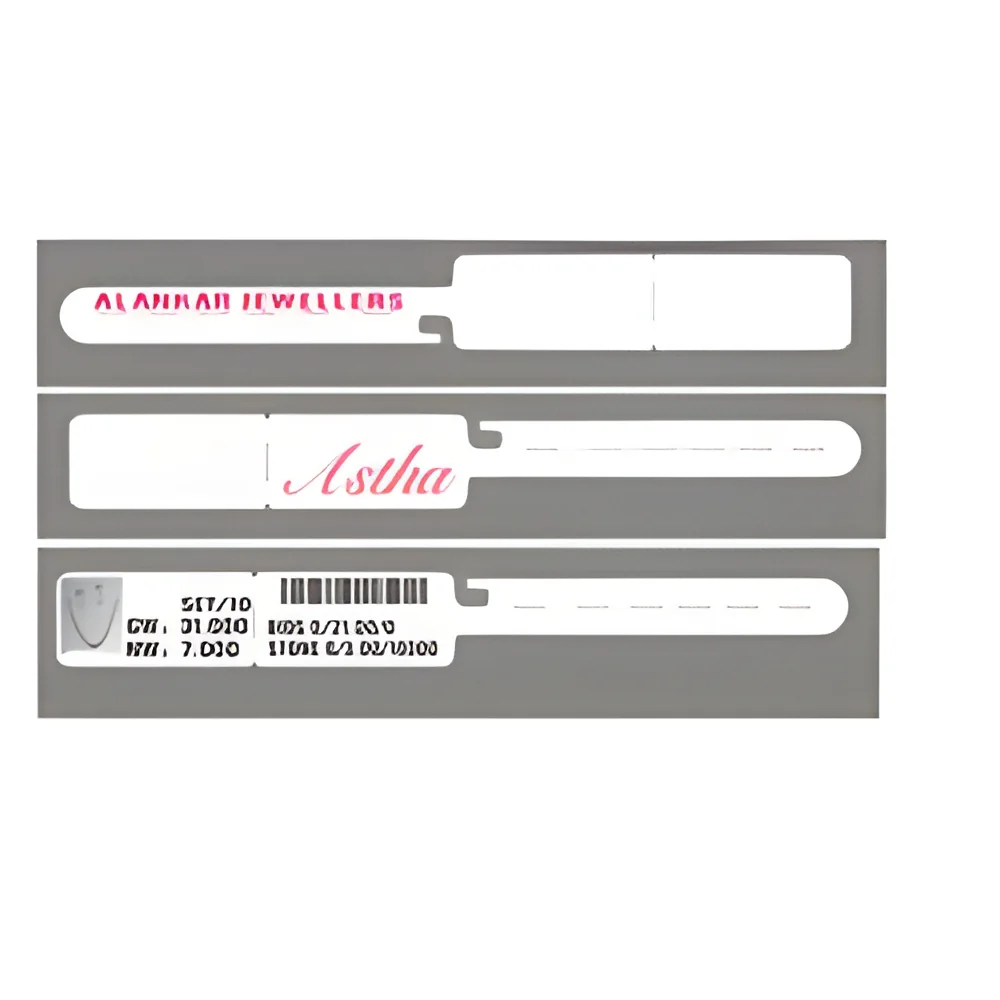
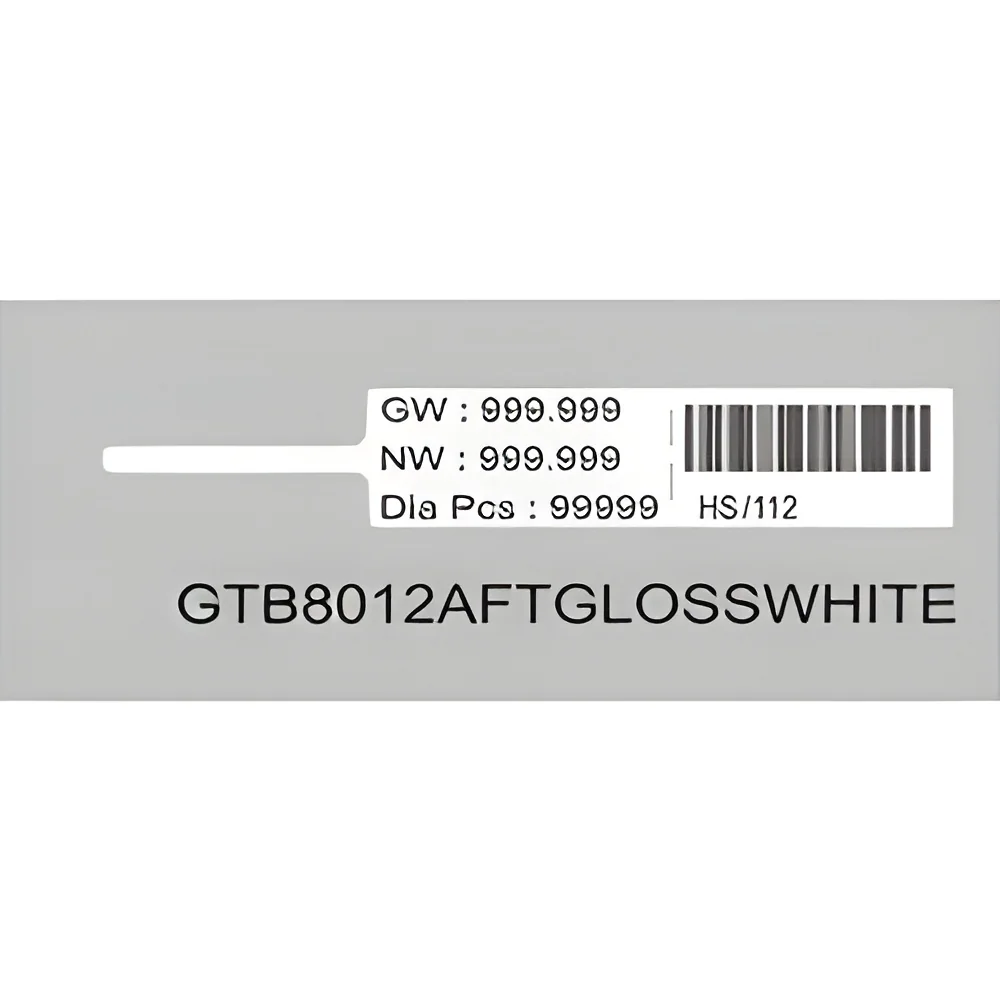
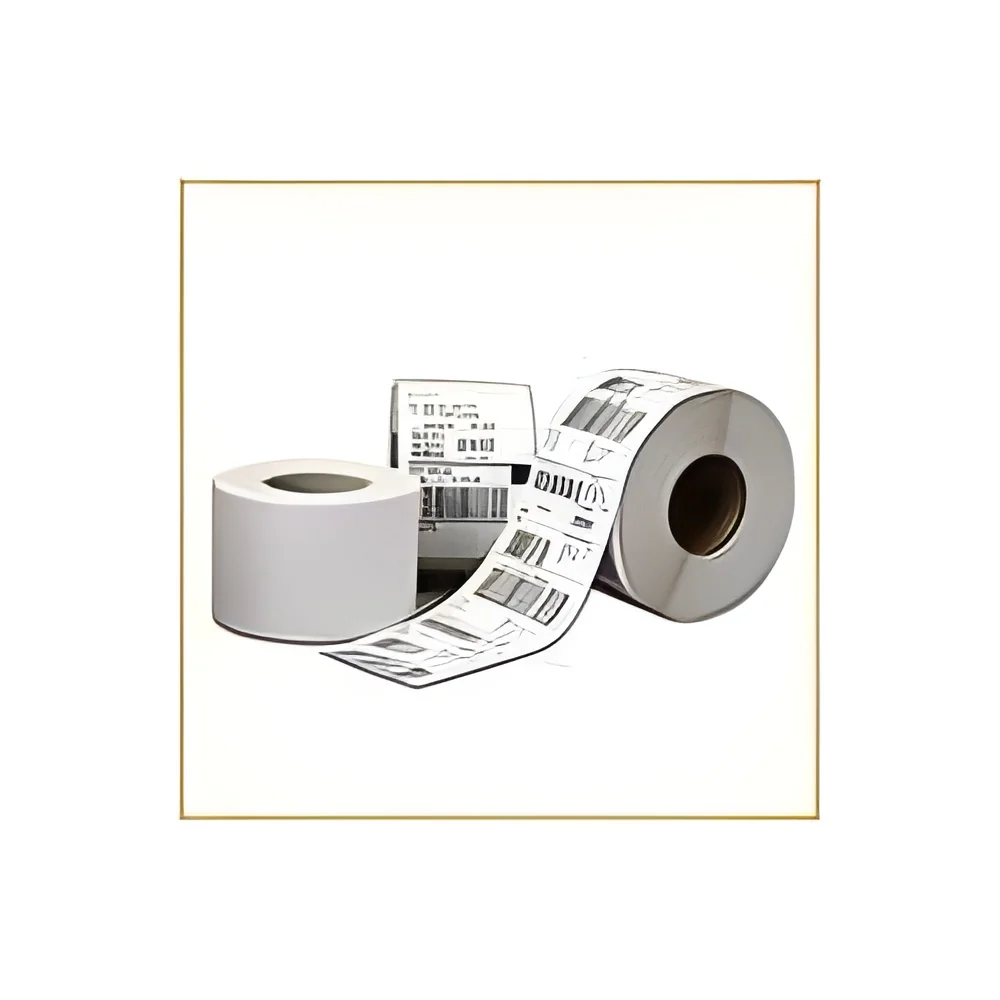
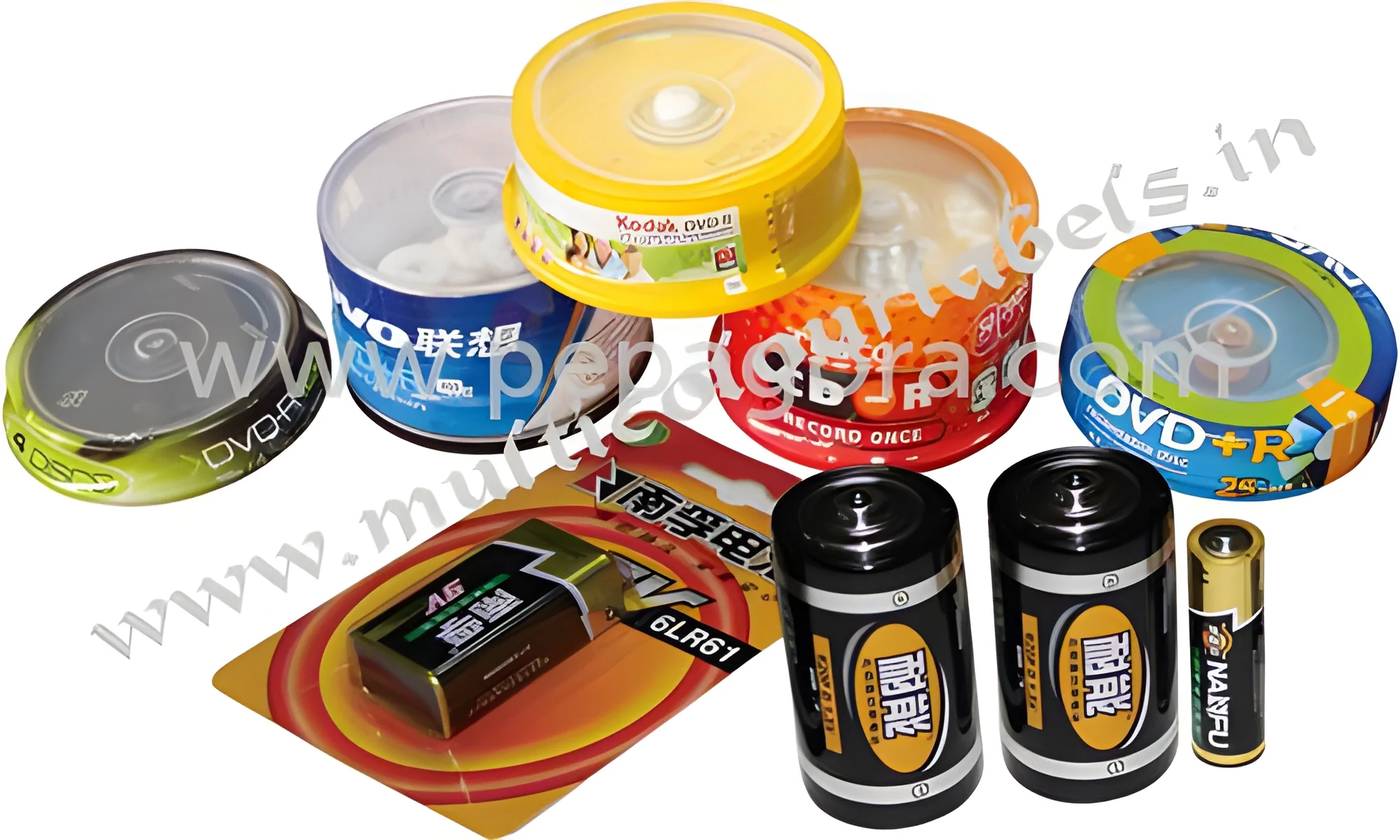
Barcode labels and tags are essential tools used for identifying products and tracking inventory. They consist of a series of printed lines and numbers that represent data, which can be scanned by barcode readers to quickly retrieve information about an item. Barcode labels are typically adhesive and can be affixed to various surfaces, while tags, which may be made from durable materials, are often used in applications requiring more robust identification solutions.
These products have numerous business applications across various industries. They are commonly used in retail, logistics, healthcare, and manufacturing to streamline operations, improve accuracy in inventory management, and enhance the efficiency of supply chains. The implementation of barcode technology allows businesses to automate data capture processes, significantly reducing human error and increasing productivity. In today's competitive market, the use of barcode labels and tags is crucial for maintaining operational effectiveness and meeting customer demands.
Key Features and Specifications
Barcode labels and tags come with a variety of features and specifications tailored to meet diverse business needs. Understanding these specifications is essential for choosing the right product for your application.
Key specifications include:
1. Material Type
- Common materials include paper, polyester, and vinyl, each offering different durability levels.
- Selection depends on the environment and application.
2. Adhesive Type
- Options include permanent, removable, and specialty adhesives based on the surface and usage.
- Ensures labels stick securely and are easy to apply.
3. Print Technology
- Available in direct thermal, thermal transfer, and inkjet printing options.
- Each method affects print quality and longevity.
4. Barcode Symbology
- Supports various barcode formats such as UPC, QR codes, and Code 128.
- Selection impacts readability and application.
5. Size and Shape
- Available in various dimensions and shapes to fit different products and packaging.
- Custom sizes can also be produced on request.
6. Color Options
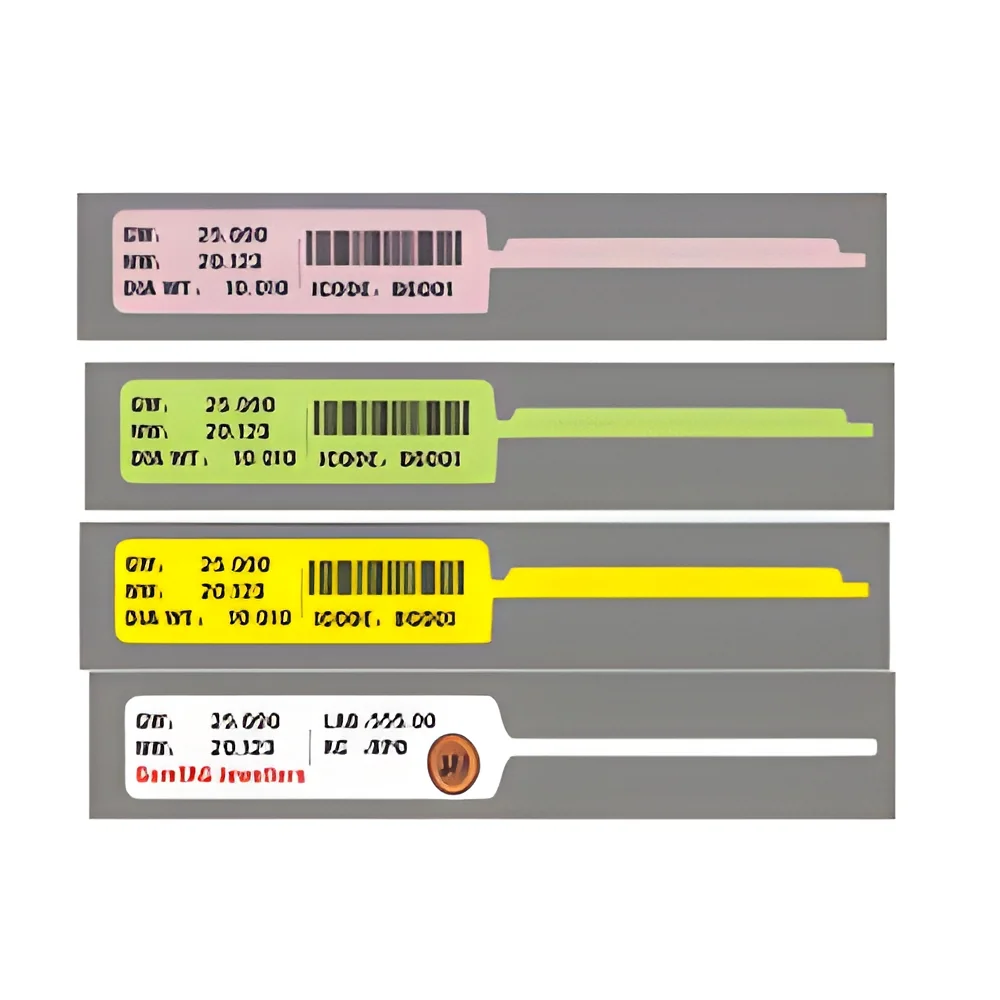
- Typically available in black and white, with options for color coding for easier identification.
- Custom colors may be available for branding purposes.
7. Print Resolution
- Ranges from low to high resolution, affecting clarity and detail in printed barcodes.
- Higher resolution is essential for complex barcodes.
8. Durability
- Labels can be designed to withstand harsh conditions, including moisture, heat, and chemicals.
- Important for applications in demanding environments.
These features make barcode labels and tags versatile tools that can be customized to meet specific operational requirements.
Common Applications and Use Cases
Barcode labels and tags are used across numerous industries, enhancing operational efficiency and accuracy.
1. Retail: In retail environments, barcode labels are essential for inventory management, enabling quick checkouts and accurate stock tracking.
2. Logistics: In logistics, tags are used for item tracking throughout the supply chain, ensuring timely deliveries and efficient warehouse management.
3. Healthcare: Hospitals and clinics utilize barcode labels to track patient information, medication administration, and equipment management, improving patient safety and operational efficiency.
4. Manufacturing: In manufacturing, barcode tags are used to monitor production processes, manage raw materials, and ensure quality control.
5. Food and Beverage: Barcode labeling helps track products from production to sale, ensuring compliance with safety regulations and quality standards.
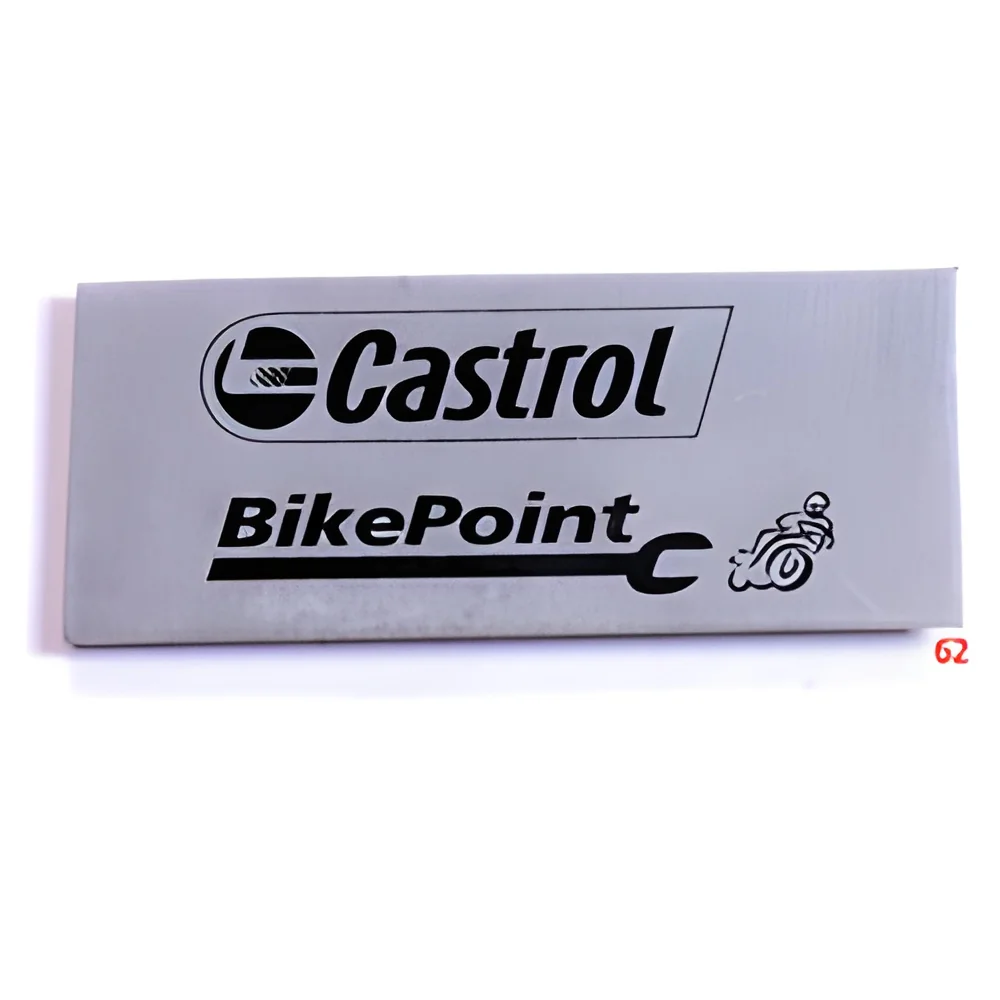
6. Automotive: In the automotive industry, labels are used for parts identification and inventory tracking, facilitating efficient repair and maintenance processes.
7. Pharmaceuticals: Barcode tags are crucial for tracking medications, ensuring accurate dispensing, and maintaining regulatory compliance.
These diverse applications highlight the importance of barcode labels and tags in modern business operations.
Product Variants and Subcategories
Barcode labels and tags come in a wide range of variants to suit different applications and industries.
Standard Barcode Labels
These are commonly used in retail and inventory management. They are typically printed on paper or synthetic materials and come with adhesive backing for easy application.
Durable Barcode Tags
These tags are made from robust materials designed for harsh environments. They are ideal for outdoor use or situations where labels may be exposed to moisture or chemicals.
Custom Barcode Solutions
Businesses can request custom labels tailored to their specific needs, including size, color, and design, allowing for branding and specialized applications.
Heat-Resistant Labels
Designed for high-temperature environments, these labels can withstand extreme conditions, making them suitable for manufacturing and industrial applications.
Waterproof Labels
These labels are designed to resist moisture and are suitable for products that may be exposed to water or high humidity environments.
Benefits and Advantages
Choosing barcode labels and tags offers several advantages for businesses.
1. Improved Accuracy: Barcode systems significantly reduce human error in data entry, enhancing overall accuracy in inventory and sales tracking.
2. Increased Efficiency: Scanning barcodes speeds up processes such as checkouts and inventory audits, allowing for more efficient operations.
3. Cost-Effectiveness: Implementing barcode technology can lead to cost savings by reducing labor costs and minimizing errors.
4. Enhanced Data Management: Barcode systems facilitate better data collection and management, providing valuable insights into inventory levels and customer behavior.
5. Scalability: Barcode solutions can easily scale with business growth, accommodating increased inventory and product lines without significant changes.
6. Compliance and Traceability: Barcodes help businesses comply with industry regulations by providing traceability for products, especially in sectors like food and pharmaceuticals.
Buying Guide for B2B Buyers
When sourcing barcode labels and tags, it is essential to consider several factors to ensure optimal product selection.
1. Quality Assessment: Evaluate the quality of materials used in the labels and tags. Look for durability, adhesion strength, and resistance to environmental factors.
2. Supplier Verification: Vet potential suppliers thoroughly. Check their reputation, customer reviews, and whether they adhere to industry standards.
3. Pricing and MOQ: Understand the pricing structure, including any minimum order quantities. Compare costs across suppliers to find the best value.
4. Delivery and Lead Times: Discuss logistics with suppliers, ensuring they can meet your delivery requirements. Timely delivery is critical for maintaining business operations.
5. Compliance Requirements: Ensure that the products meet necessary regulatory requirements and industry standards relevant to your sector.
Compliance and Certifications
Barcode labels and tags must adhere to various quality standards to ensure reliability and safety. Relevant standards include ISO 9001, which focuses on quality management systems, and CE marking, indicating compliance with European health and safety regulations.
Businesses should also consider industry-specific certifications such as HACCP for food safety and GDP for pharmaceutical distribution. Compliance with these standards not only ensures product quality but also enhances customer trust.
Additionally, safety and testing requirements vary by region and industry. It's crucial to be aware of local regulations that may impact the labeling process, particularly for products that will be sold in multiple markets.
Why Source Barcode Labels & Tags from Pepagora?
Pepagora provides a trusted platform for sourcing barcode labels and tags, offering several key advantages to B2B buyers.
Verified Supplier Network: Pepagora has a rigorous supplier verification process, ensuring that only reputable manufacturers are listed. This protects buyers from subpar products and ensures reliability.
Streamlined RFQ Process: The platform simplifies the Request for Quotation process, allowing buyers to easily compare prices and specifications across multiple suppliers. This efficiency helps businesses make informed purchasing decisions quickly.
Trade Assurance and Support: Pepagora offers trade assurance to protect buyers and facilitate smooth transactions. Dedicated customer support is available to address any concerns during the purchasing process.
Regional Coverage: With a presence in India, the GCC, and Southeast Asia, Pepagora caters to a broad geographic area, making it easier for businesses to source products that meet their specific needs. This regional focus allows for better understanding of local market demands and compliance requirements.

 IN
IN