
 IN
Wireless Barcode Scanners
13 products available
What are Wireless Barcode Scanners?
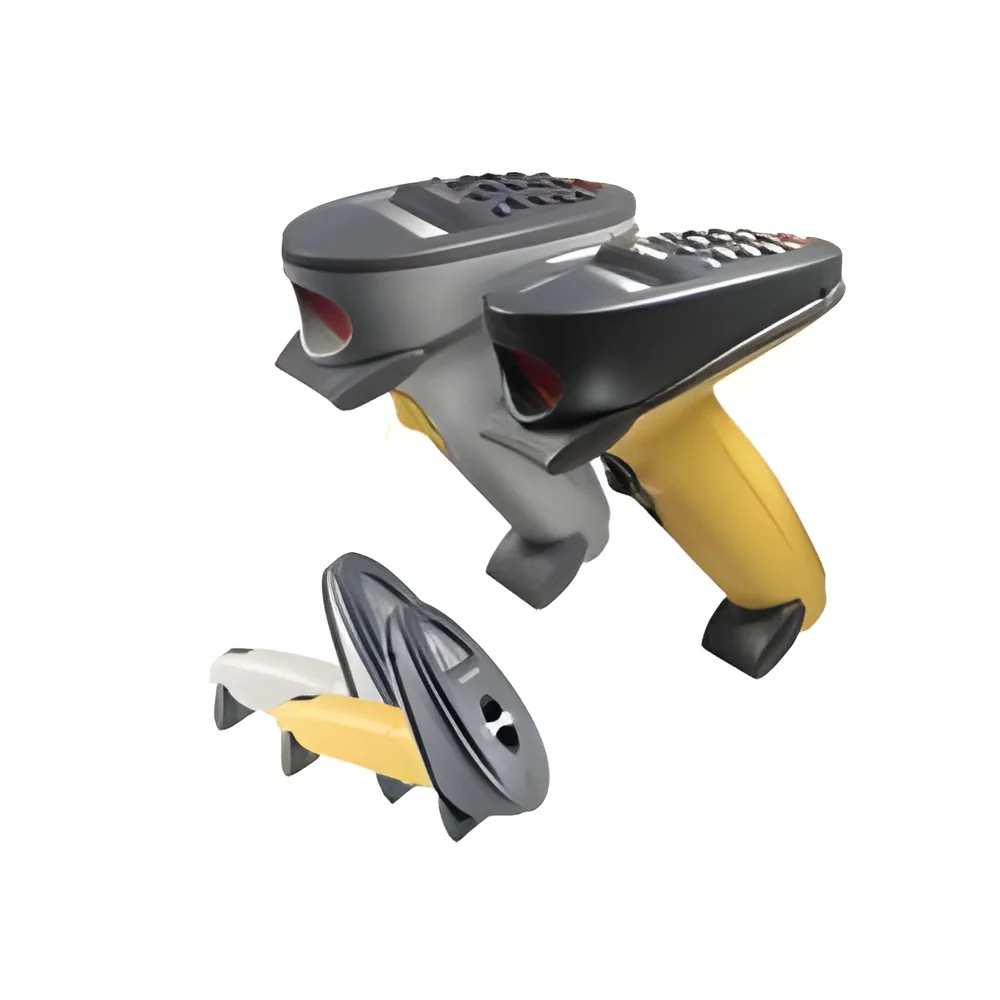
Wireless barcode scanners are devices that utilize radio frequency technology to scan and decode barcodes without the need for a physical connection to a computer or point-of-sale system. They are designed to enhance operational efficiency by allowing users to capture data quickly and accurately from various barcode formats. These scanners often connect to devices via Bluetooth or Wi-Fi, enabling greater mobility and flexibility in data collection.
In business settings, wireless barcode scanners are primarily used for inventory management, order fulfillment, and asset tracking. They facilitate quick scanning of products, reducing the time spent on manual data entry and minimizing human error. This technology is particularly beneficial in retail, logistics, and warehousing, where speed and accuracy are essential for maintaining operational flow. As industries increasingly adopt automation and digitization, wireless barcode scanners have become a vital tool in improving productivity and performance.
The relevance of wireless barcode scanners spans across multiple sectors, including retail, healthcare, and manufacturing. The growing demand for real-time data access and operational efficiency drives the market for these devices. With advancements in technology, businesses look for reliable scanning solutions that can seamlessly integrate with their existing systems, making wireless barcode scanners a critical component in modern business operations.
Key Features and Specifications
Wireless barcode scanners come with various features that enhance their functionality and ease of use. When considering these devices, it is essential to understand their specifications to select the right model for your needs.
Key specifications include:
1. Scanning Technology
- Laser or imaging technology for barcode reading.
- Affects scanning speed and accuracy.
2. Connectivity Options
- Bluetooth or Wi-Fi capabilities for wireless communication.
- Range of connectivity impacts usability in larger spaces.
3. Battery Life
- Duration of use before recharging is needed.
- Typical ranges from 8 to 24 hours depending on usage.
4. Operating Distance
- Effective scanning range from the scanner to the barcode.
- Generally ranges from 10 cm to several meters.
5. Durability Rating
- Ingress Protection (IP) rating indicating resistance to dust and water.
- Important for use in industrial or outdoor environments.
6. Barcode Compatibility
- Support for various barcode formats including 1D and 2D.
- Essential for versatility in scanning different products.
7. Weight and Ergonomics
- Weight of the scanner influences user comfort during prolonged use.
- Ergonomic design reduces fatigue during scanning tasks.
8. Data Storage Capacity
- Ability to store scanned data temporarily before uploading.
- Important for environments with intermittent connectivity.
In summary, understanding these features and specifications can guide businesses in selecting the most suitable wireless barcode scanner to meet their operational needs.
Common Applications and Use Cases
Wireless barcode scanners are versatile tools with applications across various industries.
1. Retail: In retail environments, these scanners streamline checkout processes by quickly scanning items at the point of sale. They also help manage inventory by enabling easy stock counts and restocking alerts.
2. Logistics: In logistics and shipping, wireless barcode scanners improve tracking of packages and shipments. They facilitate the receiving and dispatching of goods, reducing processing times and errors.
3. Manufacturing: In manufacturing settings, barcode scanners assist in tracking parts and assemblies throughout the production line. This ensures accuracy in inventory management and supports lean manufacturing processes.
4. Healthcare: In healthcare facilities, scanners are used to track medications and patient records. They enhance patient safety by ensuring the correct medication is administered at the right time.
5. Warehouse Management: In warehouses, wireless barcode scanners enable real-time inventory tracking and order fulfillment. This improves operational efficiency and minimizes stock discrepancies.
6. Food and Beverage: In the food industry, these scanners help track product freshness and compliance with safety regulations. They ensure accurate inventory levels and support traceability.
7. Supply Chain Management: Wireless barcode scanners play a crucial role in supply chain operations by streamlining data capture throughout the supply chain, from supplier to end-user.
Product Variants and Subcategories
Wireless barcode scanners come in various models to cater to different business needs. Each variant offers unique features suited for specific applications.
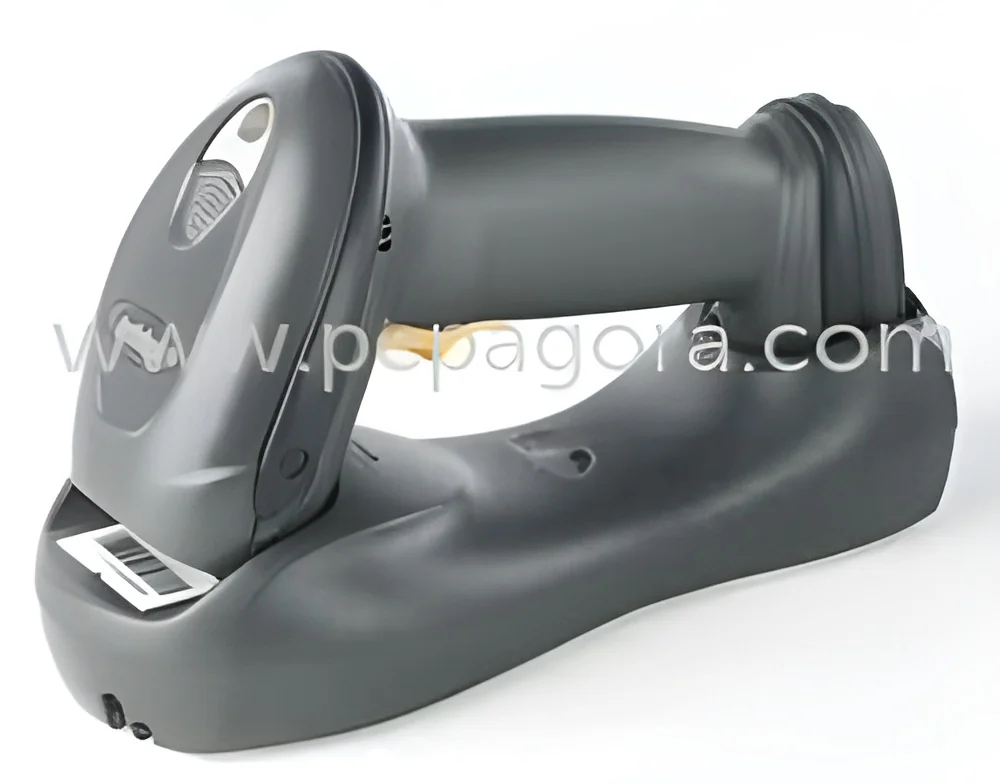
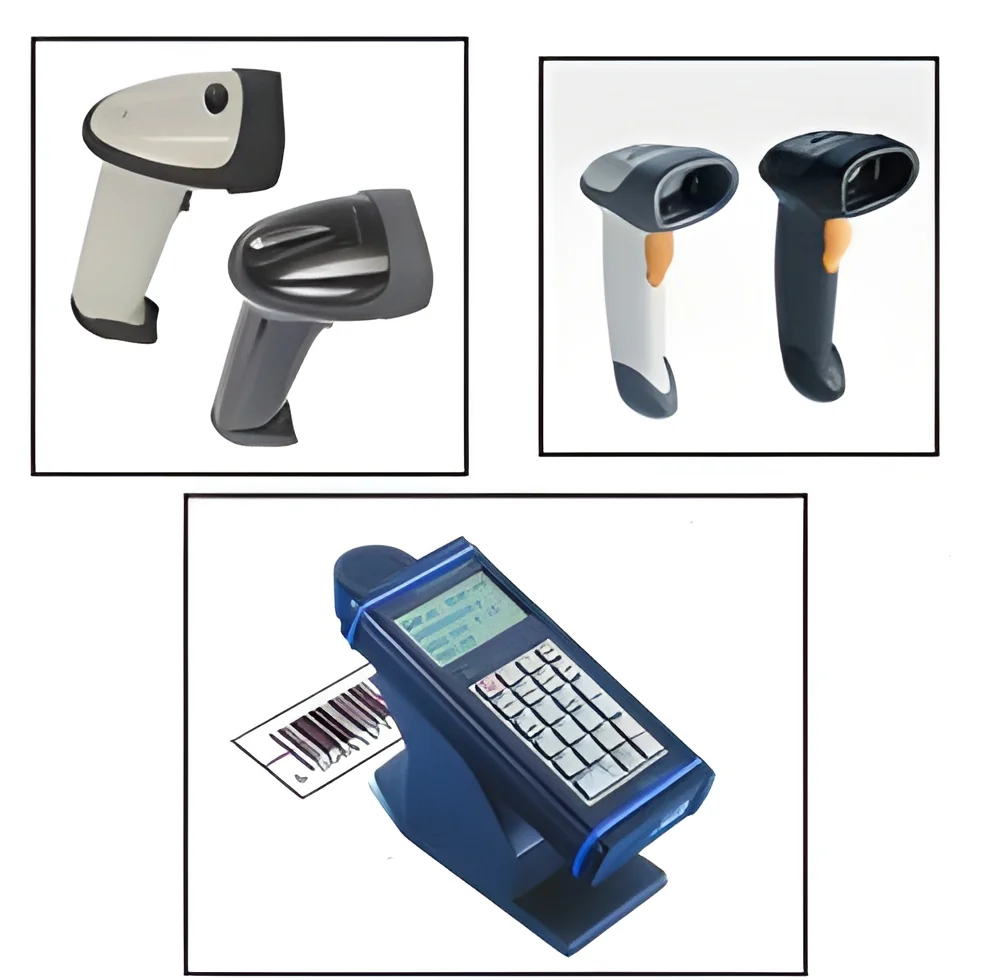
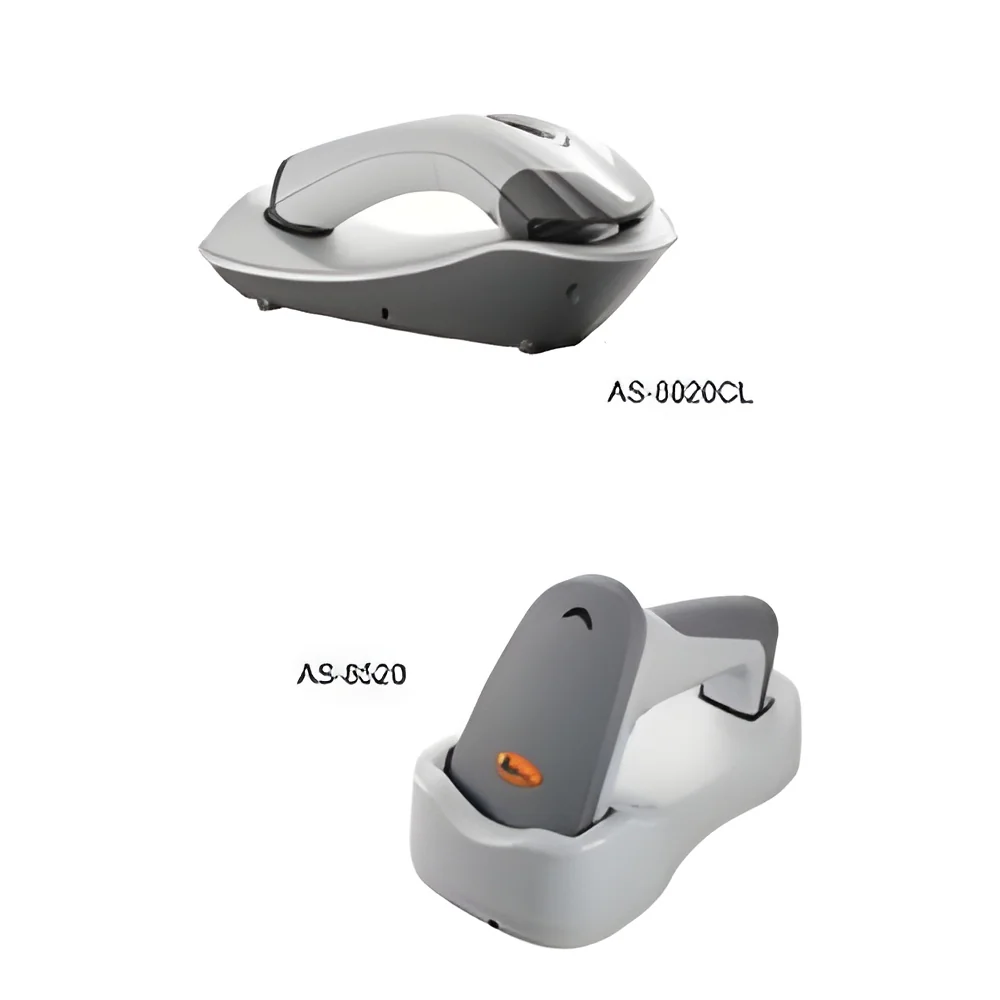
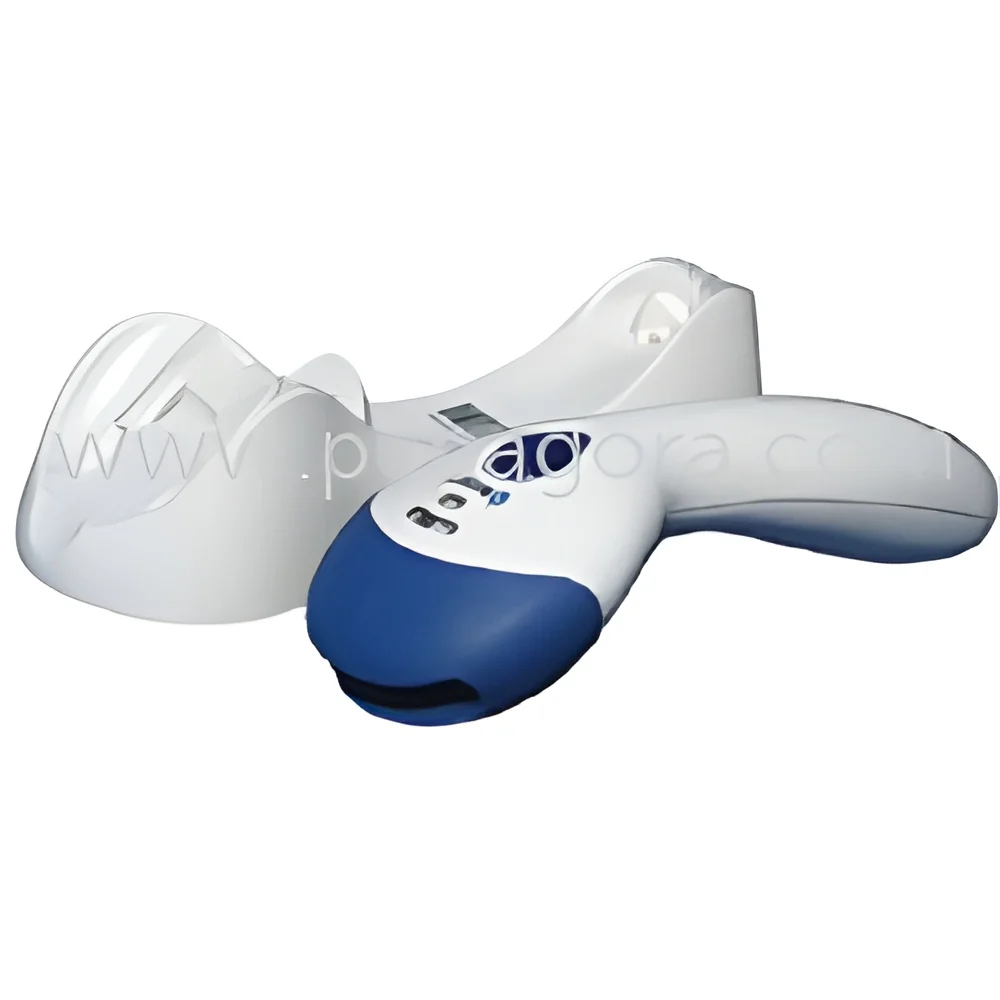
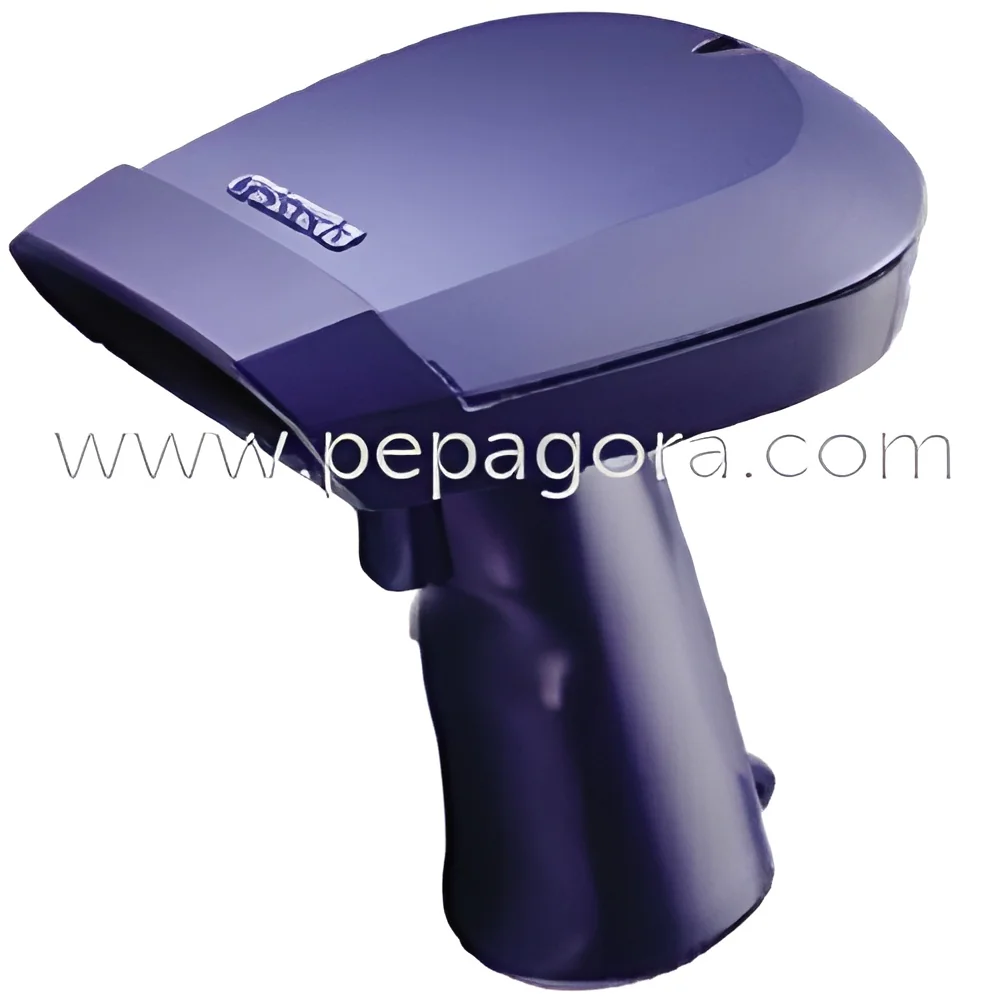
Handheld Barcode Scanner: This variant is lightweight and portable, making it ideal for retail and warehouse environments. It allows users to scan barcodes easily while moving around.
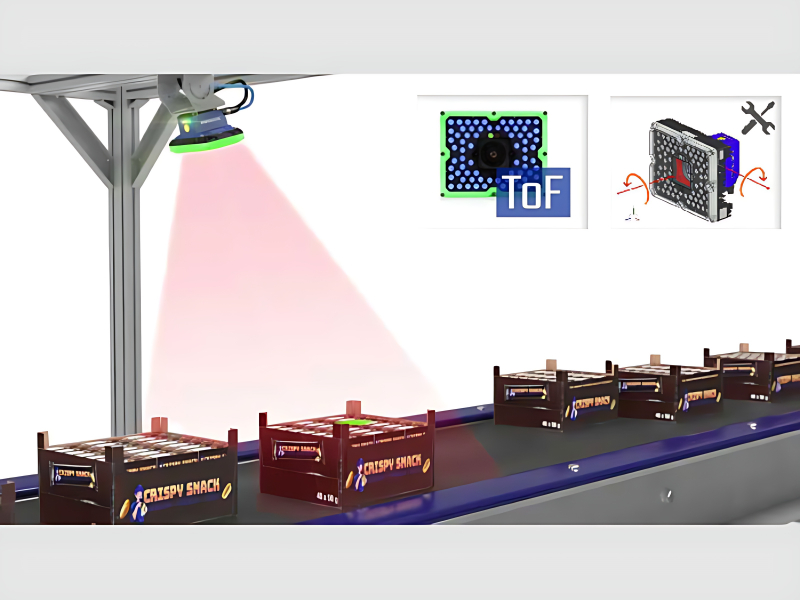
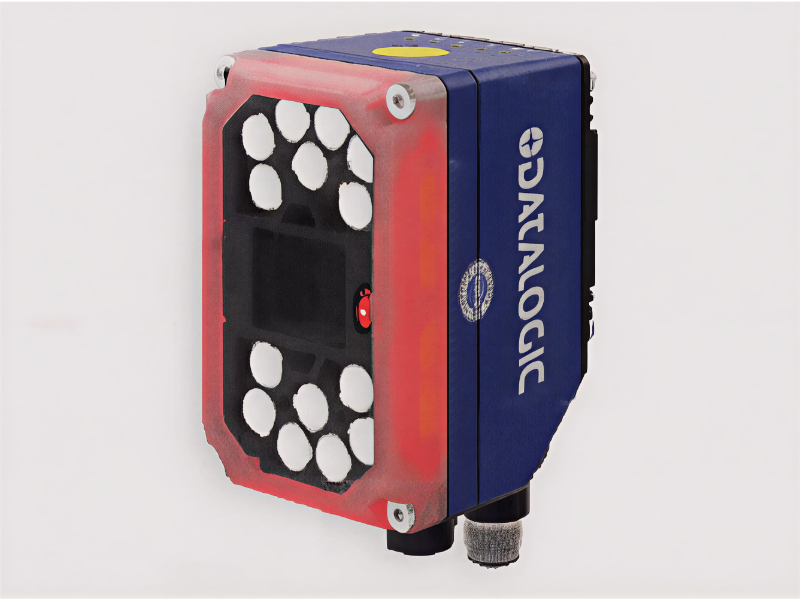
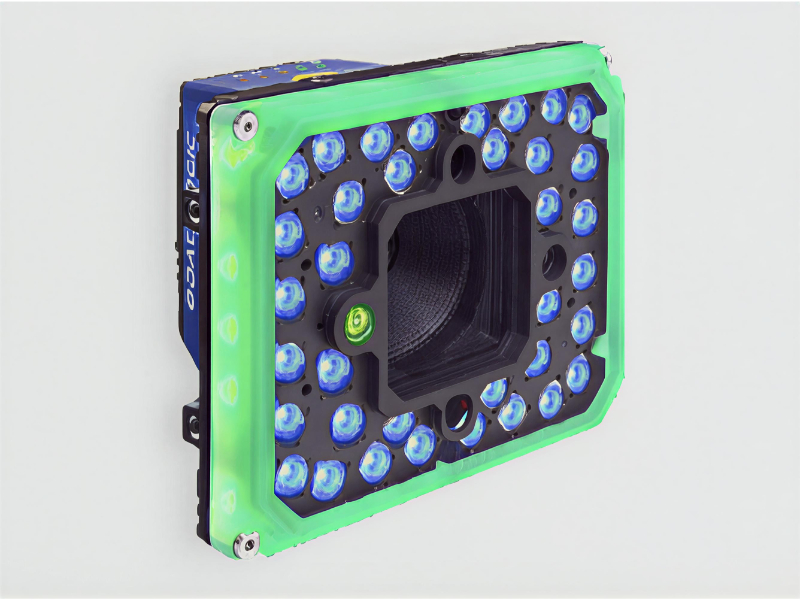
Fixed Mount Barcode Scanner: Designed for stationary use, fixed mount scanners are often integrated into checkout counters or conveyor systems. They provide high-speed scanning for high-volume applications.
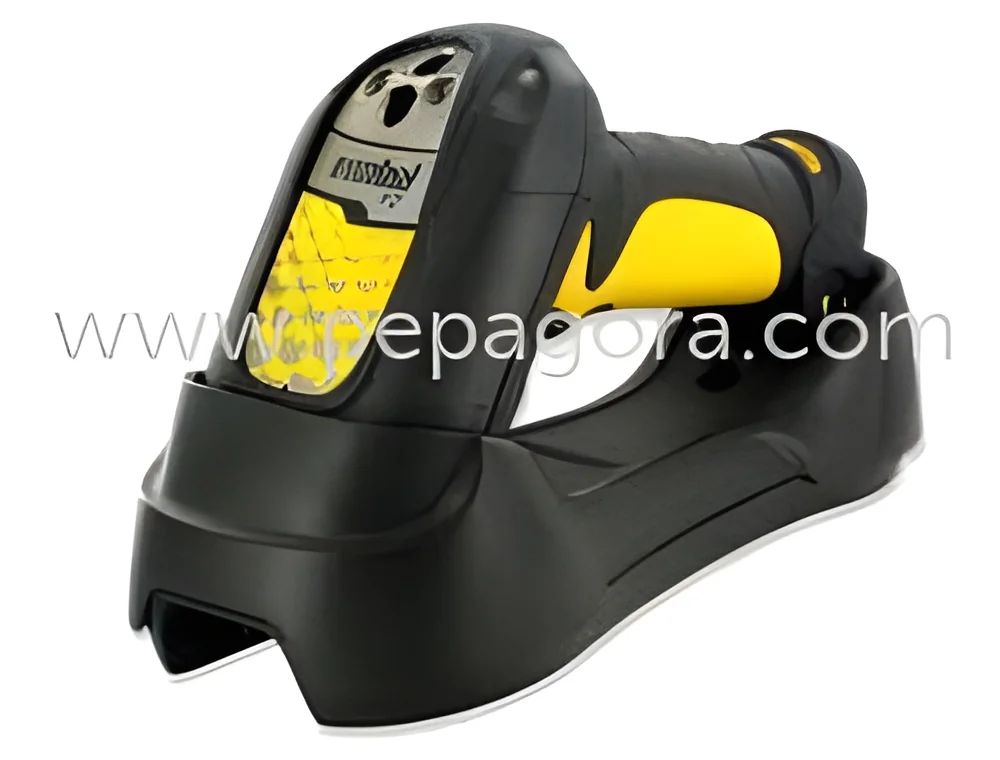
Rugged Barcode Scanner: Built to withstand harsh conditions, rugged scanners are ideal for industrial settings. They feature enhanced durability and are resistant to drops, dust, and water.
2D Barcode Scanner: This type supports scanning of both 1D and 2D barcodes, providing flexibility for businesses dealing with diverse products. It is commonly used in retail and logistics.
Benefits and Advantages
Investing in wireless barcode scanners offers several advantages for businesses.
1. Increased Efficiency: Wireless barcode scanners significantly reduce the time taken to scan items compared to manual entry, enhancing workflow and productivity.
2. Improved Accuracy: With automated data capture, the likelihood of human error is minimized, ensuring accurate inventory and sales data.
3. Enhanced Mobility: The wireless nature of these scanners allows employees to move freely, facilitating quicker data collection in larger spaces.
4. Cost Savings: By streamlining operations and reducing errors, businesses can save on labor costs and improve overall profitability.
5. Real-time Data Access: Wireless barcode scanners enable immediate data transfer to inventory management systems, providing real-time insights into stock levels.
6. User-Friendly Design: Many scanners are designed with ergonomics in mind, making them comfortable to use for extended periods.
Buying Guide for B2B Buyers
When sourcing wireless barcode scanners, several factors should be considered to ensure a suitable purchase.
1. Quality Assessment: Evaluate the build quality and reliability of the scanners. Look for devices that come with warranties and have positive reviews from other users.
2. Supplier Verification: Vet suppliers carefully to ensure they are reputable and offer reliable customer service. Check for certifications and industry experience.
3. Pricing and MOQ: Consider the price range and minimum order quantities. Compare quotes from different suppliers to find the best value for your budget.
4. Delivery and Lead Times: Assess the logistics involved in the purchase, including lead times for delivery. Efficient delivery is crucial for maintaining operational continuity.
5. Compliance Requirements: Ensure that the scanners meet relevant industry standards and regulations. Check for certifications such as CE to confirm compliance with safety and quality standards.
Compliance and Certifications
Wireless barcode scanners must adhere to several quality and safety standards to ensure their reliability and performance.
Key standards include ISO 9001, which sets out the criteria for a quality management system. Compliance with this standard indicates a manufacturer’s commitment to providing consistent quality products and services.
Industry certifications such as CE mark compliance are essential for products sold within the European Economic Area. This certification ensures that the scanners meet EU safety, health, and environmental protection requirements.
Furthermore, wireless barcode scanners may need to comply with safety and testing requirements related to electromagnetic compatibility and environmental considerations. These factors are crucial for ensuring that devices operate safely in various environments.
Regional compliance considerations can also affect sourcing decisions. Depending on the region, different regulations may apply, making it essential to understand local compliance requirements when selecting wireless barcode scanners.
Why Source Wireless Barcode Scanners from Pepagora?
Pepagora offers a trusted platform for businesses looking to source wireless barcode scanners, equipped with several key advantages that streamline the purchasing process.
Verified Supplier Network: Pepagora connects buyers with a network of verified suppliers, ensuring that each vendor meets strict quality and reliability standards. This verification process helps buyers feel confident in their sourcing decisions.
Streamlined RFQ Process: The request for quotation (RFQ) system simplifies the procurement process, allowing buyers to easily compare offers from multiple suppliers. This efficiency saves time and helps businesses find the best deals.
Trade Assurance and Support: Pepagora provides trade assurance measures to protect buyers, ensuring that they receive the products as specified. The platform also offers support to address any issues that may arise during the purchasing process.
Regional Coverage: With a strong presence in India, the GCC, and Southeast Asia, Pepagora facilitates access to a wide range of suppliers in these regions. This geographic reach allows businesses to source wireless barcode scanners that meet their specific needs, no matter where they are located.


Frequently Asked Questions
What are Wireless Barcode Scanners?
<p>Wireless Barcode Scanners are handheld devices that capture and decode barcode data without the need for a physical connection to a computer or network. They use wireless technology, such as Bluetooth or Wi-Fi, to transmit data, allowing for greater mobility and efficiency in inventory management and data entry tasks.</p>
What are the different types of Wireless Barcode Scanners?
<p>There are several types of Wireless Barcode Scanners, including handheld scanners, fixed mount scanners, and mobile computers. Handheld scanners are portable and user-friendly, while fixed mount scanners are typically used in assembly lines or kiosks. Mobile computers combine scanning capabilities with computing functions for on-the-go data processing.</p>
How do I choose the right Wireless Barcode Scanners?
<p>When choosing Wireless Barcode Scanners, consider factors such as scanning range, battery life, compatibility with your existing systems, and the types of barcodes you need to scan. It's also essential to evaluate the environment in which the scanner will be used, as rugged designs may be necessary for harsh conditions.</p>
What are the standard specifications for Wireless Barcode Scanners?
<p>Standard specifications for Wireless Barcode Scanners include scanning speed, scan range, battery life, wireless technology (Bluetooth or Wi-Fi), and compatibility with different barcode formats. Additionally, durability ratings such as IP ratings and drop resistance are important for assessing their suitability for various work environments.</p>
What is the price range for Wireless Barcode Scanners?
<p>The price range for Wireless Barcode Scanners can vary widely based on features and specifications, typically ranging from INR 3,000 to INR 30,000. Basic models with essential features are generally more affordable, while advanced scanners with additional functionalities and rugged designs are priced higher.</p>
What quality standards apply to Wireless Barcode Scanners?
<p>Wireless Barcode Scanners often adhere to quality standards such as ISO 9001 for manufacturing processes and specific certifications for wireless communication. Additionally, some scanners may comply with industry-specific standards, ensuring reliability and performance in their intended applications.</p>
Where can I find Wireless Barcode Scanners suppliers in India?
<p>You can find Wireless Barcode Scanners suppliers in India through online B2B marketplaces like Pepagora, trade shows, or industry directories. It's essential to evaluate suppliers based on their reputation, product range, and customer reviews to ensure a reliable purchasing experience.</p>
Can Wireless Barcode Scanners be customized?
<p>Yes, many manufacturers offer customization options for Wireless Barcode Scanners. Customization may include branding, specific software integration, or modifications to hardware features to meet particular operational needs.</p>
What is the typical minimum order quantity for Wireless Barcode Scanners?
<p>The typical minimum order quantity (MOQ) for Wireless Barcode Scanners can vary by supplier but generally ranges from 5 to 100 units. It's advisable to check with individual suppliers for their specific MOQ policies to ensure they align with your purchasing needs.</p>
What is the typical lead time for Wireless Barcode Scanners?
<p>The typical lead time for Wireless Barcode Scanners can range from 1 to 4 weeks, depending on the supplier, order size, and customization requirements. It's important to confirm lead times with the supplier during the ordering process to manage expectations effectively.</p>
Why Businesses Trust Pepagora
Thousands of companies trust Pepagora to source smarter and sell faster
Expand Your Sales Globally

Source Smarter,Grow Faster
