What are Temporary Office Structures?
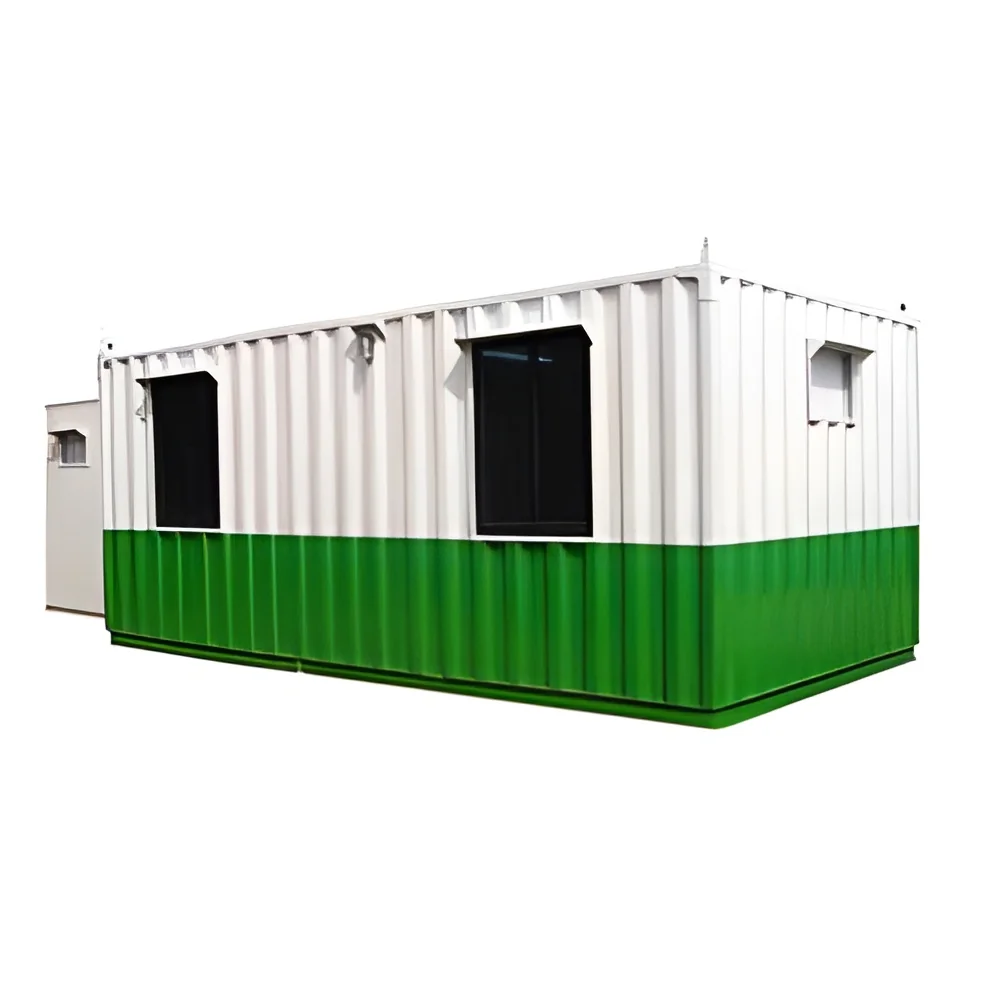
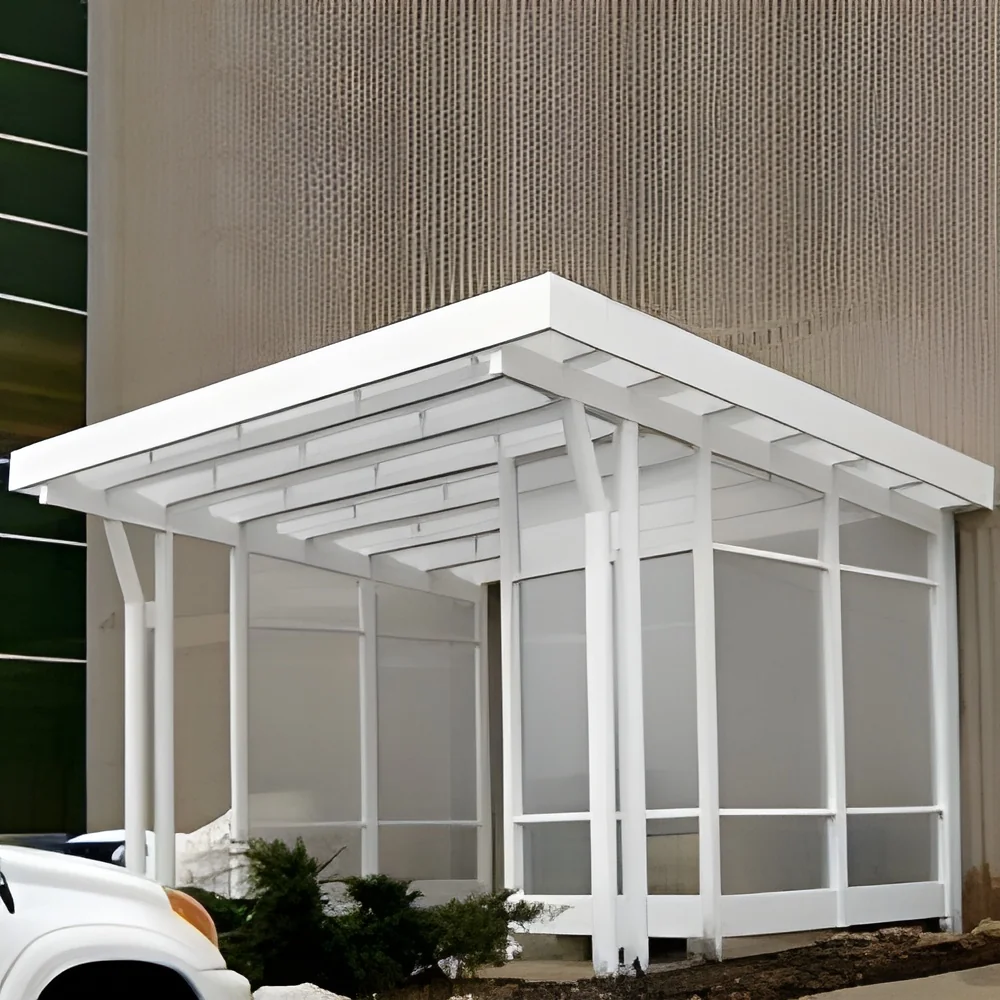
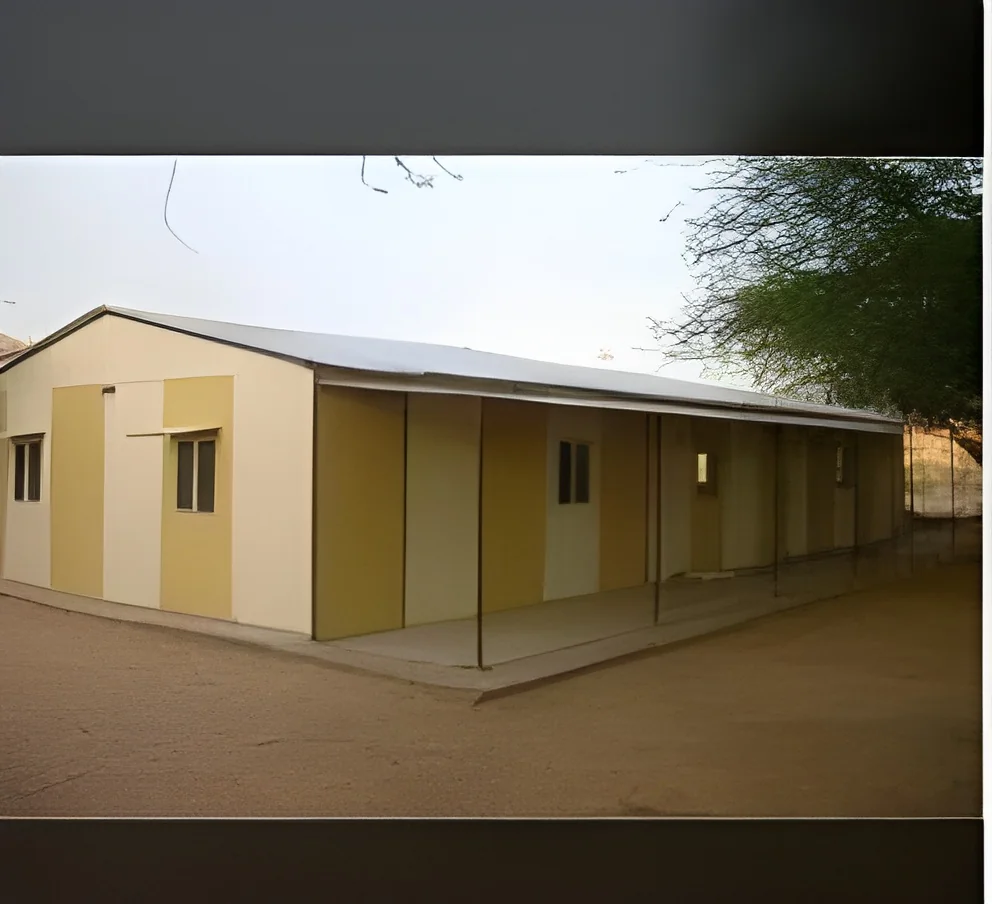
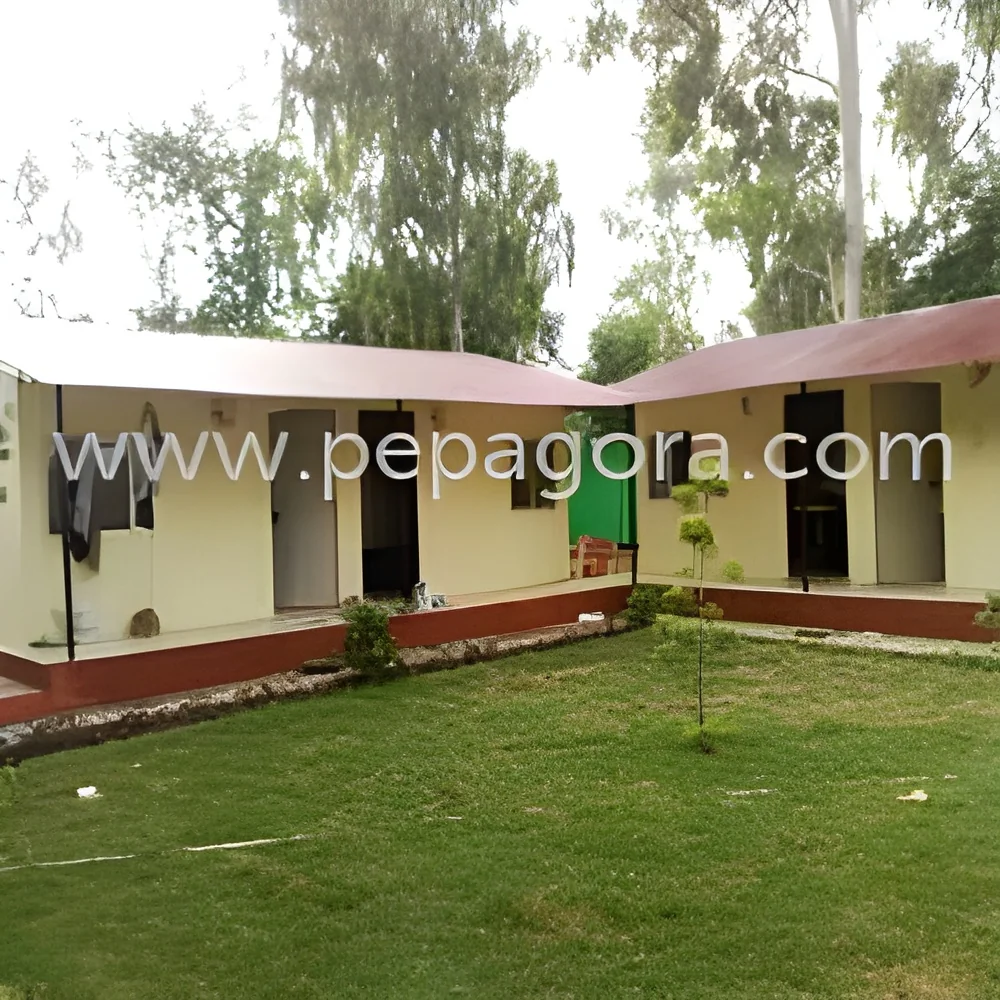
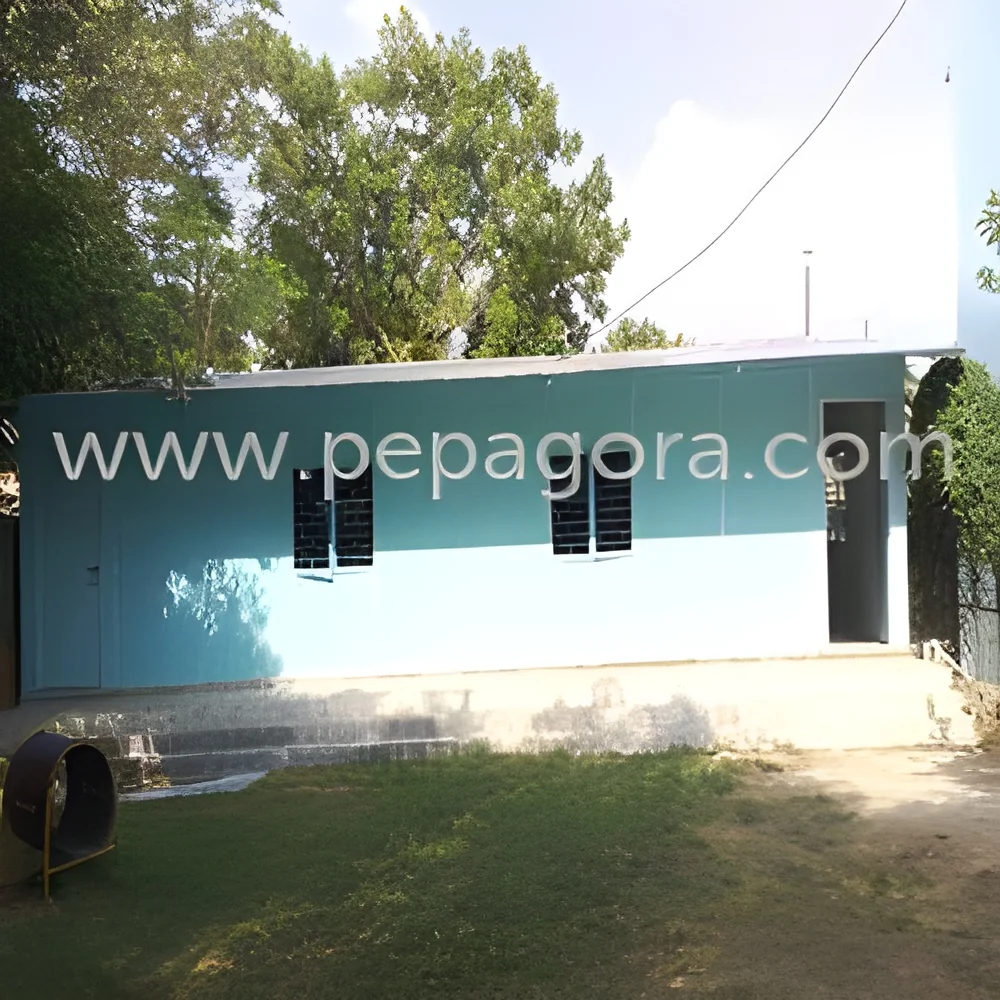
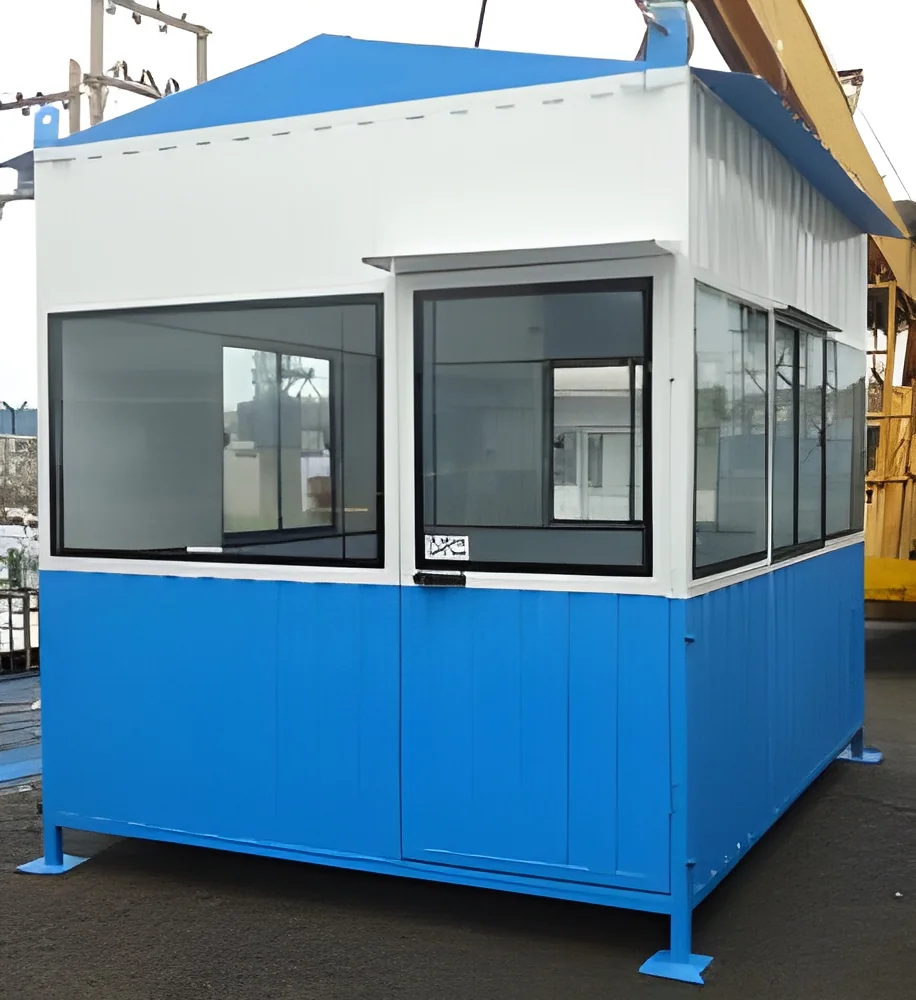
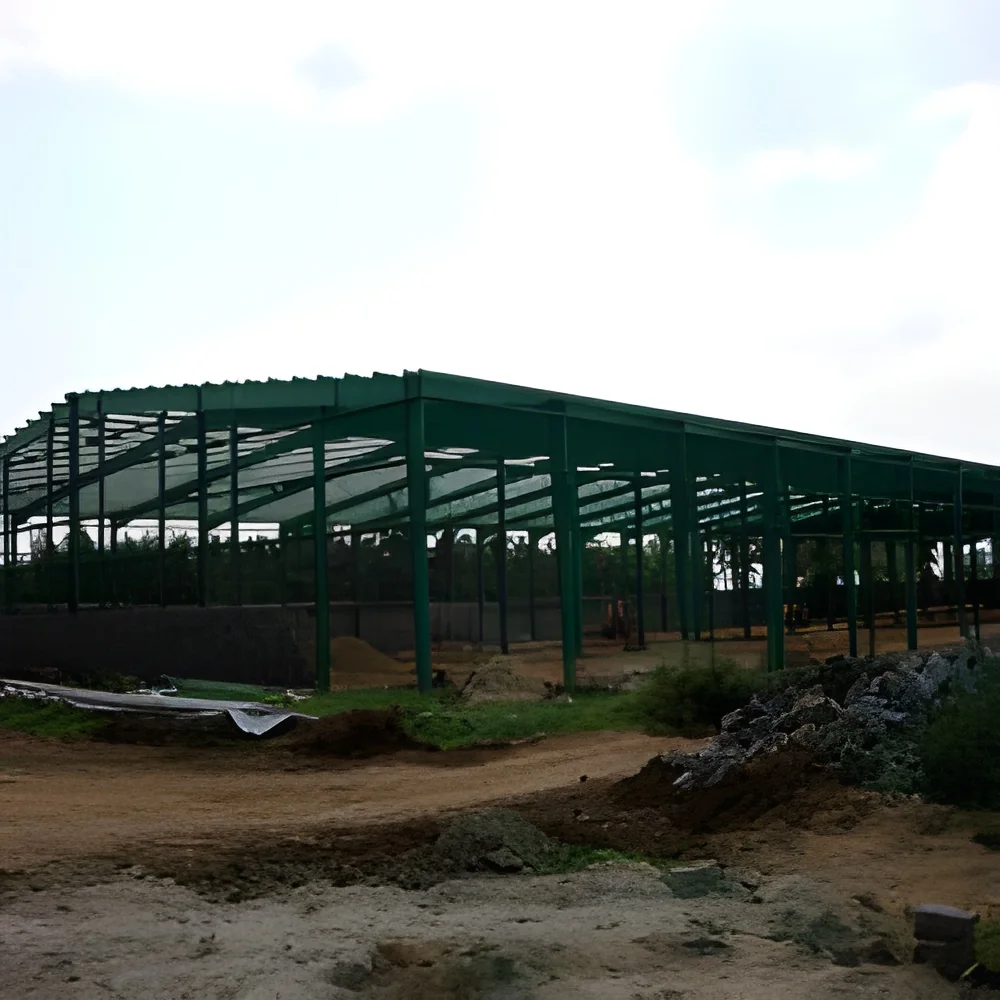
Temporary office structures are prefabricated buildings designed to provide flexible and efficient workspace solutions for businesses. These structures can be quickly assembled and disassembled, making them an ideal choice for companies that require short-term or transitional office spaces. They can range from simple modular units to more complex configurations that include office amenities, meeting rooms, and storage facilities.
The primary uses of temporary office structures include construction sites, event management, and disaster recovery scenarios. They are often employed by businesses needing to establish a presence in a specific location for limited periods, allowing for operational continuity without the commitment of a permanent office lease. Industries such as construction, education, and healthcare frequently utilize these structures for their adaptability and cost-effectiveness.
In today's fast-paced business environment, temporary office structures have become increasingly relevant. As organizations face changing needs and market conditions, these solutions provide a practical alternative to traditional office spaces. The demand for temporary solutions is expected to grow, driven by the need for flexibility, efficiency, and rapid deployment.
Key Features and Specifications
Temporary office structures are characterized by their versatility and practicality. They can be customized to meet various business needs, making them a popular choice across different sectors.
Key specifications include:
1. Modular Design
- Allows for quick assembly and disassembly
- Can be expanded or reconfigured as needed
2. Durability
- Constructed from robust materials
- Designed to withstand various environmental conditions
3. Customization Options
- Available in various sizes and layouts
- Can include features like HVAC systems, lighting, and furniture
4. Mobility
- Easily transportable to different locations
- Ideal for projects requiring relocation
5. Cost-Effectiveness
- Lower upfront costs compared to permanent structures
- Reduced operational expenses over time
6. Compliance with Regulations
- Built to meet local building codes
- Adheres to safety standards, including CE certification
7. Energy Efficiency
- Incorporates energy-saving technologies
- Promotes sustainable practices in temporary setups
8. Security Features
- Equipped with locks and security systems
- Ensures safety of personnel and equipment
These specifications enable businesses to find solutions that align with their operational needs, enhancing productivity and efficiency.
Common Applications and Use Cases
Temporary office structures are utilized across a range of industries, showcasing their versatility and adaptability.
1. Construction: These structures serve as site offices, providing workspace for project managers and teams during construction phases.
2. Event Management: Used as registration booths, hospitality areas, or administrative offices during large events and festivals.
3. Healthcare: Deployed as mobile clinics or administrative spaces during health emergencies or community outreach programs.
4. Education: Utilized as classrooms or administrative offices in situations where permanent facilities are unavailable or under renovation.
5. Disaster Recovery: Provide essential office space for businesses affected by natural disasters, allowing for quick recovery and continuity of operations.
6. Trade Shows: Serve as exhibition spaces or corporate offices during trade events, improving brand visibility and engagement.
7. Retail: Temporary setups for pop-up shops during peak seasons or promotional events, allowing brands to reach consumers in targeted locations.
Product Variants and Subcategories
Temporary office structures come in various configurations to meet diverse business requirements.
Modular Office Units
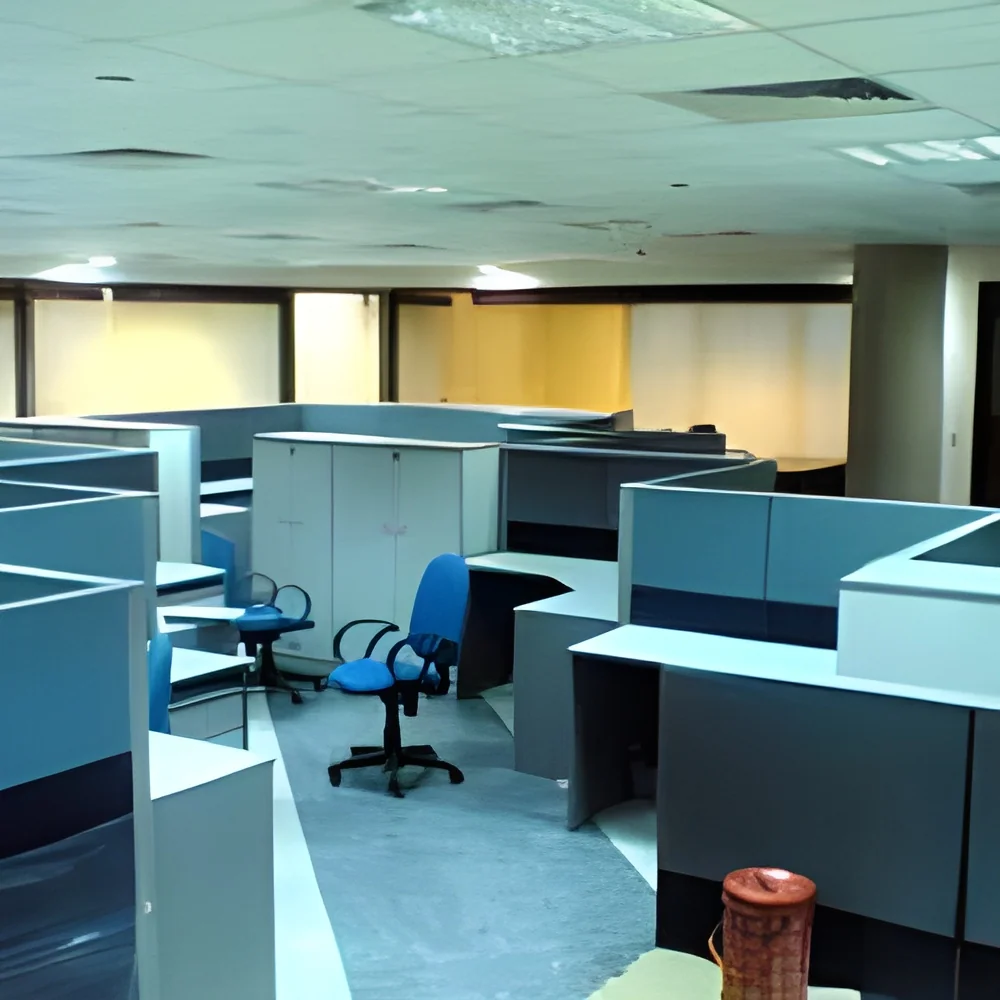
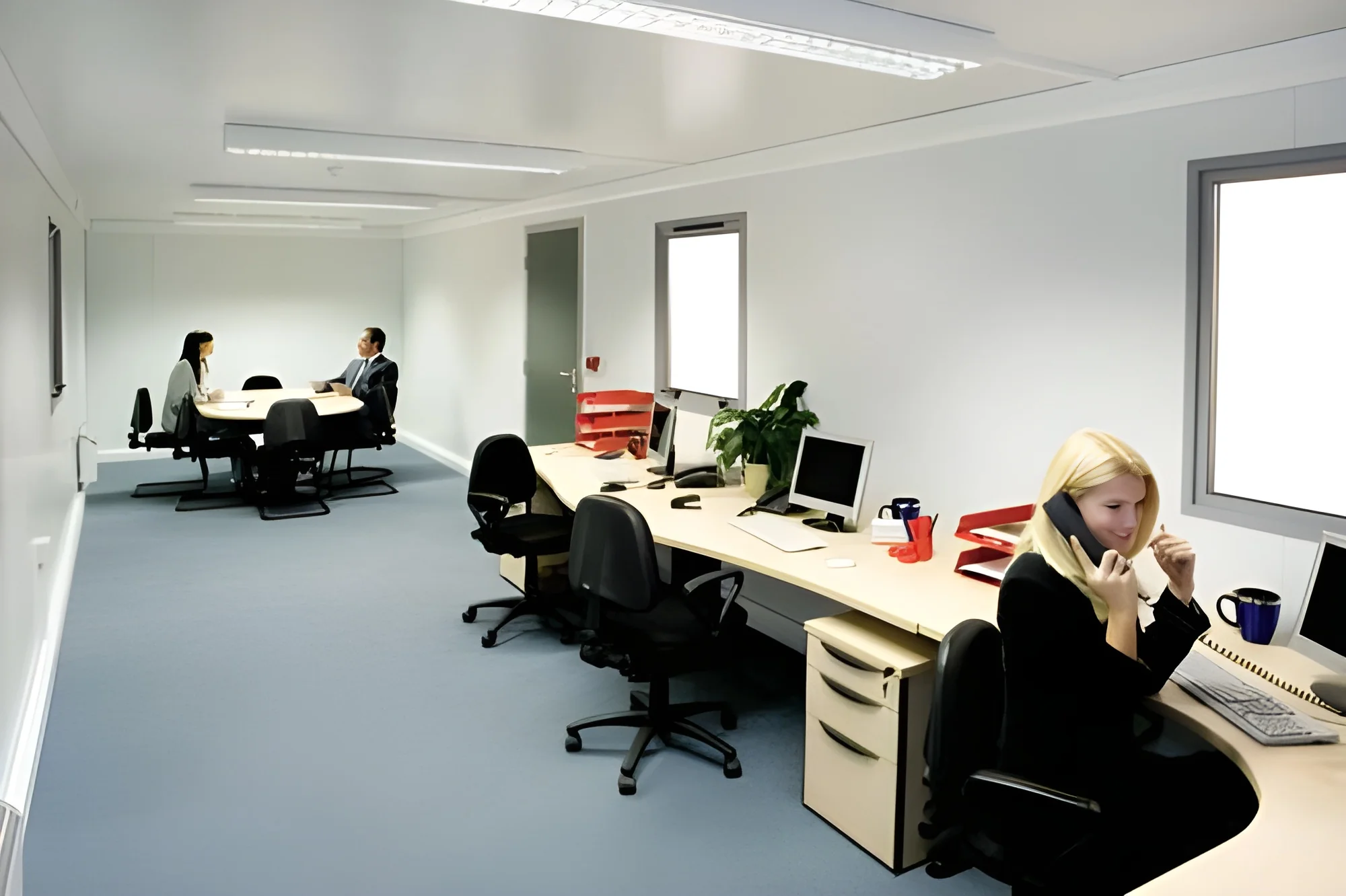
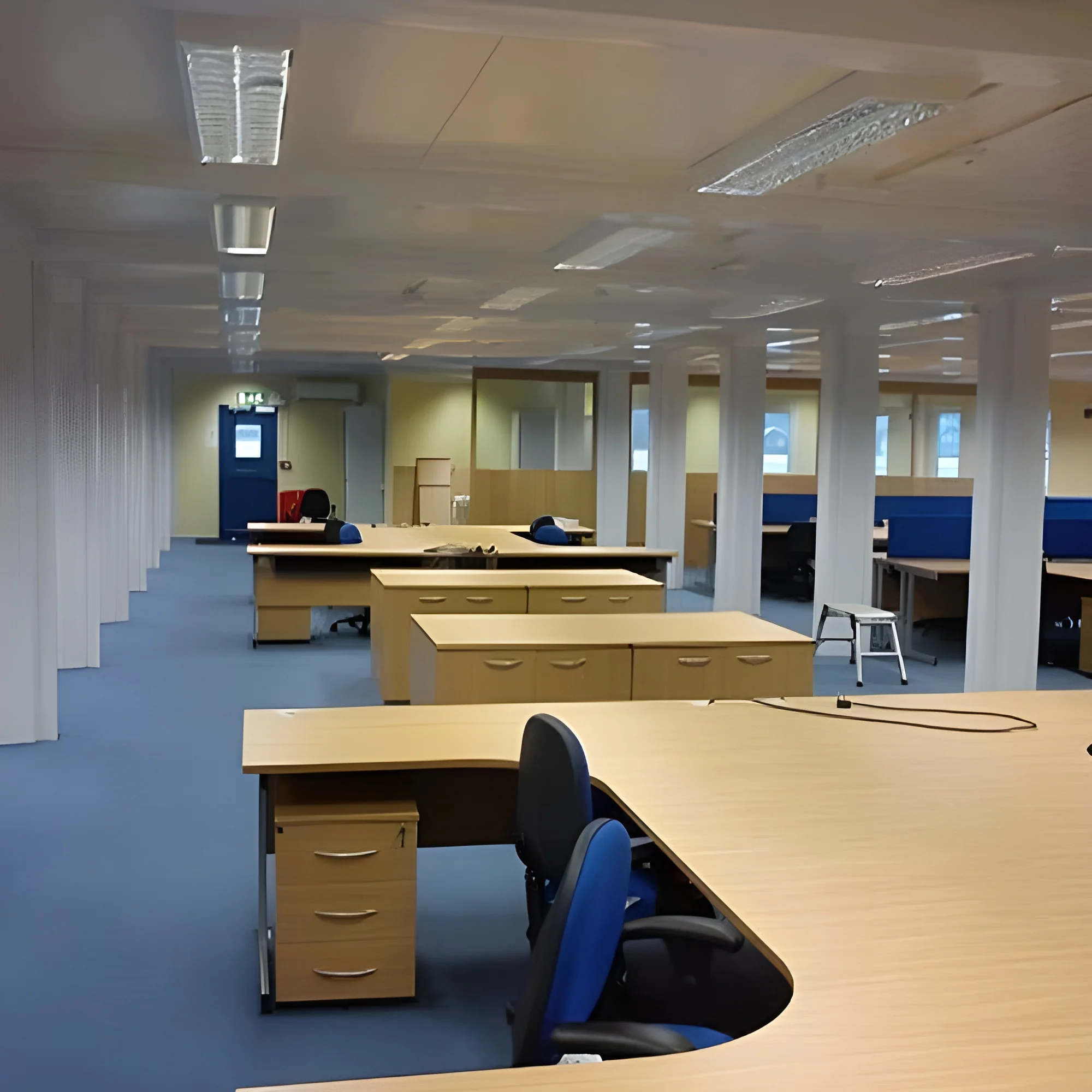
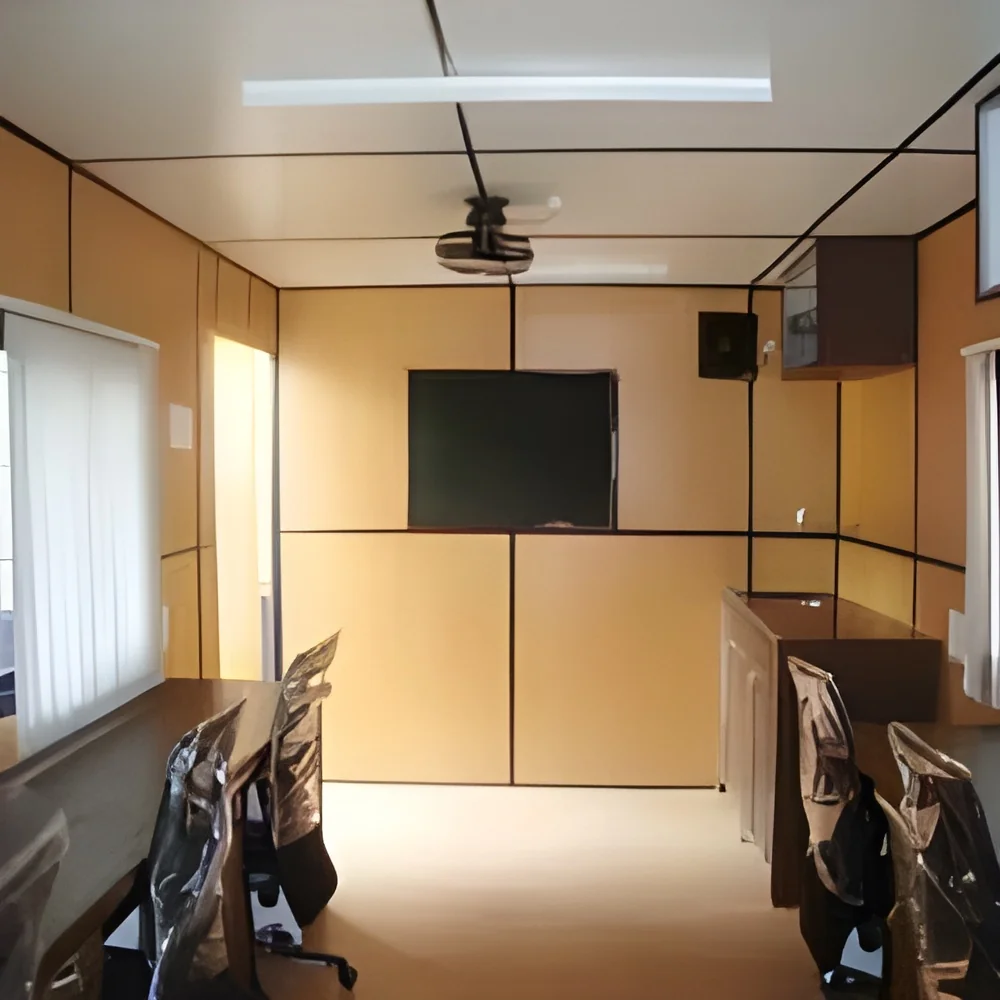
These units are designed for quick assembly and can be tailored to various sizes. They often include office amenities, such as desks, lighting, and climate control systems, making them ideal for short-term projects.
Container Offices
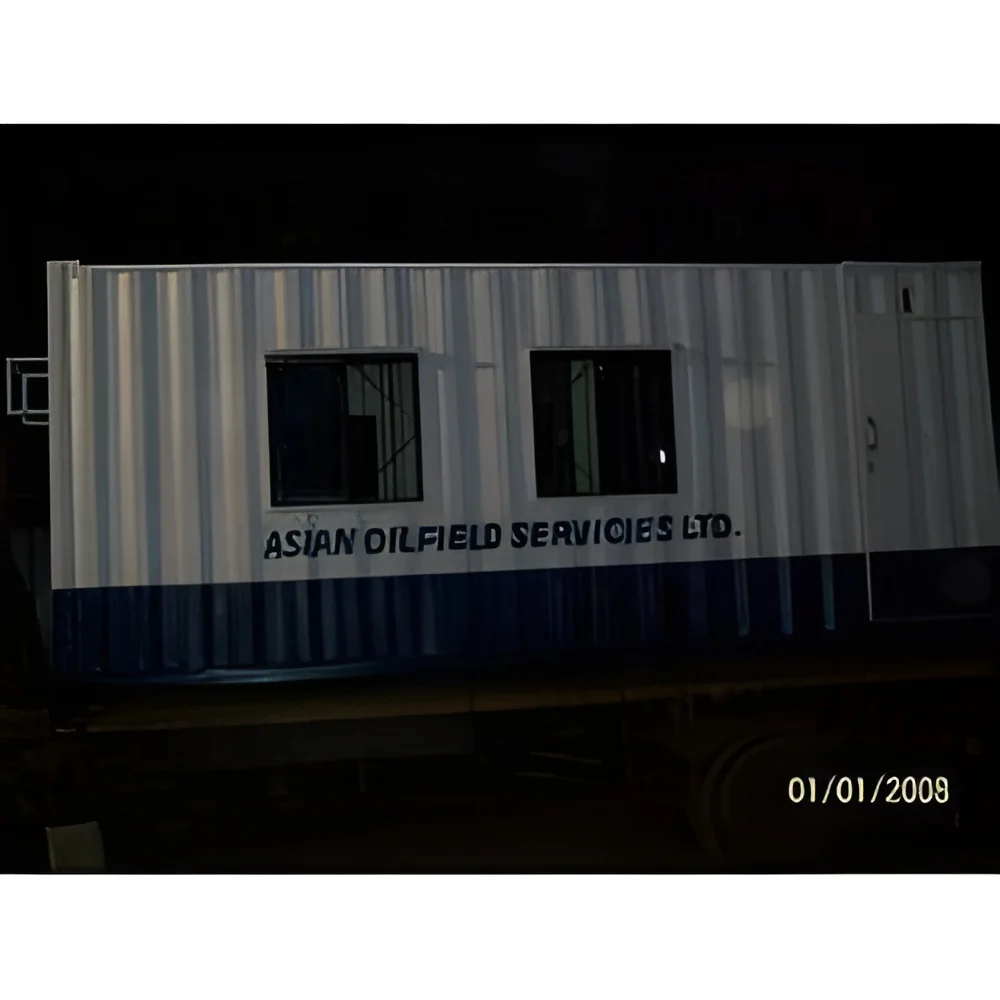
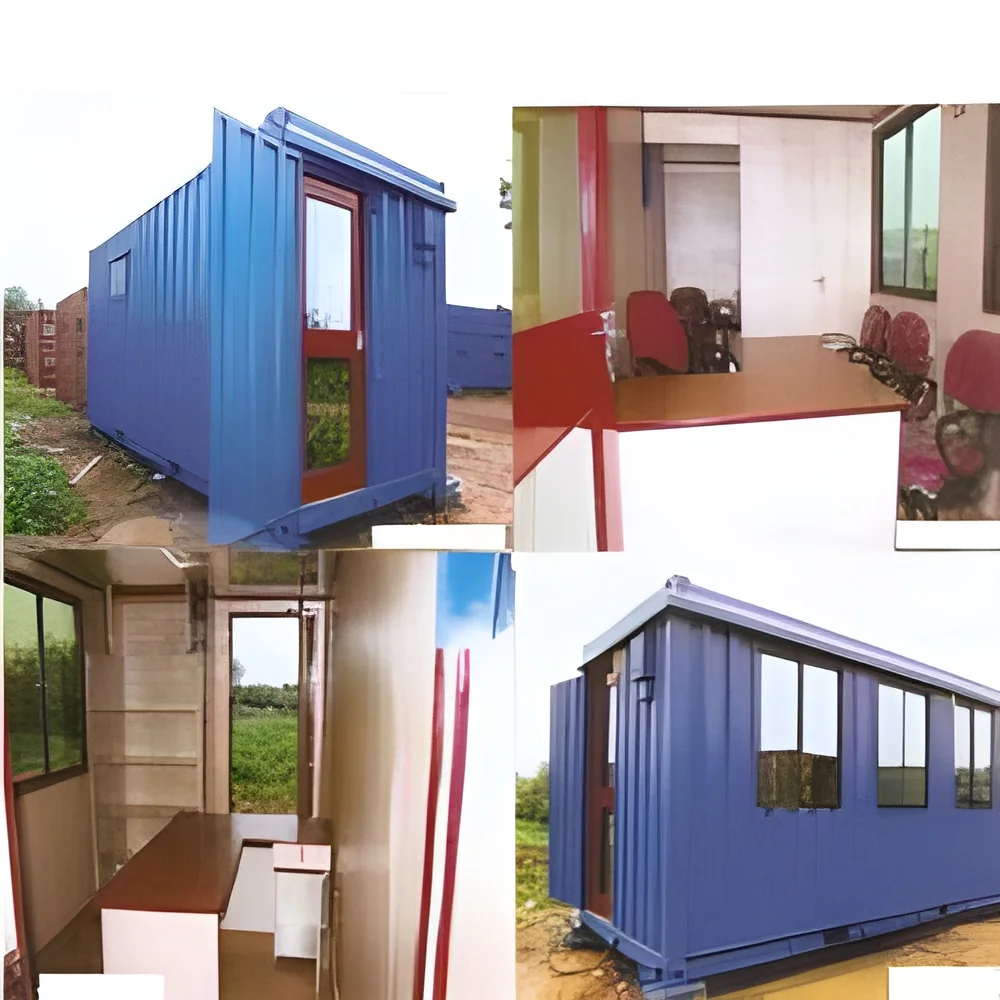
Repurposed shipping containers serve as robust and secure office spaces. They are durable and can be easily transported, making them suitable for remote job sites or temporary workspaces.
Mobile Office Trailers
These trailers provide a fully functional office environment on wheels. They can be moved as project needs change, offering flexibility for companies operating in multiple locations.
Benefits and Advantages
Temporary office structures offer numerous benefits for businesses seeking flexible workspace solutions.
1. Flexibility: Easily adaptable to changing business needs, allowing companies to scale operations quickly.
2. Cost Savings: Lower overall costs compared to traditional office spaces, helping businesses manage budgets more effectively.
3. Speed of Deployment: Rapid setup and teardown processes enable businesses to establish workspaces on short notice.
4. Customization: Tailored to meet specific requirements, ensuring that the space is functional and efficient.
5. Mobility: Can be transported to different locations, making them ideal for industries that require frequent relocation.
6. Compliance: Designed to meet industry standards and regulations, providing peace of mind for businesses and their clients.
Buying Guide for B2B Buyers
When sourcing temporary office structures, it is essential for B2B buyers to consider several factors to ensure they make informed decisions.
1. Quality Assessment: Evaluate the quality of materials and construction. Look for suppliers who adhere to industry standards and provide warranties for their products.
2. Supplier Verification: Research potential suppliers to ensure they are reputable and have a track record of delivering quality products on time. Check for customer reviews and references.
3. Pricing and MOQ: Understand the pricing structure and minimum order quantities. Compare quotes from different suppliers to find the best value.
4. Delivery and Lead Times: Inquire about delivery schedules and lead times. Timely delivery is critical to avoid project delays.
5. Compliance Requirements: Ensure that the structures meet local building codes and safety regulations. Verify any necessary certifications, such as CE, to ensure compliance.
Compliance and Certifications
Temporary office structures must adhere to relevant quality standards and industry certifications to ensure safety and reliability.
ISO 9001 is a quality management standard that organizations can use to ensure they meet customer and regulatory requirements. Compliance with this standard indicates a commitment to quality and continuous improvement.
CE certification is essential for products sold in the European market, indicating that the structures meet EU safety, health, and environmental protection standards. This certification assures buyers of the product's safety and compliance with European regulations.
Safety and testing requirements are critical, especially in temporary structures that may face varied environmental conditions. Regular inspections and adherence to safety protocols are necessary to ensure the wellbeing of users.
Regional compliance considerations may vary, so it is essential to understand local regulations and standards applicable in specific markets where the structures will be used.
Why Source Temporary Office Structures from Pepagora?
Pepagora offers a trusted platform for sourcing temporary office structures, providing several key advantages to buyers.
Verified Supplier Network: Pepagora connects businesses with a network of verified suppliers. Each supplier is vetted to ensure they meet quality standards and deliver reliable products.
Streamlined RFQ Process: The request for quotation (RFQ) process is designed to be user-friendly, allowing buyers to easily compare offers from multiple suppliers. This simplifies the decision-making process and saves time.
Trade Assurance and Support: Pepagora provides trade assurance, offering protection for buyers in transactions. This includes support for any issues that may arise during the procurement process.
Regional Coverage: Pepagora's reach extends across India, the GCC, and Southeast Asia, making it easier for businesses to find suppliers that can meet their specific needs in these regions.
Through Pepagora, businesses can confidently source temporary office structures that align with their operational requirements and budget constraints.

 IN
IN
 India
India