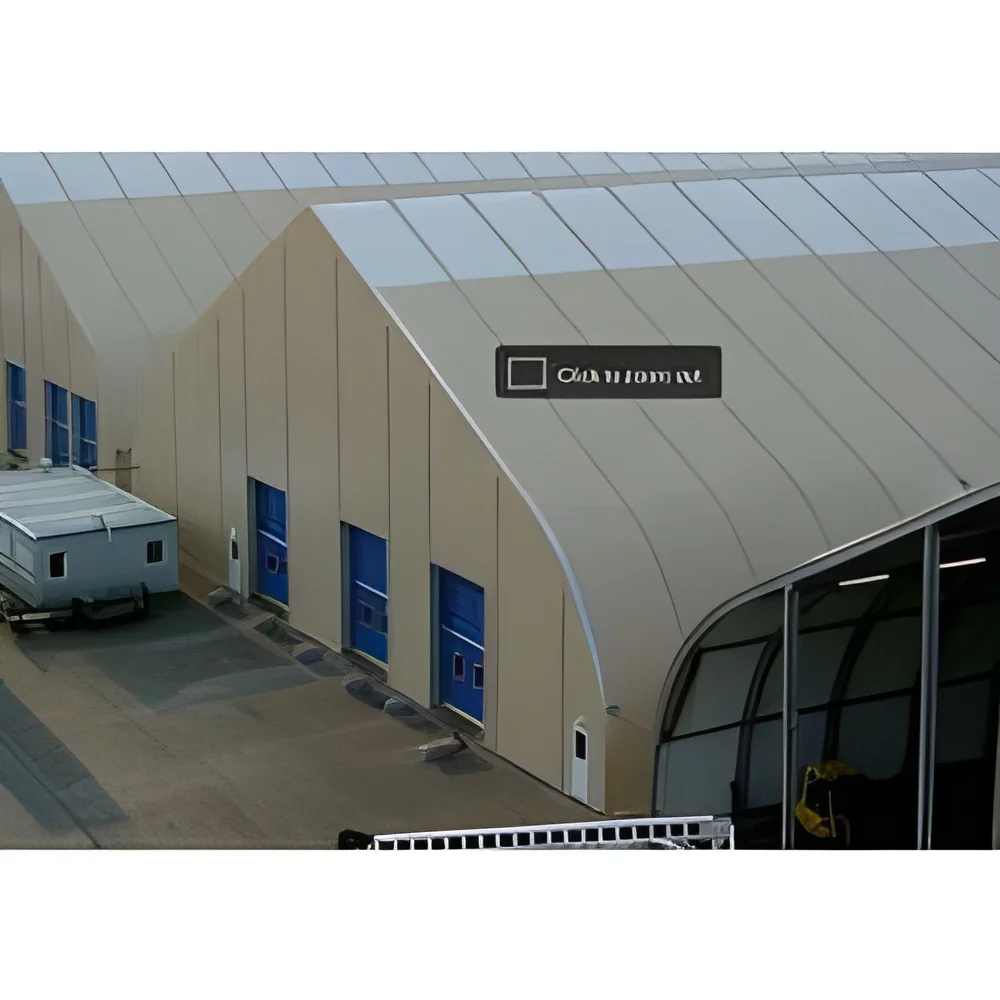
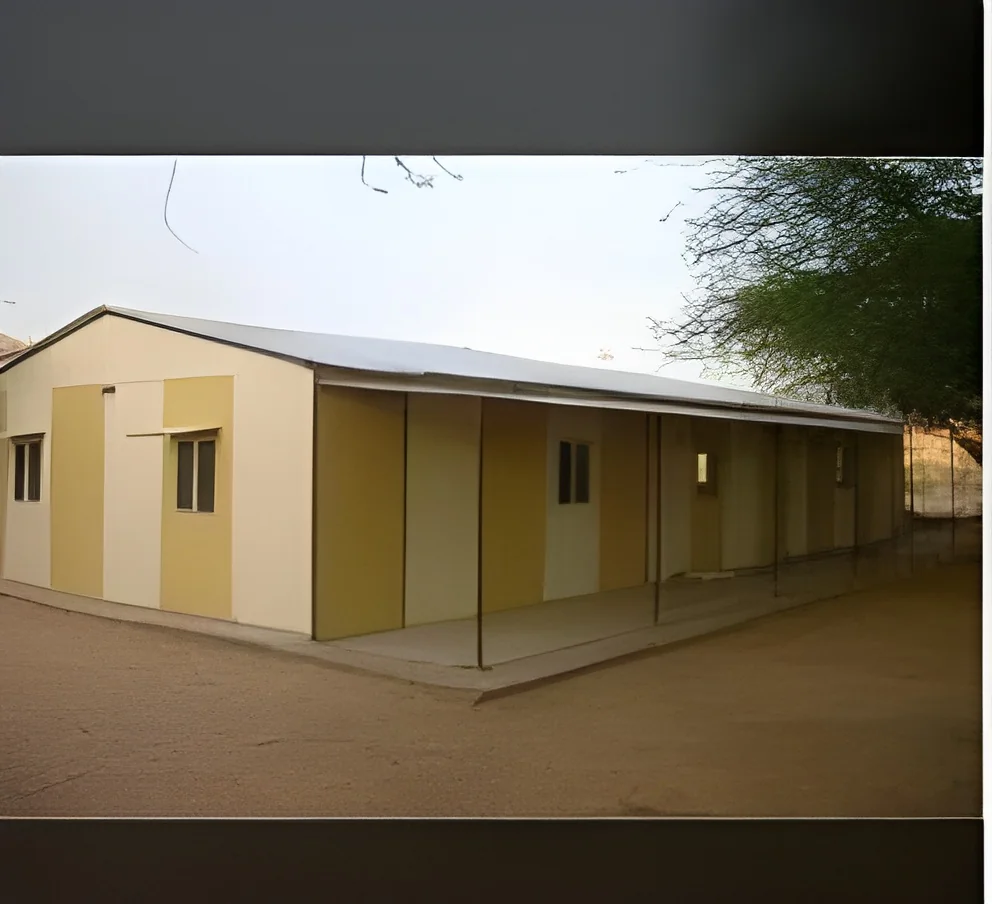
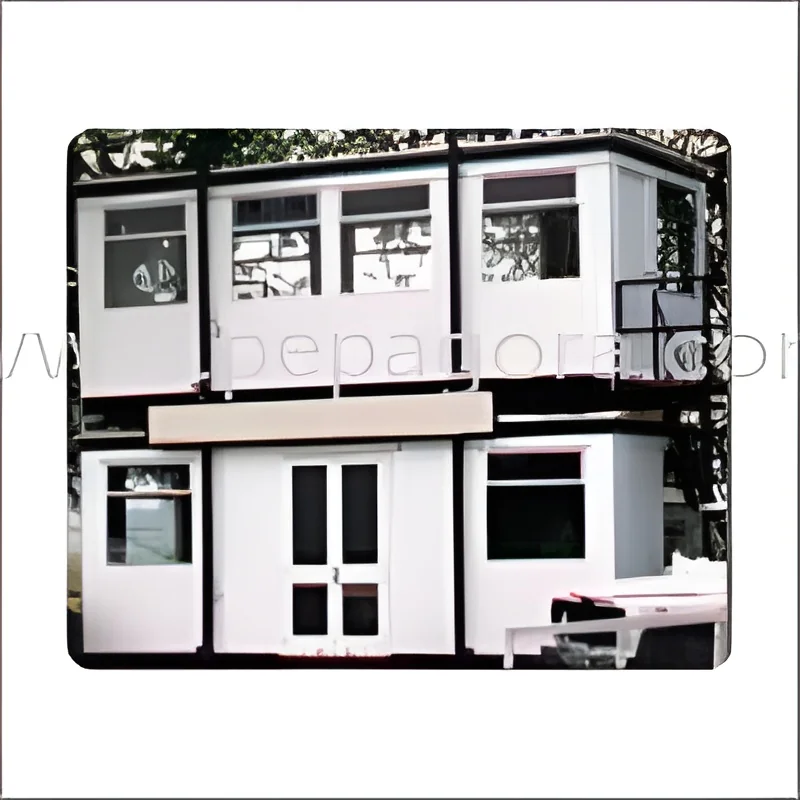
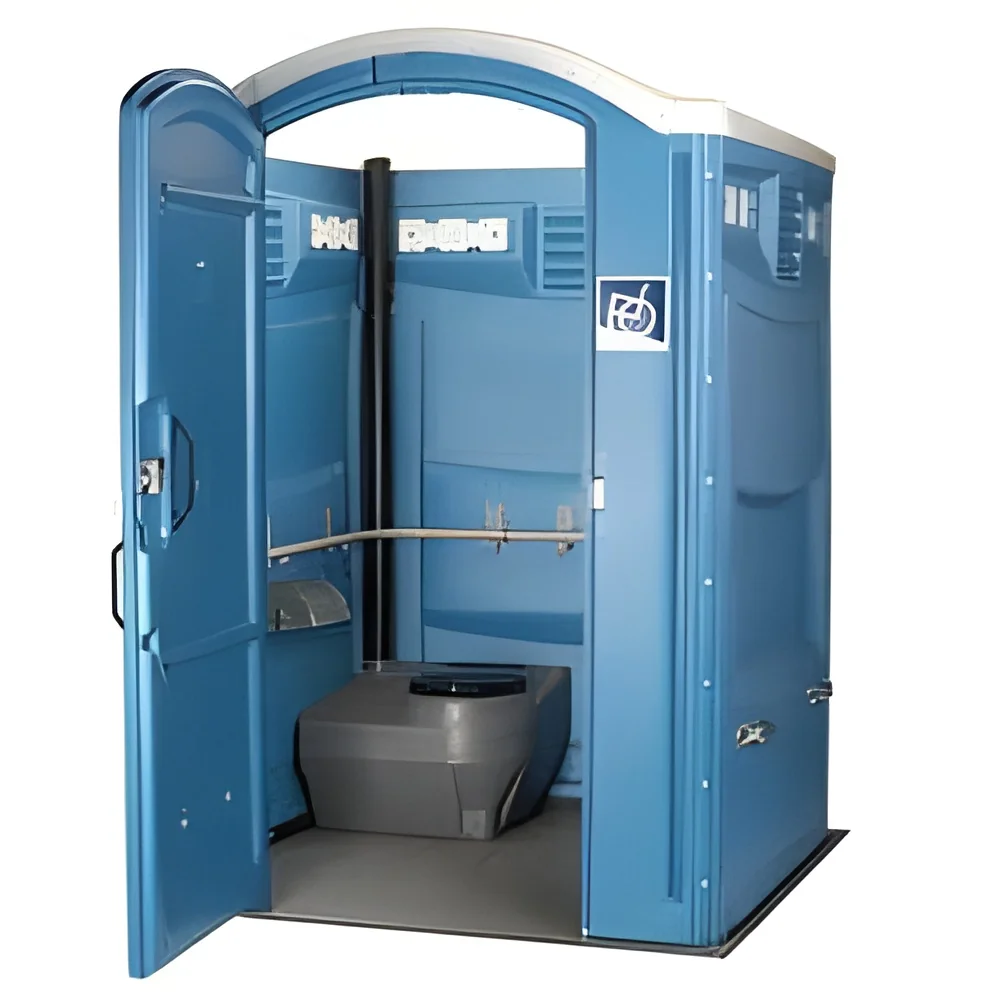
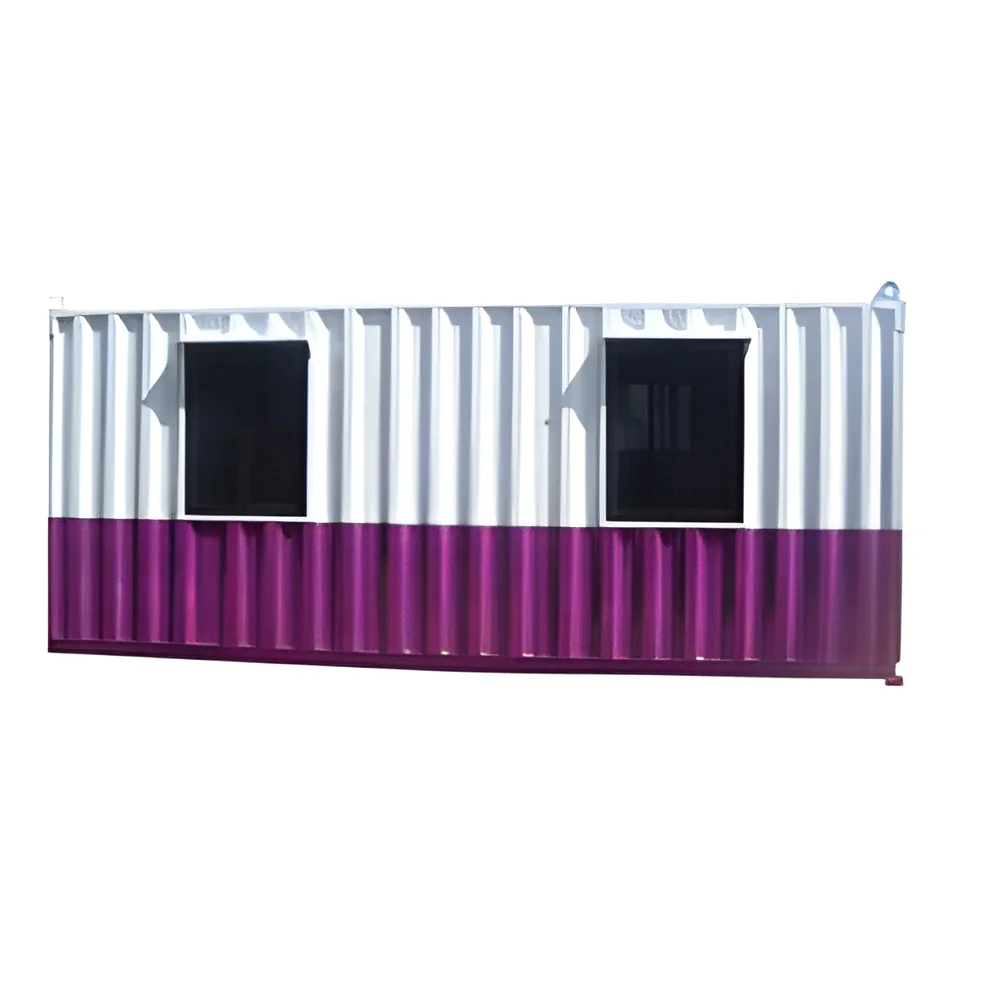
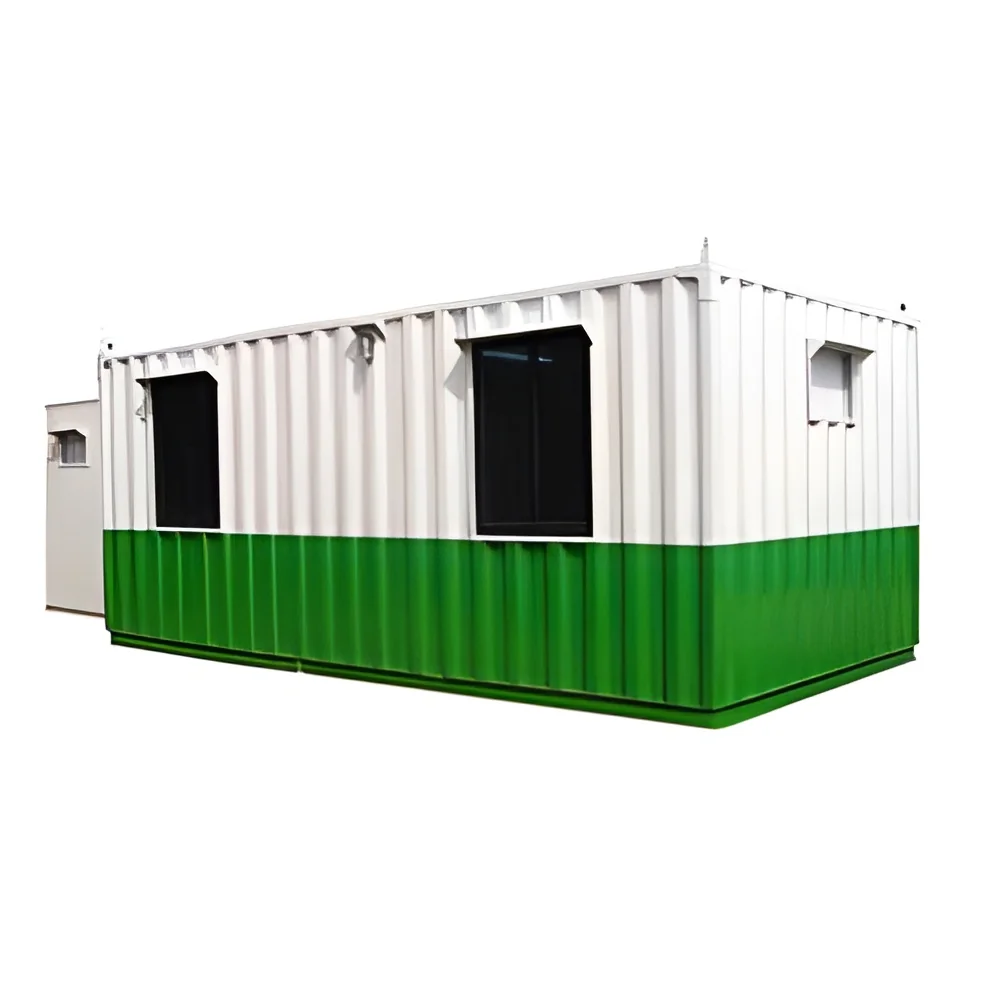
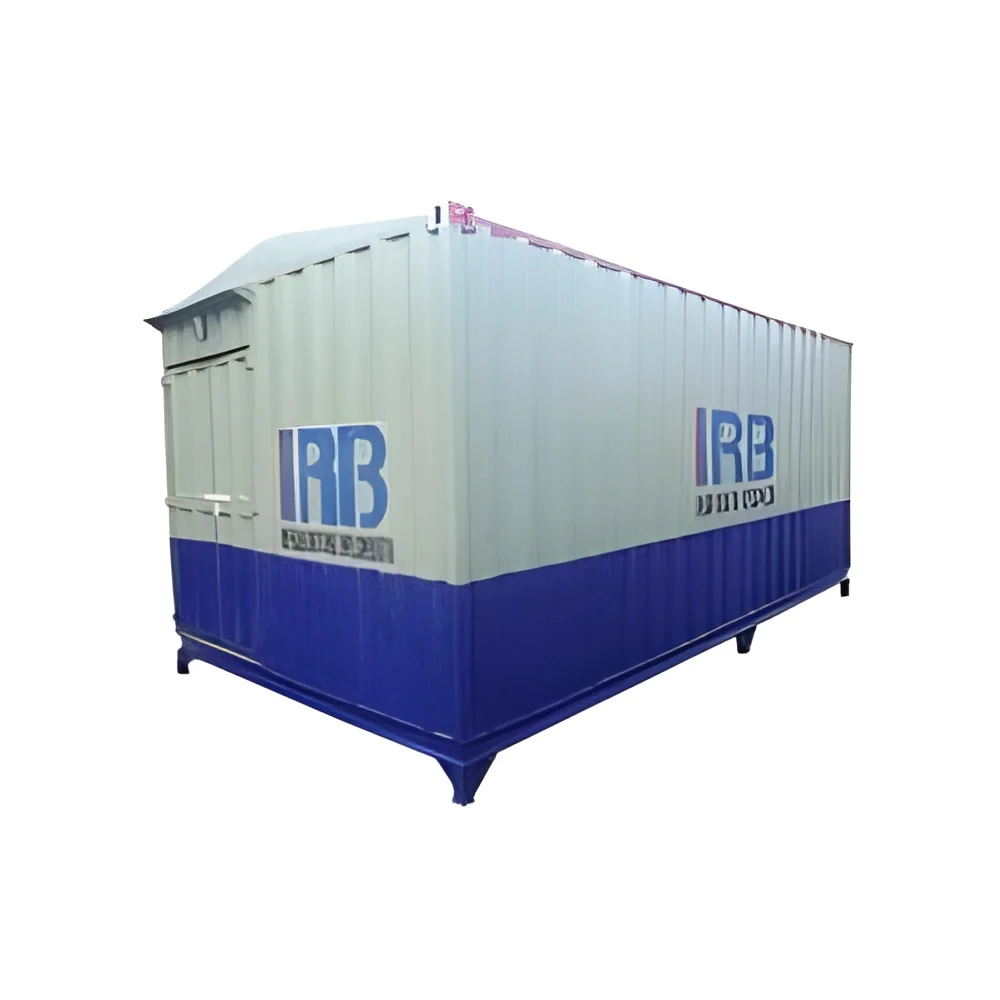
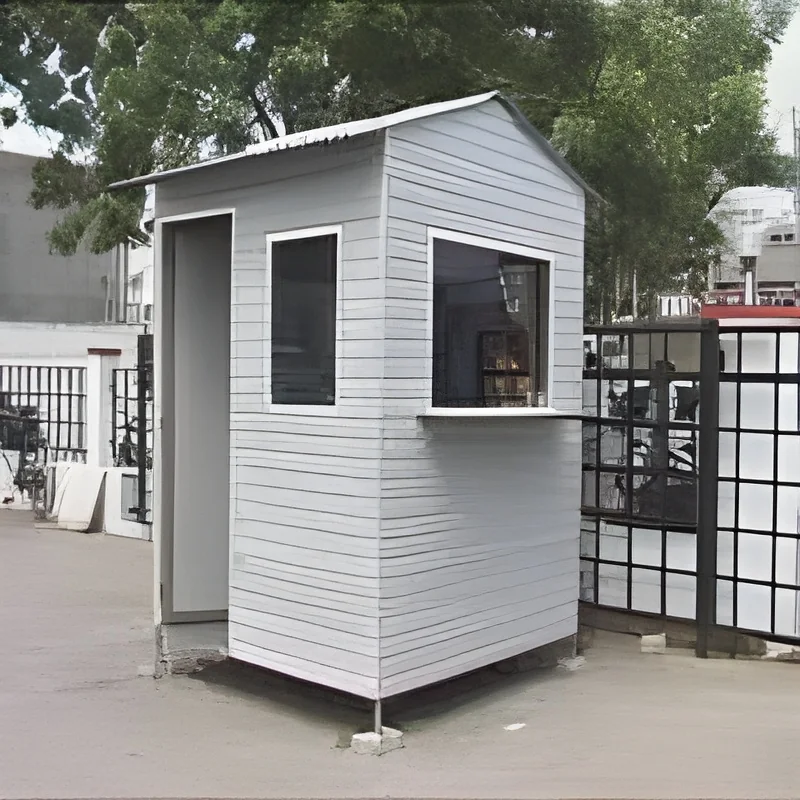
𝗪𝗵𝗮𝘁 𝗮𝗿𝗲 𝗧𝗲𝗺𝗽𝗼𝗿𝗮𝗿𝘆 𝗖𝗮𝗯𝗶𝗻𝘀 & 𝗦𝗶𝘁𝗲 𝗢𝗳𝗳𝗶𝗰𝗲𝘀?
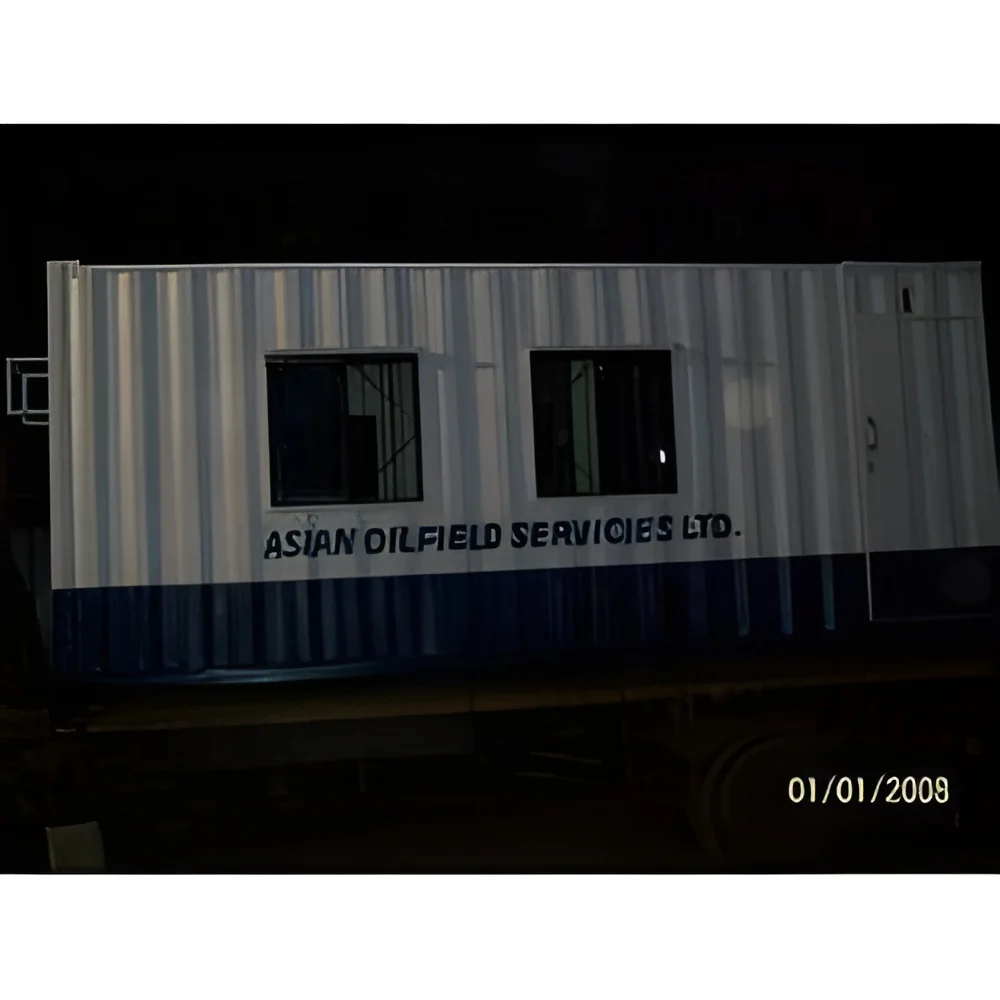
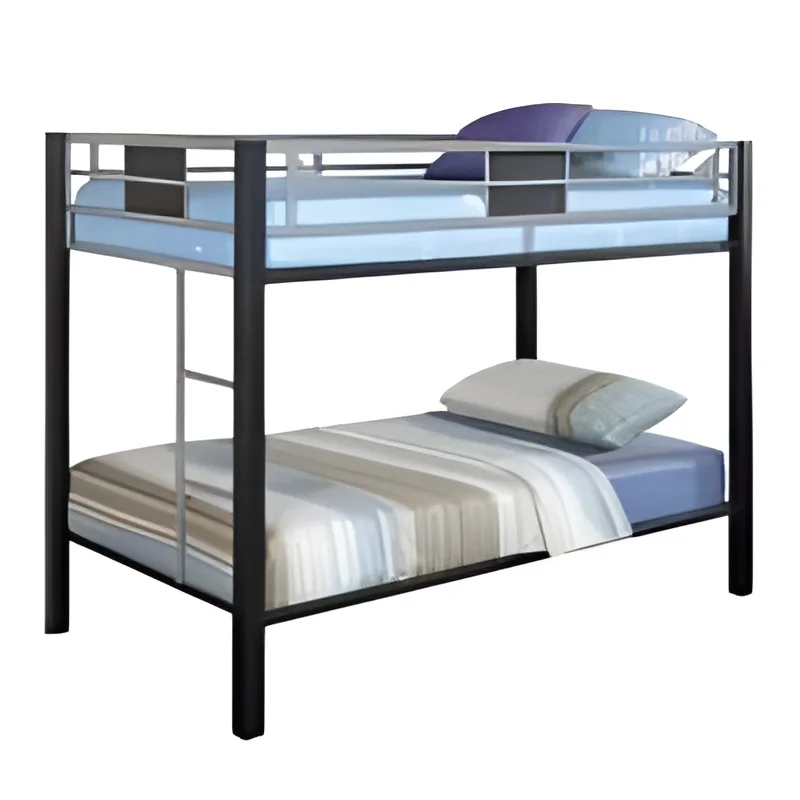
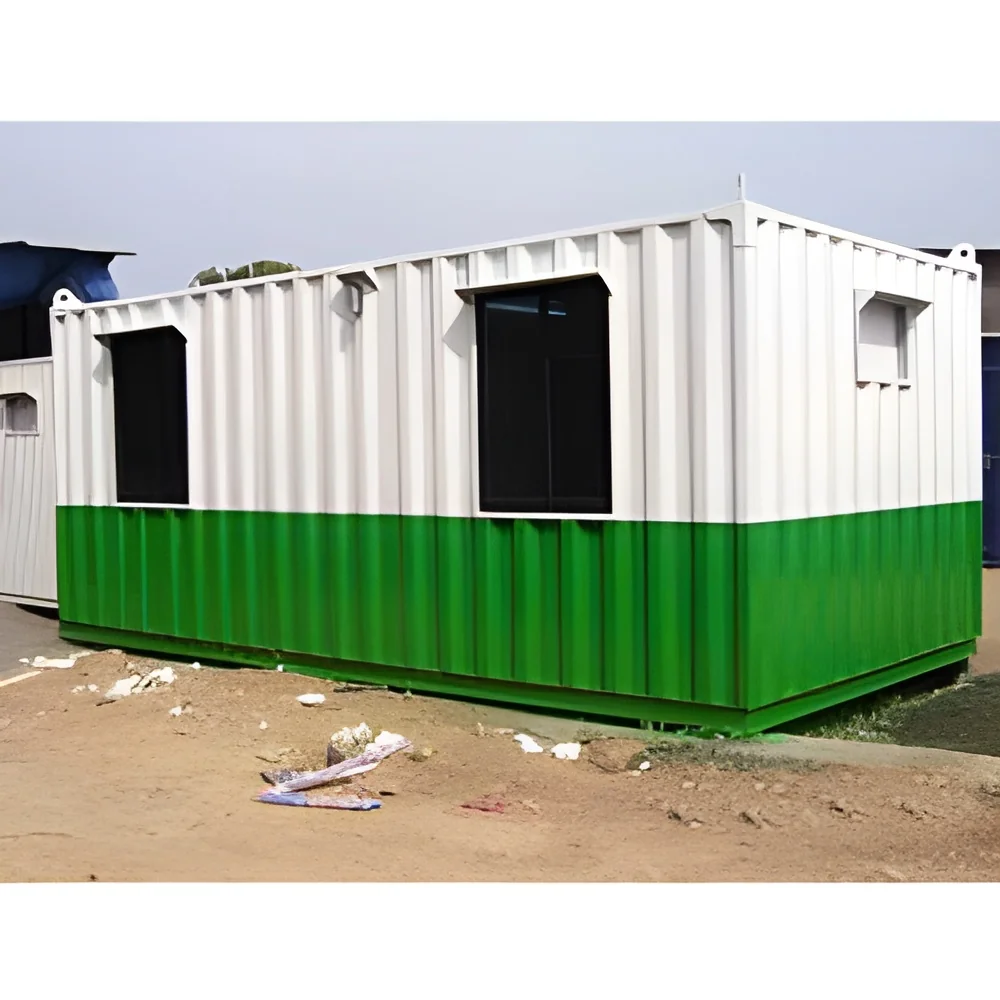
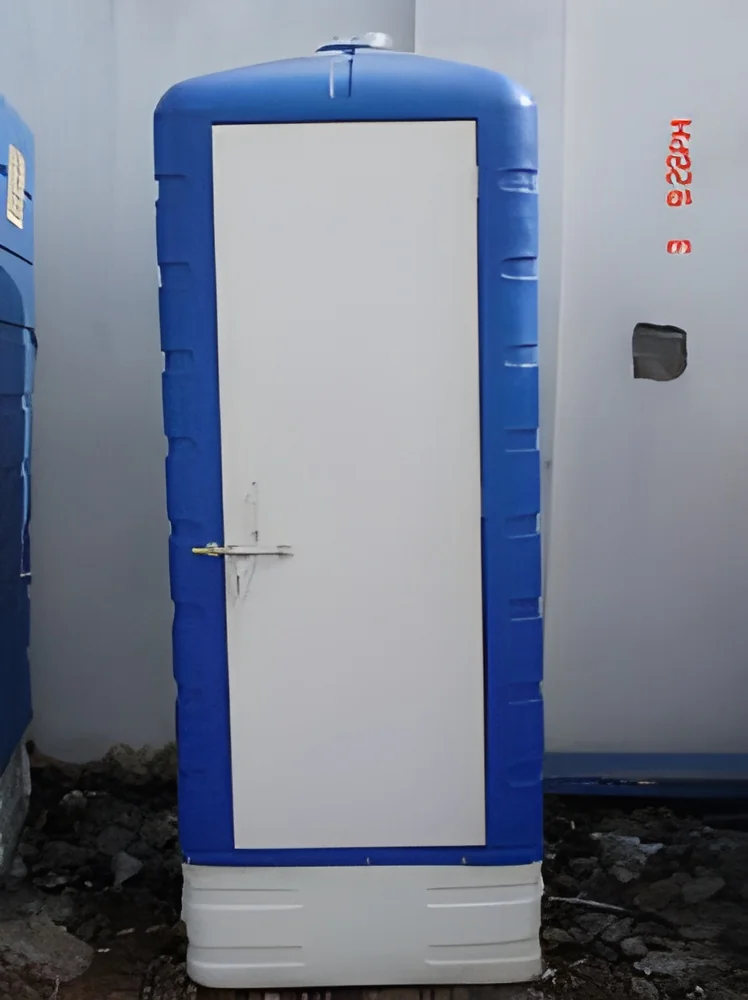
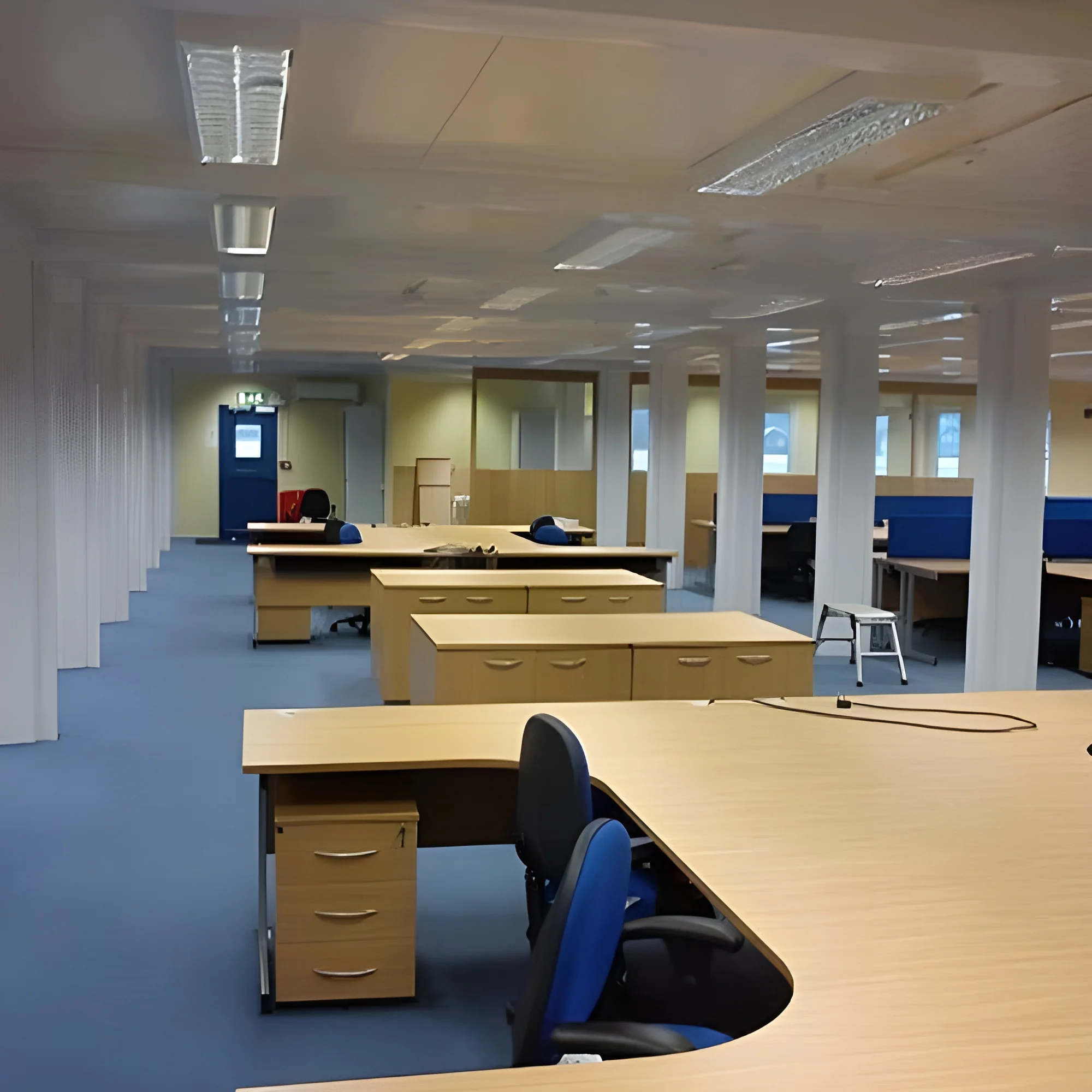
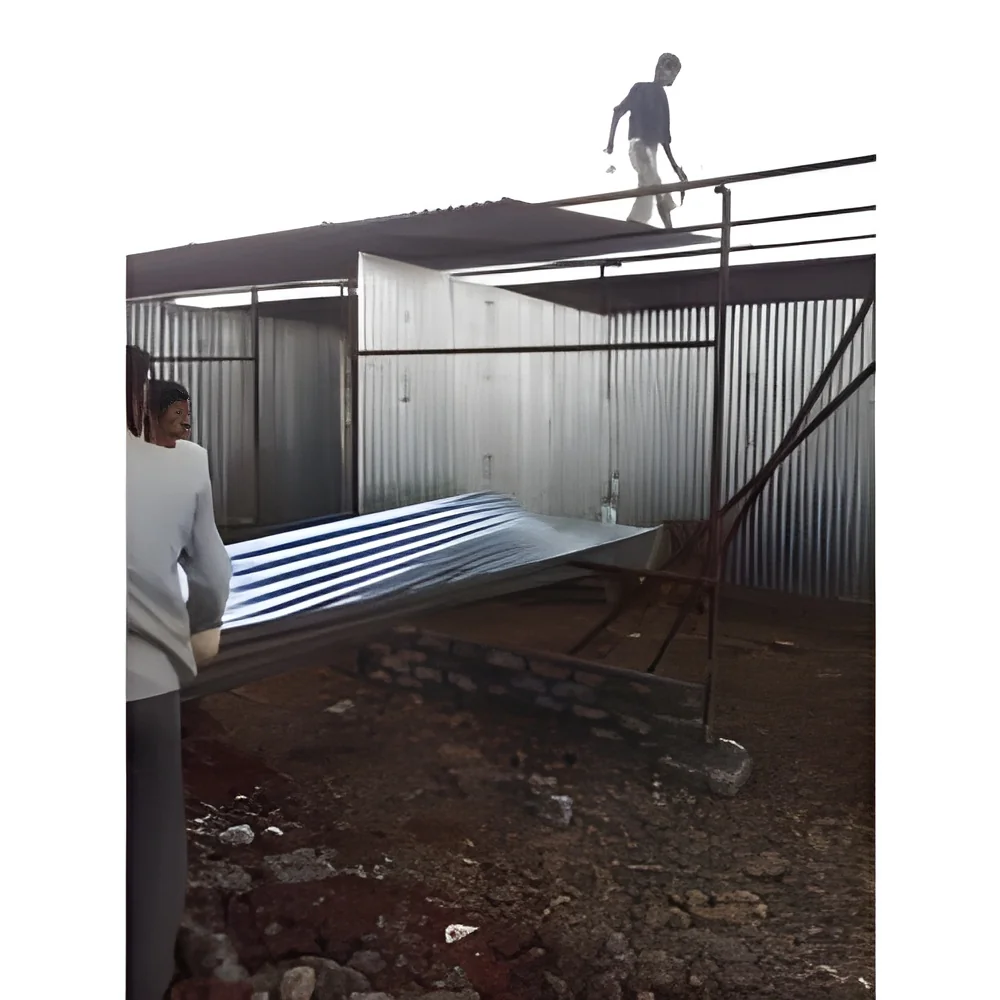
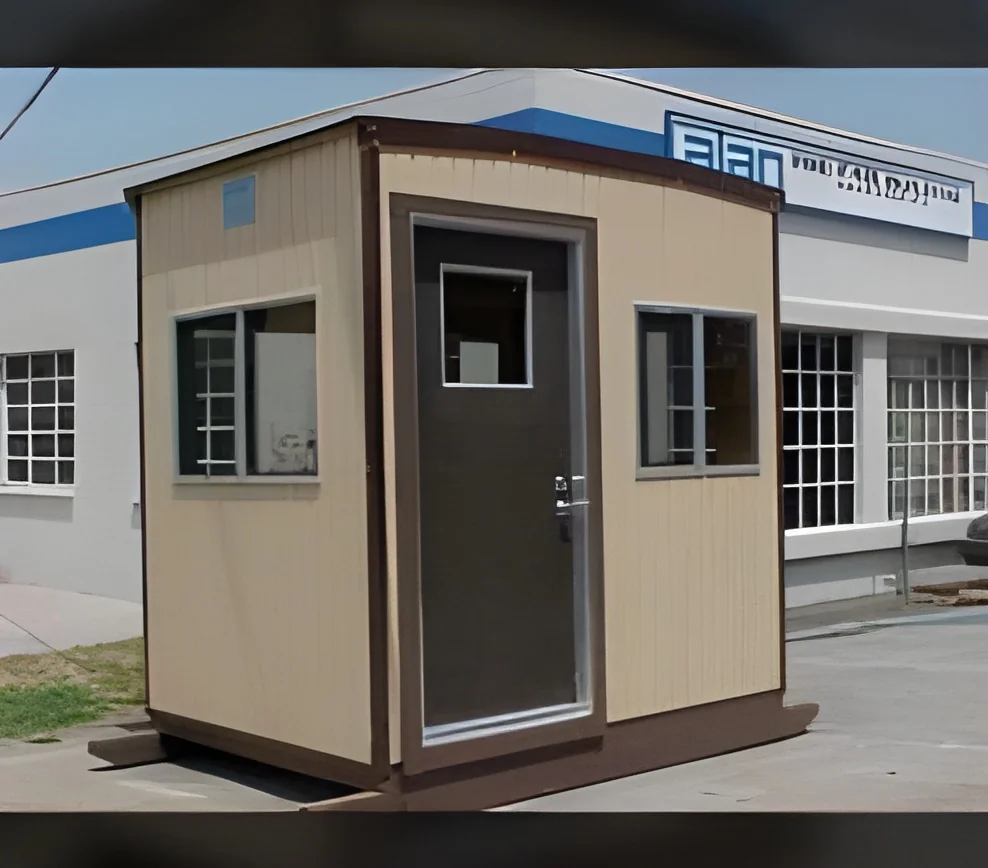
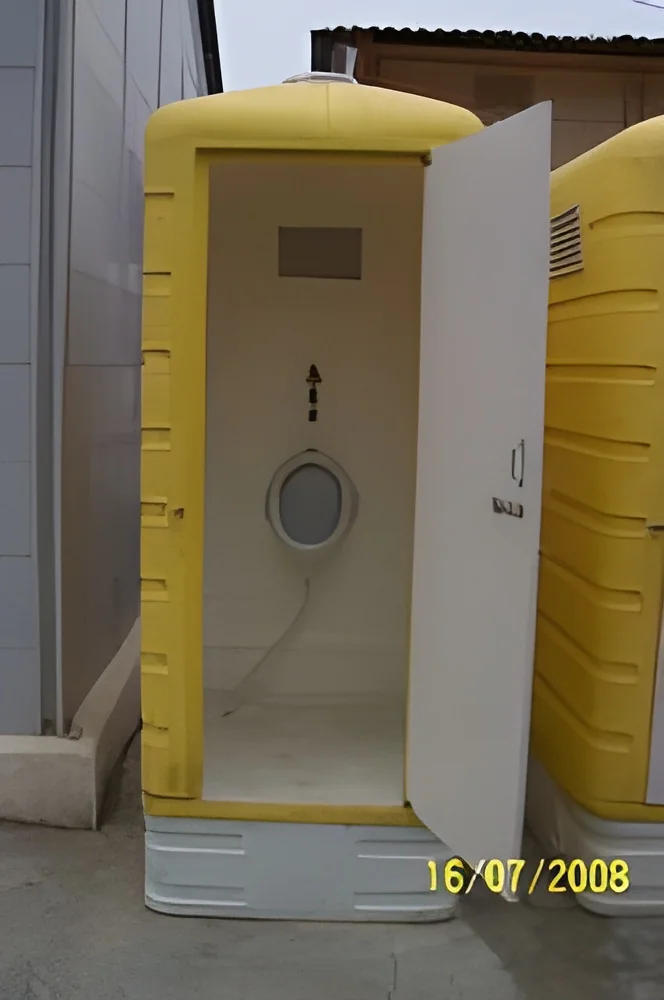
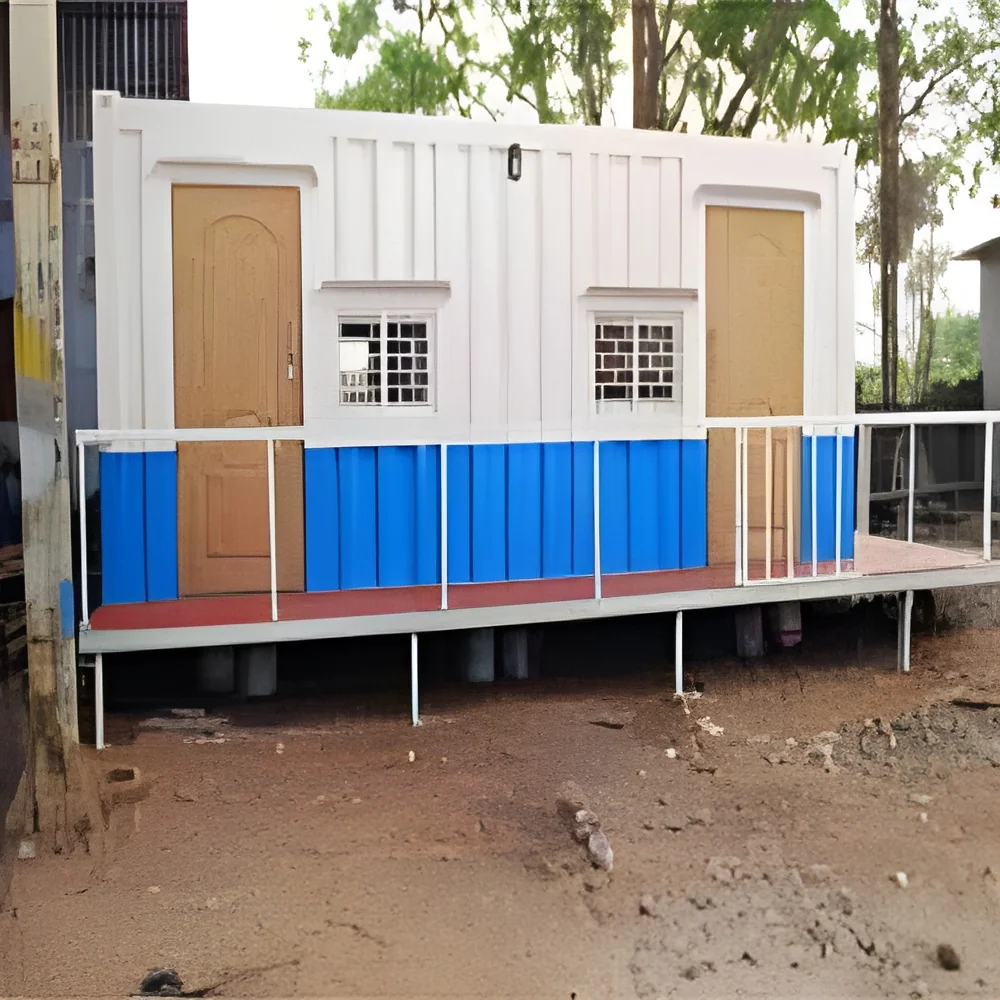
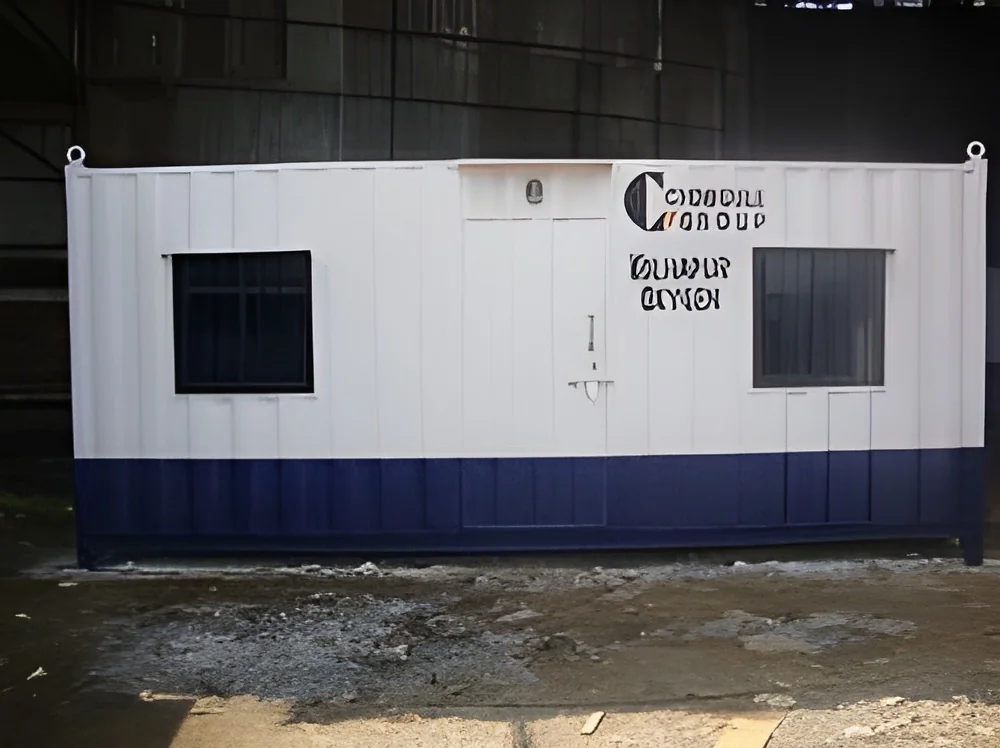
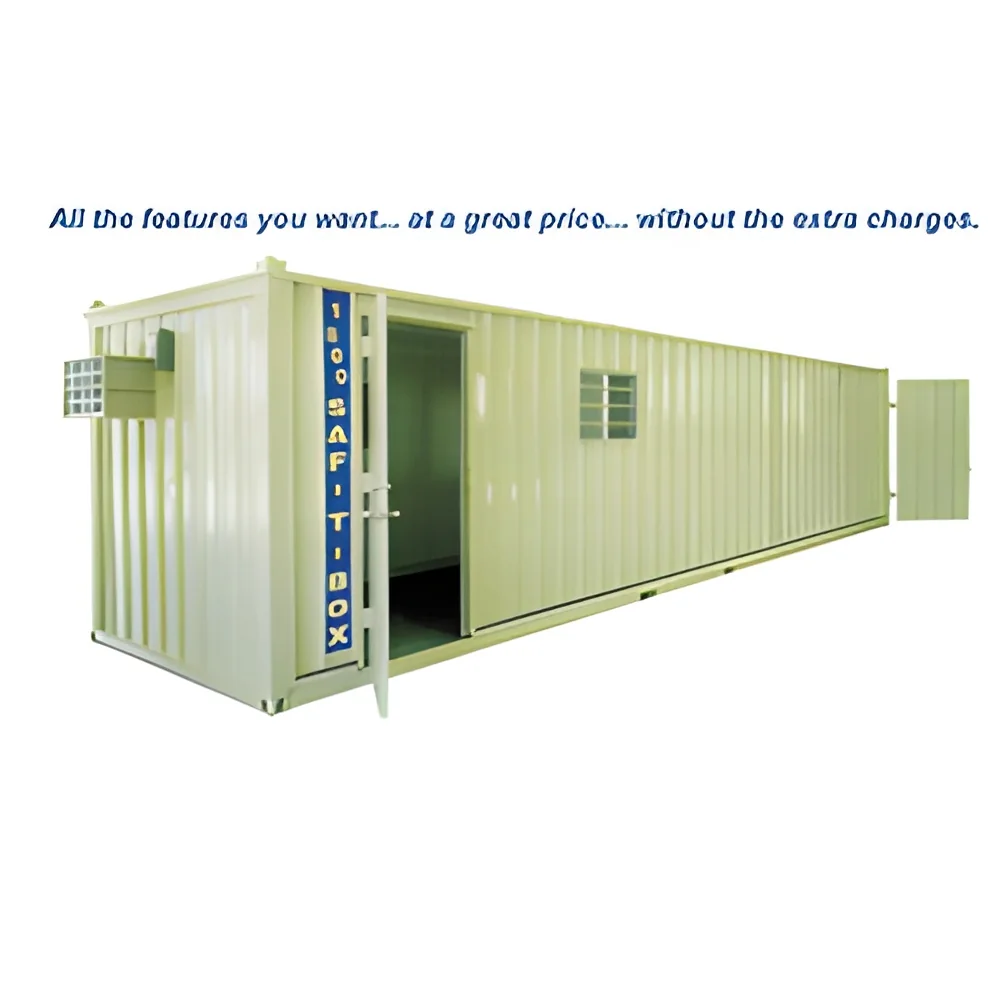
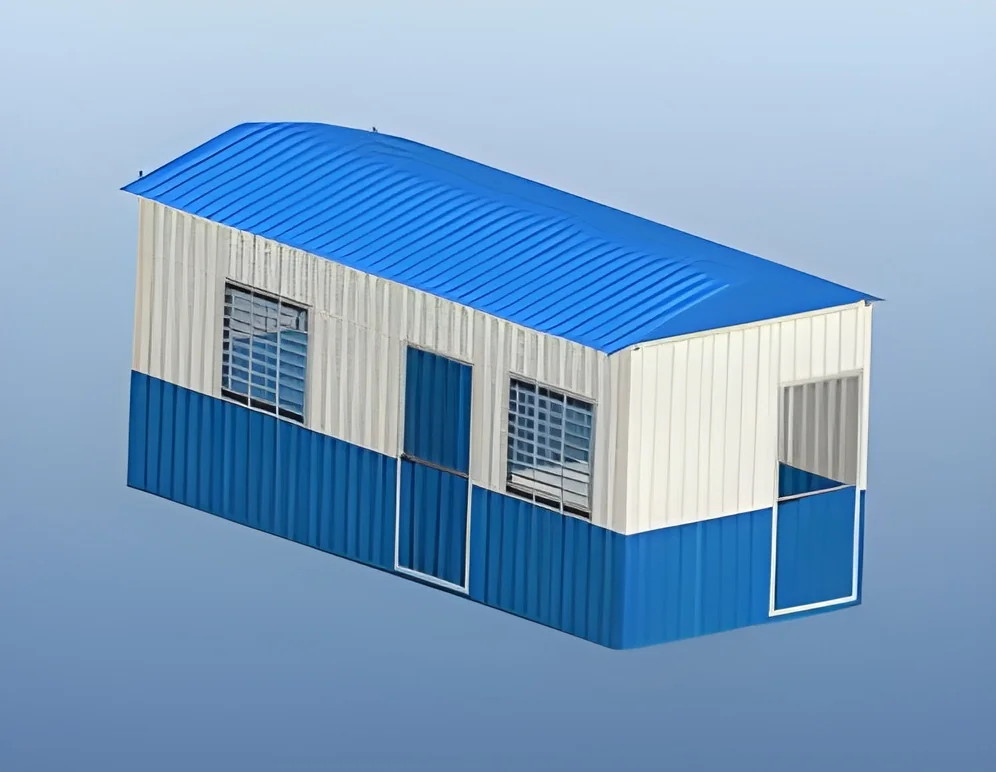
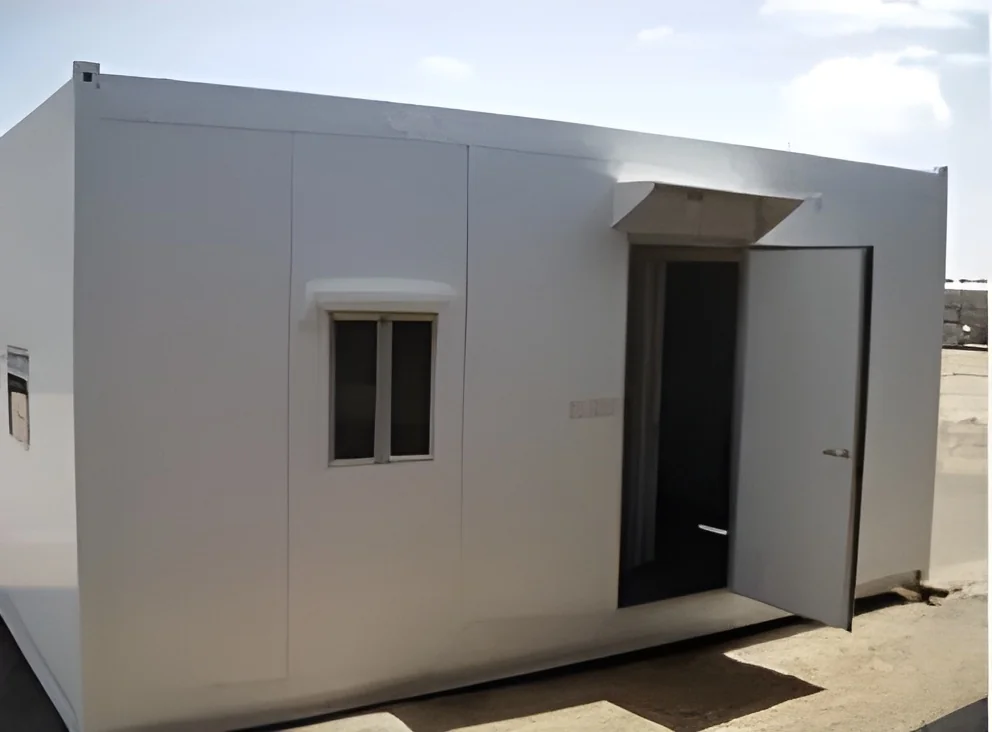
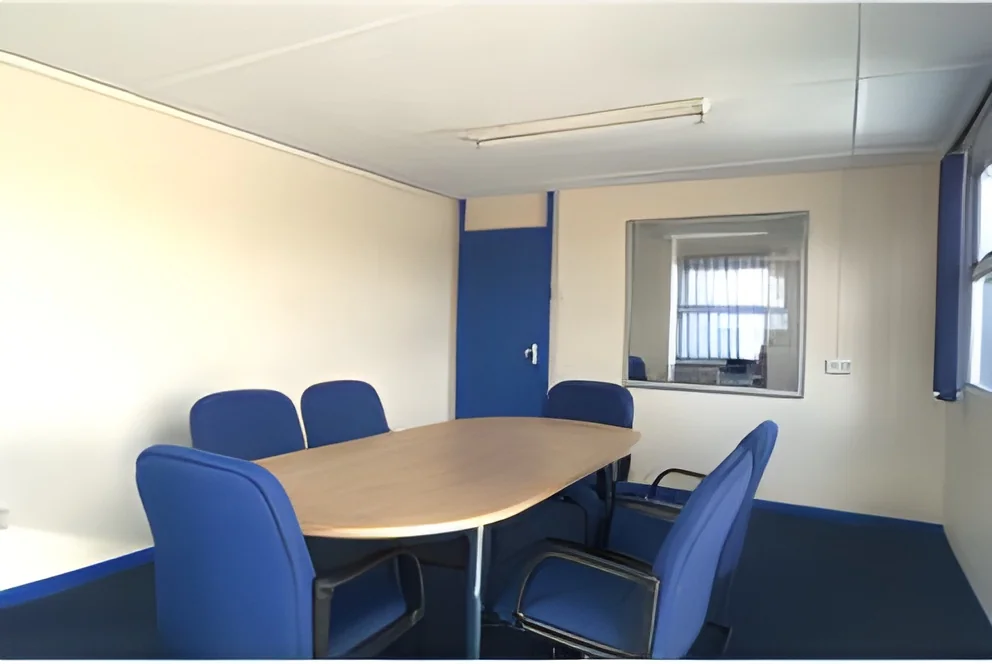
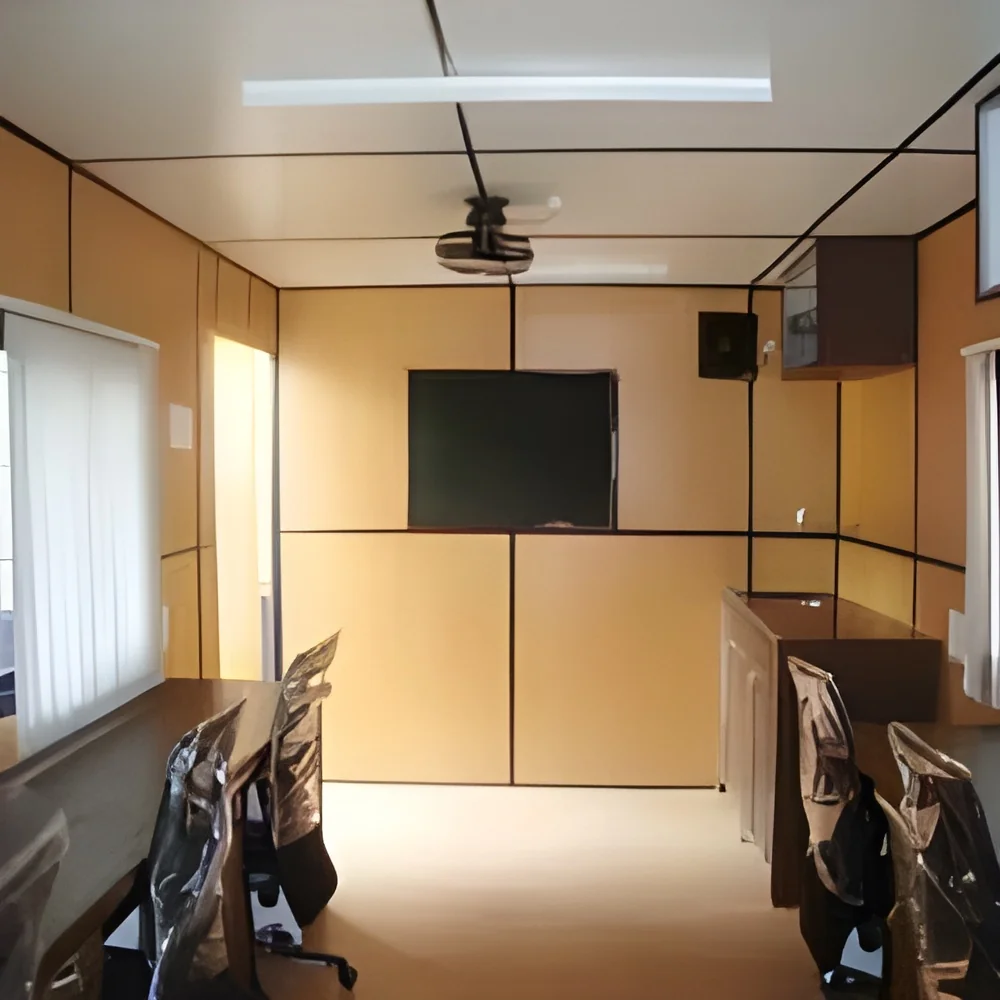
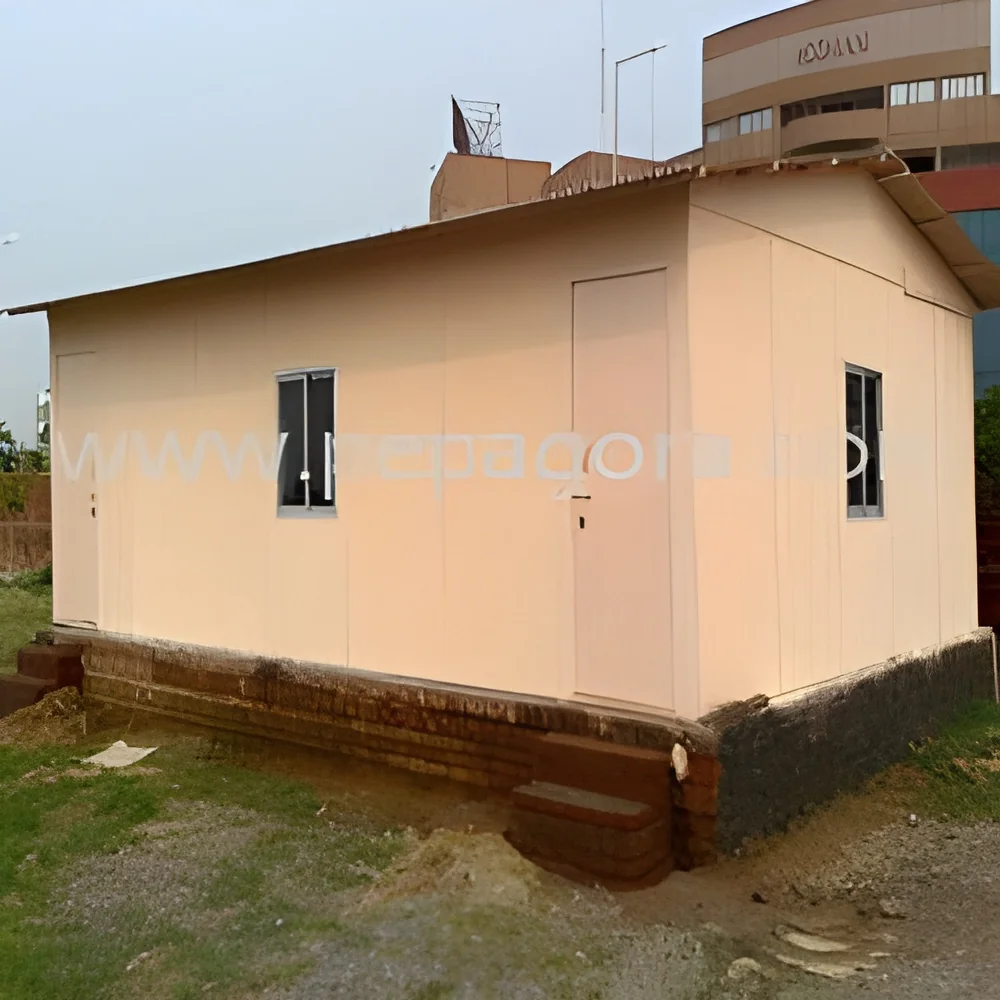
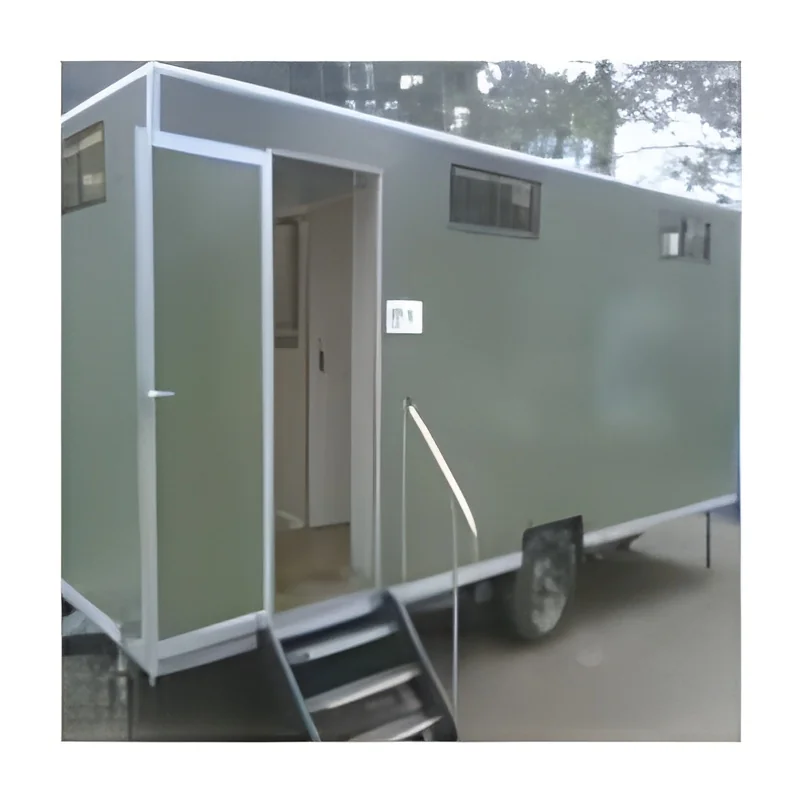
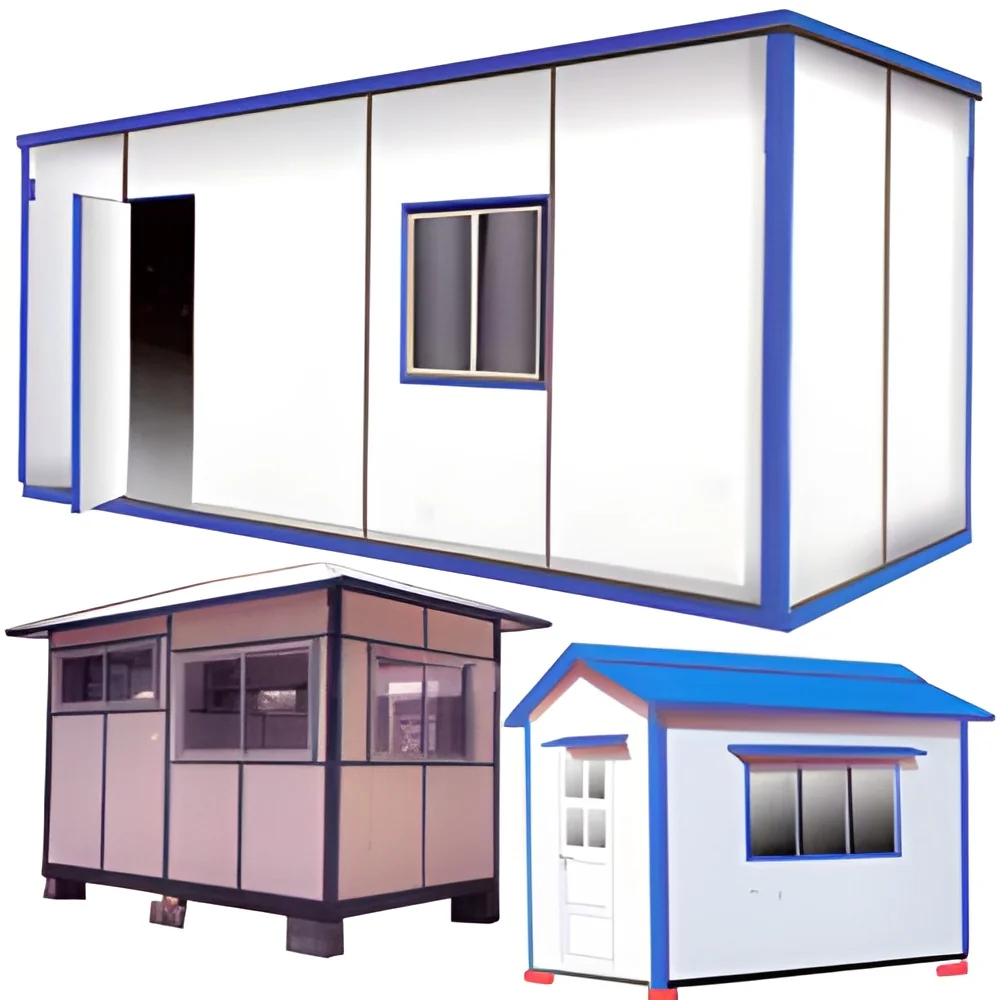
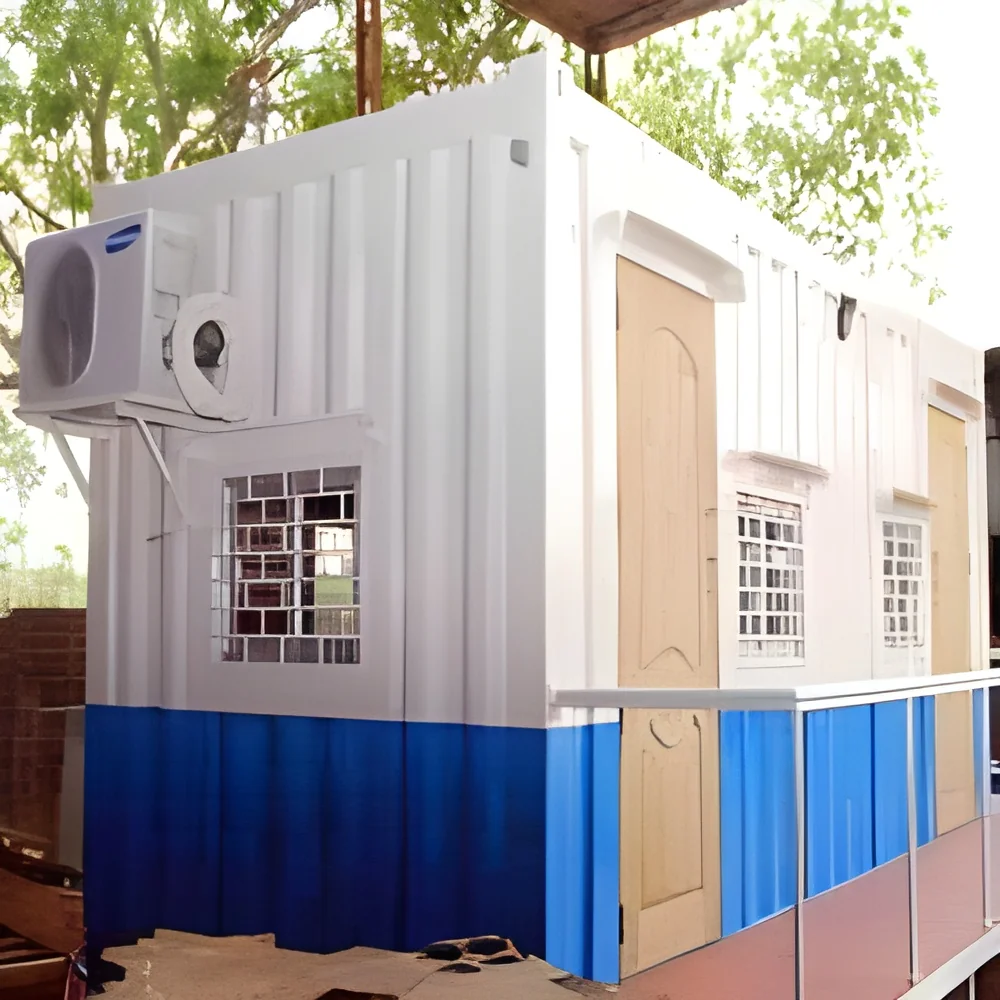
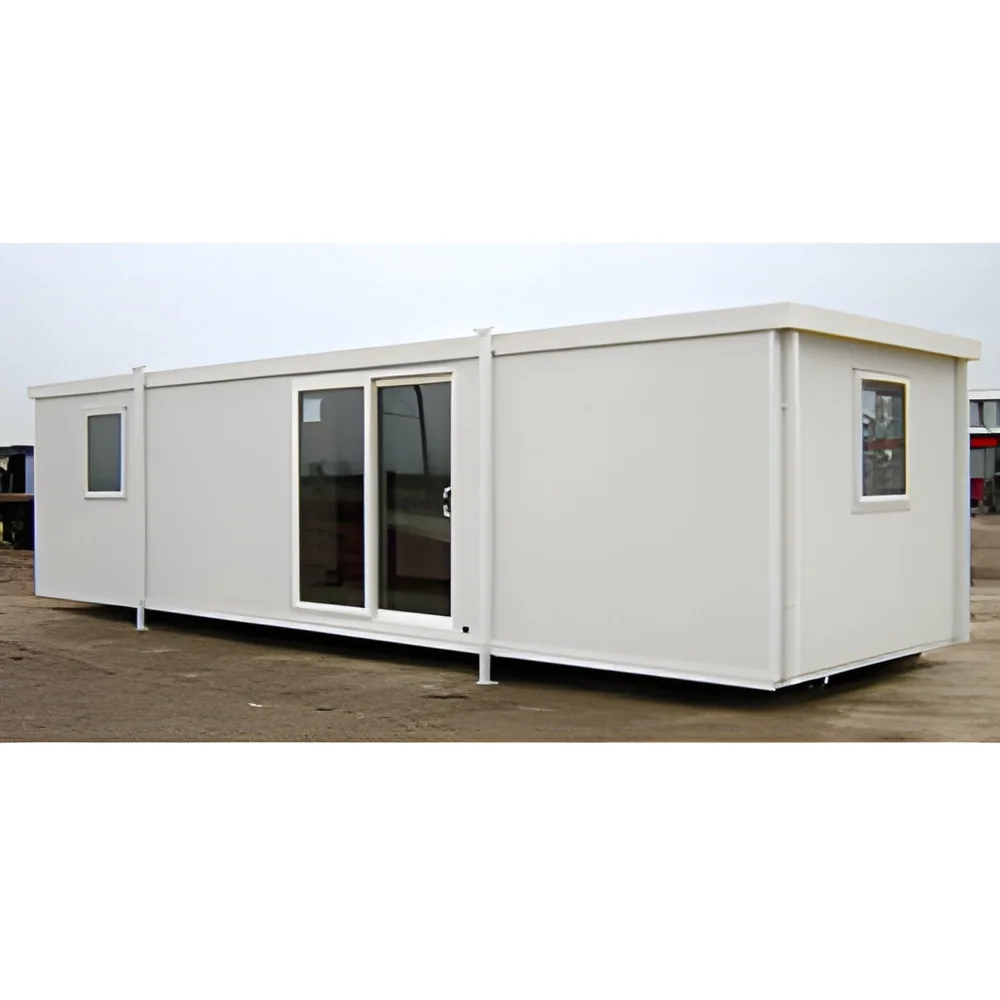
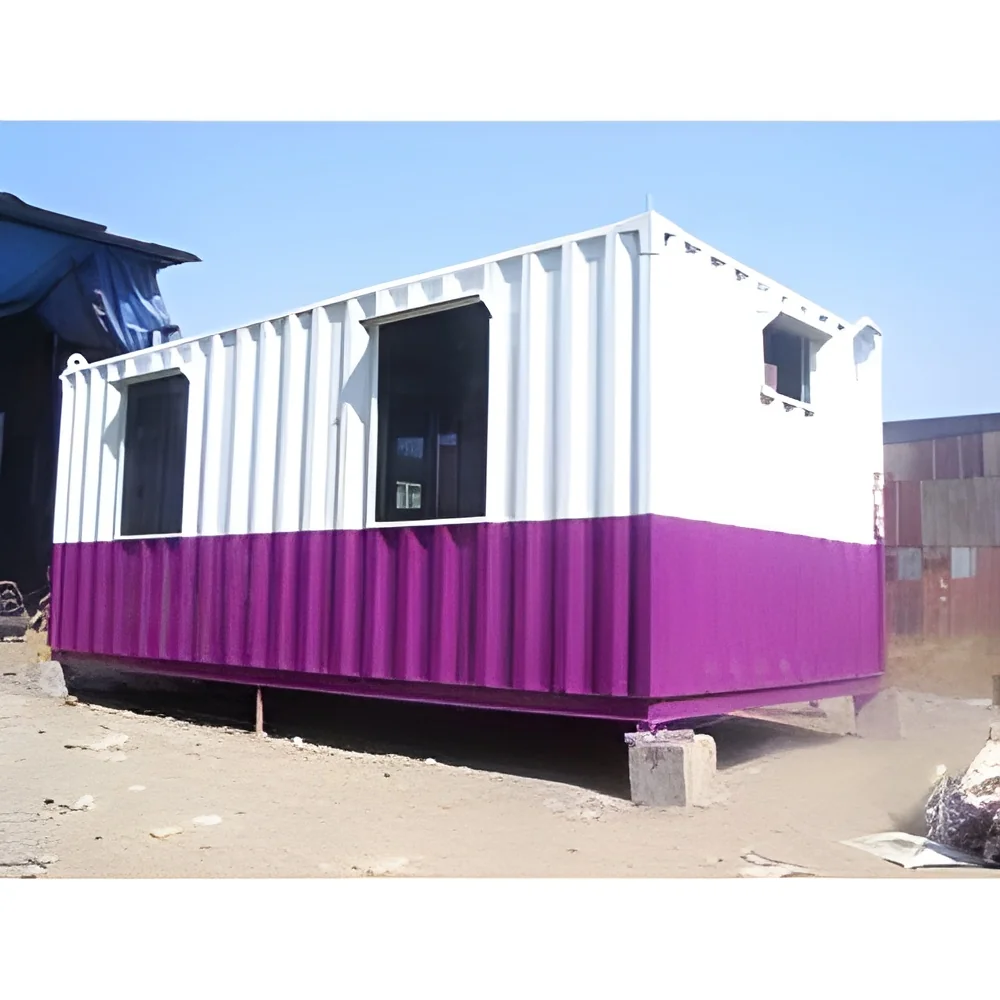
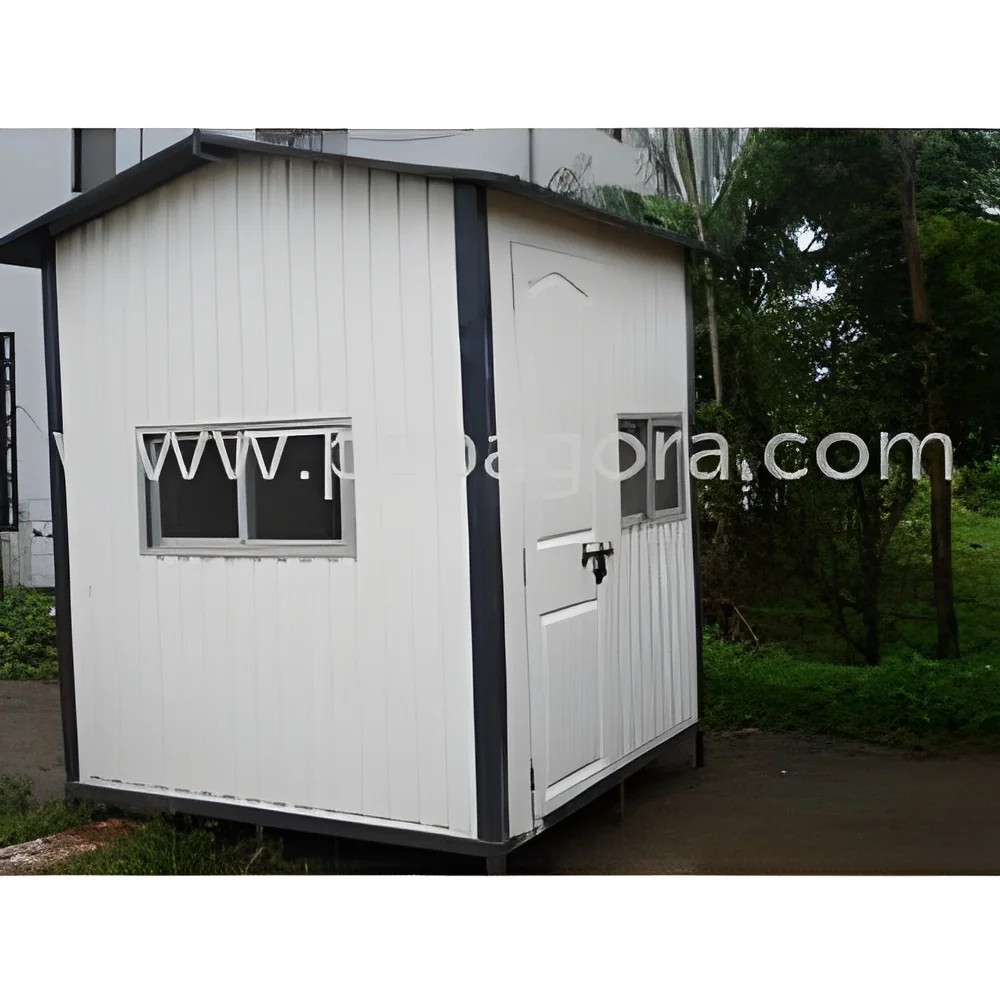
Temporary cabins and site offices are versatile, portable structures designed to provide on-site workspace solutions. They are typically used in construction, industrial, and commercial settings, offering fully functional spaces that can be easily relocated as project needs change. These cabins can serve multiple purposes, including office space, storage, and even living quarters, depending on the specific requirements of the job site.
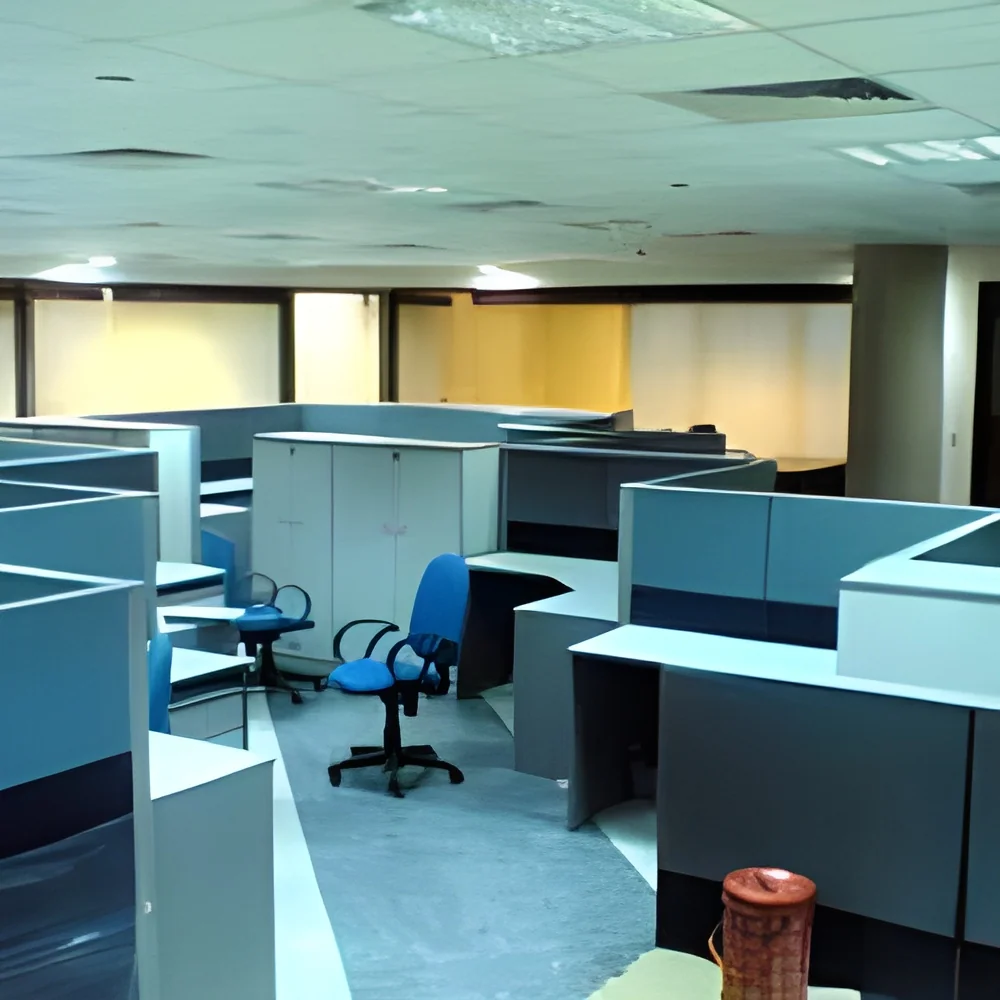
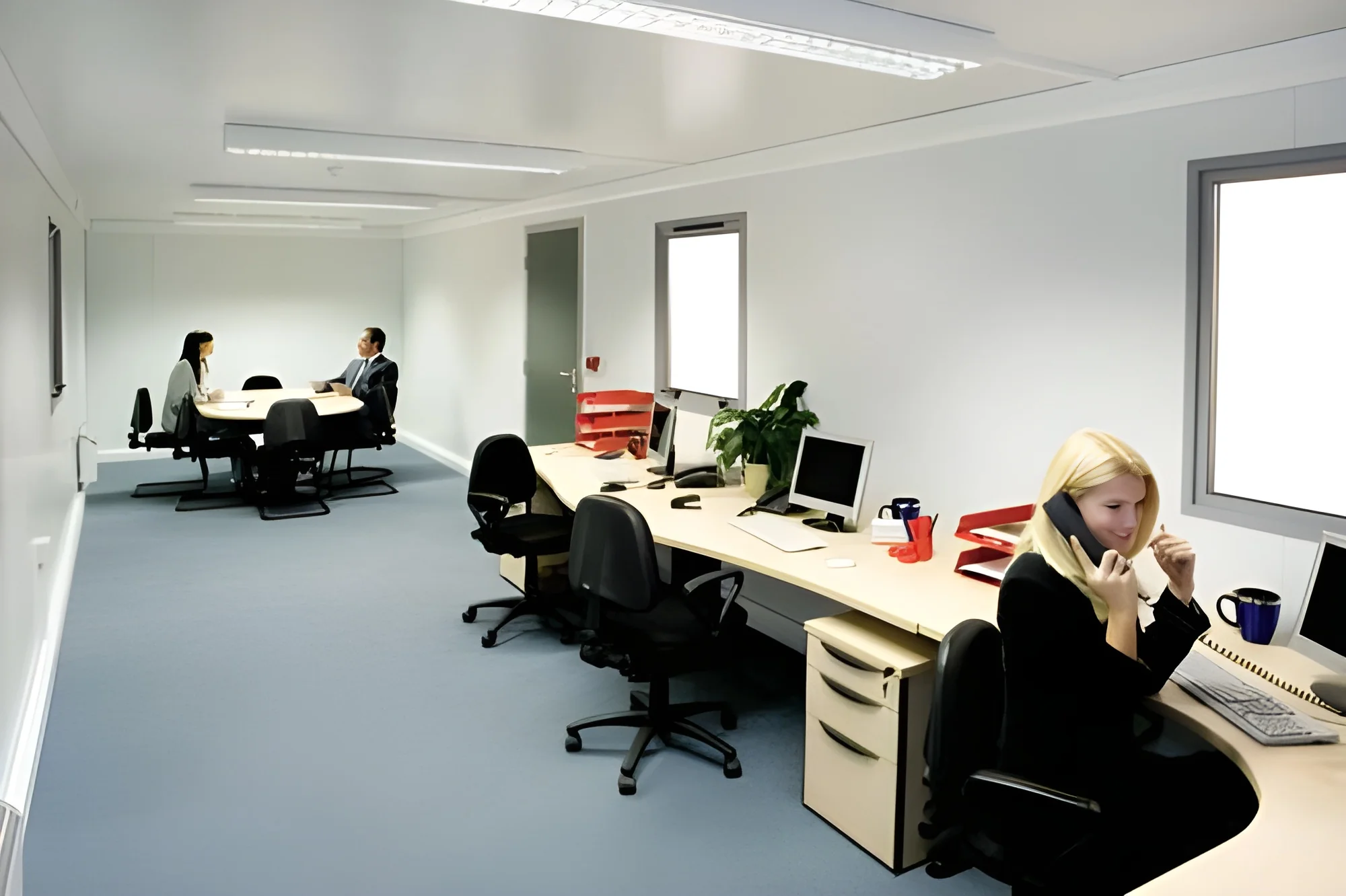
The primary uses of temporary cabins and site offices include providing a comfortable working environment for staff, housing equipment and materials, and serving as meeting areas for project teams. Their flexibility allows businesses to quickly set up a professional space in remote or challenging locations, making them essential for various industries. As project timelines and budgets become increasingly dynamic, the demand for temporary cabins has grown, highlighting their relevance in the market.
In today's fast-paced industrial landscape, temporary cabins and site offices play a crucial role in ensuring operational efficiency. They are particularly valuable for organizations that require quick deployment and adaptability in their work environments. With ongoing infrastructure development and an increase in project-based work, the market for these structures remains robust.
𝗞𝗲𝘆 𝗙𝗲𝗮𝘁𝘂𝗿𝗲𝘀 𝗮𝗻𝗱 𝗦𝗽𝗲𝗰𝗶𝗳𝗶𝗰𝗮𝘁𝗶𝗼𝗻𝘀
Temporary cabins and site offices come equipped with several key features aimed at enhancing usability and comfort for on-site personnel. These structures are designed for easy installation, mobility, and durability, ensuring they can withstand various environmental conditions. The specifications for these cabins can vary based on the intended use and the manufacturer.
Key specifications include:
1. Structure Material
- Usually constructed from steel or high-quality composite materials
- Designed to provide strength and durability against harsh weather
2. Size and Dimensions
- Available in various sizes, typically ranging from 20 to 40 feet in length
- Customizable dimensions to fit specific site requirements
3. Insulation
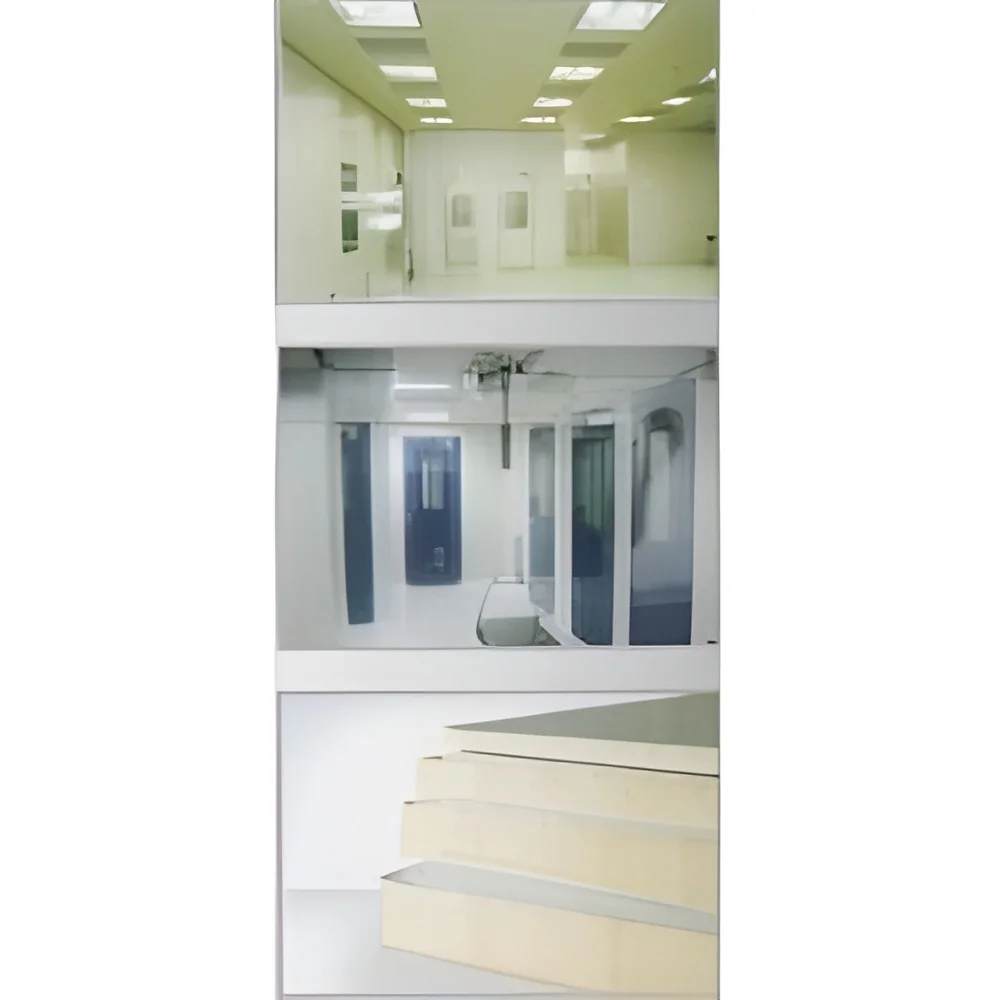
- Equipped with thermal and acoustic insulation
- Helps maintain comfortable temperatures and reduce noise levels
4. Flooring Options
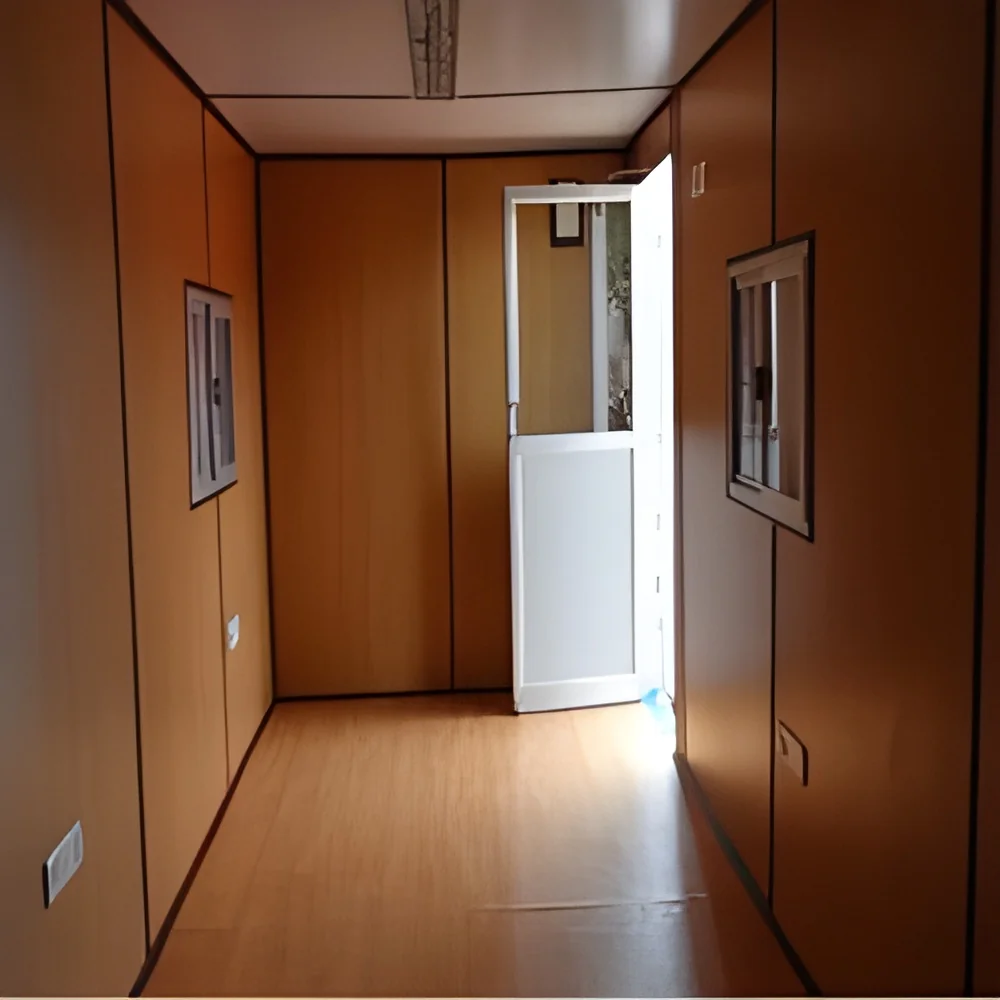
- Can have vinyl, laminate, or carpeted flooring
- Designed for easy cleaning and maintenance
5. Electrical and Plumbing Systems
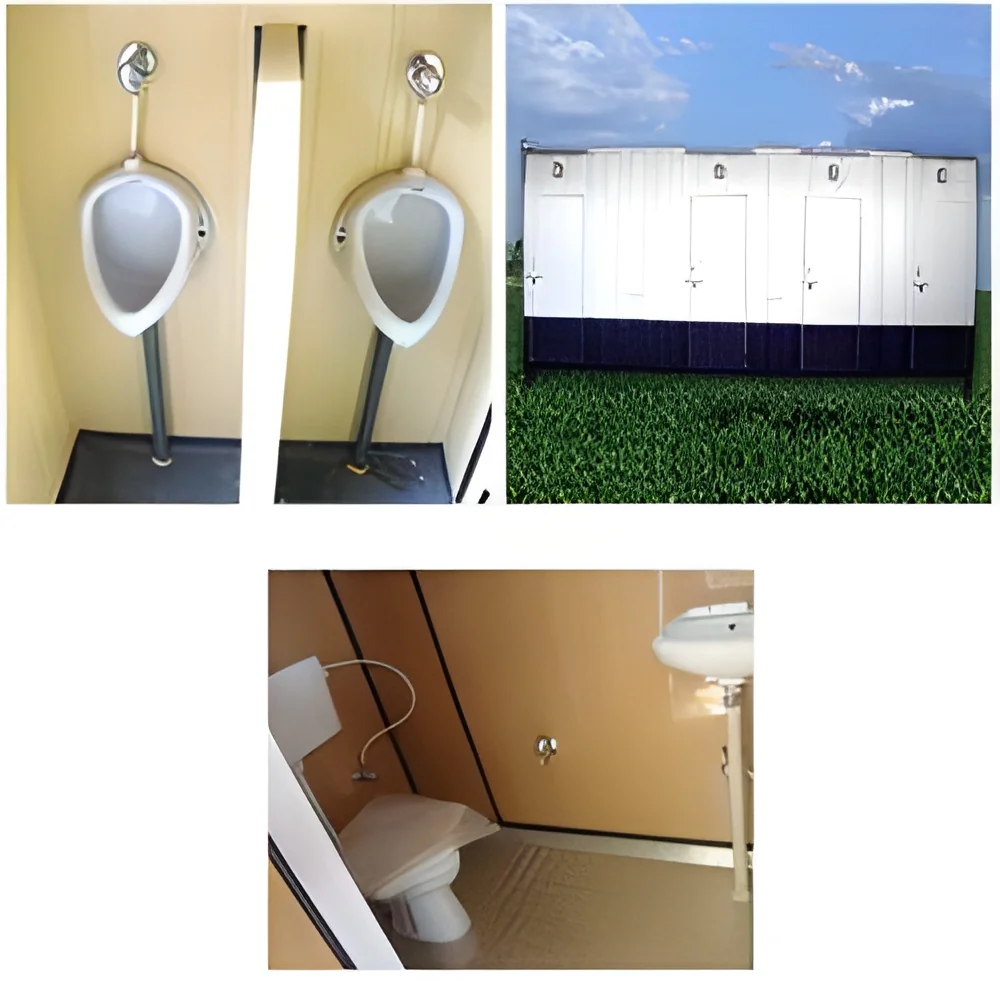
- Pre-installed electrical fittings and plumbing options
- Facilitates immediate use upon installation
6. Windows and Ventilation
- Fitted with windows for natural light and ventilation
- Ensures a comfortable working environment
7. Security Features
- Includes secure locks and window screens
- Designed to protect equipment and personnel
8. Mobility and Transport
- Typically built on a chassis for easy transport
- Can be relocated without extensive setup processes
In summary, temporary cabins and site offices are versatile structures with a range of specifications that cater to diverse business needs. Their design incorporates features that enhance both functionality and comfort, making them ideal for various applications in the field.
𝗖𝗼𝗺𝗺𝗼𝗻 𝗔𝗽𝗽𝗹𝗶𝗰𝗮𝘁𝗶𝗼𝗻𝘀 𝗮𝗻𝗱 𝗨𝘀𝗲 𝗖𝗮𝘀𝗲𝘀
Temporary cabins and site offices are utilized across multiple sectors, providing tailored solutions to meet specific operational needs.
1. Construction: In the construction industry, these cabins serve as on-site offices for project managers and engineers, offering a place to conduct meetings and manage documentation.
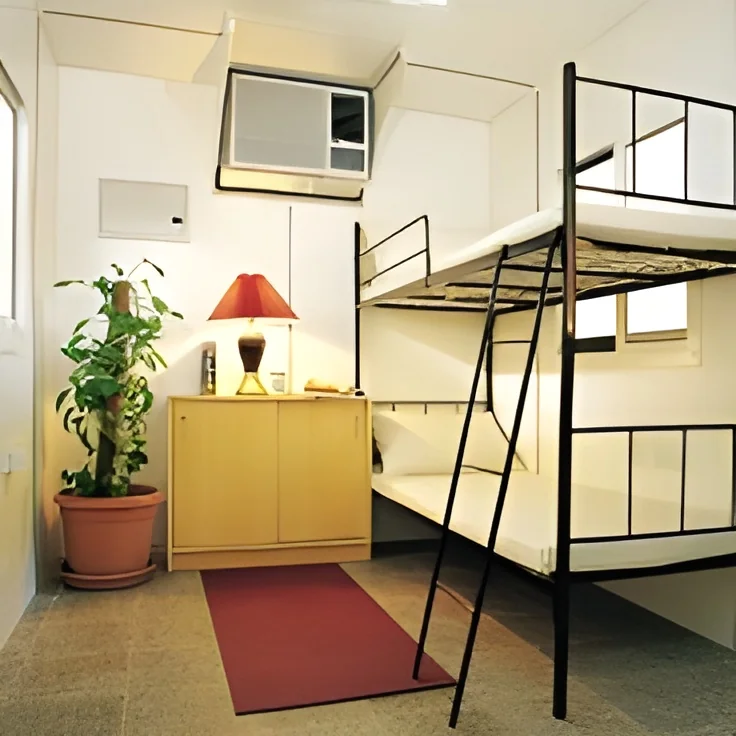
2. Oil and Gas: In remote oil and gas fields, temporary cabins provide housing for workers, as well as office spaces for project teams, ensuring that essential personnel are close to operations.
3. Events and Exhibitions: Temporary cabins can also be used for trade shows and events, serving as information booths or administrative offices.
4. Mining: In mining operations, site offices can be essential for planning and monitoring activities, providing a secure location for staff.
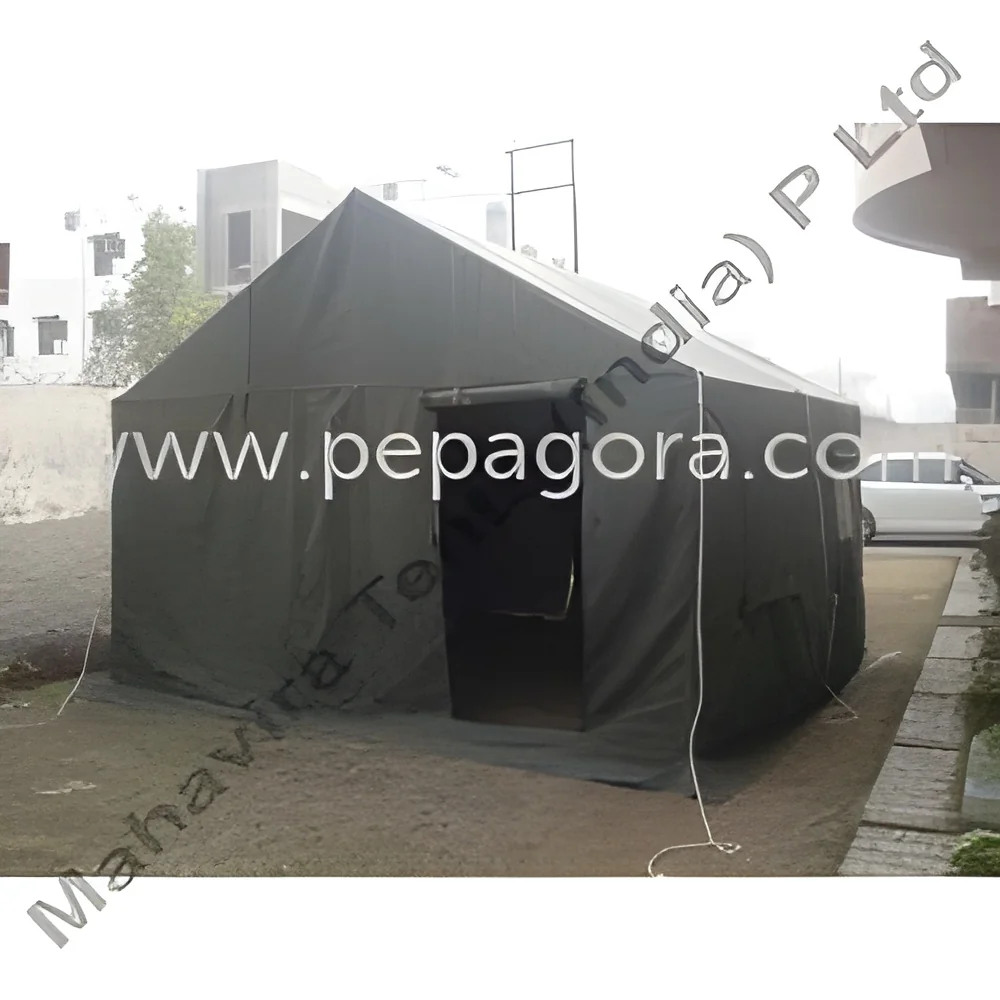
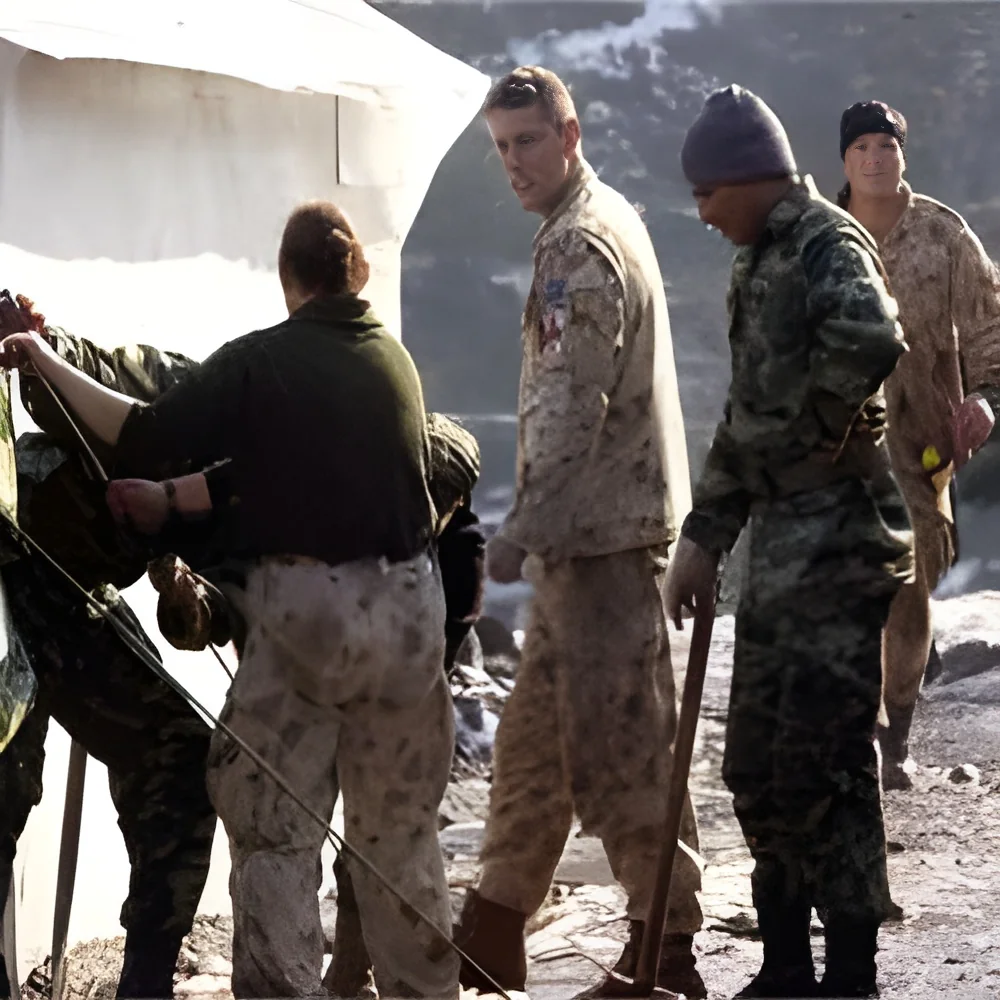
5. Military: Temporary cabins are often used in military applications as command centers or living quarters in remote locations.
6. Disaster Relief: These structures are important in disaster recovery efforts, providing immediate shelter and operational bases for aid organizations.
7. Utilities: Utility companies use temporary offices during maintenance and upgrades, ensuring that staff can manage operations on-site effectively.
𝗣𝗿𝗼𝗱𝘂𝗰𝘁 𝗩𝗮𝗿𝗶𝗮𝗻𝘁𝘀 𝗮𝗻𝗱 𝗦𝘂𝗯𝗰𝗮𝘁𝗲𝗴𝗼𝗿𝗶𝗲𝘀
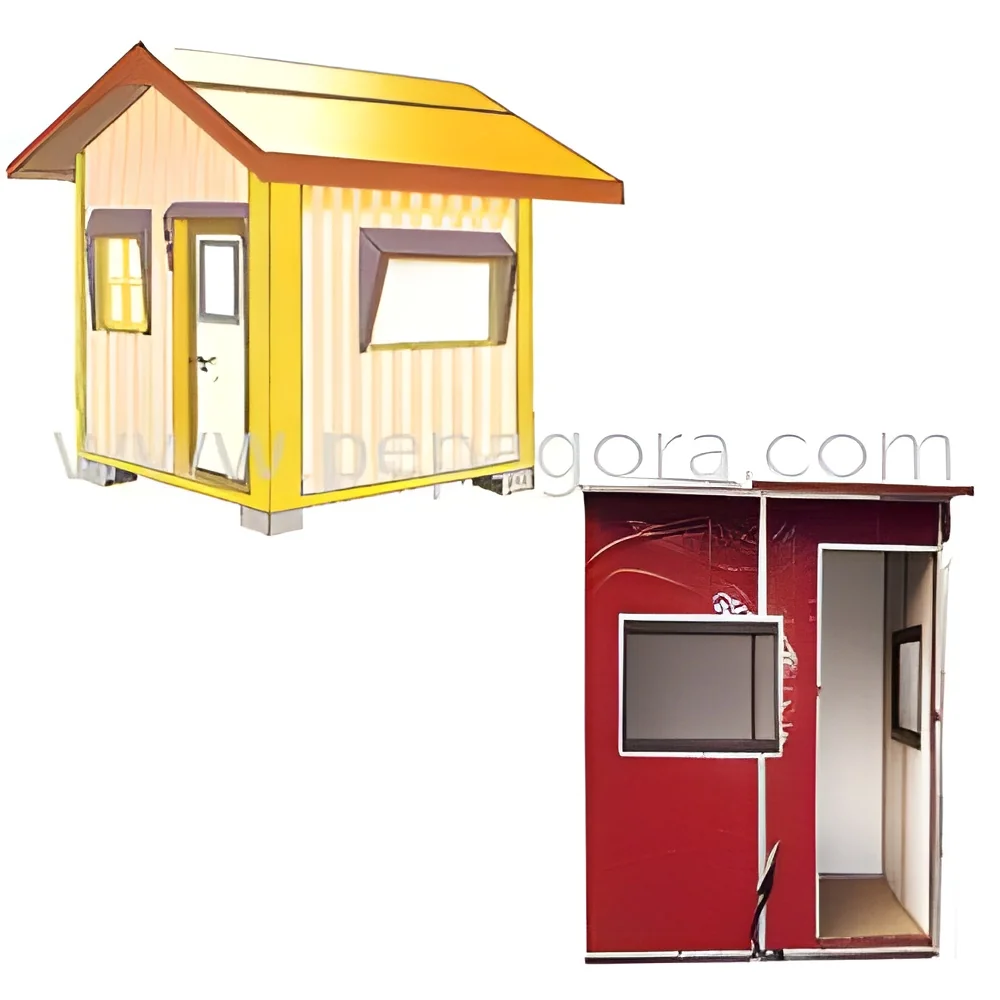
Temporary cabins and site offices come in various configurations to meet different industry needs.
Standard Cabin
This variant features a basic design with essential amenities, making it perfect for construction sites or short-term projects. It typically includes electrical connections and basic insulation.
Deluxe Cabin
The deluxe version offers enhanced comfort with additional features such as air conditioning, superior insulation, and upgraded interiors. This variant is ideal for long-term projects or remote locations where comfort is a priority.
Modular Units
These units allow for easy expansion and customization, enabling businesses to configure them based on project requirements. Modular units can be combined to create larger spaces for teams.
Mobile Units
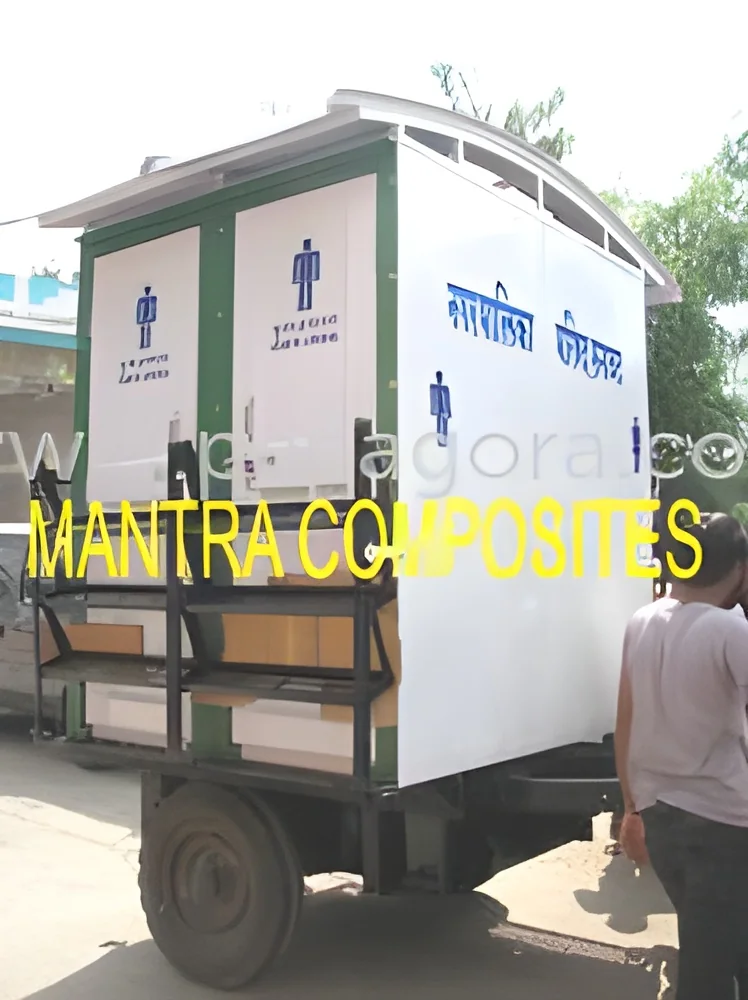
Equipped with wheels, mobile units offer the flexibility to relocate quickly. They are suitable for projects that require frequent movement or changes in location.
𝗕𝗲𝗻𝗲𝗳𝗶𝘁𝘀 𝗮𝗻𝗱 𝗔𝗱𝘃𝗮𝗻𝘁𝗮𝗴𝗲𝘀
Temporary cabins and site offices offer numerous advantages that make them a popular choice among businesses.
1. Flexibility: These structures can be easily relocated and reconfigured, allowing businesses to adapt to changing project needs.
2. Cost-Effectiveness: By eliminating the need for permanent facilities, companies can reduce overhead costs associated with long-term leases.
3. Quick Deployment: Temporary cabins can be set up rapidly, ensuring that teams can begin work without delays.
4. Customization: Many manufacturers offer customization options to ensure that cabins meet specific operational requirements.
5. Enhanced Comfort: Equipped with amenities such as climate control and adequate lighting, these cabins provide a comfortable working environment for personnel.
6. Compliance: Temporary cabins can be designed to meet industry standards and regulations, ensuring that businesses adhere to local laws.
𝗕𝘂𝘆𝗶𝗻𝗴 𝗚𝘂𝗶𝗱𝗲 𝗳𝗼𝗿 𝗕𝟮𝗕 𝗕𝘂𝘆𝗲𝗿𝘀
When sourcing temporary cabins and site offices, it's essential for B2B buyers to consider several key factors to ensure they make informed decisions.
1. Quality Assessment: Buyers should evaluate the materials and construction methods used in the cabins. High-quality materials will ensure longevity and durability in various environmental conditions.
2. Supplier Verification: Vetting suppliers is crucial. Buyers should check for certifications, customer reviews, and past projects to ensure reliability and quality.
3. Pricing and MOQ: Understanding pricing structures is vital. Buyers should inquire about minimum order quantities and any potential discounts for bulk purchases.
4. Delivery and Lead Times: It's important to confirm delivery schedules and lead times to ensure that cabins are available when needed, especially for time-sensitive projects.
5. Compliance Requirements: Buyers should familiarize themselves with local regulations and standards to ensure that the cabins meet all necessary compliance requirements.
𝗖𝗼𝗺𝗽𝗹𝗶𝗮𝗻𝗰𝗲 𝗮𝗻𝗱 𝗖𝗲𝗿𝘁𝗶𝗳𝗶𝗰𝗮𝘁𝗶𝗼𝗻𝘀
Temporary cabins and site offices must adhere to relevant quality standards and compliance regulations. One major standard is ISO 9001, which focuses on quality management systems and ensures that manufacturers maintain high-quality production processes.
Additionally, industry certifications such as CE mark indicate that the products meet European safety, health, and environmental protection standards. These certifications are essential for ensuring the reliability and safety of the cabins in use.
Safety and testing requirements also play a significant role in the compliance of temporary cabins. They must undergo rigorous testing to confirm that they can withstand environmental stresses, including wind, rain, and temperature variations.
Regional compliance considerations vary by location, and businesses must be aware of local regulations that may impact the design and usage of temporary cabins. Staying informed about these requirements helps ensure that companies remain compliant and avoid potential legal issues.
𝗪𝗵𝘆 𝗦𝗼𝘂𝗿𝗰𝗲 𝗧𝗲𝗺𝗽𝗼𝗿𝗮𝗿𝘆 𝗖𝗮𝗯𝗶𝗻𝘀 & 𝗦𝗶𝘁𝗲 𝗢𝗳𝗳𝗶𝗰𝗲𝘀 𝗳𝗿𝗼𝗺 𝗣𝗲𝗽𝗮𝗴𝗼𝗿𝗮?
Pepagora provides a trusted platform for sourcing temporary cabins and site offices, offering several key advantages that facilitate the procurement process.
Verified Supplier Network: Pepagora ensures that all suppliers are thoroughly vetted, promoting a network of reliable and reputable manufacturers. This verification process helps buyers find quality products with confidence.
Streamlined RFQ Process: The platform simplifies the request for quotation process, allowing buyers to quickly receive competitive quotes from multiple suppliers. This efficiency saves time and aids in informed decision-making.
Trade Assurance and Support: Pepagora offers trade assurance programs that protect buyers' investments. This support includes assistance with disputes, ensuring peace of mind during transactions.
Regional Coverage: With a strong presence in India, the GCC, and Southeast Asia, Pepagora provides extensive geographic coverage, making it easier for businesses in these regions to access reliable temporary cabin solutions. This broad reach enhances the platform's effectiveness for buyers looking for local suppliers.

 IN
IN