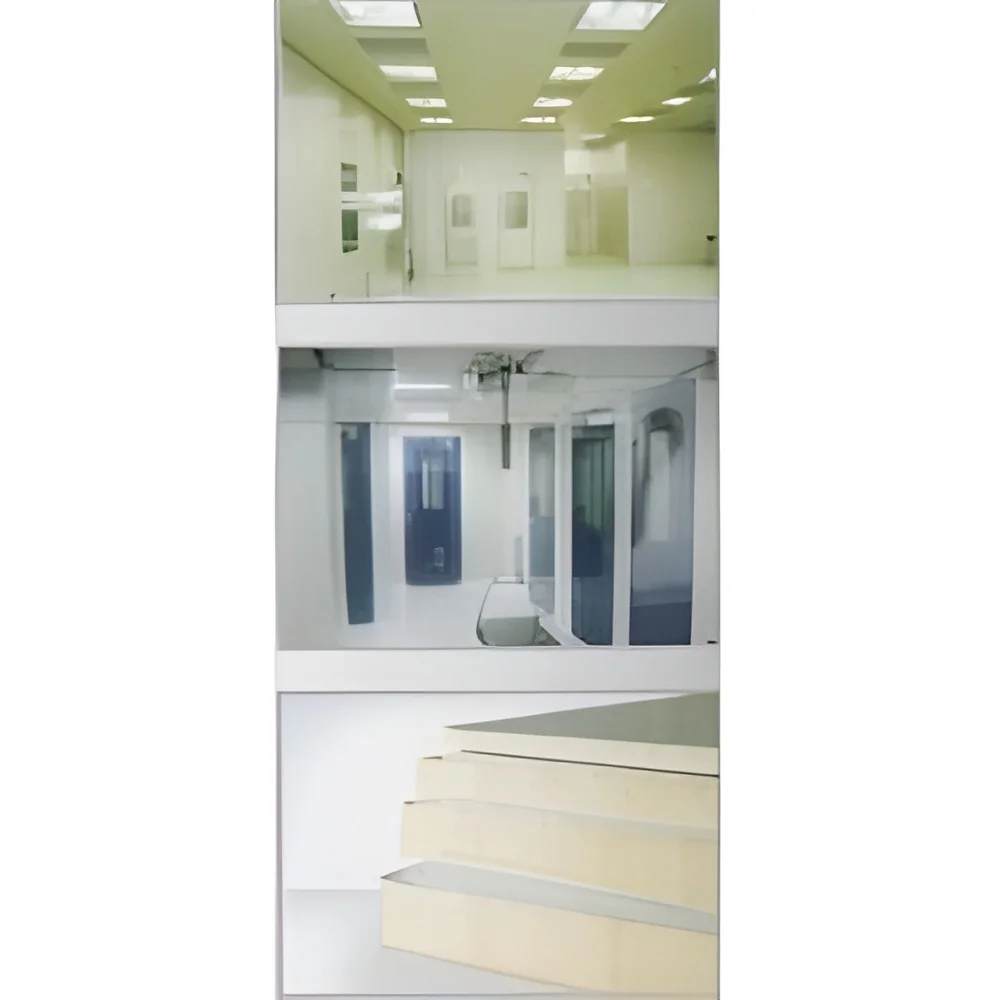
𝗪𝗵𝗮𝘁 𝗮𝗿𝗲 𝗧𝗲𝗺𝗽𝗼𝗿𝗮𝗿𝘆 𝗛𝗲𝗮𝗹𝘁𝗵 𝗖𝗮𝗯𝗶𝗻𝘀?
Temporary Health Cabins are portable structures designed to provide immediate healthcare services in various settings. These units are equipped with essential medical facilities and can be rapidly deployed in response to urgent health needs. Their modular design allows for easy transportation and setup, making them suitable for both short-term and long-term use.
These cabins are primarily used in situations where permanent healthcare facilities are unavailable or inadequate, such as during public health emergencies, natural disasters, or large-scale events. Businesses, government agencies, and healthcare organizations utilize them to ensure that medical care is accessible and efficient. As the demand for flexible healthcare solutions increases, Temporary Health Cabins are becoming an essential part of the healthcare infrastructure.
In the context of the current healthcare landscape, Temporary Health Cabins are relevant across various industries, including emergency response, public health, and event management. With the ongoing focus on preparedness for health crises, the market for these structures is expanding, presenting opportunities for innovation and investment in healthcare delivery systems.
𝗞𝗲𝘆 𝗙𝗲𝗮𝘁𝘂𝗿𝗲𝘀 𝗮𝗻𝗱 𝗦𝗽𝗲𝗰𝗶𝗳𝗶𝗰𝗮𝘁𝗶𝗼𝗻𝘀
Temporary Health Cabins come with several key features designed to enhance functionality and user comfort. These specifications ensure that the cabins are suitable for various healthcare applications.
Key specifications include:
1. Structure Design
- Made from durable, weather-resistant materials
- Modular layout for easy assembly and disassembly
2. Space Capacity
- Typically accommodates 2 to 10 patients at a time
- Customizable layouts based on specific needs
3. Power Supply
- Equipped with options for solar or grid power
- Backup generators available for uninterrupted service
4. Climate Control
- Integrated heating and cooling systems for patient comfort
- Humidity control features may be included
5. Medical Equipment
- Pre-installed basic medical equipment like beds and monitoring devices
- Space for additional equipment as per healthcare requirements
6. Connectivity
- Wi-Fi and telecommunication infrastructure for remote consultations
- Integration with electronic health records systems
7. Safety Standards
- Compliant with local health and safety regulations
- Fire safety features included in design
8. Mobility
- Lightweight construction allowing for easy transport
- Available on trailer bases for quick relocation
In summary, the key features and specifications of Temporary Health Cabins are tailored to meet the demands of immediate healthcare delivery while ensuring safety and comfort for patients and medical staff.
𝗖𝗼𝗺𝗺𝗼𝗻 𝗔𝗽𝗽𝗹𝗶𝗰𝗮𝘁𝗶𝗼𝗻𝘀 𝗮𝗻𝗱 𝗨𝘀𝗲 𝗖𝗮𝘀𝗲𝘀
Temporary Health Cabins are versatile and can be utilized in various sectors to address healthcare needs effectively.
1. Emergency Response: In the event of natural disasters, these cabins provide immediate medical assistance to affected populations, ensuring timely care during crises.
2. Public Health Initiatives: During health emergencies, such as pandemics, Temporary Health Cabins serve as vaccination centers or testing sites, helping manage patient flow and reducing pressure on existing facilities.
3. Large Events: They can be deployed at festivals, concerts, or sporting events to provide on-site medical care for attendees, ensuring safety and quick response to health incidents.
4. Remote Worksites: In industrial or construction sites, these cabins offer essential health services to workers, promoting health and safety in environments with limited access to healthcare.
5. Rural Healthcare: They can be placed in underserved areas, providing critical medical services where permanent facilities are lacking.
6. Clinical Trials: Temporary Health Cabins can be set up as mobile clinics for conducting research and trials in various locations, facilitating access to participants.
7. Military Operations: Used by military units, they provide medical support in the field, ensuring soldiers receive prompt care during operations.
𝗣𝗿𝗼𝗱𝘂𝗰𝘁 𝗩𝗮𝗿𝗶𝗮𝗻𝘁𝘀 𝗮𝗻𝗱 𝗦𝘂𝗯𝗰𝗮𝘁𝗲𝗴𝗼𝗿𝗶𝗲𝘀
Temporary Health Cabins come in various configurations to meet specific healthcare needs. Each variant serves a unique purpose and offers distinct features.
Basic Health Cabin
This variant is designed for essential healthcare services, such as first aid and minor medical treatment. It typically includes basic medical equipment and is ideal for short-term use in emergencies.
Advanced Health Cabin
Equipped with more sophisticated medical technology, this version is suitable for urgent care or outpatient services. It provides a wider range of medical equipment and can accommodate more patients.
Mobile Clinic Cabin
This variant serves as a fully functional mobile clinic, offering comprehensive healthcare services. It is ideal for outreach programs and can be equipped with diagnostic tools and telemedicine capabilities.
Specialized Care Cabin
Designed for specific medical needs, such as mental health services or rehabilitation, this cabin includes specialized equipment and a layout conducive to privacy and therapy.
𝗕𝗲𝗻𝗲𝗳𝗶𝘁𝘀 𝗮𝗻𝗱 𝗔𝗱𝘃𝗮𝗻𝘁𝗮𝗴𝗲𝘀
Temporary Health Cabins offer numerous advantages for businesses and organizations seeking immediate healthcare solutions.
1. Rapid Deployment: These cabins can be set up quickly, providing immediate medical assistance when time is critical.
2. Flexibility: Their modular design allows for customization based on specific healthcare needs, making them suitable for various applications.
3. Cost-Effectiveness: Compared to constructing permanent facilities, Temporary Health Cabins are more budget-friendly, especially in emergency situations.
4. Improved Access: They enhance healthcare availability in remote or underserved areas, ensuring that more individuals receive necessary medical attention.
5. Compliance with Standards: Many Temporary Health Cabins are designed to meet health and safety regulations, ensuring quality care.
6. Scalability: Organizations can easily increase or decrease capacity by adding or removing cabins based on demand.
𝗕𝘂𝘆𝗶𝗻𝗴 𝗚𝘂𝗶𝗱𝗲 𝗳𝗼𝗿 𝗕𝟮𝗕 𝗕𝘂𝘆𝗲𝗿𝘀
When sourcing Temporary Health Cabins, businesses should consider several critical factors to ensure they make informed purchasing decisions.
1. Quality Assessment: Evaluate the quality of materials and construction standards. Look for certifications that indicate compliance with healthcare regulations.
2. Supplier Verification: Research suppliers thoroughly. Check their reputation, experience, and customer feedback to ensure reliability.
3. Pricing and MOQ: Understand the pricing structure and minimum order quantities. Compare quotes from different suppliers to find the best value.
4. Delivery and Lead Times: Consider logistics and transportation when planning for deployment. Ensure that the supplier can meet your timeline for delivery.
5. Compliance Requirements: Familiarize yourself with local regulations regarding healthcare facilities. Ensure that the cabins comply with necessary health and safety standards.
𝗖𝗼𝗺𝗽𝗹𝗶𝗮𝗻𝗰𝗲 𝗮𝗻𝗱 𝗖𝗲𝗿𝘁𝗶𝗳𝗶𝗰𝗮𝘁𝗶𝗼𝗻𝘀
Temporary Health Cabins must adhere to various compliance standards and certifications to ensure safety and effectiveness in healthcare delivery.
Quality standards such as ISO 9001 are essential for ensuring that the manufacturing process meets international quality management requirements. Compliance with HACCP (Hazard Analysis Critical Control Point) is crucial for ensuring food safety in healthcare settings where food is provided.
Industry certifications, such as CE marking, indicate that the cabins meet European health, safety, and environmental protection standards. This is particularly important for suppliers looking to operate in European markets.
Safety and testing requirements play a significant role in the design and deployment of Temporary Health Cabins. Regular inspections and compliance checks are necessary to maintain operational safety.
Regional compliance considerations may vary, so it is essential to be aware of specific local regulations that govern healthcare facilities in different areas.
𝗪𝗵𝘆 𝗦𝗼𝘂𝗿𝗰𝗲 𝗧𝗲𝗺𝗽𝗼𝗿𝗮𝗿𝘆 𝗛𝗲𝗮𝗹𝘁𝗵 𝗖𝗮𝗯𝗶𝗻𝘀 𝗳𝗿𝗼𝗺 𝗣𝗲𝗽𝗮𝗴𝗼𝗿𝗮?
Pepagora provides a trusted platform for sourcing Temporary Health Cabins, offering several key advantages that benefit B2B buyers.
Verified Supplier Network: Pepagora connects buyers with a robust network of verified suppliers, ensuring that businesses can source high-quality products with confidence.
Streamlined RFQ Process: The platform simplifies the request for quotation process, allowing buyers to compare multiple offers easily and efficiently.
Trade Assurance and Support: Buyers benefit from trade assurance features that provide protection and support throughout the purchasing process, ensuring a secure transaction.
Regional Coverage: With a broad geographic reach that includes India, the GCC, and Southeast Asia, Pepagora enables buyers to access Temporary Health Cabins tailored to their specific regional needs.
By leveraging these advantages, businesses can make informed decisions when sourcing Temporary Health Cabins, ensuring they meet their healthcare delivery requirements effectively.

 IN
IN