
 IN
Temporary Accommodation Cabins
3 products available
What are Temporary Accommodation Cabins?
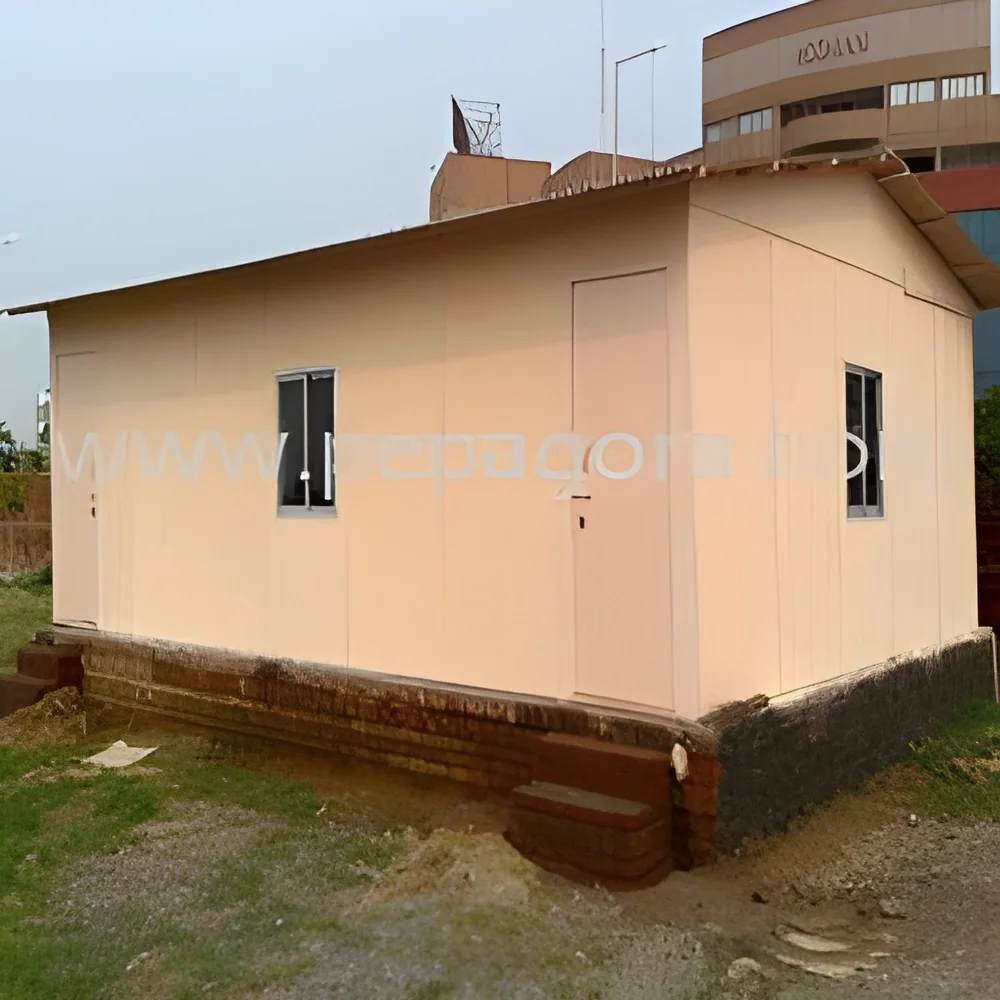
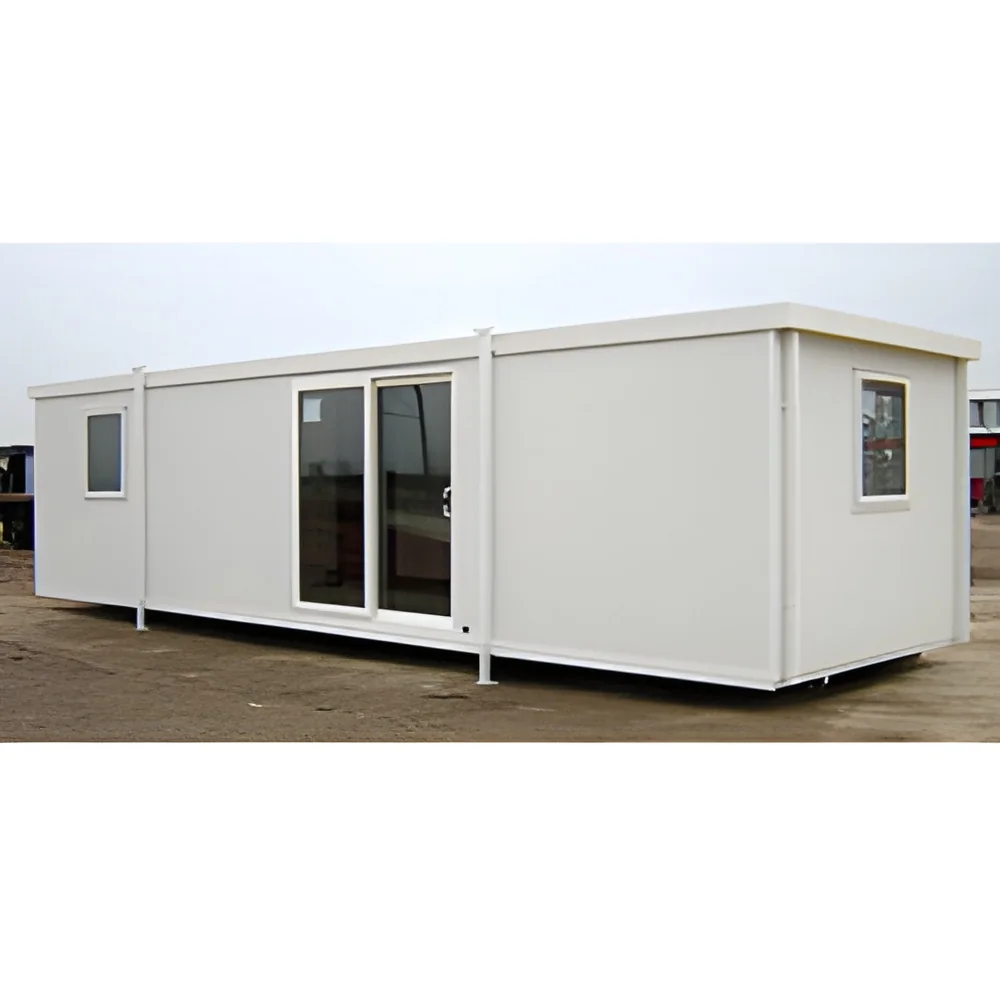
Temporary accommodation cabins are portable structures designed to provide short-term housing solutions for various industries. These cabins are typically prefabricated, enabling quick assembly and disassembly at different locations. They are built to meet essential living standards while offering a range of amenities suited for comfort and functionality.
These cabins are commonly used in sectors such as construction, oil and gas, mining, and emergency response. They serve as on-site living quarters, offices, or storage spaces, allowing companies to effectively manage workforce housing during projects. With increasing demand for flexible and cost-effective living solutions, temporary accommodation cabins have become increasingly relevant in today’s market.
The industrial landscape is evolving, with companies requiring adaptable solutions to accommodate workforce housing in remote locations. Temporary accommodation cabins meet this need by providing versatile and efficient living spaces that can be relocated as projects evolve. As industries continue to grow, the market for these cabins is expected to expand, offering new opportunities for suppliers and manufacturers.
Key Features and Specifications
Temporary accommodation cabins come with a variety of features tailored to meet the specific needs of users. They are designed for durability, comfort, and functionality, making them suitable for various applications.
Key specifications include:
1. Structural Design
- Built with robust materials for durability
- Capable of withstanding harsh weather conditions
2. Size Options
- Available in multiple dimensions to suit different requirements
- Standard sizes typically range from 20 to 40 feet in length
3. Interior Layout
- Configurable layouts for sleeping, working, and storage spaces
- Equipped with essential amenities such as bathrooms and kitchens
4. Insulation
- Designed with effective insulation to maintain comfortable temperatures
- Energy-efficient options available
5. Mobility
- Portable and lightweight for easy relocation
- Compatible with standard transportation methods
6. Safety Features
- Built to meet safety regulations for fire and electrical systems
- Includes emergency exits and safety signage
7. Customization Options
- Ability to add specific features based on user needs
- Options for branding and interior finishes
8. Compliance
- Adheres to relevant industry standards and regulations
- Certification options available for quality assurance
These specifications ensure that temporary accommodation cabins provide functional and comfortable living solutions across various industries.
Common Applications and Use Cases
Temporary accommodation cabins are utilized across multiple industries for diverse applications.
1. Construction: These cabins serve as on-site housing for workers, providing a comfortable and convenient living space during projects.
2. Oil and Gas: In remote locations, temporary accommodation cabins offer essential housing for crew members, ensuring they have access to necessary facilities.
3. Mining: Cabins are used to house workers at mining sites, where traditional housing may not be available, helping to maintain productivity.
4. Disaster Relief: During emergencies, these cabins provide immediate shelter for displaced individuals, ensuring safety and comfort.
5. Events and Festivals: Temporary accommodation cabins can serve as hospitality solutions for large gatherings, providing lodging for attendees.
6. Military Deployments: Used by armed forces for troop housing in remote or temporary bases, offering essential facilities.
7. Research Expeditions: In remote locations, cabins provide accommodation for researchers, ensuring they have a base for their work.
These applications highlight the versatility and importance of temporary accommodation cabins in supporting various industries and needs.
Product Variants and Subcategories
Temporary accommodation cabins come in different variants to cater to specific user requirements.
Standard Cabin
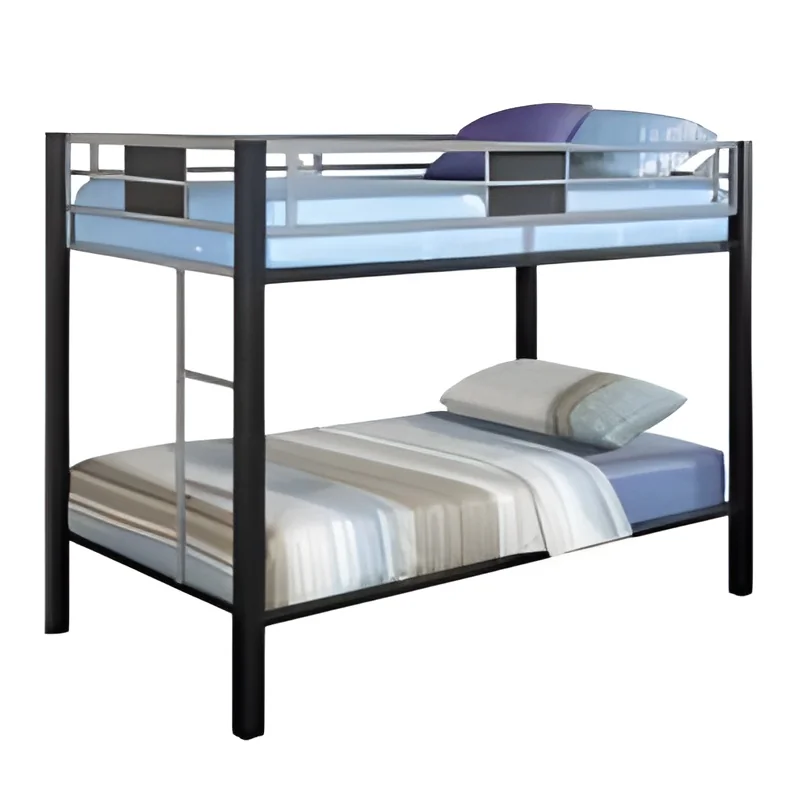
This variant is versatile and commonly used in construction and industrial applications. It includes basic amenities such as bedding, a small kitchen area, and bathroom facilities, making it suitable for extended stays.
Deluxe Cabin
The deluxe option offers enhanced features such as upgraded furnishings, superior insulation, and additional space. Ideal for long-term projects or executive accommodations, these cabins provide a higher level of comfort.
Office Cabin
Designed specifically for use as mobile office spaces, these cabins include workstations, internet connectivity, and meeting areas. They are essential for maintaining productivity in remote job sites.
Benefits and Advantages
Temporary accommodation cabins offer several benefits that make them attractive to businesses.
1. Cost-Effective: These cabins provide affordable housing solutions compared to traditional buildings, reducing overhead costs for companies.
2. Flexibility: The portable nature of these cabins allows businesses to relocate them as needed, adapting to changing project requirements.
3. Quick Setup: Prefabricated designs enable rapid installation, allowing companies to establish housing solutions in a short time.
4. Customization: Businesses can tailor cabins to their specific needs, ensuring that they meet the requirements of their workforce.
5. Enhanced Safety: Designed with safety features and compliance standards, these cabins provide secure living environments.
6. Improved Worker Satisfaction: Comfortable living conditions contribute to higher satisfaction and productivity levels among workers.
Buying Guide for B2B Buyers
When sourcing temporary accommodation cabins, it is essential to consider several factors to ensure you make an informed purchase.
1. Quality Assessment: Evaluate the construction quality and materials used in the cabins. Look for industry certifications that validate the product's durability and safety.
2. Supplier Verification: Research potential suppliers thoroughly. Check their reputation, customer reviews, and previous project experience to ensure reliability.
3. Pricing and MOQ: Understand the pricing structure, including any additional costs for customization. Be aware of the minimum order quantity required for bulk purchases.
4. Delivery and Lead Times: Discuss logistics with suppliers to determine delivery schedules and lead times. Ensure that these align with your project timelines.
5. Compliance Requirements: Verify that the cabins meet regional compliance standards and regulations. This is crucial for ensuring safety and legality in their use.
Compliance and Certifications
Temporary accommodation cabins must adhere to various compliance and certification standards to ensure quality and safety.
Relevant quality standards include ISO 9001, which emphasizes quality management systems, ensuring that manufacturers maintain high production standards. Compliance with HACCP and GDP may also be necessary for cabins used in sensitive environments, ensuring sanitary conditions.
Industry certifications, such as CE marking, indicate that the cabins meet European safety and environmental requirements. This certification helps assure buyers of the product's quality.
Safety testing is crucial for assessing the structural integrity and fire safety of cabins. Regular inspections and maintenance checks can ensure ongoing compliance with safety standards.
Regional compliance considerations are also important. Different regions may have specific regulations regarding temporary structures, so it is essential to consult local guidelines to avoid legal issues.
Why Source Temporary Accommodation Cabins from Pepagora?
Pepagora provides a trusted platform for sourcing temporary accommodation cabins, offering several key advantages for businesses.
Verified Supplier Network: Pepagora connects buyers with a network of verified suppliers, ensuring that you can find reputable manufacturers who meet your needs.
Streamlined RFQ Process: The platform simplifies the request for quotation process, making it easy to compare prices and specifications from multiple suppliers quickly.
Trade Assurance and Support: Buyers benefit from trade assurance programs that protect their investments. Pepagora's support team is also available to assist throughout the buying process.
Regional Coverage: With a strong presence in India, the GCC, and Southeast Asia, Pepagora offers access to a wide range of suppliers and products, ensuring that you can find the right temporary accommodation cabins for your specific requirements.

Frequently Asked Questions
What are Temporary Accommodation Cabins?
Temporary Accommodation Cabins are portable units designed to provide short-term living spaces for workers, project teams, or event attendees. They are often used in construction sites, remote locations, and temporary housing situations, offering essential amenities for comfortable living.
What are the different types of Temporary Accommodation Cabins?
There are several types of Temporary Accommodation Cabins, including single-unit cabins, multi-unit complexes, and modular cabins. Each type varies in size, layout, and amenities to suit different needs and preferences.
How do I choose the right Temporary Accommodation Cabins?
To choose the right Temporary Accommodation Cabins, consider factors such as the number of occupants, duration of stay, and required amenities. Additionally, assess the cabin's durability, insulation, and compliance with local regulations to ensure it meets your specific needs.
What are the standard specifications for Temporary Accommodation Cabins?
Standard specifications for Temporary Accommodation Cabins typically include dimensions, insulation ratings, electrical wiring, plumbing, and safety features. It is crucial to verify that these specifications align with your project's requirements and local building codes.
What is the price range for Temporary Accommodation Cabins?
The price range for Temporary Accommodation Cabins can vary significantly based on size, materials, and features. Generally, prices can start from a few thousand rupees for basic units and go up to several lakhs for fully-equipped cabins with advanced amenities.
What quality standards apply to Temporary Accommodation Cabins?
Quality standards for Temporary Accommodation Cabins often include compliance with safety regulations, building codes, and environmental guidelines. Manufacturers may also adhere to industry certifications to ensure product durability and functionality.
Where can I find Temporary Accommodation Cabins suppliers in India?
You can find Temporary Accommodation Cabins suppliers in India through online B2B marketplaces, industry trade shows, and local directories. Websites like Pepagora.com provide a platform to connect with verified suppliers and manufacturers.
Can Temporary Accommodation Cabins be customized?
Yes, Temporary Accommodation Cabins can often be customized to meet specific requirements, including size, layout, and interior finishes. Customization options may vary by supplier, so it's advisable to discuss your needs directly with them.
What is the typical minimum order quantity for Temporary Accommodation Cabins?
The typical minimum order quantity (MOQ) for Temporary Accommodation Cabins varies by manufacturer and the specifics of the order. Generally, MOQs can range from one unit for smaller suppliers to several units for larger manufacturers.
What is the typical lead time for Temporary Accommodation Cabins?
The typical lead time for Temporary Accommodation Cabins can vary based on the supplier and complexity of the order. Generally, it may take anywhere from a few weeks to several months for delivery, depending on customization and manufacturing capacity.
Why Businesses Trust Pepagora
Thousands of companies trust Pepagora to source smarter and sell faster
Expand Your Sales Globally

Source Smarter,Grow Faster
