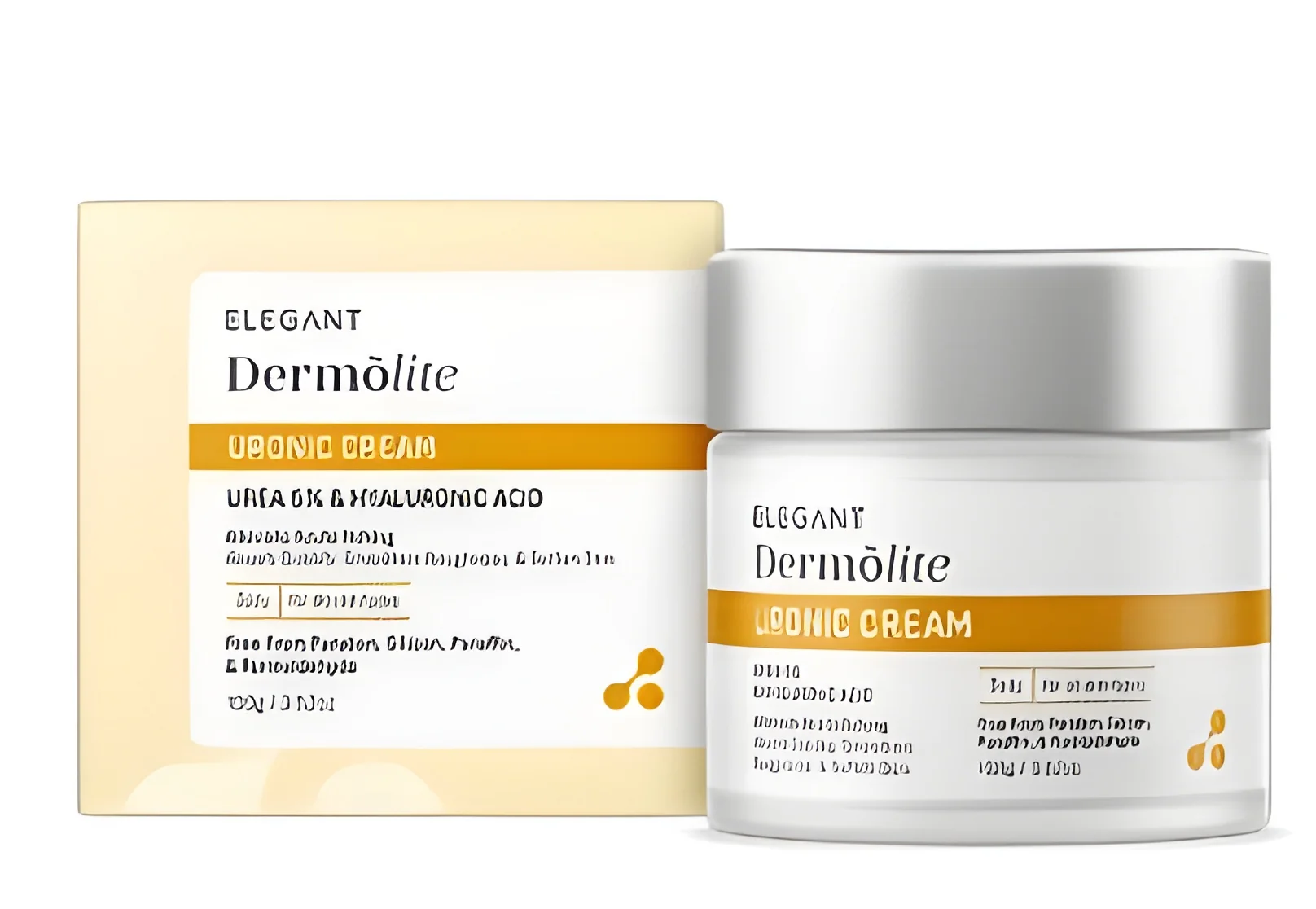
What are Stretch Mark Creams?
Stretch mark creams are specialized topical formulations designed to minimize the appearance of stretch marks on the skin. Stretch marks, also known as striae, occur when the skin undergoes rapid stretching due to factors such as pregnancy, weight gain, or puberty. These creams often contain a blend of moisturizing agents, vitamins, and other active ingredients that aim to improve skin elasticity and hydration.
The primary use of stretch mark creams is in skincare, particularly for individuals seeking to reduce the visibility of stretch marks. Businesses in the beauty and wellness industry utilize these creams as part of their product offerings, catering to consumers who are looking for effective solutions for skin concerns. The market for stretch mark creams has expanded significantly, reflecting a growing awareness of skin health and aesthetics among consumers.
With an increasing demand for effective skincare solutions, stretch mark creams hold significant relevance in the beauty and personal care market. The rise of e-commerce has also facilitated access to a wider range of products, enabling consumers to explore various options. As a result, businesses are positioned to capitalize on a growing trend that emphasizes self-care and skin health.
Key Features and Specifications
Stretch mark creams come with various features that enhance their effectiveness and appeal. These features often vary based on formulation, target audience, and intended application.
Key specifications include:
1. Active Ingredients
- Common ingredients include hyaluronic acid, collagen, shea butter, and natural oils.
- Each ingredient serves a specific purpose, such as improving skin elasticity or providing hydration.
2. Skin Compatibility
- Formulated for various skin types, including sensitive skin.
- Dermatologically tested to ensure safety and efficacy.
3. Texture and Absorption
- Creams may have lightweight or thick formulations.
- Quick absorption rates are preferred for ease of application.
4. Packaging Options
- Available in tubes, pumps, or jars.
- Packaging should ensure product stability and ease of use.
5. Shelf Life
- Typically ranges from 12 to 24 months, depending on formulation.
- Proper storage conditions can extend shelf life.
6. Fragrance
- May be unscented or have added fragrances for a pleasant application experience.
- Sensitive skin formulations often opt for minimal or no fragrance.
7. Cruelty-Free Certification
- Many brands seek cruelty-free certification to appeal to ethical consumers.
- Indicates that products were not tested on animals.
In summary, understanding the key features and specifications of stretch mark creams is essential for businesses seeking to offer effective and appealing products in the skincare market.
Common Applications and Use Cases
Stretch mark creams find applications across various industries due to their relevance to skin health and aesthetics.
1. Beauty and Personal Care: These creams are widely used in salons and spas, offering treatments focused on skin rejuvenation and care.
2. Maternity and Parenting: Many brands target expectant mothers, promoting creams that help prevent or reduce stretch marks during pregnancy.
3. Fitness and Wellness: Companies in this sector promote stretch mark creams to individuals experiencing rapid body changes from weight training or weight loss.
4. Dermatology: Health professionals may recommend these creams as part of a comprehensive skincare regimen for patients with stretch marks.
5. Retail and E-commerce: Online platforms offer a variety of stretch mark creams, allowing consumers to choose products that fit their needs.
6. Pharmaceuticals: Some formulations may be backed by clinical studies, appealing to consumers looking for scientifically validated options.
7. Spa and Wellness Retreats: These establishments often include stretch mark creams in their treatment offerings, enhancing the overall experience for clients.
Product Variants and Subcategories
Stretch mark creams are available in various formulations designed to meet specific consumer needs.
Hydrating Stretch Mark Cream
This variant focuses on deep hydration to improve skin elasticity. Often enriched with natural oils and vitamins, it is ideal for users seeking maximum moisture retention.
Firming Stretch Mark Cream
Designed to promote skin firmness, this variant includes ingredients that enhance collagen production. It is suitable for those looking to improve the overall texture and tone of their skin.
Preventative Stretch Mark Cream
Targeted towards expectant mothers, this cream is formulated to prevent the formation of stretch marks during pregnancy. It often contains safe, gentle ingredients that nourish the skin.
Repairing Stretch Mark Cream
This cream is targeted at reducing the appearance of existing stretch marks. It typically contains more active ingredients aimed at skin renewal and repair.
Benefits and Advantages
Stretch mark creams offer numerous benefits that can significantly enhance their appeal to consumers.
Key benefits include:
1. Improved Skin Elasticity: Regular use can help increase skin's elasticity, reducing the likelihood of new stretch marks.
2. Hydration and Nourishment: These creams provide essential moisture, helping to keep skin soft and supple.
3. Enhanced Appearance: Many formulations aim to visibly reduce the appearance of existing stretch marks, promoting a smoother skin texture.
4. Targeted Solutions: Different creams cater to specific needs, such as prevention during pregnancy or treatment for existing marks.
5. Easy Application: Most stretch mark creams are designed for simple and convenient application, fitting easily into daily skincare routines.
6. Dermatologically Tested: Many products undergo testing for safety and efficacy, providing reassurance to consumers.
Buying Guide for B2B Buyers
When sourcing stretch mark creams for business purposes, several factors should be considered to ensure quality and suitability for the market.
1. Quality Assessment: Evaluate formulations for effectiveness and safety. Look for products that are dermatologically tested and contain reputable active ingredients.
2. Supplier Verification: Conduct thorough background checks on suppliers. Verify that they comply with industry standards and have positive reviews from other businesses.
3. Pricing and MOQ: Consider the cost of products and minimum order quantities. Ensure that pricing aligns with expected profit margins and market demand.
4. Delivery and Lead Times: Assess logistics capabilities. Ensure that suppliers can meet delivery deadlines to avoid disruptions in inventory.
5. Compliance Requirements: Review relevant regulatory standards that apply to stretch mark creams. Ensure that products comply with regional and national regulations to avoid legal issues.
Compliance and Certifications
Stretch mark creams are subject to various compliance and certification standards to ensure product safety and efficacy.
Quality standards such as ISO 9001 focus on maintaining high-quality processes in manufacturing. These standards help ensure that products are consistently produced to meet customer expectations.
HACCP (Hazard Analysis Critical Control Point) certification is relevant in the cosmetics industry, emphasizing the need for safe production practices. This certification helps mitigate risks associated with product contamination.
Industry certifications such as CE mark indicate that the product meets European safety and health standards, providing reassurance to consumers and businesses alike.
Safety and testing requirements often encompass dermatological evaluations and stability testing to ensure products are safe for consumer use.
Regional compliance considerations may vary, so businesses should be aware of the specific regulations in their target markets, ensuring that their products meet all necessary guidelines.
Why Source Stretch Mark Creams from Pepagora?
Pepagora provides an ideal platform for businesses seeking to source stretch mark creams through a reliable and efficient process.
Verified Supplier Network: Pepagora offers access to a network of verified suppliers, ensuring that businesses can source high-quality products from trusted manufacturers. This network helps reduce the risks associated with supplier selection.
Streamlined RFQ Process: The Request for Quotation (RFQ) system simplifies the sourcing process. Businesses can easily compare quotes from multiple suppliers, helping them make informed purchasing decisions.
Trade Assurance and Support: Pepagora offers trade assurance, providing protection for buyers throughout the sourcing process. This support fosters confidence in transactions and helps ensure satisfaction with purchased products.
Regional Coverage: Pepagora has a broad geographic reach, encompassing markets in India, the GCC, and Southeast Asia. This regional coverage allows businesses to tap into diverse markets and reach a wider customer base.

 IN
IN

 India
India