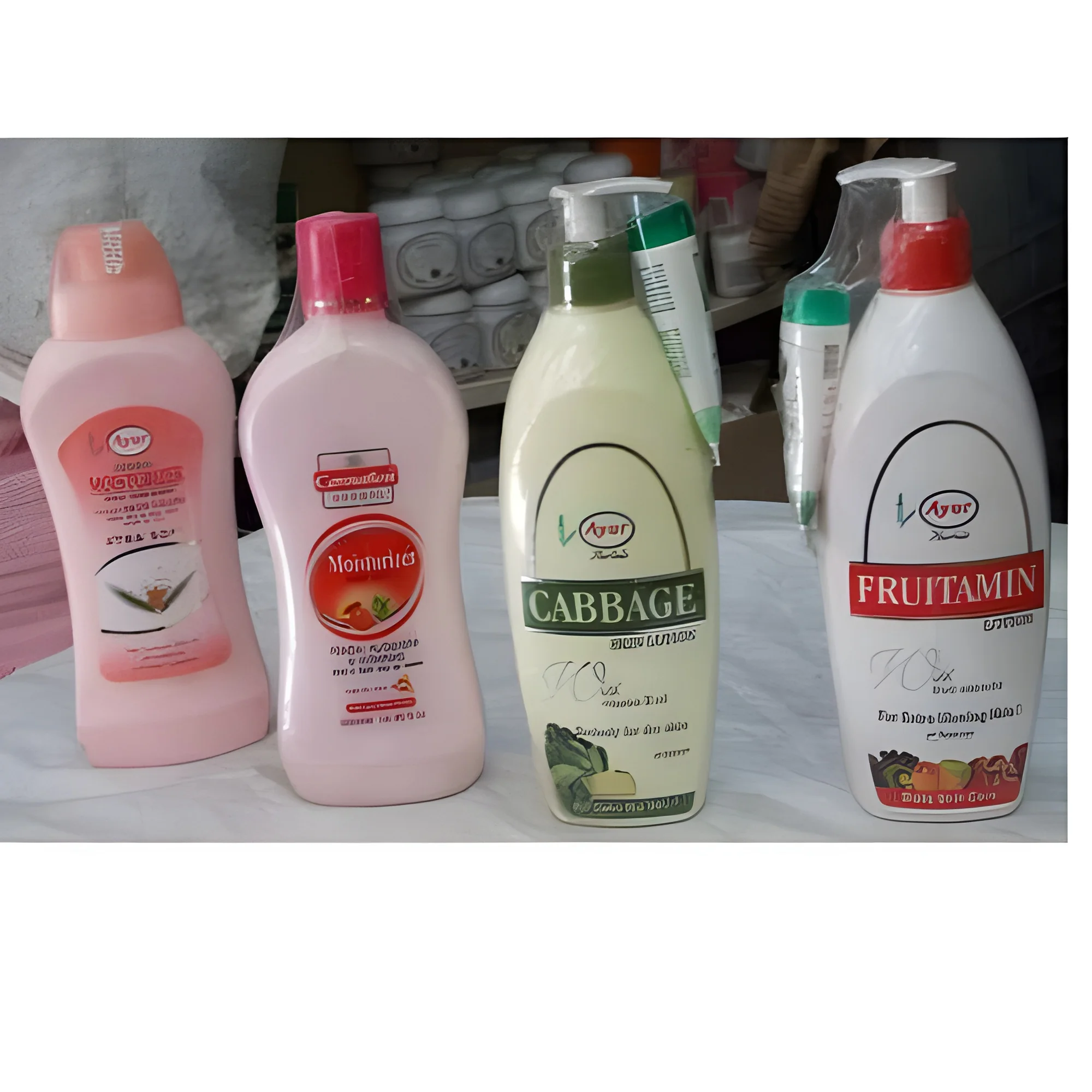
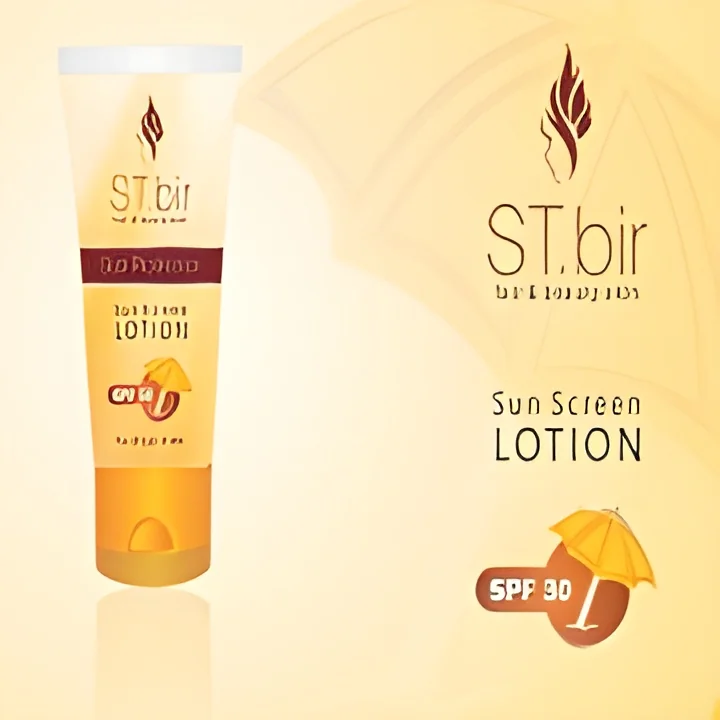
What are Body Lotions & Creams?
Body lotions and creams are topical formulations designed to hydrate and protect the skin. They typically consist of a blend of water, oils, emulsifiers, and active ingredients that work together to nourish and moisturize. Body lotions are generally lighter in texture, making them suitable for everyday use, while creams are thicker and provide more intensive hydration.
These products serve a variety of purposes in both personal and commercial settings. In the consumer market, they are used for improving skin moisture levels, soothing dryness, and enhancing skin appearance. In the B2B context, body lotions and creams are utilized in various industries, including cosmetics, healthcare, and hospitality. Businesses may use these products in spas, salons, and hotels to provide skin care solutions to their customers.
The market for body lotions and creams continues to grow, driven by increasing awareness of skincare benefits and a rising demand for personal care products. With an emphasis on quality and efficacy, manufacturers are focusing on innovative formulations that cater to diverse skin types and preferences, making them relevant across different sectors.
Key Features and Specifications
Body lotions and creams come with several key features that make them appealing in the marketplace. Understanding these specifications can help buyers make informed decisions tailored to their needs.
Key specifications include:
1. Consistency
- Body lotions are typically lightweight and fluid, while creams have a thicker, richer consistency.
- This differentiation affects absorption rates and hydration levels.
2. Active Ingredients
- Common ingredients include glycerin, shea butter, and aloe vera, which provide moisture and nourishment.
- Formulations may vary based on intended skin types or concerns.
3. Fragrance Options
- Many products offer a variety of scents, from unscented to floral or herbal.
- Fragrance can enhance user experience but may also cause sensitivity in some individuals.
4. Packaging Options
- Products are available in various packaging types, including tubes, jars, and pumps.
- Packaging can influence product stability and ease of use.
5. Shelf Life
- Typical shelf life ranges from 12 to 36 months, depending on formulation and ingredients.
- Proper storage conditions are essential for maintaining product efficacy.
6. Dermatological Testing
- Many brands conduct dermatological tests to ensure safety for sensitive skin.
- Claims of hypoallergenic or non-comedogenic status may accompany testing.
7. Sustainability
- Increasingly, manufacturers are focusing on eco-friendly packaging and formulations.
- Biodegradable materials and sustainable sourcing are becoming industry standards.
In summary, understanding these specifications allows B2B buyers to select body lotions and creams that align with their brand values and customer needs.
Common Applications and Use Cases
Body lotions and creams find application across several industries, each with unique requirements.
1. Cosmetics Industry: These products are essential for beauty brands, used in daily skincare routines or as part of spa treatments.
2. Healthcare Sector: Hospitals and clinics utilize moisturizing lotions for patients, especially those with dry skin conditions or after medical procedures.
3. Hospitality Industry: Hotels and resorts often provide body lotions in guest rooms as part of their luxury amenities, enhancing the overall customer experience.
4. Fitness and Wellness: Gyms and wellness centers may offer moisturizing products to clients post-workout to help restore skin hydration.
5. Retail: Cosmetic retailers stock a variety of body lotions and creams to cater to diverse consumer preferences, promoting skin health and beauty.
6. Personal Care Services: Salons and spas use these products for massages and treatments, leveraging their benefits to attract clients.
7. E-commerce: Online platforms provide a broad range of body lotions and creams, making it easier for consumers and businesses to access these products.
Product Variants and Subcategories
Body lotions and creams come in various formulations to meet different consumer needs.
Hydrating Body Lotion: This variant is designed for everyday use, providing light moisture for normal skin. Its fast-absorbing formula makes it suitable for all-day hydration without a greasy feel.
Intensive Repair Cream: Ideal for extremely dry or damaged skin, this cream offers deep nourishment and is often enriched with therapeutic ingredients like ceramides. It is commonly used in clinical settings for patients with compromised skin barriers.
Fragrance-Free Lotion: This variant caters to sensitive skin types, free from artificial fragrances and dyes. It is particularly popular in healthcare and among consumers with allergies.
Natural and Organic Cream: Made with plant-based ingredients, this option appeals to eco-conscious consumers seeking clean beauty products. It is typically free from synthetic chemicals and preservatives.
Benefits and Advantages
Choosing the right body lotions and creams can provide numerous advantages for both consumers and businesses.
1. Skin Hydration: These products are formulated to deliver moisture, helping to maintain skin elasticity and prevent dryness.
2. Skin Protection: Many lotions and creams create a barrier against environmental stressors, protecting skin from pollutants and irritants.
3. Enhanced Skin Appearance: Regular use can improve skin texture and tone, contributing to a healthier, more youthful look.
4. Versatility: Body lotions and creams can be formulated for various skin types and conditions, making them suitable for a wide range of applications.
5. Convenience: Available in different packaging formats, these products are easy to use and can be incorporated into daily routines effortlessly.
6. Customization Potential: Many suppliers offer the option to customize formulations, allowing businesses to create unique products that align with their brand identity.
Buying Guide for B2B Buyers
When sourcing body lotions and creams, B2B buyers should consider several important factors to ensure they make the best purchasing decisions.
1. Quality Assessment: Evaluate products based on ingredient quality, formulation stability, and effectiveness. Look for samples and customer reviews to gauge consumer satisfaction.
2. Supplier Verification: Conduct thorough checks on potential suppliers, including their manufacturing practices and reputation in the industry. Certifications and quality assurances can provide additional confidence.
3. Pricing and MOQ: Understand the pricing structures and minimum order quantities (MOQ) set by suppliers. Compare prices across different suppliers to find competitive options while ensuring quality is not compromised.
4. Delivery and Lead Times: Discuss logistics and expected delivery times with suppliers. Timely delivery is crucial to maintaining inventory levels and meeting customer demand.
5. Compliance Requirements: Ensure that products meet relevant regulatory standards and safety requirements in your region. This includes checking for certifications such as CE and adherence to quality management systems.
Compliance and Certifications
Body lotions and creams must adhere to various quality standards and safety regulations to ensure consumer safety and product efficacy.
Relevant quality standards such as ISO 9001 focus on maintaining consistent quality management systems in manufacturing processes. This certification demonstrates a commitment to quality and customer satisfaction.
Additionally, certifications like CE signify that products meet European Union safety, health, and environmental protection standards, which can be essential for businesses operating in or exporting to Europe.
Safety and testing requirements are paramount, particularly for products used in sensitive sectors like healthcare. Rigorous testing ensures that products are free from harmful substances and suitable for all skin types.
Regional compliance considerations vary, and B2B buyers must be aware of specific regulations in their target markets, including ingredient restrictions and labeling requirements.
Why Source Body Lotions & Creams from Pepagora?
Pepagora is an established platform for sourcing body lotions and creams, offering several key advantages for B2B buyers.
Verified Supplier Network: Pepagora connects buyers with a network of verified suppliers, providing assurance of quality and reliability. All suppliers undergo stringent vetting processes, ensuring they meet high standards.
Streamlined RFQ Process: The platform facilitates an efficient request for quotation (RFQ) process, allowing buyers to obtain competitive pricing and supplier offerings quickly. This saves time and effort in procurement.
Trade Assurance and Support: Pepagora offers trade assurance, protecting buyers from potential risks associated with transactions. Dedicated support teams are available to assist buyers at every step of the process.
Regional Coverage: With a strong presence in India, the GCC, and Southeast Asia, Pepagora provides extensive geographic coverage, making it easier for businesses to source quality products from reliable suppliers around the region.
This combination of features makes Pepagora an ideal choice for businesses looking to source body lotions and creams efficiently and effectively.

 IN
IN