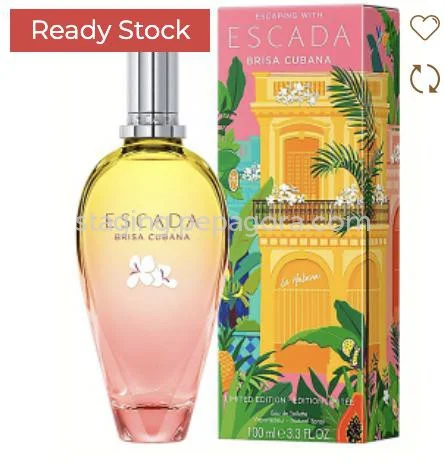
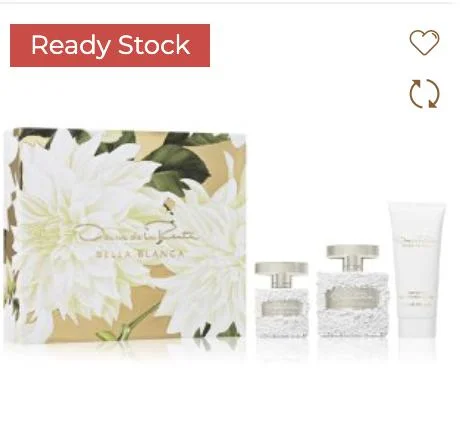
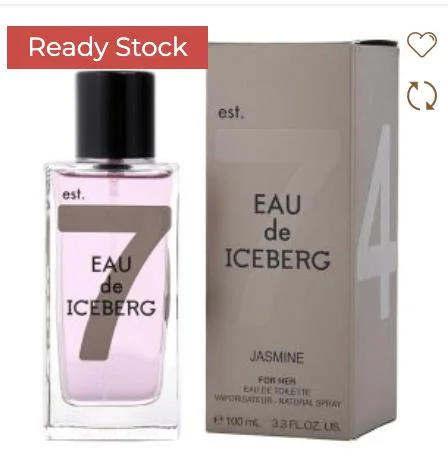
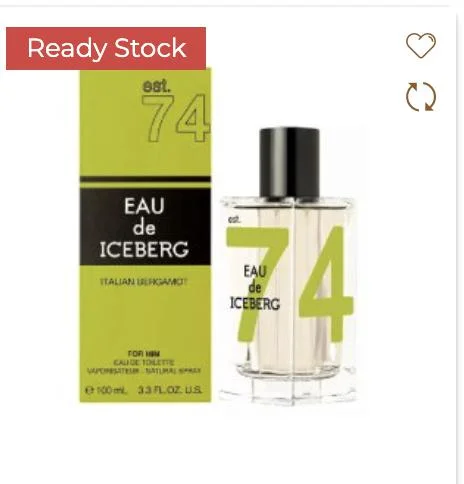
What are Perfumes & Eau de Toilette?
Perfumes and Eau de Toilette are aromatic compositions used primarily for personal fragrance. Perfumes typically contain a higher concentration of fragrance oils, usually ranging from 20% to 30%, which allows for a longer-lasting scent. Eau de Toilette, on the other hand, contains a lower concentration of fragrance oils, usually between 5% and 15%, making it lighter and often suitable for daily wear. Both products come in various scents and formulations, appealing to a wide range of preferences and occasions.
These products are widely utilized in numerous business applications, from retail to hospitality. Businesses often use perfumes and Eau de Toilette to enhance customer experience, promote brand identity, and offer personalized gifting options. In the fragrance industry, these products are essential for generating revenue and building customer loyalty. The market for perfumes and Eau de Toilette continues to grow, driven by changing consumer preferences and the desire for unique, high-quality fragrances.
Key Features and Specifications
Perfumes and Eau de Toilette come with a variety of features that cater to different consumer needs. Understanding these specifications is crucial for businesses looking to source these products effectively.
Key specifications include:
1. Fragrance Concentration
- Perfumes: 20% to 30% fragrance oil
- Eau de Toilette: 5% to 15% fragrance oil
2. Scent Longevity
- Perfumes: Lasts 6 to 8 hours or more
- Eau de Toilette: Lasts 3 to 5 hours
3. Packaging Options
- Available in various sizes, typically ranging from 30ml to 100ml
- Common packaging types include spray bottles, roll-ons, and solid perfumes
4. Ingredient Sourcing
- Natural and synthetic options available
- Preference for sustainably sourced materials
5. Customization Options
- Ability to create bespoke fragrances for brands
- Options for private labeling and unique packaging designs
6. Market Trends
- Growing demand for niche and artisanal fragrances
- Increased focus on sustainable and eco-friendly products
In summary, understanding these features and specifications can help businesses make informed decisions when sourcing perfumes and Eau de Toilette.
Common Applications and Use Cases
Perfumes and Eau de Toilette serve various industries, each with specific applications.
1. Retail: Many retail outlets offer perfumes as part of their beauty and personal care product lines. They often create promotional events around new fragrance launches.
2. Hospitality: Hotels and spas frequently use these products to enhance the guest experience through unique scent branding, creating a memorable atmosphere.
3. Gifting: Many businesses use perfumes and Eau de Toilette as corporate gifts, offering them to clients and employees during special occasions to foster goodwill.
4. Event Planning: Wedding and event planners often include customized fragrances in their packages, providing a unique sensory experience for guests.
5. Fashion Industry: Designers often collaborate with fragrance houses to launch signature scents, enhancing their brand identity.
6. Online Retail: E-commerce platforms increasingly offer perfumes and Eau de Toilette, allowing customers to explore a wide variety of brands and scents from the comfort of their homes.
Product Variants and Subcategories
Perfumes and Eau de Toilette exhibit a wide range of diversity to cater to different consumer preferences.
Floral Fragrances
These scents are characterized by their prominent floral notes and appeal to those who prefer a soft, romantic aroma. They are commonly used in women's perfumes and are popular for special occasions.
Citrus Fragrances
Known for their fresh and zesty appeal, citrus fragrances are ideal for casual wear. They are often favored in the warmer months and are popular among younger consumers.
Woody Fragrances
These scents feature earthy and robust notes, often appealing to those who prefer a more sophisticated and mature aroma. They are commonly found in men's fragrances.
Oriental Fragrances
These fragrances combine spices, resins, and exotic notes, creating a warm and sensual scent. They are often favored for evening wear and special events.
Benefits and Advantages
Perfumes and Eau de Toilette offer several advantages for both consumers and businesses.
1. Enhanced Brand Identity: A signature scent can help businesses stand out, creating a memorable experience for customers.
2. Emotional Connection: Fragrances often evoke emotions and memories, making them powerful tools for marketing and customer engagement.
3. Versatility: With various concentrations and scent profiles, perfumes and Eau de Toilette can cater to different occasions and personal preferences.
4. Customization Opportunities: Businesses can create bespoke fragrances that resonate with their target audience, fostering loyalty and repeat purchases.
5. Gift Potential: These products are excellent for gifting, making them popular choices for corporate events and personal occasions, enhancing customer relationships.
Buying Guide for B2B Buyers
When sourcing Perfumes and Eau de Toilette, there are several key factors to consider for effective procurement.
1. Quality Assessment: It is essential to evaluate the quality of fragrances by checking ingredient transparency and sourcing practices. Look for reputable brands known for high-quality offerings.
2. Supplier Verification: Vetting suppliers is crucial to ensure reliability and product integrity. Consider checking references, certifications, and customer reviews to assess their credibility.
3. Pricing and MOQ: Understand the pricing models and minimum order quantities required by suppliers. This information will help in budgeting and inventory planning.
4. Delivery and Lead Times: Consider logistics and delivery timelines when selecting suppliers. Ensure that they can meet your scheduling needs for timely replenishment.
5. Compliance Requirements: Be aware of any regulatory compliance needed for fragrances, including safety regulations and labeling requirements specific to your region.
Compliance and Certifications
Compliance and certifications are critical in the perfume and fragrance industry, ensuring product safety and quality.
Relevant quality standards such as ISO 9001 help maintain consistent quality across production processes. These standards ensure that manufacturers follow systematic quality management practices.
Industry certifications like CE indicate that products meet European health, safety, and environmental protection standards. This certification is necessary for products sold in the European market.
Safety and testing requirements must also be adhered to, ensuring that fragrances do not contain harmful substances and are safe for consumer use. This includes evaluating allergens and following proper labeling guidelines.
Regional compliance considerations vary by market. It is important for companies to stay informed about local regulations to ensure that their products meet all necessary legal requirements.
Why Source Perfumes & Eau de Toilette from Pepagora?
Pepagora offers a trusted platform for sourcing Perfumes and Eau de Toilette, providing several key advantages for B2B buyers.
Verified Supplier Network: Pepagora connects buyers with a network of verified suppliers, ensuring that businesses can source high-quality products with confidence.
Streamlined RFQ Process: The request for quotation system simplifies the procurement process, allowing businesses to receive competitive pricing and terms efficiently.
Trade Assurance and Support: Pepagora offers buyer protection measures, ensuring that transactions are secure and disputes are handled effectively.
Regional Coverage: With a strong presence in India, the GCC, and Southeast Asia, Pepagora provides access to a diverse range of suppliers, catering to different market needs and preferences.

 IN
IN