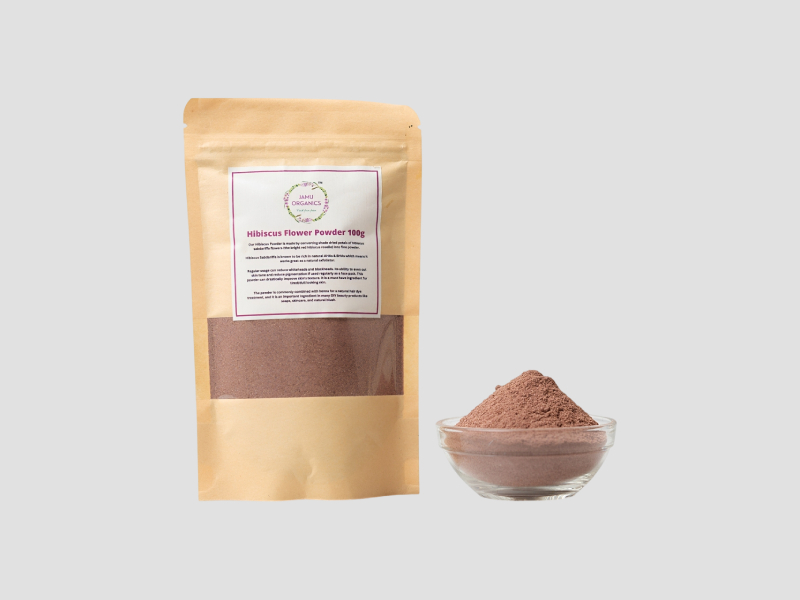
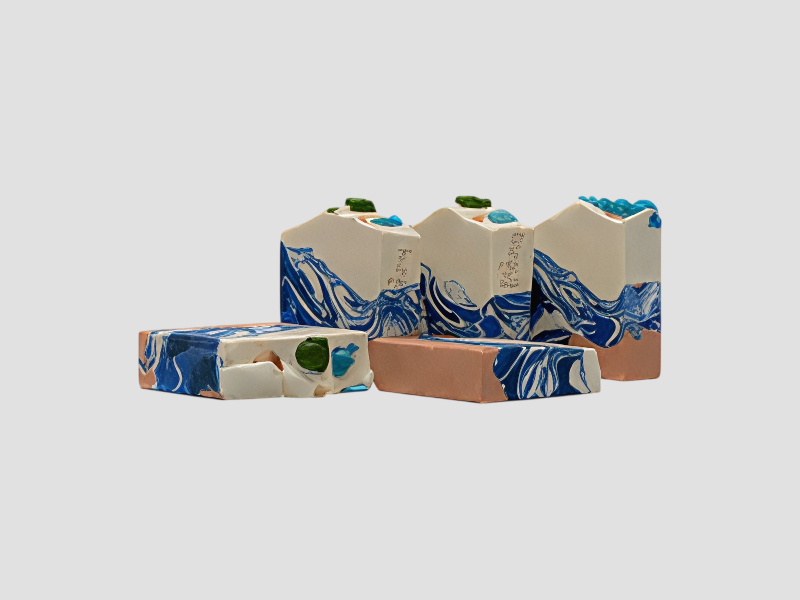
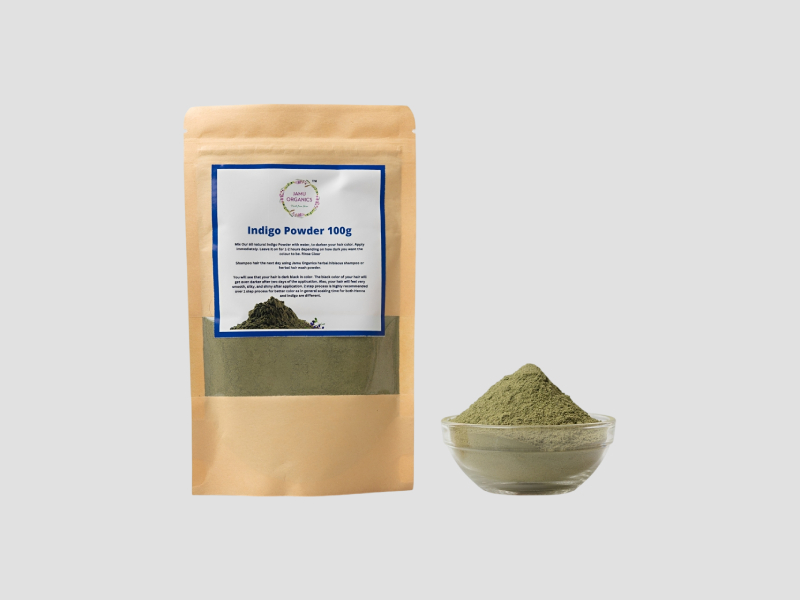
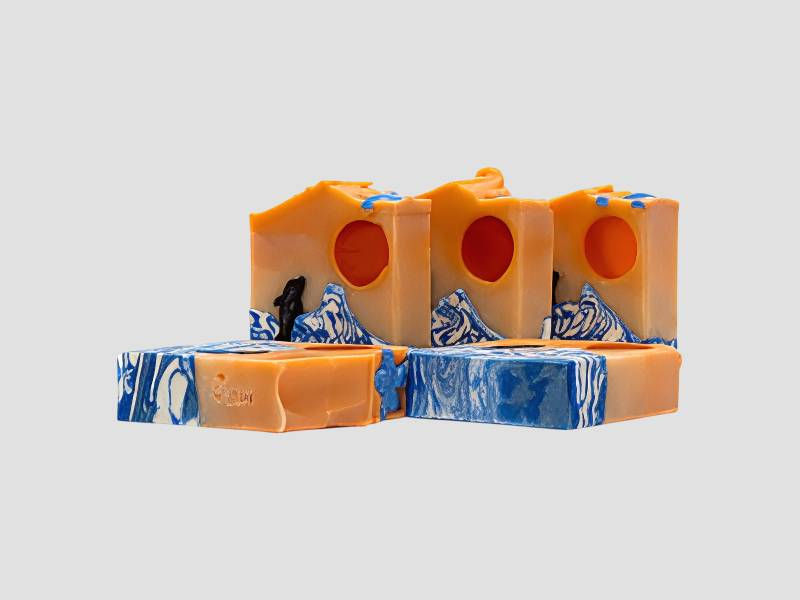
𝗪𝗵𝗮𝘁 𝗮𝗿𝗲 𝗕𝗮𝘁𝗵 & 𝗕𝗼𝗱𝘆 𝗖𝗮𝗿𝗲?
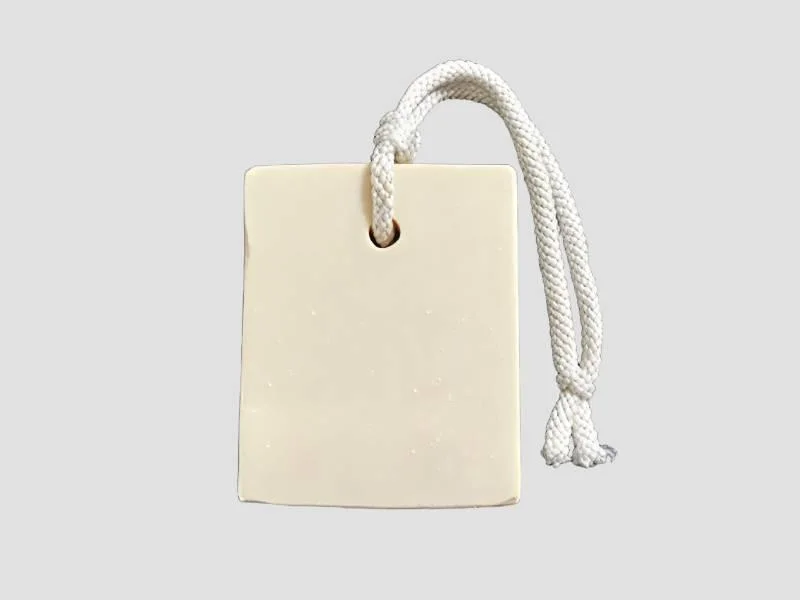
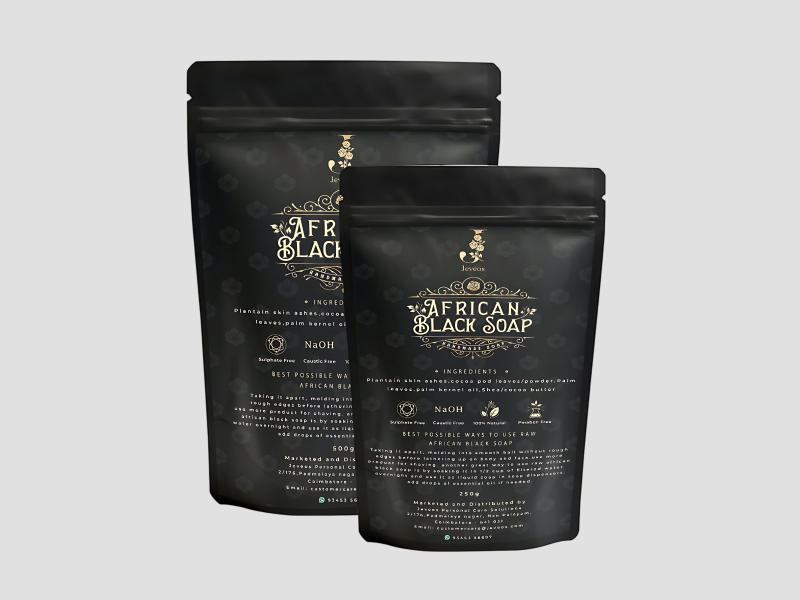
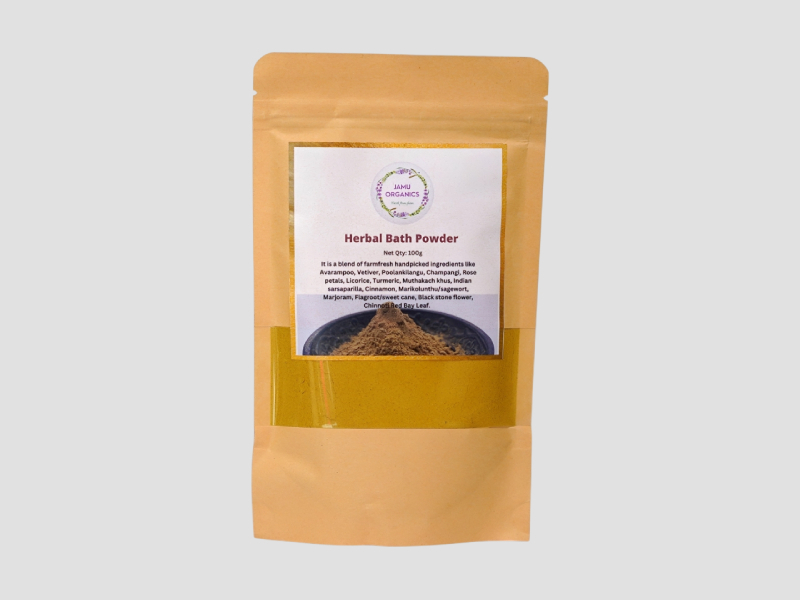
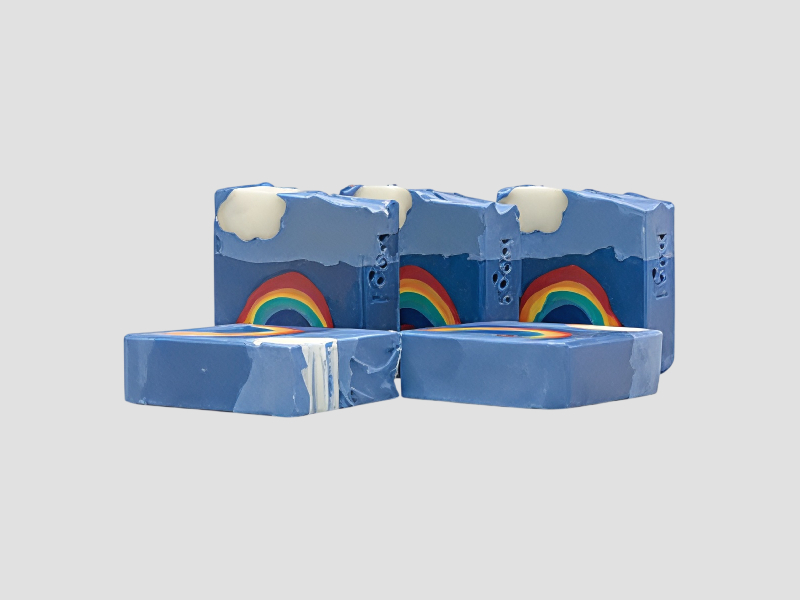
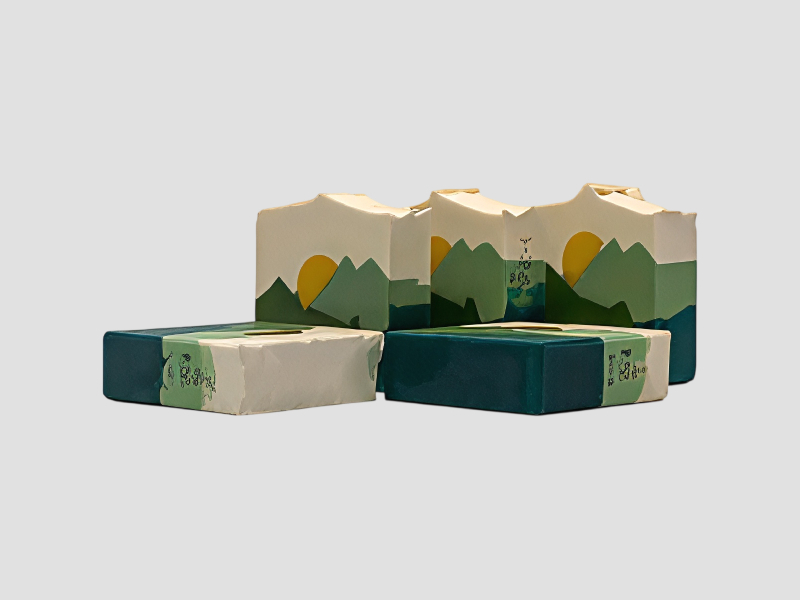
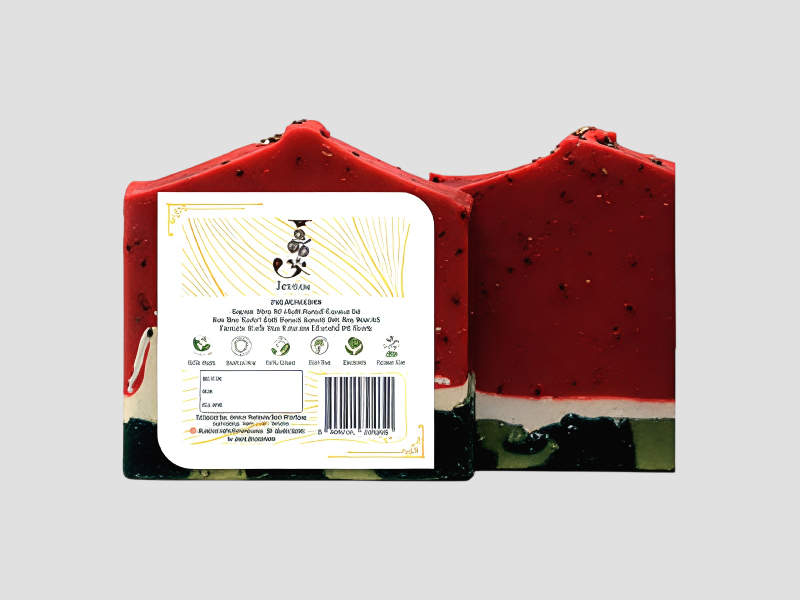
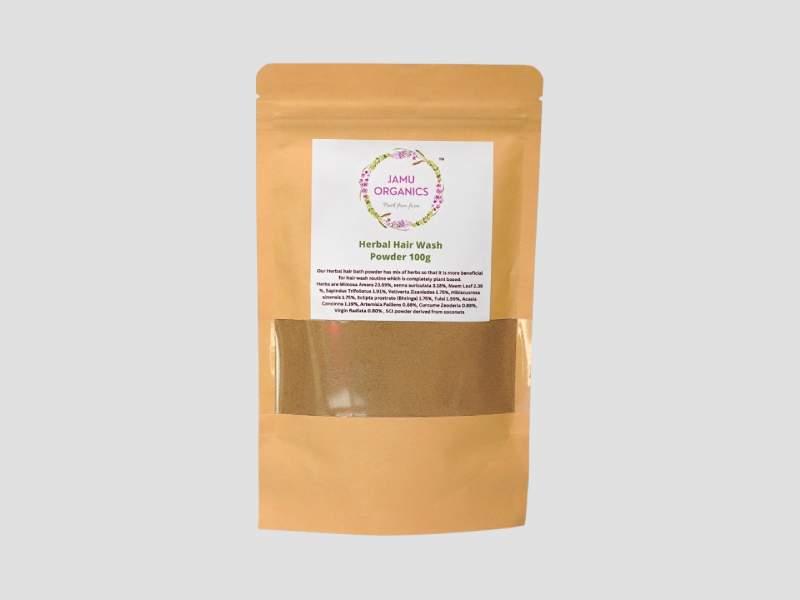
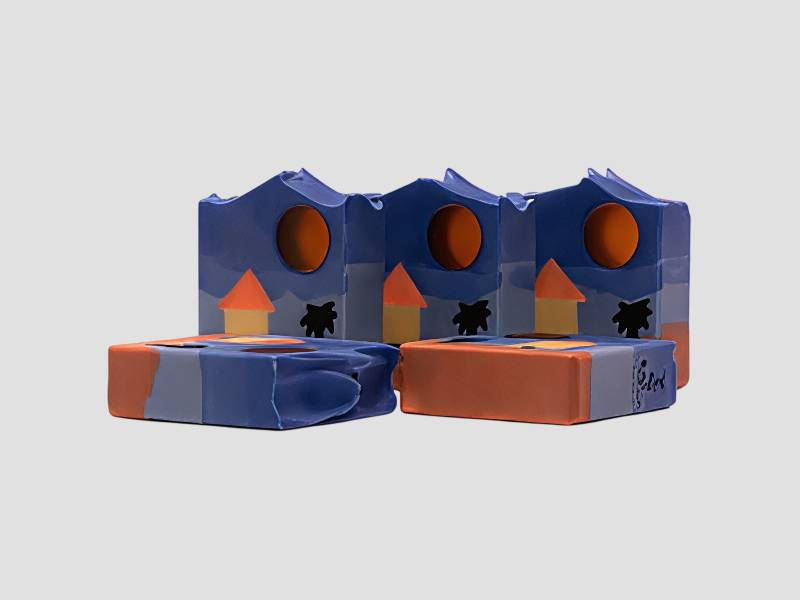
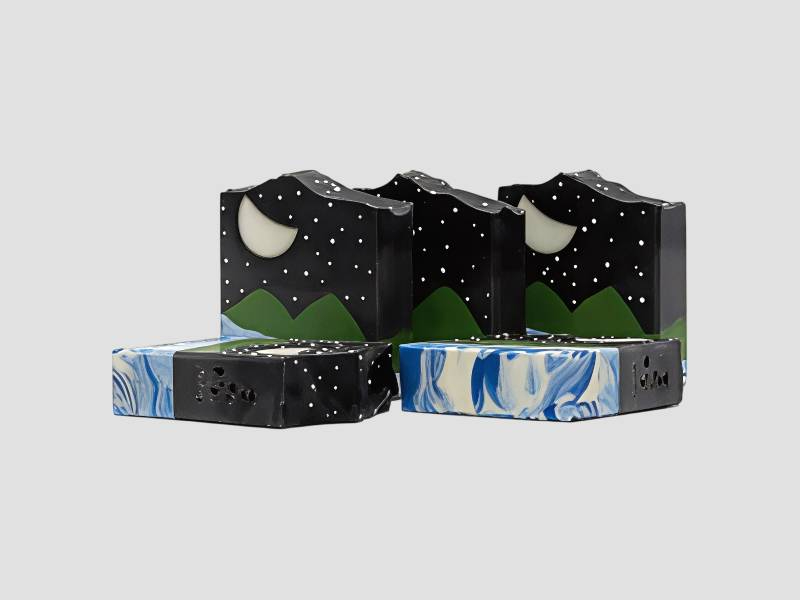
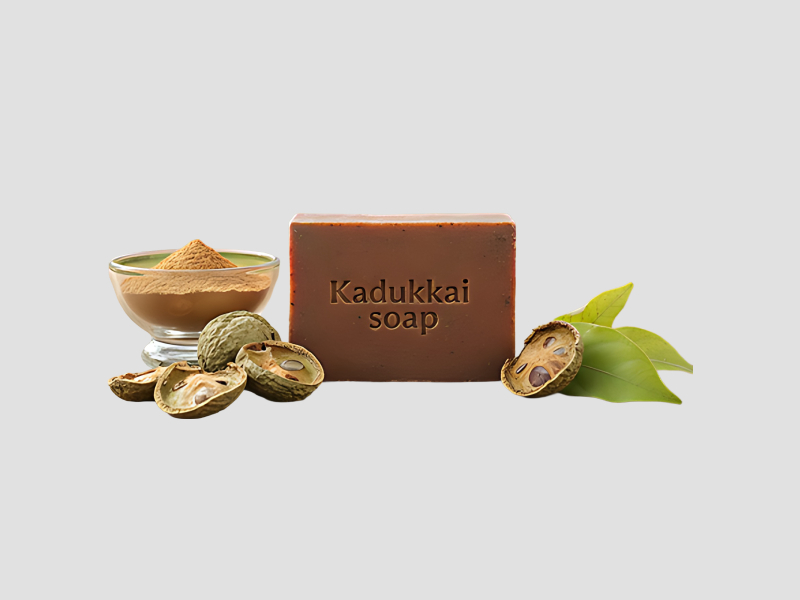
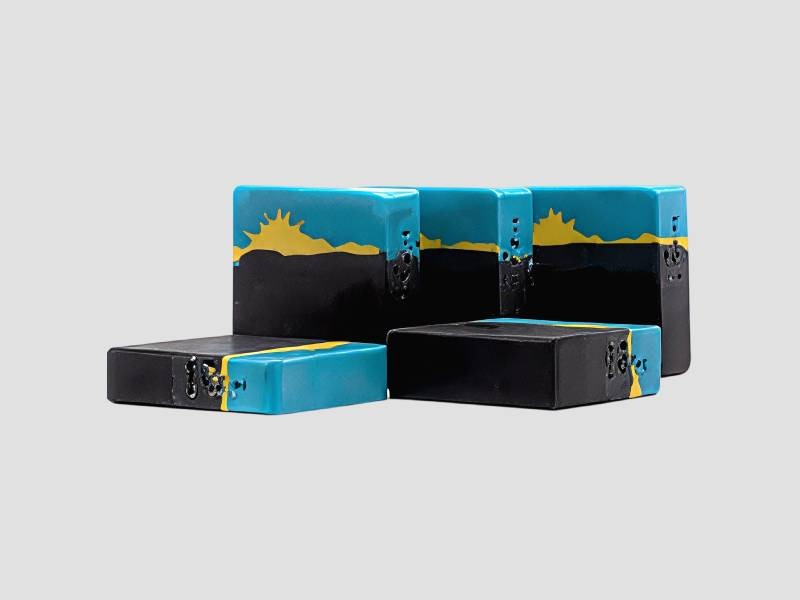
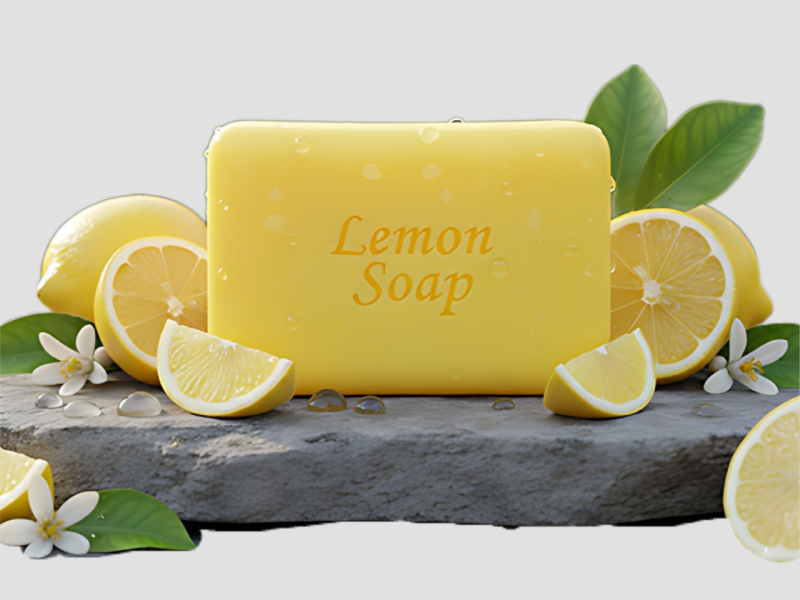
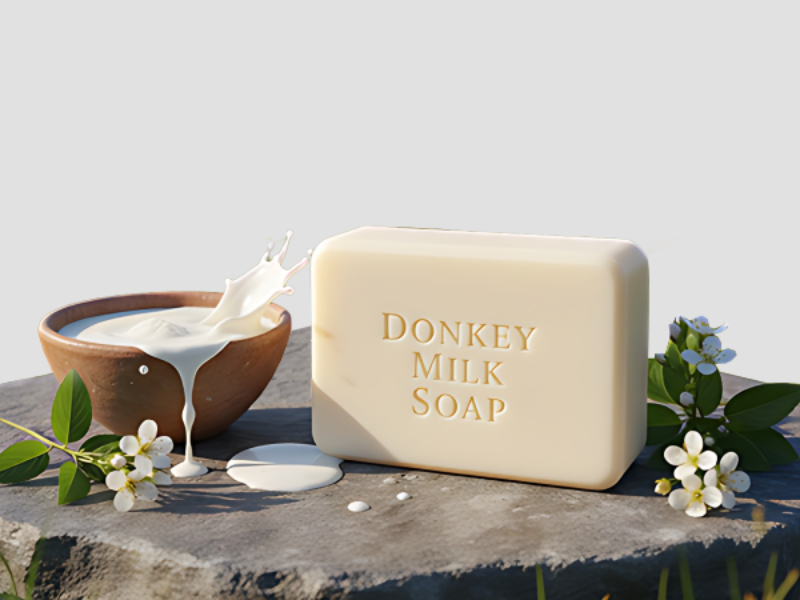
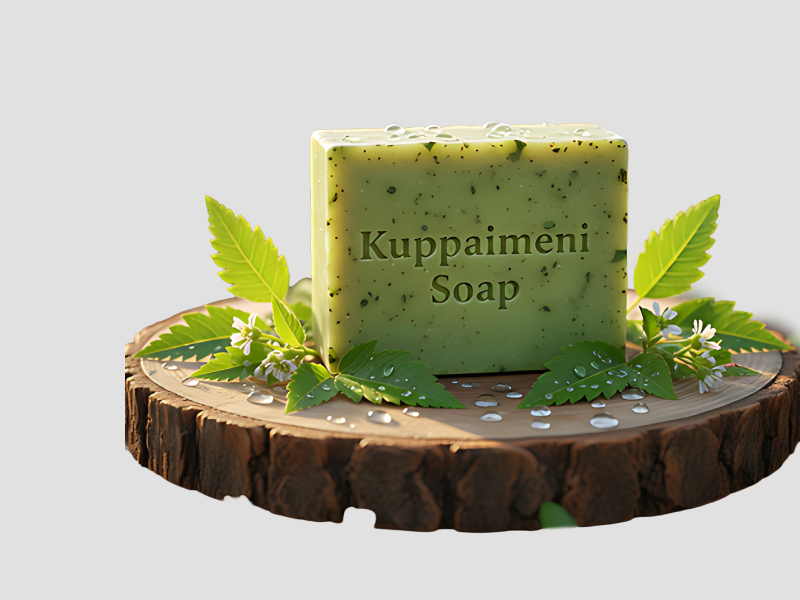
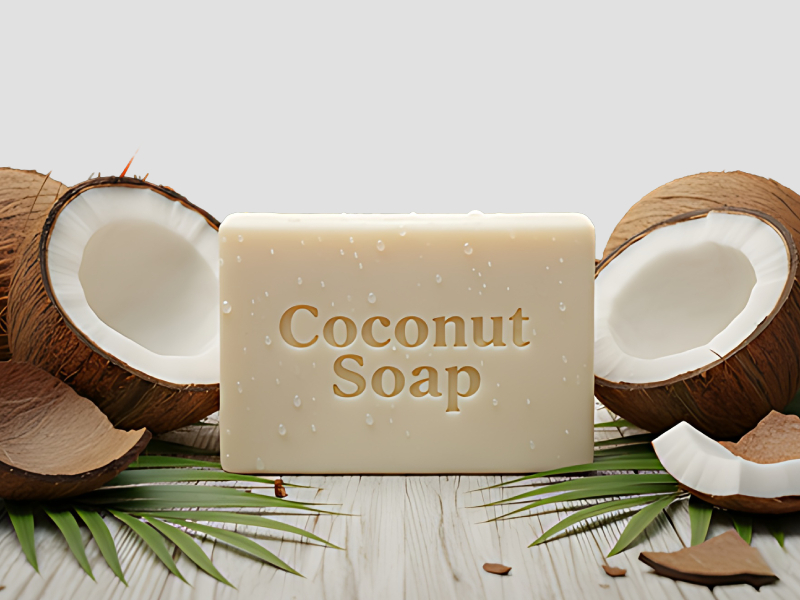
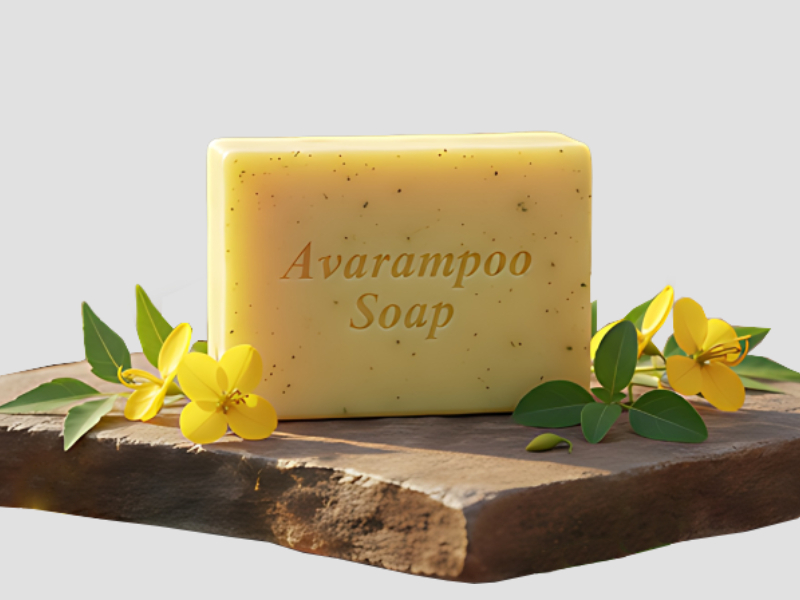
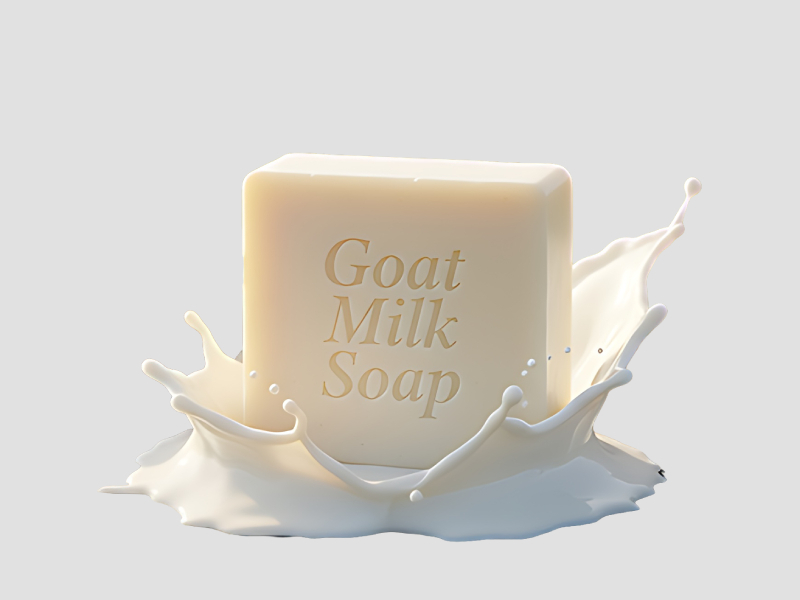
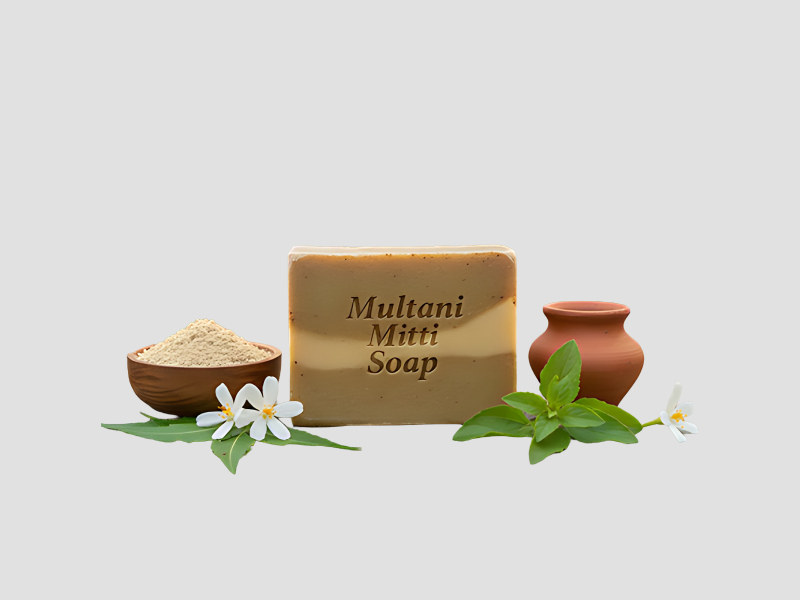
Bath and body care products encompass a wide range of items designed to cleanse, nourish, and enhance the skin and body. This category includes personal hygiene products such as soaps, body washes, lotions, and scrubs, all aimed at promoting overall skin health and personal grooming. Bath and body care is essential for maintaining personal hygiene and providing moisture and protection to the skin.
These products are widely used in various business applications, including retail, hospitality, and health and wellness industries. Businesses often incorporate them into daily routines for staff and customers alike, emphasizing the importance of hygiene and self-care. The growing awareness of skincare benefits and self-pampering trends has made bath and body care products increasingly relevant in the market, leading to a surge in demand for quality and innovative formulations.
The bath and body care industry is a dynamic sector within the personal care market, with trends continuously evolving. As consumers become more aware of ingredient sourcing and sustainability, businesses are adapting their offerings to meet these demands. This shift has led to increased competition and the necessity for high-quality products that align with consumer values.
𝗞𝗲𝘆 𝗙𝗲𝗮𝘁𝘂𝗿𝗲𝘀 𝗮𝗻𝗱 𝗦𝗽𝗲𝗰𝗶𝗳𝗶𝗰𝗮𝘁𝗶𝗼𝗻𝘀
Bath and body care products come with several key features that distinguish them in the market. Understanding these specifications can help businesses choose the right products for their needs.
Key specifications include:
1. Ingredients
- Natural and organic ingredients are gaining popularity.
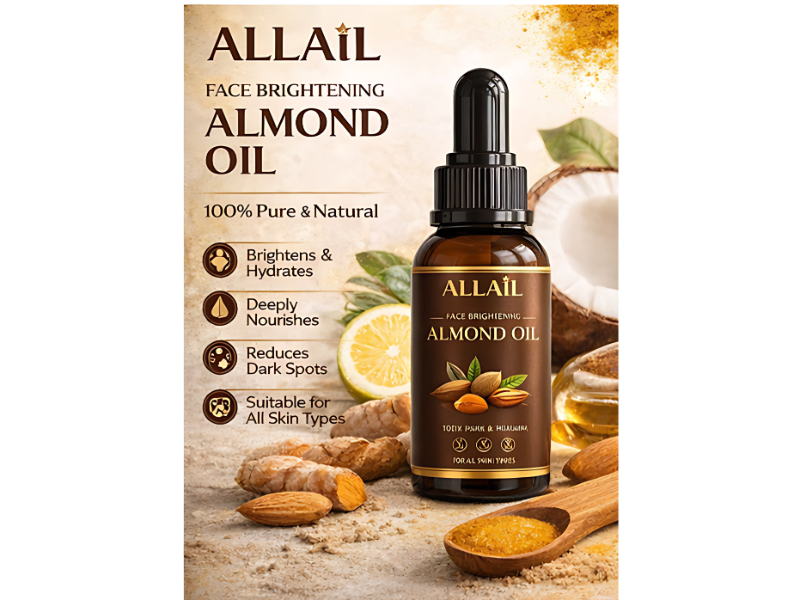
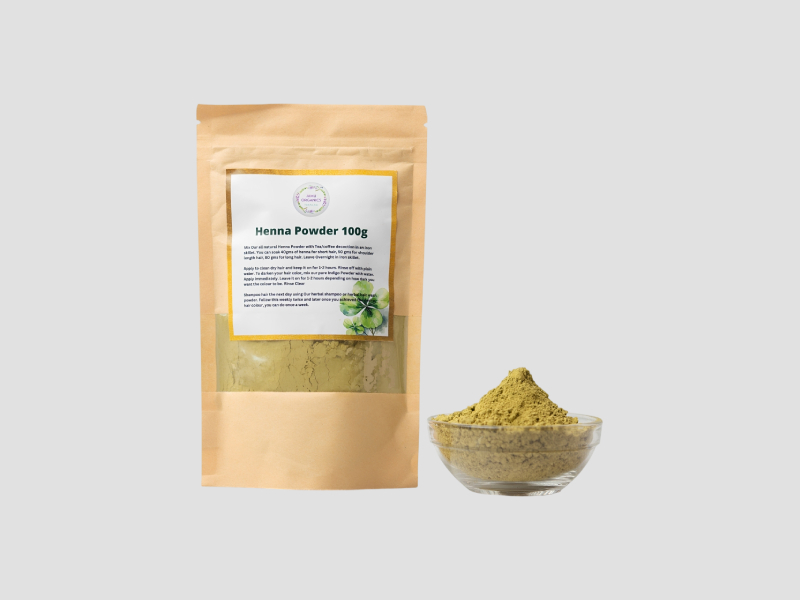
- Common ingredients include essential oils, vitamins, and botanical extracts.
2. Packaging
- Eco-friendly packaging options are increasingly demanded.
- Sizes can vary from travel-friendly to bulk containers.
3. Product Type
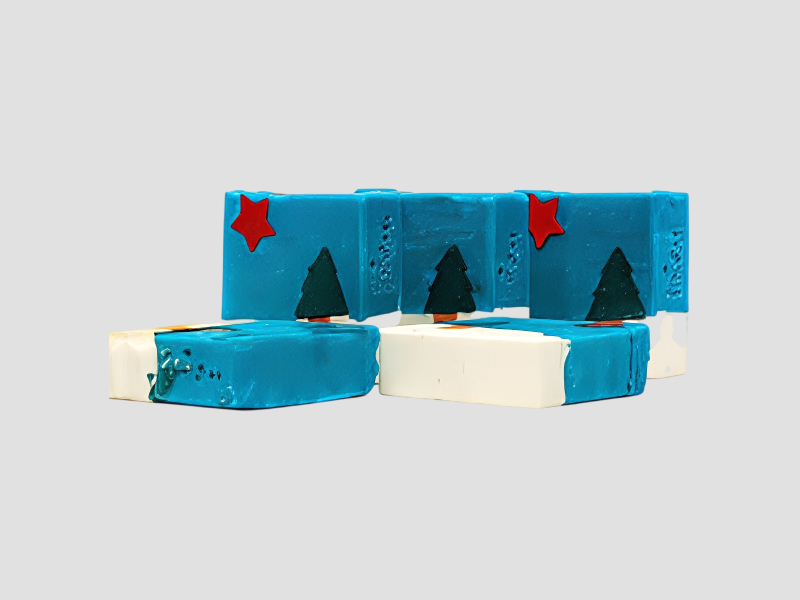
- Products can be categorized as liquid, solid, or cream formulations.
- Each type serves different consumer preferences and uses.
4. Fragrance Options
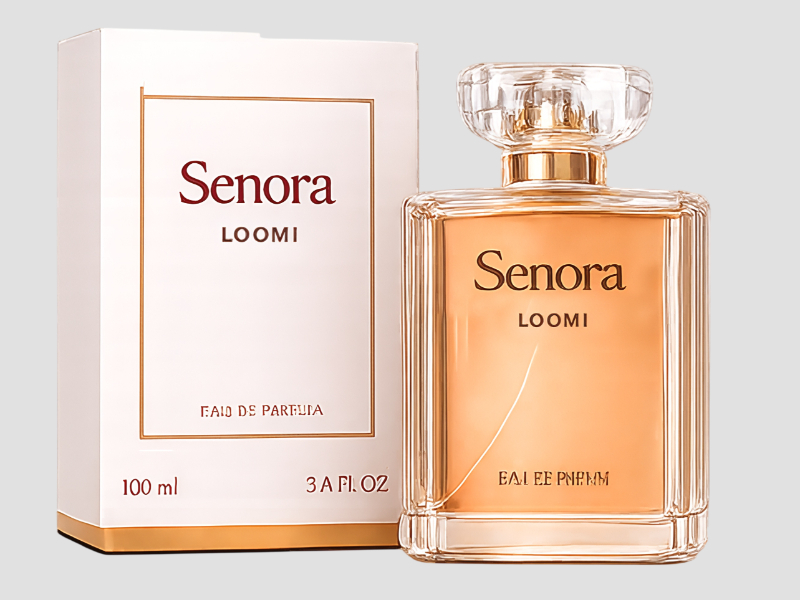
- A variety of fragrance profiles are available, from floral to citrus.
- Unscented options are also offered for sensitive skin.
5. Skin Type Compatibility
- Products are designed for specific skin types such as dry, oily, or combination skin.
- Hypoallergenic options are available for sensitive skin.
6. Shelf Life
- Typical shelf lives range from 12 to 36 months based on formulation.
- Proper storage conditions can extend product longevity.
7. Compliance Standards
- Products must adhere to industry-specific regulations.
- Certifications like CE indicate compliance with safety standards.
8. Testing and Safety
- Items are often dermatologically tested to ensure skin safety.
- Clinical trials may be conducted for efficacy claims.
In summary, understanding these specifications helps businesses select the most suitable bath and body care products to meet their customer needs while ensuring compliance and quality.
𝗖𝗼𝗺𝗺𝗼𝗻 𝗔𝗽𝗽𝗹𝗶𝗰𝗮𝘁𝗶𝗼𝗻𝘀 𝗮𝗻𝗱 𝗨𝘀𝗲 𝗖𝗮𝘀𝗲𝘀
Bath and body care products serve various industries, each with specific applications that enhance their market utility.
1. Retail: In retail, bath and body products are key offerings in beauty and personal care sections, attracting customers seeking self-care solutions.
2. Hospitality: Hotels and spas use these products to enhance guest experiences, often providing high-quality amenities that reflect their brand values.
3. Health and Wellness: Gyms and wellness centers incorporate bath and body care items into their services, promoting hygiene and relaxation for members.
4. E-commerce: Online retailers specialize in selling a diverse range of bath and body care products to consumers seeking convenience and variety.
5. Cosmetics: Many cosmetic brands extend their lines to include bath and body products, creating a cohesive beauty experience for consumers.
6. Subscription Services: Some businesses offer subscription boxes that feature a selection of bath and body care items, appealing to consumers who enjoy trying new products.
7. Gift Baskets: Bath and body products are popular components of gift baskets, making them suitable for various occasions and customer demographics.
𝗣𝗿𝗼𝗱𝘂𝗰𝘁 𝗩𝗮𝗿𝗶𝗮𝗻𝘁𝘀 𝗮𝗻𝗱 𝗦𝘂𝗯𝗰𝗮𝘁𝗲𝗴𝗼𝗿𝗶𝗲𝘀
The diversity of bath and body care products allows for various options tailored to different consumer preferences and needs.
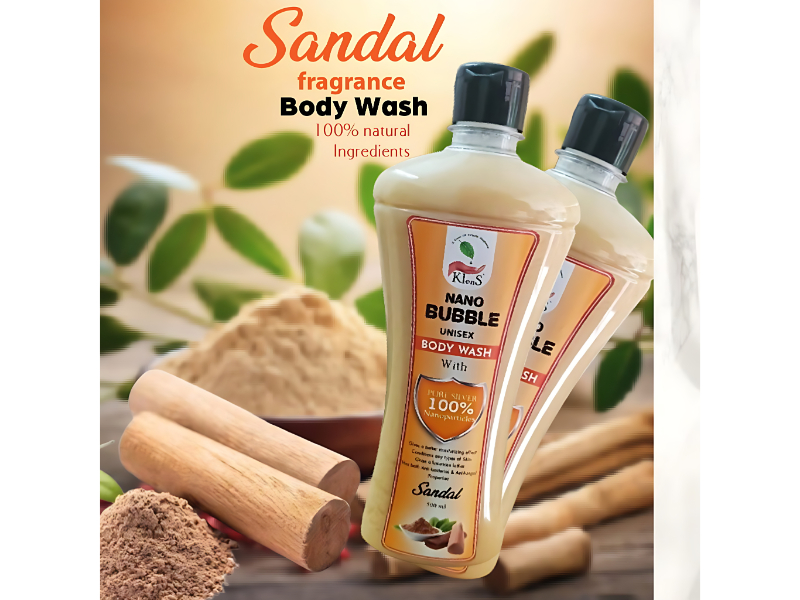
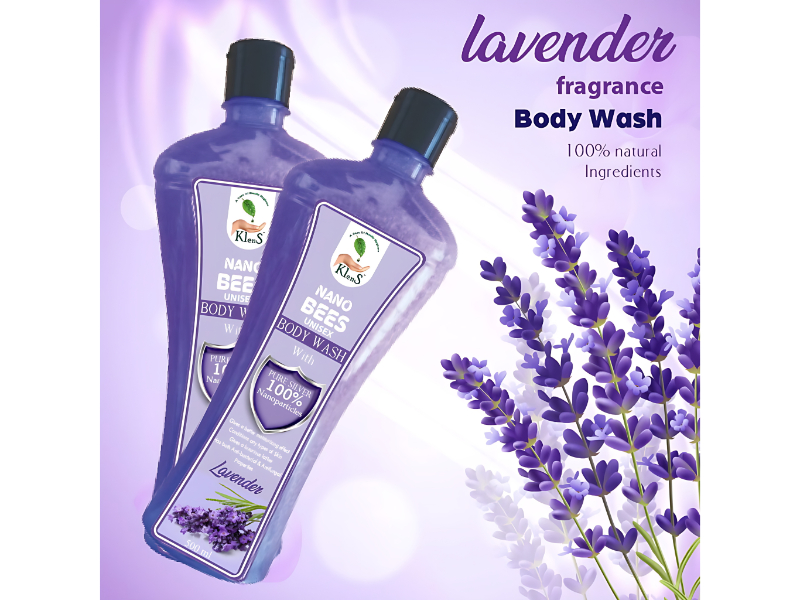
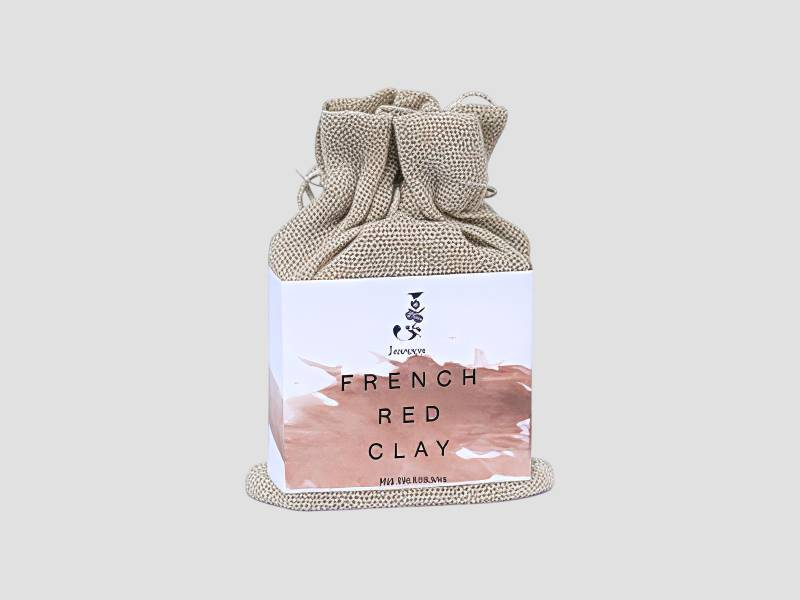
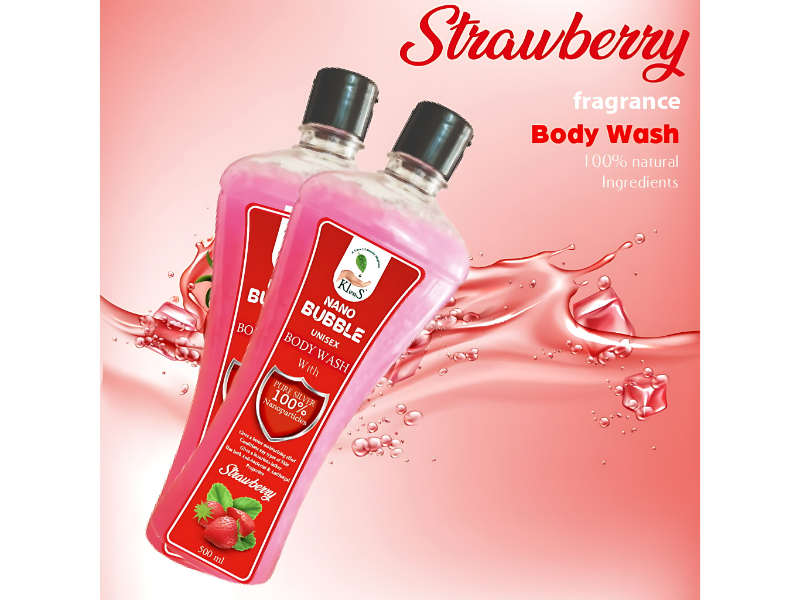
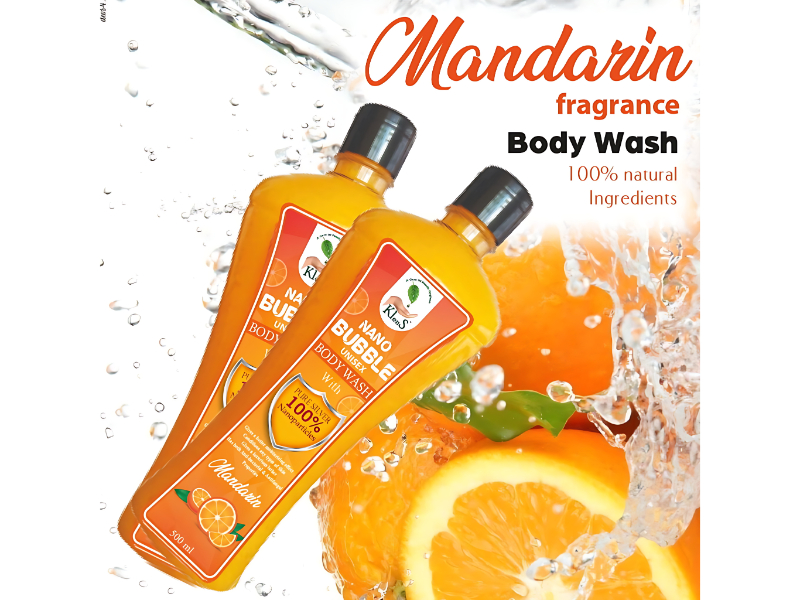
Body Wash: This liquid product is designed for cleansing the body. It often contains moisturizing agents to prevent dryness and is available in multiple scents and formulations.
Body Lotion: A staple in hydration, body lotions are designed to nourish and protect the skin. They vary in thickness and absorbency, catering to different skin types.
Shower Gel: Similar to body wash, shower gels often have a more gel-like consistency and may include exfoliating properties for added skin benefits.
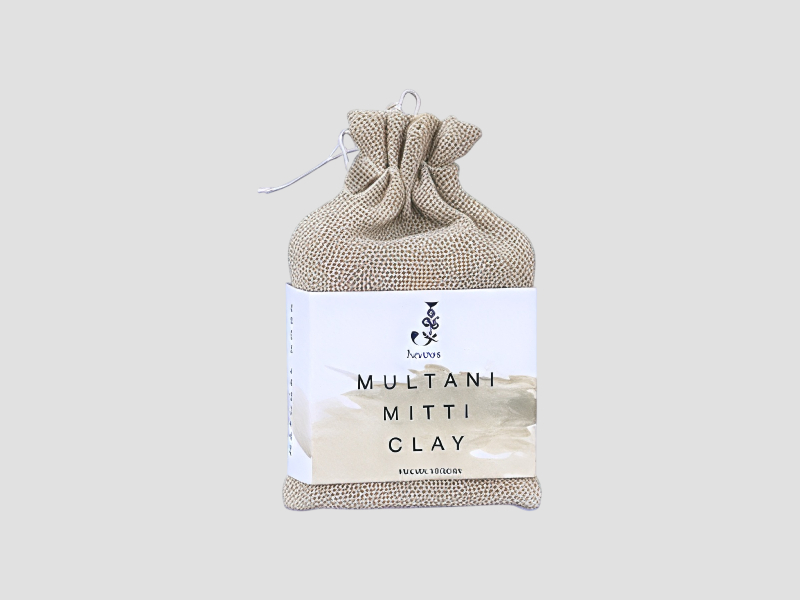
Scrubs: Body scrubs provide exfoliation, helping to remove dead skin cells and promote smoother skin. They can come in both physical and chemical formulations.
𝗕𝗲𝗻𝗲𝗳𝗶𝘁𝘀 𝗮𝗻𝗱 𝗔𝗱𝘃𝗮𝗻𝘁𝗮𝗴𝗲𝘀
Bath and body care products offer numerous benefits that make them essential for consumers and businesses alike.
Key benefits include:
1. Skin Hydration: Regular use of body lotions and creams helps maintain skin moisture, preventing dryness and irritation.
2. Improved Hygiene: Cleansing products like soaps and body washes promote personal hygiene, essential for health and wellness.
3. Relaxation and Stress Relief: Many bath products contain ingredients that provide calming effects, helping users unwind after a long day.
4. Enhanced Skin Appearance: Exfoliating scrubs and nourishing lotions can improve skin texture and appearance over time.
5. Customization: A wide range of products allows businesses to cater to specific customer needs and preferences, enhancing customer satisfaction.
6. Brand Loyalty: High-quality bath and body care products can foster brand loyalty, as satisfied customers are likely to repurchase and recommend.
𝗕𝘂𝘆𝗶𝗻𝗴 𝗚𝘂𝗶𝗱𝗲 𝗳𝗼𝗿 𝗕𝟮𝗕 𝗕𝘂𝘆𝗲𝗿𝘀
When sourcing bath and body care products, B2B buyers should consider several important factors to ensure they make informed decisions.
1. Quality Assessment: Evaluate products for quality by checking ingredient lists, testing samples, and seeking third-party certifications. Quality plays a crucial role in customer satisfaction.
2. Supplier Verification: Vet suppliers thoroughly to ensure they have a good reputation, reliable delivery, and compliance with safety standards. This will help avoid potential issues down the line.
3. Pricing and MOQ: Understand the pricing structure and minimum order quantities (MOQ) required by suppliers. This will help in budgeting and inventory management.
4. Delivery and Lead Times: Clarify delivery schedules and lead times to avoid disruptions in supply. Timely delivery is essential for maintaining stock levels.
5. Compliance Requirements: Ensure that products meet local and international regulatory requirements, including safety and labeling standards. Compliance is key to avoiding legal issues.
𝗖𝗼𝗺𝗽𝗹𝗶𝗮𝗻𝗰𝗲 𝗮𝗻𝗱 𝗖𝗲𝗿𝘁𝗶𝗳𝗶𝗰𝗮𝘁𝗶𝗼𝗻𝘀
Compliance is critical in the bath and body care industry. Products must adhere to various quality standards to ensure safety and efficacy.
Relevant quality standards include ISO 9001, which focuses on quality management systems, and HACCP, which addresses food safety and hygiene. These certifications ensure that products are manufactured in safe and controlled environments.
Additionally, CE certification indicates that products meet European safety, health, and environmental protection requirements. This is particularly important for companies exporting to or operating within the European market.
Safety and testing requirements are also paramount. Products should undergo dermatological testing to confirm they are safe for use on skin. Furthermore, certain regions may have specific compliance considerations that businesses must navigate to ensure their offerings are suitable for local markets.
𝗪𝗵𝘆 𝗦𝗼𝘂𝗿𝗰𝗲 𝗕𝗮𝘁𝗵 & 𝗕𝗼𝗱𝘆 𝗖𝗮𝗿𝗲 𝗳𝗿𝗼𝗺 𝗣𝗲𝗽𝗮𝗴𝗼𝗿𝗮?
Pepagora provides a trusted platform for sourcing bath and body care products, offering several key advantages for B2B buyers.
Verified Supplier Network: Pepagora has a robust network of verified suppliers, ensuring that buyers can trust the quality and reliability of the products they source. This helps mitigate risks associated with supplier selection.
Streamlined RFQ Process: The request for quotation (RFQ) process at Pepagora is designed to be efficient and user-friendly. Buyers can easily compare offers from multiple suppliers, facilitating informed decision-making.
Trade Assurance and Support: Pepagora offers buyer protection through trade assurance, ensuring that transactions are secure. This support system provides peace of mind during the purchasing process.
Regional Coverage: With a strong presence in regions such as India, the GCC, and Southeast Asia, Pepagora is well-positioned to cater to diverse markets. This geographic reach allows buyers to access a wide range of products tailored to local consumer preferences.

 IN
IN