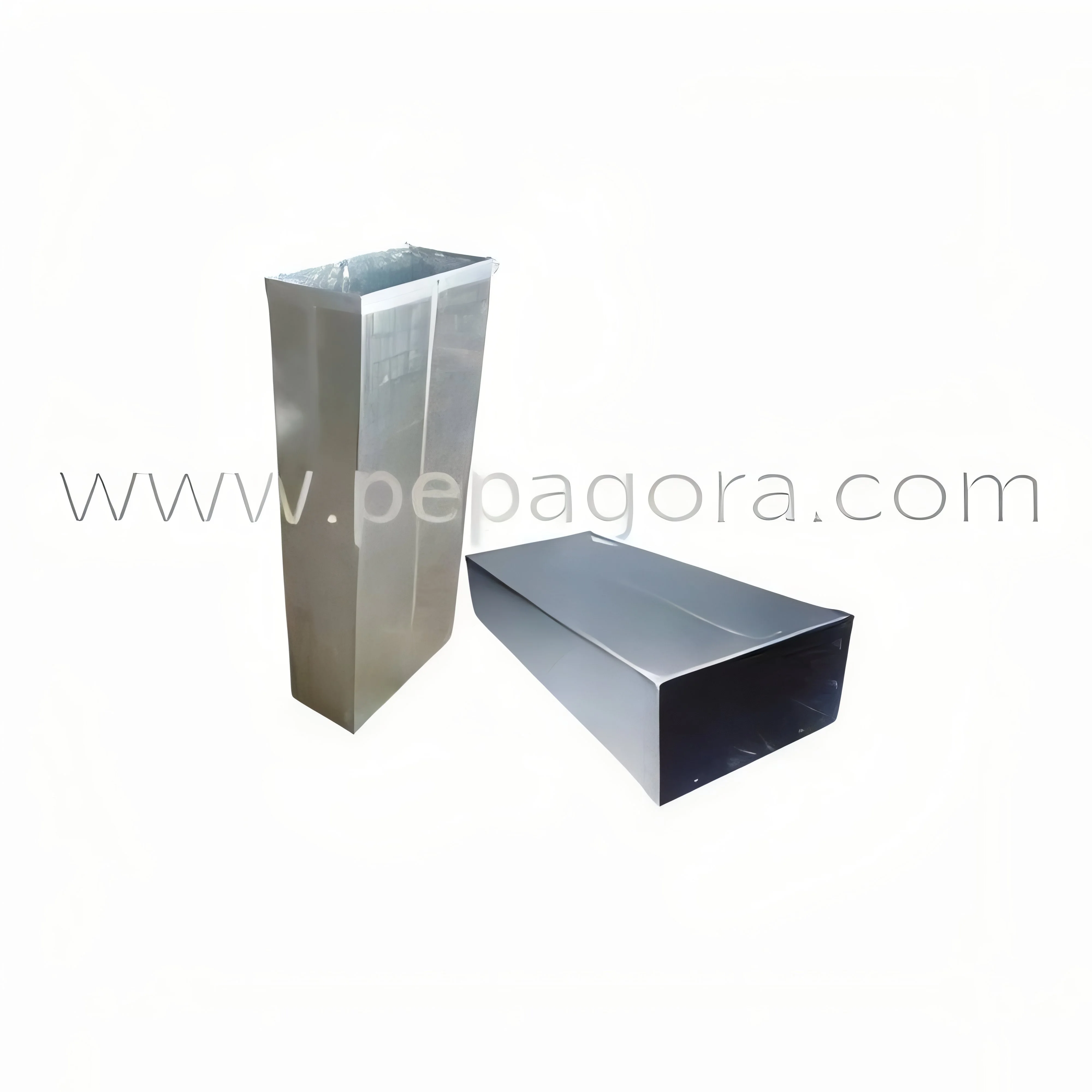
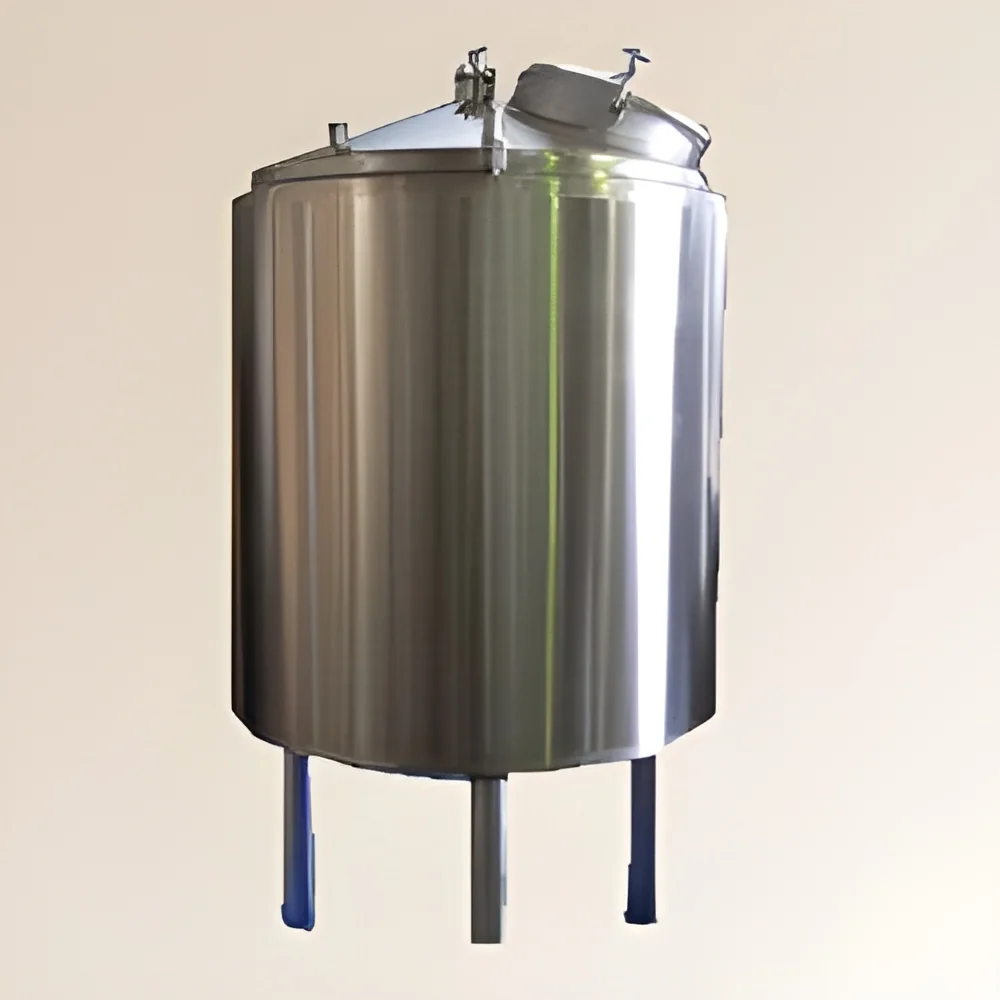
What are Steel Cans?
Steel cans are containers made from steel that are widely used for packaging various products, especially in the food and beverage industries. These durable containers are known for their strength, resistance to corrosion, and ability to protect contents from light, moisture, and contamination. Steel cans are manufactured using advanced processes that ensure they are both lightweight and robust, making them ideal for transportation and storage.
The primary applications of steel cans include packaging food items, beverages, chemicals, and industrial products. They are preferred for their ability to maintain product integrity and extend shelf life. In a market increasingly focused on sustainability, steel cans are recyclable and often made from recycled materials, enhancing their appeal to environmentally conscious consumers. This versatility and sustainability make steel cans relevant across various industries, providing businesses with efficient packaging solutions.
Key Features and Specifications
Steel cans come with several key features that make them suitable for various applications. Their specifications can vary based on the intended use, but they generally include attributes that ensure durability and functionality.
Key specifications include:
1. Material Composition
- Made from high-quality steel for strength and durability
- Often includes a protective coating to prevent corrosion
2. Size Options
- Available in various sizes, from small cans for individual servings to larger containers for bulk products
- Common dimensions range from 100 ml to several liters
3. Weight Capacity
- Designed to hold diverse weights depending on the product
- Typically capable of holding contents from a few grams to several kilograms
4. Closure Types
- Can feature different types of closures such as easy-open ends or screw caps
- Ensures secure sealing to maintain freshness
5. Printing and Labeling
- Can be customized with printed designs or labels for branding purposes
- High-quality printing options available for marketing
6. Temperature Resistance
- Suitable for various temperature ranges depending on the product
- Can withstand high temperatures during sterilization processes
7. Recycling Capability
- Fully recyclable, aligning with environmental sustainability goals
- Often made from recycled steel
In summary, steel cans are robust containers that offer versatility and reliability for numerous applications, making them a preferred choice for businesses seeking effective packaging solutions.
Common Applications and Use Cases
Steel cans serve a wide range of industries due to their durability and protective qualities.
1. Food Industry: Steel cans are commonly used for packaging canned vegetables, fruits, soups, and sauces. Their ability to provide a hermetic seal ensures that food remains safe and fresh for extended periods.
2. Beverage Industry: Many beverages, such as soft drinks, juices, and alcoholic drinks, are packaged in steel cans. The cans protect against light and air, preserving flavor and carbonation.
3. Chemical Manufacturing: Steel cans are also suitable for storing industrial chemicals and solvents. Their resistance to corrosion and leakage makes them ideal for hazardous materials.
4. Automotive Sector: Steel cans are used for packaging oils, lubricants, and other automotive fluids. They provide a safe and secure way to handle potentially harmful substances.
5. Paint and Coatings: In the paint industry, steel cans are preferred for their strength and ability to protect contents from contamination. They allow for easy pouring and storage.
6. Pet Food Packaging: Many pet food products are sold in steel cans, which help maintain freshness and prevent spoilage.
7. Cosmetics and Personal Care: Some cosmetic products are packaged in steel cans to ensure product integrity and extend shelf life.
Product Variants and Subcategories
Steel cans come in various forms to cater to different packaging needs.
Standard Steel Cans: These are the most commonly used cans, ideal for food and beverages. They are robust and available in multiple sizes, making them suitable for many applications.
Specialty Steel Cans: These cans may feature specific designs or closures tailored for niche products or markets. They often include unique features, such as easy-open lids or specialized coatings.
Benefits and Advantages
Steel cans offer numerous benefits that enhance their appeal to businesses.
1. Durability: Steel cans are strong and resistant to damage, protecting contents during transportation and storage.
2. Preservation: They provide an airtight seal that helps maintain freshness, flavor, and nutritional value of food and beverages.
3. Recyclability: Steel cans are fully recyclable, making them an environmentally friendly packaging choice.
4. Cost-Effectiveness: Their durability reduces the risk of spoilage, leading to lower overall costs for businesses.
5. Customization: Steel cans can be customized with branding and labeling, helping businesses enhance their market presence.
6. Safety: They are designed to meet safety standards, ensuring that contents remain safe for consumers.
Buying Guide for B2B Buyers
When sourcing steel cans, it is crucial to consider several factors to ensure quality and suitability for your needs.
1. Quality Assessment: Evaluate the quality standards of the steel cans. Look for certifications that demonstrate compliance with industry standards, such as ISO 9001.
2. Supplier Verification: Vet potential suppliers to ensure they have a reliable track record. Check references and reviews to assess their reputation in the market.
3. Pricing and MOQ: Understand the pricing structure and minimum order quantities (MOQ) required by suppliers. This will help in budgeting and planning inventory.
4. Delivery and Lead Times: Consider the logistics involved in sourcing steel cans. Ensure that suppliers can meet your delivery timelines to avoid disruptions.
5. Compliance Requirements: Be aware of relevant regulatory requirements for packaging in your industry. Ensure that the steel cans meet all necessary compliance standards.
Compliance and Certifications
Steel cans must adhere to various quality standards and certifications to ensure they meet industry requirements. Common standards include ISO 9001, which focuses on quality management systems, and HACCP, which emphasizes food safety. Additionally, some products may require compliance with Good Distribution Practice (GDP) to ensure safe handling and storage.
Certifications such as CE indicate that the steel cans have met European Union safety, health, and environmental protection standards. Manufacturers should also conduct safety and testing requirements to ensure that their products are safe for use. Depending on the region, there may be specific compliance considerations that need to be addressed, particularly in the food and beverage sectors.
Why Source Steel Cans from Pepagora?
Pepagora offers a reliable platform for sourcing steel cans, providing several key advantages for B2B buyers.
Verified Supplier Network: Pepagora has a robust network of verified suppliers, ensuring that businesses can find trustworthy manufacturers that meet their specific needs.
Streamlined RFQ Process: The platform features an efficient Request for Quotation (RFQ) system that simplifies the procurement process, allowing buyers to receive competitive quotes from multiple suppliers quickly.
Trade Assurance and Support: Pepagora provides trade assurance to protect buyers throughout the sourcing process. This includes support for resolving disputes and ensuring that suppliers meet their obligations.
Regional Coverage: With a strong presence in India, GCC, and Southeast Asia, Pepagora facilitates access to a diverse range of suppliers and products, making it easier for businesses to find the right steel cans for their applications.

 IN
IN