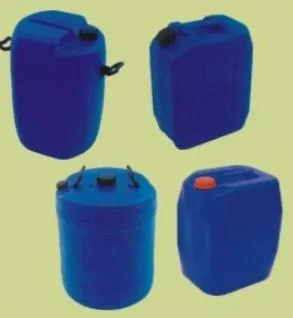
What are Chemical Storage Drums?
Chemical storage drums are large containers designed specifically for the safe storage and transportation of various chemicals. Typically made from durable materials such as polyethylene or steel, these drums come in a range of sizes and specifications to accommodate different types of substances. Their construction is crucial for maintaining the integrity of the contents, preventing leaks or contamination, and ensuring compliance with safety regulations.
These drums find primary use in industries such as pharmaceuticals, petrochemicals, agriculture, and food processing. They are essential for storing hazardous materials, bulk chemicals, solvents, and other substances that require careful handling. With increasing regulations around chemical safety and environmental protection, the demand for reliable chemical storage solutions continues to grow, making them a vital component in supply chains across multiple sectors.
Key Features and Specifications
Chemical storage drums are characterized by several important features that ensure their effectiveness in various applications. Understanding these specifications is crucial for buyers when selecting the appropriate drums for their needs.
Key specifications include:
1. Material Type
- Common materials include polyethylene, steel, and composite materials.
- Each material offers different levels of chemical resistance and durability.
2. Capacity
- Drums typically range from 30 to 55 gallons, although larger sizes may be available.
- Capacity selection depends on the specific needs of the application.
3. Closure Type
- Options include open head and tight head designs.
- Closure type impacts ease of access and safety.
4. Chemical Compatibility
- Drums are designed to hold a variety of chemicals, including acids, bases, and solvents.
- Compatibility must be evaluated based on the specific substances being stored.
5. Temperature Resistance
- Drums can withstand various temperature ranges, but specific ratings are not available.
- Suitable temperature limits for storage should be confirmed with the supplier.
6. UN Certification
- Many drums are certified for transporting hazardous materials.
- Compliance with UN standards is critical for safety.
7. Weight
- The weight of the drum varies by material and size.
- Consideration of weight is important for transportation and handling.
8. Reusability
- Many chemical storage drums are designed to be reusable.
- Reusability contributes to sustainability efforts in chemical management.
In summary, understanding the key features and specifications of chemical storage drums is essential for making informed purchasing decisions. Proper selection ensures safety and compliance in chemical handling and storage.
Common Applications and Use Cases
Chemical storage drums are utilized across various industries, each with specific storage and transportation needs.
1. Pharmaceutical Industry: In this sector, drums are used to store active pharmaceutical ingredients and solvents. Their ability to maintain chemical integrity is vital for product safety.
2. Petrochemical Industry: Chemical storage drums are essential for transporting and storing fuels, lubricants, and other petrochemicals, which require high levels of safety and reliability.
3. Agriculture: These drums are used for storing pesticides and fertilizers, ensuring they remain uncontaminated and effective for agricultural use.
4. Food Processing: In this industry, drums are utilized for storing food-grade chemicals and additives, where compliance with safety standards is critical.
5. Water Treatment: Chemical storage drums are employed to hold various treatment chemicals, helping to maintain water quality in municipal and industrial applications.
6. Construction: Drums are used to store solvents and adhesives, which are essential materials in construction projects.
7. Automotive: The automotive sector utilizes drums for storing oils, lubricants, and cleaning agents necessary for vehicle maintenance.
Product Variants and Subcategories
Chemical storage drums come in various configurations to meet diverse industry requirements, each designed with specific features.
Polyethylene Drums: These lightweight drums offer excellent chemical resistance and are ideal for storing corrosive substances. Their design often includes handles for easy transportation.
Steel Drums: Known for their durability, steel drums provide robust protection for hazardous materials. They are suitable for applications requiring high pressure or extreme temperatures.
Composite Drums: Combining the benefits of both plastic and metal, composite drums are designed for strength and chemical compatibility. They are often used in industries with stringent regulatory requirements.
Benefits and Advantages
Chemical storage drums provide numerous advantages that enhance safety and efficiency in handling chemicals.
1. Safety Compliance: Properly designed drums ensure compliance with safety regulations, reducing the risk of accidents in the workplace.
2. Durability: Made from robust materials, these drums are resistant to damage, extending their lifespan and reducing replacement costs.
3. Chemical Compatibility: Drums are specifically designed to hold a range of chemicals, minimizing the risk of reactions and contamination.
4. Cost-Effectiveness: Reusable drums offer long-term savings by reducing the need for frequent replacements.
5. Versatility: Suitable for various industries, chemical storage drums can accommodate different types of materials and applications.
6. Easy Handling: Many drums are designed with features that facilitate easy handling, such as built-in handles or stacking capabilities.
Buying Guide for B2B Buyers
When sourcing chemical storage drums, buyers should consider several critical factors to ensure they select the right products for their applications.
1. Quality Assessment: Evaluate the quality of materials and construction to ensure durability and safety. Look for certifications that indicate adherence to industry standards.
2. Supplier Verification: Vet suppliers to ensure they have a good reputation and comply with regulatory requirements. Reliable suppliers can provide assurance regarding product quality.
3. Pricing and MOQ: Understand the pricing structure and minimum order quantities (MOQ) to ensure the investment aligns with budget constraints. Compare prices across suppliers for the best value.
4. Delivery and Lead Times: Discuss logistics and delivery timelines with suppliers to ensure timely availability of products. Plan ahead for potential delays.
5. Compliance Requirements: Ensure that the drums meet relevant regulatory and compliance standards for the specific chemicals being stored. This may include environmental and safety regulations.
Compliance and Certifications
Chemical storage drums must adhere to various quality standards and certifications to ensure safety and reliability in use. Compliance with ISO 9001 is essential, as it indicates a commitment to quality management practices. Other relevant standards include HACCP and GDP, which focus on safety and traceability in food and pharmaceutical applications.
Industry certifications, such as CE marking, ensure that the products meet European safety and environmental requirements. Additionally, manufacturers must meet safety and testing requirements to guarantee that their products can withstand the rigors of chemical storage and transportation.
Regional compliance considerations are also important, as different regions may have specific regulations governing the storage and handling of chemicals. Buyers should confirm that the drums meet all relevant local and international standards before making a purchase.
Why Source Chemical Storage Drums from Pepagora?
Pepagora offers a trusted platform for sourcing chemical storage drums, providing several key advantages to B2B buyers.
Verified Supplier Network: Pepagora connects buyers with a network of verified suppliers. This vetting process ensures that all listed suppliers meet high-quality standards and regulatory compliance.
Streamlined RFQ Process: The request for quotation (RFQ) system simplifies the procurement process. Buyers can easily compare quotes from multiple suppliers, enabling informed purchasing decisions.
Trade Assurance and Support: Pepagora offers trade assurance and buyer protection, ensuring that all transactions are secure. This support allows buyers to focus on their core business activities without worrying about procurement risks.
Regional Coverage: With a strong geographic presence in India, the GCC, and Southeast Asia, Pepagora provides access to local suppliers and products. This regional coverage facilitates prompt deliveries and responsiveness to market needs.

 IN
IN