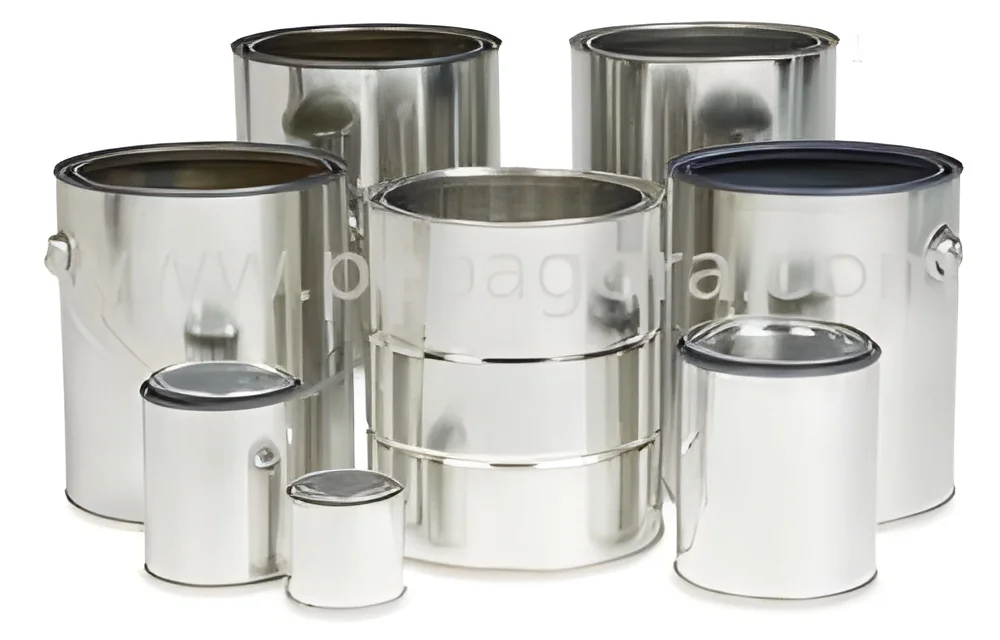
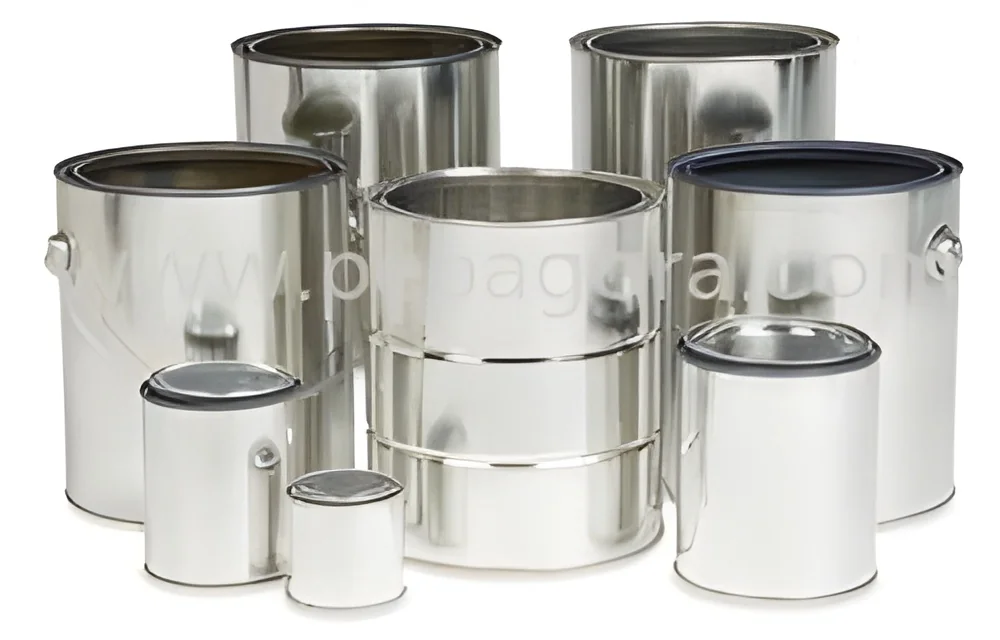
What are Paint Cans?
Paint cans are containers specifically designed to store and transport various types of paints, coatings, and related materials. They are typically made from metal or plastic and come in various sizes. Paint cans are essential for maintaining the quality of the contents by protecting them from external elements, such as air and moisture, which can cause spoilage or degradation. These cans are built to withstand the chemical properties of the substances they contain, ensuring durability and reliability during storage and transport.
In the B2B sector, paint cans find extensive application across multiple industries, including construction, automotive, and manufacturing. They are used for everything from storing architectural paints to industrial coatings. Businesses value these containers for their ability to preserve the integrity of the paints and for their ease of use during application. The paint can industry is influenced by trends toward sustainable packaging and increased demand for high-quality paint products, making it a vital part of the overall coatings market.
Key Features and Specifications
Paint cans come with various features tailored to meet the needs of different industries. Understanding these specifications is crucial for businesses looking to choose the right product.
Key specifications include:
1. Material Type
- Paint cans are primarily made from either metal or plastic.
- Metal cans are often preferred for their strength and durability, while plastic cans are lighter and resistant to corrosion.
2. Size Options
- Available in multiple volumes, typically ranging from 0.5 liters to 20 liters.
- Businesses can select the appropriate size based on their specific application needs.
3. Lid Types
- Options include standard lids and snap-on lids.
- Snap-on lids provide an airtight seal, prolonging the life of the paint.
4. Reusability
- Many paint cans are designed to be reused.
- This feature supports sustainability and reduces waste.
5. Compatibility
- Cans are manufactured to be compatible with various types of paints, including water-based and solvent-based formulations.
- This versatility allows for broad usage across different projects.
6. Seal Integrity
- Good quality cans feature seals that prevent leakage and contamination.
- Ensures that the contents remain intact during transportation.
7. Labeling Area
- Most paint cans come with a designated area for labeling.
- This feature helps in identifying contents easily.
In summary, selecting the right paint can involves understanding its material, size, and compatibility with paint types. These features collectively enhance usability and ensure product quality.
Common Applications and Use Cases
Paint cans serve various industries, each with specific applications that highlight their versatility.
1. Construction: In the construction industry, paint cans are used to store architectural paints and coatings required for residential and commercial buildings. They ensure that paints maintain their quality until application.
2. Automotive: The automotive industry uses paint cans to hold specialized coatings for vehicles. These cans protect the paint from environmental factors and ensure it remains usable over time.
3. Manufacturing: Manufacturing facilities utilize paint cans for both industrial coatings and touch-up paints. This application is vital for maintaining equipment and machinery.
4. Arts and Crafts: Smaller paint cans are popular in arts and crafts, offering convenient storage for artists and hobbyists. They help keep various paint types organized and accessible.
5. Marine: In marine applications, paint cans are essential for storing marine-grade paints. These cans protect against moisture and corrosion, which are critical in marine environments.
6. Furniture: The furniture industry employs paint cans to store finishes and stains. This ensures that the products remain effective for use on various wooden surfaces.
7. DIY Projects: Paint cans are widely used by DIY enthusiasts for home improvement projects. They provide an easy way to store and apply different types of paint.
Product Variants and Subcategories
Paint cans come in various forms and designs to meet specific market needs. While detailed subcategories are not available, here are a couple of notable variants.
Standard Metal Paint Cans: These are the most common type of paint cans. They are made from durable metal and are typically used for industrial and commercial paints. Their strength and ability to create an airtight seal make them suitable for long-term storage.
Plastic Paint Cans: Lighter than metal cans, these are designed for water-based paints and coatings. They are often used for smaller projects, such as arts and crafts or residential painting. Their resistance to corrosion makes them ideal for various applications.
Benefits and Advantages
Paint cans offer several advantages that make them a preferred choice for storing and transporting paints.
1. Protection: Paint cans effectively protect their contents from air and moisture, which helps maintain the quality of the paint.
2. Convenience: The various sizes and lids available make it easy for businesses to select cans that fit their specific needs, enhancing usability.
3. Cost-Effectiveness: Reusable paint cans reduce waste and lower long-term costs, making them an economical choice for businesses.
4. Safety: Many paint cans are designed with safety features that prevent spills and leaks during transportation.
5. Labeling: The ability to label paint cans helps businesses keep track of their inventory and ensures efficient organization.
6. Compatibility: Paint cans can accommodate various paint types, making them versatile for different applications and industries.
Buying Guide for B2B Buyers
When sourcing paint cans, it is important for businesses to consider several key factors to ensure a successful purchase.
1. Quality Assessment: Buyers should evaluate the quality of the paint cans, looking for robust construction and effective sealing mechanisms to protect the contents.
2. Supplier Verification: Vetting suppliers is crucial to ensure they provide reliable products. Checking for certifications and past performance can help in selecting trustworthy partners.
3. Pricing and MOQ: Understanding the pricing structure and minimum order quantities is essential for budgeting and ensuring that the supply meets business needs.
4. Delivery and Lead Times: Assessing the logistics involved in delivery and the expected lead times can help businesses plan their projects effectively.
5. Compliance Requirements: It is important to consider any regulatory requirements that may apply to paint cans, including safety standards and environmental regulations.
Compliance and Certifications
Paint cans must adhere to various quality standards and certifications to ensure safety and reliability. One of the main relevant standards is ISO 9001, which focuses on the quality management systems necessary for consistent product quality. Additionally, the CE marking is important for compliance with European regulations, indicating that the products meet safety and environmental requirements.
Safety and testing requirements for paint cans often involve rigorous assessments to ensure that they can safely contain various types of paints without risk of leaks or contamination. Regional compliance considerations may also apply, depending on where the paint cans are manufactured and sold. Businesses should stay informed about local regulations to ensure their products meet all necessary requirements.
Why Source Paint Cans from Pepagora?
Pepagora provides a trusted platform for sourcing paint cans with several key advantages.
Verified Supplier Network: Pepagora ensures that all suppliers are thoroughly vetted, offering businesses confidence in the quality and reliability of the products they source. This helps in minimizing risks associated with procurement.
Streamlined RFQ Process: The platform offers an efficient Request for Quotation (RFQ) process, making it easy for buyers to obtain competitive quotes from multiple suppliers. This streamlines the purchasing process and helps businesses make informed decisions.
Trade Assurance and Support: Buyers can benefit from trade assurance features that protect their purchases, ensuring that they receive the expected quality and service. Additionally, support services are available to assist with any issues that may arise.
Regional Coverage: Pepagora has a strong geographic reach, covering regions such as India, the GCC, and Southeast Asia. This wide network allows businesses to access a broad range of suppliers and products tailored to their specific needs.

 IN
IN