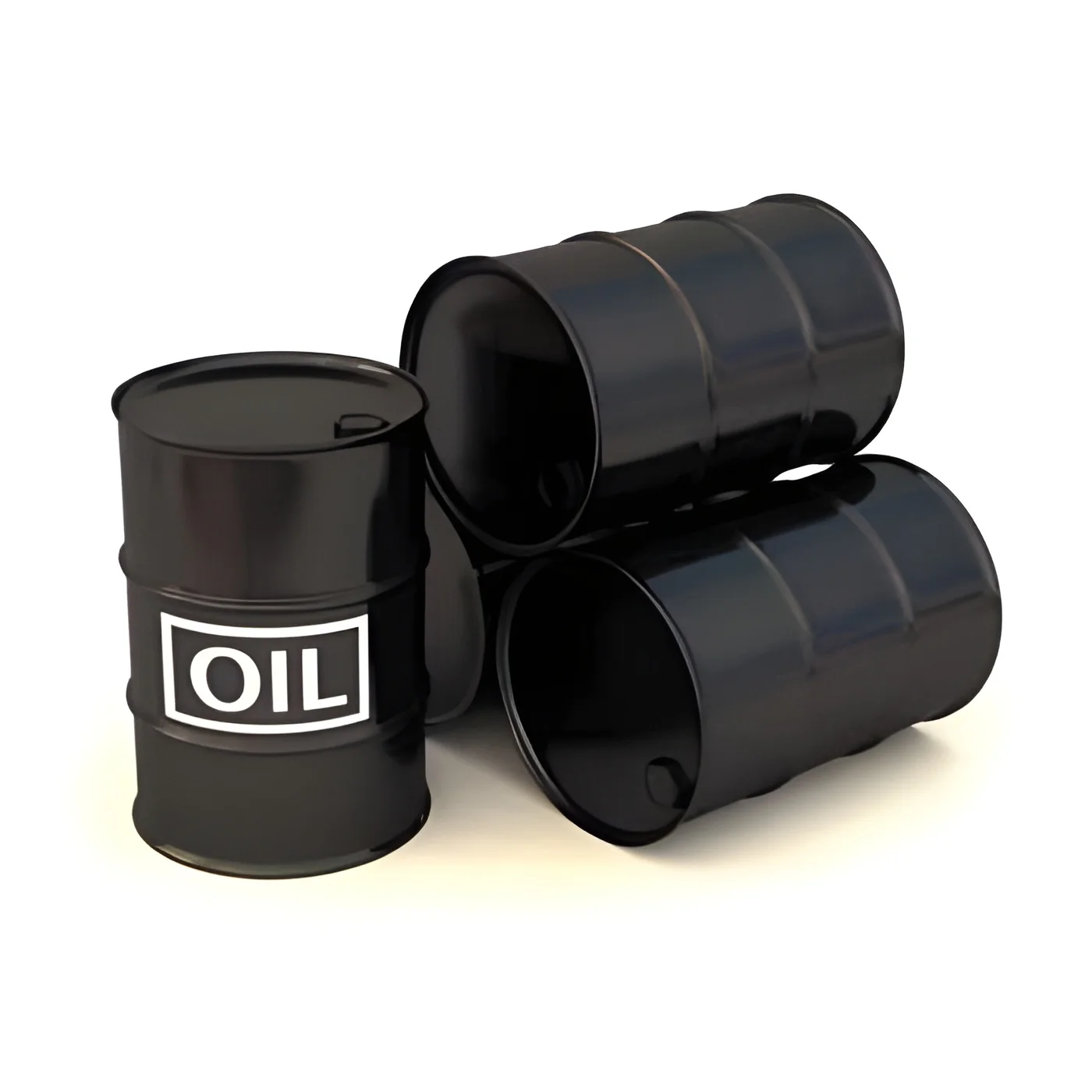
What are Bulk Metal Can Suppliers?
Bulk metal can suppliers provide large quantities of metal containers used for various industrial applications. These suppliers specialize in manufacturing and distributing metal cans that are designed to store and transport a range of products. The cans are typically made from materials such as aluminum or steel, which offer durability and protection for the contents within. Bulk metal can suppliers cater to businesses that require large orders for manufacturing, distribution, or storage purposes.
The primary uses of bulk metal cans include packaging for food and beverages, chemicals, and other industrial products. They are favored for their ability to preserve freshness, extend shelf life, and provide an airtight seal. Businesses in sectors such as food processing, pharmaceuticals, and chemicals utilize bulk metal cans to ensure product safety and compliance with industry regulations. Given the increasing demand for sustainable packaging solutions, metal cans are gaining popularity due to their recyclability and the ability to maintain quality.
In the current market context, bulk metal can suppliers play a crucial role in the supply chain. The global emphasis on sustainability and environmental responsibility is driving the shift toward metal packaging. As more companies seek eco-friendly alternatives, the demand for bulk metal cans continues to rise, positioning suppliers at the forefront of this growing industry.
Key Features and Specifications
When considering bulk metal can suppliers, it is important to evaluate their key features and specifications. These specifications help determine the suitability of the cans for various applications and ensure they meet industry standards.
Key specifications include:
1. Material Type
- Most metal cans are made from aluminum or steel.
- Each material has specific properties such as weight, durability, and corrosion resistance.
2. Can Sizes
- Available in various dimensions to accommodate different product volumes.
- Common sizes range from small (e.g., 1-liter) to large (e.g., 20-liter or more).
3. Lid Types
- Cans can feature different lid designs such as pull-tab, screw-on, or snap-on.
- Each lid type provides varying levels of security and ease of use.
4. Coating Options
- Internal and external coatings are available to enhance protection against corrosion and contamination.
- Coatings may include epoxy or enamel finishes.
5. Printing and Labeling
- Custom printing options are available for branding and product information.
- Labels can be applied directly to the can or printed on the coating.
6. Compliance Standards
- Cans may be designed to meet specific regulatory standards for food safety and hazardous materials.
- Compliance with regulations like FDA or EU directives is crucial for certain applications.
7. Temperature Resistance
- Cans are designed to withstand a range of temperatures, suitable for various storage conditions.
- Specific temperature ranges depend on the can type and intended use.
8. Recyclability
- Metal cans are highly recyclable, contributing to sustainability efforts.
- Suppliers may offer information on recycling programs or initiatives.
In summary, understanding the key features and specifications of bulk metal cans is essential for making informed purchasing decisions. These factors influence the quality, usability, and regulatory compliance of the products.
Common Applications and Use Cases
Bulk metal cans serve a wide range of industries, each with specific applications that leverage the unique properties of metal packaging.
1. Food and Beverage Industry: Metal cans are commonly used for packaging beverages, canned foods, and sauces. They protect contents from light and air, ensuring freshness.
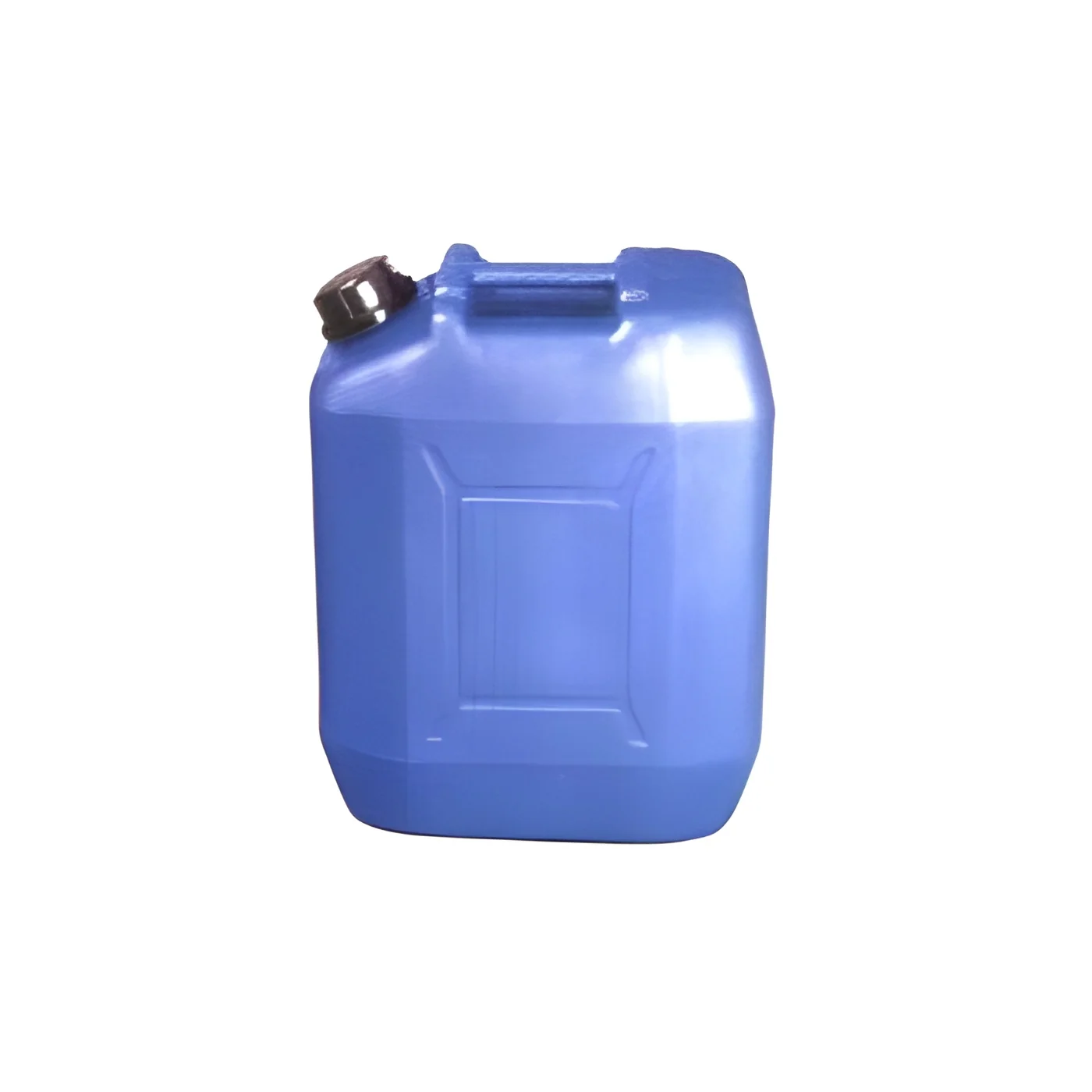
2. Chemical Industry: Bulk metal cans are ideal for storing and transporting chemicals, including solvents and hazardous materials. Their robust construction provides safety and compliance with regulations.
3. Pharmaceutical Industry: Metal cans are used for packaging pharmaceutical products, ensuring protection against contamination and maintaining product integrity.
4. Paint and Coatings: Metal cans are widely used to store paints and coatings. They prevent spills and maintain the quality of the product.
5. Personal Care Products: Items such as creams, sprays, and gels are often packaged in metal cans, benefiting from their lightweight and durable properties.
6. Industrial Products: Bulk metal cans are used for various industrial applications, including lubricants, oils, and adhesives, providing a safe and effective storage solution.
7. Pet Food Packaging: Manufacturers of pet food use metal cans to ensure product longevity and freshness, appealing to pet owners looking for quality packaging.
Product Variants and Subcategories
Bulk metal cans come in various forms, catering to different needs and applications. This diversity allows businesses to select the most appropriate variant for their specific requirements.
Standard Metal Can
This variant typically features a simple design and is available in multiple sizes. It is widely used for food and beverage packaging, providing strong protection and an airtight seal.
Aerosol Can
Aerosol cans are designed for dispensing products under pressure, such as sprays and foams. They come with specialized nozzles and valves for controlled application.
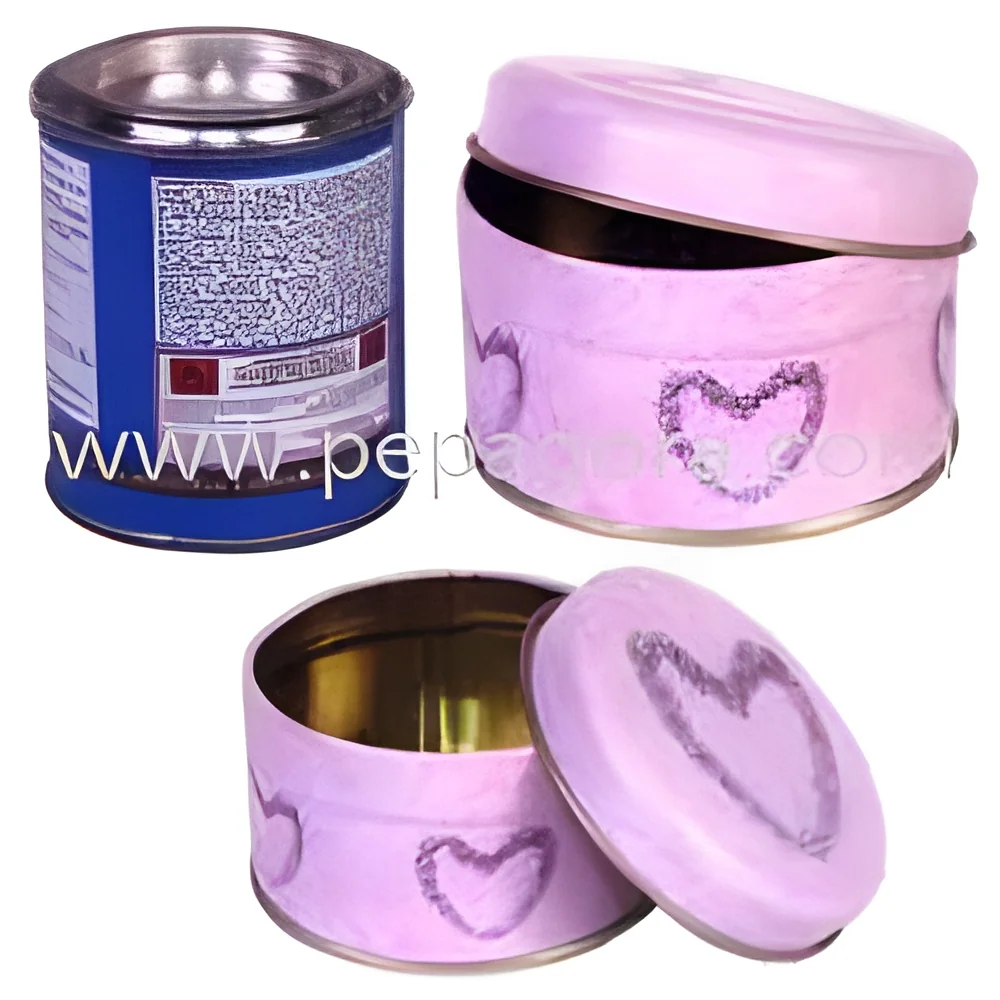
Paint Can
Paint cans are designed specifically for storing paints and coatings. They often feature secure lids and are made from materials that protect against moisture and light.
Chemical Can
These cans are built to store hazardous materials safely. They are usually constructed with heavy-duty materials and may have additional safety features for compliance.
Beverage Can
Beverage cans are lightweight and designed to hold carbonated drinks. They often include pull-tab openings for convenience and are highly recyclable.
Benefits and Advantages
Bulk metal cans offer several advantages that make them an attractive option for businesses in various industries.
Key benefits include:
1. Durability: Metal cans are strong and resistant to damage, ensuring the safe transport and storage of products.
2. Preservation: They provide an airtight seal that protects contents from contamination and extends shelf life.
3. Customization: Suppliers often offer options for sizes, coatings, and labeling, allowing businesses to tailor packaging to their needs.
4. Eco-Friendliness: Metal cans are recyclable, contributing to sustainability efforts and appealing to environmentally conscious consumers.
5. Cost-Effectiveness: Bulk purchasing can lower costs per unit, making metal cans an economical choice for businesses.
6. Compliance: Many bulk metal cans meet industry-specific regulations, ensuring safety during storage and transport.
Buying Guide for B2B Buyers
When sourcing bulk metal can suppliers, it is essential to consider several factors to ensure you choose the right partner for your needs.
1. Quality Assessment: Evaluate the quality of the cans by reviewing supplier certifications and testing protocols. Ensure that the products meet industry standards for safety and durability.
2. Supplier Verification: Vet potential suppliers by checking their reputation, customer reviews, and operational history. Reliable suppliers should have a proven track record in the industry.
3. Pricing and MOQ: Understand the pricing structure and minimum order quantities (MOQ) required by suppliers. This will help in budgeting and planning for your inventory needs.
4. Delivery and Lead Times: Discuss delivery options and lead times with suppliers. Timely delivery is critical for maintaining supply chain efficiency.
5. Compliance Requirements: Ensure that suppliers adhere to necessary compliance standards for your industry. This includes safety, environmental, and regulatory compliance.
Compliance and Certifications
Compliance with quality standards is crucial for bulk metal can suppliers. Relevant standards include ISO 9001, which focuses on quality management systems, and HACCP, which ensures food safety. Suppliers should also comply with GDP (Good Distribution Practice) regulations for handling products, especially in the food and pharmaceutical industries.
Industry certifications such as CE and UL indicate that the products meet specific safety and performance standards. These certifications are essential for building trust with customers and ensuring compliance with regional regulations.
Safety and testing requirements are also important considerations. Bulk metal cans must undergo rigorous testing to ensure they can safely contain their contents without risk of leakage or contamination. Additionally, regional compliance considerations may vary, so suppliers should be knowledgeable about local regulations that affect their products.
Why Source Bulk Metal Can Suppliers from Pepagora?
Pepagora provides a trusted platform for sourcing bulk metal can suppliers, offering several key advantages that enhance the procurement process.
Verified Supplier Network: Pepagora has established a network of verified suppliers, ensuring that buyers can trust the quality and reliability of the products they purchase. Each supplier undergoes thorough vetting to confirm their credentials and capabilities.
Streamlined RFQ Process: The platform features a streamlined request for quotation (RFQ) process, allowing buyers to easily compare prices and terms from multiple suppliers. This saves time and increases transparency in the procurement process.
Trade Assurance and Support: Pepagora offers trade assurance to protect buyers against potential issues with their orders. This includes support in case of disputes and assistance with logistics, ensuring a smooth purchasing experience.
Regional Coverage: With a strong presence in markets such as India, the GCC, and Southeast Asia, Pepagora enables buyers to access a wide range of suppliers and products tailored to their specific regional needs. This geographic reach ensures that businesses can find the right solutions in their local markets.

 IN
IN