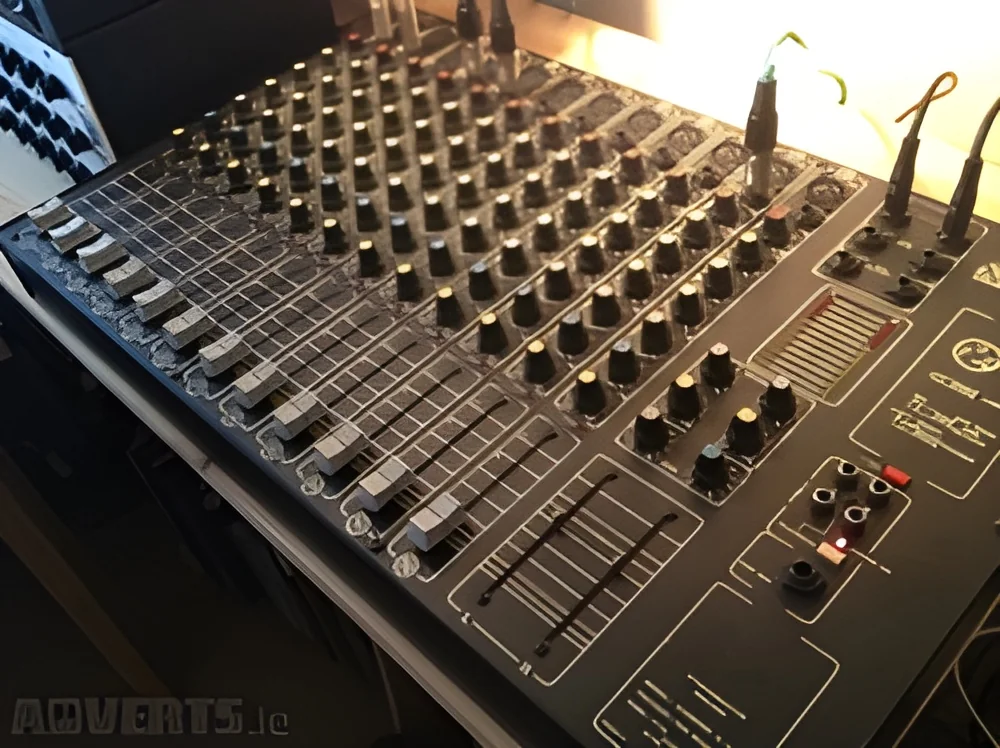
What are Stage Instruments?
Stage instruments are specialized devices and equipment used in various performance settings, including theaters, concerts, and other live events. They are designed to enhance sound quality, facilitate live performances, and ensure accurate monitoring of audio levels. Stage instruments encompass a wide range of products such as microphones, amplifiers, mixers, and other audio-related gear that play a crucial role in the overall production quality.
These instruments are primarily used by sound engineers, musicians, and event organizers to create an immersive auditory experience for audiences. Their applications extend beyond live performances, as they are also utilized in recording studios, broadcasting, and corporate events. The demand for high-quality stage instruments is growing as the entertainment industry continues to evolve, with technology advancements driving innovation in audio performance and sound clarity.
In the current market, stage instruments are vital for ensuring that performances are delivered with the highest fidelity and professionalism. As the industry continues to expand, the need for reliable and effective audio equipment has become more pronounced. This relevance in the industry highlights the importance of understanding the features, specifications, and applications of various stage instruments available in the market.
Key Features and Specifications
Stage instruments come with a variety of features that cater to the needs of different users. Understanding these specifications is essential for making informed purchasing decisions.
Key specifications include:
1. Frequency Response
- The range of frequencies the instrument can reproduce.
- Typically measured in Hertz (Hz), for example, 20 Hz to 20 kHz.
2. Input Sensitivity
- The minimum sound level required for the instrument to produce an output.
- Usually expressed in decibels (dB).
3. Total Harmonic Distortion (THD)
- The measure of distortion introduced by the instrument.
- It is often expressed as a percentage, with lower values indicating better sound fidelity.
4. Dynamic Range
- The difference between the quietest and loudest sounds the instrument can handle.
- Measured in decibels (dB), indicating the instrument’s ability to produce a wide range of sounds.
5. Connectivity Options
- Types of input and output connections available, such as XLR, TRS, or USB.
- Important for compatibility with other audio equipment.
6. Power Handling Capacity
- The maximum power the instrument can receive without distortion or damage.
- Typically measured in watts (W).
7. Weight and Portability
- The physical weight of the instrument, affecting ease of transport.
- Essential for professionals who frequently move equipment for events.
8. Build Quality
- The materials and construction methods used.
- Affects durability and reliability in various performance environments.
These features reflect the essential capabilities of stage instruments, helping users select the appropriate equipment for their specific needs.
Common Applications and Use Cases
Stage instruments are utilized across various industries, serving multiple applications.
1. Live Music Events: Musicians and bands rely on stage instruments to deliver high-quality sound during concerts and performances, ensuring clarity and impact.
2. Theater Productions: Sound designers use stage instruments to create immersive soundscapes, enhancing the audience's experience during plays and musicals.
3. Corporate Events: Companies utilize stage instruments for presentations, conferences, and product launches to ensure clear audio communication.
4. Broadcast Media: Radio and television stations employ stage instruments for live broadcasts, interviews, and music performances to maintain sound integrity.
5. House of Worship: Churches and places of worship use stage instruments to amplify sermons and music, enhancing the spiritual experience for congregants.
6. Education: Schools and universities use stage instruments in performances and presentations, supporting the development of students' skills in music and public speaking.
7. Sound Art Installations: Artists and sound engineers integrate stage instruments into installations, offering unique auditory experiences in galleries and public spaces.
Product Variants and Subcategories
Stage instruments encompass a diverse range of products to suit various needs and preferences.
Microphones
Microphones are essential for capturing sound. They come in different types, such as dynamic, condenser, and ribbon microphones, each offering unique sound characteristics and applications.
Mixers
Mixers are used to combine multiple audio signals. They allow sound engineers to control levels, EQ, and effects, ensuring a polished final output for performances and recordings.
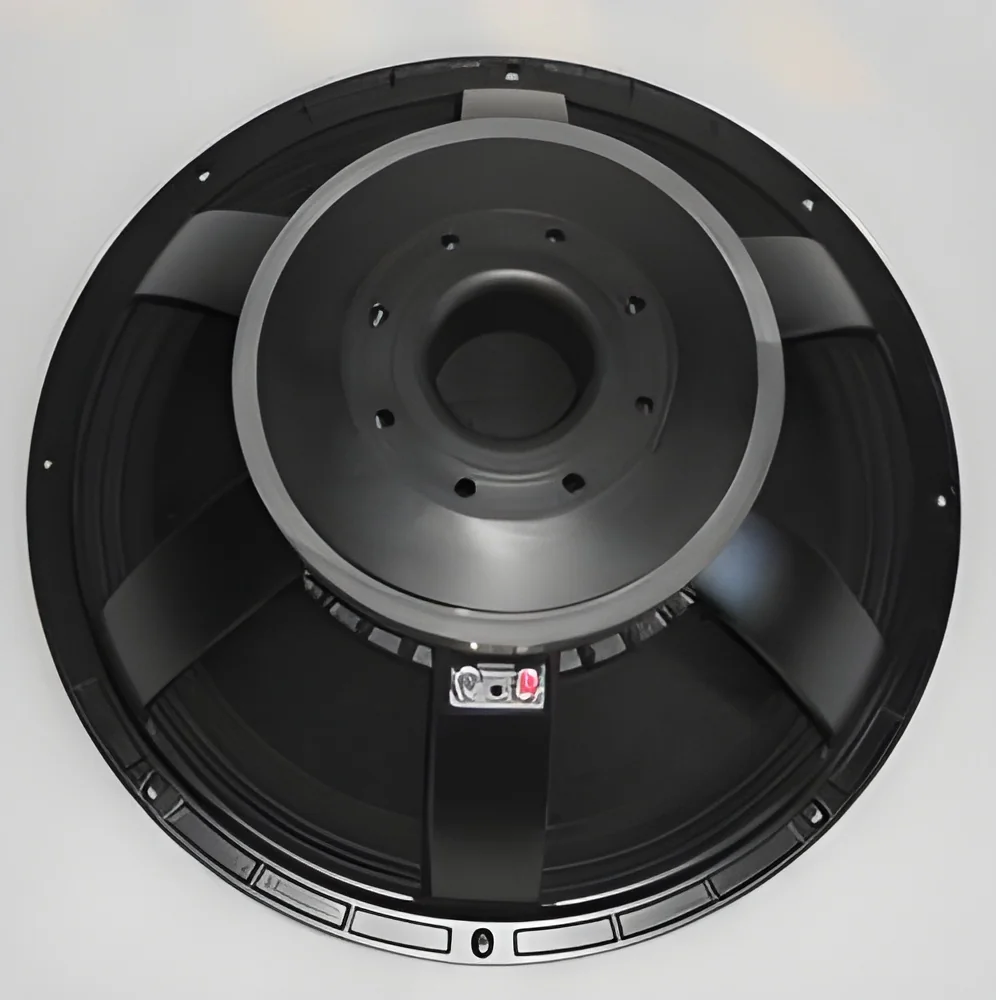
Speakers
Speakers amplify sound for audiences. They are available in various configurations, including passive and active speakers, catering to different performance environments and requirements.
Amplifiers
Amplifiers boost audio signals to drive speakers. They come in various power ratings to suit different venue sizes and sound requirements.
Benefits and Advantages
Investing in high-quality stage instruments provides numerous advantages for businesses and individuals.
1. Enhanced Sound Quality: Quality stage instruments improve audio clarity and fidelity, leading to better overall performance experiences.
2. Increased Reliability: Trusted brands and well-constructed instruments reduce the likelihood of equipment failure during critical performances.
3. Versatility: Many stage instruments are designed for various applications, allowing users to adapt to different performance environments easily.
4. User-Friendly Features: Many modern instruments come with intuitive controls and connectivity options, making them accessible for users of all skill levels.
5. Improved Audience Engagement: High-quality sound can captivate audiences, enhancing their enjoyment and connection to performances.
6. Long-Term Cost Savings: Investing in durable and reliable stage instruments can reduce replacement costs and maintenance over time.
Buying Guide for B2B Buyers
When sourcing stage instruments, it is essential to consider several key factors to ensure a successful purchase.
1. Quality Assessment: Evaluate the build quality and performance specifications of the instruments. Look for reputable brands with a history of producing reliable audio equipment.
2. Supplier Verification: Vet suppliers by checking their industry reputation, customer reviews, and product certifications. A verified supplier network ensures quality and support.
3. Pricing and MOQ: Understand the pricing structure and minimum order quantities (MOQ) offered by suppliers. This information is crucial for budgeting and planning purchases.
4. Delivery and Lead Times: Confirm the expected delivery timelines and logistics arrangements with suppliers. Timely delivery is critical for event planning and coordination.
5. Compliance Requirements: Ensure that the instruments meet relevant industry standards and regulations. Compliance with safety and quality certifications is crucial for operational success.
Compliance and Certifications
Stage instruments are subject to various quality standards and certifications to ensure safety and performance.
ISO 9001 is a widely recognized quality management standard that ensures manufacturers maintain consistent quality in their products. Compliance with ISO standards can enhance reliability and customer satisfaction.
CE marking is a mandatory certification for products sold in the European Economic Area, indicating that the instruments meet safety and health requirements. This certification is crucial for manufacturers looking to enter European markets.
Safety and testing requirements are essential to guarantee that stage instruments function correctly and do not pose risks to users. Compliance with relevant safety standards helps prevent accidents and equipment failures.
Regional compliance considerations may differ based on local regulations, necessitating awareness of specific requirements in different markets. Manufacturers should stay informed about these regulations to ensure their products are compliant.
Why Source Stage Instruments from Pepagora?
Pepagora offers a trusted platform for sourcing stage instruments with several key advantages that benefit B2B buyers.
Verified Supplier Network: Pepagora connects buyers with a network of verified suppliers, ensuring that all listed products meet quality and safety standards. This verification process instills confidence in purchasing decisions.
Streamlined RFQ Process: The Request for Quotation (RFQ) process is designed to be efficient, allowing buyers to receive competitive pricing and quotes from multiple suppliers quickly. This streamlining saves time and facilitates informed decision-making.
Trade Assurance and Support: Pepagora provides trade assurance to protect buyers during transactions. This support includes assistance with order management and dispute resolution, ensuring a smooth purchasing experience.
Regional Coverage: With a geographic reach that includes India, the GCC, and Southeast Asia, Pepagora enables buyers to access a wide array of stage instruments tailored to their regional needs. This extensive coverage ensures that buyers can find suitable products regardless of their location.

 IN
IN
 India
India