
 IN
Sports Bikes
1 products available
What are Sports Bikes?
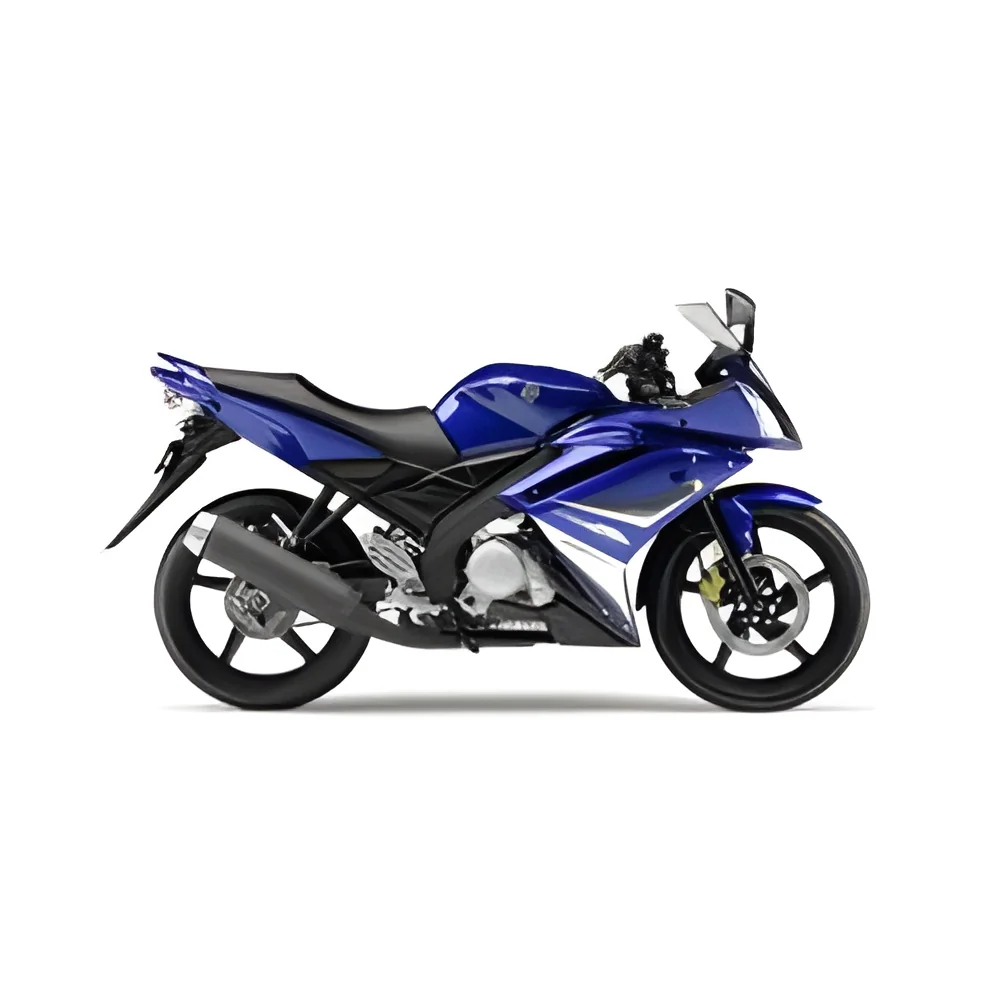
Sports bikes are high-performance motorcycles designed primarily for speed, agility, and maneuverability. They typically feature a lightweight frame, powerful engines, and advanced aerodynamics that enhance their performance on both the road and the racetrack. These bikes are engineered for riding enthusiasts who seek an exhilarating experience, combining speed and precision with cutting-edge technology.
In the B2B context, sports bikes are often used by rental companies, racing teams, and motorcycle training schools. They may also be utilized for promotional events and competitions. The demand for sports bikes is driven by consumer interest in motorsports and recreational riding, making them a significant product in the motorcycle industry. With the growing popularity of motorcycle racing and events, these bikes are crucial for businesses looking to cater to an active market.
The sports bike market is characterized by innovation and competitive pricing. Manufacturers continuously strive to improve performance, safety features, and rider comfort. As more consumers become interested in high-performance vehicles, the relevance of sports bikes in the motorcycle sector remains strong, with a steady increase in market share.
Key Features and Specifications
When evaluating sports bikes, it is essential to consider their key features and specifications. These specifications can significantly impact performance, safety, and rider experience.
Key specifications include:
1. Engine Capacity
- Typically ranges from 600cc to 1000cc or more.
- Larger engine capacities provide higher speeds and power.
2. Weight
- Sports bikes generally weigh between 350 to 500 pounds.
- Lighter bikes offer better handling and acceleration.
3. Top Speed
- Many sports bikes can reach speeds exceeding 150 mph.
- Top speed is influenced by engine performance and aerodynamics.
4. Suspension System
- Features adjustable front and rear suspension for improved handling.
- Essential for stability during high-speed maneuvers.
5. Braking System
- Equipped with advanced disc brakes and anti-lock braking systems (ABS).
- Enhances safety and control during rapid deceleration.
6. Fuel Efficiency
- Fuel consumption typically ranges from 35 to 50 miles per gallon.
- Efficient fuel usage can reduce operating costs.
7. Tire Specifications
- Sport-specific tires designed for optimal grip and handling.
- Common sizes include 120/70 ZR17 for front and 180/55 ZR17 for rear.
8. Technology Features
- May include traction control, ride modes, and digital displays.
- Enhances rider experience and safety.
In summary, understanding these specifications is crucial for businesses looking to invest in sports bikes. They directly impact the bike's performance, safety, and overall value.
Common Applications and Use Cases
Sports bikes serve a variety of industries and applications.
1. Rental Services: Sports bikes are popular in rental fleets for recreational use, offering customers thrilling riding experiences during vacations or events.
2. Racing Teams: Professional racing teams utilize sports bikes for competitive racing, requiring high-performance models that can withstand rigorous conditions.
3. Motorcycle Training Schools: These institutions often incorporate sports bikes into their training programs to teach advanced riding skills and techniques.
4. Promotional Events: Businesses may use sports bikes for marketing campaigns, showcasing their brand at motorsport events or exhibitions.
5. Tour Companies: Guided motorcycle tours often feature sports bikes to attract adventure-seeking tourists looking for unique experiences.
6. Customization Shops: Custom motorcycle shops frequently work with sports bikes, enhancing them with personalized features and modifications for clients.
7. Enthusiast Communities: Various motorcycle clubs and organizations use sports bikes for group rides and events, promoting camaraderie among riders.
Product Variants and Subcategories
Sports bikes encompass a range of models, each catering to different preferences and requirements.
Model A
This model is known for its lightweight design and exceptional agility. It features a powerful engine and advanced technology, making it ideal for both street and track use.
Model B
Model B combines comfort with performance, offering a more relaxed riding position. It is suitable for long-distance rides while retaining the sporty characteristics essential for spirited driving.
Model C
This variant focuses on high-performance racing features. It includes aerodynamic bodywork and specialized suspension systems, designed for serious racers looking to gain a competitive edge.
Benefits and Advantages
Investing in sports bikes offers numerous advantages for businesses.
1. Enhanced Performance: Sports bikes deliver superior speed and handling, making them ideal for competitive environments.
2. Brand Appeal: High-performance bikes attract attention, enhancing brand visibility and appeal during events.
3. Versatility: These bikes can be used in various applications, from rentals to racing, providing flexibility for businesses.
4. Rider Engagement: Offering sports bikes can engage customers and create memorable experiences, fostering loyalty.
5. Innovative Technology: Equipped with the latest features, sports bikes can enhance rider safety and convenience.
6. Resale Value: High-quality sports bikes often retain their value well, making them a sound investment for businesses.
Buying Guide for B2B Buyers
When sourcing sports bikes, several factors must be considered to ensure a successful purchase.
1. Quality Assessment: Evaluate the build quality and performance standards of the bikes. Look for reputable brands known for reliability and durability.
2. Supplier Verification: Conduct thorough research on suppliers, checking for certifications and reviews to ensure they are trustworthy and can deliver quality products.
3. Pricing and MOQ: Understand the pricing structure and minimum order quantities (MOQ) set by suppliers. Negotiate terms that align with your budget and needs.
4. Delivery and Lead Times: Assess the supplier's logistics capabilities. Ensure they can meet your delivery timelines to avoid disruptions in your business.
5. Compliance Requirements: Be aware of any regulatory requirements specific to your region. Ensure that the bikes meet necessary safety and quality certifications.
Compliance and Certifications
Compliance and certifications are essential considerations in the sports bike industry.
Many manufacturers adhere to relevant quality standards such as ISO 9001, which ensures consistent quality management systems. This certification is crucial for businesses seeking reliable products.
Additionally, sports bikes must meet industry certifications like CE, which signifies compliance with European safety standards. This certification is essential for international trade and consumer confidence.
Safety and testing requirements are also critical, as bikes must undergo rigorous testing to ensure they meet performance and safety benchmarks.
Regional compliance considerations vary, so it is important for businesses to understand local regulations regarding motorcycle manufacturing and sales.
Why Source Sports Bikes from Pepagora?
Pepagora provides a trusted platform for sourcing sports bikes, offering significant advantages for B2B buyers.
Verified Supplier Network: Pepagora connects buyers with a network of verified suppliers. This ensures that buyers can find reliable manufacturers who meet established quality standards.
Streamlined RFQ Process: The platform features a simple request for quotation (RFQ) process, allowing buyers to receive competitive quotes from multiple suppliers quickly. This simplifies decision-making and enhances purchasing efficiency.
Trade Assurance and Support: Pepagora offers trade assurance services that protect buyers throughout the transaction process. This includes support for dispute resolution and ensuring product quality.
Regional Coverage: With a strong presence in India, the GCC, and Southeast Asia, Pepagora enables businesses to access a wide range of sports bike suppliers across multiple regions. This geographic reach ensures that buyers can find products that suit their specific market needs.


Frequently Asked Questions
What are Sports Bikes?
Sports bikes are high-performance motorcycles designed for speed, agility, and optimal handling. They feature powerful engines, lightweight frames, and advanced aerodynamics, making them ideal for racing and spirited riding.
What are the different types of Sports Bikes?
There are several types of sports bikes, including supersport bikes, sport-touring bikes, and naked sports bikes. Supersport bikes are focused on track performance, sport-touring bikes offer a balance of comfort and performance, while naked sports bikes provide a more upright riding position without fairings.
How do I choose the right Sports Bikes?
When selecting a sports bike, consider factors such as your riding experience, intended use, and comfort level. It's also important to evaluate the bike's specifications, including engine size, weight, and handling characteristics, to ensure it meets your needs.
What are the standard specifications for Sports Bikes?
Standard specifications for sports bikes typically include engine displacement ranging from 600cc to 1000cc, a lightweight chassis, and high-performance suspension systems. They also often feature advanced braking systems, such as anti-lock brakes (ABS), and may include electronic aids like traction control.
What is the price range for Sports Bikes?
The price range for sports bikes can vary significantly based on brand, model, and features. Generally, prices can start from around INR 1 lakh for entry-level models and can go up to INR 20 lakhs or more for premium and high-performance variants.
What quality standards apply to Sports Bikes?
Sports bikes must adhere to various quality standards, including government regulations for safety and emissions. Additionally, manufacturers often follow international standards such as ISO and specific automotive industry benchmarks to ensure reliability and performance.
Where can I find Sports Bikes suppliers in India?
You can find sports bike suppliers in India through online B2B marketplaces, local dealerships, and trade shows. Websites like Pepagora provide a platform to connect with manufacturers and suppliers, offering a wide range of options.
Can Sports Bikes be customized?
Yes, sports bikes can be customized to meet individual preferences and performance needs. Customization options may include alterations to the engine, suspension, bodywork, and accessories, allowing riders to enhance aesthetics and functionality.
What is the typical minimum order quantity for Sports Bikes?
The typical minimum order quantity (MOQ) for sports bikes can vary by supplier but often ranges from 1 to 10 units for businesses. It is advisable to check with individual manufacturers for their specific MOQ requirements.
What is the typical lead time for Sports Bikes?
The typical lead time for sports bikes can vary depending on the manufacturer and model. Generally, you can expect a lead time of 4 to 12 weeks from order placement to delivery, especially if customization is involved.
Why Businesses Trust Pepagora
Thousands of companies trust Pepagora to source smarter and sell faster
Expand Your Sales Globally

Source Smarter,Grow Faster
