What are Touring Bikes?
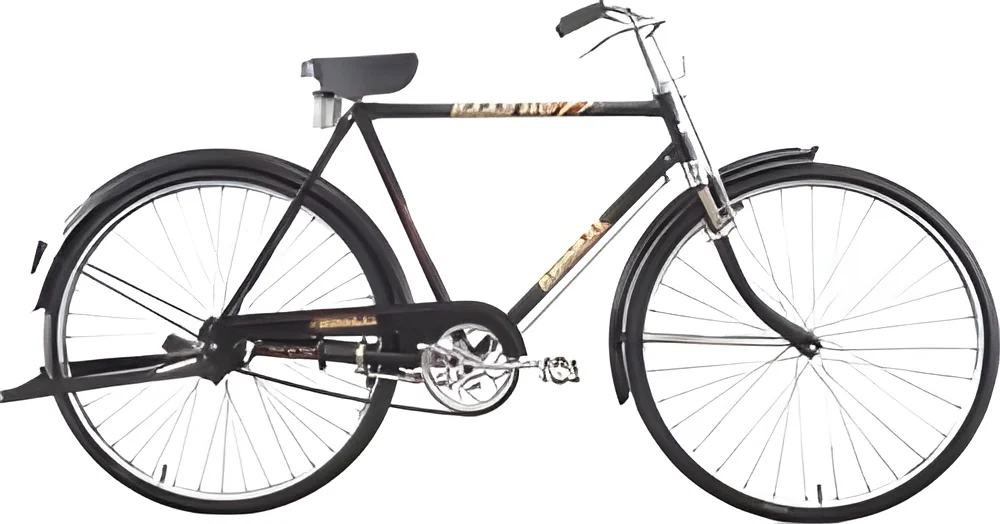
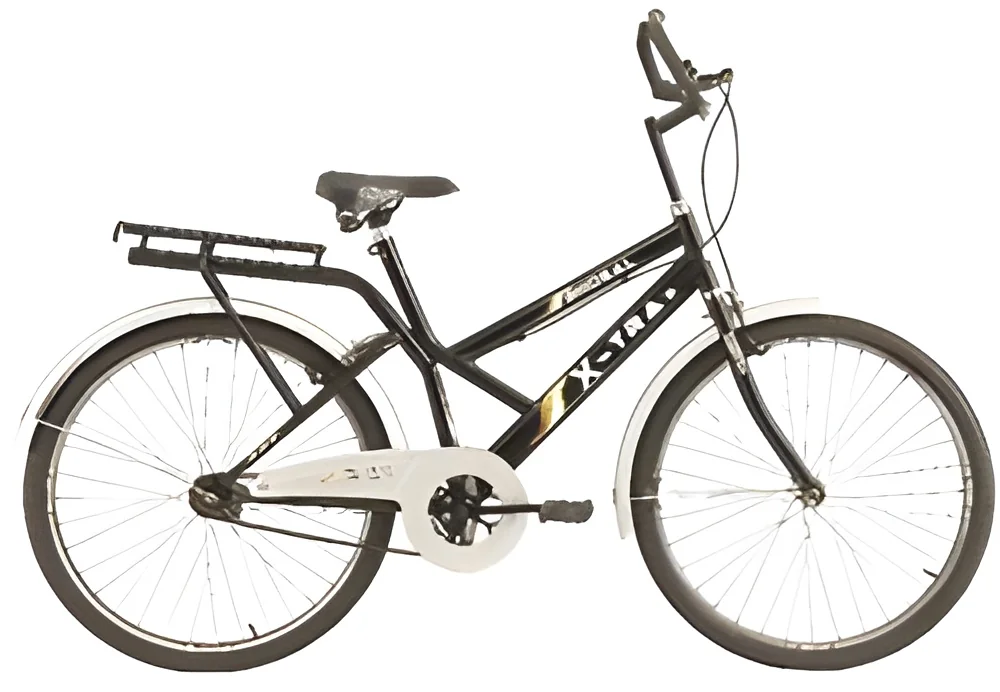
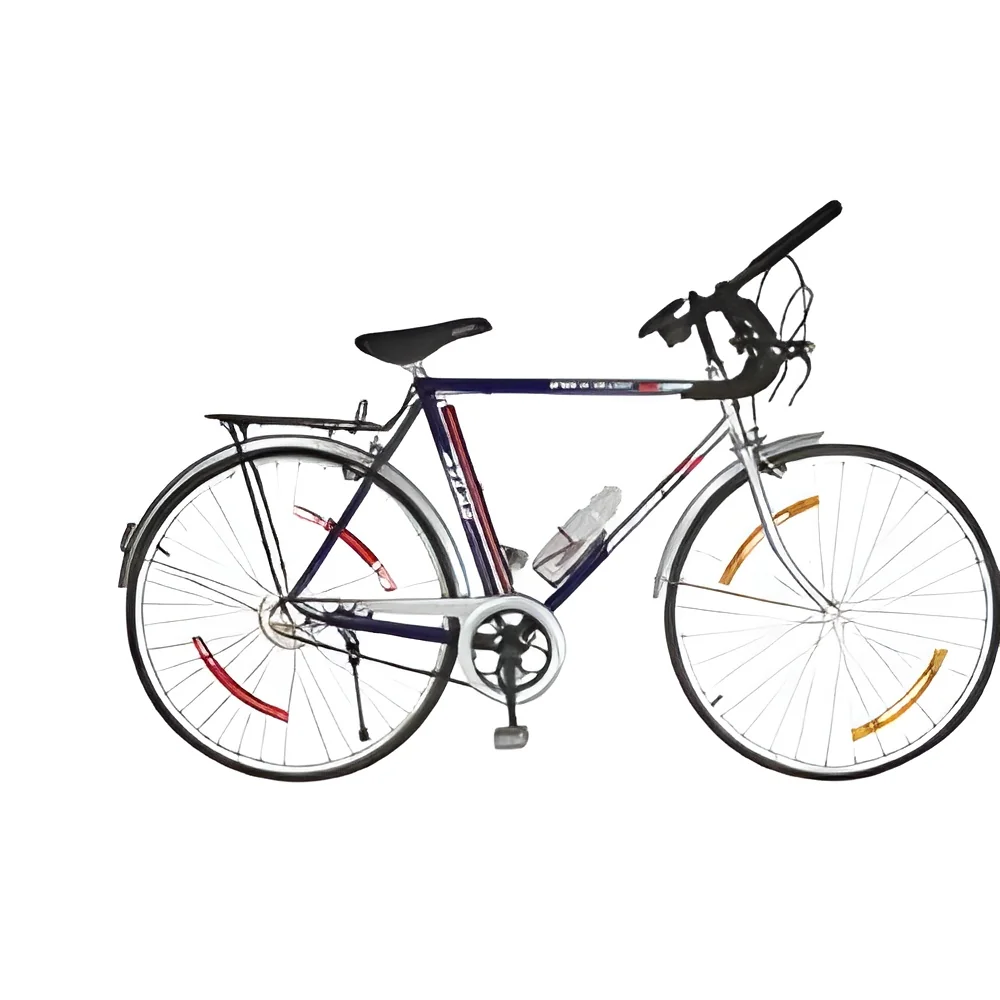
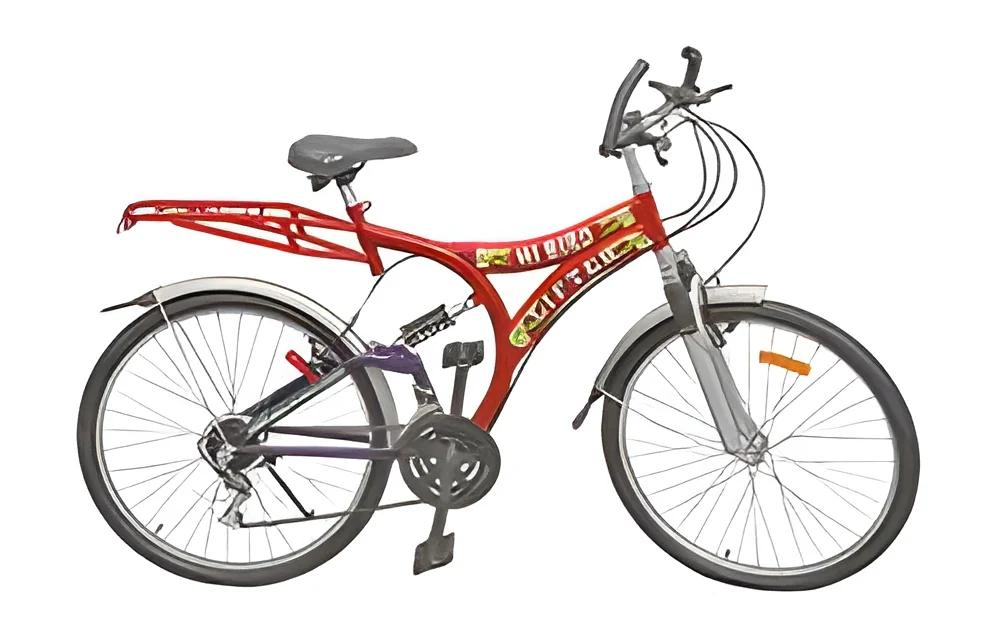
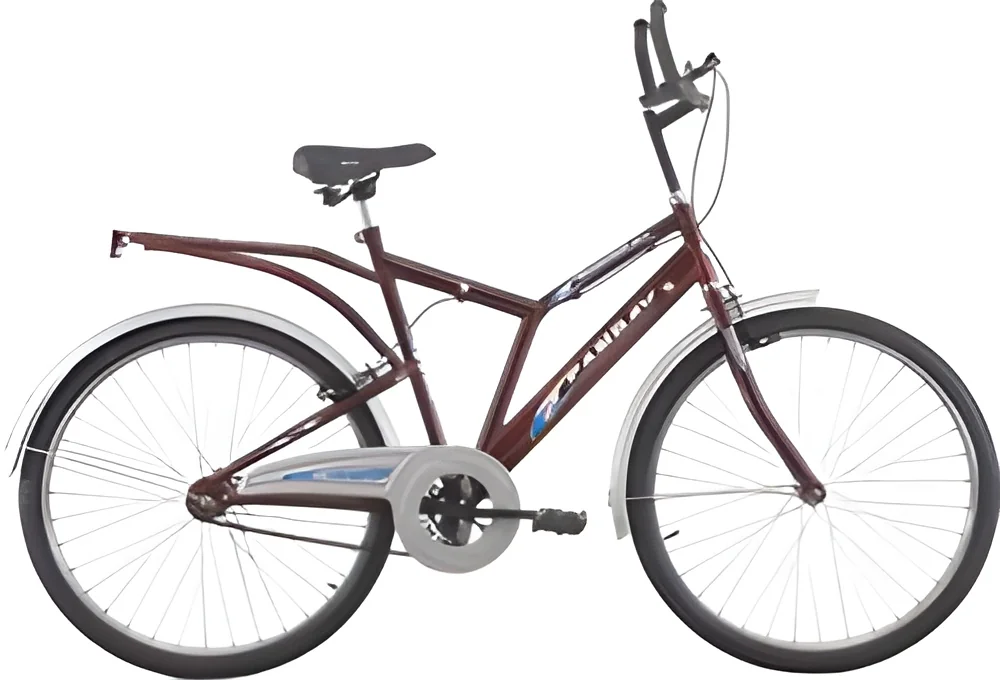
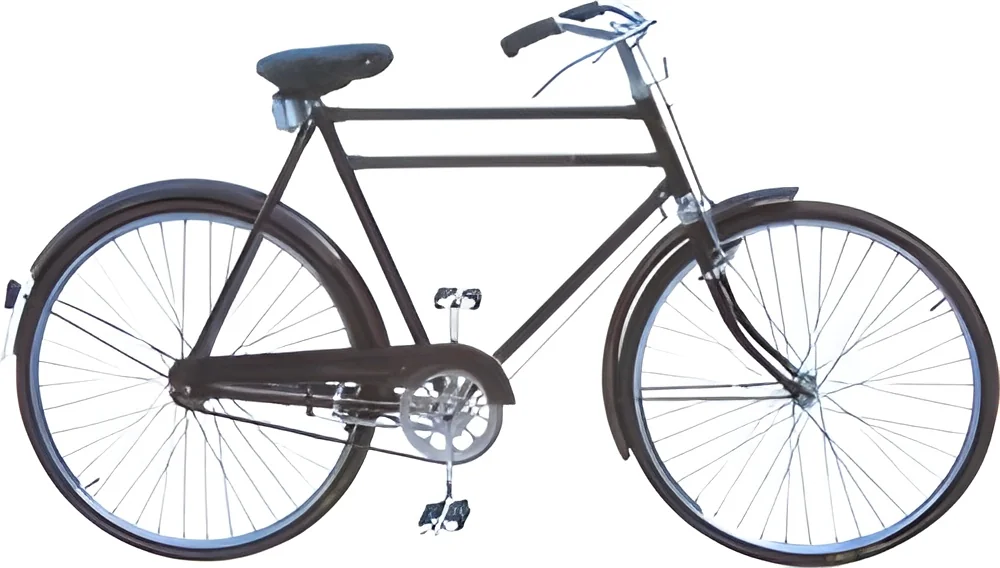
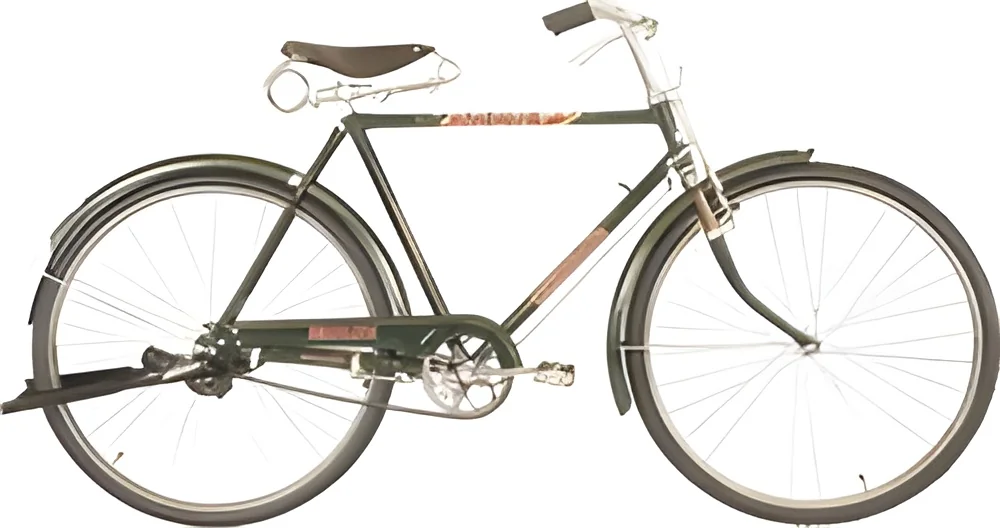
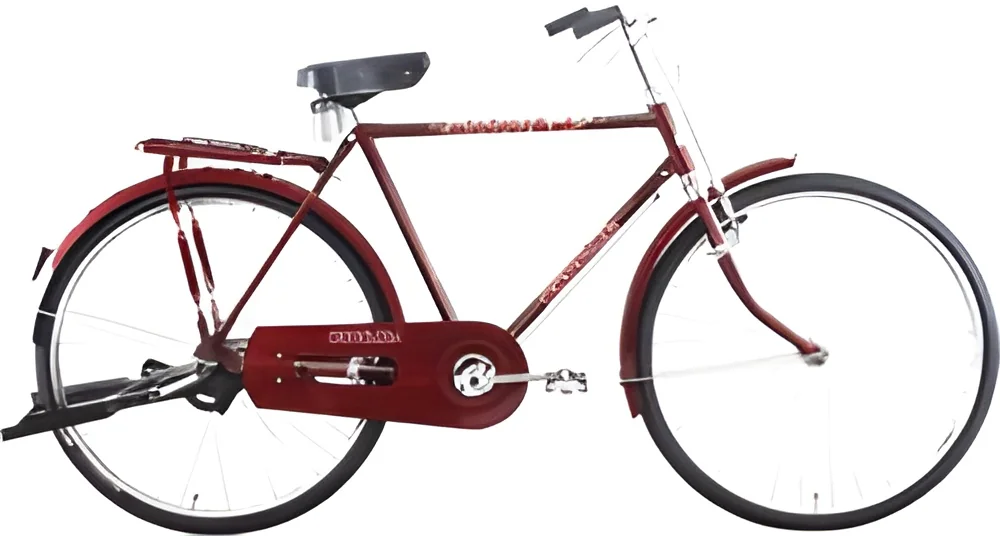
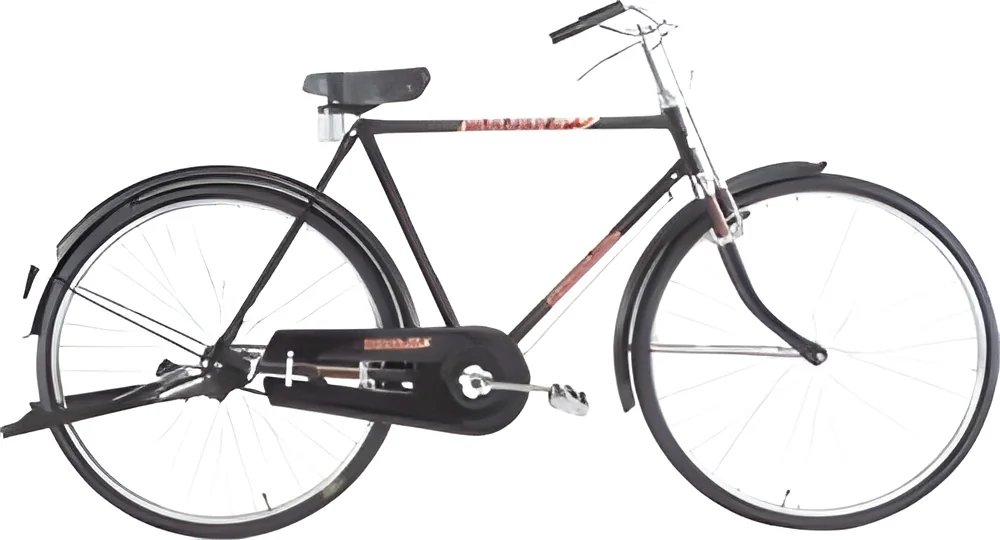
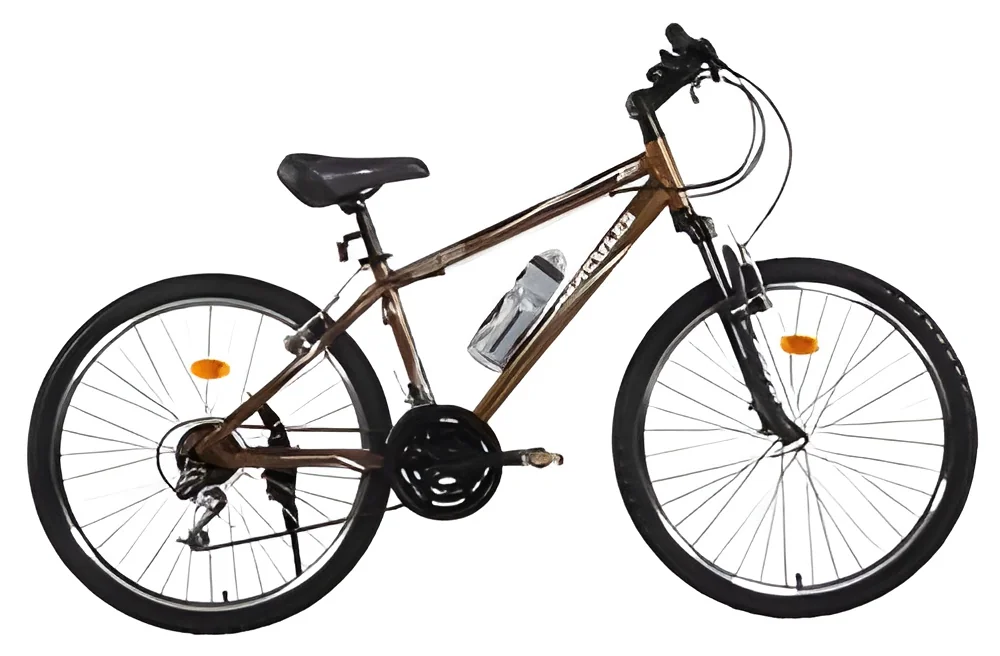
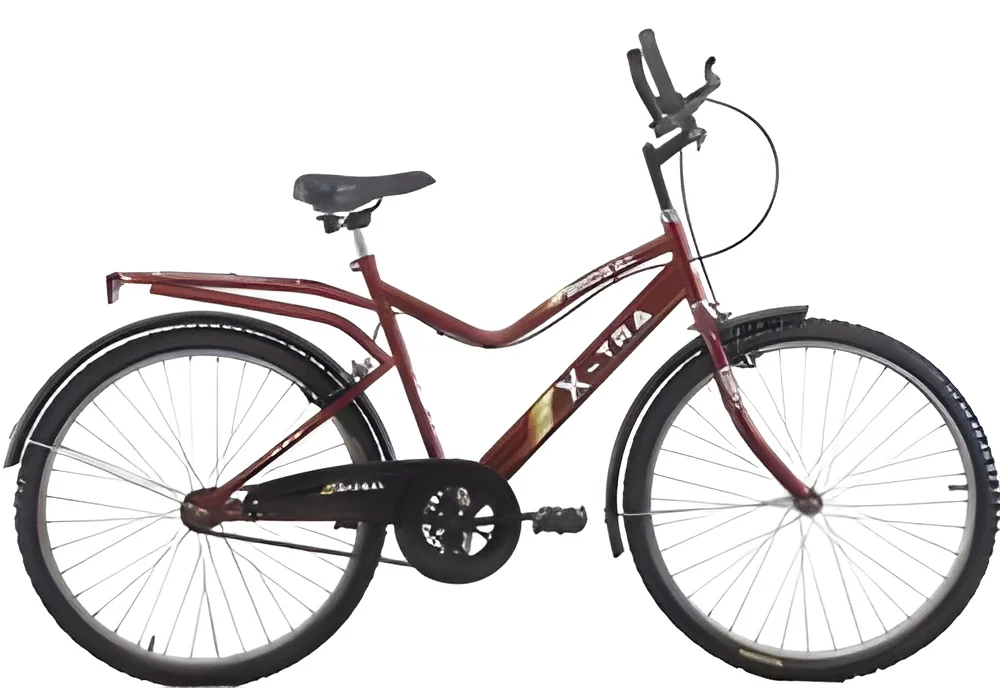
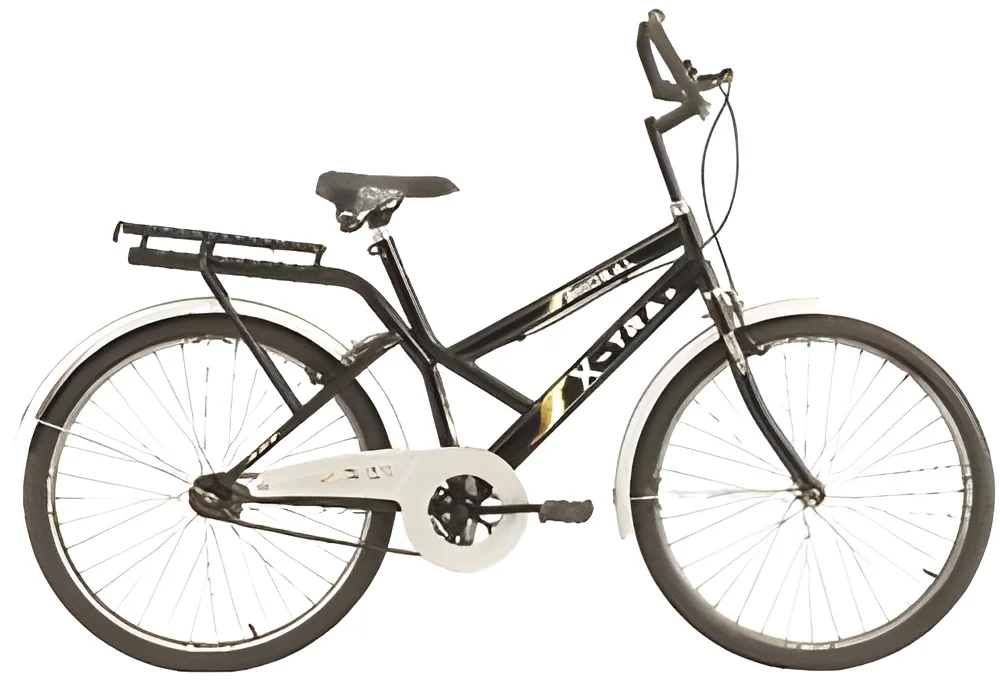
Touring bikes are specially designed bicycles intended for long-distance travel. These bikes prioritize comfort and stability over speed, making them ideal for extended journeys on varied terrains. Touring bikes typically feature a robust frame, wider tires, and a relaxed geometry that enhances rider comfort during long rides. They are equipped to carry heavy loads, making them suitable for both recreational touring and serious expeditions.
In the business context, touring bikes are often used by organizations that offer guided tours, outdoor adventures, or rental services. They are also popular among cycling enthusiasts who participate in long-distance cycling events or need reliable transportation for commuting. The touring bike market has evolved to meet the demands of both recreational cyclists and professional tour operators, making them a relevant product in the cycling industry.
As a growing segment in the cycling market, touring bikes reflect a shift in consumer preferences toward sustainable travel options. The increasing interest in adventure tourism and eco-friendly transportation options further drives the demand for these bikes, establishing their importance in the overall cycling landscape.
Key Features and Specifications
Touring bikes come with a variety of features designed for durability, comfort, and functionality. Understanding these specifications can help businesses select the right models for their needs.
Key specifications include:
1. Frame Material
- Typically made from steel, aluminum, or titanium
- Steel offers durability and comfort, while aluminum is lighter and more affordable
2. Wheel Size
- Common sizes include 26-inch and 700c
- Affects handling and ride quality on different terrains
3. Gearing System
- Usually equipped with a wide range of gears for various inclines
- Options include derailleur systems and internal hub gears
4. Tire Width
- Wider tires (typically 35-50mm) are preferred for stability and comfort
- Allows for better traction on diverse surfaces
5. Load Capacity
- Designed to carry heavy loads, often exceeding 100 lbs
- Essential for long-distance touring with gear
6. Brake Type
- Options include rim brakes and disc brakes
- Disc brakes provide better stopping power in wet conditions
7. Accessories Compatibility
- Many touring bikes come with mounts for racks and fenders
- Enhances practicality for carrying additional gear
8. Comfort Features
- Ergonomic handlebars and cushioned saddles
- Help reduce fatigue during long rides
These specifications ensure that touring bikes meet the demands of long-distance travel while providing a comfortable and safe riding experience.
Common Applications and Use Cases
Touring bikes serve a variety of industries and applications, catering to different needs.
1. Adventure Tourism: These bikes are used by tour operators to provide guided cycling tours through scenic landscapes, ensuring participants can handle various terrains comfortably.
2. Bicycle Rentals: Rental companies often stock touring bikes for customers seeking long-term rental options, particularly in tourist-heavy regions.
3. Commuting Solutions: Businesses promoting sustainable transportation may offer touring bikes as a viable commuting solution for employees.
4. Event Participation: Cycling events, such as charity rides or long-distance races, frequently utilize touring bikes due to their reliability and comfort.
5. Travel and Expeditions: Many travel enthusiasts use touring bikes for self-supported journeys, allowing them to carry necessary gear while exploring new destinations.
6. Recreational Cycling: Casual cyclists enjoy using touring bikes for weekend trips or leisurely rides, benefiting from their comfort and stability.
7. Outdoor Education Programs: Educational organizations may incorporate touring bikes into their curriculum for teaching skills related to cycling and outdoor adventure.
Product Variants and Subcategories
Touring bikes come in various models to cater to different riding preferences and requirements.
Standard Touring Bikes
These models are designed for long-distance travel on paved and unpaved roads. They typically feature a sturdy frame, multiple gears, and a comfortable seating position, making them suitable for extended rides.
Rugged Touring Bikes
Built for off-road adventures, rugged touring bikes have wider tires and reinforced frames. They can handle rough terrains and are often used for bikepacking trips where riders carry camping gear.
Electric Touring Bikes
These bikes are equipped with electric assist motors, providing additional power for longer rides. They are ideal for cyclists who may need help on steep climbs or wish to reduce fatigue during extensive tours.
Performance Touring Bikes
Designed for speed and efficiency, these bikes have a lightweight frame and advanced gearing systems. They are suitable for cyclists looking to cover long distances quickly while retaining comfort.
Benefits and Advantages
Touring bikes offer numerous benefits, making them an attractive choice for various applications.
1. Enhanced Comfort: The relaxed geometry and ergonomic features of touring bikes reduce fatigue, allowing for longer rides without discomfort.
2. Load-Carrying Capacity: Designed to accommodate heavy loads, touring bikes can carry all necessary gear for long-distance travel, enhancing their utility.
3. Versatility: Touring bikes can handle a wide range of terrains, making them suitable for both urban commuting and off-road adventures.
4. Durability: Built with robust materials, touring bikes are designed to withstand the rigors of long journeys and varying conditions.
5. Safety Features: Many touring bikes come with reliable braking systems and stable handling, ensuring rider safety during long rides.
6. Customization Options: Many manufacturers offer various accessories and upgrades, allowing businesses to tailor their bikes to specific needs and preferences.
Buying Guide for B2B Buyers
When sourcing touring bikes, businesses should consider several essential factors to ensure they make informed decisions.
1. Quality Assessment: Look for bikes made from high-quality materials with a proven track record for durability. Evaluate the construction and components to ensure they can withstand extensive use.
2. Supplier Verification: Vet potential suppliers to confirm their reliability and reputation in the market. Consider checking references and customer reviews to gauge their service quality.
3. Pricing and MOQ: Understand the pricing structure and any minimum order quantities that may apply. This will help in budgeting and ensuring that the investment aligns with business needs.
4. Delivery and Lead Times: Discuss logistics with suppliers to determine delivery schedules and lead times. Timely delivery is crucial for businesses relying on these bikes for operations.
5. Compliance Requirements: Ensure that the touring bikes meet relevant industry standards and regulations. This may include checking for certifications like CE to confirm safety and quality.
Compliance and Certifications
Touring bikes must adhere to various quality standards and certifications to ensure they are safe and reliable for users.
ISO 9001 is a key standard that relates to quality management systems. This certification ensures that manufacturers maintain consistent quality in their products, including touring bikes.
CE certification is particularly important in the European market, indicating that the product meets safety and environmental protection standards. This certification reassures buyers of the bike's compliance with regulatory requirements.
Safety testing is crucial for touring bikes to ensure they can withstand the stresses of long-distance travel. Manufacturers often conduct rigorous testing to assess durability, braking performance, and overall safety.
Businesses should also consider regional compliance requirements, as different markets may have specific regulations governing bicycle manufacturing and sales. Understanding these requirements can help buyers make informed purchasing decisions.
Why Source Touring Bikes from Pepagora?
Pepagora provides a trusted platform for sourcing touring bikes, offering several key advantages for B2B buyers.
Verified Supplier Network: Pepagora connects buyers with a network of verified suppliers, ensuring that businesses can source high-quality products from reputable manufacturers. This verification process helps mitigate risks associated with supplier reliability.
Streamlined RFQ Process: The request for quotation (RFQ) process on Pepagora is designed to be straightforward, allowing buyers to easily compare pricing and specifications from multiple suppliers. This efficiency helps businesses make informed purchasing decisions quickly.
Trade Assurance and Support: Pepagora offers trade assurance to protect buyers from potential issues during transactions. This includes support in case of disputes or product quality concerns, providing peace of mind during the purchasing process.
Regional Coverage: With a strong presence in key markets such as India, the GCC, and Southeast Asia, Pepagora facilitates access to a wide range of touring bikes tailored to different regional preferences and requirements. This geographic reach enables buyers to connect with local suppliers and benefit from faster delivery times.

 IN
IN