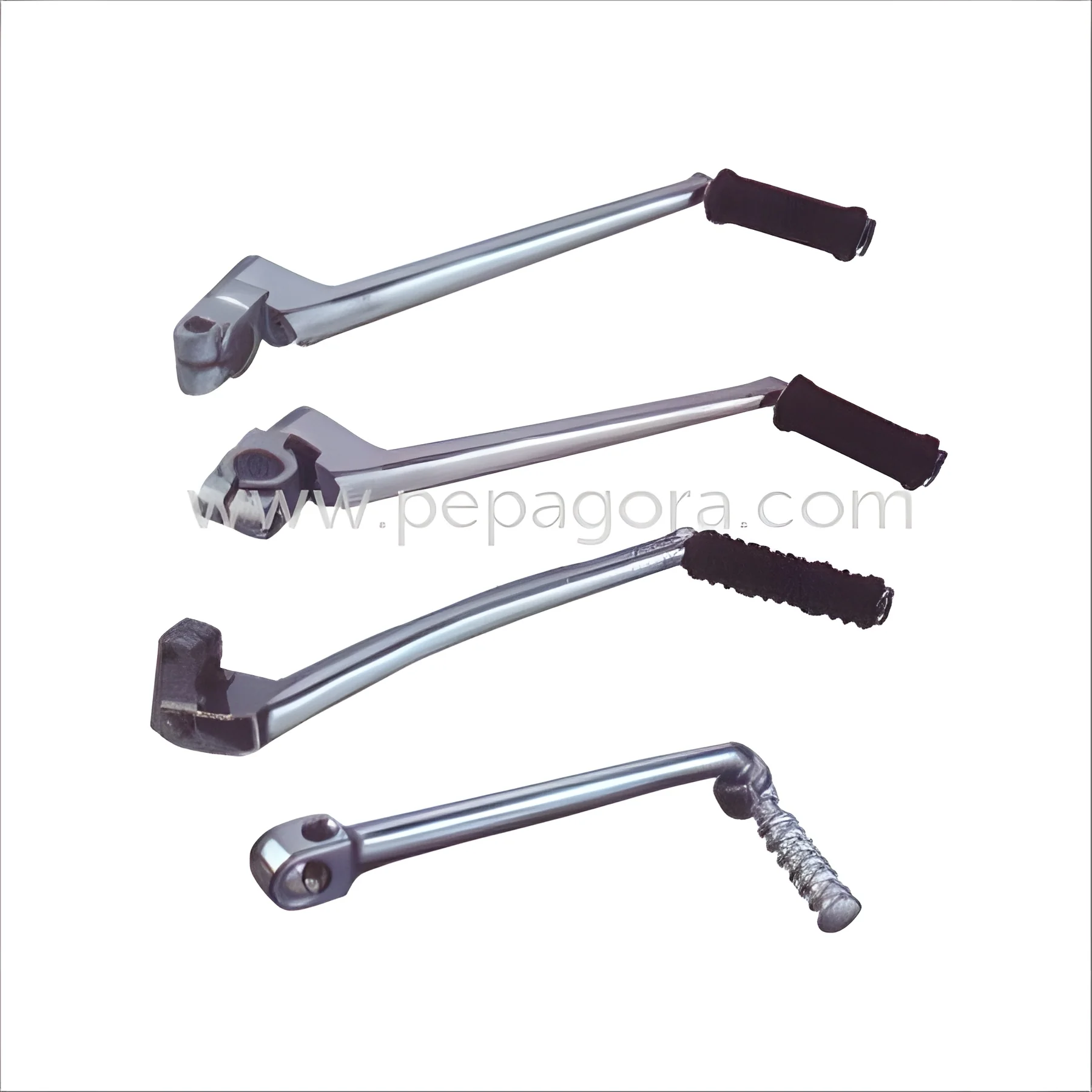
𝗪𝗵𝗮𝘁 𝗮𝗿𝗲 𝗧𝘄𝗼-𝗪𝗵𝗲𝗲𝗹𝗲𝗿 𝗢𝗘𝗠 𝗠𝗮𝗻𝘂𝗳𝗮𝗰𝘁𝘂𝗿𝗲𝗿𝘀?
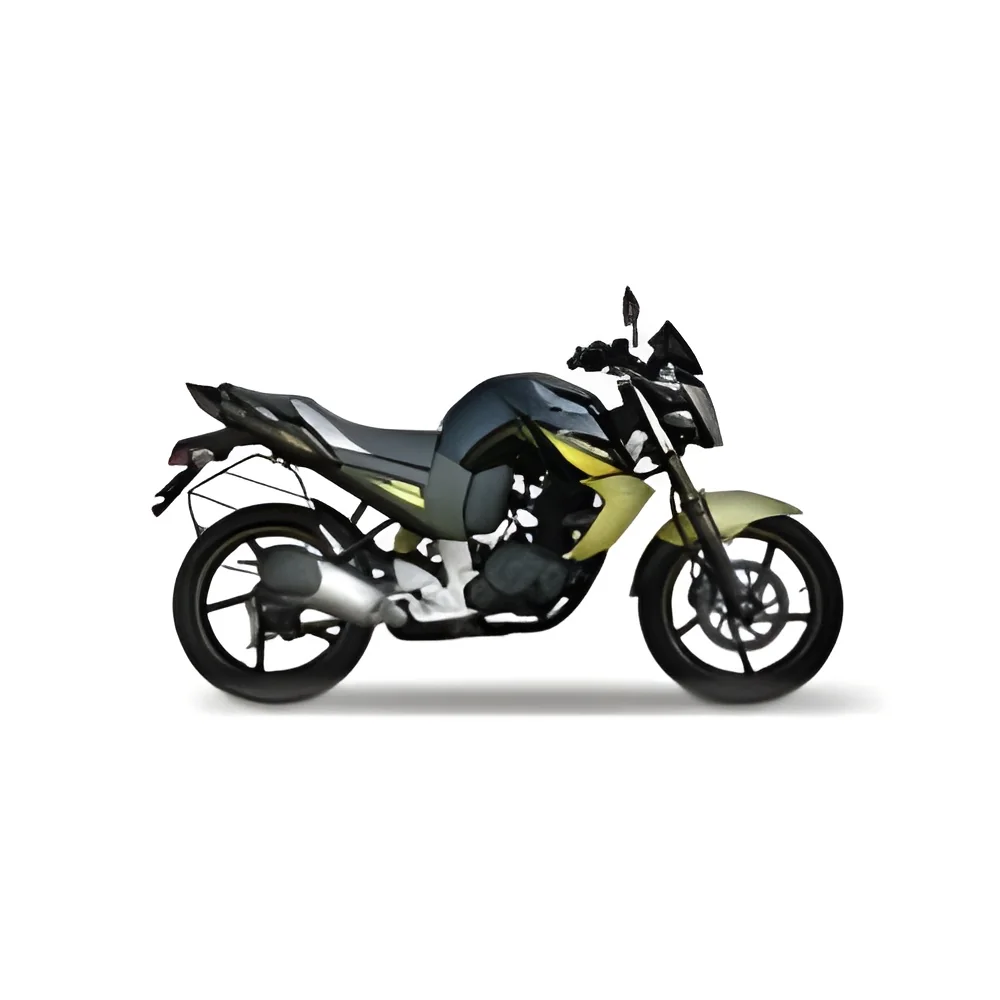
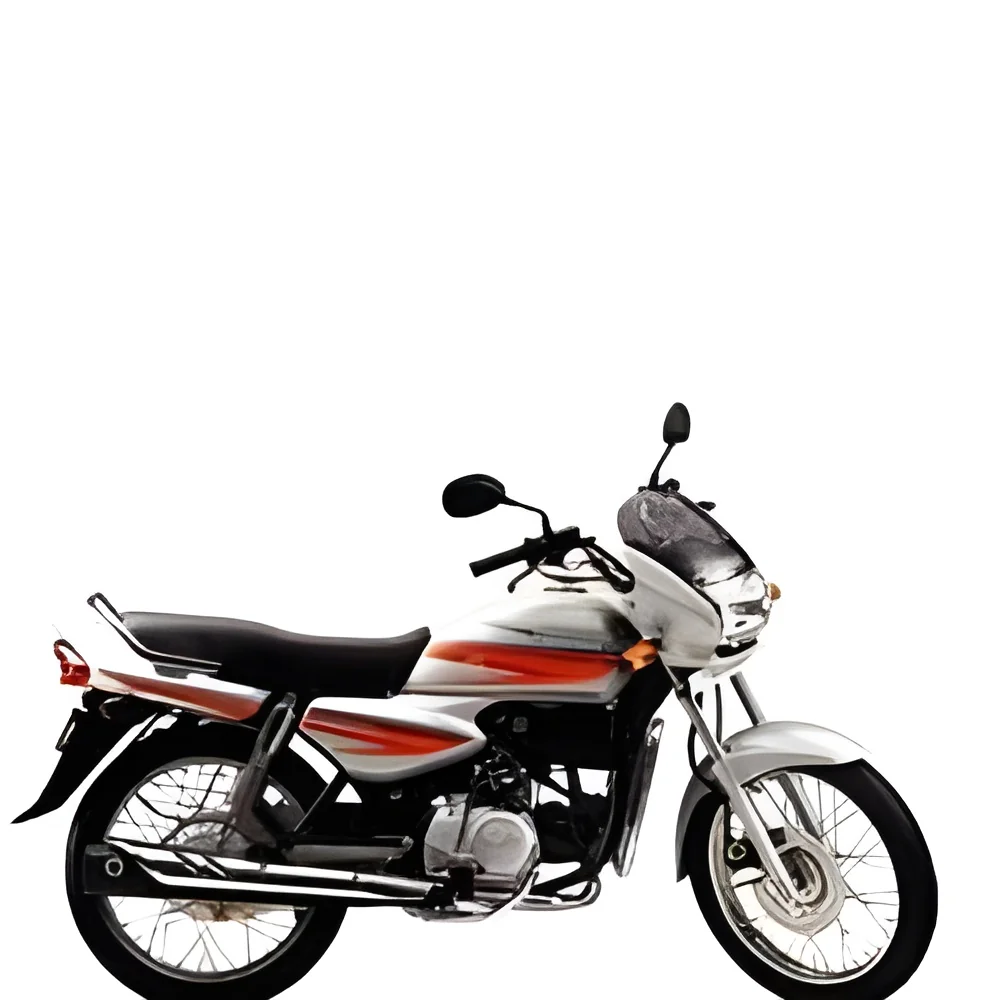
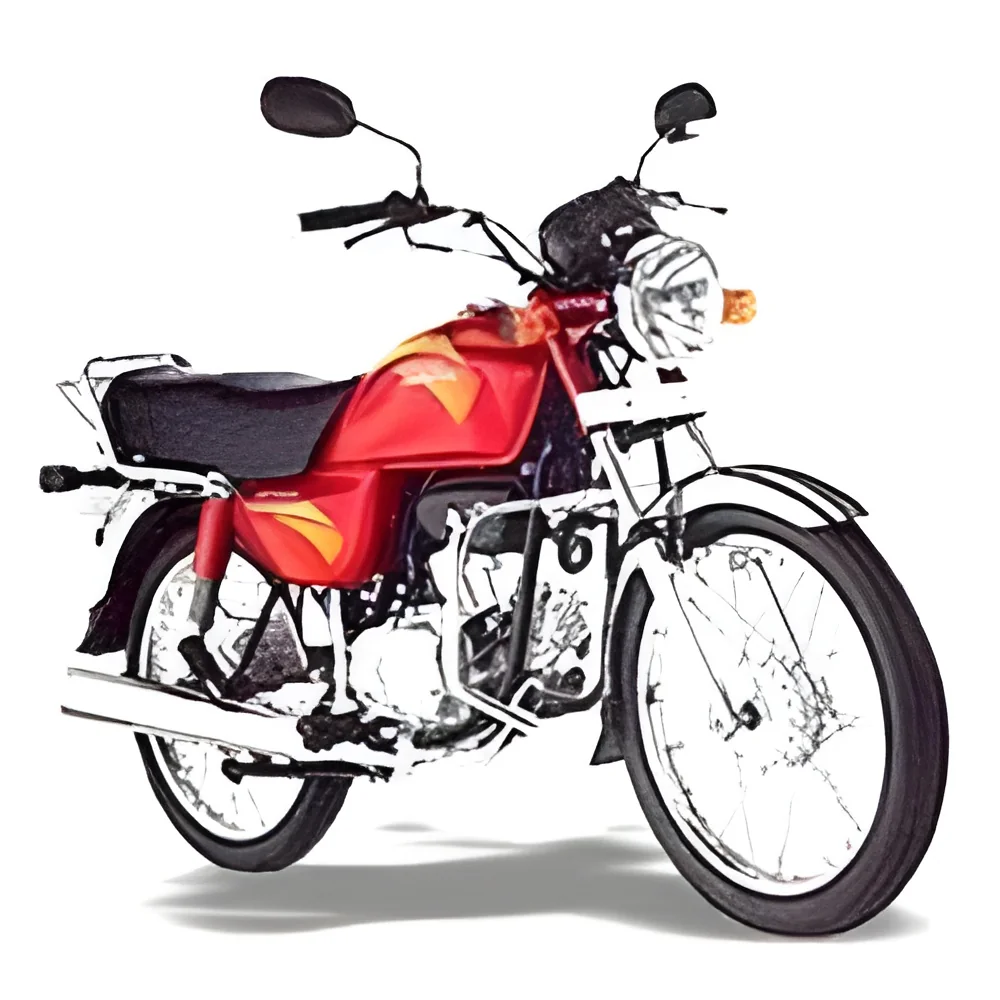
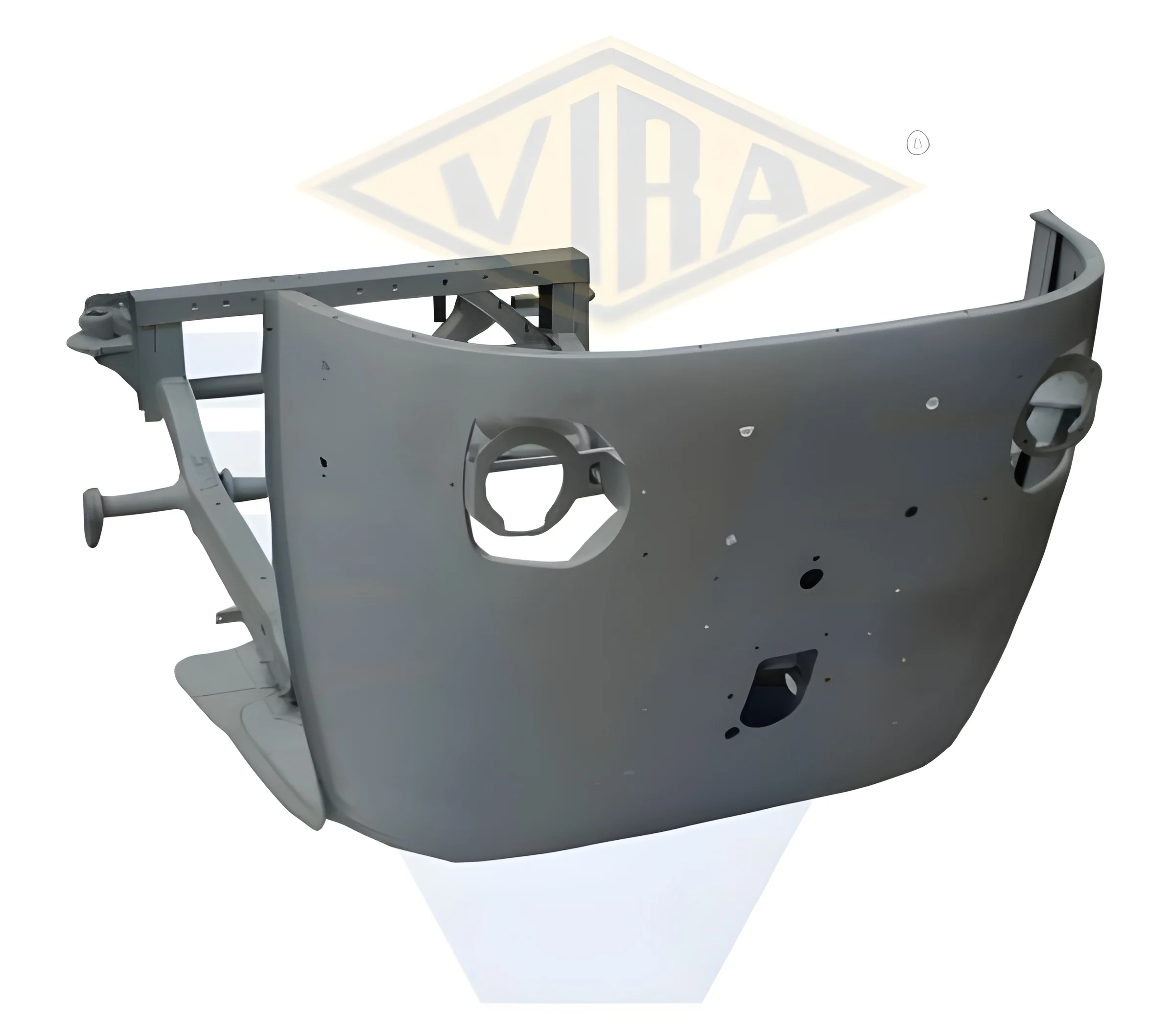
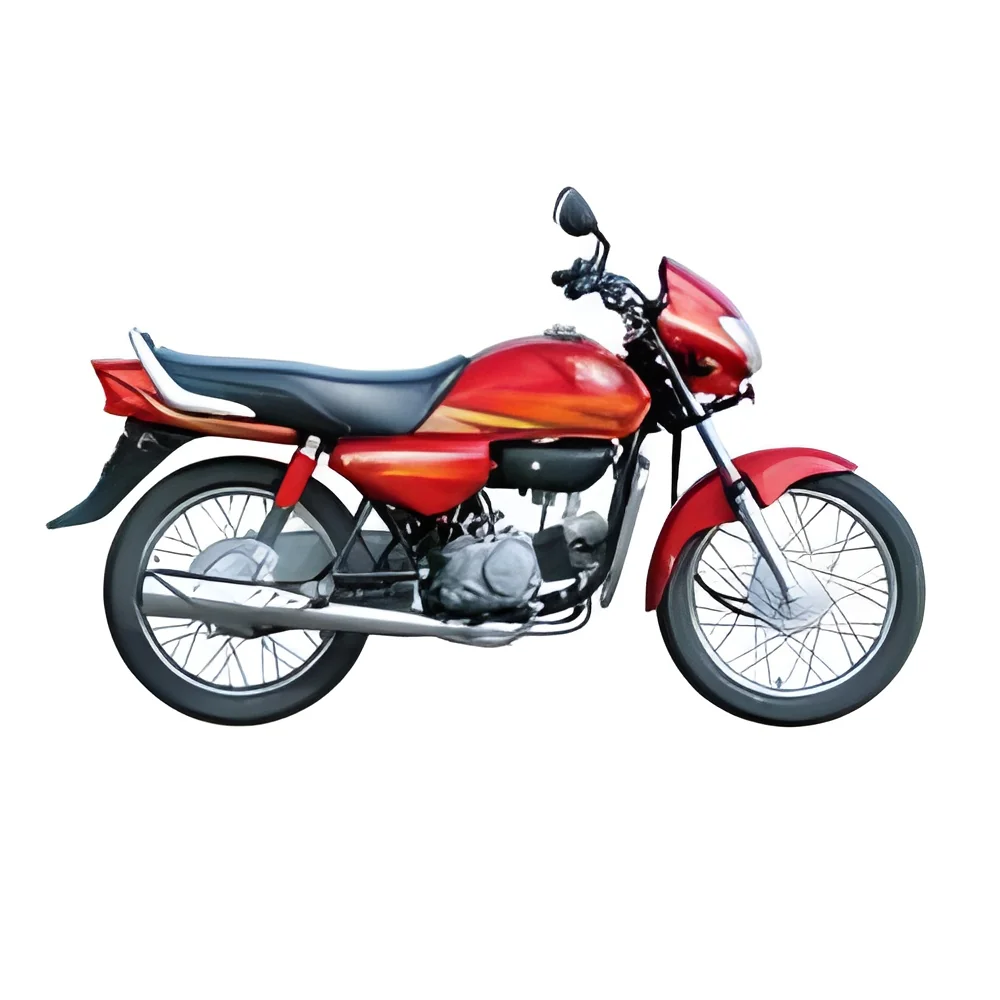
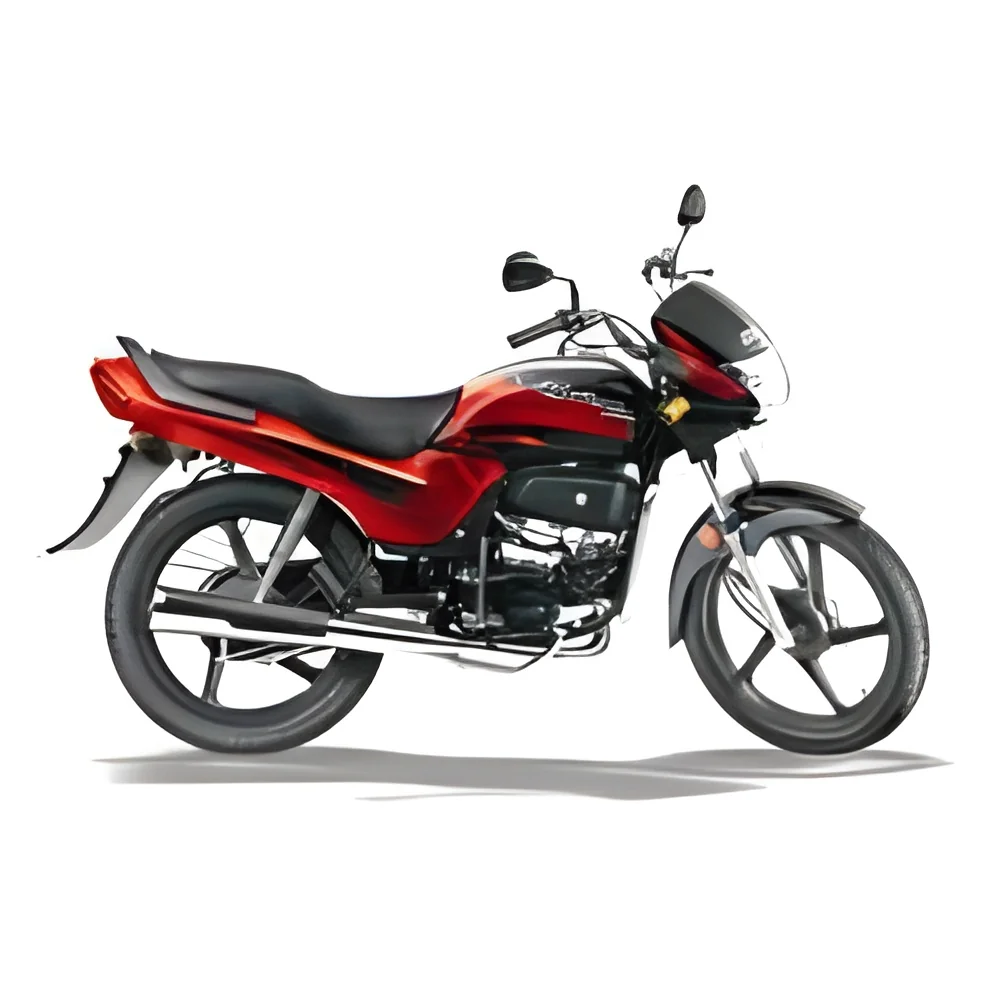
Two-wheeler OEM manufacturers are companies that design and produce original equipment for motorcycles, scooters, and other two-wheeled vehicles. These manufacturers play a crucial role in the automotive supply chain, providing essential components and assemblies that meet specific standards for performance and safety. Their products range from entire vehicles to individual parts like engines, frames, and electrical systems.
The primary uses of two-wheeler OEM manufacturers include supplying parts to motorcycle assemblers, aftermarket suppliers, and service providers. These components are integral to the assembly and functionality of two-wheeled vehicles, ensuring they operate efficiently and safely. OEM manufacturers are essential partners for businesses in the automotive industry, as they help maintain quality control and compliance with industry standards.
In the broader market context, the demand for two-wheelers continues to grow, driven by urbanization and the need for affordable transportation solutions. As the industry evolves, OEM manufacturers must adapt to changing technologies and consumer preferences, making their role even more significant in the competitive landscape.
𝗞𝗲𝘆 𝗙𝗲𝗮𝘁𝘂𝗿𝗲𝘀 𝗮𝗻𝗱 𝗦𝗽𝗲𝗰𝗶𝗳𝗶𝗰𝗮𝘁𝗶𝗼𝗻𝘀
Two-wheeler OEM manufacturers are defined by several key features and specifications that ensure the quality and performance of their products. These specifications are critical for businesses to understand when selecting suppliers.
Key specifications include:
1. Quality Standards
- Compliance with international standards like ISO 9001
- Assurance of product reliability and safety
2. Certification
- CE certification indicating compliance with European safety standards
- Verification of manufacturing processes and materials
3. Material Specifications
- Use of high-strength alloys and composites
- Durability against various environmental factors
4. Performance Parameters
- Specifications for engine output, fuel efficiency, and emission levels
- Testing protocols for safety and reliability
5. Manufacturing Processes
- Advanced techniques like CNC machining and robotic assembly
- Quality control measures throughout production
6. Customization Options
- Ability to produce tailored components based on client requirements
- Flexibility in design and production volumes
7. Supply Chain Efficiency
- Logistics management for timely delivery
- Robust inventory systems to support demand fluctuations
8. After-Sales Support
- Availability of technical assistance and product warranties
- Commitment to ongoing customer service and support
In summary, understanding these features and specifications is essential for businesses looking to partner with two-wheeler OEM manufacturers.
𝗖𝗼𝗺𝗺𝗼𝗻 𝗔𝗽𝗽𝗹𝗶𝗰𝗮𝘁𝗶𝗼𝗻𝘀 𝗮𝗻𝗱 𝗨𝘀𝗲 𝗖𝗮𝘀𝗲𝘀
Two-wheeler OEM manufacturers serve a wide range of industries through their diverse product offerings.
1. Automotive Industry: OEM manufacturers supply essential components to motorcycle manufacturers, supporting the assembly of new vehicles and offering parts for maintenance and repairs.
2. Transportation Services: Companies providing delivery and logistics solutions depend on two-wheeled vehicles. OEM manufacturers ensure that these vehicles are reliable and efficient.
3. Recreational Vehicles: Manufacturers of recreational motorcycles and scooters rely on OEMs for high-performance components that enhance safety and user experience.
4. Government and Public Services: Many public services utilize two-wheelers for efficiency in urban environments. OEM manufacturers provide durable and cost-effective vehicles for these applications.
5. Export Markets: Countries with developing economies are significant markets for two-wheeler OEM manufacturers, as they help meet local demands for affordable transportation solutions.
6. Parts Retail: Aftermarket suppliers utilize products from OEM manufacturers to provide replacement parts and enhancements for existing vehicles.
7. Electric Vehicle Sector: With the rise of electric two-wheelers, OEM manufacturers are adapting their offerings to include electric drivetrains and related components.
𝗣𝗿𝗼𝗱𝘂𝗰𝘁 𝗩𝗮𝗿𝗶𝗮𝗻𝘁𝘀 𝗮𝗻𝗱 𝗦𝘂𝗯𝗰𝗮𝘁𝗲𝗴𝗼𝗿𝗶𝗲𝘀
Two-wheeler OEM manufacturers produce a variety of product variants to meet different market needs. This diversity allows businesses to select the most suitable options based on their specific requirements.
Motorcycle Components
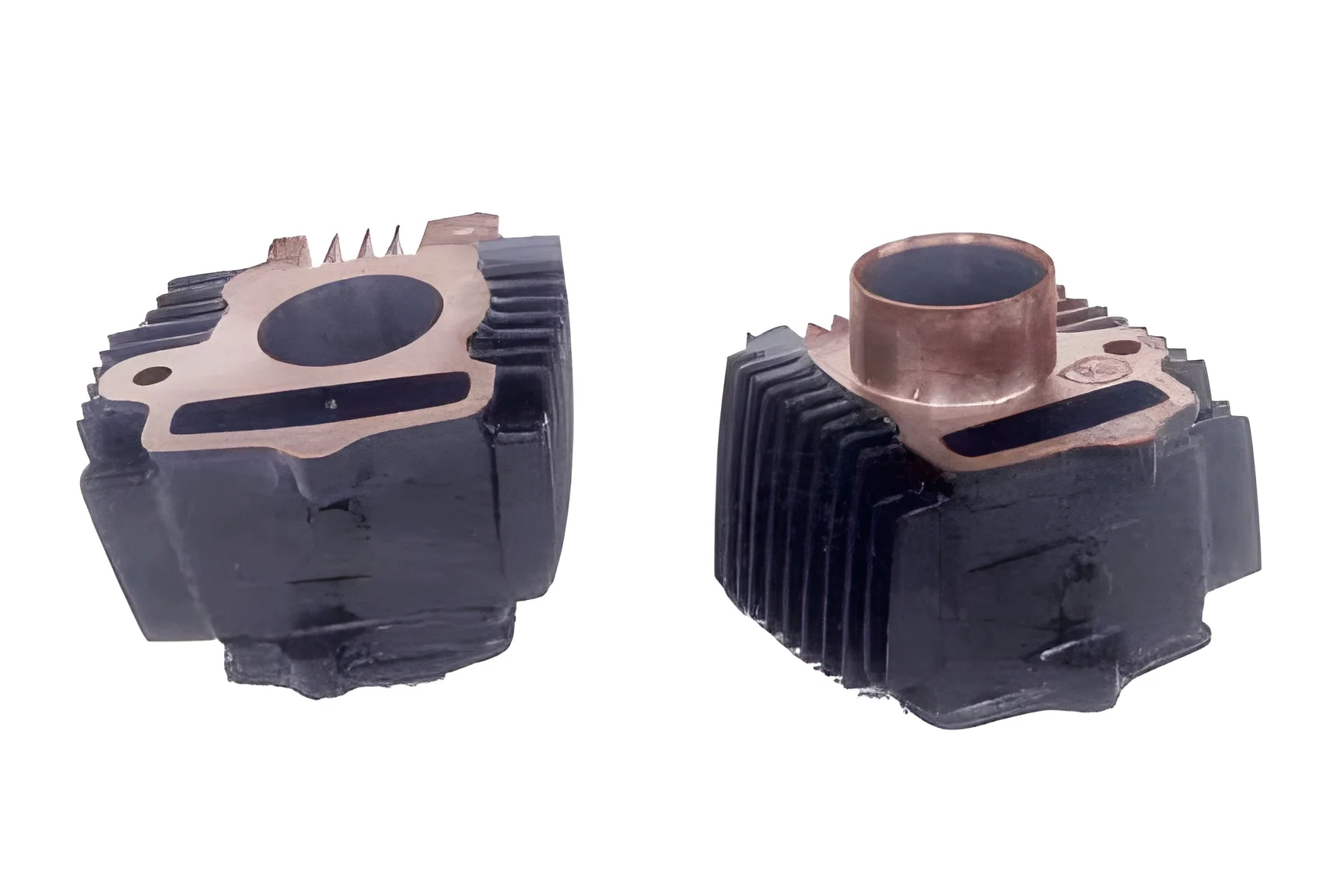
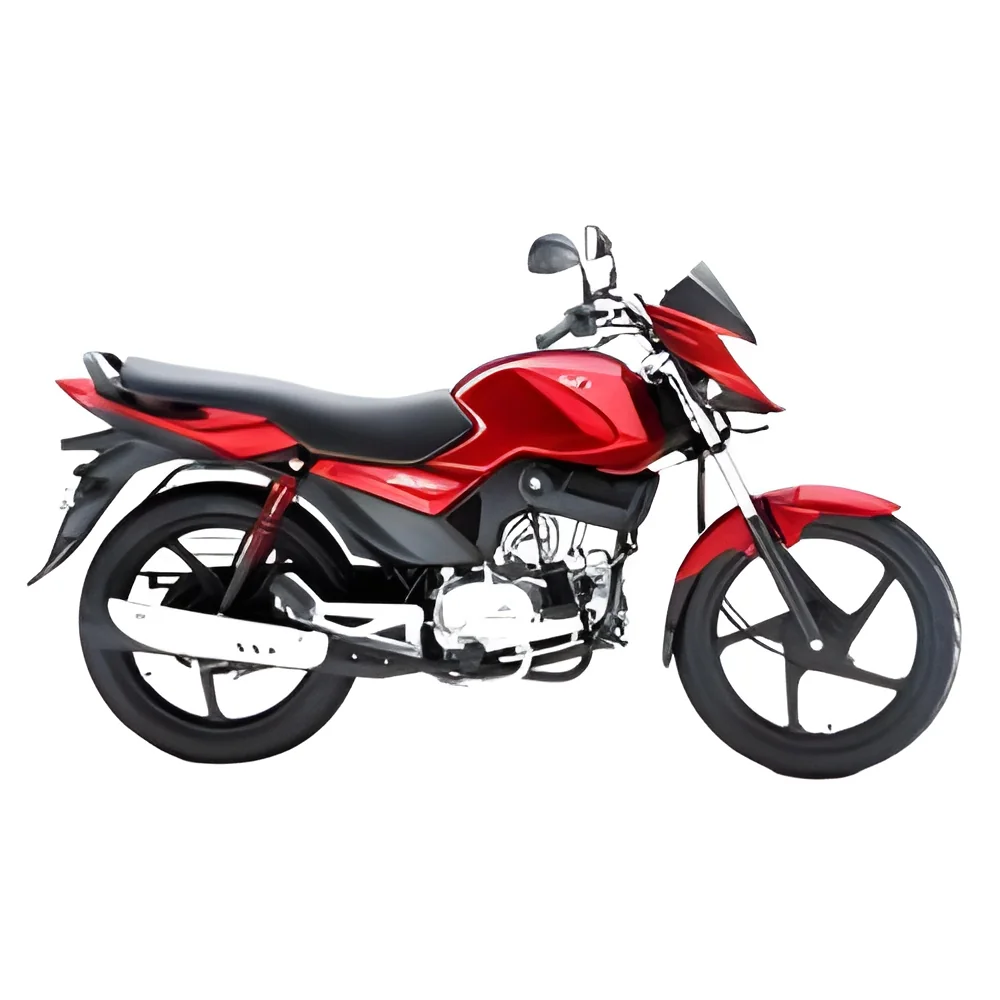
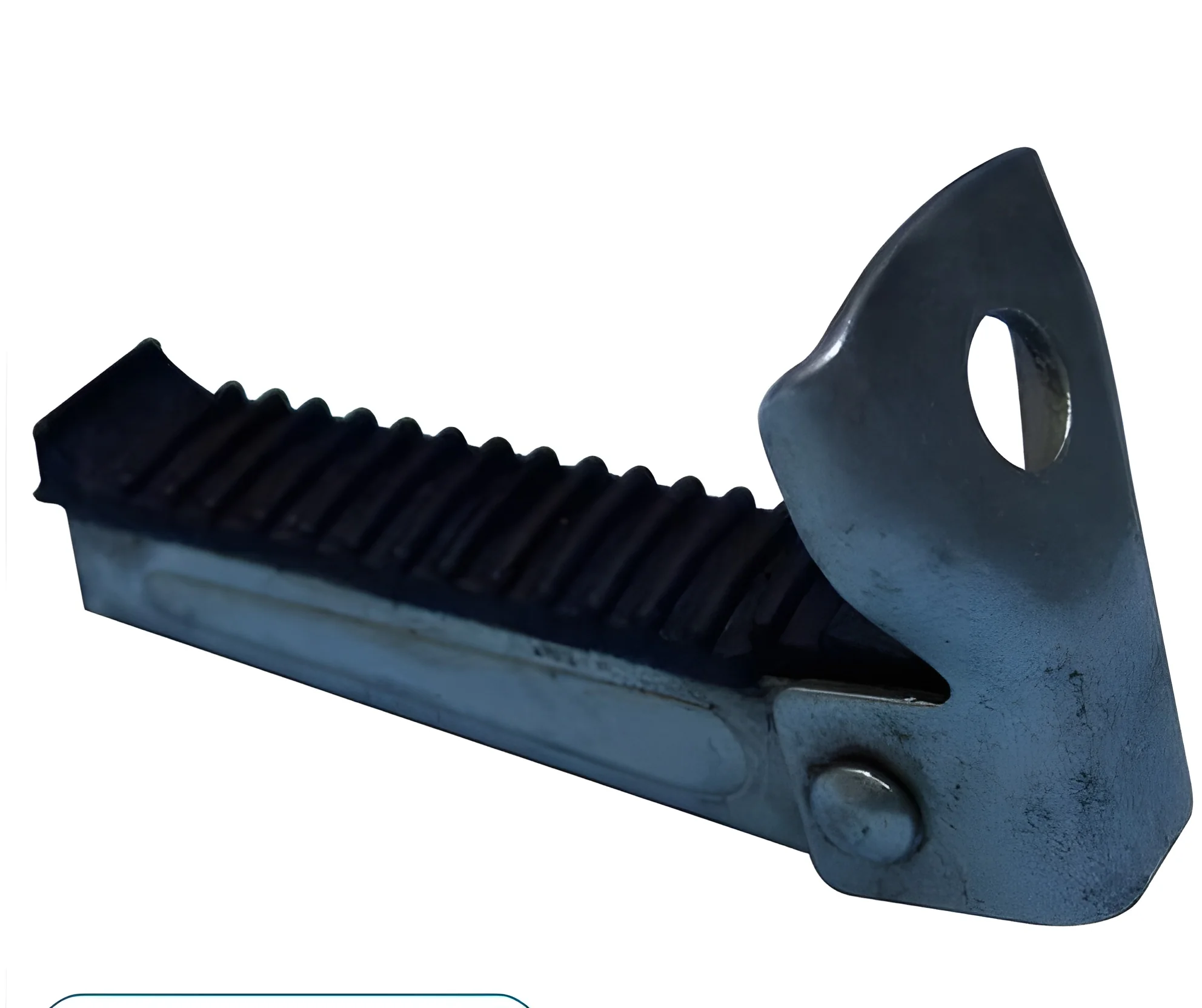
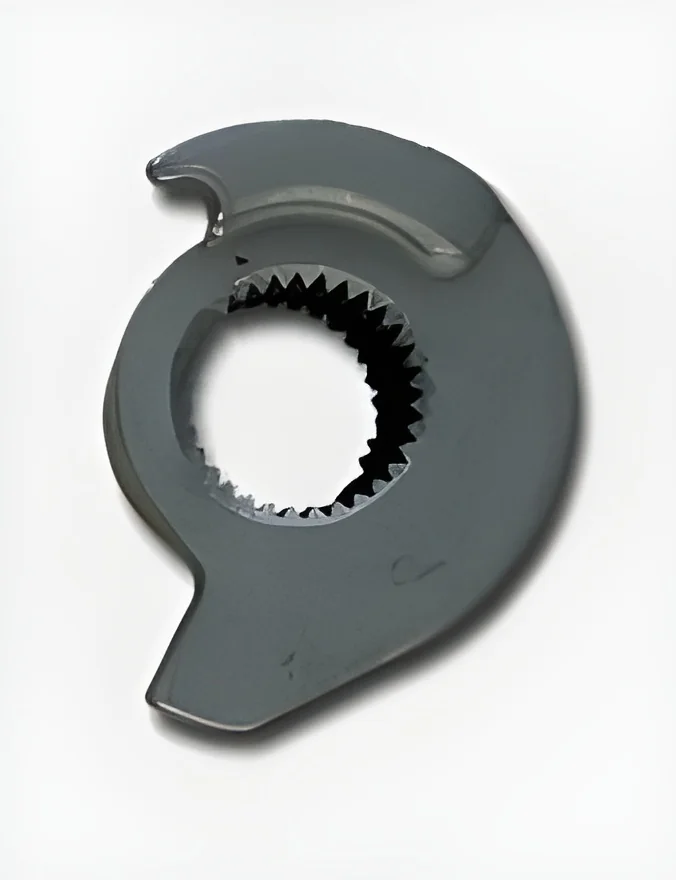
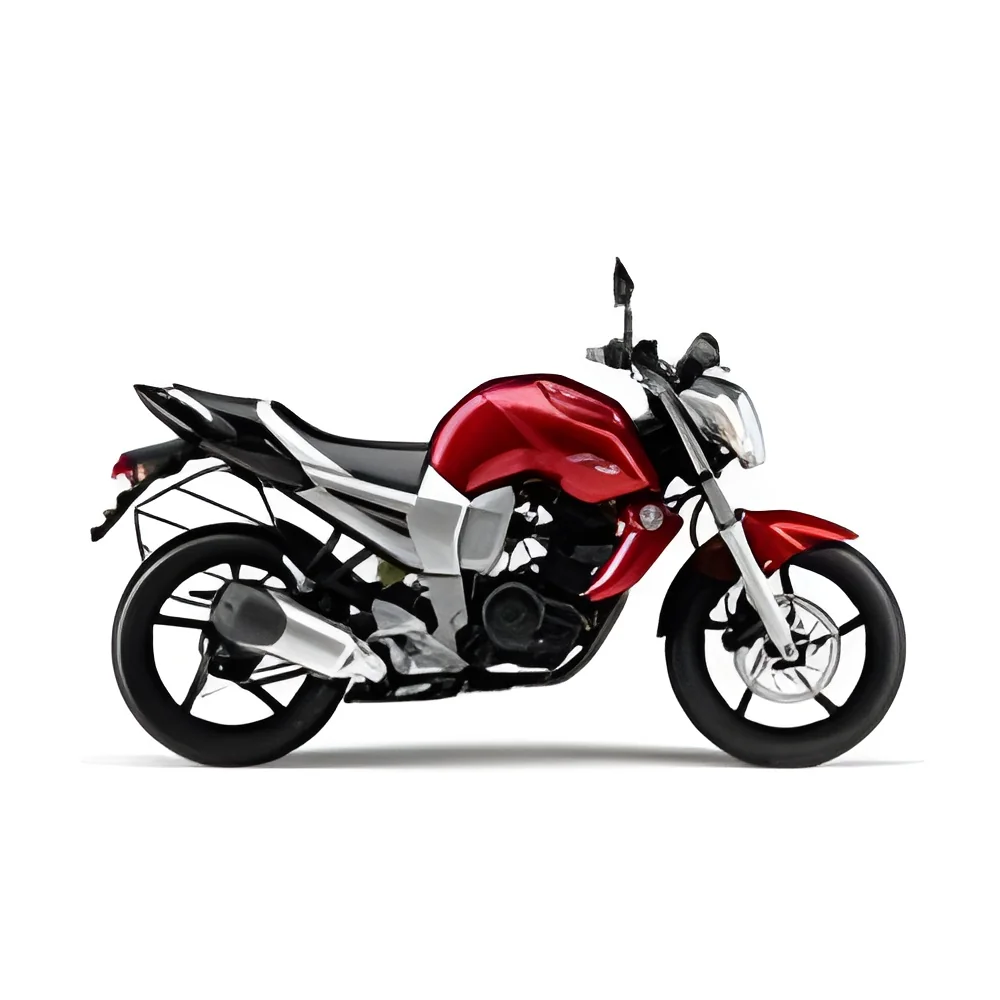
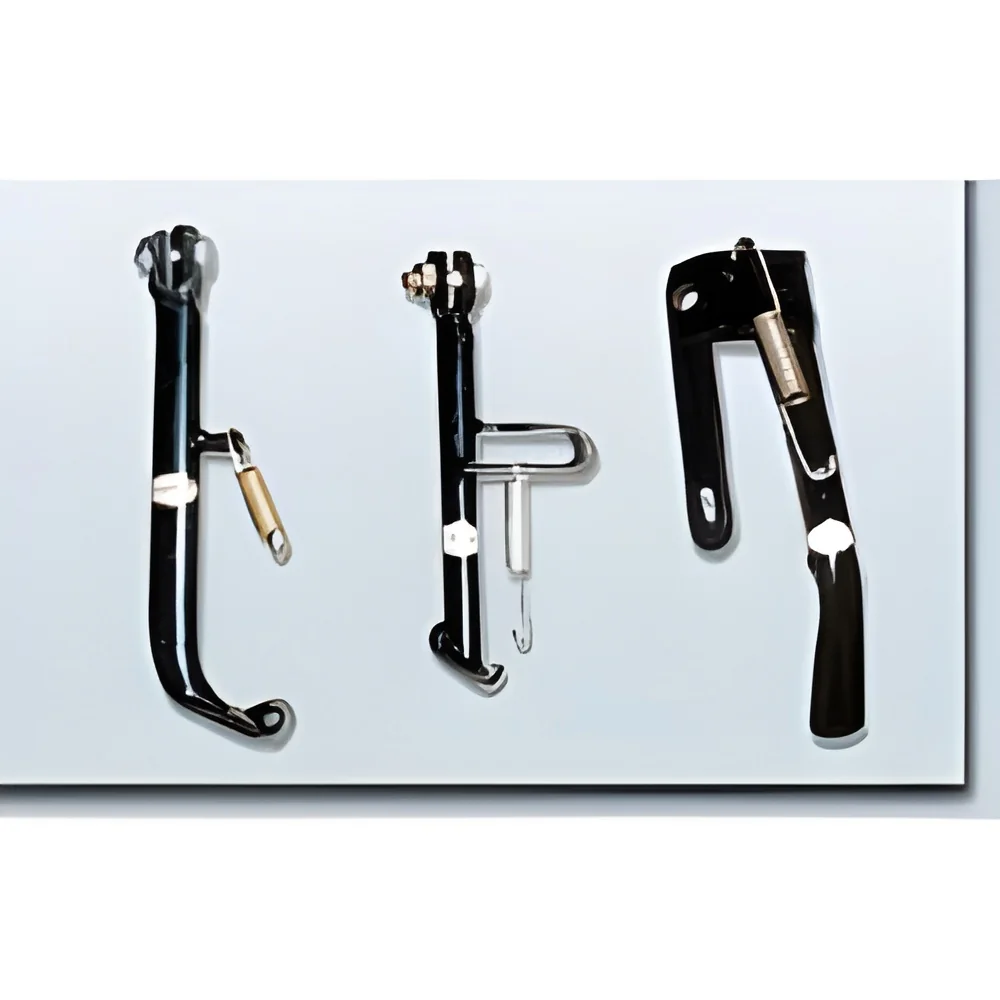
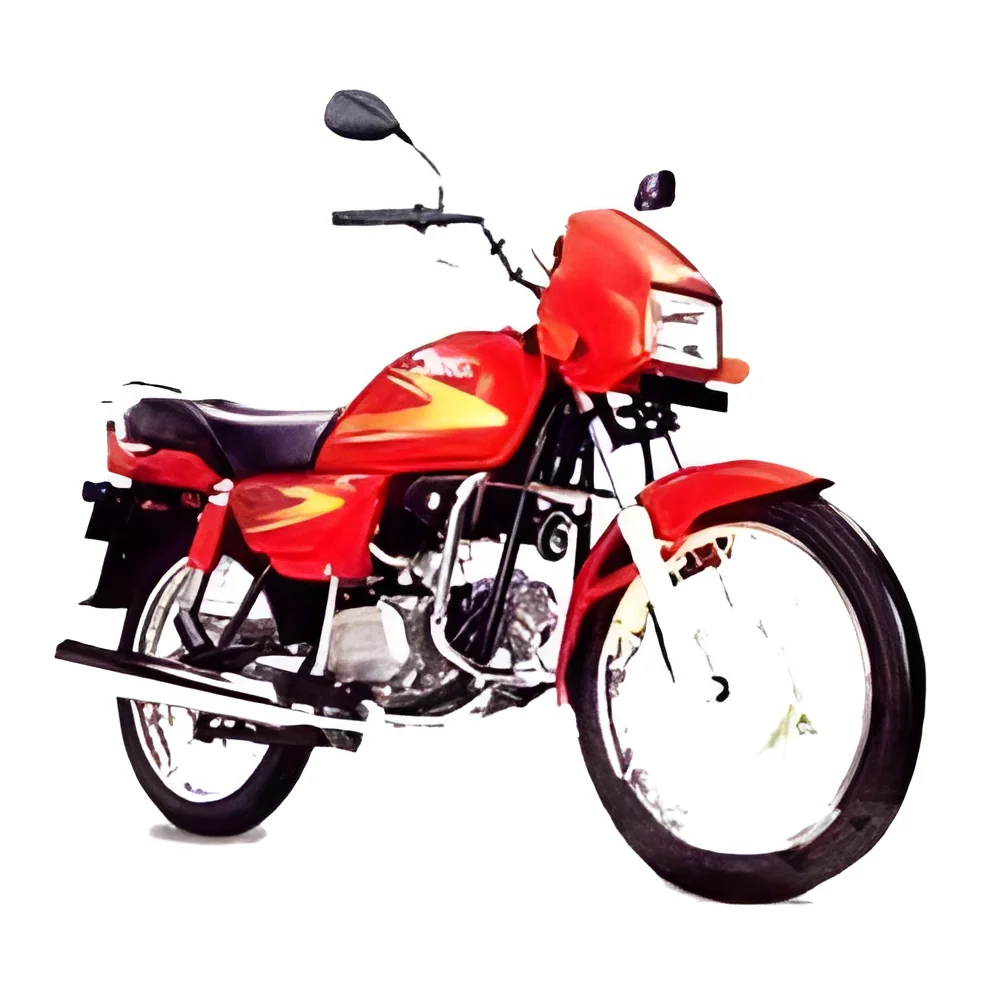
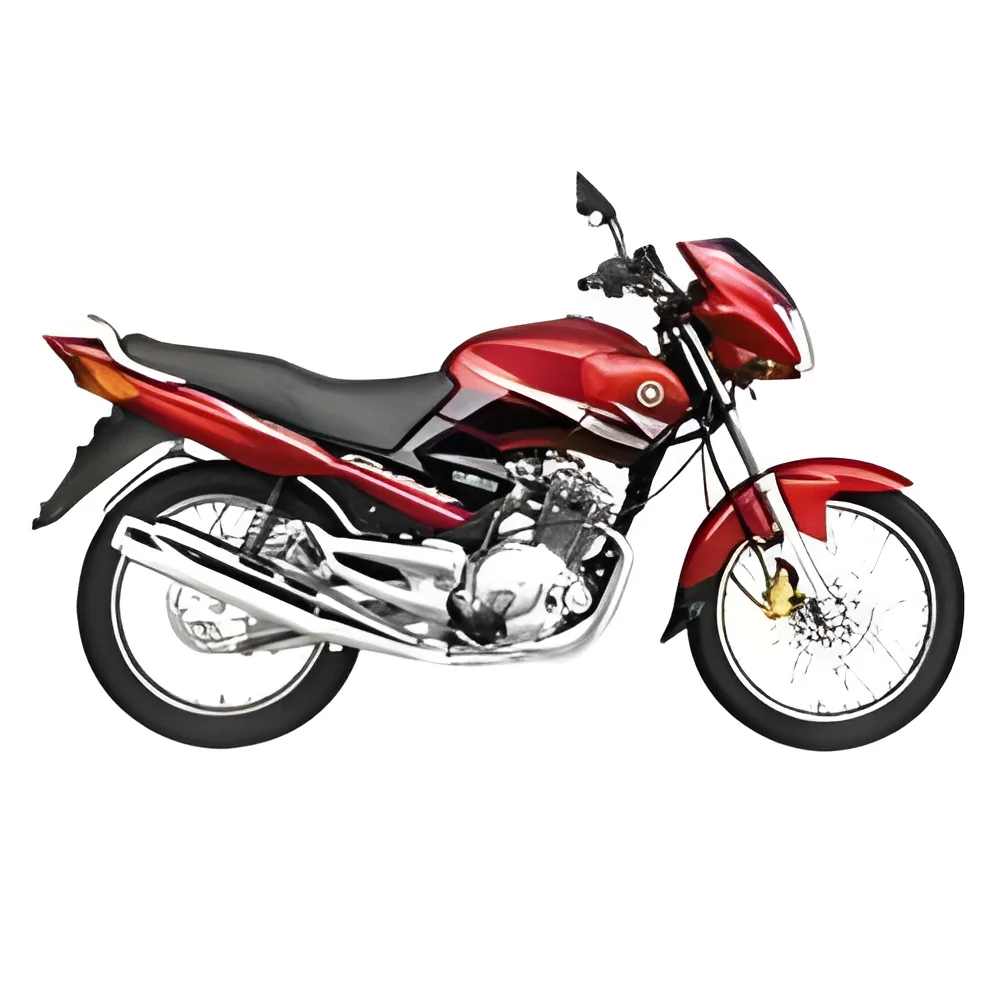
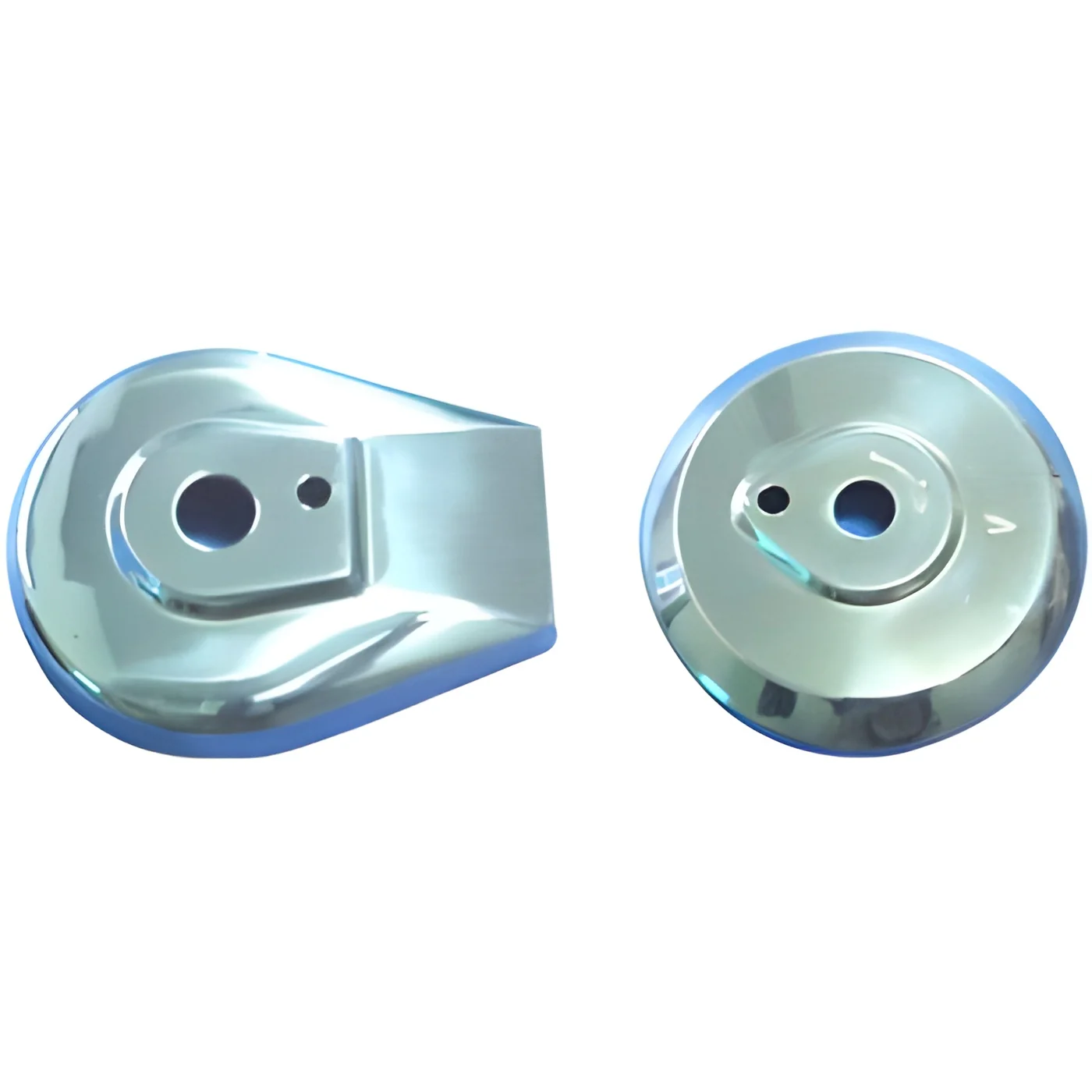
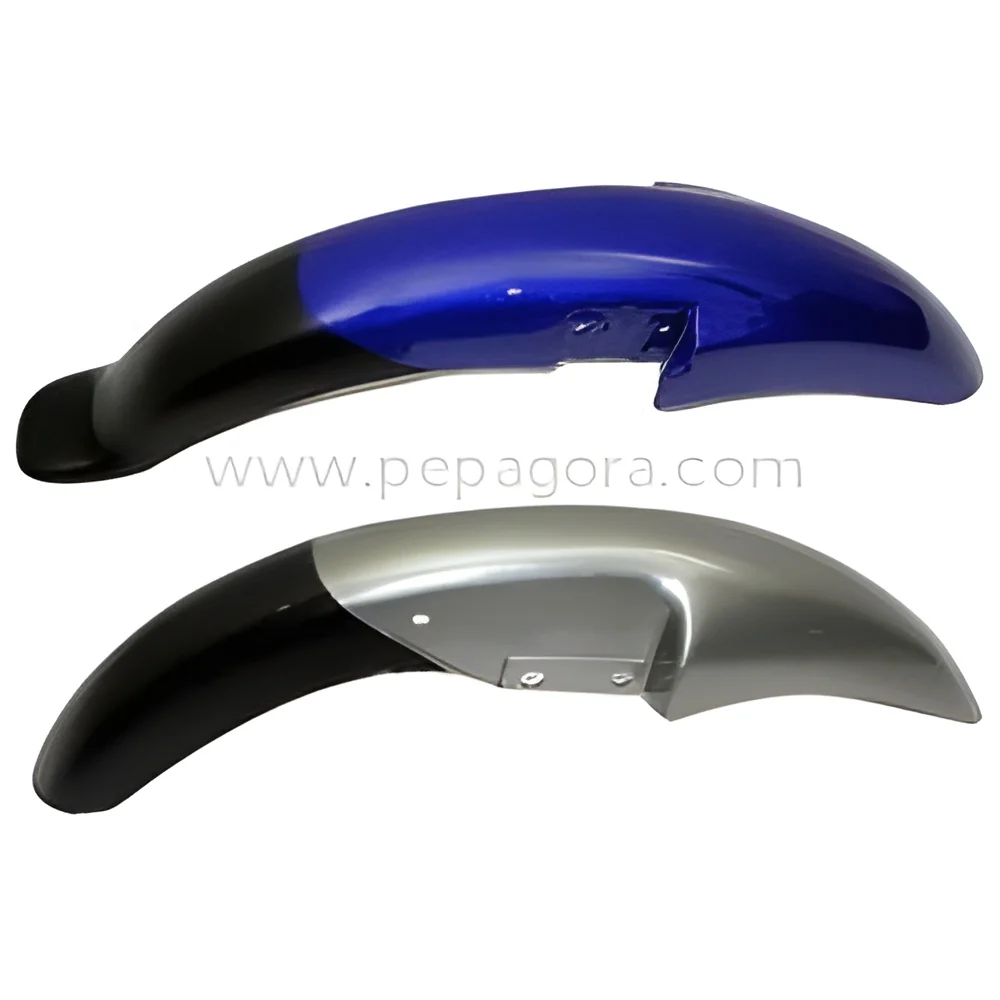
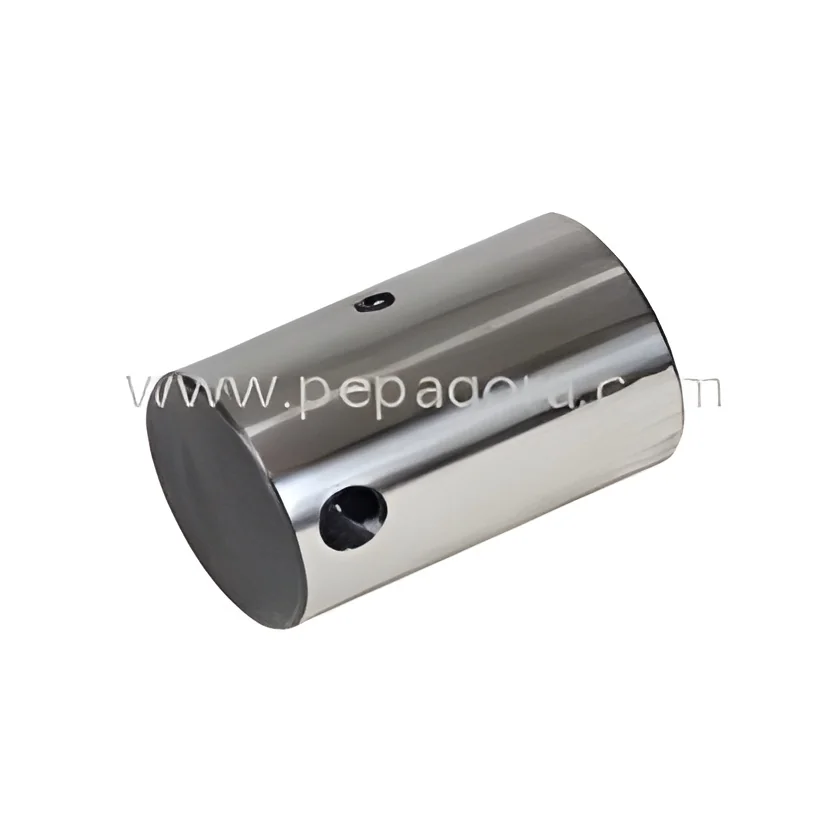
This variant includes engines, transmissions, and chassis parts designed for high-performance motorcycles. These components are engineered for durability and efficiency, catering to both standard and racing applications.
Scooter Parts
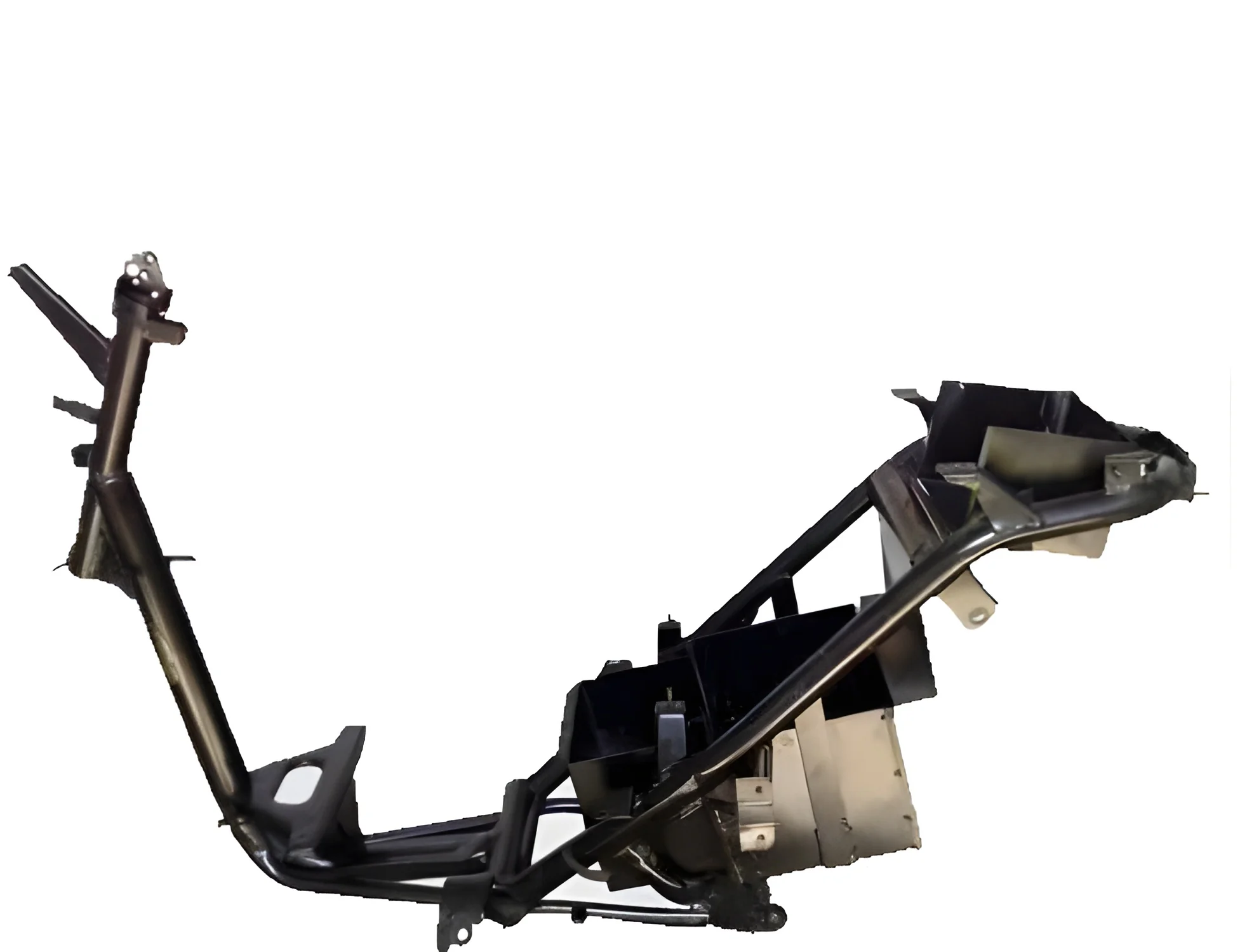
OEM manufacturers offer a range of parts specifically for scooters, including lightweight frames and efficient engines. These components are tailored for urban mobility, focusing on fuel efficiency and ease of use.
Electric Two-Wheelers
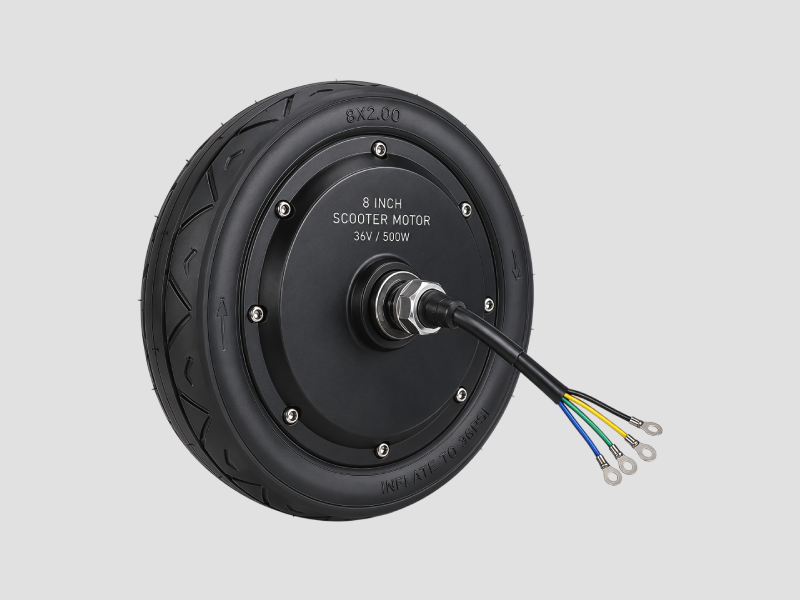
With the growing demand for sustainable transportation, OEMs are now producing electric components such as batteries and electric motors. These parts are designed for optimal performance in electric scooters and bikes.
Custom Parts
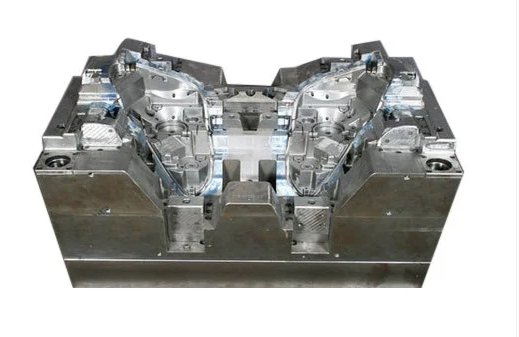
Some OEM manufacturers specialize in custom parts, allowing clients to specify unique designs and functionalities. This flexibility supports niche markets and specific applications.
𝗕𝗲𝗻𝗲𝗳𝗶𝘁𝘀 𝗮𝗻𝗱 𝗔𝗱𝘃𝗮𝗻𝘁𝗮𝗴𝗲𝘀
Partnering with two-wheeler OEM manufacturers offers numerous advantages for businesses in the automotive industry.
Key benefits include:
1. Enhanced Quality Assurance: OEM manufacturers adhere to strict quality standards, ensuring that all components meet safety and performance criteria.
2. Cost Efficiency: By sourcing parts directly from OEMs, businesses can reduce costs associated with production and procurement.
3. Access to Expertise: OEM manufacturers often have extensive industry knowledge, providing valuable insights into product development and market trends.
4. Customization Flexibility: Many OEMs offer customization options, allowing businesses to tailor products to their specific needs.
5. Reliable Supply Chains: Established OEM manufacturers often have robust logistics systems in place, ensuring that components are delivered on time.
6. Ongoing Support: Many OEM manufacturers provide after-sales support and technical assistance, helping clients address any issues that may arise.
𝗕𝘂𝘆𝗶𝗻𝗴 𝗚𝘂𝗶𝗱𝗲 𝗳𝗼𝗿 𝗕𝟮𝗕 𝗕𝘂𝘆𝗲𝗿𝘀
When sourcing two-wheeler OEM manufacturers, it is crucial to consider several key factors to ensure a successful partnership.
1. Quality Assessment: Evaluate potential manufacturers based on their adherence to industry standards and certifications. Request samples to assess product quality and reliability.
2. Supplier Verification: Vet suppliers thoroughly by checking their references, production capabilities, and market reputation. This helps ensure that you are partnering with a reputable manufacturer.
3. Pricing and MOQ: Understand the pricing structure and minimum order quantities (MOQ) required by the manufacturer. This information is essential for budgeting and planning.
4. Delivery and Lead Times: Inquire about the manufacturer's logistics capabilities and typical lead times. Timely delivery is critical for maintaining production schedules.
5. Compliance Requirements: Be aware of any regulatory compliance needs in your region. Ensure that the manufacturer meets all necessary standards to avoid potential legal issues.
𝗖𝗼𝗺𝗽𝗹𝗶𝗮𝗻𝗰𝗲 𝗮𝗻𝗱 𝗖𝗲𝗿𝘁𝗶𝗳𝗶𝗰𝗮𝘁𝗶𝗼𝗻𝘀
Compliance and certification are critical aspects for two-wheeler OEM manufacturers. Adherence to relevant quality standards ensures that products are safe and reliable.
ISO 9001 is a widely recognized quality management standard that outlines requirements for quality assurance systems. Manufacturers compliant with ISO 9001 demonstrate their commitment to consistent quality and customer satisfaction.
CE certification indicates that products meet European safety, health, and environmental protection standards. This certification is often required for manufacturers looking to enter European markets.
Safety and testing requirements are essential in the two-wheeler industry. Manufacturers must conduct rigorous testing of their components to ensure they can withstand various operating conditions and meet safety regulations.
Regional compliance considerations vary by market. Manufacturers must be aware of local laws and regulations that impact their products, ensuring they meet all necessary compliance requirements for the regions in which they operate.
𝗪𝗵𝘆 𝗦𝗼𝘂𝗿𝗰𝗲 𝗧𝘄𝗼-𝗪𝗵𝗲𝗲𝗹𝗲𝗿 𝗢𝗘𝗠 𝗠𝗮𝗻𝘂𝗳𝗮𝗰𝘁𝘂𝗿𝗲𝗿𝘀 𝗳𝗿𝗼𝗺 𝗣𝗲𝗽𝗮𝗴𝗼𝗿𝗮?
Pepagora provides a trusted platform for sourcing two-wheeler OEM manufacturers, offering several distinct advantages for businesses.
Verified Supplier Network: Pepagora has a rigorous verification process for suppliers, ensuring that only reputable manufacturers are listed on the platform. This helps buyers make informed decisions and minimizes risks.
Streamlined RFQ Process: The request for quotation (RFQ) system on Pepagora simplifies the procurement process, allowing buyers to easily compare offers from multiple manufacturers. This efficiency saves time and resources.
Trade Assurance and Support: Pepagora offers buyer protection measures, ensuring that transactions are secure. Their support team is available to assist with any inquiries or issues that may arise during the sourcing process.
Regional Coverage: With a focus on India, the GCC, and Southeast Asia, Pepagora connects buyers with manufacturers across these regions, facilitating access to a diverse range of products and solutions. This geographic reach enhances the sourcing experience for businesses looking to expand their operations.

 IN
IN